Matox News

Truth Over Trends, always!

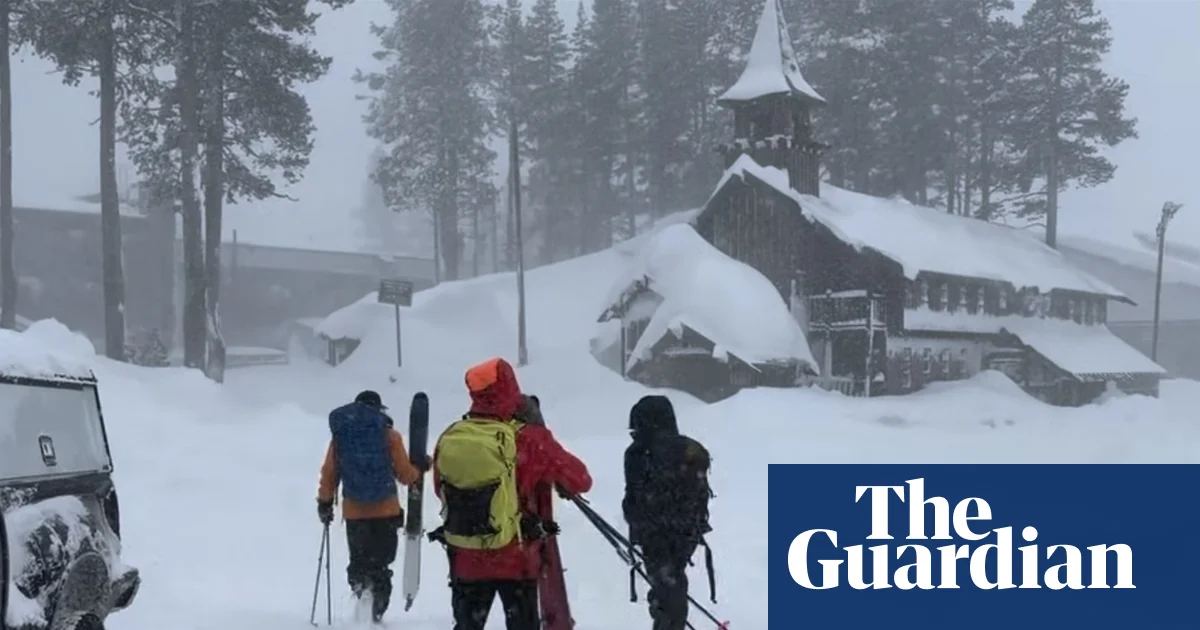
Skier SOS: Avalanche-Stranded Teens Use iPhone Panic Button to Call for Help

The tragic accident near Lake Tahoe, which claimed the lives of at least eight individuals in a devastating avalanche, underscores the profound influence of technological innovation in the realm of crisis management, especially amid the increasingly unpredictable challenge of natural disasters. The incident involved a group of 15 skiers, including six instructors and nine clients, with six survivors rescued thanks to the pioneering emergency SOS feature embedded within Apple’s devices. This cutting-edge technology, introduced in 2022, exemplifies how private technological advancements are becoming instrumental tools in the broader context of international safety and security cooperation.

According to reports, the survivors relied on the iPhone’s satellite-based emergency communication to alert authorities, enabling rescue efforts in a remote, rugged environment where traditional cell towers are nonexistent. Sheriff Shannan Moon confirmed that emergency teams accessed vital information through conversations facilitated by the feature, leading to the rescue of six individuals and the discovery of multiple bodies. Meanwhile, the California Office of Emergency Services engaged in extensive, hours-long coordination with rescuers and guides via personal locator beacons capable of satellite texting, illustrating a shift towards a more technologically interconnected era of crisis response. This incident demonstrates an important “turning point” in crisis management, where private corporations and government agencies are increasingly intertwined in safeguarding lives during natural disasters.

From a geopolitical impact perspective, the incident and technological responses highlight a rapidly evolving landscape where nations are compelled to adapt to the geopolitical consequences of technological sovereignty and innovation. As global institutions and governments rely more deeply on private corporations’ advances, such as Apple’s satellite capabilities, the independence and security of national emergency infrastructure are indirectly affected. Experts warn that reliance on private tech firms for critical situations raises questions about sovereignty, data control, and the potential for international tensions, especially if these technologies are manipulated or fail during crises. Analysts like Dr. Maria Lopez, a security scholar at the Global Policy Institute, note that “the integration of commercial satellite tech into state-level rescue operations signifies a new form of public-private partnership, reshaping the realm of international crisis response and security.”

In the geopolitical theater, where nations contest control over technology and airspace, these incidents serve as a stark reminder that the boundary line between private innovation and national security is becoming increasingly blurred. As international organizations scrutinize the role of private corporations in critical communications, the implications of a single tech company wielding such influence become more apparent. This moment, poised at the intersection of natural peril and technological power, reminds humanity that the march of history continues—a relentless pursuit of survival shaped by the decisions of today, where the nation-state’s sovereignty is no longer the sole arbiter of security, but part of a broader, interconnected tapestry spanning corporate interests, technological control, and global stability.

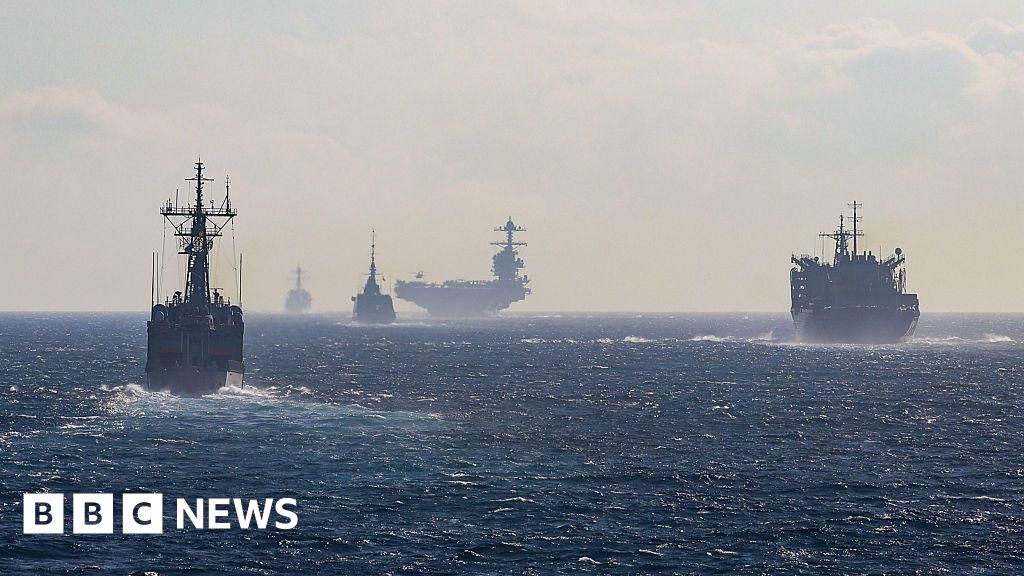
US Navy ships collide off South America — a wake-up call for maritime safety

The unfolding narrative of recent military activity underscores an ongoing shift in international power dynamics, highlighting how U.S. military operations continue to influence regional stability. According to official reports, two individuals involved in the operation sustained minor injuries and remain in stable condition, a detail that underscores the relatively controlled nature of the incident. While the injuries are minor, the implications of this event reverberate far beyond the immediate vicinity, touching upon broader strategic concerns and diplomatic repercussions in an increasingly complex geopolitical arena.

Experts and analysts from various international institutions are closely monitoring how such incidents fit into the larger tapestry of posturing and power projection by global superpowers. Historians like Dr. Julia Schneider, renowned for her work on military conflicts, warn that even seemingly minor engagements can serve as barometers for escalating tensions. The U.S. military has repeatedly emphasized its commitment to operational safety and stability, yet critics contend that such actions risk unintended escalation, especially in volatile regions where alliances are fragile and rivalries are intensifying. Although the injuries were minor, the incident raises questions about the precision and prudence of military interventions in sensitive zones.

The geopolitical impact of this event resonates across nations harboring stakes in regional security. The recently heightened tension underscores the importance of diplomatic channels and multilateral agreements, such as the fragile ceasefire agreements and international treaties designed to prevent open conflict. As international organizations like the United Nations seek to mediate, many analysts suggest that such incidents threaten to undo years of diplomatic progress, exacerbating fears of a broader regional escalation. Historically, similar events have often served as turning points, leading to wider conflicts or renewed arms races, as witnessed during the Cold War era. The delicate balance of power hangs in the balance, with each side reassessing its position and strategy in real time.

Looking ahead, the ramifications of this incident extend into societal contexts, as populations on all sides grapple with the realities of ongoing conflict and military intervention. Governments are under increasing pressure to justify their actions to domestic audiences, framing these operations as necessary for security and national interest. Meanwhile, international observers warn that decisions made today could incite hardened attitudes and escalate military confrontations. This moment in history remains a pivotal point where diplomacy, military prudence, and national interests intersect, shaping the course of the 21st century. As history’s pen continues to write, the weight of unresolved conflicts and potential confrontations looms large on the horizon—reminding us that every small incident carries the seed of a future determined by today’s choices.

Queensland’s new gun laws face backlash as critics call them the weakest in Australia

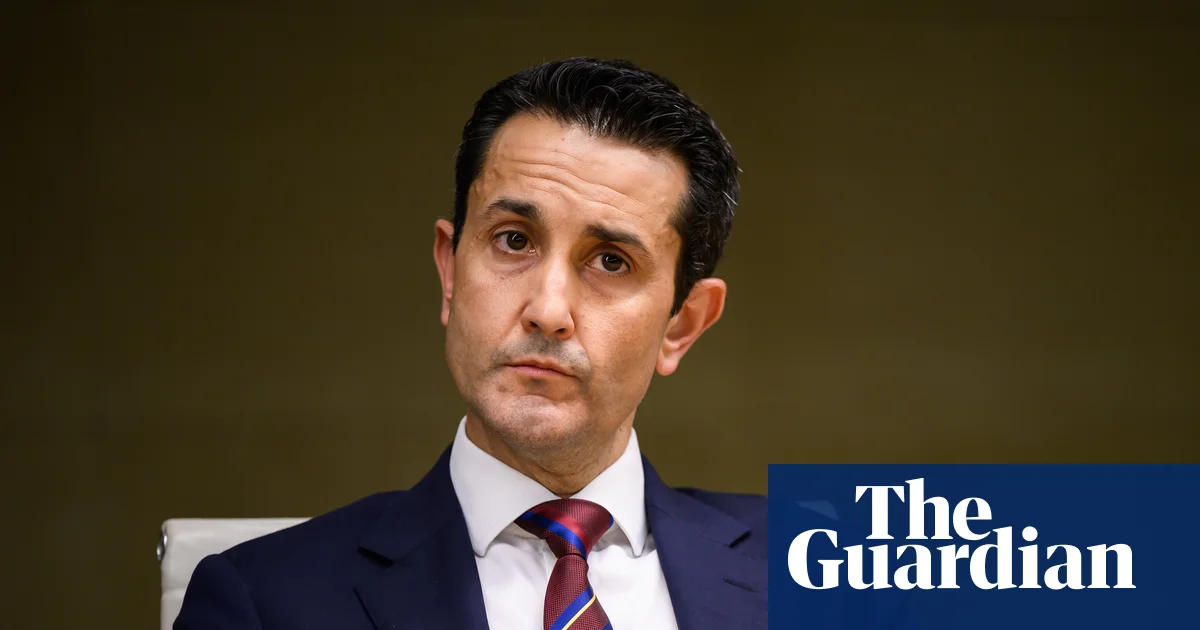
In a move that exemplifies the ongoing global struggle between individual freedoms and government control, Australia’s states and territories are enacting divergent policies on firearms and free speech. The recent decision by Queensland to uphold the weakest gun laws in the entire country marks a notable shift in the nation’s legislative landscape. Despite widespread calls for reform following heinous shootings, Queensland’s Premier, David Crisafulli, has dismissed demands for tighter restrictions, signaling a focus on protecting domestic gun owner rights over public safety.

This stance aligns with a broader pattern of resistance to federal initiatives, such as the proposed nationwide gun buyback scheme championed by Prime Minister Anthony Albanese. While other states, including New South Wales, have aggressively tightened firearm regulations—capping firearms per licence holder and banning rapid-fire weapons—Queensland chooses to reject these measures outright. By refusing the buyback and avoiding restrictions on the number or type of firearms, Queensland asserts its sovereignty, prompting critics and advocacy groups to accuse the government of prioritizing the interests of the firearm industry over collective safety. Such discord highlights the fracturing of national policy, as states act as independent centers of legislative power, shaping the social fabric in unique ways.

Meanwhile, internationally, analysts warn that these Australian policies reflect a concerning shift in how governments approach public safety through legislation. Organizations like the International Institute for Democracy and Electoral Assistance have expressed concern that laws which broaden police powers—such as those proposed to regulate terrorist activities and hate speech—could dangerously infringe on fundamental free speech rights. In Queensland, legislation aimed at banning the protest chant “from the river to the sea” epitomizes this tension, provoking fierce debate on how far governments can go in limiting expressions they deem offensive or threatening. Critics argue that enabling authorities to criminalize specific slogans under the guise of fighting hate speech risks paving the way for authoritarian overreach—an ominous warning echoed by civil liberties groups across the globe.

Historians caution that such legislative shifts are not inconsequential; they may serve as precursors to broader societal transformations. Many fear that the formulation of criminal laws targeting speech and firearm ownership signals an ideological battle to redefine civil liberties. As analysts like Professor Mark Latham observe, the specter of state overreach looms large when government officials prioritize control over individual rights. The unfolding story in Australia, therefore, is a microcosm of a worldwide contest: how to preserve personal freedoms in the face of emerging threats and shifting political priorities. With each government decision crafting new boundaries of acceptable conduct, history continues to be written, often in the resistance of those who dare to speak out.”

NSA intercepts foreign intel call on Trump ally, raising concerns for US security

U.S. Intelligence Crisis Sparks International Tensions and Geopolitical Reckoning

The recent revelations surrounding United States intelligence operations have sent shockwaves through the international geopolitical landscape, revealing a complex web of internal conflicts and power struggles that threaten global stability. At the heart of the controversy is a highly classified whistleblower complaint involving President Biden‘s administration and high-ranking officials, with whispers of a covert phone call between individuals connected to foreign intelligence agencies and a figure close to former President Donald Trump. According to insiders, the call was monitored by the National Security Agency (NSA) last spring, and objects of concern include alleged attempts to shield sensitive information from congressional oversight and potential presidential interference. These revelations have not only exposed fissures within the Intelligence Community but also raised questions about the legitimacy and transparency of America’s internal security machinery amidst a rapidly shifting global order.

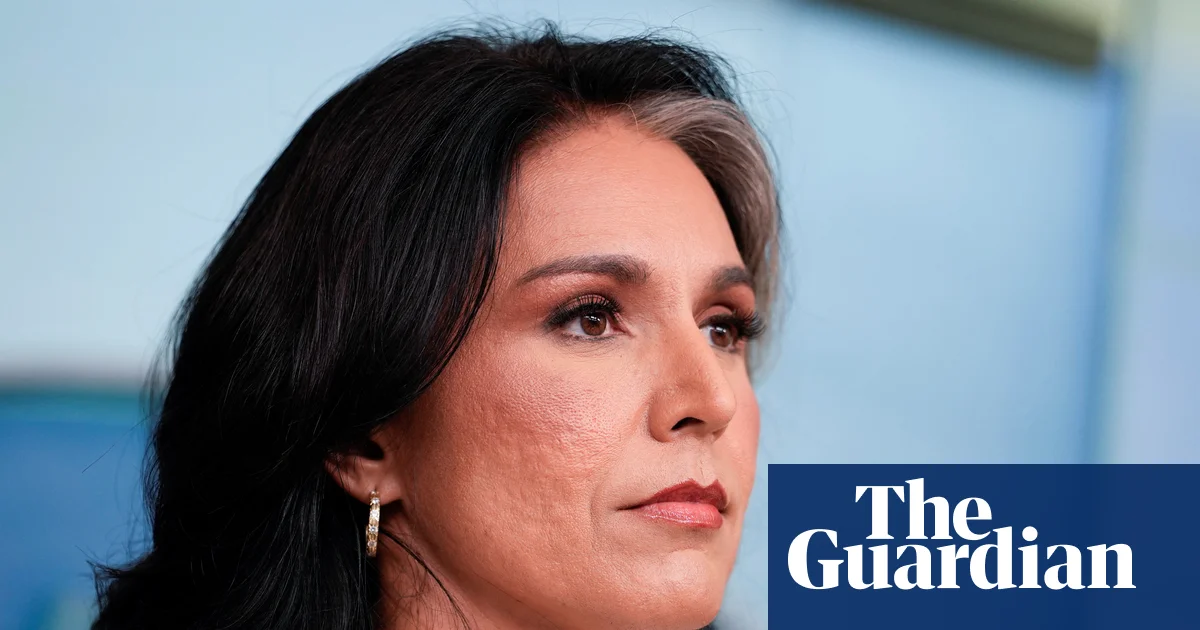
Experts and historians like Dr. Anne Clark of the International Security Institute warn that this internal turmoil could have profound geopolitical impacts. The revelations indicate a possible erosion of the rule of law in intelligence oversight—a scenario that global allies and adversaries alike are scrutinizing with suspicion. The controversy centers on Director of National Intelligence (DNI) Tulsi Gabbard, who allegedly bypassed routine protocols to conceal the whistleblower’s complaint and directed classified material away from congressional oversight. Critics argue this raises alarms about executive overreach and underscores a pattern of non-compliance with established legal standards. The situation has prompted a chorus of international concern, as nations observing the U.S. grapple with whether internal political motives are compromising global security commitments, thereby undermining America’s credibility as a leader in the fight against terrorism and state-sponsored abuse.

  • On 17 April, a whistleblower surfaced with claims that Gabbard had intentionally delayed and redacted sensitive intelligence documents that could prove pivotal in the unfolding scandal.
  • The whistleblower alleges that long-standing legal obligations to transmit such complaints to Congress were ignored, with delays extending over months and questions surfacing about the true independence of oversight officials.
  • Adding fuel to the fire, Republican lawmakers such as Senator Tom Cotton dismissed the allegations as baseless, emphasizing the importance of legal procedures and national security confidentiality.
  • Meanwhile, Democratic members like Senator Mark Warner accused the intelligence agencies of deliberately burying crucial information, potentially compromising national security and international stability.

As this high-stakes game unfolds, international analysts caution that the damage done within the corridors of U.S. power reverberates across the globe. Many fear a weakened U.S. may no longer be able to project power or uphold their international commitments effectively. With global rivals capitalizing on this internal discord — especially China and Russia — the possibility of exaggerated geopolitical shifts grows, threatening to destabilize already fragile regions. The consensus amongst respected geopolitical thinkers is that this controversy may mark a pivotal moment: a turning point that will define U.S. leadership in the emerging multipolar world or diminish its influence amid growing internal chaos.

As the world watches, the winding course of this internal U.S. saga remains uncertain. The stories of secrecy, deception, and betrayal echo warnings that history’s weight is ever-present, threatening to tip the balance of international peace and security. Will honest transparency restore order, or will these shadows deepen, consigning a once-powerful nation to the ashes of its own making? The pages of history are yet to be written, but the impact of these decisions will be felt for generations—echoes of a nation’s struggle to uphold its principles in the face of chaos and corruption.

Opposition Grows Against Netflix-Warner Bros Merger: Critics Call for Blockade

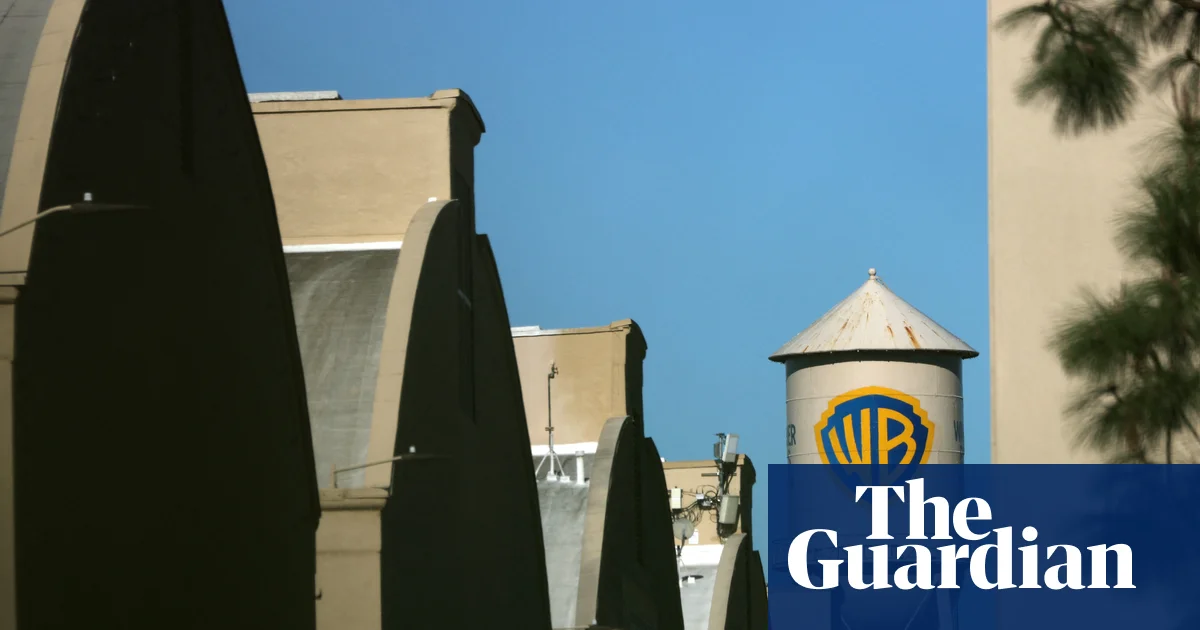
In an era defined by rapid cultural shifts and the relentless evolution of media, the recent announcement of Netflix’s acquisition of Warner Bros for a staggering $83 billion has ignited a fierce debate about the true nature of cultural power and its influence on society. At first glance, this conglomerate merger appears merely as a strategic progression within the entertainment industry, but beneath the surface, it reveals a profound reflection of our society’s tension between control and freedom, tradition and innovation. Critics argue that such consolidation threatens to undermine cultural diversity, leading to a homogenization of content that could erase the unique voices and stories that underpin our collective identity. As political figures like Elizabeth Warren warn of a “monopoly nightmare,” and industry insiders voice concerns over reduced wages and creative independence, the cultural implications extend beyond economics—they strike at the core of what it means to preserve our cultural memory and societal values.

Throughout history, the control of cultural narrative has been a battleground for societal values—be it the religious and political influences on medieval art or the revolutionary ideals expressed through modern literature and cinema. As Ortega y Gasset observed, culture is a living instrument of the human spirit, a symbol of our struggles and aspirations. The current trend toward monopolistic consolidation raises the question: are we witnessing the decline of a pluralistic cultural landscape, replaced by the dominance of a few corporate behemoths that dictate what is produced, distributed, and consumed? Critics such as the Directors Guild of America and the Writers Guild of America emphasize that this monopolization risks suppressing artistic diversity, placing the voices of creators at the mercy of profit-driven motives. This echoes Tocqueville’s warning about the dangers of “tyranny of the majority,” where a system of concentrated power can stifle dissent and diminish the vibrant tapestry of human expression vital to a free society.

Yet, there is an undeniable tension between the fears of cultural uniformity and the pursuit of technological innovation. Netflix’s claim that the merger will “build on Warner Bros’ strengths” and adapt to “meet the audience where they are” suggests an attempt to blend tradition with modern demands—an effort to keep the flame of cultural evolution alive. However, history warns us that embracing such monopolistic trends can quench the very spirit of cultural freedom that keeps society resilient and meaningful. As T.S. Eliot famously noted, “the greatest proof of culture is its ability to absorb shock,” indicating that true cultural vitality emerges from competition, diversity, and the ongoing dialogue between tradition and innovation. Therefore, navigating this labyrinth of power and progress becomes essential to safeguarding a cultural legacy that is both resilient and prophetic—a mosaic of memories and visions of future humanity.

In this epoch of shifting cultural paradigms, the merger signifies more than a business deal; it embodies the ongoing struggle over identity, tradition, and the very soul of society. Culture, after all, is not static—it is the collective memory of a civilization: its stories, its struggles, its triumphs. Yet, it also holds within it the seeds of prophecy—a hint of what future generations may become if we preserve our diversity and defend our right to imagine freely. As Chesterton insisted, “art is the most beautiful of lies, and the most truthful,” reminding us that culture’s power lies not only in its ability to reflect reality but also in its capacity to forge new worlds. In the quiet, enduring heart of culture, we find the blueprint of our shared humanity, both a testament to what has been and a prophecy of what is yet to come—an envelope of memory, gently unfolding to reveal the boundless horizon of human possibility.

Floods in Indonesia claim over 500 lives — a tragic wake-up call for action

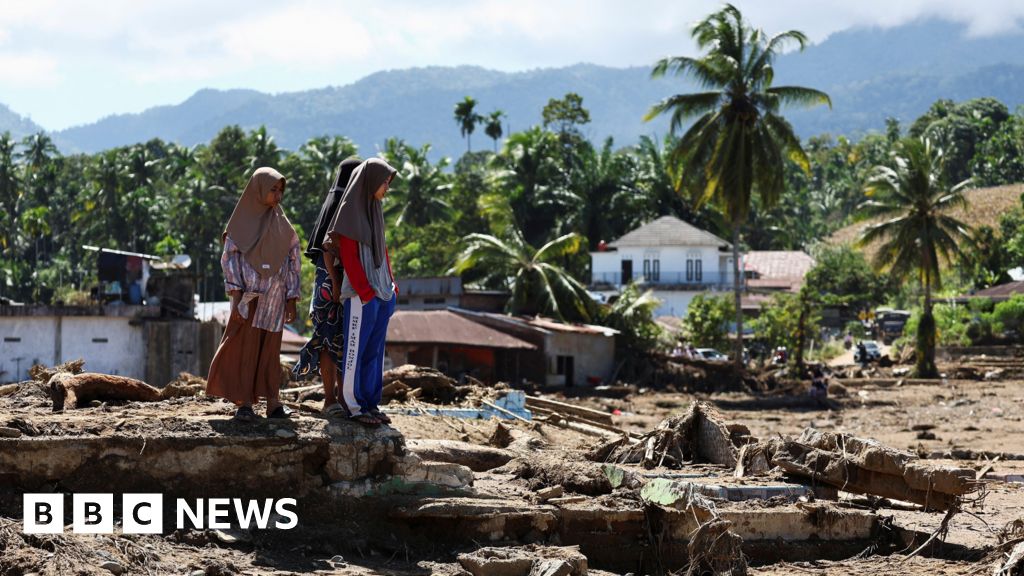
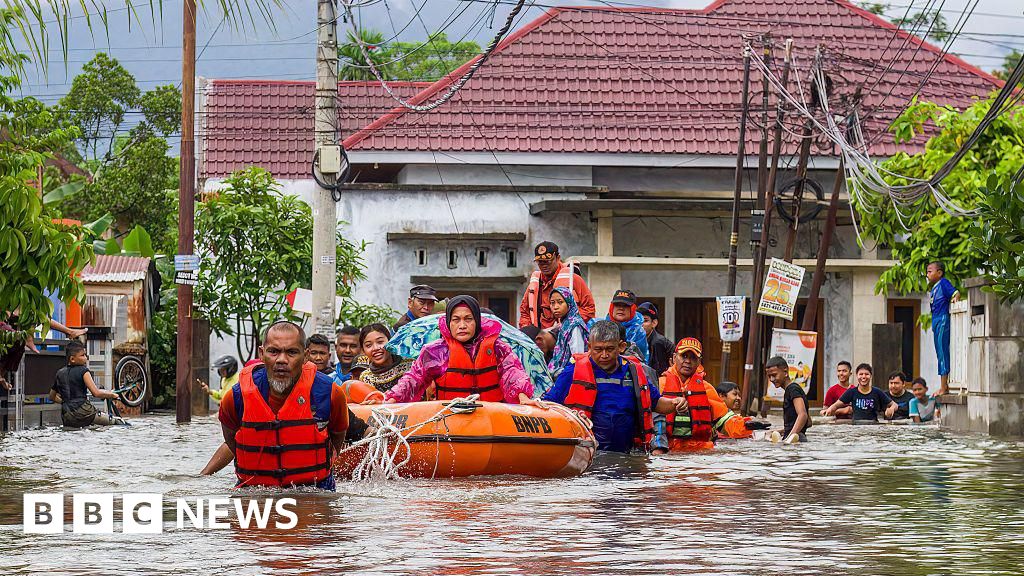
Indonesia is currently grappling with a devastating natural disaster that underscores the growing **geopolitical impact** of climate-related events. Over the past week, **floods caused by a rare cyclone over the Malacca Strait** have resulted in the deaths of more than 500 individuals, with the toll expected to rise as rescue operations struggle to reach the worst-affected provinces. As the world’s fourth-most populous nation, **Indonesia’s** turmoil resonates well beyond its borders, reflecting broader regional vulnerabilities and the global challenge of climate adaptation. This tragedy highlights how nature’s fury is no longer confined to isolated zones but now reshapes geopolitical stability and socio-economic fabric in Southeast Asia. Governments and international organizations worldwide are analyzing the aftermath to gauge future risks and the adequacy of disaster response mechanisms amid accelerating climate change.

Across **Aceh, North Sumatra, and West Sumatra**, thousands remain cut off from essential supplies, with many victims living in conditions marked by absolute despair. Amidst mudslides, washed-away bridges, and impassable roads, rescue workers face immense difficulty in delivering aid, exacerbating the crisis. Historians and analysts warn that modern Southeast Asia’s vulnerability to such floods is intensifying because of **climate change**, which scientists claim is making storms more intense and frequent. The Indonesian government’s response, led by President Prabowo Subianto, emphasizes national resilience but is criticized by some for bureaucratic delays hampering immediate aid deployment. This event serves as a stark reminder of **how decisions or lack thereof** on environmental policies can directly affect millions, transforming environmental disasters into security and political crises. The **International Panel on Climate Change (IPCC)** has previously warned that a warming planet will only magnify these events, requiring urgent global cooperation and strategic foresight.

As this climate catastrophe unfolds, the *regional geopolitical landscape* is also shifting. Countries like **Malaysia, Thailand, and Sri Lanka**, all experiencing their own severe weather episodes recently, exemplify a pattern where **climate disruptions** threaten regional stability. Borders are blurred as migrant flows and resource shortages intensify, and competition for aid and influence among nations becomes palpable. In this climate era, every severe storm underscores the importance of regional alliances and international support, but also exposes gaps in disaster preparedness and climate resilience. Meanwhile, *analysts* from institutions like the **World Meteorological Organization** contend that such events are accelerate due to **human activity**, making climate diplomacy an urgent geopolitical issue that transcends national borders. This interconnected crisis demands strategic, multilateral approaches—yet it also raises questions about sovereignty and the ability of governments to protect their populations from these rapidly escalating threats.

As the dust settles over Indonesia’s flooded landscapes, history’s grand narrative continues to unfold. The current catastrophe is not just a tragedy—it is a warning from the natural world, a call for unity in the face of mounting adversity. The *coming years* will determine whether nations can learn from this disaster and forge resilient pathways forward or fall victim to the chaos that unchecked climate change can bring. In the shadow of this unfolding crisis, the global community faces a stark choice: adapt and prepare or watch as the edge of history rewrites itself amid relentless storms and rising seas. The echoes of this crisis will resonate far beyond the flooded plains of Indonesia, resonating as a critical turning point in the ongoing story of humanity’s struggle with nature’s unleashed power.

Flooding in Southeast Asia claims 600 lives, urgent call for action

South Asia Faces Devastating Floods and Landslides Amid Climate Unrest

The region of southern Asia is currently confronting an unprecedented natural disaster, as torrential rains triggered by tropical storms have wrought widespread destruction across Indonesia, Thailand, Malaysia, and Sri Lanka. These devastating floods, compounded by rare cyclonic activity, have claimed the lives of approximately 600 individuals and left millions displaced, exposing the perilous intersection of climate change and geopolitical stability. As rescue operations continue amidst chaos and destruction, analysts warn that such extremes are likely to become the new norm if global actions remain delayed.

Historically, the monsoon season has been a predictable component of Southeast Asian weather patterns, yet this year’s events mark an alarming deviation. In Indonesia, the arrival of Cyclone Senyar, a once-in-a-lifetime tropical cyclone, has caused catastrophic landslides and flooding, sweeping away entire communities on the island of Sumatra. Officials report nearly 300 individuals are still missing, with some homes submerged and entire neighborhoods washed away in seconds, according to local residents and disaster agencies. Similarly, in Thailand, the city of Hat Yai faced record-breaking rainfall—over 300mm in a single day, a figure unseen in three centuries—leading to a death toll exceeding 160. Entire districts have seen infrastructure decimated, with hospitals overwhelmed and bodies needing refrigeration under emergency conditions.

Meanwhile, Sri Lanka bears the brunt of a country battered by both Cyclone Ditwah and relentless rain, with over 130 lives lost and more than 170 still missing. The government has declared a state of emergency, mobilizing emergency aid and international assistance. Climate scientists and regional analysts attribute this pattern to the interaction of Typhoon Koto in the Philippines and Cyclone Senyar in the Malacca Strait, embodying a disturbing trend of intensified and prolonged weather crises fueled by climate change. The regional climate crisis, yielding heavier than typical monsoons, underscores the geopolitical challenge: how to adapt and respond before the damage becomes irreversible. Globally, organizations such as the United Nations warn that climate-related disasters are no longer isolated incidents but a direct threat to stability and security.

Ultimately, this confluence of natural calamities is more than just a reminder of Earth’s volatile climate; it exposes how poorly prepared vulnerable nations remain to confront such upheavals. To many analysts, these incidents serve as a stark warning that the global community must act decisively to curb emissions and bolster resilience. The ongoing rescue efforts, while heroic, highlight the disparity—wealthier nations can invest in advanced infrastructure and swift aid, yet millions across South Asia continue to face the brutal impact of nature’s fury with limited resources. As the waters recede and emergency services tend to the injured and displaced, the question remains: how much longer can societies endure these relentless onslaughts before the fabric of civilization itself begins to fray? For now, the waters keep rising, and history eagerly watches to see if this crisis will inspire meaningful change or be just another chapter in a long story of neglect, leaving future generations to contend with a planet in peril.

Sri Lanka's Floods and Landslides Claim 153 Lives—A Stark Wake-Up Call for National Resilience
Sri Lanka’s Floods and Landslides Claim 153 Lives—A Stark Wake-Up Call for National Resilience

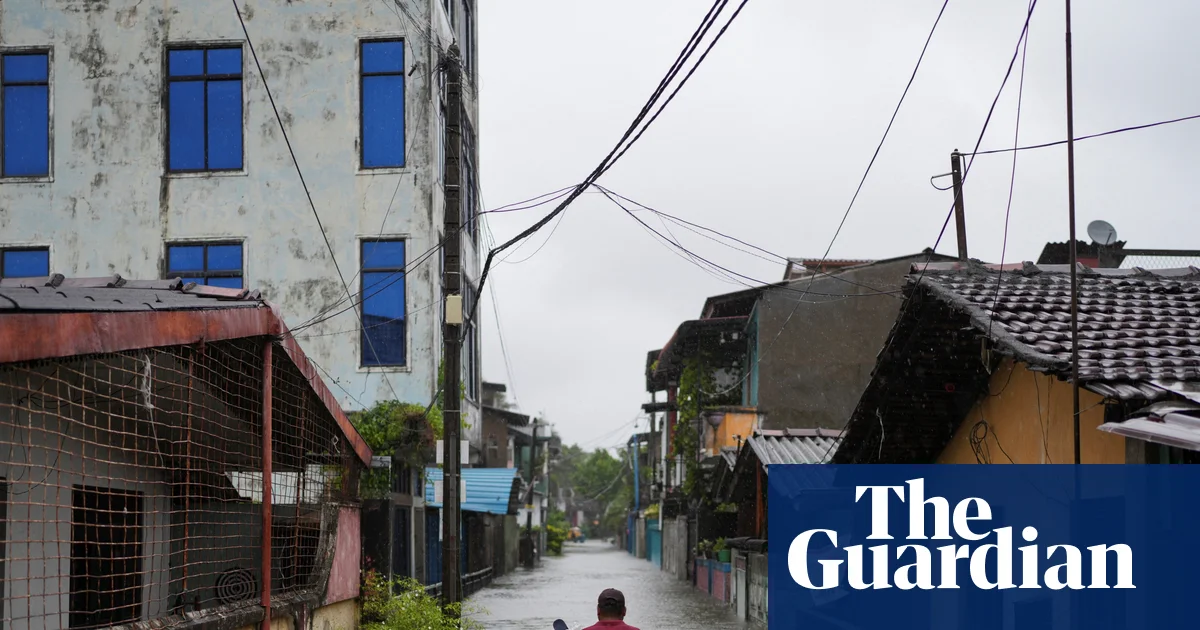
In recent weeks, Sri Lanka has experienced catastrophic flooding triggered by the relentless force of Cyclone Ditwah. Torrential rains, breaking records during the island’s northeast monsoon season, have inflicted widespread devastation across the nation, leaving a trail of death, displacement, and economic upheaval. Official reports confirm that at least 153 lives have been lost, with approximately 191 individuals still missing, underscoring the grave human toll of this natural disaster. The Disaster Management Centre (DMC) reports an urgent rescue operation involving thousands of soldiers and police personnel, who have evacuated over 78,000 people from submerged areas to safer refuges—an action that highlights the severity of the crisis and the resilience of Sri Lanka’s security forces under mounting pressure.

Historically, Sri Lanka faces recurrent floods during its monsoon season, yet the current disaster surpasses prior calamities, drawing concern from global analysts and climate experts. As climate change accelerates, scientists warn of increasingly unpredictable weather patterns, with some referencing the 2003 floods—considered the worst of the 21st century—set to be eclipsed by recent events. The flooding area includes critical regions such as the district of Kurunegala, and the densely populated outskirts of Colombo, where the Kelani River burst its banks, forcing residents to evacuate to temporary shelters. Notably, the rescue of stranded civilians, including international tourists, demonstrates both the human drama and the logistical chaos, with helicopters and naval boats working tirelessly amid gale-force winds and rising waters.

International responses have begun to mobilize, with neighboring India providing immediate aid and supplies, a move that reflects the geopolitical reality of regional cooperation primarily driven by mutual interests. Prime Minister Narendra Modi expressed condolences and reassured allies that New Delhi stands ready to extend further assistance as the crisis unfold. Nevertheless, international organizations and seasoned analysts underscore that such floods are symptomatic of a deeper, systemic vulnerability—how nations manage their environment and climate policies determines not just local resilience but global stability. Decisions made today regarding climate adaptation and disaster preparedness will influence the geopolitical landscape for decades, prompting commentators to warn that neglecting these challenges threatens to destabilize entire regions.

As the waters recede, Sri Lanka faces a critical juncture in its national story—a stark reminder that climate-induced disasters are no longer distant threats but imminent realities shaping international diplomacy, economic stability, and social cohesion. Historians and environmental experts warn that neglecting the lessons of this catastrophe may leave future generations unprepared for a planet increasingly plagued by unpredictable weather extremes. In the unfolding chapters of this global crisis, Sri Lanka’s suffering serves as a haunting prelude: unless decisive action is taken, the devastating power of nature will continue to rewrite the rules of geopolitics and human endurance, leaving the weight of history to judge whether mankind has learned or continued its perilous drift toward climate catastrophe.

Four Killed in Nighttime Strikes on Neighborhoods—A Wake-Up Call for Our Streets

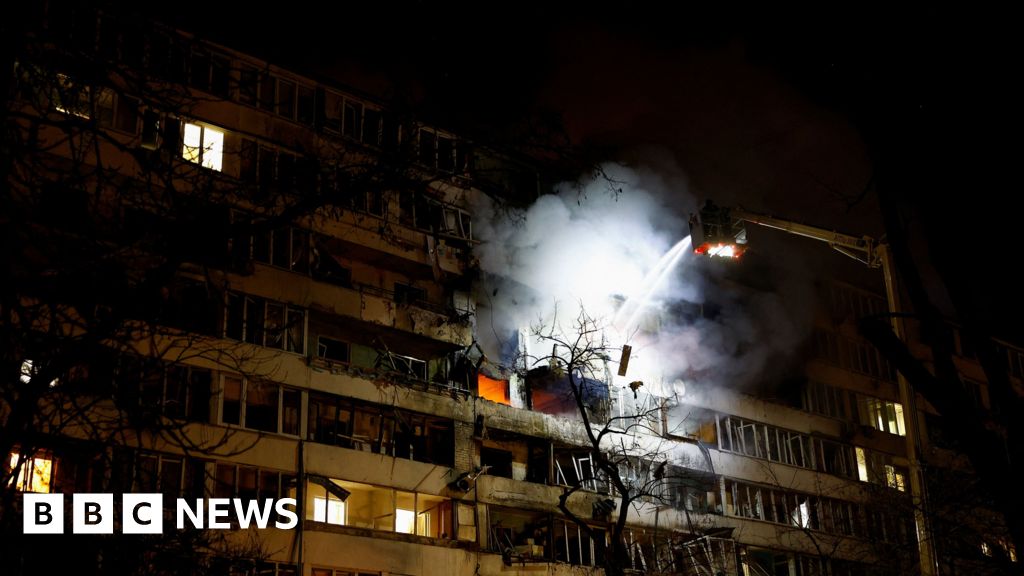
The recent surge in hostilities between Russia and Ukraine underscores the volatile state of Eastern Europe’s geopolitical landscape. Overnight drone strikes launched by both nations have resulted in tragic casualties and widespread destruction, highlighting a relentless cycle of violence that threatens regional stability. Kyiv reported a “massive” Russian drone assault targeting the Ukrainian capital, causing fatalities, injuries, and damaging critical infrastructure. Meanwhile, Moscow’s accusations of Ukrainian strikes in the Rostov region reveal how this conflict has expanded beyond conventional borders, with civilian lives caught in the crossfire.

This deteriorating situation follows palpable shifts in diplomatic negotiations. Ukrainian President Volodymyr Zelensky welcomed proposed modifications to a controversial 28-point peace plan brokered with the backing of the United States. However, these adjustments were swiftly dismissed by the Kremlin as “completely unconstructive,” exposing deep fissures in the international effort to forge a sustainable resolution. Analysts from the International Crisis Group warn that such dismissals portend a scenario where diplomatic efforts remain deadlocked, prolonging the suffering on the ground and entrenching divisions among allies.

Furthermore, the recent attacks underscore how disrupted energy and civil infrastructure amplify the war’s toll on societies. Kyiv’s authorities have reported multiple residential high-rises ablaze, with emergency services evacuating countless residents amidst ongoing threats. Ukraine’s energy ministry announced a “massive, combined enemy attack” targeting vital electrical and water supplies, a move that risks plunging the nation into deeper hardship during winter. These actions reflect not just military strategies but also a calculated effort to undermine Ukraine’s resilience, a move widely condemned by global observers. The impact of such destruction reverberates beyond immediate casualties, threatening to destabilize civilian life, hinder recovery, and test the endurance of the Ukrainian people.

On the geopolitical stage, the events illuminate how Russia and Ukraine serve as pivots in a broader contest involving Western allies and Eastern powers. US policymakers, including White House spokesperson Karoline Leavitt, express cautious optimism about the diplomatic process, citing hope that a comprehensive plan may eventually materialize. Yet, historical analysts warn that the war’s escalation, combined with entrenched national interests, could entrench a protracted conflict with unpredictable outcomes. Some experts interpret this turmoil as a pivotal moment—the potential for a breakthrough or the slide into further chaos—hinges on external diplomatic finesse and internal resolve.

As the frontlines continue to shift and the war’s toll mounts, the international community faces a profound moral and strategic dilemma. The story unfolding in Ukraine is not just a regional conflict but a defining chapter in the 21st century’s geopolitical narrative. Each decision, each strike, and each diplomatic gesture writes a new line in the chronicles of history—an unfolding drama where the weight of nations and the hopes of millions hang precariously in the balance. The shadows of this crisis threaten to shape the landscape of global power, with consequences echoing long after the fighting ceases, leaving future generations to grapple with the scars of today’s choices, while the world watches in tense anticipation of what tomorrow may bring.

Thinktank urges hospitals to downsize and end NHS 'permacrisis'—a call to fix the system for Britain’s young generations
Thinktank urges hospitals to downsize and end NHS ‘permacrisis’—a call to fix the system for Britain’s young generations

Assessing the Global Impact of Healthcare Restructuring: The UK’s NHS as a Case Study

Amidst a rapidly changing demographic landscape and escalating healthcare demands, the United Kingdom is contemplating a radical overhaul of its National Health Service (NHS) infrastructure. According to a recent report by the thinktank Re:State, the future of hospital care must shift from the traditional model of large, bed-intensive institutions to a leaner, more community-focused system. This transition isn’t merely an internal UK matter, but one with profound geopolitical impact: it signals a broader global trend towards reimagining healthcare delivery, emphasizing efficiency, preventive care, and technological innovation.

Historians and international analysts emphasize that this strategic pivot, if executed successfully, could serve as a blueprint for other nations grappling with aging populations and strained healthcare budgets. Considerations surrounding the downsizing of hospitals are not merely cost-cutting exercises but represent a fundamental shift in how societies perceive health and healing. The UK plans—to potentially shed thousands of hospital beds—align with advances that allow treatment at home and in local clinics, reducing the physical footprint of traditional hospitals. Experts warn, however, that such a seismic transformation raises questions about sovereignty, societal cohesion, and the race for technological supremacy in medicine.

International organizations, including the World Health Organization, have issued cautious praise, noting that innovation and efficiency are critical to maintaining universal coverage in an era of constrained budgets. Still, they warn that rapid reform must be balanced with safeguarding access, especially for vulnerable communities. The Re:State report highlights that the UK’s approach, offered as a model in reform debates, could shift the global healthcare landscape—particularly if other nations follow suit. As British policymakers push forward, the decision to transform hospitals into more agile, community-integrated centers could redefine geopolitical influence, giving the UK an edge in healthcare innovation and international aid diplomacy.

With global conflicts and economic uncertainties inflaming the geopolitical stage, the decision-making surrounding rapid healthcare reform goes beyond domestic borders. As Britain’s NHS reimagines itself, it simultaneously signals a broader challenge for global powers: do they prioritize national sovereignty or align with international models of efficiency? Given the stakes, the profound transformations underway may be a harbinger of a new epoch in global health—one where history is written in the choices of today, and the ripple effects of these decisions will echo for generations to come.

Social Media Auto Publish Powered By : XYZScripts.com