Matox News

Truth Over Trends, always!

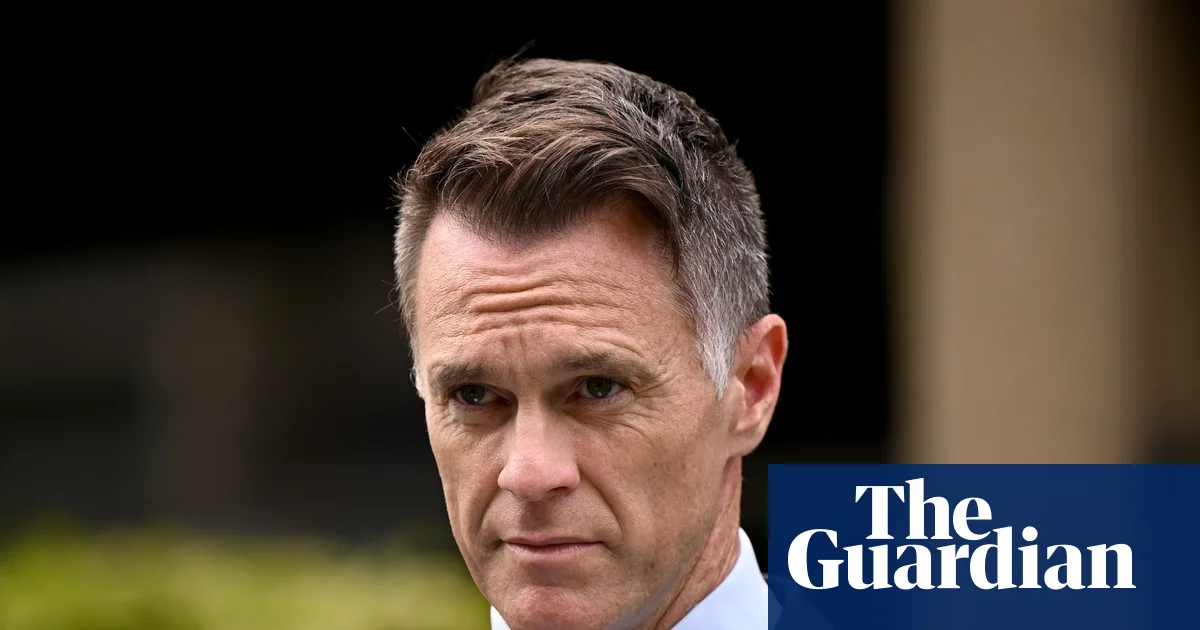
Minns calls pro-Palestine protest organizers 'communists' aiming for clash with police, NSW budget estimates
Minns calls pro-Palestine protest organizers ‘communists’ aiming for clash with police, NSW budget estimates

In a striking turn of events that underscores the volatile landscape of international activism and internal political fractures, Australia’s New South Wales government finds itself at the center of a contentious debate over the peaceable assembly and the engagement with pro-Palestine advocates. Premier Chris Minns has publicly dismissed protest organisers as “a pack of communists,” fueling accusations of politicising the situation and risking the social cohesion of the deeply divided society. This inflammatory rhetoric follows violent clashes during a recent rally against the Israeli president’s visit, where police responses have come under scrutiny amid allegations of police brutality.

These confrontations threaten to escalate into a broader international rift, as global analysts draw attention to the implications. The protests, which saw four Labor backbenchers attending a speech by Israeli President Isaac Herzog in Sydney, have rippled beyond local politics. While some political figures like Stephen Lawrence MLC defend protesters, viewing their actions as a stand for Palestinian rights, critics argue that the protests are being manipulated by radical elements, including socialists and communists affiliated with groups like the Palestine Action Group (PAG). Historians warn that such alliances have historically been vectors for “big social movements,” but in this context, they threaten to undermine Australia’s national stability and complicate diplomatic relations in a tense Middle East geopolitical environment.

The debate extends far beyond the streets to focus on the broader geopolitical impact. Australia’s internal divisions mirror the polarisation seen across Western nations, where support for Israel or Palestine increasingly aligns with domestic ideological battles. The Australian government’s approach, characterized by resistance to criticism and suppression of dissent, echoes patterns observed in other democracies experiencing internal stress, risking the alienation of communities and weakening social fabric. Analysts warn that such internal strife could diminish Australia’s standing on the global stage, especially as international organizations like the United Nations emphasize human rights and moderation.

Meanwhile, the situation remains precarious as the NSW police maintain that their actions were justified, citing attempts by protesters to march on Parliament against restrictions declared in response to recent acts of violence and unrest. The ongoing constitutional challenge to new protest laws and the controversial “major events” powers further complicate the legal landscape, pointing to a potential breach of civil liberties. The tension reaches into Australia’s multicultural communities, with Muslim groups voicing concerns over police actions during recent vigils mourning Iran’s late Supreme Leader, Ayatollah Khamenei. These incidents serve as a stark reminder that the political toll extends to societal divisions along religious and cultural lines, with the risk that internal discord could morph into a broader geopolitical vulnerability.

As history continues to unfold, the echoes of this clash in Australia serve as a warning: when states suppress dissent and dismiss grassroots movements as mere radical influence, they risk sacrificing social cohesion and inviting external powers to exploit divisions. The international community watches with bated breath as the narrative of support, protests, and legal battles develops — leaving behind a legacy that could reshape the political landscape for years to come. In this unfolding drama, the weight of history presses heavily, reminding observers that the moment may be fleeting, but the consequences are profound and lasting.
Anthropic Pushes Back After Pentagon Calls It a ‘Supply Chain Threat’

U.S. Pentagon Designates Anthropic as a Supply Chain Risk: A Disruptive Move with Far-Reaching Business Implications

In an unprecedented decision that underscores the escalating geopolitical stakes in AI innovation, United States Secretary of Defense Pete Hegseth has ordered the Pentagon to label Anthropic as a “supply-chain risk,” effectively banning U.S. military contracts with one of the industry’s leading AI firms. This move signals a radical shift in how government agencies perceive and regulate AI giants, especially those considered potential security vulnerabilities due to foreign influence or ownership, and could disrupt the flow of AI development for defense and commercial sectors alike. Previously, Anthropic was celebrated for its Claude AI model, a major player in the rapidly evolving AI ecosystem, but now faces the threat of being sidelined at a critical time of geopolitical tension and technological disruption.

This decision arrives after weeks of tense negotiations between Anthropic and the Pentagon, centered on ethical and strategic use of AI technology. The Department of Defense demanded a broad usage agreement, explicitly permitting AI to be applied for “all lawful uses,” including autonomous combat, which Anthropic rejected based on its ethical stance. With the designation of a “supply chain risk,” the Pentagon aims to shield itself from potential security vulnerabilities—foreign control, influence, or ownership—that could compromise sensitive defense systems. The move establishes a new precedent where AI companies could be classified as security risks, compelling Silicon Valley to rethink their engagement with government agencies under the specter of national security.

Critics and industry experts are raising alarms over the implications of this action, with Dean Ball, senior fellow at the Foundation for American Innovation, condemning it as “the most shocking, damaging, and overreaching thing I have ever seen the U.S. government do.” Such sentiments reflect a broader concern that the move might ignite a dangerous precedent, fostering a climate of lawfare and regulatory overreach that could stifle innovation. Meanwhile, Sam Altman, CEO of OpenAI, announced that his company had secured a deal with the Department of Defense to deploy models in classified environments, emphasizing safety principles such as prohibitions on domestic mass surveillance and autonomous weapons. This delineation signals a potential bifurcation in AI applications, where some firms may be selectively allowed to work with military and intelligence agencies.

From a strategic business perspective, the designation of Anthropic as a security risk could accelerate industry shifts towards more government-friendly AI solutions or push companies to develop sovereign and domestically controlled AI platforms.

  • Disrupts supply chains of AI models crucial for national security and commercial innovation.
  • Raises questions about governmental influence over proprietary AI technology.
  • Set a potential precedent for further restrictions on emerging AI firms linked to foreign influence.

This movement also indicates that AI’s role in national security is stepping into a new era, where innovation pathways are increasingly being dictated by geopolitical considerations rather than purely technological capabilities. As industry leaders and policymakers grapple with defining AI’s ethical and strategic boundaries, disruption in the AI landscape becomes inevitable.

Looking ahead, the industry faces a crucial crossroads: Whether to adapt to a cautiously constrained regulatory environment or forge ahead with a more autonomous, globally competitive approach. The decision will have profound implications for American leadership in AI innovation, cybersecurity resilience, and tech sovereignty. The stakes are high—the coming years will determine if American AI firms can continue to innovate free from overreach or if they will be confined by an increasingly securitized national agenda. In this dynamic, the urgency for stakeholders to embrace disruptive innovation with strategic foresight has never been clearer, as the battle for AI dominance intensifies on multiple fronts. The future of American AI—its autonomy, security, and global competitiveness—hangs in the balance.

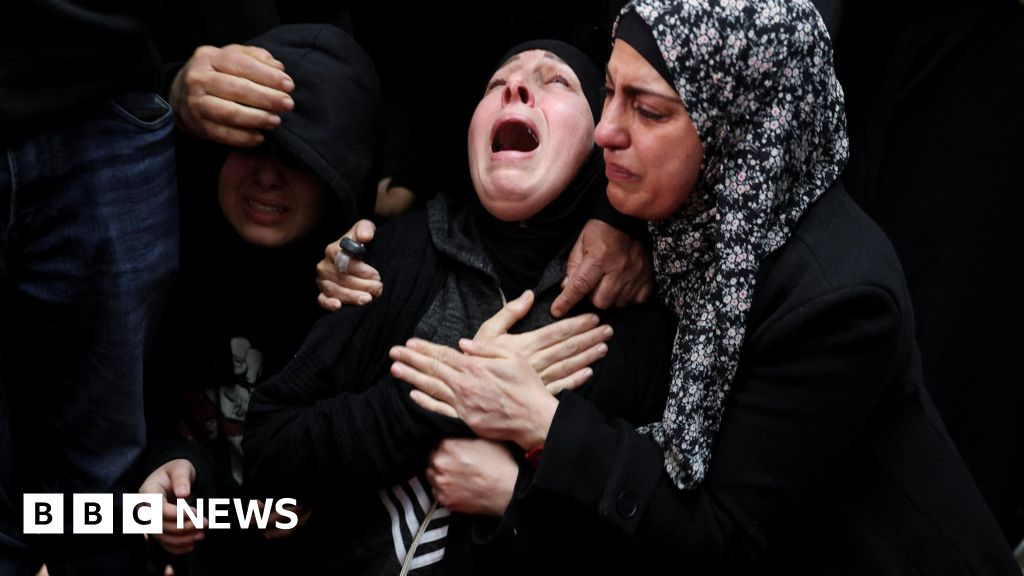
Palestinian-American family calls for justice after West Bank killing

In a troubling development that underscores the persistent volatility in the West Bank, Nasrallah Abu Siyam has become the sixth American citizen to be killed by Israeli settlers or soldiers within the past two years. This tragic event not only highlights the ongoing human toll in the region but also amplifies the geopolitical tensions that continue to shape international discourse and policy. As analysts and international organizations examine this devastating trend, the question arises: what does this portend for Middle East stability and for the United States’ role in U.S.-Israel relations?

The West Bank remains a symbol of protracted conflict, where decades of unresolved disputes over land, sovereignty, and security have resulted in recurrent violence. The incident involving Nasrallah Abu Siyam exemplifies the dangerous complexities at play, where diplomatic efforts often seem gridlocked amid rising tensions. Historically, U.S. policy has oscillated between supporting Israel’s security concerns and advocating for Palestinian rights, yet the recent uptick in violence reveals the fragility of this balancing act. Experts like geopolitical analyst Dr. Emily Carter emphasize that the continuous loss of American lives, especially in a region where American influence is both strategic and moral, exacerbates pressure on U.S. foreign policy and internal political dynamics.

Furthermore, the international community has expressed alarm over these fatalities. The United Nations and European Union have called for renewed dialogue, but reality shows that diplomatic pathways remain blocked by entrenched positions and regional power struggles. This violence is symptomatic of deeper issues, including the expansion of settlements and the persistent inability to implement a comprehensive peace agreement. As Middle East experts warn, each incident like the death of Abu Siyam not only fuels local resentment but also complicates the international effort to bring stability and peace to the region.

From a broad geopolitical impact perspective, these recurring tragedies feed into a narrative of disorder that affects all nations involved—further entrenching divisions, impeding cooperation, and risking broader regional escalation. Nations across the globe are forced to navigate the fallout, which includes rising anti-American sentiments in some quarters and increased pressures on U.S. policymakers to take decisive action. As historians observe, moments like these serve as stark reminders that conflicts rooted in history are often perpetuated by cycles of violence and contested narratives—each one shaping the course of history whether forward or backward. The death of Nasrallah Abu Siyam marks a grievous chapter in this ongoing story, with the echoes of injustice resonating far beyond the borderlines of the West Bank.

As we stand on the precipice of further escalation or potential peace, the weight of history presses heavily. The choices made today in response to such tragedies could either open pathways toward reconciliation or reaffirm the wider forces of chaos and division. With each life lost, the hope for resolving this enduring conflict dims — yet it remains, perhaps, the most urgent challenge of our era. In the shadow of conflict, history continues to unfold, recording the moments when nations either forge a better future or condemn generations to repeating the mistakes of the past.

Australia updates: Dural ‘stronghold’ tied to Baghsarian kidnapping, NSW police reveal; Angus Taylor calls to ditch ‘net zero’ push

As 2026 unfolds, the world witnesses a series of seismic shifts that threaten to redefine geopolitics and global stability. From internal political tremors in Australia to sweeping changes in Europe and fragile peace negotiations in the Middle East, nations grapple with decisions that will echo through history. The choices made today set the trajectory for generations, and their impacts extend far beyond borders.

The recent developments in Australia exemplify the turbulence faced by democracies under pressure from both domestic political narratives and international expectations. The controversial shift by Angus Taylor and the Liberal Party’s declaration to abandon the previously embraced ‘net zero’ commitment signals a departure from global climate consensus. While the government asserts that this move offers flexibility, critics argue it undermines efforts coordinated through international climate accords. Analysts warn that this divergence could weaken Australia’s diplomatic standing and erode trust with allies committed to sustainability, further isolating a nation vital to the Indo-Pacific strategy. Historians caution that such policy reversals might be remembered as a pivotal moment where economic interests overrode environmental responsibility, casting shadows on the country’s global reputation.

Meanwhile, in the United Kingdom, the arrest of Andrew Mountbatten-Windsor at Sandringham on suspicion of misconduct has cast a spotlight on questions of accountability within the British monarchy. This unprecedented event ignites debates about tradition versus transparency, with international observers questioning whether the monarchy can adapt to the demands for moral integrity today. The fallout, if allowed to deepen, could influence Britain’s soft power and diplomatic alliances, especially as Europe faces its own challenges with regional unity and economic stability. Experts from the European Union warn that such internal struggles might embolden nationalist factions and threaten the unity of the bloc at a time when global powers are recalibrating their alliances.

Contrasting these internal political crises are the ongoing conflicts and security concerns in the Middle East. Reports from Syrian and Iraqi authorities confirm that over 5,000 detainees, including suspected former Islamic State fighters, have been transferred across borders. The potential for unrest or resurgence in extremism remains a troubling prospect for regional stability, drawing concern from international organizations like the United Nations. The transfer underscores the fragile balance of power in a region where diplomacy and military might intertwine dangerously. Should extremism reignite, it could trigger a broader security crisis impacting Europe and the United States, emphasizing how even regional disputes have global consequences.

In this high-stakes landscape, the decisions of today are shaping a world on the brink. The intertwined fates of nations—whether they choose resilience or retreat—carry implications far beyond their own borders. As the great historians of tomorrow sift through these moments, they may recount 2026 as a defining year—a year when the delicate fabric of international order trembled under the weight of rash decisions and forgotten commitments. History, with all its weight and consequence, continues to unfold, leaving a stark reminder: in geopolitics, the stakes are nothing less than the future of civilization itself.

Lancashire Council Opposes Free Library Scheme for Refugees, Calls It Wasteful Spending

The decision by Reform UK-led Lancashire to withdraw its libraries from the **Libraries of Sanctuary** initiative marks a significant development in the evolving landscape of how countries and local governments approach immigration and social integration. Despite the scheme being explicitly **free** — designed to assist refugees and asylum seekers— this move underscores a broader political shift that seems increasingly driven by austerity and nationalist rhetoric. Critics argue that these services are not merely about resource allocation but about the fundamental values of inclusion and humanity. As City of Sanctuary UK emphasizes, libraries serve as vital entry points for marginalized populations, offering language programs, Wi-Fi access, and cultural integration opportunities. Therefore, this decision is likely to have a tangible impact on social cohesion within Lancashire — a microcosm of the wider debate unfolding across much of the **UK** and other Western nations.

Nationally, this move resonates with a rising tide of skepticism toward refugee support initiatives, often cloaked in the guise of fiscal responsibility. Analysts warn that prioritizing short-term budget savings over community-building efforts could sow long-term societal divisions. The decision comes amid mounting economic pressures on local governments across **Britain**, with Lancashire seeking to make £103 million in cuts. Such austerity measures, critics argue, threaten to undermine the social fabric by withdrawing essential services from vulnerable groups. Reform UK leaders, including Matthew Salter, justify these reductions as “appropriate use of taxpayers’ money,” yet opponents see it as emblematic of a broader ideological shift away from inclusive governance. The decision to end Lancashire’s **Libraries of Sanctuary** accreditation — after its recognition as a welcoming, inclusive space — is being viewed by many as a symbolic capitulation to nativist tendencies that threaten to erode the foundational principles of multicultural democracy.

International organizations and historians have voiced concerns that such local decisions could have ripple effects far beyond **Lancashire**. The **United Nations** and numerous human rights groups publish ongoing reports warning that policies marginalizing refugees can harden societal divides, undermine social stability, and reduce long-term prospects for integration. John Rawls and other political theorists have long argued that equitable access to social institutions like libraries plays a vital role in fostering societal cohesion. Yet, as Palmerston Institute of International Policy notes, “Actions like Lancashire’s risk creating feedback loops that entrench discrimination and social fragmentation.” These decisions are not isolated — they serve as indicators of an **international trend** toward prioritizing restrictive immigration policies in the face of economic and cultural anxieties, a policy orientation that could dramatically reshape **Europe’s** political landscape.

As history continues to unfold, the weight of these decisions will be measured by the societal transformations they precipitate. Under the shadow of mounting economic austerity and rising nationalist sentiment, local actions such as the Lancashire library withdrawal are more than mere administrative choices — they are symbolic battlegrounds of **identity, sovereignty, and collective values**. While social services are cut and communities fragment, the global community watches warily, knowing that the outcomes of such internal policies could define the future trajectory not only of **Britain** but of the **world** as a whole. The question persists: in the pursuit of fiscal stability, are nations willing to sacrifice the very principles that underpin shared humanity? Time will tell if these decisions lead to rebuilding societal resilience or spiraling towards deeper division, but the pages of history are—and always will be—being written with each choice made in the quiet corridors of local governments.

Rising Calls to Free Venezuelan Political Prisoners Highlight Urgent Need for Justice

Venezuela’s Prisoner Release: A Sign of Shifting Political Tides or Strategic Gesture?

Since 8 January, a dedicated vigil has been underway outside a Venezuelan police detention facility, marking a significant development in the ongoing political saga that continues to shape the fate of this turbulent nation. The initiative was announced by Jorge Rodríguez, the head of the Venezuelan National Assembly, who declared that “a significant number” of prisoners would be freed as a *”goodwill gesture”* aimed at demonstrating the *”interim government’s*” desire for *”peace”*. This move, hailed by some as a step toward reconciliation, has resonated within the broader context of Venezuela’s ongoing political crisis, highlighting how decisions on prisoners and political concessions carry far-reaching geopolitical implications.

From an international perspective, this gesture comes amid escalating tensions involving various national and global actors who are keenly observing whether Venezuela’s internal disputes will give way to genuine reform or simply serve as a temporary façade. Russia and China, long-standing allies of President Nicolás Maduro, have supported the status quo, emphasizing stability and sovereignty. Conversely, Western nations, led by the United States, continue to press for democratic reforms and human rights improvements, often framing such prisoner releases as *”initial steps”* within a broader strategy. Analysts, referencing reports from organizations like the United Nations, warn that “such gestures must be accompanied by comprehensive political dialogue” to avoid superficial demonstrations that fail to address deeper systemic issues.

Within Venezuela, the move reflects a complex interplay of domestic and international pressures. Supporters see it as a *”glimmer of hope”* amid persistent economic hardship and political repression, while critics argue that these releases are merely tactical, aimed at softening international criticism while maintaining control. For historians and political analysts, this event underscores a crucial *”turning point”* — a test of the interim government’s sincerity and the resilience of opposition forces. As globally renowned analyst Michael C. Doyle points out, \u201Cthe decision to free prisoners is a calculated step, but it’s also a reflection of a power struggle where concessions are often less about principle than strategic positioning.\u201d This reflects a broader trend seen in complex sovereign crises: concessions are carefully negotiated to preserve core interests while projecting an image of reform.

For the international community, the significance of such decisions cannot be understated. How Venezuela’s internal machinations play out directly impacts regional stability in Latin America, influences global energy strategies, and tests the mettle of multilateral institutions tasked with promoting peace and democracy. As nations watch with cautious optimism and guarded skepticism, the unfolding narrative remains a stark reminder: the sands of history are shifting, but the outcome remains uncertain. Will this gesture of goodwill herald a genuine shift toward peace or become another chapter in a long-standing game of geopolitical chess? The world waits, apprehensively aware that the outcome of events in Venezuela could ignite or quench hopes for a more stable and just hemisphere.

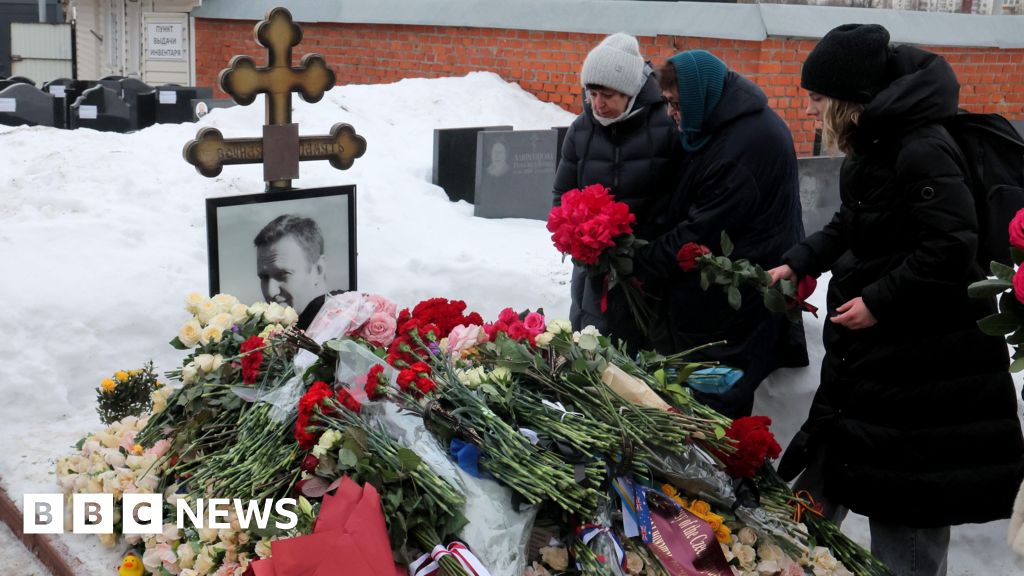
Navalny’s mother calls poison evidence proof he was targeted and murdered

As the world marks the second anniversary of the death of Alexei Navalny, his mother, Lyudmila Navalnaya, delivers a poignant reminder that challenges to political sovereignty in Russia extend far beyond individual human tragedies. She asserts that her son’s death was not merely a tragic consequence of incarceration but an event reflective of a broader geopolitical struggle, one that tests the resilience of international norms and the sovereignty of nations.

Unveiling a Deadly System and Its Impact on Global Stability

Navalny’s death in prison, widely seen as a breach of human rights, resonates as a stark warning to Western democracies and autocratic regimes alike. Analysts from the International Institute for Strategic Studies highlight that this event underscores the peril of unchecked authoritarianism, which threatens to destabilize regional equilibrium. Despite global diplomatic efforts, Russia remains resolute in suppressing political dissent, thereby challenging the principles of sovereignty and self-determination. Such actions have prompted rising concern among nations who view navalny’s fate as a bellwether for the trajectory of Russia’s internal governance and its international commitments.

Global Reactions and the Struggle for Accountability

The international community, especially the European Union and the United States, faces mounting pressure to balance strategic interests with the imperative of human rights enforcement. The United Nations has repeatedly called for transparency and accountability but remains hamstrung by political divisions. According to prominent historians like Anne Applebaum, the modern world enters a new phase where the fight for democratic values is contested through geopolitical power plays. As Russia dismisses Western criticisms, the risk increases that the global order will fragment into competing spheres of influence. This dynamic directly affects societies worldwide by threatening to erode the international legal frameworks that once underpinned diplomatic stability.

How Decisions on the International Stage Shape Societies

Every diplomatic move concerning Russia reverberates across national borders, influencing regional security, economic stability, and public perceptions of justice and governance. The decision by Western nations to impose sanctions or engage in dialogue directly impacts the stability of Eastern Europe and beyond. Such choices are scrutinized by global analysts, who warn that persistent inaction or misguided policies could embolden other regimes to adopt similarly ruthless tactics. As history demonstrates, the suppression of political dissent in Russia does not occur in isolation; it threatens to empower autocratic tendencies across the world, destabilizing the international system itself.

Historical Echoes and the Unfolding Reality

Throughout history, instances of political repression have often marked turning points—either sparking upheaval or cementing authoritarian rule. Today’s situation, with Navalny’s death serving as a somber reminder, echoes the warnings of pre-World War II upheavals when unchecked tyranny went unchallenged. Analysts like Timothy Snyder suggest that this era may well define the global landscape for decades to come. The weight of this unfolding narrative underscores the importance of steadfast resistance to oppressive regimes, lest the lessons of history be lost and humanity march toward an uncertain future where the triumph of individual rights and sovereignty remains under threat.

As nations grapple with the repercussions of the Navalny tragedy, the historical significance becomes painfully clear: the decisions made today will determine whether democracy endures or succumbs beneath the weight of authoritarian ambition. The story is far from over; indeed, the arc of history continues to be written by those willing to confront tyranny and stand firm for the principles that safeguard human dignity. In this moment of peril and hope, the world remains a battleground of ideas—where the future of freedom itself hangs in the balance, and the echoes of history threaten to shape the destiny of generations yet unborn.

Kent Council Under Fire for Alleged £40m Net Zero "Savings" — Reform UK Calls Out Fabrication
Kent Council Under Fire for Alleged £40m Net Zero “Savings” — Reform UK Calls Out Fabrication

Uprising of Reform UK in Local Governance Sparks International Scrutiny

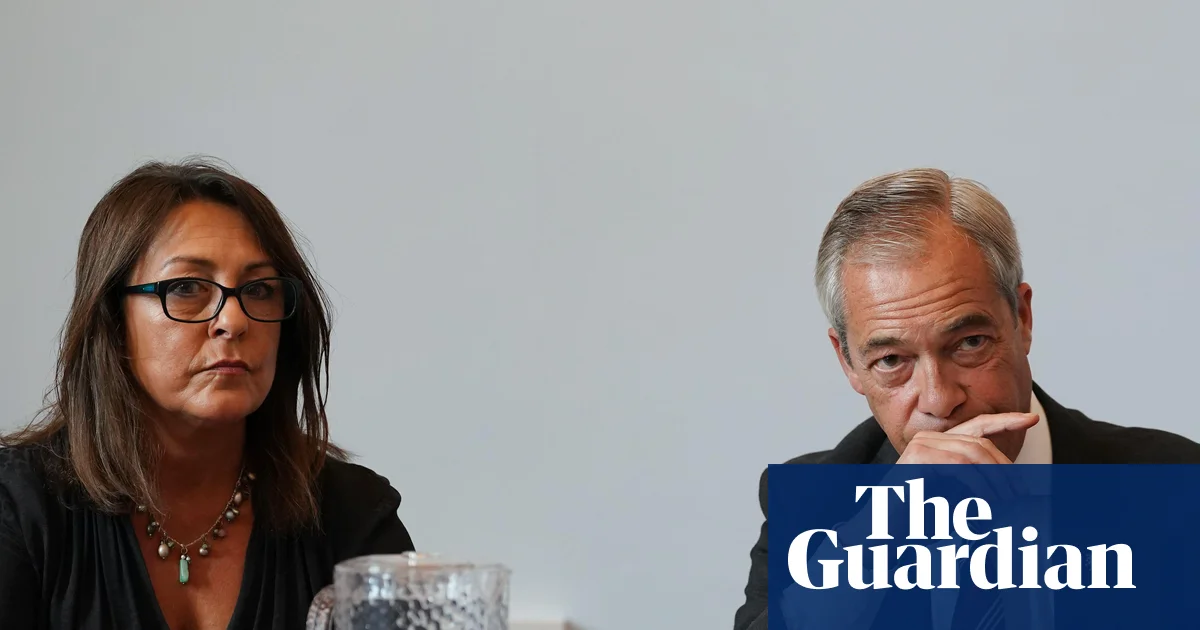
The recent political scandal surrounding Reform UK’s control of Kent County Council has ignited a broader debate on the efficacy and transparency of insurgent right-wing movements in local governments across the United Kingdom. Decision-makers and political analysts worldwide are closely observing whether the party, known for its anti-establishment stance led by figures like Nigel Farage, can transition from disruptive rhetoric to effective governance. The scandal, centered on alleged falsehoods about massive savings tied to net zero initiatives, not only threatens the party’s credibility but also raises questions about the impact of such political upheavals on regional stability and fiscal policy.

At the core of the controversy is Kent County Council’s claim of saving nearly £40 million—an assertion now under question after investigative efforts revealed that the claimed savings were based on hypothetical projects lacking concrete documentation. This development is viewed as a *regrettable* reflection of how some insurgent parties might manipulate fiscal figures for political gain, especially amidst a climate of pervasive *wokeness* and environmental mandates increasingly scrutinized at the local level. The situation echoes past warnings from international organizations, such as the OECD, which have cautioned against politicized climate policies that lack transparency and tangible outcomes, viewing them as potential catalysts for public mistrust and societal division.

International Dimensions of Local Party Power and the Consequences of Political Deception

Analysts point out that this incident in Kent is emblematic of a broader phenomenon where local insurgent parties seek to capitalize on popular sentiments against traditional political elites. The accusations of misinformation, especially involving claims of significant financial savings from projects that only existed in planning drafts, have stoked fears about the rise of populist movements exploiting fiscal narratives. Some international observers, including political scientists and historians, warn that such tactics, if widespread, can undermine trust in independent institutions and destabilize regional governance structures, with ripple effects felt across national and even international levels.

  • Specifically, the dispute centered on claims that the council would cancel environmental projects and electric vehicle initiatives, purportedly saving millions—yet, subsequent disclosures revealed scant evidence for such projects’ existence or approval.
  • Key figures, including Polly Billington, a Labour MP, denounced the claims, labeling them as “a blatant lie,” highlighting a pattern of *deliberate deception* aimed at political positioning rather than public service.
  • Meanwhile, the party’s leadership defended their narrative, asserting that potential projects listed in budget documents were *”future cost‑avoidance measures,”* a technicality that prompts debate over fiscal integrity versus political rhetoric.

This episode underscores a critical truth about the *geopolitical impact* of local political maneuvers. As insurgent parties like Reform UK seek to reshape local governance, they inadvertently influence broader national discourse on fiscal responsibility, environmental policies, and government accountability. The governing institutions at the European Union and beyond have long emphasized transparency as essential for maintaining public trust, and the current scandal exemplifies how deviations from this principle can fuel unrest and populist backlashes. Furthermore, the event serves as a warning to societies worldwide that the unchecked rise of populist rhetoric, especially when encapsulating exaggerated or fabricated claims, can erode the foundations of democratic accountability.

The Unfolding Narrative as History Continues to Write Itself

As Kent reels from the revelations, the wider implications for British politics loom large. The incident adds to a growing list of conflicts where *truth and transparency* collide with political ambition, raising questions about the future of governance in a landscape increasingly dominated by media savvy and populist appeals. The departure of Paul Chamberlain, who resigned after admitting to a “lapse of judgment,” reflects internal struggles within these movements, hinting at deeper issues of discipline and ideological cohesion. Internationally, observers note that such internal discord can serve as a microcosm of larger societal tensions, where the desperate pursuit of power often clashes with ethical governance.

The world watches as the story continues to unfold—each revelation, denial, and political maneuver shaping not just local policies but echoing across borders. The very tenets of truth, fiscal responsibility, and accountability are now at a critical crossroads. As history’s pen writes, the question remains: will these early missteps be the cautionary tales that forge resilient democratic institutions, or will they be the dark chapters that expose the fragility of society’s trust and the perilous edge of populist politics? With the weight of the future hanging in the balance, the unfolding saga in Kent reminds us that, in the theater of geopolitics, every local battle shapes the narrative of a world still striving, still fighting, for its soul.

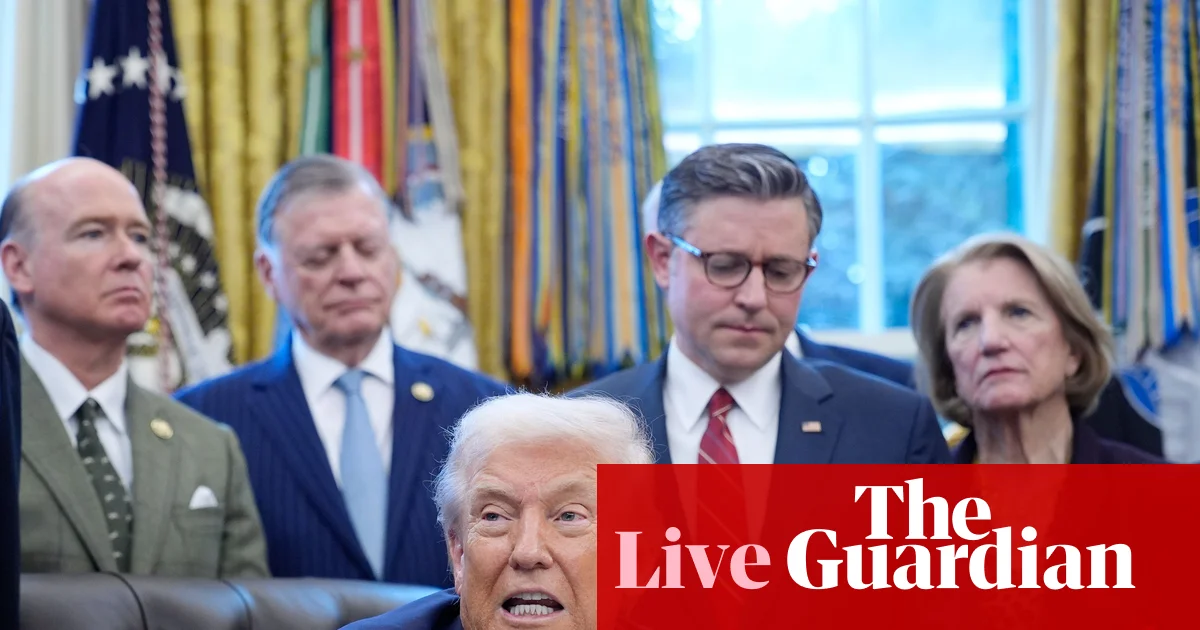
Trump calls Pretti and Good ‘not angels’ as he hints at milder immigration stance — US politics updates

In a tumultuous era marked by shifting alliances and ideological battles, United States actions continue to reshape the global geopolitical landscape. The recent reaffirmation of religious and national values by President Donald Trump at the 74th National Prayer Breakfast underscores a broader ideological push to reinforce traditional faith-based identities amidst a rapidly evolving international order. This event—an annual convergence of political, social, and business elites—serves more than just spiritual purposes; it is a platform where Trump emphasizes his commitment to defending religious freedoms, pushing back against what he characterizes as the divisive policies of the current Biden administration. Analysts argue that such rhetoric aims to rally the conservative base while projecting strength abroad, signaling a deliberate departure from progressive social policies that have faced increasing global scrutiny and resistance.

Beyond the religious rhetoric, American strategy on the world stage reflects a calculated effort to counterbalance China’s rising dominance, especially in critical sectors such as minerals essential for modern weaponry and high-tech industries. The Trump administration’s initiative to establish a critical minerals trading bloc with allies demonstrates its intent to leverage economic and strategic tools to diminish China’s geopolitical influence. This move, supported by tariffs and trade agreements, highlights a concerted effort to safeguard supply chains crucial for electric vehicles, missiles, and cutting-edge defense technology. International organizations, including some from Europe and Asia, are watching these developments closely, recognizing that control over vital resources translates into political leverage—an arena where Great Powers compete fiercely for dominance. Economists warn that this tripwire could solidify a new era of resource nationalism, profoundly affecting society through increased costs and reshaped alliances.

Meanwhile, the internal political dynamics of the United States reveal an ongoing ideological struggle that extends beyond foreign policy. The controversy surrounding immigration enforcement in Minnesota, where ICE agents face opposition from local and national figures, exemplifies the deep societal divide regarding law and order. Recent statements by Donald Trump acknowledging that Renee Good and Alex Pretti were “not angels” but affirming unwavering support for law enforcement, strike a tone of toughness and reassurance to his conservative supporters. Trump’s call for a “softer touch” in immigration enforcement suggests an attempt to balance strict policies with public relations, aiming to preserve his political narrative of law and order—a message that resonates powerfully in a society grappling with safety and national unity. As Senator Chuck Schumer and others demand complete withdrawal of federal agents, the societal tension reveals the fragility of domestic consensus amid international and ideological pressures shaping the nation’s future.

As the world watches, the chessboard of geopolitics continues its relentless advance. Negotiations between Moscow and Kyiv in the shadow of Russian missiles highlight the ongoing \u201cwar of attrition\u201d—a grim reminder that conflicts are no longer confined to battlefield trenches but extend into cyber, economic, and diplomatic realms. Concurrently, the US seeks to form strategic alliances to curb China’s burgeoning influence, while Britain grapples with internal scandals involving past figures linked to Jeffrey Epstein, exposing the persistent scars of political trust and morality. These developments evoke a somber reflection on history—an ongoing saga where decisive decisions today will resonate through generations. The weight of history presses upon every leader in every capital, and the narrative continues to unfold with unpredictable intensity, leaving the global community poised at a crossroads where the future of nations, societies, and values hangs in the balance, teetering on the edge of history’s next great chapter.

Peer Calls Out Environment Agency for Neglecting Toxic Dump in Wigan—Rats, Maggots, Fumes Threaten Local Youth

In a troubling display of environmental negligence with significant geopolitical impact, the recent revelations from the United Kingdom expose a deepening crisis that extends beyond local concerns. A 25,000-tonne illegal waste dump adjacent to a primary school in Wigan serves as a stark reminder of how unchecked waste crime can threaten public health, undermine local governance, and challenge national sovereignty over land management. Despite claims by agencies like the Environment Agency that they lack sufficient funds to tackle such dumps, the problem persists, casting doubt on the UK government’s capacity to uphold environmental standards amid rising criminal activity and economic constraints.

Historian and environmental analyst Dr. James Craig warned that the proliferation of waste crime across the UK reflects a broader, international trend of environmental disorder that threatens to destabilize societal norms. The infamous incident last summer, when the Wigan dump caught fire for ten days—forcing school closures and releasing hazardous fumes—illustrates how such illegal activities can escalate into major public safety emergencies. Meanwhile, drone footage reveals a “mountain” of fly-tipped waste in Oxfordshire, with videos circulating as grim visual evidence of a crisis spiraling out of control. These events are no longer isolated; they are part of a pattern that analysts say risks undermining trust in local authorities and national institutions.

For international organizations and environmental watchdogs, this crisis signals a danger that transcends national borders. The United Nations and the European Union have long emphasized the importance of international cooperation in combating transnational waste crime, which often involves cross-border smuggling and organized networks. Yet, the UK’s internal refusal or inability to mobilize sufficient resources to clean up sites like Bolton House Road in Wigan exposes a key vulnerability: when nations falter in enforcing environmental laws, the ripple effect weakens global efforts against ecological degradation. Experts like environmental lawyer Laura Simmons warn that if this trend continues, it will embolden criminal syndicates and erode the foundations of international environmental agreements.

While the government highlights ongoing criminal investigations—four arrests have been made in relation to the Kidlington site—the overarching issue of land ownership complicates efforts to remediate the damage. Ownership of the affected land in Wigan now rests with the Duchy of Lancaster, which, under common law principles, complicates enforcement. Critics argue that bureaucratic delays and ambiguity in land rights serve as barriers to swift cleanup, thereby prolonging environmental hazards and endangering communities. Such procedural bottlenecks, according to political analyst Mark Selby, threaten to undermine public confidence and exemplify how bureaucratic inertia can impede national security and environmental resilience.

In an age where global instability often arises from internal fault lines, the UK’s waste crisis is a microcosm of larger, geopolitical struggles over sovereignty, resource management, and law enforcement. As nations across the world grapple with similar issues—whether in former colonial territories, emerging economies, or established powers—the question remains: are current political and economic frameworks equipped to confront the rising tide of environmental chaos or will the shocks of future crises catch them unprepared? The unfolding story of illegal waste dumping and legislative inertia underscores a profound truth: history is still shaping itself at the intersection of environmental stewardship and national security, with the weight of the future resting heavily on the decisions made today.

Social Media Auto Publish Powered By : XYZScripts.com