Matox News

Truth Over Trends, always!

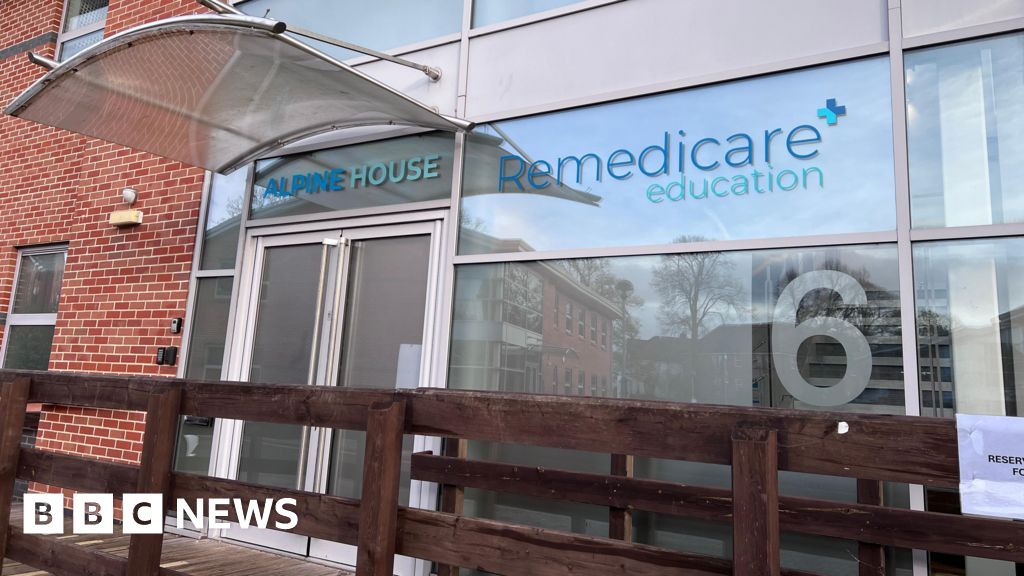
Wokingham special needs firm under criminal investigation amid calls for accountability

Amidst the unfolding narratives of social accountability and the complexities of how families are impacted by educational and social services, recent revelations about Remedicare Education emerge as a stark reminder of the vulnerabilities within our current systems. The investigation into this organization, which specializes in educating children who have struggled with mainstream schooling, highlights critical issues concerning social trust, regulatory oversight, and community safety. According to reports, the Office for Standards in Education, Children’s Services and Skills (Ofsted) is now conducting a criminal inquiry into the company—an investigation that raises questions about the adequacy of safeguarding measures and the integrity of providers working with society’s most vulnerable.

The controversy stems from an unsettling connection to Laura Horton, a former director of Remedicare, who was jailed for attempting to smuggle synthetic drugs—Spice—into prisons nationwide. Her involvement, which included sending fake legal papers to facilities such as Isle of Wight Prison, underscores troubling gaps in vetting procedures. Despite her resignation from the company following allegations of inappropriate conduct with a patient at Broadmoor Secure Hospital, questions persist about how she was initially appointed. Social commentators and sociologists, including Dr. Karen Gill of the Society for the Societal Well-being, argue that such cases reveal “a troubling failure of regulatory oversight that jeopardizes trust in institutions designed to safeguard our community’s most at-risk children.”

Social issues of trust and systemic failure significantly reverberate through families and communities, especially when children’s safety and education are compromised. Pete Evans, whose autistic son was placed in care by Remedicare, expressed his bewilderment and deep concern when he discovered that the woman who appeared to serve in a ‘headteacher-like’ role was connected to criminal activity. His son’s placement—initially perceived as a protective measure—became a source of familial distress, compounded by the local authority’s subsequent acknowledgment of a need to “further strengthen the process” of child placement. Such incidents expose a dangerous demographic shift where, due to under-regulation, the most vulnerable are exposed to unchecked risks, shaking the trust that families rely on to protect their children’s future.

At the heart of these social debates lies a fundamental question: how can society better safeguard its children and uphold the integrity of community care? Solutions proposed by social institutions focus on

  • enhanced registration and oversight of educational providers, especially those operating outside traditional school systems
  • rigorous background checks for staff involved in vulnerable children’s education
  • transparency in safeguarding procedures and stricter enforcement of compliance protocols

These measures aim not only to restore public confidence but also to reinforce the moral obligation that institutions have to protect and serve society’s most impressionable members. Sociologists warn that failure to address systemic gaps risks further erosion of societal fabric—shrinking community trust and encouraging a climate where social tensions simmer beneath the surface, primed to explode into crises that threaten our shared way of life.

As society faces these profound challenges, our collective hope resides in the resilience and moral rectitude capable of inspiring meaningful reform. Society’s true strength may be reflected not in the absence of its flaws but in the unwavering commitment to rectify them—a pursuit that, at its core, seeks to nurture generations rooted in safety, integrity, and hope. In this moment of reckoning, society must ask itself whether it will muster the resolve to rebuild its trust, or allow the shadows of neglect and dishonesty to deepen, leaving future generations to navigate a landscape marred by betrayal. Only then can we truly begin to envision a society where education and social care serve as pillars of moral renewal, anchoring families in the unwavering promise that society will always stand as a shield, not a sword of harm.

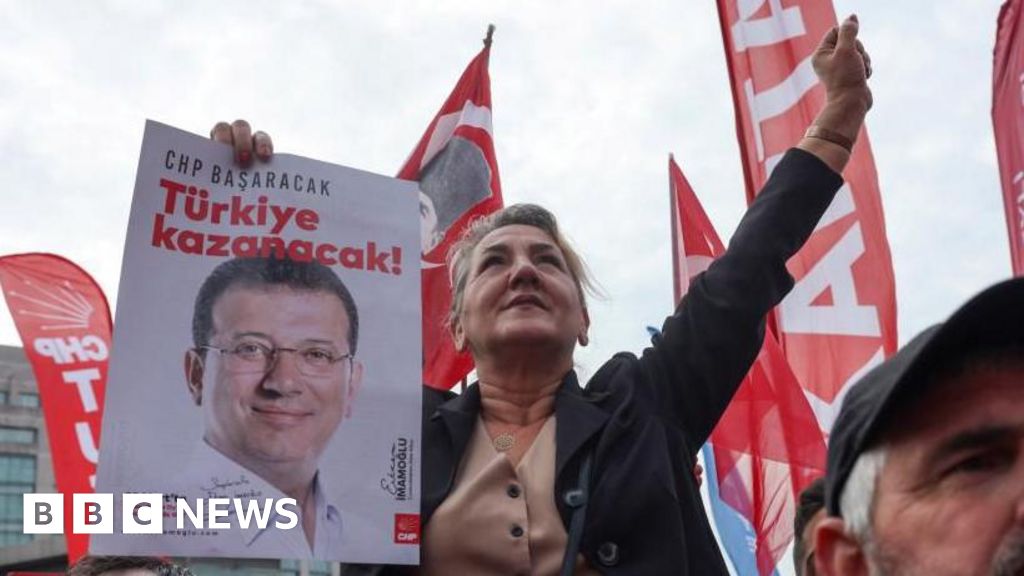
Turkey calls for over 2,000 years in prison for Istanbul’s popular Mayor Imamoglu

In a move that has sent shockwaves through Turkey’s political landscape, the mayor of Istanbul, Ekrem Imamoglu, faces a barrage of serious charges that threaten to reshape the nation’s trajectory. The prosecutor’s office in Istanbul has leveled accusations of 142 counts of corruption, bribery, and money laundering, claiming that Imamoglu was at the helm of a sprawling criminal network. Such allegations, if proven, could lead to a combined jail sentence exceeding 2,400 years — a staggering figure that underscores the gravity of what some analysts are calling an attempt to quash Turkey’s most prominent opposition figure.

The charges against Imamoglu, who achieved national prominence by defeating President Recep Tayyip Erdogan’s allies in the 2019 mayoral race and securing a landslide victory in April 2024, are widely viewed as a politically motivated crackdown. His supporters and opposition leaders alike argue that this move is aimed at dismantling the secular CHP’s strongest presidential contender for 2028. The Turkish government denies political bias, insisting that the judiciary operates independently and that these prosecutions are based on concrete evidence of corruption. Yet, many international observers, including analysts from the European Union and human rights watchdogs, see this as part of a broader pattern of eroding judicial independence under Erdogan’s increasingly authoritarian rule.

What makes Imamoglu’s case particularly significant is how it exemplifies the *turning point* in Turkey’s domestic politics — a nation increasingly polarized, with political rivals retreating into entrenched factions. Imamoglu, a figure representing secularism and democratic principles, has articulated a vision of reform that resonates with millions of Turks weary of authoritarian overreach. His detention, coupled with accusations of espionage, forging documents, and engaging in a criminal conspiracy, frames a critical geopolitical impact: Turkey’s internal political turmoil could ripple outward, unsettling regional stability and complicating its relations with Western allies. As society watches, the President’s supporters argue that this is a necessary step to root out deep-seated corruption, while opponents warn of the rise of a political witch-hunt disguised as justice.

Historically, such tactics — where judiciary processes are weaponized against opposition leaders — have been observed in other regimes transitioning from democratic ideals towards authoritarian consolidation. The United Nations and European Union have both expressed cautious concern over the increasing politicization of Turkey’s judiciary. Meanwhile, regional powers such as Greece and Europe are keenly monitoring the unfolding crisis, aware that Turkey’s internal stability directly influences broader geopolitical fluidity, especially in the context of conflicts in the Middle East and NATO dynamics.

As Imamoglu faces what many see as an orchestrated attempt to eliminate the opposition, the future of Turkey’s democracy hangs in the balance. His case has ignited protests across Istanbul and beyond, underscoring a profound societal divide. The decision of the courts next will forever shape the historical narrative of the nation: whether Turkey will regain its democratic footing or spiral further into a dangerous era of political repression. With history’s pen poised on the edge of a new chapter, the world remains watchful — for in Turkey’s fate lies a commentary on the resilience of democracy itself. The echoes of this tumult are sure to resonate, leaving a legacy that future generations will scrutinize — a story still being written with every bold step and every heavy silence in the corridors of power.

Kenya Calls for Justice and Security After Post-Election Crackdown

Post-Election Turmoil and Its Geopolitical Reverberations

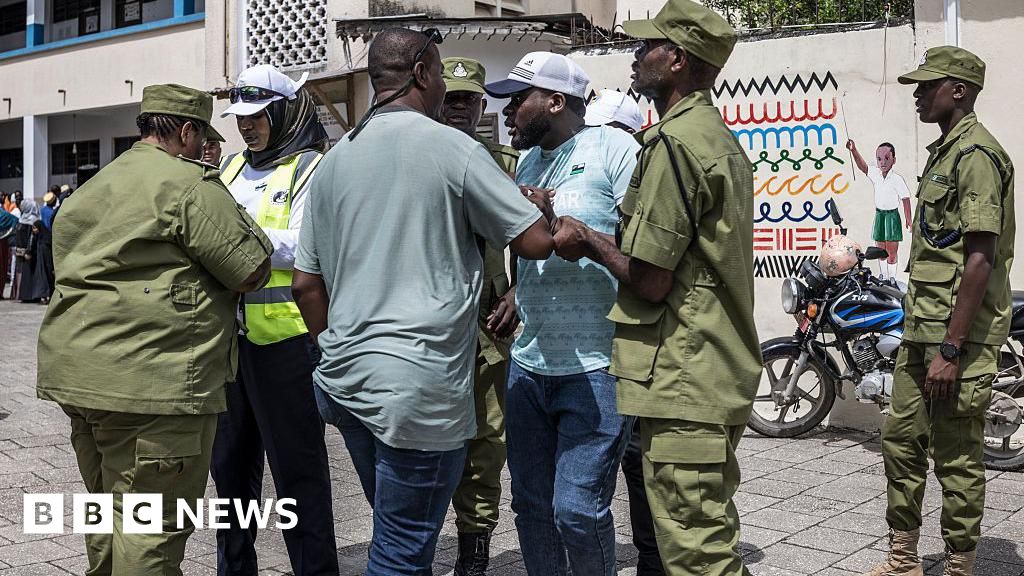
The recent election in Tanzania has ignited a complex web of domestic and international consequences, exposing the fragile stability of East Africa’s political landscape. President Samia Suluhu Hassan, who secured her position with an overwhelming 98% vote majority, declared her victory amidst allegations of electoral irregularities. Critics, including election observers and opposition figures, argue the polls fell short of democratic standards, citing the imprisonment and disqualification of key opposition candidates. This electoral outcome not only consolidates President Hassan’s power but also signals a narrowing of political space, even as her government attempts to project an image of stability on the international stage. Such developments are crucial for understanding how local governance can ripple across regional and global structures.

However, beneath the veneer of political legitimacy, unrest has erupted, especially in the wake of the contested election results. Reports of excessive force deployed by Tanzanian security forces during protests have sparked a wave of international criticism, with many alleging that hundreds of protesters and civilians were killed or injured in a crackdown that critics say was disproportionate and reckless. Tanzania’s government dismisses these claims, asserting that the opposition’s figure of casualties is exaggerated, but independent international observers and human rights groups contend that a troubling pattern of suppression persists. Analysts warn that such violent repression could destabilize Tanzania, potentially igniting broader regional tensions and complicating diplomatic relations with neighboring countries, especially Kenya.

The situation is further complicated by the plight of Kenyans residing in Tanzania, an estimated 250,000 people engaged in various economic activities across the border. This diaspora has become collateral damage in Tanzania’s internal conflicts, with reports of Kenyans being detained, injured, or even killed amidst the unrest. Kenyan authorities have responded by urging their Tanzanian counterparts to prioritize the safety of their citizens, emphasizing that diplomatic channels are now critical in addressing this crisis. The recent death of Kenyan teacher John Ogutu, shot by Tanzanian police, underscores the urgency of the matter; his family and international rights organizations demand transparency and accountability. The uncertainty surrounding these incidents reflects a broader pattern of governments using mass violence to maintain control, making the prospect of regional destabilization more imminent.

Historically, the East African Community (EAC) has tried to foster economic and political integration, but recent events threaten this fragile unity. Strained diplomatic ties, resurging political repression, and accusations of state-sponsored violence threaten to undermine decades of regional cooperation. In particular, Tanzania-Kenya relations, once aimed at economic expansion and shared development, are now a battleground of mutual distrust. The fallout from these conflicts suggests that regional geopolitics are on a knife’s edge, with the potential for violence and instability to spill beyond national borders and into wider international corridors. The role of international organizations, such as the United Nations and the African Union, looms large, as their ability to mediate and promote good governance in this volatile context is profoundly tested.

As history continues to unfold in East Africa, the implications of these events serve as stark warnings of what can happen when political contestation turns violent and international diplomacy falters. The emergency of new power dynamics, coupled with the unresolved tensions between established governments and dissenting voices, could usher in an era of prolonged instability. How the global community responds, and whether regional leaders prioritize dialogue over repression, will determine the course of history in this pivotal chapter of Africa’s story. The weight of future generations now hangs in the balance, as nations grapple with the double-edged sword of sovereignty and stability—each decision shaping the destiny of this strategically vital region.

Kenyan landslide claims 21 lives amid heavy rains, prompting urgent calls for action

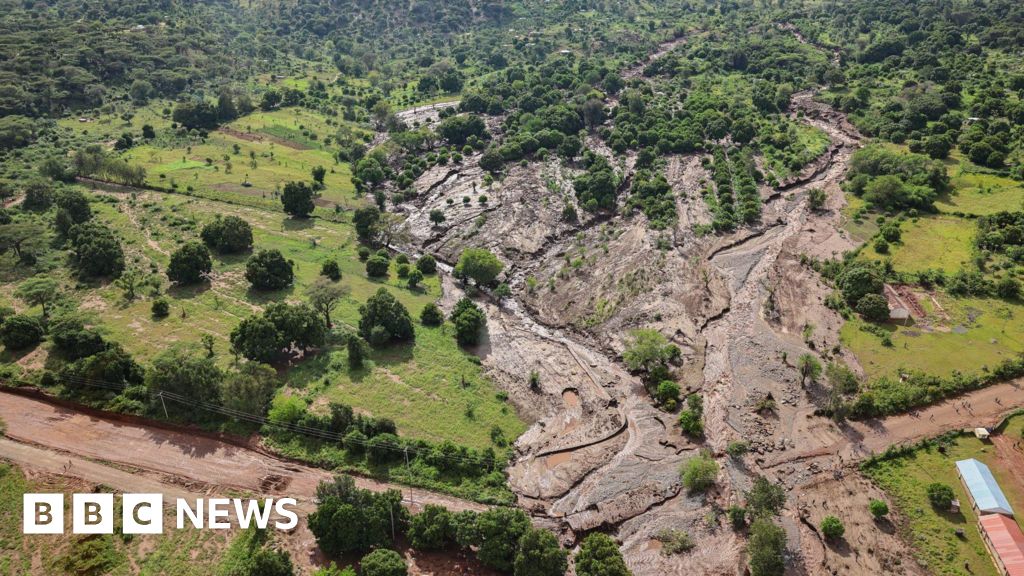
The East African region is currently grappling with a severe climate crisis, highlighted by recent devastating landslides and flash floods affecting Kenya and Uganda. The Kenyan government confirmed that 21 lives have been lost following a landslide in the western province of Marakwet East, provoked by unprecedented heavy rainfall. Interior Minister Kipchumba Murkomen reported that rescue efforts have been hampered by ongoing mudslides and flooding that cut off vital access routes, hindering aid delivery and complicating search operations. Meanwhile, in Uganda, similar weather conditions have resulted in deadly mudslides, with at least four confirmed fatalities in Kapsomo village and widespread destruction across several districts.

Analysts and international organizations are warning that the geopolitical implications of these environmental crises extend far beyond immediate human suffering. The United Nations and regional bodies have emphasized that climate change and inadequate infrastructure are exposing vulnerable populations to escalating dangers. Historians like Dr. Samuel Okoth-Omara note that this current wave of disasters reflects a broader pattern of environmental neglect and political instability, which exacerbates the region’s susceptibility to climate-related crises. As flash floods overflow rivers such as the Sipi and Astiri, communities face the immediate danger of losing homes, crops, and vital economic resources. These events threaten to destabilize local economies, complicate regional security, and induce mass displacement.

The geopolitical impact of this crisis is profound. Both Kenya and Uganda have urged residents living along seasonal rivers or recent landslide zones to evacuate to safer ground, yet the challenge remains formidable. The Kenyan government has paused rescue operations temporarily but assured the public that military and police helicopters are on standby to deliver relief supplies, including food and non-food items. This response underscores the importance of regional stability—infrastructure failures, such as blocked roads, impede not only rescue efforts but also disrupt trade and humanitarian aid. The regional governments’ inability to fully contain or prevent these disasters exposes the fragility of their institutional resilience, raising questions about long-term adaptive measures in the face of shifting climate patterns.

Many observers, including climate experts and international analysts, warn that without decisive action, these environmental calamities will continue to accelerate. The World Meteorological Organization has highlighted that rising temperatures and unpredictable rainfall patterns are fueling an increase in deadly weather events across East Africa. Furthermore, the widespread devastation fired up discussions about climate justice and the urgent need for sustainable development strategies—though critics argue that political will remains insufficient. As the region faces an unfolding chapter of suffering and adaptation, the question persists: to what extent are these nations prepared to confront the seismic shifts threatening their societies? The unfolding narrative carries within it the echoes of history—a reminder that nature’s fury, once unleashed, demands a collective response that transcends borders and ideologies. Whether East Africa can forge a resilient path amidst this turmoil remains a decisive test of its future.

Jamaican Citizen’s Death Sparks Urgent Calls for UK Rule Reforms in Overseas Territories

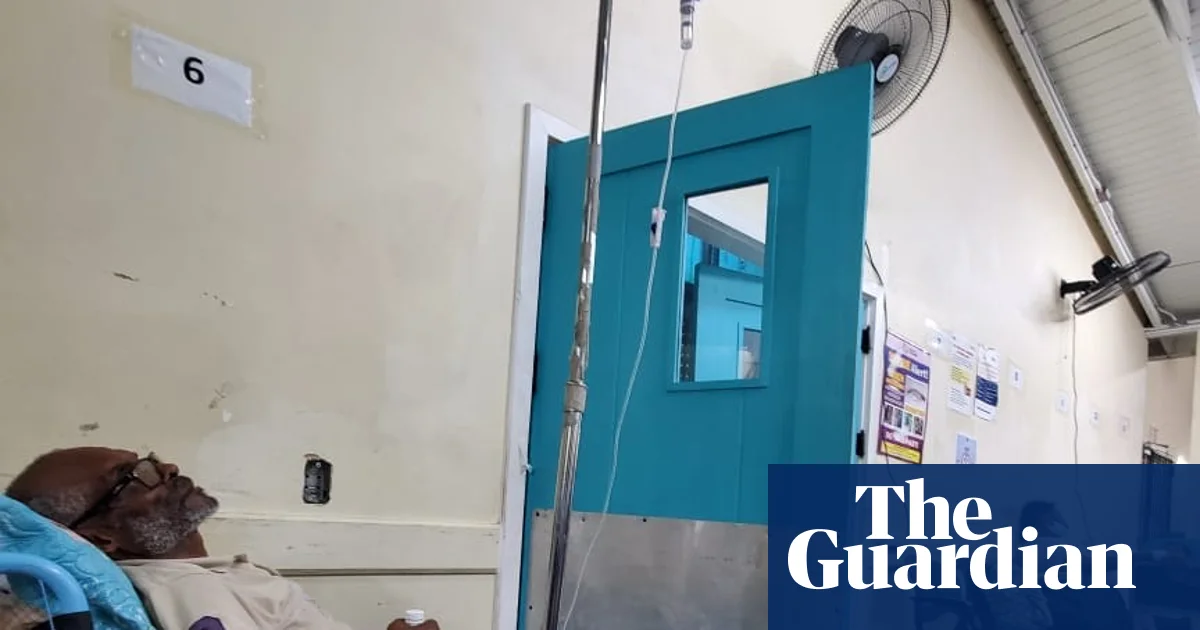
In recent weeks, a tragic incident has shone a stark light on the ongoing social and healthcare disparities within the British overseas territories. Robert Baker, a 63-year-old dual citizen of Jamaica and Montserrat, passed away after the UK government declined to assist him in accessing life-saving treatment outside of his remote island home. This heartbreaking event underscores a broader pattern of moral neglect and policy failures that jeopardize the well-being of communities living under colonial-style governance without adequate support systems.

Baker’s story is emblematic of the struggles faced by families and individuals in regions devastated by natural disasters, such as Montserrat’s 1995 volcanic eruption, which eradicated its capital and decimated essential infrastructure. Despite over 30 years passing, hospitals and emergency services on the island remain inadequately equipped, forcing residents to seek medical care abroad at great personal cost. His family’s desperate efforts and the family’s plea for equitable treatment reveal how social injustice prevents vulnerable populations from accessing healthcare equal to that of the UK mainland. For many families in these territories, the lack of proper medical infrastructure translates directly into loss of life, economic hardship, and shattered hope.

Social commentators and sociologists argue that this chain of neglect is emblematic of a broader failure to recognize the moral obligation owed to colonial subjects. Some critics equate the policies governing these territories with systemic apathy—policies that dismiss the need for adequate health services, education, and social support—for the sake of austerity and political expediency. The case of Robert Baker has also catalyzed calls from community leaders and parliamentarians like Donaldson Romeo, who describe the existing scheme as “deeply flawed” and “insufficient in relation to the scale of need”. Their stance echoes the voices of historians who argue that colonial legacies continue to shackle these populations, underlining the importance of restorative justice and policy reform.

  • Many territories, including Montserrat, lack the infrastructure to respond adequately to health crises, often leaving residents with no choice but to seek treatment abroad.
  • The current scheme allows a paltry number of patients from each territory to access NHS care annually, but the costs—travel, accommodation, and subsistence—are typically borne by families or the territories themselves, compounding hardship.
  • Advocates are calling for a fundamental overhaul of these policies to ensure equal healthcare access, dignity, and humanity to all British citizens residing in overseas territories.

As society debates questions of justice, sovereignty, and moral responsibility, the story of Montserrat’s healthcare crisis compels a profound reflection: How long can we remain indifferent to the suffering of those who live beyond the immediate reach of our societal safety nets? The future of these communities depends on an awakening—one that recognizes that social cohesion is rooted in fairness, compassion, and the unyielding pursuit of dignity for every human life. With each shared story and policy discussion, society inches closer to a landscape where no family bears the burden of neglect in silence, and where hope begins to restore the fractured promise of justice and care for all.

Australia calls out China’s risky jet maneuvers, raising tensions

The escalating military tensions between Australia and China continue to threaten the fragile stability of the Indo-Pacific region. Recent incidents, including a dangerous confrontation over the South China Sea, underscore the simmering rivalry that, if unchecked, could reshape the geopolitical landscape. Australia’s defense department publicly accused a Chinese military aircraft of releasing flares in close proximity to an Australian patrol jet, the P-8A, an act described as “unsafe and unprofessional”. Though no injuries occurred, the event signals a dangerous escalation in aerial encounters that have become increasingly frequent in the contentious waters where China asserts expansive territorial claims.

  • On the incident’s surface, the Chinese authorities dismissed Australia’s claims, asserting that the Australian jet had “illegally intruded” into China’s airspace and issued a demand for Canberra to cease what they termed as “provocative actions.”
  • Coinciding with this event, Australian Prime Minister Anthony Albanese was heading to the United States for high-profile talks with President Donald Trump concerning the AUKUS partnership—a trilateral deal involving Australia, the US, and the UK centered on developing nuclear submarines.
  • This series of confrontations is not isolated; it follows a pattern of similar encounters that include Chinese jets dropping flares near Australian planes and Navy vessels employing sonar pulses in international waters, injuring Australian divers off Japan’s coast last November.

Experts and global organizations warn that these dangerous displays of military bravado could spiral into full-blown conflict if not managed carefully. The United States and its allies consider China’s expansive claims over the South China Sea and its aggressive military posture as clear threats to regional security and international law. Political analysts suggest that China perceives these provocative actions as a means to assert dominance over vital maritime routes and surrounding island chains, challenging the sovereignty of various Southeast Asian nations. Meanwhile, historians caution that such persistent frontier brinkmanship echoes the perilous prelude to the South China Sea’s previous conflicts and even Cold War-era cruise tensions.

The geopolitical impact of these incidents extends beyond the immediate region. As Australia aligns more closely with American strategic interests through initiatives like AUKUS, Beijing’s response is to fortify its territorial claims and signal its willingness to confront Western influence head-on. The Chinese government’s recent assertions portray Australia’s actions as illegal and provocative, aiming to rally domestic support and project strength. In an era where military encounters risk miscalculation, analysts warn that such provocations could ignite larger confrontations with global consequences. The United Nations and international diplomatic efforts urge restraint, but the momentum for escalation persists.

As history continues to unfold, the confrontation in the skies and seas off Asia serves as a stark reminder: the arena of international diplomacy is fraught with peril, and the decisions made today will echo through generations. With each flare, each sortie, the world watches—and witnesses history in the making, teetering at the edge of chaos or peace. The question remains: will cooler heads prevail, or will these hostile shadows cast a long, dark future over the free nations?”

David Littleproud calls on Barnaby Joyce to stick with the Nationals amid One Nation talk

Australia’s Political Turmoil and Its U.S.-China Geopolitical Ripple Effects

In the turbulent landscape of Australian politics, recent developments signal more than just domestic party disputes; they echo across the Indo-Pacific and beyond. The departure of Barnaby Joyce, a senior figure in the Nationals, from formal party ties, alongside escalating tensions within the Coalition, underscores a broader realignment that could reshape regional alliances. As Joyce considers a switch to Pauline Hanson’s One Nation, experts warn of the potential disruption this could cause not only to Australia’s internal politics but also to its strategic position amid rising U.S.-China tensions.

While initial reactions focused on the political implications within Australia, international analysts increasingly recognize that such shifts hold significant implications for regional stability. The escalation comes at a time when U.S.-Australia alliances are being tested, particularly as China consolidates economic influence within the Pacific and Southeast Asia. The internal discord over issues like climate policy—with figures like Joyce challenging the Coalition’s stance on net-zero emissions—may seem isolated, but they form part of a larger pattern of divide-and-conquer tactics that could weaken Australia’s strategic cohesion. Such internal divisions could be exploited by China to further undermine Western influence across the Indo-Pacific, a scenario decried by scholars like Professor Hugh White of Australian National University as a potential pathway to ‘strategic decay.’

The U.S. State Department and Australian foreign policy analysts observe that these internal conflicts might diminish Australia’s capacity to assert leadership or sustain a unified front amid regional power struggles. Historically, alliances are tested when middle powers face internal fractures, which is precisely what some see unfolding. The potential shift of Joyce to One Nation offers a warning sign to allies—how internal party politics can spill over into international strategy. If regional stability is to be preserved, Australian authorities must navigate these internal tensions carefully, lest they serve as a foothold for greater Chinese influence in the Indo-Pacific.

In a broader geopolitical context, the Australian scenario highlights how decisions within national parties are intertwined with global power shifts. The international community watches as internal political disputes threaten the integrity of what has been regarded as a strategic anchor in the Indo-Pacific region. The unpredictable nature of these shifts leaves many contemplating the **fragile balance of power**—where internal discord could become the catalyst for larger geopolitical upheavals. As historians remind us, the pages of history are often written when nations face internal crises that bear the imprint of greater international consequences, and Australia’s current political realignment is no exception. The weight of history remains heavy, as the unfolding narrative continues to shape the future of a region critical to global stability.

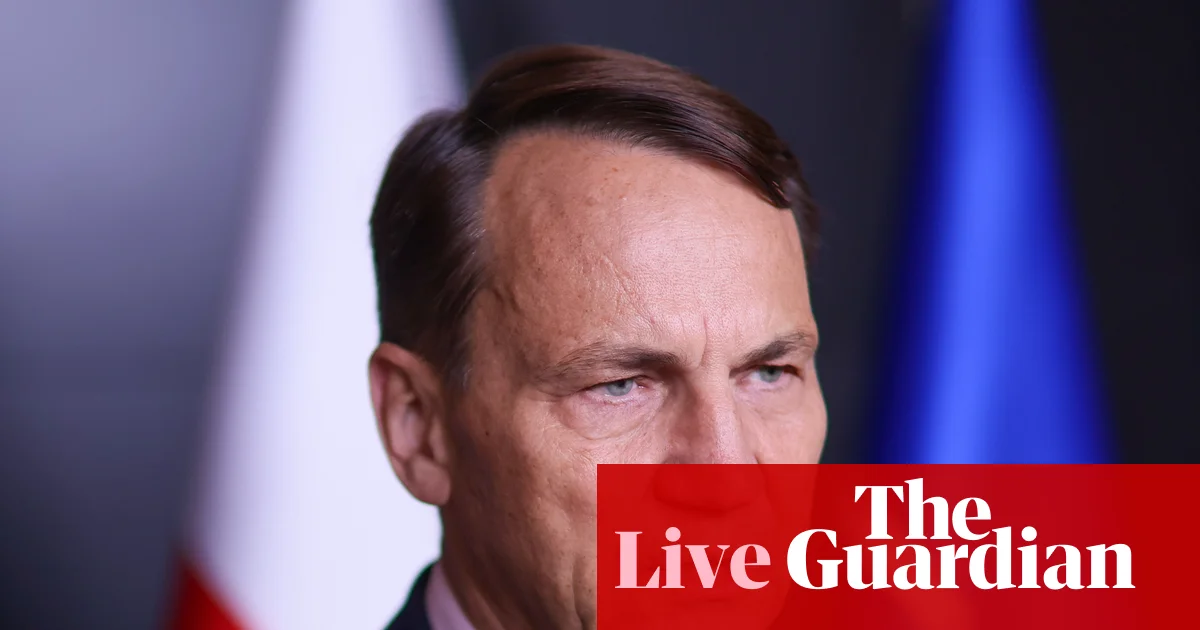
Polish judge refuses extradition of Nord Stream suspect, calls it a 'just act'
Polish judge refuses extradition of Nord Stream suspect, calls it a ‘just act’

In a development that underscores the escalating geopolitical tensions surrounding energy infrastructure and national sovereignty, a Polish court recently made a highly controversial ruling regarding the suspected sabotage of the Nord Stream pipelines—an incident that has reverberated across Europe and beyond. The court refused to extradite a Ukrainian suspect, Volodymyr Zhuravlyov, accused by Germany of involvement in the September 2022 detonation. The judge’s decision has ignited fierce debates about the legality, responsibility, and geopolitical ramifications, shifting the narrative in ways that threaten to unravel the fragile balance of international diplomacy.

Initially, blame for the explosions was pinned on Russia, given its major stake in the pipelines that crisscrossed the Baltic Sea, connecting Russia to Germany. However, signs of Ukrainian involvement emerged—an assertion vehemently denied by officials in Kyiv. The case takes on added complexity considering Poland’s own stance: a vocal critic of the pipelines, especially Nord Stream 2, which Poland viewed as a geopolitical tool used by Berlin to deepen Europe’s dependence on Moscow. Polish Prime Minister Donald Tusk vocalized support for the court’s ruling, stating that the case was “closed,” fostering speculation about whether political motives are intertwining with legal adjudication. Critics and experts contend that these events could stir a storm of diplomatic retaliation, as nations grapple with the blurred lines between what constitutes acts of war and legitimate resistance in a time of conflict.

The court’s ruling, which highlights the war in Ukraine as a backdrop, sparks provocative questions about international jurisdiction and national sovereignty. Judge Dariusz Lubowski’s passionate speech framed the incident within a context of “justified” acts of defense, citing historical figures such as Aristotle and Saint Thomas Aquinas to justify what, in peacetime, might be viewed as sabotage. His assertion that Ukraine’s alleged actions were a “rational and just” response to “Russia’s bloody and genocidal attack” reveals an underlying political commentary that critics argue could set a dangerous precedent—favoring the view that acts of sabotage during wartime are morally defensible. Such a stance resonates deeply with many analysts warning that it could embolden other nations to justify targeted attacks against strategic infrastructure, risking global destabilization in the pursuit of national interests.

The geopolitical impact of this legal saga extends to Europe’s energy security and alliance structures. Germany’s halting of the Nord Stream 1 pipelines and the delayed entry of Nord Stream 2 represent more than just economic shifts—they symbolize Europe’s grappling with energy dependency and the broader contest of influence between the West, Russia, and Ukraine. The case also exposes gaps in the EU’s legal framework, with judges questioning whether Germany has jurisdiction over acts carried out in international waters, with ownership and responsibility clouded by complex legal and political layers. Analysts warn that the verdict not only complicates efforts to hold perpetrators accountable but also deepens divisions within the European Union—divisions that could be exploited by adversaries seeking to weaken Western unity in the face of ongoing conflicts.

As history turns another page, the story of the Nord Stream sabotage continues to unfold, leaving a trail of questions that threaten to define the new era of international conflict. The decision in Warsaw is more than a legal verdict; it is a snapshot of a world where lines of morality and legality are blurred amid the chaos of war and power struggles. In the shadows of courtrooms and diplomatic corridors, nations are watching as the fabric of trust and sovereignty is tested—reminding us all that in geopolitics, the stakes are nothing less than the future of freedom and stability itself. The weight of history presses down, and the question remains: who will claim the next chapter—peace, or chaos?

Kenyan Opposition Leader Don Clarked at 80, Sparks Calls for Change

In an event that marks a significant turning point for Kenya and its geopolitical landscape, the death of Raila Odinga, aged 80, signals the end of an era defined by resilient leadership and relentless struggle for democracy. Odinga, once a formidable opposition figure and a symbol of resistance against authoritarianism, succumbed to a cardiac arrest in a hospital in India, drawing widespread international attention to his life’s work. His passing comes after weeks of lingering questions regarding his health, yet tributes from leaders worldwide underscore his towering influence in regional affairs and beyond.

The impact of Odinga’s political journey extends far past Kenyan borders, resonating strongly within the region’s ongoing shifts in governance. His leadership was rooted in advocating for democratic freedoms and fighting against corruption, often positioning himself as the voice of the marginalized. As current President William Ruto declared him a “beacon of courage” and “father of our democracy,” the geopolitical focus sharpens on how Kenya’s future navigates his legacy. In the broader Africa context, analysts from the African Union and international think tanks recognize Odinga’s role as a catalyst for reforms, emphasizing the importance of stability founded on democratic principles, which remain a fragile commodity across the continent.

Odinga’s political life was marked by monumental upheavals—most notably his disputed claims to the presidency in 2007, which spurred violence resulting in over a thousand deaths and displacements — a crisis that left Africa and global governance institutions grappling with the fragility of electoral processes. A landmark intervention by Kofi Annan led to a power-sharing agreement that ultimately mitigated conflict, illustrating how international diplomacy and regional stability are deeply intertwined. Since then, Odinga’s pragmatic alliances—most notably his 2018 decision to reconcile with Uhuru Kenyatta—highlighted his ability to foster consensus amid tumultuous elections. Yet, his political resilience also firmly placed him as a polarizing figure, embodying the tension between reformist ambitions and entrenched interests that continue to shape East Africa’s geopolitical dynamics.

Today, as global powers and regional neighbors observe Kenya’s evolving political landscape, Odinga’s death insinuates a power vacuum and raises urgent questions about succession and the future orientation of Kenyan politics. The regional ramifications extend beyond Kenya’s borders, influencing stability in neighboring countries such as Uganda, Rwanda, and Tanzania. Historians and foreign policy analysts warn that Kenya’s political trajectory in the coming years will hinge on whether Odinga’s enduring legacy can catalyze a new generation committed to democratic reform or whether entrenched corruption and ethnic divisions will deepen. As the nation mourns, the international community watches closely—reminded that history is constantly being written, with today’s foundations shaping tomorrow’s destiny, often in ways no one can predict.

Greene slams GOP, calls Congress’ men ‘weak’—youth voice on the rise

As the United States grapples with an internal political crisis, the world watches with keen interest. The ongoing government shutdown, now entering its third week, reveals a deeper fissure within the Republican Party. Among the most outspoken critics is far-right congresswoman Marjorie Taylor Greene, who has increasingly distanced herself from her party’s establishment, accusing her colleagues of being “weak” in the face of pressing national issues. Her outspoken stance raises alarms about how intra-party divisions might influence U.S. foreign policy and geopolitical stability. With President Biden’s administration and the GOP at odds over fiscal priorities, the consensus is that America’s internal discord weakens its global standing and strategic leverage.

Greene’s rhetoric underscores a pattern where America’s internal strife begins to echo onto the international stage, affecting negotiations and alliances. Her call to remove the 60-vote filibuster and her alignment with Democrat proposals for healthcare subsidies are signals of a fractured Republican base. Such divisions complicate the nation’s ability to present a unified front in critical international negotiations. Analysts warn that the U.S. political tumult risks emboldening rivals like China and Russia, who thrive in moments of American weakness and disarray. Historians like F. Lee Bailey emphasize that weakness in political resolve has historically led to a decline in superpower influence, and with America’s internal struggles, global hegemony remains under threat.

Meanwhile, Greene’s focus on transparency regarding high-profile figures like Jeffrey Epstein complicates the narrative further. Her push for releasing classified files on Epstein’s case—despite resistance from House leadership and Trump loyalists—demonstrates how internal disputes are entwined with questions of justice and accountability. Her claim that Republican women are being sidelined for challenging mainstream GOP leadership exposes a broader debate about gender dynamics in American politics. This infighting not only undermines party cohesion but can have long-lasting repercussions on U.S. diplomatic credibility. As international organizations analyze the fallout, the consensus is that such fragmentation diminishes the United States’ capacity to shape global narratives and forge strategic partnerships.

The geopolitical impact of these domestic upheavals is profound. With Congressional leaders embroiled in internal power struggles, America’s global commitments and partnerships hang in the balance. The world is left to wonder whether the nation’s internal divisions will lead to a power vacuum, inviting increased influence from adversaries. Meanwhile, allies watching Washington’s turmoil question whether the U.S. remains a reliable leader. The unfolding narrative remains a stark warning: a nation divided from within cannot project strength beyond its borders. As history continues to unfurl on the global stage, the future of American leadership remains uncertain, and the weight of upcoming decisions may well determine the course of the 21st century’s geopolitical order, leaving the world to ponder whether this chapter will herald a new era of decline or resilience.

Social Media Auto Publish Powered By : XYZScripts.com