Matox News

Truth Over Trends, always!

War bets spark outrage, fueling calls to crackdown on Kalshi and Polymarket

In recent weeks, international focus has intensified on the rapid proliferation of digital trading applications, which some critics argue pose significant threats to national security and economic stability. Governments and policymakers across the United States, European Union, and Asia are grappling with the implications of these platforms, which increasingly influence the global financial landscape. As the digital sphere becomes a battleground for influence and control, the debate over regulation and oversight has taken on urgent new dimensions.

One of the primary concerns voiced by critics involves the facilitation of unseemly, and potentially illegal, activities such as war profiteering. Investigations suggest that certain apps are used to manipulate markets, generate insider trading opportunities, and enable corruption on a scale that erodes societal trust in the financial system. These allegations have prompted calls for a concerted crackdown, with analysts warning that these platforms could serve as vectors for destabilizing geopolitical influences. The Financial Stability Board and INTERPOL have both issued statements underscoring the importance of international coordination to combat these emerging threats.

Furthermore, the US Justice Department and the European Commission are exploring legislative and regulatory measures aimed at curbing illicit activities facilitated by digital trading apps. Critics contend that these platforms, while innovative, have often operated in regulatory grey areas, enabling cybercriminals, rogue states, and internal actors to exploit emerging vulnerabilities. The interplay of digital sovereignty and national security has become central, with some nations warning that unchecked activity might compromise vital infrastructure and diplomatic relations. The ongoing debate underscores the crucial need for a new framework—one that balances innovation with oversight—lest society become prey to unseen manipulations hiding behind technological facades.

Experts like renowned geopolitical analyst Dr. Emily Carter warn that these patterns foretell a future where digital platforms serve as battlegrounds for power, influence, and control. Historically, unchecked technological advancements have often heralded either unprecedented prosperity or profound instability; the current trajectory suggests this is no exception. As international organizations, national governments, and the private sector navigate this complex terrain, the decisions made—or deferred—will shape the geopolitical map for decades to come. The question remains: will they seize the opportunity to forge a more secure digital future, or will they allow new vulnerabilities to deepen our collective peril?

In the silent corridors of power, where decisions are often shrouded in secrecy, the story of the digital age’s true battle for sovereignty is still being written. The stakes could not be higher, for the aftermath may well determine whether nations remain stewards of stability or fall prey to the chaos of unchecked ambition.

Hamas Calls on Iran to Stand Down Against Gulf Attacks

In a stark display of the mounting tensions across the Middle East, a prominent Palestinian armed group has issued a statement affirming Tehran’s right to defend itself from perceived aggression by the United States and Israel. This declaration underscores the continuing realignment of regional alliances and the persistent volatility that threatens to further destabilize an already fractured geopolitical landscape. The explicit backing from Palestinian factions for Iran’s stance signals a consolidation of allied interests in opposition to Western-backed policies and military operations that have characterized the recent escalation of violence.

This development comes amid *heightened regional tensions*, with Israel and the U.S. intensifying their military presence in strategic locations across the Middle East, citing security concerns linked to Iran’s expanding influence. Analysts warn that such rhetoric from Palestinian groups, supported by Tehran, could be a prelude to increased hostilities. International organizations such as the United Nations have expressed grave concern over the potential for further escalation, emphasizing that regional conflicts risk spiraling into broader confrontations with global repercussions. The geopolitical impact of these statements cannot be overstated, as they reinforce the narrative of a divided Middle East where superpower rivalries and local grievances fuel an ongoing cycle of violence.

Historian Philip Zelikow and other foreign policy experts have highlighted that these declarations are more than mere words; they are a signal of a shifting balance of power in the region. As Iran persists in asserting its strategic interests, its allies, including various Palestinian factions and Syria, continue to challenge the influence of Western forces. The reaffirmation of Tehran’s right to defend itself is seen by many as a *tipping point*—a sign that the region’s traditional power dynamics are rapidly evolving. For nations in the Gulf and beyond, such developments threaten to redraw alliances and set the stage for a new era of proxy conflicts that could last for decades.

Meanwhile, the international community watches closely, uncertain how this volatile situation will unfold. The European Union and the United States have called for restraint, emphasizing diplomatic solutions over military confrontation. Yet, the core issues remain unresolved—namely, the status of Palestine, Iran’s nuclear pursuits, and the broader Arab-Israeli conflict—each feeding into a complex web of grievances that shape current events. The interconnectedness of these conflicts embodies the delicate tension that underpins global stability, with a single spark capable of igniting widespread chaos. It is a stark reminder that history’s pendulum still swings, and the decisions made today will echo through generations.

As the weight of history presses down, the unfolding narrative reveals an international landscape fraught with peril and promise. With every statement, every act of defiance, the future of the Middle East—and perhaps the world—is being written in real time. The stakes couldn’t be higher: the outcome may determine whether peace or perpetual conflict will define the next chapter of human history.

Amsterdam Jewish School Explosion: Official Calls It a Deliberate Attack

In a clear reflection of the shifting geopolitical landscape, recent events have prompted heightened security measures at Jewish public institutions across Europe, following a disturbing incident in Rotterdam. This development underscores the ongoing challenges facing Western nations as they navigate the complex balance between safeguarding civil liberties and protecting their citizens from emerging threats. The incident signals a potential uptick in anti-Semitic violence, which European governments have long warned could destabilize social cohesion if left unchecked.

European security agencies and international organizations are now grappling with how to respond effectively. In Rotterdam, authorities responded swiftly, increasing patrols at synagogues, community centers, and Jewish schools. Yet, such measures are merely reactive, highlighting a deeper, systemic problem: rising intolerance and radicalization fueled by shifting political narratives and regional conflicts. Analysts from the European Agency for Fundamental Rights have noted a sharp increase in anti-Semitic incidents over the past year, correlating with broader tensions in the Middle East and increased migration from unstable regions.

Historically, Europe has been a continent scarred by oscillating waves of violence, which now appear to be re-emerging in new forms. The incident in Rotterdam is viewed by many experts as a warning sign, a potential turning point that underscores the fragile stability of European multicultural societies. International peace and security organizations have issued statements cautioning against complacency, emphasizing the importance of countering hate crimes and fostering community resilience. The United Nations has urged member states to reinforce their commitments to tolerance, yet critics argue that political inaction and the failure to confront radical ideologies continue to allow the threat to metastasize.

The geopolitical impact of these events extends beyond Europe. As the world watches, rising tensions between major powers—including the United States, Russia, and China—are causing ripples that influence regional stability. European nations, particularly those in NATO, perceive these incidents as indicative of broader shifts, where internal security is intertwined with global power struggles. Strategists warn that if these threats are not curtailed, there could be a resurgence of nationalist rhetoric and rhetoric-driven policies that threaten international cooperation and peace.

As history continues to unfold, the persistent question remains: how will nations respond to these mounting challenges? Will they fortify their commitments to unity and tolerance, or will they succumb to division and fear? The answer lies in their ability to confront the darker chapters of history with resolve and wisdom, lest the lessons of the past become nothing but echoes in an increasingly uncertain future. For now, the weight of history presses heavily upon the present, reminding all that the struggle for peace and security is ongoing, and the choices made today will shape the world of tomorrow.

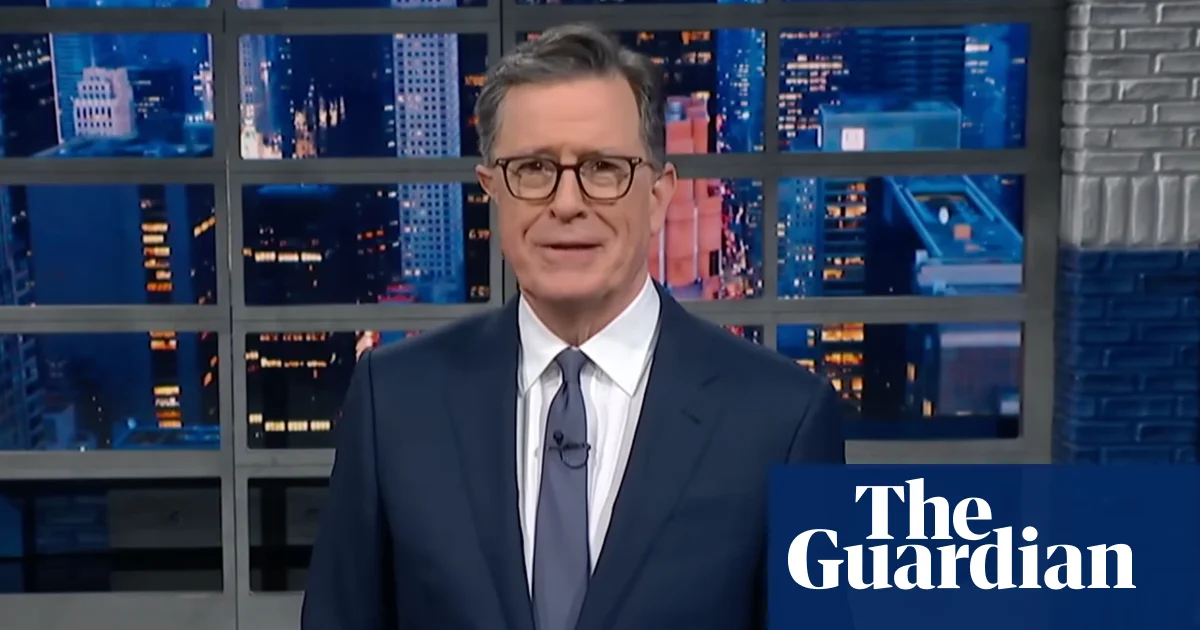
Stephen Colbert Calls Kristi Noem a ‘Domestic Terrorist’ Deserving Gitmo—Late-Night TV Roundup

In the landscape of modern politics and media, the lines between spectacle and substance have blurred, yet beneath this facade lies a profound truth: culture remains the bedrock of identity, tradition, and societal cohesion. The recent upheavals within the American political scene, characterized by high-profile firings, ideological clashes, and media-fueled theatrics, serve as a stark reminder that the narrative we craft around our cultural symbols shapes our collective consciousness. When a figure like Kristi Noem is dismissed and replaced with theatrical fanfare, it underscores a deeper shift—a battle over what our culture signifies, who holds authority over its meaning, and how that meaning guides our societal trajectory.

The spectacle surrounding Noem’s departure, amplified by late-night monologues, reveals more than mere political rivalry: it exemplifies how culture acts as both memory and prophecy. Observers like Ortega y Gasset argued that a society’s vitality hinges upon its cultural self-understanding, a reflection of its roots and aspirations. Today, this struggle is evident in the caricatures and satire that fill our media, where figures are transformed into symbols—be it the hapless ICE agents slipping on ice or politicians dressed as fictional characters—highlighting our cultural obsession with spectacle. Such exaggerations serve a purpose: they remind us that culture is the soul’s language of continuity and change, always echoing the past while whispering future possibilities.

The cultural clash is also manifest in ideological battles over America’s role in a shifting global order, particularly concerning the Iran conflict and the manipulative narratives spun by political elites. As Chesterton once observed, “the test of a truly great culture is its ability to preserve tradition while embracing renewal.” The current discourse reveals a tension: do we honor our foundations—moral and historical—or do we allow populist spectacle and disinformation to erode the societal fabric? Historian Alexis de Tocqueville warned that democratic societies risk losing their identity when they abandon the moral and cultural moorings that give their liberty form and purpose. The media’s role in amplifying chaos thus acts as a double-edged sword—either reinforcing tradition or tearing it apart in a maelstrom of sound and fury.

In this cultural battleground, the importance of understanding our shared histories and moral foundations cannot be overstated. As S.T. Eliot famously argued, “The memory, of course, is neither history nor tradition but the ‘living presence’ of all that has been entrusted to our care.” Culture feeds into our sense of who we are—and, more importantly, who we might yet become. Every act of satire, every political upheaval, and every spectacle serves as a reminder: humanity’s story is both a memory that anchors us and a prophecy that beckons us forward. And it is in the continual dialogue between remembrance and aspiration that society finds its resilience, its meaning, and its hope for the future.

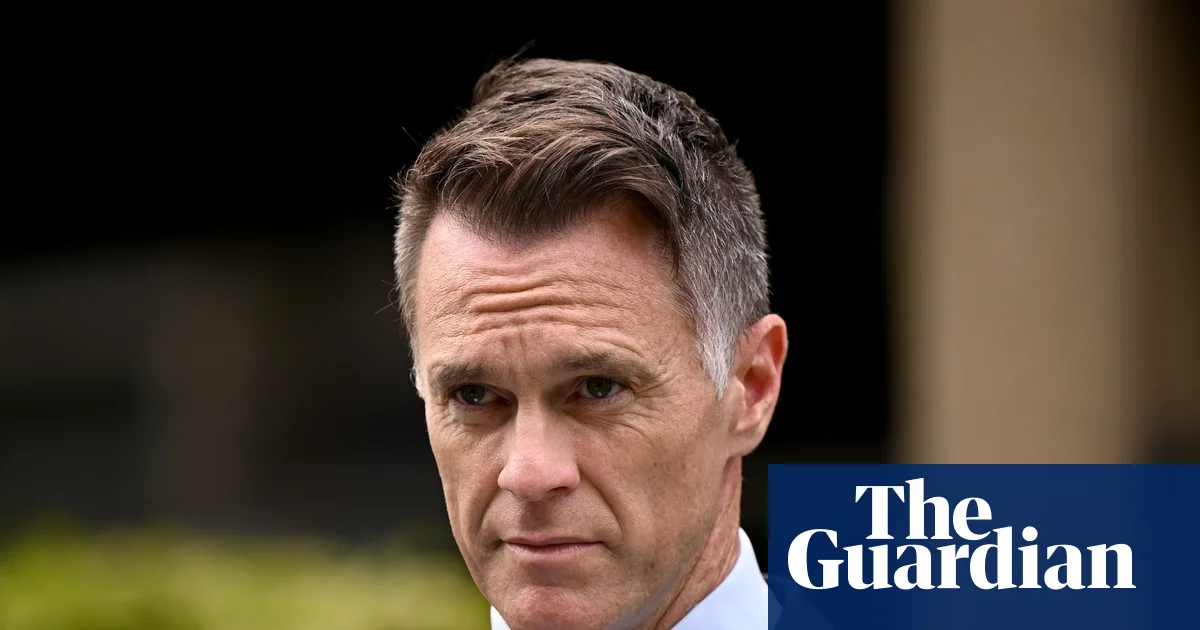
Minns calls pro-Palestine protest organizers 'communists' aiming for clash with police, NSW budget estimates
Minns calls pro-Palestine protest organizers ‘communists’ aiming for clash with police, NSW budget estimates

In a striking turn of events that underscores the volatile landscape of international activism and internal political fractures, Australia’s New South Wales government finds itself at the center of a contentious debate over the peaceable assembly and the engagement with pro-Palestine advocates. Premier Chris Minns has publicly dismissed protest organisers as “a pack of communists,” fueling accusations of politicising the situation and risking the social cohesion of the deeply divided society. This inflammatory rhetoric follows violent clashes during a recent rally against the Israeli president’s visit, where police responses have come under scrutiny amid allegations of police brutality.

These confrontations threaten to escalate into a broader international rift, as global analysts draw attention to the implications. The protests, which saw four Labor backbenchers attending a speech by Israeli President Isaac Herzog in Sydney, have rippled beyond local politics. While some political figures like Stephen Lawrence MLC defend protesters, viewing their actions as a stand for Palestinian rights, critics argue that the protests are being manipulated by radical elements, including socialists and communists affiliated with groups like the Palestine Action Group (PAG). Historians warn that such alliances have historically been vectors for “big social movements,” but in this context, they threaten to undermine Australia’s national stability and complicate diplomatic relations in a tense Middle East geopolitical environment.

The debate extends far beyond the streets to focus on the broader geopolitical impact. Australia’s internal divisions mirror the polarisation seen across Western nations, where support for Israel or Palestine increasingly aligns with domestic ideological battles. The Australian government’s approach, characterized by resistance to criticism and suppression of dissent, echoes patterns observed in other democracies experiencing internal stress, risking the alienation of communities and weakening social fabric. Analysts warn that such internal strife could diminish Australia’s standing on the global stage, especially as international organizations like the United Nations emphasize human rights and moderation.

Meanwhile, the situation remains precarious as the NSW police maintain that their actions were justified, citing attempts by protesters to march on Parliament against restrictions declared in response to recent acts of violence and unrest. The ongoing constitutional challenge to new protest laws and the controversial “major events” powers further complicate the legal landscape, pointing to a potential breach of civil liberties. The tension reaches into Australia’s multicultural communities, with Muslim groups voicing concerns over police actions during recent vigils mourning Iran’s late Supreme Leader, Ayatollah Khamenei. These incidents serve as a stark reminder that the political toll extends to societal divisions along religious and cultural lines, with the risk that internal discord could morph into a broader geopolitical vulnerability.

As history continues to unfold, the echoes of this clash in Australia serve as a warning: when states suppress dissent and dismiss grassroots movements as mere radical influence, they risk sacrificing social cohesion and inviting external powers to exploit divisions. The international community watches with bated breath as the narrative of support, protests, and legal battles develops — leaving behind a legacy that could reshape the political landscape for years to come. In this unfolding drama, the weight of history presses heavily, reminding observers that the moment may be fleeting, but the consequences are profound and lasting.

Anthropic Pushes Back After Pentagon Calls It a ‘Supply Chain Threat’

U.S. Pentagon Designates Anthropic as a Supply Chain Risk: A Disruptive Move with Far-Reaching Business Implications

In an unprecedented decision that underscores the escalating geopolitical stakes in AI innovation, United States Secretary of Defense Pete Hegseth has ordered the Pentagon to label Anthropic as a “supply-chain risk,” effectively banning U.S. military contracts with one of the industry’s leading AI firms. This move signals a radical shift in how government agencies perceive and regulate AI giants, especially those considered potential security vulnerabilities due to foreign influence or ownership, and could disrupt the flow of AI development for defense and commercial sectors alike. Previously, Anthropic was celebrated for its Claude AI model, a major player in the rapidly evolving AI ecosystem, but now faces the threat of being sidelined at a critical time of geopolitical tension and technological disruption.

This decision arrives after weeks of tense negotiations between Anthropic and the Pentagon, centered on ethical and strategic use of AI technology. The Department of Defense demanded a broad usage agreement, explicitly permitting AI to be applied for “all lawful uses,” including autonomous combat, which Anthropic rejected based on its ethical stance. With the designation of a “supply chain risk,” the Pentagon aims to shield itself from potential security vulnerabilities—foreign control, influence, or ownership—that could compromise sensitive defense systems. The move establishes a new precedent where AI companies could be classified as security risks, compelling Silicon Valley to rethink their engagement with government agencies under the specter of national security.

Critics and industry experts are raising alarms over the implications of this action, with Dean Ball, senior fellow at the Foundation for American Innovation, condemning it as “the most shocking, damaging, and overreaching thing I have ever seen the U.S. government do.” Such sentiments reflect a broader concern that the move might ignite a dangerous precedent, fostering a climate of lawfare and regulatory overreach that could stifle innovation. Meanwhile, Sam Altman, CEO of OpenAI, announced that his company had secured a deal with the Department of Defense to deploy models in classified environments, emphasizing safety principles such as prohibitions on domestic mass surveillance and autonomous weapons. This delineation signals a potential bifurcation in AI applications, where some firms may be selectively allowed to work with military and intelligence agencies.

From a strategic business perspective, the designation of Anthropic as a security risk could accelerate industry shifts towards more government-friendly AI solutions or push companies to develop sovereign and domestically controlled AI platforms.

  • Disrupts supply chains of AI models crucial for national security and commercial innovation.
  • Raises questions about governmental influence over proprietary AI technology.
  • Set a potential precedent for further restrictions on emerging AI firms linked to foreign influence.

This movement also indicates that AI’s role in national security is stepping into a new era, where innovation pathways are increasingly being dictated by geopolitical considerations rather than purely technological capabilities. As industry leaders and policymakers grapple with defining AI’s ethical and strategic boundaries, disruption in the AI landscape becomes inevitable.

Looking ahead, the industry faces a crucial crossroads: Whether to adapt to a cautiously constrained regulatory environment or forge ahead with a more autonomous, globally competitive approach. The decision will have profound implications for American leadership in AI innovation, cybersecurity resilience, and tech sovereignty. The stakes are high—the coming years will determine if American AI firms can continue to innovate free from overreach or if they will be confined by an increasingly securitized national agenda. In this dynamic, the urgency for stakeholders to embrace disruptive innovation with strategic foresight has never been clearer, as the battle for AI dominance intensifies on multiple fronts. The future of American AI—its autonomy, security, and global competitiveness—hangs in the balance.

Palestinian-American family calls for justice after West Bank killing

In a troubling development that underscores the persistent volatility in the West Bank, Nasrallah Abu Siyam has become the sixth American citizen to be killed by Israeli settlers or soldiers within the past two years. This tragic event not only highlights the ongoing human toll in the region but also amplifies the geopolitical tensions that continue to shape international discourse and policy. As analysts and international organizations examine this devastating trend, the question arises: what does this portend for Middle East stability and for the United States’ role in U.S.-Israel relations?

The West Bank remains a symbol of protracted conflict, where decades of unresolved disputes over land, sovereignty, and security have resulted in recurrent violence. The incident involving Nasrallah Abu Siyam exemplifies the dangerous complexities at play, where diplomatic efforts often seem gridlocked amid rising tensions. Historically, U.S. policy has oscillated between supporting Israel’s security concerns and advocating for Palestinian rights, yet the recent uptick in violence reveals the fragility of this balancing act. Experts like geopolitical analyst Dr. Emily Carter emphasize that the continuous loss of American lives, especially in a region where American influence is both strategic and moral, exacerbates pressure on U.S. foreign policy and internal political dynamics.

Furthermore, the international community has expressed alarm over these fatalities. The United Nations and European Union have called for renewed dialogue, but reality shows that diplomatic pathways remain blocked by entrenched positions and regional power struggles. This violence is symptomatic of deeper issues, including the expansion of settlements and the persistent inability to implement a comprehensive peace agreement. As Middle East experts warn, each incident like the death of Abu Siyam not only fuels local resentment but also complicates the international effort to bring stability and peace to the region.

From a broad geopolitical impact perspective, these recurring tragedies feed into a narrative of disorder that affects all nations involved—further entrenching divisions, impeding cooperation, and risking broader regional escalation. Nations across the globe are forced to navigate the fallout, which includes rising anti-American sentiments in some quarters and increased pressures on U.S. policymakers to take decisive action. As historians observe, moments like these serve as stark reminders that conflicts rooted in history are often perpetuated by cycles of violence and contested narratives—each one shaping the course of history whether forward or backward. The death of Nasrallah Abu Siyam marks a grievous chapter in this ongoing story, with the echoes of injustice resonating far beyond the borderlines of the West Bank.

As we stand on the precipice of further escalation or potential peace, the weight of history presses heavily. The choices made today in response to such tragedies could either open pathways toward reconciliation or reaffirm the wider forces of chaos and division. With each life lost, the hope for resolving this enduring conflict dims — yet it remains, perhaps, the most urgent challenge of our era. In the shadow of conflict, history continues to unfold, recording the moments when nations either forge a better future or condemn generations to repeating the mistakes of the past.

Australia updates: Dural ‘stronghold’ tied to Baghsarian kidnapping, NSW police reveal; Angus Taylor calls to ditch ‘net zero’ push

As 2026 unfolds, the world witnesses a series of seismic shifts that threaten to redefine geopolitics and global stability. From internal political tremors in Australia to sweeping changes in Europe and fragile peace negotiations in the Middle East, nations grapple with decisions that will echo through history. The choices made today set the trajectory for generations, and their impacts extend far beyond borders.

The recent developments in Australia exemplify the turbulence faced by democracies under pressure from both domestic political narratives and international expectations. The controversial shift by Angus Taylor and the Liberal Party’s declaration to abandon the previously embraced ‘net zero’ commitment signals a departure from global climate consensus. While the government asserts that this move offers flexibility, critics argue it undermines efforts coordinated through international climate accords. Analysts warn that this divergence could weaken Australia’s diplomatic standing and erode trust with allies committed to sustainability, further isolating a nation vital to the Indo-Pacific strategy. Historians caution that such policy reversals might be remembered as a pivotal moment where economic interests overrode environmental responsibility, casting shadows on the country’s global reputation.

Meanwhile, in the United Kingdom, the arrest of Andrew Mountbatten-Windsor at Sandringham on suspicion of misconduct has cast a spotlight on questions of accountability within the British monarchy. This unprecedented event ignites debates about tradition versus transparency, with international observers questioning whether the monarchy can adapt to the demands for moral integrity today. The fallout, if allowed to deepen, could influence Britain’s soft power and diplomatic alliances, especially as Europe faces its own challenges with regional unity and economic stability. Experts from the European Union warn that such internal struggles might embolden nationalist factions and threaten the unity of the bloc at a time when global powers are recalibrating their alliances.

Contrasting these internal political crises are the ongoing conflicts and security concerns in the Middle East. Reports from Syrian and Iraqi authorities confirm that over 5,000 detainees, including suspected former Islamic State fighters, have been transferred across borders. The potential for unrest or resurgence in extremism remains a troubling prospect for regional stability, drawing concern from international organizations like the United Nations. The transfer underscores the fragile balance of power in a region where diplomacy and military might intertwine dangerously. Should extremism reignite, it could trigger a broader security crisis impacting Europe and the United States, emphasizing how even regional disputes have global consequences.

In this high-stakes landscape, the decisions of today are shaping a world on the brink. The intertwined fates of nations—whether they choose resilience or retreat—carry implications far beyond their own borders. As the great historians of tomorrow sift through these moments, they may recount 2026 as a defining year—a year when the delicate fabric of international order trembled under the weight of rash decisions and forgotten commitments. History, with all its weight and consequence, continues to unfold, leaving a stark reminder: in geopolitics, the stakes are nothing less than the future of civilization itself.

Lancashire Council Opposes Free Library Scheme for Refugees, Calls It Wasteful Spending

The decision by Reform UK-led Lancashire to withdraw its libraries from the **Libraries of Sanctuary** initiative marks a significant development in the evolving landscape of how countries and local governments approach immigration and social integration. Despite the scheme being explicitly **free** — designed to assist refugees and asylum seekers— this move underscores a broader political shift that seems increasingly driven by austerity and nationalist rhetoric. Critics argue that these services are not merely about resource allocation but about the fundamental values of inclusion and humanity. As City of Sanctuary UK emphasizes, libraries serve as vital entry points for marginalized populations, offering language programs, Wi-Fi access, and cultural integration opportunities. Therefore, this decision is likely to have a tangible impact on social cohesion within Lancashire — a microcosm of the wider debate unfolding across much of the **UK** and other Western nations.

Nationally, this move resonates with a rising tide of skepticism toward refugee support initiatives, often cloaked in the guise of fiscal responsibility. Analysts warn that prioritizing short-term budget savings over community-building efforts could sow long-term societal divisions. The decision comes amid mounting economic pressures on local governments across **Britain**, with Lancashire seeking to make £103 million in cuts. Such austerity measures, critics argue, threaten to undermine the social fabric by withdrawing essential services from vulnerable groups. Reform UK leaders, including Matthew Salter, justify these reductions as “appropriate use of taxpayers’ money,” yet opponents see it as emblematic of a broader ideological shift away from inclusive governance. The decision to end Lancashire’s **Libraries of Sanctuary** accreditation — after its recognition as a welcoming, inclusive space — is being viewed by many as a symbolic capitulation to nativist tendencies that threaten to erode the foundational principles of multicultural democracy.

International organizations and historians have voiced concerns that such local decisions could have ripple effects far beyond **Lancashire**. The **United Nations** and numerous human rights groups publish ongoing reports warning that policies marginalizing refugees can harden societal divides, undermine social stability, and reduce long-term prospects for integration. John Rawls and other political theorists have long argued that equitable access to social institutions like libraries plays a vital role in fostering societal cohesion. Yet, as Palmerston Institute of International Policy notes, “Actions like Lancashire’s risk creating feedback loops that entrench discrimination and social fragmentation.” These decisions are not isolated — they serve as indicators of an **international trend** toward prioritizing restrictive immigration policies in the face of economic and cultural anxieties, a policy orientation that could dramatically reshape **Europe’s** political landscape.

As history continues to unfold, the weight of these decisions will be measured by the societal transformations they precipitate. Under the shadow of mounting economic austerity and rising nationalist sentiment, local actions such as the Lancashire library withdrawal are more than mere administrative choices — they are symbolic battlegrounds of **identity, sovereignty, and collective values**. While social services are cut and communities fragment, the global community watches warily, knowing that the outcomes of such internal policies could define the future trajectory not only of **Britain** but of the **world** as a whole. The question persists: in the pursuit of fiscal stability, are nations willing to sacrifice the very principles that underpin shared humanity? Time will tell if these decisions lead to rebuilding societal resilience or spiraling towards deeper division, but the pages of history are—and always will be—being written with each choice made in the quiet corridors of local governments.

Rising Calls to Free Venezuelan Political Prisoners Highlight Urgent Need for Justice

Venezuela’s Prisoner Release: A Sign of Shifting Political Tides or Strategic Gesture?

Since 8 January, a dedicated vigil has been underway outside a Venezuelan police detention facility, marking a significant development in the ongoing political saga that continues to shape the fate of this turbulent nation. The initiative was announced by Jorge Rodríguez, the head of the Venezuelan National Assembly, who declared that “a significant number” of prisoners would be freed as a *”goodwill gesture”* aimed at demonstrating the *”interim government’s*” desire for *”peace”*. This move, hailed by some as a step toward reconciliation, has resonated within the broader context of Venezuela’s ongoing political crisis, highlighting how decisions on prisoners and political concessions carry far-reaching geopolitical implications.

From an international perspective, this gesture comes amid escalating tensions involving various national and global actors who are keenly observing whether Venezuela’s internal disputes will give way to genuine reform or simply serve as a temporary façade. Russia and China, long-standing allies of President Nicolás Maduro, have supported the status quo, emphasizing stability and sovereignty. Conversely, Western nations, led by the United States, continue to press for democratic reforms and human rights improvements, often framing such prisoner releases as *”initial steps”* within a broader strategy. Analysts, referencing reports from organizations like the United Nations, warn that “such gestures must be accompanied by comprehensive political dialogue” to avoid superficial demonstrations that fail to address deeper systemic issues.

Within Venezuela, the move reflects a complex interplay of domestic and international pressures. Supporters see it as a *”glimmer of hope”* amid persistent economic hardship and political repression, while critics argue that these releases are merely tactical, aimed at softening international criticism while maintaining control. For historians and political analysts, this event underscores a crucial *”turning point”* — a test of the interim government’s sincerity and the resilience of opposition forces. As globally renowned analyst Michael C. Doyle points out, \u201Cthe decision to free prisoners is a calculated step, but it’s also a reflection of a power struggle where concessions are often less about principle than strategic positioning.\u201d This reflects a broader trend seen in complex sovereign crises: concessions are carefully negotiated to preserve core interests while projecting an image of reform.

For the international community, the significance of such decisions cannot be understated. How Venezuela’s internal machinations play out directly impacts regional stability in Latin America, influences global energy strategies, and tests the mettle of multilateral institutions tasked with promoting peace and democracy. As nations watch with cautious optimism and guarded skepticism, the unfolding narrative remains a stark reminder: the sands of history are shifting, but the outcome remains uncertain. Will this gesture of goodwill herald a genuine shift toward peace or become another chapter in a long-standing game of geopolitical chess? The world waits, apprehensively aware that the outcome of events in Venezuela could ignite or quench hopes for a more stable and just hemisphere.

Social Media Auto Publish Powered By : XYZScripts.com