Matox News

Truth Over Trends, always!

Vivienne Westwood’s granddaughter calls out brand as Riyadh Fashion Week deal sparks controversy

Fashion’s Fight for Social Justice: The Vivienne Westwood Legacy in a Changing World

The recent decision by Vivienne Westwood’s brand to showcase in Riyadh fashion week has ignited a fierce debate about the delicate balance between artistic expression and social responsibility. While the brand insists that their presence in the Gulf state is meant to facilitate dialogue and understanding, critics—including the granddaughter, Cora Corré—argue that such moves undermine the very values Westwood championed during her lifetime. This controversy underscores a larger, cultural shift within the fashion industry: the tension between global commerce and social activism, especially when powerful brands become unintentional agents of geopolitical diplomacy.

At the heart of this debate is the cultural impact of celebrity and brand influence on social values. Westwood, known for her punk rock ethos and outspoken activism, used her platform to challenge injustice—campaigning against fracking and advocating for Julian Assange. Yet, her brand’s decision to participate in Saudi Arabia’s glitzy fashion scene raises questions about how much influence elite fashion has in shaping societal norms. Influencers, sociologists, and analysts suggest that this dichotomy between style and substance exposes a broader societal undercurrent: are these gestures of cultural exchange or silent endorsements of controversial regimes? The fact that Kate Moss recently appeared in a charity T-shirt—featuring vintage Westwood graphics—further complicates the narrative, blurring lines between activism, fashion, and commercial interests.

This move also awakens concerns about the social relevance of fashion—particularly in nations with documented human rights violations. Human Rights Watch has called Saudi Arabia’s record “abysmal,” citing brutal repression of dissent and the criminalization of LGBTQ+ individuals—who face fines, flogging, or imprisonment. Despite this, Saudi Arabia is aggressively cultivating a global image as a hub of luxury and entertainment, investing heavily in high-profile events and celebrity-driven spectacles. Critics argue that these efforts, often endorsed by iconic brands, serve as a fine veneer masking deep-rooted abuses—raising the key question: are we commodifying human rights issues, or are these cultural exchanges genuinely fostering change?

As the winds of change blow through fashion, the implications extend beyond style into societal narratives. The questions that remain are profound: does stepping into an oppressive society simply normalize its realities, or can it be a catalyst for progressive dialogue? The answer may depend on perspective, yet one thing is clear—how iconic brands leverage their influence could define the next era of cultural activism. With Stella McCartney being approached for comment and ongoing discussions about the true impact of such high-profile endorsements, the next big question may be: Will fashion continue as a tool for social change, or will it become merely a business of appearances—lost in the glamour and gloss of luxury?

Satellites Spill the Secrets: Your Calls, Texts, and Data on the Open Sky

Satellite Communications Under Scrutiny: A Disruptive Wave for Global Security

In an era defined by technological innovation and unprecedented connectivity, recent findings have cast a spotlight on the vulnerabilities within satellite communication networks, signaling a profound shift in the landscape of digital security. SES, a dominant player in satellite services and parent company of Intelsat, has underscored a complex reality: users can often select their own encryption methods tailored to specific needs. This flexibility, while empowering, exposes a potential chink in the armor, especially on public Wi-Fi networks akin to those found in coffee shops or hotels. When such networks are compromised, malicious actors could potentially infiltrate sensitive satellite data, raising alarming questions about security protocols in this high-stakes domain.

Recent investigations have revealed disturbing lapses in satellite communication security, particularly involving Mexican government and affiliated organizations. Data collected by researchers using advanced satellite dishes—covering roughly 15 percent of global transponder communications—indicates significant unencrypted transmissions in Western US and Mexican airspace. These findings are not mere technical anomalies; they represent a disruptive breach that could undermine trusted satellite operations. Industry insiders, including Tom Stroup, president of the Satellite Industry Association, emphasize that such exposures threaten the integrity of critical infrastructure, prompting calls for enhanced vigilance and international cooperation to prevent further breaches.

The business implications of these security breaches are seismic. For satellite providers like SES and affiliated service firms such as Grupo Financiero Banorte, maintaining credibility in a fiercely competitive market hinges on robust, transparent security measures. Yet, the current landscape reveals a critical vulnerability—an open invitation for cyber disruptions that could affect everything from financial transactions to national security. Analysts from Gartner and MIT warn that disruption in satellite security could accelerate a shift toward new, more resilient architectures—like quantum-encrypted satellites and decentralized communication networks—that could redefine the industry horizon. Companies that fail to adapt risk falling behind as the demand for secure, disruption-proof satellite communications surges amidst geopolitical tensions and rapid technological evolution.

Looking Ahead: The Future of Satellite Security and Innovation

As the satellite industry confronts these mounting challenges, innovation emerges as the essential solution. The development and deployment of next-generation encryption technologies, coupled with international standards for satellite security, are becoming non-negotiable. Industry leaders like Elon Musk’s Starlink are already exploring scalable, ultra-secure communication platforms to outpace malicious actors. Meanwhile, MIT researchers and global agencies advocate for a paradigm shift: integrating AI-powered security systems and resilient satellite architectures that can withstand cyber-physical threats.

The industry stands at a crossroads—an inflection point driven by disruptive technologies and an urgent need for security vigilance. The next decade will determine whether satellite communication can uphold the promise of a hyper-connected future or succumb to vulnerabilities exploited by increasingly sophisticated adversaries. As Peter Thiel and other tech visionaries warn, those who fail to innovate rapidly may find themselves obsolete in a digital war where security is the new frontier. The race is on—an era of transformative innovation beckons for those willing to lead, disrupt, and redefine the future of global connectivity.

Israelites and Palestinians traded free, as Trump calls it a 'historic dawn' in Middle East
Israelites and Palestinians traded free, as Trump calls it a ‘historic dawn’ in Middle East

Middle East Ceasefire: A New Chapter or a False Hope?

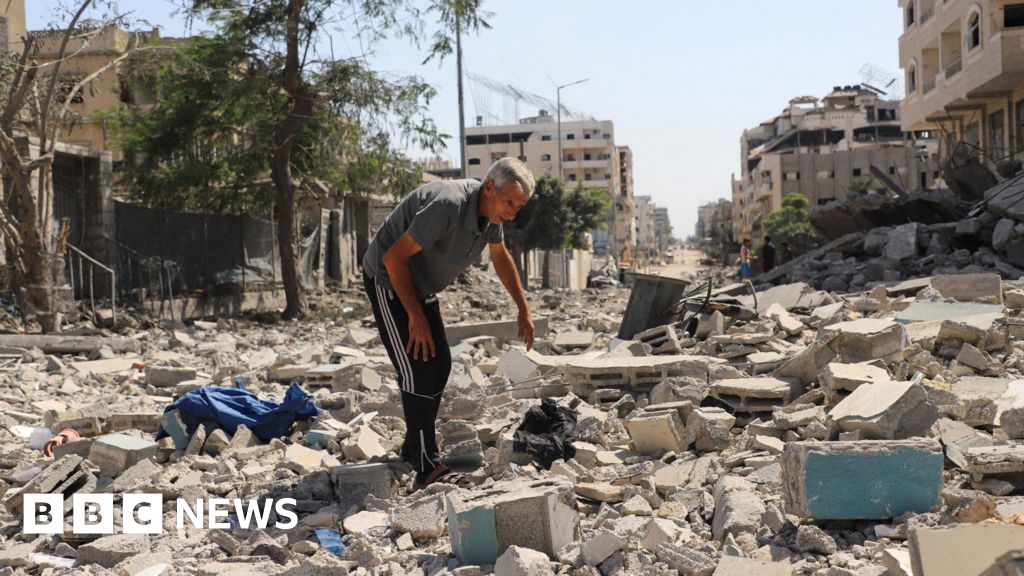
The recent ceasefire agreement in Gaza marks a pivotal moment in the ongoing conflict that has ravaged the region for over two years. After relentless violence, Israel and Palestinian factions, primarily Hamas, have engaged in intense negotiations facilitated by the United States and supported by key regional players such as Egypt, Qatar, and Turkey. The deal, brokered in part by President Donald Trump during his visit to the region, signifies a major step toward potentially consolidating peace—at least temporarily—but also exposes the deep-rooted problems that threaten to undo this fragile truce. The initial hostage and prisoner exchange was celebrated across both sides, with families reuniting in scenes of raw emotion, reflecting the profound human longing for an end to years of suffering.

  • The first phase of the US-backed peace plan involved Hamas returning all living Israeli hostages, while Israel released nearly 2,000 Palestinian prisoners, including those serving life sentences. The exchange was hailed as a “historic dawn” by President Trump during his speech at the Knesset, emphasizing the potential for a new Middle East.
  • To sustain momentum, the parties agreed on a ceasefire that took effect Friday, accompanied by an increase in humanitarian aid into Gaza, aiming to mitigate the catastrophic damage wrought by years of conflict.

However, the true test now begins. Critics and experts, including historians and international observers, warn that this ceasefire and the diplomatic rhetoric mask an array of unresolved disputes that could threaten to plunge the region back into chaos. Key sticking points include the extent and timeline of Israeli troop withdrawals, the disarmament of Hamas—a group that has long rejected disarmament unless a Palestinian state is established—and the future governance structure of Gaza. The plan envisions Gaza under a temporary Palestinian technocratic authority overseen by a “Board of Peace,” with eventual sovereignty transferred to the Palestinian Authority after reforms. Yet, Hamas’s rejection of foreign governance and its demand for disarmament as a precondition for peace complicate the pathway forward, making the full realization of these agreements uncertain.

Despite the optimistic tones, many argue that geopolitical impact of this breakthrough is complex. Israel’s Prime Minister Benjamin Netanyahu and Trump administration appear determined to avoid a complete capitulation to Hamas’s demands, emphasizing security and sovereignty concerns. Meanwhile, regional rivals such as Iran and militant groups remain watchful, assessing whether this peace is genuine or merely temporary tactical maneuvering. Many security analysts, like those at the International Crisis Group, warn that without addressing the core issues—such as Hamas’s disarmament and broader Palestinian statehood aspirations—the cycle of violence could resume at any moment.

History warns that peace negotiations in this region are often mere pauses in a longer struggle, with each attempt at resolution exposing new fractures. Perversely, the international institutions that once aimed to oversee lasting peace are often hamstrung by their own political interests and inability to enforce agreements. As international organizations monitor developments, the perspective of many analysts remains skeptical about whether this latest ceasefire will hold. How subsequent phases unfold—regarding troop withdrawal, governance, and disarmament—will ultimately determine whether this is a genuine turning point or just yet another chapter in a seemingly endless saga of conflict.

As historic moments unfold on the stage of international diplomacy, the shadows of history loom large. The world continues to watch with bated breath—aware that beneath the surface of fleeting peace lies a struggle that has defined generations, and which may yet rewrite the future of the Middle East around the flames of renewed hope or the ashes of unfulfilled promises.

Kate McCann reveals stress from stalker’s bizarre "Mum" calls in court
Kate McCann reveals stress from stalker’s bizarre “Mum” calls in court

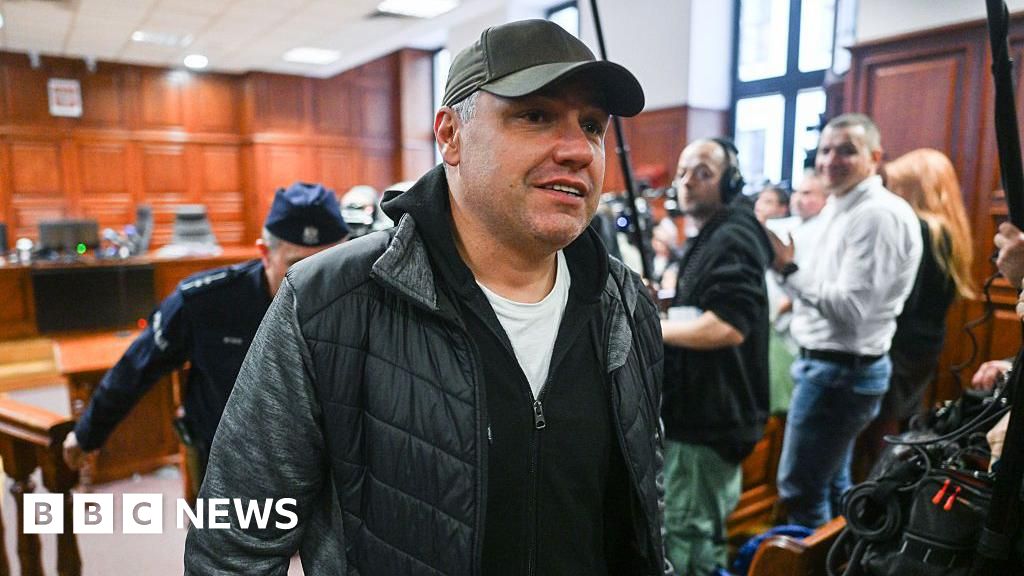
In recent developments that transcend national borders, the trial of Julia Wandelt and her associate Karen Spragg in the United Kingdom underscores the profound influence of legal institutions in conjoining individual tragedies with international societal concerns. Wandelt, a Polish national, faces serious allegations of a two-and-a-half-year harassment campaign directed at Kate McCann, whose missing daughter Madeleine has remained at the center of a global puzzle since 2007. This case exemplifies how personal grief morphs into a broader societal debate about privacy, security, and mental health, especially within the context of high-profile, emotionally charged cases.

The underlying geopolitical impact extends further — it illuminates the cross-border challenges faced by law enforcement and international organizations in processing and responding to domestic violence, harassment, and the manipulation of public sentiment. Analysts highlight how such cases resonate beyond their immediate contexts, influencing legislation and public policy, particularly in the realm of digital privacy and protection. The European Union and other international bodies increasingly grapple with legislating numeric and technological safeguards, aiming to deter similar harassment campaigns that now threaten societal stability. Historians note that this ongoing saga echoes the turbulence seen in other high-profile international criminal cases, where individual malefactors leverage technology to manipulate others and evade accountability.

This episode also reveals how decisions—both judicial and societal—directly affect national immune systems and social fabric. The McCann family’s ordeal has been amplified by social media, where online narratives often spiral into vitriol, sometimes hampering official investigative efforts. The international community is keenly aware of these trends, with organizations warning of the dangerous power shift from traditional courts to digital forums**,** which can distort justice and inflame societal divisions. Meanwhile, the case raises urgent questions about the protection of vulnerable populations—children, families, and individuals—against psychological and physical harm, a concern that resonates globally in the age of cyber influence.

As the trial continues, experts like criminologists and international legal analysts emphasize the importance of understanding the historical significance of such cases—they are more than isolated incidents; they serve as a mirror reflecting societal vulnerabilities and priorities. Yet, the enduring question remains—how will history judge the decisions made today? Will justice be truly served, or will this case be another chapter in a long narrative of unresolved trauma and societal decay? As the global spotlight sharpens on U.K. courts, the echoes of this courtroom drama reverberate into the future, shaping the moral and legal landscape for generations to come.

Gaza Peace Talks Continue as Trump Calls Deal ‘Really Good’ Chance for Progress

The Middle East remains at a pivotal crossroads, with recent developments in Gaza signaling both a potential shift in conflict dynamics and a test of international diplomacy. As Israel ratchets up its offensive in Gaza City, the international focus has shifted toward indirect negotiations aimed at forging a durable peace, with the U.S. peace plan emerging as a central, yet contentious, element of this process. The upcoming talks in Sharm El-Sheikh are crucial, as they seek to create the “field conditions” necessary for an exchange—one that could see hostages released and relative calm restored for the first time in months.

Leading this diplomatic push are influential figures like Donald Trump and **Israeli Prime Minister Benjamin Netanyahu**, who have expressed optimism about the possibility of an agreement. Trump, now a key envoy in the negotiations, publicly stated that the first phase of the peace effort—focused on the release of hostages—”should be completed this week,” indicating a real sense of urgency. Analysts and historians warn, however, that such optimistic rhetoric often masks deeply entrenched issues, particularly Hamas’s refusal to accept the plan’s **disarmament** clause and its insistence on remaining part of Gaza’s governance. Meanwhile, Palestinian factions and regional actors—especially **Qatar** and **Egypt**—are playing critical roles, facilitating shuttle diplomacy that is seen as essential given the profound mistrust between Israel and Hamas.

The geopolitical impact of these negotiations is profound. If successful, they could serve as a blueprint for a broader peace settlement—potentially reshaping societal relations and regional stability. Yet, the balance remains delicate. Israel’s security concerns persist, especially regarding Hamas’s future role, which remains a sticking point. Hamas’s statement indicated willingness to release all Israeli prisoners, both living and dead, but avoided addressing its disarmament—raising doubts among critics that foundational issues might plunge the talks into failure. International organizations such as the United Nations have called for restraint, with Secretary-General Antonio Guterres warning that the opportunity presented by Trump’s initiative “must be seized” to prevent further tragedy. Conversely, opponents argue that the peace plan, especially with its concessions, risks rewarding continued militant influence while failing to address broader issues of Palestinian sovereignty, thus challenging existing international norms.

As the conflict’s toll continues to climb—over 67,000 killed in Gaza alone, including thousands of children—the regional and global repercussions grow ever more urgent. Countries such as the United Kingdom and regional powers are now openly supporting the U.S. efforts, yet skepticism remains. Critics warn that history repeatedly demonstrates how fragile ceasefires and peace agreements can be, especially in a context where past promises have been broken and trust remains elusive. The voices of analysts like *Benny Morris* and *Rashid Khalidi* echo warnings that the deeper issues—like the status of Palestinian sovereignty, disarmament, and the future governance of Gaza—must be resolved for peace to hold. Otherwise, the cycle of violence threatens to erupt again, possibly even more devastating than before. As the world watches anxiously, the story of Gaza continues to unfold—each negotiation, each development, adding a new chapter to a conflict that Western leaders and regional stakeholders alike consider among the most complex and perilous the modern era has faced.

Ex-Children’s Commissioner calls for apology over Covid mishandling of our youth

The Hidden Costs of Pandemic Decisions: Unveiling Societal Struggles and Resilience

The recent revelations from the UK Covid Inquiry highlight a sobering reality: our children and young people bore the brunt of policy failures during the pandemic, a period marked by chaos, moral oversight, and missed opportunities for compassion. As families grappled with unprecedented disruptions, the societal fabric was stretched thin, revealing cracks that threaten the foundation of our demographic future. Sociologists like David M. Levy warn that the long-term societal impacts of neglecting the mental health and educational needs of youth will echo for generations if left unaddressed.

Baroness Anne Longfield, former children’s commissioner for England, emphasizes the moral obligation that the current government faces to issue a formal apology once the full scope of the pandemic’s harm is understood. Her assertions underscore a critical point: adults were prioritized during policymaking, often at the expense of children’s welfare. The inquiry revealed a \”chaotic\” approach to school closures and reopening plans, where the voices of educators, mental health professionals, and families were often overlooked. This approach fostered an environment of uncertainty, fostering feelings of abandonment among vulnerable children.

Key facts emerging from the inquiry paint a grim picture: only 5% of vulnerable children attended school during the first lockdown, illustrating a failure to balance health risks with the educational and psychological needs of children. The miscommunication and indecisiveness fostered a sense of societal disconnect—a paralysis where decision-makers seemed to forget that behind every statistic was a family, a child’s future, and a community’s integrity. The rise in mental health conditions, eating disorders, and emotional distress among youth signals a “systemic shock” that could have been mitigated with proactive planning and genuine compassion.

As the inquiry progresses, it is clear that

  • policies must consider the holistic wellbeing of children
  • communication strategies should foster understanding rather than fear
  • future preparedness must be rooted in community engagement

addressing not only health but the social and emotional resilience of upcoming generations. Historians argue that society’s true strength lies in its capacity to learn from past mistakes and build a more inclusive, compassionate future. The challenge remains: will policymakers listen to the voices of those most affected and pave the way for a society where families are not left to pick up the pieces, but are empowered with clarity and care?

In the quiet moments of reflection, society is invited to ask: what kind of society do we want the future to remember? There is hope—through acknowledgment, empathy, and action, society can mend these fractured bonds. The echoes of these lessons warn us that transforming social policy is not merely a political duty but a moral imperative—ensuring that the wellbeing of children today sows the resilient communities of tomorrow.

Namibia Calls in Army to Battle Devastating Wildfire in Etosha

Namibia has taken urgent steps to address a rapidly spreading wildfire that has devastated approximately one-third of the Etosha National Park, one of Africa’s most critical ecological and tourism landmarks. The government’s decision to deploy an additional 500 soldiers underscores the severity of this environmental crisis, which not only threatens countless species and fragile ecosystems but also highlights the geopolitical importance of safeguarding natural resources that are vital for regional stability and international reputation.

The fire, ignited on 22 September, has burned through nearly 8,600 square miles, destroying habitats and risking the extinction of endangered species such as the black rhinoceros. Experts from organizations like the International Union for Conservation of Nature (IUCN) have sounded alarms about ecological irreparability. As analysis from environmental specialists underscores, these fires often result from unsustainable land-use practices and lack of adequate fire management policies—factors that in many cases are exacerbated by economic hardships or weak enforcement of environmental regulations. The Concerns over ecological degradation underscore an urgent need for greater international cooperation to protect biodiversity in Africa’s fragile environments.

The decision to deploy troops reflects not just Namibia’s national crisis management but also reveals important geopolitical implications. As the country grapples with environmental emergencies, it signals the importance of national sovereignty in protecting natural assets against external pressures and illegal activities like charcoal production, suspected to be the fire’s origin. The government’s effort to mobilize military resources demonstrates that environmental security is no longer just an ecological issue but integral to national stability and regional influence. Countries with vested interests in Namibia’s natural resources—such as neighboring nations and global powers with stakes in Africa’s strategic corridors—are watching closely, recognizing that ecological crises can destabilize broader geopolitical frameworks.

  • In response to the disaster, Namibia’s government has increased environmental regulation and emphasized the importance of sustainable land management, a move praised cautiously by analysts who warn that economic reliance on resource extraction complicates conservation efforts.
  • International organizations, including the United Nations Environment Programme (UNEP), have offered aid, emphasizing that this fire serves as a stark warning for the continent’s broader environmental vulnerabilities.
  • Historically, Africa has faced recurrent challenges with wildfires, but the scale of this incident underscores a potential turning point in how nations coordinate responses and integrate environmental resilience into national security strategies.

As flames continue to consume the unique Etosha salt pan and its surrounding plains, Namibia’s crisis exemplifies the intertwined fate of environmental stewardship and national sovereignty. The world watches as the young nation strives to contain the fire’s destructive path, a metaphor for the larger battles being fought across the globe—battles for survival, security, and a sustainable future. With the historical weight of ecological neglect and geopolitical competition bearing down, Namibia’s response in the coming days will serve as a pivotal chapter in the unfolding story of environmental resilience and sovereignty, shaping the legacy that future generations will inherit from a land scarred but not defeated by the flames of crisis.

Trump calls on Microsoft to dismiss global affairs chief Lisa Monaco

Microsoft Under Scrutiny as Political Tensions Hit Tech Leadership

The intersection of politics and cutting-edge technology continues to reshape the landscape of corporate governance and national security. Microsoft has found itself embroiled in controversy following the appointment of Lisa Monaco as the company’s president of global affairs. Formerly a senior National Security aide under Barack Obama and Deputy Attorney General under Joe Biden, Monaco’s role grants her access to highly sensitive information, raising concerns among critics about potential conflicts of interest and security vulnerabilities. This political friction underscores a broader trend where deliberations over national security intersect directly with corporate decision-making—an environment that demands innovation in security protocols and strategic agility from tech giants.

In response to critics, notably former President Donald Trump, who called for her immediate dismissal citing national security concerns, the debate highlights the evolving business implications of such appointments. Trump’s administration rescinded Monaco’s security clearance earlier this year, reflecting ongoing efforts by political figures to influence corporate leadership roles through security and ideological lenses. Meanwhile, Microsoft’s response to the controversy remains cautious, with TechCrunch reporting that Monaco assumed her role in May, overseeing cybersecurity policies and international diplomatic relationships—an area where technological disruption is critical to maintaining security and competitive advantage.

Beyond the immediate political fallout, this controversy exemplifies the **disruption** occurring within the tech industry—particularly around national security and business strategy. Critics like right-wing activist Laura Loomer have used the controversy to allege unfair political bias, urging for termination of all Microsoft government contracts. This political activism amplifies the already complex challenges of balancing innovation and security with public relations and political pressures. It also signals a larger industry trend: tech firms are increasingly becoming battlegrounds for ideological influence, with the potential to impact major contracts, international negotiations, and global security strategies.

Strategic Market Shifts and Industry Disruption

As governmental oversight tightens, industry leaders must innovate rapidly—particularly in cybersecurity and geopolitical risk management—to sustain their competitive edge. The industry is witnessing unprecedented disruption in how tech companies navigate political landscapes. Notable milestones include increased partnerships with foreign governments, integration of advanced AI for threat detection, and hybrid policies that better align corporate governance with national security requirements.

Experts from institutions like Gartner warn that failures to adapt could threaten market stability, prompting a wave of strategic investments aimed at safeguarding data sovereignty and operational integrity. The forward-looking trajectory indicates that those who prioritize security innovation—such as deploying decentralized blockchain governance models or integrating AI-driven threat intelligence—will dominate the next decade. However, the evolving political environment necessitates bold, disruptive strategies, where swift executive decisions and unwavering commitment to security can spell both success and peril.

Conclusion: An Urgent Call for Innovation and Vigilance

The ongoing saga featuring Microsoft and its leadership exemplifies a broader narrative—where the future of technological dominance hinges on resilience, innovation, and the capacity to navigate geopolitical turmoil. Industry leaders must act swiftly, deploying disruptive innovations that secure both their platforms and their reputations amidst mounting political risks. As emerging technologies like AI, quantum computing, and blockchain continue to revolutionize the digital realm, the capacity to adapt to this rapidly shifting landscape will determine which firms lead—and which fall behind. The imperative for bold vision and relentless security innovation has never been more urgent in shaping a resilient, competitive global tech ecosystem.

Social Media Auto Publish Powered By : XYZScripts.com