Matox News

Truth Over Trends, always!

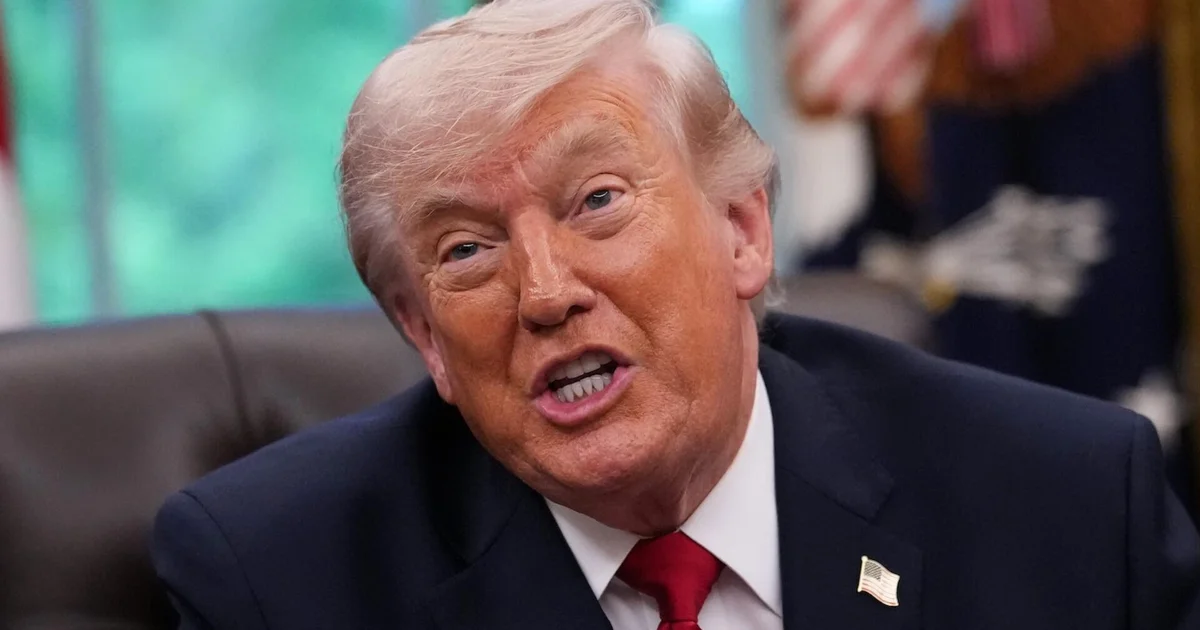
U.S. Seizes Iranian-Flagged Ship Amid Rising Tensions, Trump Calls for Strong Action

In a development that has captured global attention, Tehran has thus far remained silent regarding a recent incident whose details remain shrouded in mystery and geopolitical significance. This silence comes at a critical juncture as the United States prepares for a second round of diplomatic talks, aimed at de-escalating tensions and reviving diplomatic accords. As the world watches with cautious optimism and growing concern, analysts warn that this silence from Iran could presage tough negotiations ahead, with uncertain outcomes for regional stability and international diplomacy.

The incident, which occurred within a complex web of regional and global interests, highlights the fragile state of diplomatic relations between Washington and Tehran. High-level officials in the US have signaled a willingness to engage, yet recent developments reveal lingering mistrust and the risk of escalation. The United States is increasingly aware that its ability to secure a strategic realignment depends heavily on Iran’s next steps, particularly in light of ongoing concerns over Iran’s nuclear program and regional influence. Some analysts, including senior diplomats and geopolitical observers, have cautioned that this silence, combined with Iran’s recent actions, could signal either a calculated defiance or a prelude to genuine negotiations.

Historically, such moments serve as flashpoints that could redefine regional order. The United States, along with its allies, continues to view Iran’s nuclear ambitions as a paramount threat, fueling an array of economic sanctions and diplomatic isolations. Conversely, Iran perceives these measures as unjust pressure, advocating for national sovereignty and a strategic return to the international fold through negotiations. International organizations like the United Nations have called for restraint, but many experts emphasize that the real decision-makers are now navigating a labyrinth of trust, power, and strategic interests. The outcome of the upcoming talks could either propel peace or ignite further confrontation.

Assessments from international scholars, including historians specializing in Middle Eastern geopolitics, suggest that each step in this ongoing crisis is etched into the larger narrative of global power shifts. As US and Iranian officials prepare to meet again, the weight of history hangs heavily over the proceedings. The decisions made today may echo for generations, shaping a future where diplomacy either prevails or succumbs to the tides of war. With geopolitical stakes reaching new heights, the next chapter remains unwritten, yet undeniably decisive in the unfolding saga of 21st-century geopolitics.

As the international community braces for what could be a pivotal breakthrough—or a catastrophic breakdown—the path forward remains perilous and uncertain. The world holds its breath, aware that the future of peace in the Middle East and beyond hinges on these delicate negotiations. The pages of history continue to turn, each moment pregnant with the possibility of profound change or unthinkable conflict, as the weight of destiny presses heavily upon the shoulders of today’s leaders.

Labor Ignored Anti-Racism Calls: Leaked Docs Reveal Repeated Requests for Action

Australia stands at a pivotal juncture in its modern history—facing a persistent dilemma that threatens both its social fabric and geopolitical standing: systemic racism. Despite recommendations from the Australian Human Rights Commission nearly 18 months ago, the federal government under Prime Minister Anthony Albanese has yet to respond decisively on a comprehensive anti-racism framework. Documents obtained by the Senate reveal a disconcerting pattern: ongoing delays, dismissive replies, and an apparent reluctance to turn words into concrete action. The world watches as this stubborn inertia undermines Australia’s credibility on the international stage, where nations are expected to lead in human rights and societal cohesion.

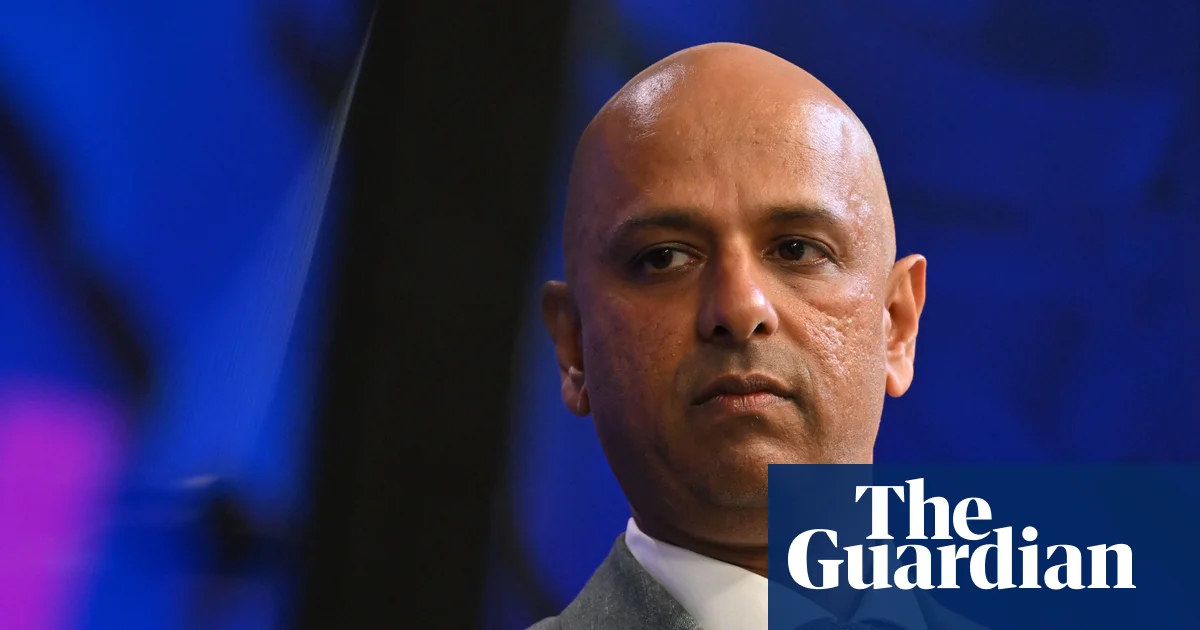
Notably, the communication records between Race Discrimination Commissioner Giridharan Sivaraman and Attorney General Michelle Rowland expose how multiple pleas for action have been systematically ignored. Sivaraman’s five letters and at least two meetings implored the government to adopt a proposed anti-racism framework containing 63 vital recommendations, including the establishment of a national anti-racism taskforce, the creation of a standalone Human Rights Act, and mandates to eliminate racism within workplaces, healthcare, and housing sectors. These measures are common-sense steps that could mitigate the deeply rooted biases that continue to plague Australian society. However, the government’s repeated responses that these recommendations are “being carefully considered” evoke an alarming image of paralysis—especially with the royal commission’s findings expected by December.

International institutions and analysts have underscored the critical nature of decisive action. Human rights experts warn that inaction in Australia not only jeopardizes national unity but also damages the country’s global reputation for fairness and progress. Meanwhile, Green Party leaders, such as Deputy Leader Mehreen Faruqi, condemn what they describe as a “pattern of neglect,” criticizing the government’s refusal to act on clear warnings. The situation underscores how decisions—or the lack thereof—have tangible effects: perpetuating societal division, fueling xenophobia amid rising anti-immigrant rallies, and emboldening extremist narratives. The framework’s six dozen recommendations, championed by community leaders and advocacy groups, could serve as vital tools for societal repair, yet they remain unimplemented.

As geopolitical implications unfold, Australia’s internal struggles resonate beyond its borders. Countries that neglect the urgent mandate to address racial injustice risk losing moral authority and jeopardizing alliances based on shared values. Historians and policy analysts, such as Dr. Samuel Moyn, warn that failure to confront systemic discrimination risks fueling destabilization—both domestically and internationally. The implications extend further: Australia’s failure could serve as a cautionary tale for other nations grappling with similar issues on the global stage. As the royal commission’s report looms, history remains poised at this critical phase, awaiting the next decisive move. Will Australia choose the path of unity or continue down a road that risks unraveling its social cohesion? Only time will tell, yet the weight of history compels us to realize that the decisions made today will echo through generations—a testament to the peril and promise of a society striving toward justice in an increasingly divided world.

Kimmel Calls Out Trump’s Reckless Rhetoric: “Talking War Like It’s a Badge of Honor,” Late-Night TV Highlights

In an era marked by shifting allegiances and unpredictable leadership, the culture of continuity remains a cornerstone of societal identity. Recent comments from Jimmy Kimmel highlight the existential dissonance in contemporary political discourse, where spectacle often obscures deeper realities. The spectacle, whether on late-night television or in national diplomacy, reflects a broader cultural struggle—namely, the tension between tradition and novelty, between the inherited values and the transient whims of leadership. As Ortega y Gasset suggested, the crisis of our age stems from the erosion of the spiritual and cultural backbone that sustains a civilization, leaving chaos as the default mode of operation.

Current events, such as the vacillating stance of President Trump on Iran, serve as vivid examples of how symbolic politics can distort the collective consciousness. The apparent chaos—misstatements on international matters, pop-psychological jabs on social media, and impulsive declarations—betrays a deeper cultural malady: the weakening of a shared narrative grounded in tradition, sovereignty, and a cohesive identity. The philosopher T.S. Eliot remarked that “the past is never dead; it’s not even past.” In this vein, the spectacle of political blunders and media banter underscores a society detached from its foundational stories, risking becoming mere spectators in its own history.

Yet, amidst the chaos, there are voices—be they critics or advocates—that remind us of the importance of cultural memory as a form of resistance and renewal. Chesterton observed that “tradition means giving votes to the most obscure of all classes, our ancestors.” Today, as the cultural currents threaten to be swept away by the relentless tides of superficiality, it is vital for the youth to harness the enduring truths embedded in our heritage. The Great Books and philosophical traditions anchor us; they offer a compass amid the tumult, reminding us that culture is both the memory and prophecy of humanity.

In our pursuit of identity, it becomes clear that culture is a living, breathing testament to what we have inherited and what we choose to pass forward. As G.K. Chesterton proclaimed, “A dead thing can go with the stream, but only a living thing can go against it.” In this timeless battle, the true artist and thinker serve as the keepers of a luminous legacy—one that defines us not just by what we are, but by what we aspire to become. The future is less a blank page than a reflection of the noble past; it is the prophecy written in the indelible ink of tradition, waiting to be reimagined by those committed to the enduring power of culture—an echo of eternity, a hymn of continuity in the symphony of human existence.

Melania Trump Denies Epstein Links, Calls for Survivor Hearings

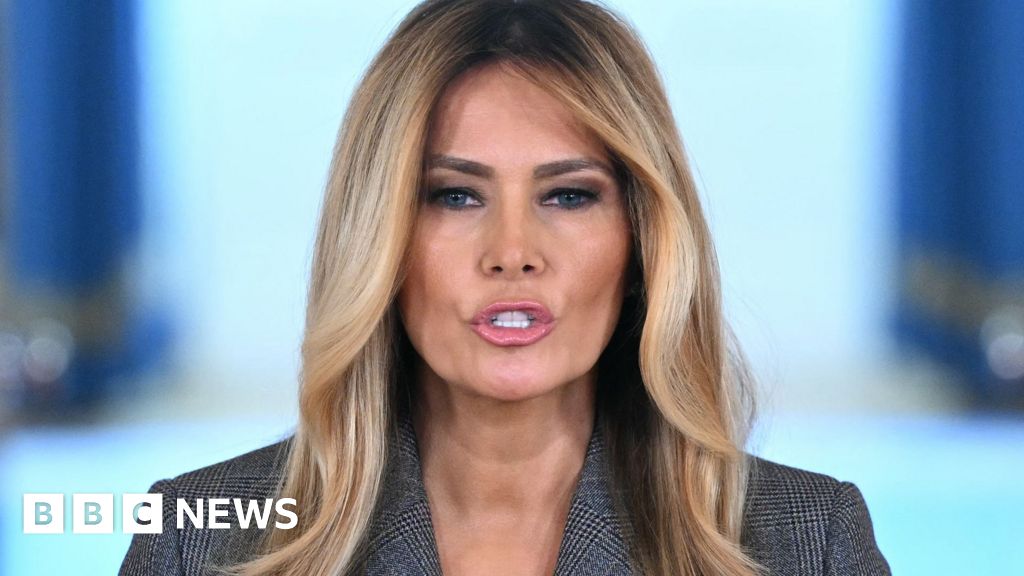
In an era where international stability hinges on the transparency and integrity of influential individuals, recent statements have reignited concerns over the web of political and social ramifications stemming from allegations and associations involving prominent figures. U.S. President Donald Trump has once again found himself at the center of controversy, as reports surface regarding claims made by a key figure denying allegations of malicious intent and attempting to clear her reputation. The individual in question dismissed rumors suggesting her association with Jeffrey Epstein, a convicted sex offender linked to numerous high-profile personalities, as mean-spirited attempts to defame my reputation. Such assertions highlight the persistent difficulty of disentangling personal misconduct allegations from broader geopolitical narratives.

Analysts emphasize that these developments underscore the fragile interplay between domestic politics, global perceptions of justice, and the influence of social media on shaping public opinion. The statement, which seeks to dismiss rumors about an alleged connection to Epstein and Trump, reflects the contentious atmosphere surrounding issues of accountability and reputation, especially when high-stakes international relations are intertwined with personal histories. Historians note that the 21st century has seen a sharp rise in the use of accusations—whether substantiated or not—as tools to undermine political adversaries or sway public sentiment. International organizations have warned that the ongoing revelations risk emboldening factions eager to destabilize political discourse, further complicating diplomatic efforts amid ongoing global crises.

From a geopolitical impact perspective, such revelations serve as a reminder of how personal associations of powerful figures can have ripple effects far beyond national borders. The decision of individuals to go public with accusations or denials influences the internal stability of their nations and impacts diplomatic relationships. Governments and intelligence agencies worldwide are closely monitoring these narratives, understanding that the slightest misstep or misinterpretation could escalate into wider conflicts. As international actors grapple with the fallout, how nations respond to allegations involving their leaders or citizens often mirrors their broader approach to transparency and rule of law. The delicate dance of diplomacy, especially amidst accusations of misconduct at the highest levels, illustrates the persistent vulnerability of global stability to domestic controversies.

As the story continues to unfold, it leaves a haunting reminder that history is ever in the making, waiting to record the next chapter of truth and deception, justice and scandal. The weight of untold stories, hidden agendas, and unspoken truths hangs over this unfolding drama, urging the international community to remain vigilant. In an interconnected world where the actions of a few ripple across continents, the choices made today will undoubtedly shape the geopolitical landscape for generations to come, forever etched into the chronicles of history, where truth is often the first casualty in the battle for power.

Trump slams NATO as alliance chief calls meeting 'very frank'
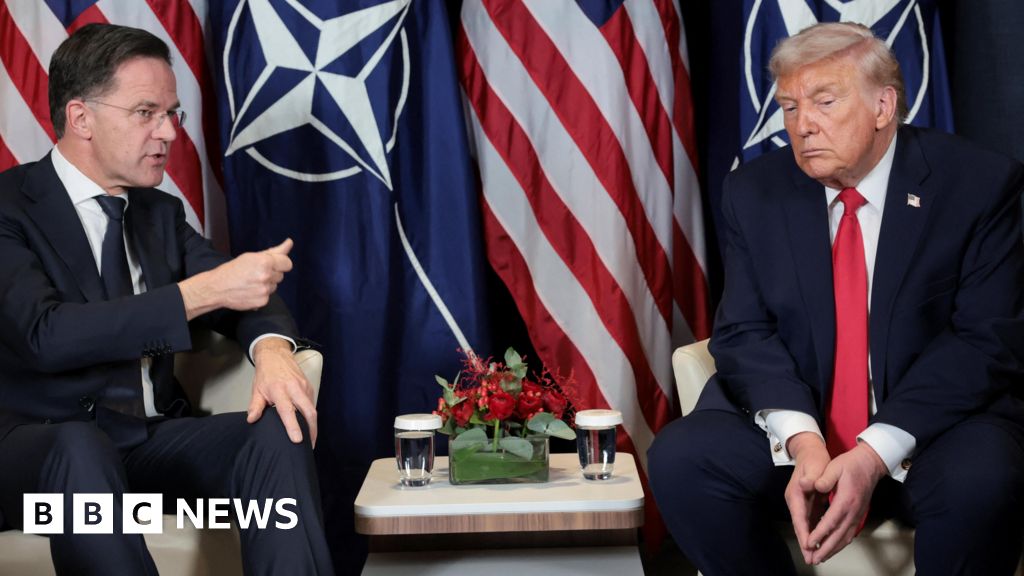
Trump slams NATO as alliance chief calls meeting ‘very frank’

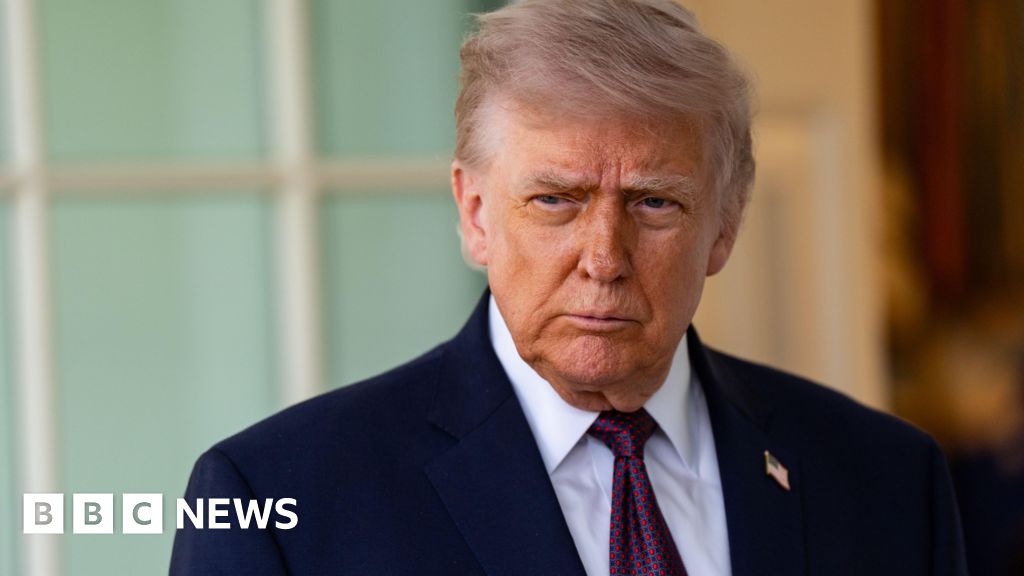
In a striking statement that has sent shockwaves through the international community, US President recently accused NATO of failing to provide adequate support during the recent Iran conflict. Drawing attention to what he described as a critical lapse, the President asserted that “NATO wasn’t there when we needed them.” This declaration signals not only a potential fracture within the transatlantic alliance but also raises serious questions about the future efficacy and unity of the military bloc amidst rising global tensions.

The remark occurs against a backdrop of increasing instability in the Middle East, where Iran’s regional influence and nuclear ambitions continue to threaten the balance of power. Historically, NATO has positioned itself as a collective defense organization primarily focused on the Euro-Atlantic region. However, the recent criticism indicates growing frustrations from the United States—a founding member—with what is perceived as insufficient European engagement in regional security issues. Analysts from think tanks such as the Council on Foreign Relations warn that this fissure could weaken NATO’s credibility at a time when Russia continues its aggressive pursuits in Eastern Europe, and China expands its strategic influence worldwide.

  • The President’s statement echoes a broader concern about the geopolitical shifting sands and questions whether NATO, as historically constituted, can function effectively in a multi-polar world
  • The incident marks a *potential turning point* in transatlantic relations, with diplomats and military leaders pondering the durability of their alliance
  • European leaders, meanwhile, face increased pressure to clarify their commitments and demonstrate their capacity to act independently or in unison with their American allies

International organizations such as the United Nations have long struggled to coordinate coherent responses to conflicts that threaten global stability. Now, with the discontent within NATO surfacing openly, the structural impacts could lead to a realignment of alliances and power centers. Historians warn that such divisions have historically preceded larger conflicts, and some suggest this moment resembles pre-World War tensions, where regional disputes escalated into global crises. As American authorities critique European foreign policy and defense readiness, the global stage is poised on the brink of a new era—one marked by uncertainty, shifting loyalties, and a reevaluation of what collective security truly entails.

As the weight of history presses down on these fragile alliances, nations and societies now face a defining question: will they unite in the face of rising threats, or will internal fractures deepen, leading to a more fractured, unpredictable world? The choices made in the coming months will undoubtedly shape the tapestry of international relations for generations to come. In this tense landscape where power aligns and realigns, the echoes of past conflicts resonate ominously, reminding all that history is constantly in the making—its next chapter yet to be written, with each decision potentially altering the course of global destiny.

Australia News Live: Penny Wong Urges Lebanon in Ceasefire, Calls for Protecting Aid Workers

Global Power Struggles Unfolding as Middle East Ceasefire Teeters

In an era where geopolitics often hangs in a delicate balance, recent developments highlight the profound impact of international decisions on nations and societies across the globe. The Middle East—a longstanding epicenter of conflict—finds itself at a critical juncture. Penny Wong, Australia’s foreign affairs minister, has issued a stark warning: the ongoing US-Iran ceasefire remains fragile and could unravel, risking catastrophic consequences not only for regional stability but for the **global economy** and **energy markets**. This fragile truce underscores a broader pattern of international uncertainty, driven by high-stakes diplomacy and shifting alliances that could reshape the geopolitical landscape for years to come.

Wong’s unequivocal concern reveals an underlying truth shared by analysts and historians: every decision taken now could have reverberations far beyond immediate conflict zones. The toll on civilian populations—marked by reports of over 250 casualties from Israeli strikes in Lebanon—illustrates the human cost of these geopolitical struggles. Recognizing the stakes, Australia has actively engaged in regional diplomacy, with Prime Minister Anthony Albanese leading efforts across the Indo-Pacific. Notably, Albanese’s discussions with the Sultan of Brunei and subsequent visits to Singapore aim to fortify energy supply chains crucial to Australia’s economy, demonstrating a pragmatic approach bent on domestic resilience amidst international turbulence. These diplomatic moves exemplify how global conflicts influence economic security and social stability within nations, as they navigate an increasingly interconnected world facing unprecedented shocks.

The regional diplomacy extends further, with China reaffirming its strategic partnership with Australia. Both nations are eyeing an upward trajectory, emphasizing economic cooperation in clean energy, electric vehicles, and market stability. China’s Premier Li Qiang highlighted the importance of fostering “positive atmospheres” and “mutually beneficial cooperation,” signaling a desire for stability amid international upheaval. This re-engagement occurs within the broader context of China’s long-term ambition to boost domestic demand, participate more actively in global trade, and elevate bilateral ties with Australia—elements that analysts see as part of a shifting power dynamic that could challenge traditional Western dominance. Meanwhile, Australia’s commitment to maintaining a balanced foreign policy—upholding the **One-China policy** while advocating for regional stability—reflects a nuanced strategy designed to maximize national interests while avoiding escalation in these volatile times.

As the world watches the impending fallout from ongoing conflicts, geopolitical players face a choice: reinforce the fragile status quo or risk plunging into chaos. The United States and Iran, along with regional allies, must navigate treacherous waters, balancing de-escalation efforts with strategic interests. Australian leaders, along with international organizations like the United Nations, call for respect for international humanitarian law and the protection of civilians—reminding all that humanity’s future hinges on the choices made today. The unfolding story of this geopolitical chessboard portends a future where the balance of power could tilt dramatically, threatening to alter the course of history itself. With each diplomatic handshake and ceasefire declaration, the true weight of history presses down—reminding us that we are all witnesses to an unfolding epoch that will define global borders and societies for generations to come.

Urgent Calls for Ceasefire as Tensions Rise: US and Iran on the Brink of Conflict

In what appears to be a critically pivotal moment in Middle Eastern geopolitics, negotiations for a potential ceasefire over the ongoing five-week-old conflict are underway, yet the prospects remain uncertain amidst escalating rhetoric and military actions. Proposals from mediators including Pakistan, Egypt, and Turkey advocate for suspension of hostilities and reopening the vital Strait of Hormuz, a strategic waterway through which a significant portion of the world’s oil exports pass. These efforts aim to pave the way for comprehensive peace negotiations, but tensions flare as Washington and Tehran exchange ultimatums that threaten to deepen the crisis. Specifically, Donald Trump has issued a stark warning: open the Strait of Hormuz by Tuesday or face targeted strikes on Iran’s power infrastructure and critical bridges. Such aggressive rhetoric underscores the volatility of the current diplomatic landscape and what analysts warn as a potential trigger for broader regional conflict.

The Iranian government remains resolute, refusing to open the strait under immediate threats, citing fears of renewed US and Israeli attacks. Iranian officials have privately responded but maintain that peace negotiations cannot be carried out under “ultimatums and threats of war crimes,” as stated by Esmaeil Baghaei, Iran’s foreign ministry spokesperson. Iran also warns of a “much more devastating” retaliation should escalation occur. Meanwhile, Israel has visibly escalated its military efforts, claiming responsibility for recent strikes on Iran’s South Pars petrochemical complexes—facilities responsible for approximately 85% of Iran’s petrochemical exports. These strikes, announced publicly by Israel Katz, indicate a relentless campaign aimed at crippling Iran’s economic lifeline, raising concerns about a spiraling regional war. Such actions have already sent ripples through oil markets, with Brent crude futures dipping temporarily, hinting at global economic ramifications of the ongoing conflict.

International actors are deeply involved in tracking shifts in this potential flashpoint. Historians and geopolitical analysts warn that the current standoff risks breaking the fragile balance of power in the Middle East. The involvement of Pakistan’s military, in contact with the US vice-president, and Trump’s envoy’s dialogue with Iran’s foreign minister reflect an intricate web of diplomacy trying to prevent full-scale war. Yet, the recent assaults extending to Lebanon—with Israel bombing Hezbollah strongholds and killing civilians—underline how regional alliances and enmities are fueling wider chaos. As Lebanese and other Middle Eastern societies face devastating repercussions, the question lingers: will diplomacy prevail or will this escalation plunge the region into a broader conflict that could reshape global power dynamics? With each day’s passing, history’s weight thickens, leaving the world on the edge of an unpredictable chapter that could redefine the balance of power for generations to come.

TechCrunch Mobility Calls Out Secrecy: Where’s the Transparency?

The Race for Autonomous Mobility: Innovation Meets Industry Disruption

In the rapidly evolving landscape of transportation technology, autonomous vehicles (AVs) are at the forefront of disruption, promising to revolutionize how we commute, transport goods, and even redefine urban infrastructure. Major industry players like Waymo, Aurora, Tesla, and Zoox are racing to gain market dominance, fueled by relentless investment and groundbreaking innovations. Yet beneath the promise of seamless, AI-driven mobility lies a complex and concerning reality: a lack of transparency surrounding critical safety mechanisms, notably the reliance on remote assistance operators.

A recent investigation spearheaded by Senator Ed Markey highlights industry-wide vulnerabilities. The senator sent scrutinizing letters to leading AV companies, prompting disclosures about their use of remote operators—an essential yet opaque component of current AV systems. Interestingly, none of these firms has committed to transparent reporting, raising serious questions about their safety protocols and industry accountability.

  • Remote operators often guide vehicles during complex scenarios;
  • Tesla admits to authorized temporary vehicle control, blurring lines of remote assistance;
  • Regulators and industry watchers fear this opacity could mask safety gaps, jeopardizing public trust.

The implications extend beyond safety. As AVs become more embedded in daily life—with Waymo’s robotaxi service now operational at four major airports and expanding into Dubai—business disruption accelerates. Traditional transportation sectors face existential challenges, catalyzing a digital transformation that favors nimble startups and giants committed to autonomous innovation. Industry analysts from Gartner and MIT underscore that those who leverage disruption effectively will set the standards of the future. Companies like Uber are expanding into luxury and executive services, exemplified by their acquisition of Berlin-based Blacklane, signaling a strategic pivot toward high-margin, autonomous-enabled experiences.

Meanwhile, startups such as Manna Air Delivery and Saronic Technologies harness autonomous and electric innovations to disrupt logistics and maritime sectors. Saronic’s recent $1.75 billion funding round at a $9.25 billion valuation exemplifies how autonomous maritime tech is becoming a lucrative frontier, driven by innovations that threaten to redefine military and commercial shipping. Similarly, Voltify’s retrofit solutions for diesel locomotives demonstrate how old-school industries are being reshaped through electrification—a crucial step for sustainable disruption. As these companies push the limits of what’s possible, traditional giants ignore the slow march of change at their peril.

Looking ahead, the next phase of autonomous mobility will hinge on safety transparency and regulatory oversight. The National Highway Traffic Safety Administration (NHTSA) is under pressure to act, with calls for investigations into remote assistance practices possibly leading to legislation imposing strict guardrails. Industry-watchers like Peter Thiel and Elon Musk warn that complacency in this nascent sector could open the door for regulatory crackdowns or catastrophic failures. Equally, the strategic placement of AI in transportation mandates swift innovation—those who master it now will dominate the next era of mobility. In this high-stakes race, it’s clear that disruption is inevitable; the question is whether incumbents can adapt fast enough or will be swept away by a new wave of autonomous pioneers.

Middle East Tensions: Trump Predicts Quick End; Rubio Calls to Rethink NATO | US-Israel Confront Iran

International Stage Shifts as Middle East Crisis Deepens

The geopolitical landscape is experiencing a profound upheaval as a cascade of conflicts and strategic recalibrations ripple across the globe. French President Emmanuel Macron’s recent remarks in Japan highlight Europe’s desire for stability through “predictability,” standing in stark contrast to the erratic decisions of other major powers. Macron’s critique appears pointed at the United States, especially amid its ongoing military engagements and diplomatic positions surrounding Iran. Macron emphasized the importance of consistent policy directions, implicitly criticizing the United States’ stance which, in recent weeks, has been marked by unpredictable shifts and assertive military postures. Such remarks signal a growing divergence within Western alliances, raising questions about the future cohesion of NATO and transatlantic strategic unity, especially as Washington contemplates reevaluating its alliances in light of emerging threats.

The Middle East: A Theatre of Escalating Conflict

Across the Middle East, the situation remains perilous, with escalating hostilities between Iran and Israel threatening regional stability. Israeli defense systems identified and intercepted missile launches from Iran, with war warnings activating across central Israel. Meanwhile, Iran reported attacks within Tehran, underscoring the country’s vulnerability amidst a barrage of recent assaults. Saudi Arabia and Bahrain have intercepted and neutralized multiple drones originating from Iranian-backed groups, illustrating a pattern of proxy warfare that complicates the regional security landscape. The United Arab Emirates suffered a tragic incident when drone debris fell on a farm in Fujairah, killing a Bangladeshi national. Such incidents underscore the dangerous spillover of proxy conflicts and asymmetric warfare into the heart of the Gulf states, stirring anxiety among their populations and foreign investors alike. Furthermore, Iran’s retaliatory strikes and the United States’ deployment of additional military assets, including the USS George W. Bush strike group, exemplify a dangerous escalation that threatens to ignite a wider regional war. Analyses from international military strategists warn that these actions could spiral into a broader conflict entangling major powers, with catastrophic implications for global stability.

Strategic Repercussions and Evolving Alliances

The unfolding crisis has prompted serious discourse among international leaders about the redefinition of alliances and the future of global security arrangements. US Secretary of State Marco Rubio’s statement that NATO might need to re-examine its role after the Iran conflict signals a paradigm shift in North Atlantic security policy. The U.S. appears to be reevaluating its strategic commitments, especially given the strain of ongoing military operations and diplomatic setbacks. Correspondingly, reports indicate that the United Arab Emirates is considering aiding the US in efforts to reopen the Strait of Hormuz by force, a move that could set a precedent for regional intervention under the banner of international legitimacy. Such developments reflect a fragile nexus of alliances, with traditional partnerships strained by divergent priorities and emerging regional powers asserting their claims.

Meanwhile, the economic repercussions are becoming increasingly apparent. Asian markets surged on hopes that the Iran conflict might conclude swiftly, but the risk of prolonged warfare looms large. Domestically, countries like Australia are implementing measures to buffer their economies from the cascading effects of conflict—fuel price hikes, supply chain disruptions, and financial market volatility. The global economy, intertwined with geopolitical stability, teeters on a knife’s edge, with young voters around the world questioning whether their leaders will choose confrontation or diplomacy in this critical juncture of history.

As the geopolitical chessboard continues to shift, the weight of history presses heavily upon the present—every decision, every conflict, etches a new chapter into the annals of international relations. The question remains: will this spiral of violence lead to a new era of global cooperation or plunge us into the chaos of unchecked conflict? Only time will tell, but one certainty persists: the pages of history are turning, and humanity stands at a crossroads, watching the shadows of war lengthen across the horizon.

Pinterest CEO Calls for Restriction: No Social Media for Kids Under 16 to Boost Teen Wellbeing

Rethinking Youth Engagement: The Cultural Shift Toward Safer Social Media Use

In recent months, a seismic shift has been unfolding in the digital landscape, as governments around the globe consider restrictive policies on social media use for youth. Following Australia’s controversial social media ban aimed at children under 16, other nations, including the UK and the US, have begun exploring similar measures. The dominant narrative centers on safeguarding the mental health and social development of the next generation — but the impact extends beyond mere policy; it’s reshaping cultural attitudes and social behaviors concerning technology use.

One vocal advocate for these changes is Pinterest CEO Bill Ready. In an emphatic stance published in Time, he underscores the idea that children today are essentially participating in the largest social experiment in history. Ready points out that unfiltered access to social platforms has exposed young users to a spectrum of risks — from encounters with unknown strangers to addictive behaviors that diminish their focus and well-being. This acknowledgment echoes a growing trend among sociologists and mental health experts, who argue that our digital age demands serious reform to how youth interact with these platforms.

Interestingly, Ready’s approach emphasizes the importance of trust and safety over engagement metrics. Pinterest’s decision to remove social features for teens and make youth accounts private proved that prioritizing safety does not necessarily hinder a platform’s growth; on the contrary, it fosters loyalty among users who value privacy and responsible design. The result? An increase in Gen Z users surpassing 50%, a clear sign that the cultural tides are favoring quality over quantity. This signals a potential paradigm shift where social media companies may need to embrace these safety-first principles to survive in an evolving landscape dominated by concerns over mental health and societal well-being.

Furthermore, legislative efforts such as the App Store Accountability Act — which proposes verifying user ages during app downloads — exemplify the move towards greater regulatory oversight. This pushes platforms into a position of increased accountability, and some analysts argue that it might serve as a catalyst for a broader societal conversation: _Are the platforms designed with youth safety as a core value, or merely as a compliance checkbox?_ The debate now extends beyond policy into the realm of cultural norms, questioning what kind of digital environment today’s youth truly deserve. The cultural impact is undeniable: a societal push toward a future where technology is a tool for development, not harm.

Yet, amidst these strides, the next big question remains: Will society fully accept the trade-offs involved in these bans? Are we prepared to sacrifice some of the vibrancy and connectivity that social media offers in exchange for a safer developmental space? As governments and industry leaders grapple with this dilemma, the ultimate challenge lies in balancing innovation with responsibility. Because in the end, the question isn’t just about protecting the present generation — it’s about shaping the digital world they will inherit. The future of our youth’s social well-being may depend on the answers we come up with today.

Social Media Auto Publish Powered By : XYZScripts.com