Matox News

Truth Over Trends, always!

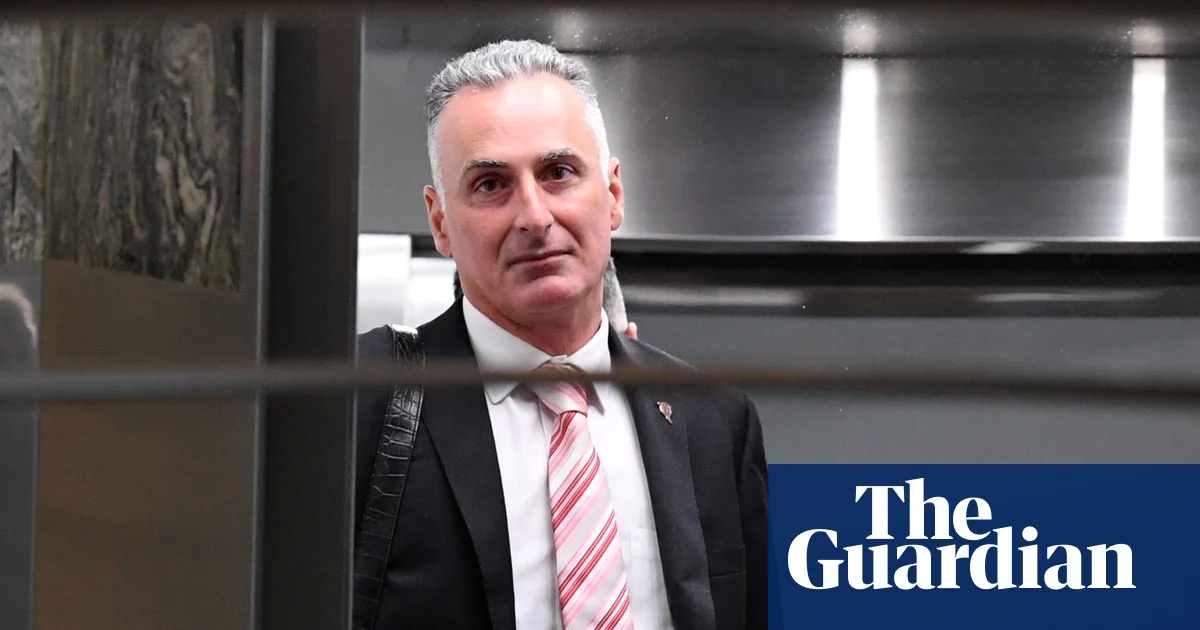
Former NSW MP, touted as ‘esteemed’ Liberal, faces ICAC’s ‘serious corrupt conduct’ findings at campaign event

The recent sighting of John Sidoti, a former New South Wales minister found by the Independent Commission Against Corruption (ICAC) to have engaged in serious corrupt conduct, at a Liberal party fundraiser has reignited questions about ethics, accountability, and the state of governance in Australia. Despite ICAC’s damning 2022 report, which detailed Sidoti’s involvement in using his parliamentary role to benefit family property interests, his appearance at a prominent political event signals a disturbing pattern: the blurred lines between political loyalty and accountability in the so-called fight against corruption. Analysts warn that such actions, especially when highlighted within a political context, threaten the very integrity of democratic institutions and the rule of law.

Held under the leadership of Kellie Sloane, the NSW opposition leader, the event attracted a broad spectrum of party figures, including deputy leader Natalie Ward, shadow ministers, and even federal senator Jessica Collins. Yet, the presence of Sidoti—a politician explicitly censured for wielding influence to enrich his family’s interests—raises profound questions about how political parties and their supporters handle allegations and the standards of conduct expected within democratic societies. The event was hosted without prior knowledge of Sidoti’s attendance, according to party spokespersons, highlighting a compartmentalized approach to accountability that many critics argue undermines public trust. This incident underscores the ongoing struggle of political parties to reconcile internal loyalty with the broader mandate of justice and transparency.

Meanwhile, ICAC and other international watchdogs remain under scrutiny as they attempt to expand their powers in a landscape often resistant to meaningful reform. Past efforts by leaders such as Gladys Berejiklian, who lost her position after her own corruption findings, suggest that accountability often comes at a high political cost. Former premier Barry O’Farrell explicitly criticized legislation aimed at granting ICAC permanent investigative powers, arguing that such measures threaten civil liberties. The debate over the boundaries of legal authority and investigative power reflects a wider geopolitical tension: How do nations strike the right balance between rooting out corruption and safeguarding individual rights?

International organizations and scholars have frequently warned that corruption in political systems can destabilize societies and undermine efforts toward economic development. As historical patterns demonstrate, failure to address these issues often leads to disillusionment among citizens, increased political apathy, and, in worst-case scenarios, social unrest. The Australian incident echoes this global dilemma—domestic political figures who flaunt or ignore the rules threaten the integrity of nations, and by extension, influence geopolitical stability. The unfolding drama in Sydney serves as a stark reminder that the battle for transparency is not just a domestic concern, but a bigger struggle shaping the future order of nations.

As history continues to be written, the question remains: Will this moment mark a turning point—pushing reforms that strengthen democratic institutions and restore integrity—or will it be yet another chapter in a persistent saga of political corrosion where power remains untouchable and justice elusive? The weight of this unfolding story surpasses the shores of Australia and resonates across borders, echoing the timeless struggle between authority and accountability that will determine the course of nations for generations to come.

Vance stands by Orbán's campaign after decisive loss, praising the "great guy" at the helm
Vance stands by Orbán’s campaign after decisive loss, praising the “great guy” at the helm

Recent remarks from United States Vice President have shed light on the evolving diplomatic landscape surrounding Hungary. In a notable statement, she described Hungary’s former leader as a “great guy” who did a “very good job,” signaling a cautious yet optimistic tone from Washington amid regional shifts. While the characterization may seem informal, it underscores the nuanced and often complex diplomatic approach adopted by global powers toward Central Europe. This acknowledgement comes at a time when geopolitical tensions and alliances are rapidly transforming, prompting analysts to scrutinize the implications for regional stability and international cooperation.

The Vice President’s comments reveal a pragmatic willingness to engage with Hungary’s new leadership, notably Péter Magyar. Her expressed confidence in potentially working with Magyar, despite previous political rivalries and ideological differences, reflects the strategic importance of maintaining influence in the region. Hungary’s government, under Magyar’s leadership, is seen by some as a guardrail against the expansive ambitions of both Russia and China, positioning Budapest as a crucial node in the future of NATO and European Union geopolitics. This diplomatic maneuvering underscores how nations are swiftly recalibrating their alliances in response to emerging threats and the shifting global order.

Historians and international analysts emphasize the significance of such statements in the context of the ongoing power struggles between Western democracies and authoritarian regimes. Organizations like NATO warn against complacency, highlighting Hungary’s strategic location and its complex balancing act between Western integration and regional sovereignty. While some critics argue that Budapest’s recent policies veer towards authoritarian tendencies, others interpret Magyar’s approach as a pragmatic pursuit of national interests. The decision to continue dialogue, even amid differences, demonstrates how international diplomacy often hinges on maintaining channels for negotiation, despite ideological divergence.

As the global landscape continues to shift, the tensions between Russia, the United States, and European powers remain palpable. Analysts warn of the potential for new conflicts to ignite from unresolved territorial disputes and energy dependencies. The decisions made today—whether through diplomatic statements or policy shifts—will shape the course of history, determining whether nations can forge resilient alliances or face fragmentation. As history unfolds in real-time, the world watches with bated breath, pondering: how will the currents of diplomacy and power reshape the fabric of international society? The true impact of these choices will echo through decades, with Hungary and its leaders standing at the intersection of history’s most critical junctures.

Australia News: Govt Launches Campaign to Cut Fuel Use Amid Ongoing Supply Crisis

As the world grapples with ongoing disruptions to global supply chains, **energy security** has become an increasingly critical issue. Australia, a nation heavily dependent on imported fuel, has recently taken strategic steps to mitigate the potential fallout from these unprecedented challenges. The Australian government has launched a nationwide advertising campaign aimed at encouraging its citizens to reduce fuel consumption amidst persistent shortages. This initiative underscores the broader dilemma facing nations worldwide: balancing immediate energy needs with long-term geopolitical stability. Federal officials, including Transport and Infrastructure Minister Catherine King, emphasize the importance of public cooperation in navigating these turbulent times, while highlighting the delicate interplay between national policies and global supply dynamics.

In a move that signals Australia’s intent to diversify its fuel sources and safeguard its energy supplies, Prime Minister Anthony Albanese recently negotiated a bilateral agreement with Singapore. This pact seeks to ensure mutual access to fuel supplies, a strategic maneuver aimed at reducing reliance on unstable regional logistics and geopolitical chokepoints. However, experts warn that this isn’t a quick fix. Energy Minister Chris Bowen warns of a *“long tail”* of supply disruptions—meaning the ripple effects of the conflict in the Middle East, particularly the ongoing instability in the region’s oil-producing territories, may linger well beyond the immediate crisis. This foresight highlights the interconnectedness of global oil markets and the vulnerability of nations significantly dependent on imports.

From an international perspective, analysts view Australia’s approach as a microcosm of what many nations are forced to confront: how to maintain economic stability and societal wellbeing amid uncertain geopolitical tensions. The global energy crisis has become a crucial flashpoint, especially as OPEC nations and other key producers make unpredictable decisions affecting supply and prices. Several international organizations, such as the International Energy Agency, have issued warnings about the risk of prolonged instability, urging nations to bolster strategic reserves and explore alternative energy sources. Nonetheless, the reality remains stark: the decisions made today—whether to diversify supply routes or to incentivize domestic production—will shape the geopolitical landscape for decades.

Historians and analysts alike recognize that energy conflicts often serve as catalysts for larger geopolitical shifts. As nations scramble to protect their interests, new alliances are forged, and old rivalries are reignited. The current global supply chain crisis and the response of individual countries illustrate a broader truth: in an era of interconnected vulnerabilities, decisions made in Canberra, Washington, or Beijing resonate far beyond their borders and contribute to a sweeping story of strategic recalibration. This fragile balance of power and resource has the potential to ignite conflicts, alter alliances, or even redefine notions of sovereignty. As history continues to unfold, one thing remains certain—the weight of this new age of energy diplomacy will be felt for generations, shaping the geopolitics of the 21st century with every critical decision.

Campaign pushes NHS to better diagnose deadly childbirth condition for safer pregnancies

Addressing the Glaring Gaps in Maternity Care: A Wake-Up Call for Society

In recent times, stories like that of Amisha Adhia have brought to light a troubling reality: despite advancements in medical technology and awareness, the failure of NHS hospitals to diagnose critical pregnancy complications remains a significant societal concern. Adhia’s experience underscores how systemic negligence and the undervaluation of specialist roles can jeopardize not just individual lives but the fabric of families and communities. Her campaign, Action for Accreta, aims to urge the NHS to improve detection and treatment for placenta accreta spectrum (PAS), a condition that, if overlooked, can lead to catastrophic outcomes like severe hemorrhaging or death.

Social commentators and sociologists have long analyzed how demographic shifts—particularly the rise in cesarean sections and IVF treatments—are impacting maternal health. Historian and social critic Dr. Jane Marshall points out that increased medical intervention, while lifesaving in many cases, also results in unintended consequences. As the rate of C-sections in England surpasses vaginal births, the risk profile for conditions like PAS inevitably grows. These demographic changes challenge new parents and extended families, transforming childbirth from a natural process into a complex medical event that necessitates specialized knowledge and community support.

The impact on families is profound. When pregnancies involve overlooked risks, families face not just the trauma of possible loss but the emotional toll of feeling unheard or dismissed by medical institutions they trusted. After her distressing experience, Amisha Adhia’s story has sparked conversations about the importance of early diagnosis and proper care pathways. The absence of comprehensive data on PAS prevalence and outcomes further complicates efforts to allocate resources effectively. Such gaps highlight the societal failure to prioritize maternal health, especially when the well-being of women and children is fundamental to community stability.

In response, health authorities and advocacy groups are calling for

  • updated clinical guidelines
  • more specialized training for NHS staff
  • heightened awareness of demographic risk factors

. The Royal College of Obstetricians and Gynaecologists emphasizes the importance of early detection, yet acknowledges that care protocols must adapt to the demographic realities. Social commentator Dr. Samuel Price reminds us that fixing these gaps requires both policy reforms and a collective cultural shift that values specialized medical knowledge and community vigilance. As society grapples with issues of health justice, the enduring hope remains: through collective effort, we can forge a safer future for mothers and their children.

Reflection and Hope for the Future

Society’s challenge lies in bridging the gap between technological capability and moral responsibility. Building resilient communities involves not just medical reforms but fostering a culture where families feel heard, supported, and protected. With ongoing reforms and heightened societal awareness, there lies hope — that the day may come when no mother’s life is compromised due to overlooked warning signs, and every family can embrace birth as a time of hope rather than risk.

Switzerland steps up charm campaign to slash damaging Trump tariffs

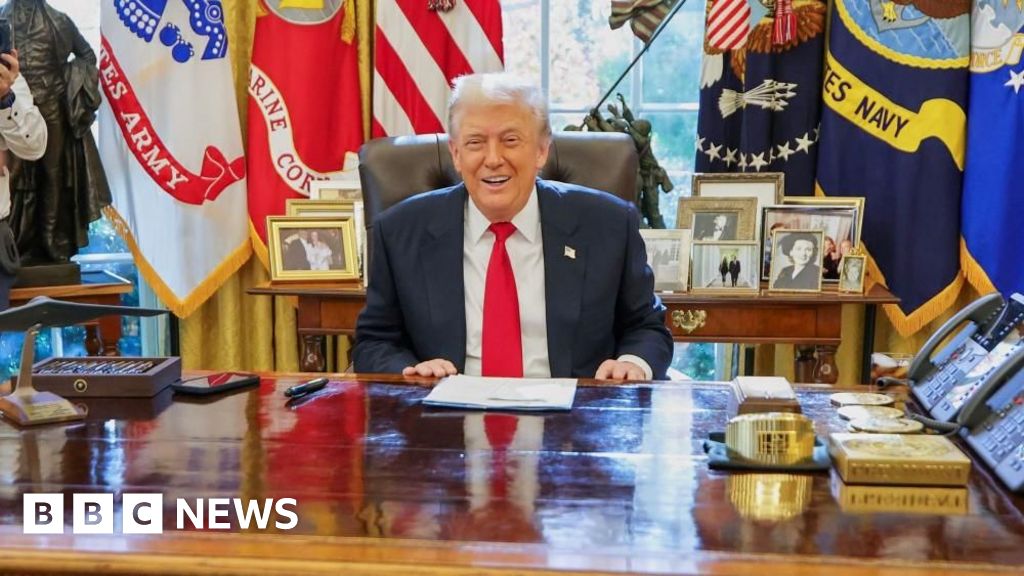
In a striking display of geopolitical influence and economic maneuvering, Switzerland has recently escalated efforts to negotiate a significant reduction of the steep 39% tariffs imposed by President Donald Trump on Swiss exports to the United States. These tariffs, reportedly the highest in Europe, have inflicted tangible damage on Swiss industries, especially the luxury goods and gold sectors. The diplomatic effort, which initially appeared to be a diplomatic dead end, took a decisive turn after a high-profile visit by Swiss business leaders bearing symbolic gifts—a rolex gold watch and engraved gold bar—from the Swiss-based gold refining company MKS. These gestures, viewed by analysts as an unconventional but strategic way to influence Trump’s decision, appear to have contributed to a shift in tone during recent negotiations, with a senior administrative official describing the talks as ‘very positive’ and ‘focused.’

The United States’ trade policy, under Trump, has been characterized by aggressive tariffs aimed at reducing trade deficits, often straining relationships with key allies. In this instance, the Swiss government’s diplomatic playbook was supplemented by an active corporate lobbying campaign, emphasizing the interconnectedness of international trade and national industry. Historians and trade analysts warn that this move could signal a broader realignment of U.S. trade policy—potentially opening the door for other nations to leverage similar tactics. As Swiss industries face potential relief, the global geopolitical impact could be profound, altering the supply chain landscape for luxury goods, pharmaceuticals, and commodities, with ripple effects reaching continents far beyond Europe and North America.

Meanwhile, the diplomatic dance extends beyond mere tariffs. The Swiss delegation’s visit to Washington was not solely about economic negotiations; it involved a display of diplomatic gift-giving, a tradition that underscores the importance of soft power in modern geopolitics. The presence of influential Swiss industry figures, including leaders from Richemont and MKS, alongside the Swiss economy minister Guy Parmelin, highlights a unified front aimed at safeguarding economic interests. Interestingly, Fifa president Gianni Infantino, a prominent Swiss citizen and a close friend of Trump’s, played a subtle but influential role—having previously handed over the World Cup trophy during an Oval Office visit—signaling that even sporting diplomacy could sway political decisions.

This evolving scenario exemplifies how decisions on tariffs are more than economic policies—they serve as a barometer of power, influence, and societal impact. The potential reduction of the tariffs, possibly down to 15%, would not only bolster Swiss exports but would also send a clear message: in today’s interconnected world, diplomatic ingenuity and strategic alliances are crucial in shaping national destinies. As Swiss industry anxiously awaits the outcome, the weight of history hangs in the balance, with the potential to reshape the narrative of U.S.-European economic relations.

Across the Atlantic and beyond, the story remains unwritten, yet undeniably consequential. As Trump’s policy shifts intertwine with international diplomacy—and as influential figures and nations navigate the treacherous waters of global influence—the echoes of these decisions will be felt for generations. Will this be a new dawn of diplomatic finesse, or yet another chapter in a saga of uncertain alliances? The answer, like history itself, continues to unfold amidst the relentless march of power and progress.

Social Media Auto Publish Powered By : XYZScripts.com