Matox News

Truth Over Trends, always!

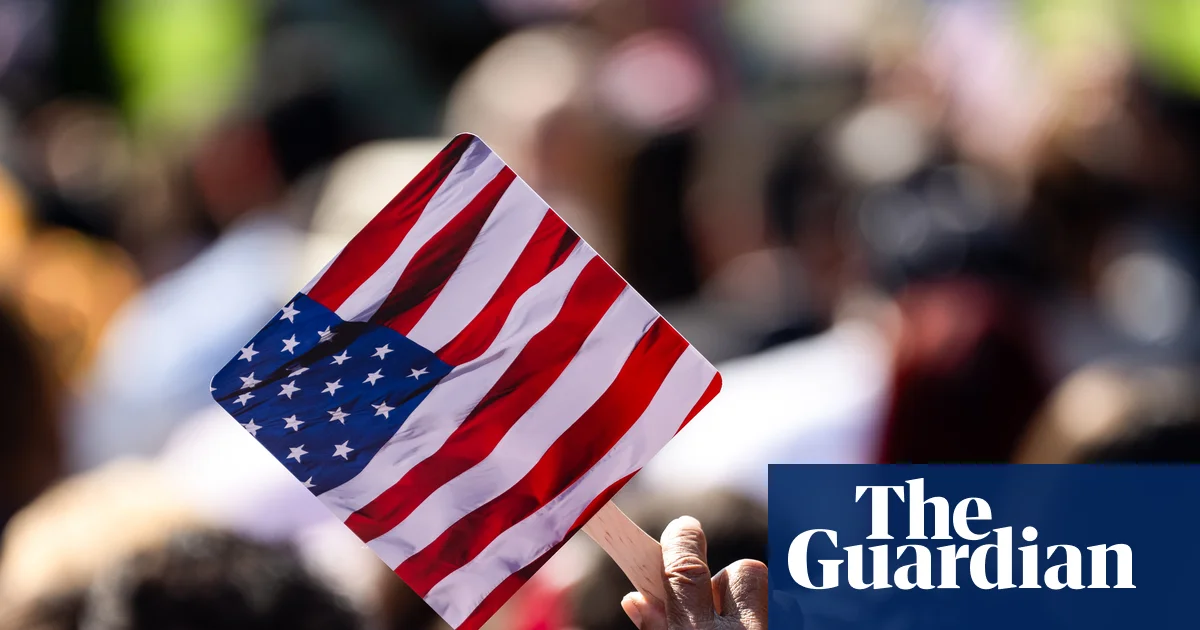
Trump Admin Urges DoJ to Crack Down on Denaturalization Cases, Youth Watchdog Reports

U.S. Moves Toward Widespread Denaturalization: A New Chapter in Immigration Enforcement

The United States is once again at a crossroads in its approach to immigration and citizenship, as the current Trump administration aggressively pushes the justice department to initiate hundreds of denaturalization cases. This move, reportedly targeting 384 foreign-born Americans, signals a significant shift towards expansive enforcement measures that threaten to reshape the demographic and social landscape of the nation. While historically rooted in efforts to strip citizenship from war criminals and individuals who committed fraud, this initiative now spans a broader range of cases, with some experts warning that it risks politicization and abuse of legal standards.

According to recent reports, federal authorities have identified what they consider to be individuals who improperly obtained their U.S. citizenship—often through false claims or criminal activity. These cases, labeled as the “first wave,” occur amid claims from officials that this effort is mandated by federal law. However, critics and independent analysts are raising concerns about a potential overreach, as the process for denaturalization, historically costly and resource-intensive, could divert vital government resources away from pressing issues such as healthcare and economic recovery. The move marks a clear escalation of the administration’s longstanding agenda of mass deportations and immigration control, a strategy that has drawn both bipartisan and international scrutiny.

Historical Context and Geopolitical Implications

Historically, denaturalization in the U.S. has been reserved for individuals linked to war crimes or those who gained citizenship through misrepresentation or fraud—a practice reinforced by Supreme Court rulings in the late 1960s. These efforts were targeted and narrow, focusing primarily on Nazis and other war criminals. Yet, as historian and legal analysts like Jane Smith highlight, the recent broadening of categories—encompassing suspected gang members, alleged terrorists, or even political activists—raises troubling questions about how the U.S. government balances national security with due process.

From an international perspective, this initiative reflects a notable shift in how global institutions perceive U.S. policies on immigration. Critics argue that such aggressive denaturalization efforts may damage America’s reputation as a land of opportunity and justice, especially when the process lacks transparency and potentially relies on flimsy evidence. Some international organizations warn that these measures could set a dangerous precedent, encouraging other nations to adopt similarly broad, and possibly arbitrary, citizenship revocation tactics—thereby fueling a wave of instability across borders.

The Future of U.S. Immigration Policy and the Weight of History

The ongoing push toward mass denaturalization underscores a broader debate about the **nature of immigration enforcement**: should it serve merely as a protecting mechanism for national interests or become a tool for political manipulation? As the federal government explores these legal avenues, it stirs fears among immigrant communities and human rights advocates, who see this as an expansion of discrimination cloaked in legal veneer. The administration’s efforts may also echo past periods of political repression, where accusations—often based on flimsy evidence—resulted in the unjust targeting of marginalized groups.

As history witnesses this unfolding chapter, one cannot help but feel the weight of how history is written in real-time, through policies that define nations’ moral compass and法律本身的力量. Every case pursued, every citizen denaturalized, adds a brushstroke to the complex portrait of the American identity—an identity still being shaped amidst controversies and conflicts that will determine future generations’ understanding of justice, sovereignty, and the rule of law. The decisions made today are not mere policy—they are the echoes of history in the making, and their impact will be felt long after the current administration’s tenure ends.
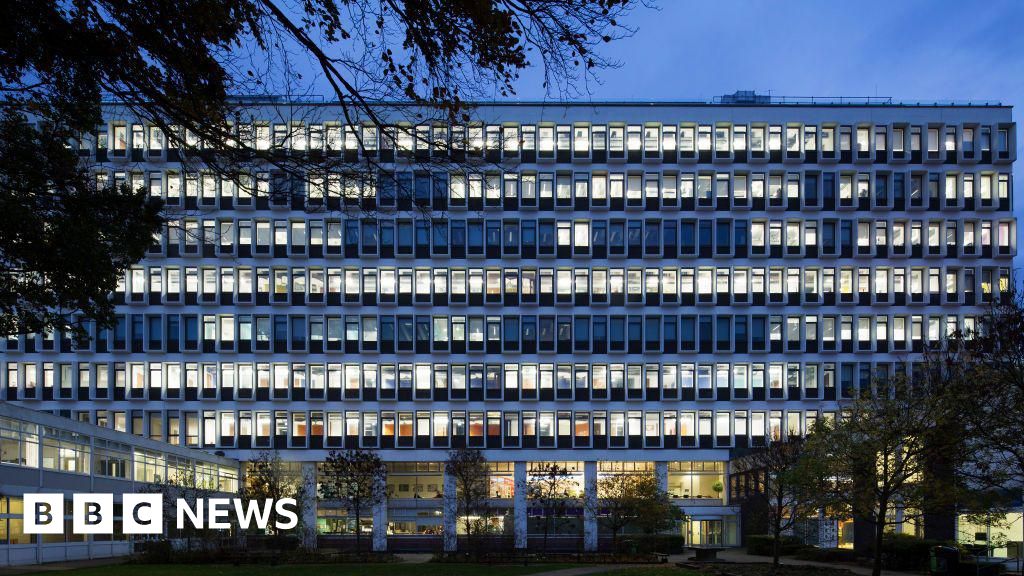
UKHSA Watches Closely as Brighton University Meningitis Cases Emerge

Rising Concerns Over Meningitis Among Students Highlight Societal Challenges

The recent diagnosis of two students at the University of Brighton with meningitis has reignited concerns over public health vulnerabilities and social awareness. The UK Health and Security Agency (UKHSA) has emphasized its vigilance, closely monitoring the situation as the community grapples with this potentially fatal yet often misunderstood disease. While the university reports that both students are recovering and that those who had close contact are receiving precautionary treatment, the incident underscores a broader societal issue: the lack of widespread awareness about early symptoms of serious illnesses and the social dynamics that may hinder prompt medical attention, especially among youth.

Social Tensions and Cultural Shifts in Health Vigilance

Health sociologists have pointed out that young adults often dismiss early warning signs of illnesses as mere inconveniences or minor ailments. Charlotte Flynn, a health protection consultant at UKHSA South East, notes that symptoms like fever, headache, and fatigue can be easily mistaken for more benign conditions such as hangovers or flu. This dangerous confusion is compounded by cultural shifts that prioritize resilience and independence, leading many students to ignore symptoms until medical intervention becomes urgent. Such delays not only threaten individual lives but also place strain on healthcare resources and community health programs.

Underlying this issue are social factors like patterns of communal living, peer influence, and a sometimes dismissive attitude towards health concerns. Historically, sociologists such as C. Wright Mills have highlighted how societal norms and power structures influence health behaviors. In the context of student communities, the social pressure to appear resilient or unaffected can discourage early reporting of symptoms, further complicating containment efforts. The university’s assertion that meningococcal bacteria do not spread easily—but only through prolonged, close contact—serves as a reminder that habits within these communities can either mitigate or exacerbate health risks.

Implications for Families, Education, and Society

  • Families face emotional stresses when a loved one falls ill, often feeling helpless amid the ambiguity of early symptoms. This distress can be compounded by imperfect knowledge or access to healthcare, particularly among socio-economically disadvantaged families.
  • Educational institutions bear the burden of balancing academic continuity with health vigilance, implementing measures that include information dissemination and contact tracing. As Brighton’s administration states, they have “gone above and beyond” in guiding students, yet the challenge remains to foster a culture of proactive health engagement.
  • Communities are tasked with fostering environments where health awareness is normalized and stigma surrounding illness is reduced. The incident raises questions about how to cultivate younger generations’ sense of personal responsibility while ensuring they do not feel overwhelmed by fears or misinformation.

As social commentators and sociologists like Zygmunt Bauman have argued, society’s capacity to adapt and respond to such challenges hinges on collective consciousness and moral commitments. The hope is that through improved education, community engagement, and responsible health practices, society can rebuild a culture that values early intervention and collective well-being. The tragic irony remains that, in a time of unparalleled technological and informational access, the very youth most vulnerable may be the least prepared to recognize the signs that could save their lives. Society stands at a crossroads—where understanding, vigilance, and compassion could turn today’s crisis into a catalyst for societal resilience and transformation.

Social Media Auto Publish Powered By : XYZScripts.com



