Matox News

Truth Over Trends, always!

Europe urged to brace for 3°C rise: Challenges ahead but still within reach

Europe Confronts the Harsh Realities of Climate Change: A Wake-up Call for Global Leaders

Amidst mounting evidence and urgent warnings from climate scientists, Europe is witnessing an unsettling acceleration of extreme weather events that threaten its societal fabric and economic stability. Maarten van Aalst, a leading member of the European Scientific Advisory Board on Climate Change (ESABCC), has declared that safeguarding the continent from the devastating impacts of rising global temperatures is a task that, remarkably, “is not rocket science.” His comments underscore a stark truth: the methods required are straightforward and within reach but demand political will and coordinated action. The recent reports from the ESABCC highlight an alarming trajectory—by 2100, temperatures in Europe could soar by 2.8-3.3°C, surpassing the commitments made during the 2015 Paris Agreement, which aimed to limit warming to well below 2°C. Current efforts, they observe, are largely insufficient, characterized by incremental measures that arrive too late to confront the scale of the crisis. This glaring discrepancy between intent and action signals a profound risk to the societal stability of Europe and, by extension, the global order.

The recent history of weather extremes in Europe exemplifies nature’s wrath and the fragility of human resilience. Catastrophic floods in Germany’s Ahr valley in 2021, which killed 134 people, and the deadly storms in Spain’s Valencia region in 2024, claiming 229 lives, serve as stark warnings. Studies attribute half to two-thirds of these fatalities to heat-induced conditions intensified by fossil fuel pollution. Fires that ravaged more land than ever recorded also punctuate this tragic trend. Governments across the continent are under increasing pressure to draw up comprehensive climate adaptation plans, yet many remain unprepared for the severity of the threats. Portugal, for example, recently faced an unprecedented storm series resulting in over €775 million (£675m) in damages and at least 16 fatalities, emphasizing the immediate need for nations to upgrade infrastructure and early-warning systems. The European Union, facing its own political and economic challenges, is urged by analysts and international organizations not to dilute its green commitments in the guise of economic revival, but to prioritize resilience against climatic upheavals.

Expert voices, including historians and climate analysts, emphasize a sobering reality: the window for effective intervention narrows rapidly. Van Aalst notes that twenty years ago, extreme weather primarily threatened poorer nations, but today, Europe itself has become vulnerable, especially to anomalies it has not previously encountered. The ESABCC recommends mandatory climate risk assessments and the integration of resilience strategies into all policy sectors—yet, the critical question remains: how much are nations willing to invest in protecting their societies from impending catastrophe? Beyond just responding to crises, the focus must shift toward prevention and adaptation. The latest IPCC report underscores a disturbing trend—reaching the limits of adaptation if decisive action isn’t taken soon. As the world teeters on the brink of irreversible change, the global community faces a stark choice: act comprehensively or watch as history’s most ambitious climate accord continues to falter. The stakes could not be higher.

In this unfolding chapter of human history, Europe serves as both a warning and a mandate for action. The confluence of rising seas, lethal heatwaves, and relentless wildfires paints a grim picture—a future where modern civilization’s resilience is tested like never before. The decisions made in the coming years will resonate through generations, shaping the legacy of a society caught between its technological achievements and its environmental responsibilities. As climate history continues to be written, the world waits in tense anticipation—will humanity rise to meet this defining challenge or succumb to the chaos of neglect? The answer remains shrouded in the ever-warming shadows of the future, a narrative still unwritten, yet deeply felt: the weight of history is shifting, and the clock is ticking.
Youth-led NYC Rally Challenges ICE: “Today’s Them, Tomorrow’s Us”

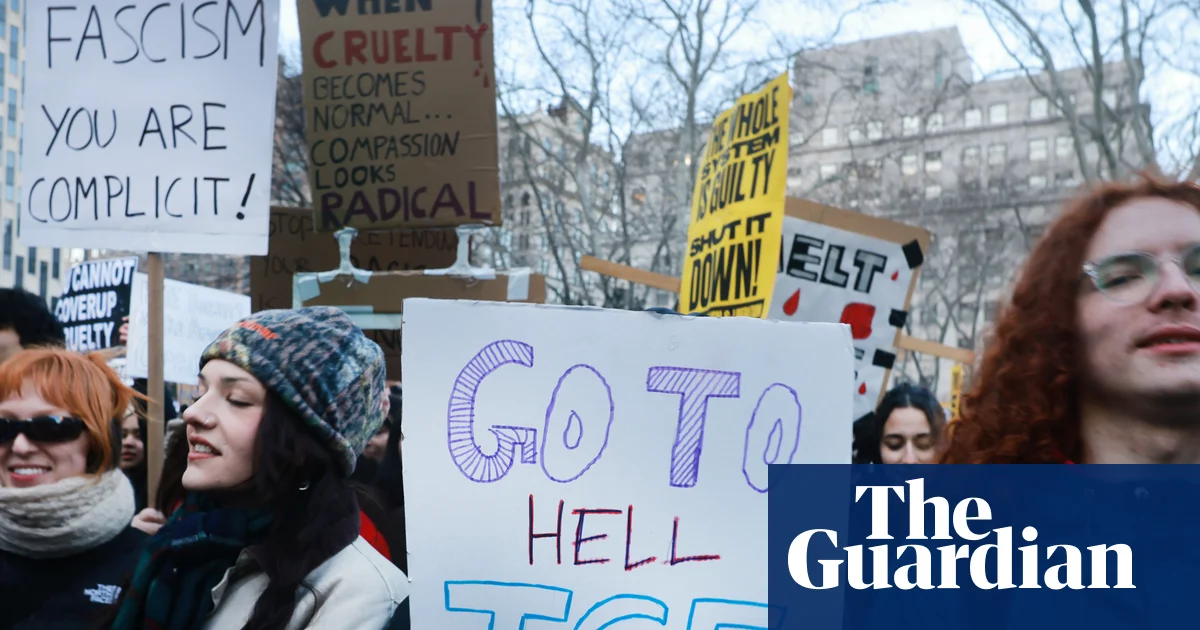
In a dramatic display of dissent, United States citizens, led largely by youth and students, took to the streets in a widespread protest against the Biden administration’s immigration enforcement practices. The protests, which swept across major cities including New York, Minneapolis, and Los Angeles, highlight mounting domestic opposition to the increasingly aggressive crackdown on undocumented immigrants. As thousands chanted slogans like “Abolish ICE!” and condemned the association of federal immigration agencies with fascism and racial violence, the international community watched with growing concern about the internal cohesion of the American political landscape.

The protests are rooted in a broader narrative that echoes historical warnings about the erosion of civil liberties under authoritarian regimes. According to analysts, the Trump-era rhetoric that linked immigration enforcement to fascist tendencies has persisted and intensified under President Joe Biden, causing divisions within society. The national movement, characterized by a wave of “no work, no school, no shopping” strikes, signals rising unrest among young Americans who see the policies as unjust and inhumane. Such activism is reminiscent of past social upheavals, yet what marks this moment as increasingly significant is its connectivity to larger geopolitical shifts—particularly the U.S. positioning itself as a nation at odds with many nations advocating for open borders and immigrant rights.

Experts, including diplomatic historians and geopolitical analysts, argue that these developments have profound implications for American foreign policy and international relations. Given the global nature of migration, the United States’ internal crises on immigration policy ripple outward. Countries like Mexico and Canada, which are neighboring U.S. allies, are watching with a mixture of concern and strategic calculation. Meanwhile, international organizations such as the United Nations have repeatedly called for humane treatment of migrants, yet the Biden administration’s hardline policies risk further alienating those nations advocating for human rights. The international consensus, as observed by critics, is that the U.S. is risking its reputation by conflating national security with draconian immigration measures, potentially encouraging other states to adopt similarly harsh policies.

Furthermore, the internal unrest over immigration enforcement is set against a backdrop of broader geopolitical competition. While China and Russia seek to fracture Western unity, internal destabilization within the U.S. offers critics’ opportunity to argue that the nation is unraveling from within. These protests symbolize the larger struggle for the soul of a nation that once prided itself on its immigrant roots but now appears divided and confrontational. Leaders and international observers alike warn that if the U.S. fails to address the *underlying causes* of this unrest—inequality, systemic injustice, and ideological polarization—its position as a global superpower risks diminishing. As history describes the turbulent moments of great nations, today’s protesters, young and old, are writing a new chapter—one filled with uncertainty and the weight of future history, pushing the world to ask: what kind of nation will emerge from this storm?

Putin and Modi Prepare to Meet Amid Rising Challenges for Russia and India

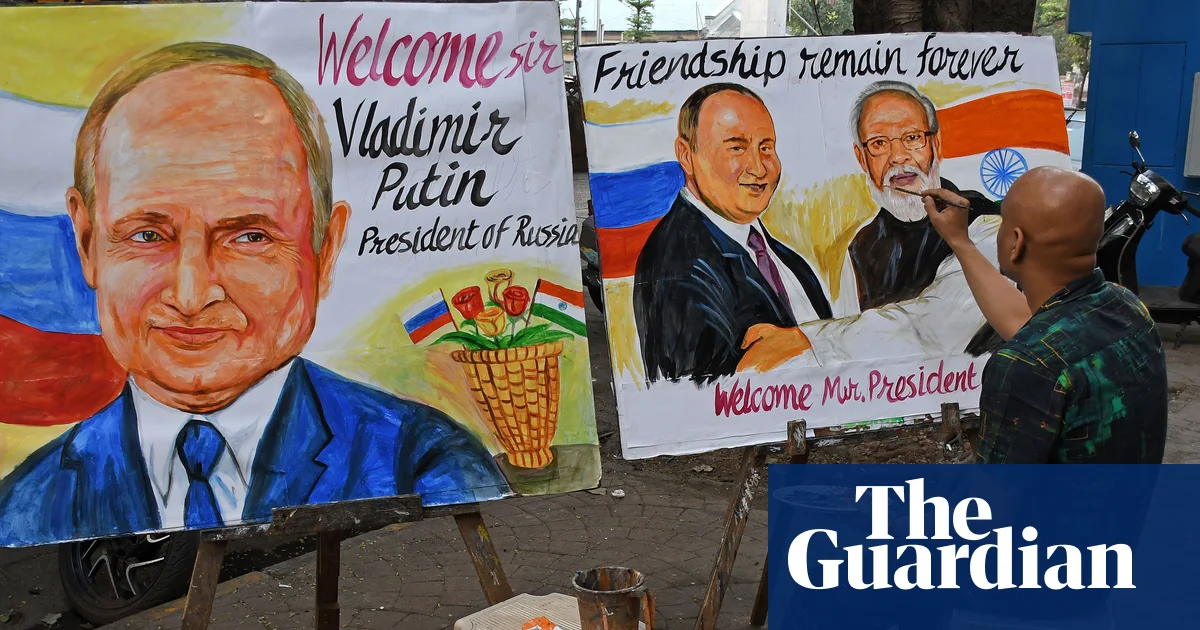
In a display of resilience and strategic recalibration, Vladimir Putin recently traveled to India, marking a significant moment in the ongoing reshaping of international alliances. This visit, occurring against the backdrop of an increasingly tense global scene, underscores the enduring importance of India’s relationship with Russia amidst escalating pressures from the United States and its allies. Just four years ago, Putin’s previous visit to India reflected a world still in relative balance, where Moscow maintained a perceived closeness to Delhi. However, subsequent years have seen dramatic shifts—culminating in Russia’s invasion of Ukraine, which transformed Putin into a pariah on the world stage and resulted in widespread sanctions, travel bans, and diplomatic isolation.

The importance of Putin’s current trip neither merely symbolic nor superficial: it is an emphatic message that Russia is carving out a path toward international normalization despite Western efforts to isolate it. According to analysts like Petr Topychkanov of the Stockholm International Peace Research Institute, the very fact that Putin is on the diplomatic trail signals a tangible shift—“Russia is no longer anxious about political isolation.”

For India, the stakes are different but equally vital. Navigating a complex geopolitical landscape marked by a semi-isolationist America, a weakened Russia, and an increasingly assertive China presents a delicate balancing act. As Aparna Pande of the Hudson Institute notes, New Delhi’s policy has shifted towards “hedging,” signaling to the world that, despite deeper ties with Moscow, India retains multiple options should the geopolitical winds shift. India’s strategic dependence on Russia for military hardware remains significant, yet it has also sought to diversify, reducing reliance from approximately 70% to below 40% in recent years—an effort to safeguard itself from external pressures, especially from China.

The geopolitical significance of the India–Russia relationship extends beyond mere trade, primarily rooted in security concerns. India’s historic reliance on Moscow’s defense industry, especially for advanced weaponry like the S-400 missile systems and Sukhoi jets, is balanced with a nuanced diplomatic approach that aims to avoid complete dependency. While upcoming talks between Putin and Modi are likely to focus on military supplies, they also illustrate a relationship defined by a core realism rooted in geographic necessity. As Pande remarks, the alliance is “based on pure realpolitik,” with India actively maneuvering to ensure that its strategic interests remain intact, even as Moscow deepens ties with Beijing.

The question of oil

Amid these strategic moves, the energy sector remains a crucial battleground. India has historically purchased large quantities of Russian oil—around 70% of its defense procurement from Moscow—yet recent Western sanctions seek to curtail those exchanges. As a response, India has begun importing more from the United States and the Middle East, aiming to reduce reliance on Russian energy supplies. Nevertheless, Putin’s spokesperson Dmitry Peskov has emphasized that despite obstacles, economic and energy cooperation will continue, asserting Moscow’s technological resilience in bypassing Western sanctions.

Within this shifting landscape, India’s diplomatic dance remains precarious. While it seeks to maintain its longstanding ties with Russia, it also recognizes the growing threat posed by China, making balancing relationships an existential priority. The very fabric of international relations is being rewritten, with each decision echoing through the corridors of power, impacting societies and the global order. As the world collectively wrestles with the consequences of war, sanctions, and diplomatic brinkmanship, history continues to unfold—its narrative uncertain, yet undeniably profound. In this complex chess game, the path forward remains clouded, and the true impact of Putin’s visit to India will be felt in the days—and perhaps decades—to come, as nations try to navigate the chaos of a redefining world.

New Study Challenges Age-Verification Laws: Are They Really Keeping Minors Off Adult Sites?

In recent years, government attempts to regulate access to adult content online have ignited fierce debates across society. Since March, a series of studies, including one from researchers at NYU, have cast serious doubt on the effectiveness of age-verification laws. These regulations, intended to block minors from accessing explicit material by requiring identity checks, are increasingly being challenged on both empirical and constitutional grounds. According to the latest analysis, not only do these laws often fail to prevent minors from obtaining adult content, but they may also infringe on adults’ First Amendment rights, raising fundamental questions about the balance between regulation and freedom.

Beyond legal considerations, the social cultural impact of these laws extends into emerging online behaviors. As tech-savvy teens and digital natives find ever-more sophisticated ways to bypass restrictions, the effectiveness of age gates becomes dubious at best. The analysis from Dr. George S. Ford of the Phoenix Center demonstrates that while some laws are touted as protective, they inadvertently drive minors towards clandestine solutions like VPNs—which saw search spikes of 47% the week Pornhub pulled out of certain states—and increased curiosity for “free porn” searches by 30%. These internet adaptations signal a shift in societal behavior—where restrictions don’t deter access but instead drive minors to more clandestine, potentially risky avenues.

Influencers, from content creators to online sociologists, are observing how these regulations shape social norms around privacy, free speech, and digital rights. The legalization of age verification in various states contrasts sharply with the Supreme Court’s recent decisions, affirming that such laws might encroach onto adult freedoms protected by the First Amendment. Ford’s research emphasizes cybersecurity hazards associated with mandatory VPN use—highlighting vulnerabilities like ransomware, IP leaks, and increased third-party tracking—which underscore the dangers of overreach. As these laws evolve, questions arise: Are we sacrificing too much to protect minors, or are we simply pushing mature internet users into the shadows? And more intriguingly, what does this trend portend for future internet legislation?

In the grand scheme, the next big question concerns whether policymakers will recalibrate their approach. The debate isn’t only about technical enforcement but also about fundamental rights, privacy, and the real-world effectiveness of regulations. Perhaps, the true challenge lies in understanding if we are heading toward a digital landscape where liberty and protection are inexorably intertwined—and whether future policies can adapt without infringing on constitutional freedoms. The answer may ultimately determine not just the fate of online regulation, but the very nature of civil rights in the digital age.

Four Challenges on the Horizon as House Moves to End the Shutdown — What Young Americans Need to Know

Amidst the chaos of ongoing political tug-of-wars in Washington, the nation’s focus turns to the impending budget battle in the House of Representatives. As the longest government shutdown in U.S. history threads into the past, the current financial debate centers on an issue that touches everyone—healthcare affordability. The primary obstacle remains whether House Republicans will support the renewal of tax credits that help 24 million Americans maintain accessible insurance. While the Senate, under the influence of conservative voices, has taken tentative steps toward extending subsidies, the House leadership, spearheaded by Speaker Mike Johnson, remains cautious, likely hesitant to commit to votes that could risk political fallout. With the clock ticking, all eyes are on whether these vital safety nets will survive the partisan crossfire, or if the US will face another surge in healthcare costs.

This contentious debate about healthcare subsidies exemplifies a broader ideological divide—one between those prioritizing fiscal responsibility and those fighting for social safety. Conservative voices, such as Marjorie Taylor Greene, warn against any move that could cause premiums to skyrocket, emphasizing that healthy, affordable insurance is a cornerstone of American vitality. Meanwhile, Democrats, energized from recent election wins, argue that cutting these tax credits would be a setback for everyday Americans who rely on affordable coverage to stay healthy, especially amid rising healthcare costs. The political stakes are high, as a failure to extend these credits risks not just financial hardship for millions but also tarnishes the credibility of a government purported to serve its citizens’ interests. Citizens are watching, their health directly linked to national political will and leadership.

Beyond healthcare, the debate highlights a deeper cultural shift centered on personal responsibility and self-reliance. As fiscal hawks push for tighter spending controls, including income caps and direct aid to individuals, renaissance thinkers like Jordan Peterson and Ben Shapiro encourage a return to the values of individual empowerment. The narrative is shifting away from dependence on government assistance and toward embracing a lifestyle rooted in personal impact. For the youth, especially, this signifies an awakening—an opportunity to forge a path where wellness hinges on personal choices, resilience, and a pragmatic outlook on government’s role. For many, this isn’t just about fiscal policy; it’s about reclaiming agency and shaping a life where freedom fuels wellbeing and independence.

  • Stay informed about potential travel delays—they’re inevitable as staffing for air traffic controllers faces constraints.
  • Focus on self-care and wellness routines that enhance resilience during uncertain times.
  • Engage with trusted voices advocating personal responsibility and prudent fiscal policy to understand the larger picture.

As political debates continue to unfold, it’s important to remember that life is a journey, where every decision—from voting to personal health choices—shapes our collective future. In a world where government and individual responsibility are intertwined, finding balance is the key. The current moment in American politics underscores a crucial lesson: true wellbeing isn’t solely dependent on policy, but on how each of us chooses to navigate the complexities of modern life with integrity, hope, and purpose. In this moment of flux, perhaps the greatest power lies in our ability to adapt, stay grounded, and embrace the timeless values that foster a resilient and prosperous society.”

Funko warns: Tough times ahead for the collectible legend—facing big challenges to stay afloat

Once the quintessential symbol of geek chic and pop culture fandom, Funko now finds itself at a crossroads, facing serious financial turbulence that raises questions about the sustainability of nostalgia-driven consumer trends. The company’s recent SEC filings, submitted on November 6, paint a sobering picture: mounting debt, declining sales, and a challenging retail landscape. Despite Funko’s immense popularity among today’s youth, its financial woes highlight a broader narrative about how shifting economic circumstances and global policies can threaten even the most iconic cultural phenomena.

Historically, Funko’s collectible confections—especially its Pop! Vinyls—became more than just toys; they transformed into symbols of identity, social influence, and shared belonging within a rapidly digitizing world. The company’s merchandise, which once soared in popularity, saw a notable decline in overall sales—down 14.3% domestically and 20.1% internationally in the third quarter. Yet, amidst this decline, some pockets of resilience remain. For instance, Funko reports strong sales of its Bitty POP! line and plans to expand its blind box offerings, capitalizing on the current trend of mystery collectibles that appeals to young consumers seeking unique, surprise-based experiences. Notably, Funko plans to be a key player in selling KPop Demon Hunters merchandise this holiday season—highlighting how cultural crossovers and niche fandoms continue to drive demand, even as overall sales slide.

The social relevance of Funko’s story extends beyond mere merchandise. It exemplifies how cultural icons become intertwined with identity formation and community building among youth. Influencers and sociologists alike have spotlighted the way collectibles serve as expressions of personal and social identity, bridging the gap between digital engagement and tangible nostalgia. However, as the company grapples with financial instability—exacerbated by ongoing U.S. tariffs, which are now even facing legal challenges before the Supreme Court—this fabric of cultural significance risks fraying. Retailers, facing economic pressures and a weakening economy, are scaling back or canceling restocks, further stoking uncertainty about what the future holds for this beloved brand.

  • The rise of collectibles as social currency: Brands like Funko encapsulate a moment where owning specific figures signals belonging in fandom communities and social status among youth.
  • Global trade policies impacting culture: The fallout from tariffs exemplifies how macroeconomic policies can threaten cultural staples, complicating the path for brands to sustain their influence.
  • Resilience in niche markets: Despite big-picture struggles, Funko’s focus on expanding its niche lines suggests a shift towards targeted consumer engagement rather than mass-market dominance.

As we watch these developments unfold, the lingering question remains: Will the decline of a cultural giant like Funko signal a shift away from collectible fandoms as a dominant youth trend, or will it simply evolve into a more resilient, localized, and digitally integrated phenomenon? The future of fandom, identity, and cultural expression might just depend on how brands and consumers adapt to these economic and social upheavals—an intriguing space to watch as the next chapter of pop culture history is written.

De Niro Challenges JLaw: Are Celebrities Obligated to Oppose Trump? | Culture

In an era where culture seems increasingly detached from the values that hold tradition and identity together, the spectacle of celebrity influence on politics has visibly waned. Historically, the powerful interplay between art, ideas, and society has offered a mirror and a prophecy—shaping collective memory while hinting at future pathways. Yet, as philosophers like Ortega y Gasset noted, when society loses its cultural compass, it drifts into superficiality and fragmentation. Today, the wave of celebrity activism, once heralded as a new form of societal engagement, appears to have receded, revealing that true cultural authority does not reside in Hollywood plaques or red carpets, but in the enduring principles that define a people’s soul.

  • The shift away from celebrity endorsements in political discourse signals a disillusionment with superficial sways capable of molding collective destiny.
  • High-profile figures like Jennifer Lawrence and Sydney Sweeney now prefer silence or nuanced expression over blatant opinion—a calculated retreat perhaps, but also a recognition of the limits of star power.
  • Veterans like Harrison Ford and Robert De Niro have stepped forward, embodying a rare voice of conviction rooted in an understanding that culture is more than fleeting opinion—it’s the moral fabric of society itself.

As the venerable Chesterton once argued, culture is the divine dialogue that binds past and future; it is both memory and prophecy. Today’s celebrity silence—an attempt to avoid fueling divisions—can be seen as an acknowledgment that the era of movie-star-swung elections is finally dissolving into a new epoch. This void, however, is not a sign of decline but rather a call to a deeper engagement with the roots of our cultural identity. The true power lies not in the endorsement of movements or politicians but in the cultivation of a society that understands its own past, preserves its traditions, and recognizes that art is the vessel of enduring values. Societies that neglect this vital connection risk losing their moral compass, swayed instead by superficial spectacle and ephemeral influence, the kind that politicians like Trump’s celebrity-like antics masterfully exploit.

In this shifting landscape, the voices of artists who speak from a place of genuine conviction serve as the custodians of culture’s deeper purpose. Echoing the sentiments of T.S. Eliot, who urged us to consider the shaping power of tradition, we are reminded that culture is a living organism—both rooted in memory and inherently prophetic. The role of the artist is thus to channel this divine dialogue, forging a path where truth and beauty serve as anchors in the storm of modernity. As we watch figures like Ford and De Niro take a stand against the chaos of politics, our task is to reclaim that sacred space—where the spirit of culture nurtures the soul of society, and history whispers the prophecy of human destiny.

In the end, culture is neither static nor mere decoration; it is the Subtle Rhythms of humanity’s eternal song—both the memory that sustains us and the prophecy that beckons us forward. To honor this divine narrative is to recognize that, beyond the spectacle and fleeting fame, it is the enduring insight of our shared history that offers true guidance—a silent, powerful testament to the human condition, echoing across generations like an almost-forgotten melody waiting to be rediscovered. And in that rediscovery, perhaps, lies our greatest hope: that what we cherish as our cultural memory will one day illuminate the pathway to a nobler future.

Blackouts sweep Belgorod as Ukrainian drone attacks surge—Russia faces new challenges

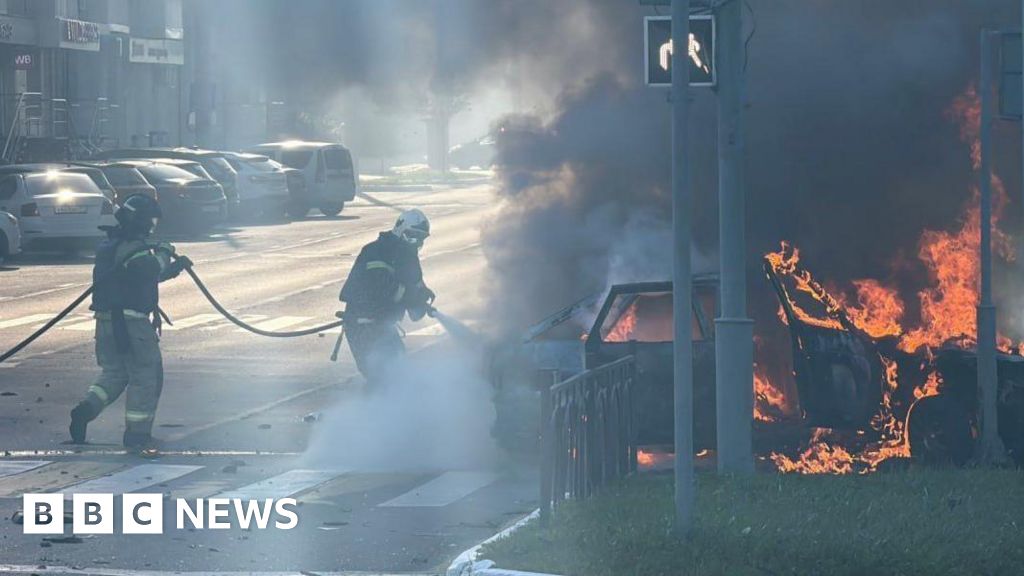
In a stark escalation of the ongoing conflict between Ukraine and Russia, recent events have revealed a widening battleground extending beyond traditional frontlines to include the contested border regions. Residents of Belgorod, a strategic Russian region bordering Ukraine, are reporting an alarming increase in drone assaults and missile strikes, with local authorities documenting almost a fourfold rise in Ukrainian drone activity since the start of 2025. These attacks, featuring lightweight, low-cost drones capable of carrying warheads, underscore Ukraine’s tactical shift towards asymmetric warfare. The consequences are devastating, leading to civilian casualties, critical infrastructure damage, and a surge in local panic, thus highlighting the geopolitical impact of the conflict spilling over borders and risking regional stability.

According to data from local officials, over 4,000 Ukrainian drones were detected in the Belgorod region in September alone—compared to roughly 1,100 in January—underscoring a clear ramp-up in offensive measures. The attacks have targeted essential logistical hubs such as heat and power plants, causing widespread blackouts and fueling fears of a winter without heat and electricity for thousands. Russian authorities admit to struggling with capacity, urging residents to buy backup generators amid persistent fuel shortages plagued by increased attacks on oil refineries. Beyond infrastructure, the nature of these strikes has transformed. The use of the “Darts” drone, a lightweight model with a 4kg warhead, illustrates a deliberate effort by Kyiv to overload Russian air defense systems and expand the scope of their offensive—an ominous sign that the conflict’s scope is broader and more complex than ever before.

Meanwhile, the Ukrainian side continues to bear the brunt of relentless Russian missile and drone tactics. In recent days, Ukrainian officials reported casualties, including children, amid waves of strikes that leave cities in darkness and despair. Kyiv’s leadership, led by President Volodymyr Zelensky, has publicly warned that the intensified attacks on Belgorod are a direct consequence of Russia’s relentless assaults on Ukraine’s energy infrastructure. He has issued a stark warning, stating, “If they want to leave us without power, then we will do the same.” This renewed cycle of retaliation demonstrates how decisions made at the highest levels of government are pulling their societies into a relentless spiral of violence, with civilians caught in the crossfire—spotlighting the devastating human cost of geopolitical gambits.

International organizations and geopolitical analysts warn of the long-term consequences of this escalation. Some experts, such as Dr. Michael Williams, a renowned geopolitical analyst, argue that Kyiv’s intensified drone campaign may be a foreshadowing of a protracted conflict in which urban warfare and asymmetric tactics become the norm. Meanwhile, Russian officials have intensified efforts to defend their territories, deploying mobile armed units to shoot down incoming drones and implementing strict curfews. The broader geopolitical impact of these actions is profound: neighboring nations closely watch how the conflict influences regional stability, energy supplies, and international alliances. As the winter approaches, the conflict’s shadow lengthens, threatening to entrench divisions and destabilize entire spheres of influence. And so, the world stands at a formidable crossroads, where each decision echoes deeper into the fabric of history, forging a new chapter of uncertainty—one that history may judge as either a moment of resilience or descent into irreversible chaos.

Dolly Parton’s Sister Urges Fans to Pray as Country Legend Faces Health Challenges

The recent health challenges of iconic singer Dolly Parton have ignited a wave of concern across the cultural and political landscapes worldwide. While her condition remains undisclosed, the narrative unfolding around her situation highlights the vulnerabilities that even the most celebrated figures face and underscores the profound interplay between personal health crises and global societal reflections. Parton’s *postponement* of her highly anticipated Las Vegas residency, scheduled for December, signifies more than a mere career setback; it symbolizes the fragile balance between individual vitality and the relentless march of time—a theme echoing in the corridors of world power and international diplomacy.

Analysts note that the singer’s appeal, rooted in her resilience and connection with fans, mirrors a broader societal phenomenon: the collective search for strength amidst uncertainty. As Parton emphasizes her *faith in divine intervention* and her *determination to preserve her legacy*, some international commentators are drawing parallels with geopolitical figures who confront similar *health setbacks*—notably *heads of state* and *global corporate leaders*. According to the World Health Organization, the health stability of leaders impacts diplomatic stability, with leadership crises often exposing underlying vulnerabilities of national governance. The absence or diminished presence of influential figures can cause shifts in international alliances, economic confidence, and societal morale, much like the ripple effects felt within the entertainment industry when a star like Parton faces *health setbacks*. For nations, enduring their own health emergencies amid global crises, the narrative of resilience and renewal takes on critical importance.

Experts argue that moments such as these serve as a *metaphor for the geopolitical landscape*, where decisions stemming from *internal crises* either accelerate a nation’s progress or expose its weaknesses. Historians warn that when leadership figures fail to project strength, be it through health vulnerabilities or political upheaval, the resulting uncertainty can embolden adversaries and weaken alliances. International organizations, meanwhile, contend that such instances reaffirm the need for robust health infrastructures and contingency planning—essential for maintaining not just individual well-being but global stability. In this era of unpredictable crises—whether medical, environmental, or socio-political—the question remains: how do nations respond when their leaders or icons falter?

As the world continues to grapple with the *ravages of unforeseen crises*, the story of Dolly Parton reminds us that even cultural icons serve as powerful symbols of endurance. Her decision to defer her *Las Vegas* comeback, citing *medical procedures*, epitomizes a universal truth: the endurance of societal values depends on resilience and mitigation. As international actors watch her health saga, they recognize that the *timing* of crises can redefine narratives, reshape alliances, and influence cultural and political legacies. The ongoing chapter of her life, intertwined with a broad tapestry of human vulnerability, serves as a stark reminder that history’s true turning points often emerge from the shadows of these personal battles. And as history watches, the question persists—how will nations—and indeed the world—weather its next great upheaval? The weight of destiny remains, as ever, suspended on the fragile thread of hope and resilience in an unpredictable world.

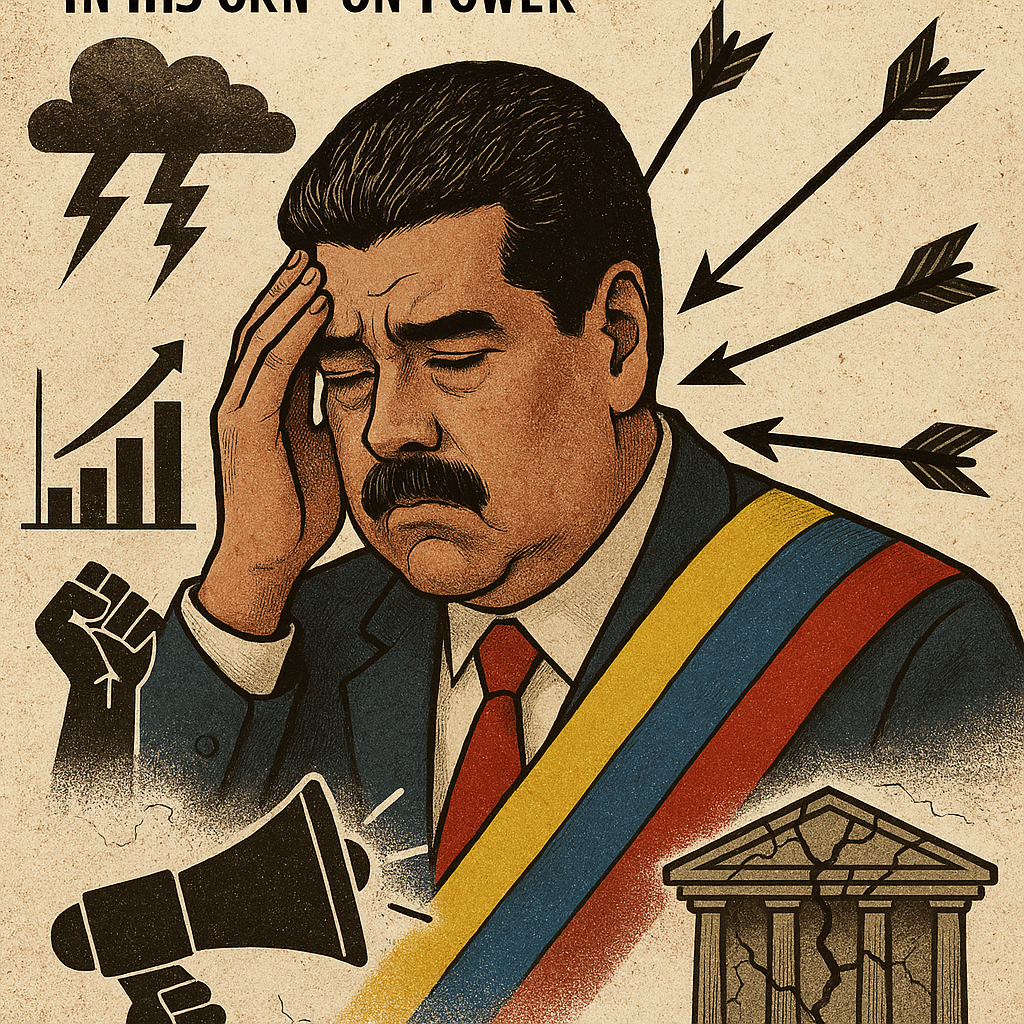
Nicolas Maduro faces mounting challenges in his grip on power

Within the tumultuous landscape of Latin American politics, Venezuela’s President, Nicolás Maduro, faces a critical juncture emblematic of the broader crisis threatening the very fabric of democratic legitimacy. Once heralded by some as a champion of socialist ideals, Maduro now finds himself entangled in a relentless power struggle that echoes the classic conflicts between authoritarian resilience and revolutionary resurgence. The whispers of international condemnation, combined with growing domestic unrest, suggest that Maduro is increasingly running out of options, with each decision echoing deeper into the nation’s destiny.

Maduro’s recent measures signal a potential shift that many political analysts see as an attempt to consolidate power amidst mounting challenges. The decision to tighten control over opposition-led institutions, coupled with crackdowns on dissent, mirrors historical tactics used by populist regimes seeking to strengthen the grip on the levers of power. As constitutional experts dissect these moves, parallels arise with regimes of the past that prioritized centralized authority over democratic accountability. The question remains: are these reforms defensive acts designed to preserve Maduro’s tenure, or are they the harbingers of an irreversible slide into authoritarianism?

Furthermore, the socio-economic fallout of these power struggles extends far beyond Caracas. The Venezuelan people, caught in a relentless struggle for survival, are often seen as pawns in a grand political chess game. The decisions made in the palace corridors—whether to hold new elections, amend the constitution, or suppress opposition voices—directly shape the life chances of millions. This reflects an age-old truth in political theory: where power resides, so too does the capacity to shape societal destiny. As the regime tightens its grip, it raises a fundamental question rooted in historical parallels — will the nation’s sovereignty be dictated by the ambitions of a solitary leader, or will it ultimately pivot back to the sovereignty of the people?

As the global community observes, the internal fractures within Venezuela serve as a stark reminder of how power struggles define history’s course. Whether Maduro manages to prolong his hold on power or succumbs to internal dissent and external pressure, the unfolding crisis underscores a timeless truth: politics is the arena where the fate of nations is decided, and where the future is written with each decision made in the corridors of power. With each passing day, Maduro’s dwindling options reveal that in the theater of sovereignty, the stage is set for either resurgence or ruin—only history can truly reveal the scripts yet to be enacted.

Social Media Auto Publish Powered By : XYZScripts.com