Matox News

Truth Over Trends, always!

US Court Blocks Mail-Order Abortion Drugs, Challenging Access for Young Americans

Recent developments in the legal landscape surrounding abortions and reproductive health in the United States signal a profound shift that threatens to reshape the fabric of families, communities, and the very foundation of informed choice. The latest ruling by a conservative appellate court has temporarily halted the distribution of mifepristone—a medication approved by the FDA and used in over half of all American abortions. This decision, which echoes the political and cultural tensions surrounding the right to choose, declares that the drug cannot be dispensed through the mail, thus imposing an unnecessary barrier on access for millions across the country. Such restrictions are not mere administrative hurdles—they jeopardize the well-being of families and the foundational autonomy of individuals seeking reproductive care.

Throughout history, social commentators like Ruth Bader Ginsburg and sociologists examining societal shifts have warned of the ripple effects that control over reproductive rights can generate. The current restrictions disproportionately impact those in rural or underserved communities where healthcare options are already limited. With families increasingly facing the prospect of being cut off from safe, legal methods for ending pregnancies, their stability and future stability are compromised. As Kelly Baden of the Guttmacher Institute highlights, reversing or restricting access to mifepristone—an evidence-backed, safe medication used worldwide—places families at greater risk of financial and emotional hardship. Such policies do not just limit individual choice; they threaten the cohesion and resilience of society’s most vulnerable members.

This renewed assault on reproductive rights exposes the fragility of society’s progress. As legal battles unfold, including Louisiana’s challenge against the FDA, the broader picture illustrates how eclectic forces of ideology and control attempt to shape the moral landscape. Sociologists argue that these social tensions are rooted in deeper cultural schisms, where antibioital movements mobilize to silence the scientifically validated efficacy of abortion medications. Meanwhile, families and communities confront the fallout—an erosion of trust in public health institutions and increased social fragmentation. The impact cascades into education, where the focus shifts from comprehensive reproductive health to navigating a landscape of legal uncertainties and moral conflicts, often hampering the educational growth of youth on issues of bodily autonomy.

The ongoing debate encapsulates a fundamental question for society: How do we balance moral convictions with the human rights of individuals? The challenge lies in ensuring that the voices of families, especially those most affected, are heard amid the din of ideological battles. As Julia Kaye of the ACLU emphasizes, restricting access to a medication used safely for over 25 years imposes a moral and ethical dilemma—one that extends beyond policy and into the realm of human dignity. The hope resides in the recognition that societal change often begins at the grassroots level, where informed communities stand resilient against attempts to diminish their freedom. Despite these hurdles, the resilience of families, the dedication of healthcare providers, and the courage of advocates serve as beacons of hope—reminding society of its capacity to adapt, reform, and strive toward a future where personal liberty and social justice coexist with respect and compassion.

Video captures suspect challenging checkpoint at correspondents’ dinner

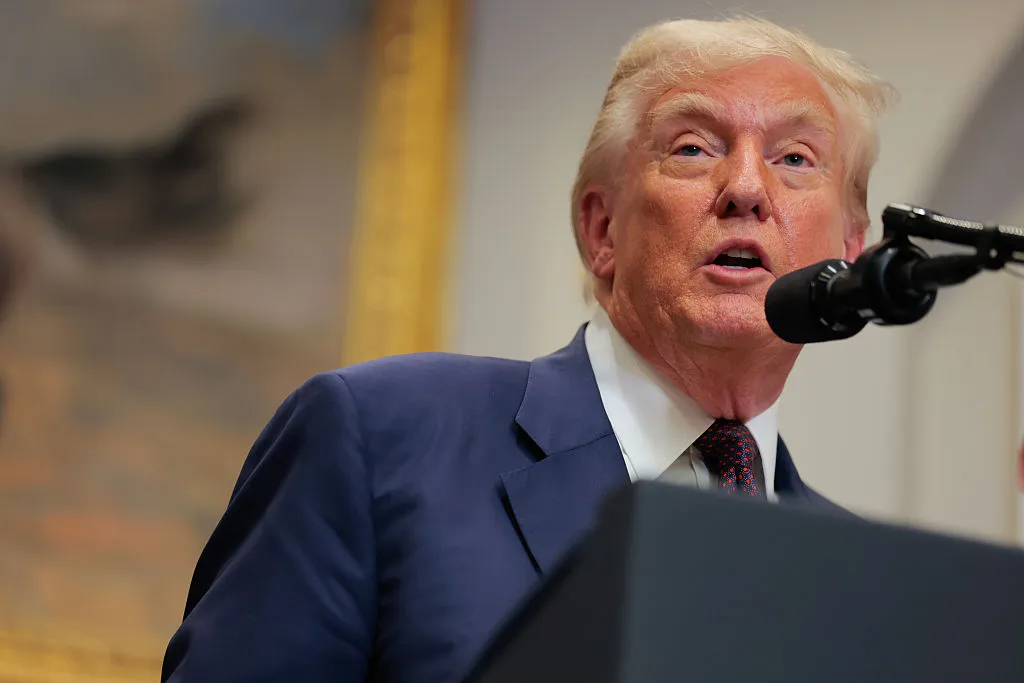
In a startling event that has once again cast a shadow over U.S. security and the fragile nature of domestic stability, Washington D.C. experienced an alarming breach at the recent White House Correspondents’ Dinner. According to authorities, the suspect, armed with multiple weapons, charged a security checkpoint and was able to bypass metal detectors, challenging the integrity of American security protocols. Surveillance footage released by former President Donald Trump shows the individual running past security barriers as agents immediately responded, drawing their weapons in a tense standoff.

The security response was swift yet chaotic, with police exchanging gunfire with the suspect, who was ultimately unharmed but transported to a hospital for evaluation. An officer from the U.S. Secret Service was struck in his vest but remained in good spirits, underscoring the seriousness of the incident while highlighting the resilience of law enforcement. Washington D.C. police chief Jeffery W. Carroll referred to the attacker as a “lone gunman,” a term reminiscent of previous terror episodes, but the incident’s broader implications extend beyond a lone act of violence. It signals ongoing vulnerabilities in U.S. national security that international allies watch with concern.

Analysts and international witnesses point out that such breaches do not occur in isolation but often serve as a mirror to the vulnerability of the global superpower. The incident comes at a time when U.S. faces mounting challenges from both internal political upheaval and external geopolitical tensions. Historically, security breaches at prominent U.S. sites have served as turning points—prompting reviews of security protocols and shifting the national discourse on safety. Many experts warn that this event could accelerate domestic debates on gun control, surveillance, and civil liberties, while also providing fresh political ammunition to critics of current policies.

The broader geopolitical impact of such incidents cannot be understated. As the world watches, these moments influence international perceptions of U.S. stability and strength. Countries like Russia, China, and Iran often interpret domestic vulnerabilities as signs of internal chaos and governmental weakness—potentially emboldening adversaries and prompting preemptive diplomacy or even aggressive posturing. The incident also raises questions about the role of international organizations and security alliances, such as NATO, in maintaining the stability of U.S. domestic security, which remains a linchpin of Western geopolitical strategy.

As historians and security analysts dissect the ripple effects, one thing remains clear: the fabric of American security, woven over decades, now faces a test. The unpredictable nature of terrorism and lone-wolf actors continues to challenge conventional security paradigms. Whether this event signals a shift toward increased domestic unrest or simply a stark reminder of vulnerabilities that require urgent action, history’s long shadow looms. The delicate balance of power, security, and civil liberty hangs in the balance, as the world bracingly observes the evolution of a nation that has long positioned itself as a beacon—yet now stands vulnerable at its gates. The unfolding pages of American history are as fragile and potent as ever, waiting for the next chapter to be written amid uncertainty and resolve.

Here’s a more moderate, youth-focused, and impactful revision of the headline:

“Behind the Scenes: How BTS Prepares to Conquer Their Challenging World Tour—Insights from Their Former Trainer”

In an era where culture has become a global currency, the phenomenon of BTS exemplifies how the modern idol industry intertwines physical endurance, aesthetic precision, and cultural symbolism. As the band prepares to launch their expansive U.S. tour, spanning at least 11 months, 80 concerts, and 34 cities, they symbolize more than mere entertainment; they represent a cultural bridge connecting traditional Korean values with the relentless demands of global pop culture. Yet, beneath the dazzling choreography and vibrant performances lies a rigorous discipline reminiscent of ancient athleticism and artistic mastery, echoing the timeless tension between art, body, and societal expectations.

Throughout history, societal giants like Ortega y Gasset and Chesterton have underscored that culture is the collective memory and identity of a people. In this contemporary context, BTS serves as a cultural icon whose physicality and aesthetic-driven routines are crafted meticulously — accounting for the demands of their industry, which treats their bodies as both temples and tools. Their intense training regimens, comparable to elite athletes, reflect the industry’s obsession with perfection and «visual symmetry», as trainer Kim Jinwoo notes. The sacrifices they make involve not merely physical tolls but an ongoing balancing act, maintaining a culturally driven harmony that resonates with audiences worldwide. In their stories of injury, recovery, and resilience, they echo the age-old narrative that culture demands sacrifice but promises renewal, much like the phoenix rising from ashes.

This obsessive pursuit of excellence also reveals a deeper, cultural truth: identity today is forged in the crucible of tradition and modernity. The performers’ dedication to—often —unreal standards of physique underscores a broader societal preoccupation with image and authenticity. As T.S. Eliot philosophized, true culture is a *”summary of the entire tradition,”* reinterpreted within the contemporary age. BTS, in their relentless quest for visual and physical perfection, embodies this ongoing dialogue between tradition’s weight and modern innovation. Just as the classical ideals of beauty and athleticism once forged identity, today’s pop idols wield their physiques as symbols of cultural power, embodying the intersection of aesthetics, discipline, and societal aspiration.

In this spectacle of modern devotion to physical and cultural excellence, we are reminded that culture is both a repository of memory and a prophecy of human potential. The resilience of performers like BTS — enduring training, injuries, and the relentless march of age — illuminates the enduring human desire: to be seen, to be remembered, and to push the boundaries of what it means to be human. They serve as living testament that beneath every performance, there lies an indomitable will to shape the future while anchoring deeply in the collective past. As we follow their journey, we are invited to consider that culture is not merely inherited; it is actively forged through sacrifice and perseverance, echoing the eternal rhythm of memory and prophecy that defines humanity’s unfolding story.

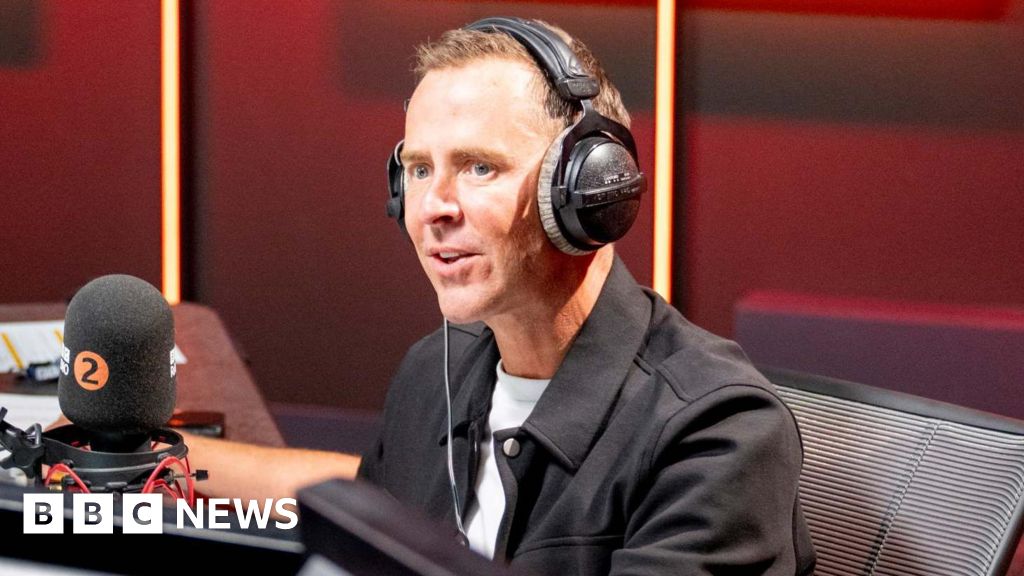
Scott Mills’ sudden departure sparks fresh controversy for the BBC, challenging their commitment to youthful programming

Recent events have once again illuminated the fragile relationship between culture and societal stability. The dismissal of Radio 2 DJ Scott Mills from the BBC, amidst allegations of misconduct, is not merely a matter of individual controversy but echoes deeper currents in the ongoing conversation about the moral fabric and character of our institutions. As Tocqueville observed centuries ago, “democratic nations are marked by a tension between the pursuit of equality and the preservation of standards that uphold social cohesion.” This tension manifests vividly when figures of cultural prominence falter, revealing the importance and vulnerability of the moral underpinnings that support societal cohesion.

In the realm of cultural production, figures like Mills, whether they serve as entertainers or ideological symbols, are more than mere entertainers—they are custodians of tradition, carriers of the collective memory, and creators of symbols that shape societal identity. The cultural moment is both a mirror and a mold, reflecting current values and simultaneously challenging or reinforcing them. As Ortega y Gasset asserted, “a nation’s culture is the upper limit of its consciousness, the language in which its ideals are clarified.” When a prominent figure falls under scrutiny, it is emblematic of a broader crisis: the erosion of social trust and the shifting standards that define our moral landscape. Such moments compel a reflection on how our cultural icons embody our shared values and aspirations, serving as both a reflection of who we are and a touchstone of what we wish to become.

Historically, cultural upheavals have often signaled a turning point in national identity. During periods of moral decay or societal dislocation, we witness a re-evaluation of what constitutes integrity and virtue in the public sphere. Chesterton, in his critique of modernity, warned against losing sight of the permanent amid the transient. Today’s discourse concerning character and conduct among our cultural figures is no different; it is a confrontation with the enduring values that anchor our civilization. The question we face is not merely about individual misconduct but about whether we uphold the foundational principles that sustain our social fabric—respect, integrity, reverence for tradition.

As we mourn the loss of a beloved figure from our cultural landscape, a poetic truth emerges: culture is both memory and prophecy. It is the voice of the ancestors, echoing through time, guiding us with lessons of perseverance and virtue. Yet, it also whispers of the future, daring us to forge anew, with conscience and conviction. For in embracing our cultural heritage, we do not only preserve history — we participate in the ongoing act of creation, weaving the narrative of human life with threads of hope, identity, and moral resolve. Ultimately, culture remains the enduring flame that illuminates the path from human memory towards the horizon of human destiny, a testament both to where we have been and what we might yet become.

Fire-damaged nursery moves 10 miles away, challenging local community dynamics

On Monday, Theale reopens its doors to 76 children, marking an initial step toward restoring normalcy in a community that has faced significant disruption. This reopening, coupled with the upcoming deployment of temporary buildings in Thatcham, underscores a broader challenge faced by local schools and their surrounding communities in adapting to recent pressures—be it population shifts, infrastructure constraints, or societal upheavals. As communities rally to support their youth, one cannot overlook the layers of social tension and systemic issues that influence educational stability and community cohesion.

The demographic shifts impacting these towns are clear. The increasing influx of families seeking housing options, often driven by economic changes or the desire for proximity to employment centers, has strained existing school capacities. Sociologists such as Dr. Emily Hartman point out that these demographic changes influence not only school enrollment numbers but also the fabric of families and communities. When schools must rapidly expand or adapt, it often means temporary measures—like the upcoming portable classrooms—that can inadvertently impact the quality of education and community morale. These challenges underscore a broader societal tension: balancing growth with the need for stability and ensuring children’s right to a consistent learning environment.

At the heart of these issues are questions of societal equity and community resilience. As local authorities prioritize rapid infrastructural responses, they highlight the importance of investing in long-term solutions—expanding permanent facilities and fostering community programs that strengthen social bonds. According to historian Dr. Robert Jenkins, such developments are pivotal in shaping societal cohesion; when educational institutions adapt proactively, they serve as anchors of stability amid societal upheaval. Conversely, inadequate responses risk deepening social stratification, especially if marginalized communities face disproportionate challenges in access and quality of education. Families, in particular, bear the weight of these shifting circumstances, often grappling with uncertainties about their children’s futures in rapidly changing environments.

This situation calls for a holistic approach—one that not only addresses physical infrastructure but also emphasizes social and emotional support systems within schools. Community leaders and educators need to work collaboratively, recognizing that the health of a society can often be measured by the strength of its youngest members’ foundational experiences. This means investing in mental health services, mentorship programs, and inclusive curricula that respect diverse backgrounds while fostering a sense of shared purpose and resilience. As history and social commentary suggest, societies that prioritize human capital development during times of change are better positioned to build enduring strength and unity.

In contemplating the challenges ahead, the story of Theale and Thatcham is emblematic of a society at a crossroads—one where rapid change can either fracture communities or serve as a catalyst for renewal. Behind every makeshift classroom and every overwhelmed corridor lies the hope of future generations who can thrive if supported by committed communities and thoughtful policies. Society’s ongoing task is to transform these pressing issues into opportunities—redefining the future not through neglect or short-term fixes, but through a shared vision of resilience, growth, and hope that endures beyond the immediate crises. In the quiet courage of parents, teachers, and community leaders, there remains a quiet promise—to nurture the light of tomorrow, even amid the shadows of today’s social challenges.

Trump admin hints it may back off from challenging state AI rules

U.S. Federal Push to Standardize AI Regulation Sparks Industry Debate

The current trajectory of artificial intelligence (AI) regulation in the United States signals a pivotal shift toward centralized oversight, with the Trump administration advocating for a unified federal standard. In a recent social media post, former President Donald Trump emphasized the necessity of moving away from a patchwork of state-level laws, calling for “one Federal Standard” to streamline AI governance. This initiative underscores a major departure from the decentralized regulatory landscape that has characterized the industry, potentially setting a precedent for how innovation will be managed at the national level.

Historically, the idea of a federal approach was rooted in the administration’s earlier legislative attempts, such as the proposed “Big Beautiful Bill,” which included a decade-long ban on state AI regulations—a measure seeking to preempt local restrictions and foster nationwide industry growth. Although this specific measure was ultimately removed by the Senate in a rare bipartisan vote (99-1), the renewed push signals an urgent effort to suppress what industry insiders see as disruptive, often inconsistent, state laws that could stifle technological innovation and market expansion. The move appears to be motivated by fear of regulatory fragmentation impeding the competitive edge of American AI firms against global rivals, particularly China and Europe, which are investing heavily in setting comprehensive AI standards.

Disruption Strategies: Litigation and Funding Leverage

According to reports from CNBC and Reuters, the administration is considering aggressive tactics to enforce federal dominance, including the drafting of an executive order that would create an AI Litigation Task Force. This body would have the authority to challenge state-level AI laws through lawsuits, potentially disrupting local jurisdictions that seek to implement their own regulations. Additionally, the executive order aimed to wield financial influence by threatening to withhold crucial federal broadband funding from states that resist federal standards, a move interpreted as a strategic effort to consolidate control over the AI ecosystem.

  • Milestones: Drafting of executive orders aimed at legal challenges
  • Tools: Federal funding leverage to influence state policies
  • Implications: Disruption of grassroots and local innovation efforts

Such aggressive measures, however, face mounting opposition within Congress and the private sector. Notably, Republican lawmakers—who previously criticized a proposed moratorium on state AI regulation—are wary of overreach and the potential stifling of regional innovation hubs. The political pushback reflects tension between fostering innovation freedom and ensuring national security and ethical standards in AI deployment. Major industry analysts, including those from Gartner, warn that such centralized control may hinder disruptive innovation in emerging AI sectors such as autonomous vehicles, biotech, and cybersecurity tools.

Business Implications and the Future Trajectory

The strategic push for federal AI regulation could reshape the American tech landscape, positioning the United States as a global leader in setting standards—yet risking environmental and entrepreneurial stagnation. Firms based in states wary of federal overreach—like California and Texas—may face increased regulatory uncertainty, potentially forcing relocations or strategic shifts in R&D investments. Behind the scenes, industry giants like OpenAI and Tesla are closely monitoring the legislative environment, knowing that heavy-handed regulation could either hinder innovation or provide clarity that accelerates deployment and commercialization of breakthrough AI products.

The trajectory of AI regulation in the U.S. is emblematic of the broader disruption the industry faces—balancing top-down governance with bottom-up innovation. As political actors and industry leaders scramble to define the rules of the game, the collective impact will determine whether America maintains its technological dominance or surrenders ground to more agile, less regulated competitors. Forward-looking executives, investors, and technologists should be prepared for rapid shifts, driven by policy decisions that could either catalyze or constrain the next wave of AI breakthroughs. With technology advancing at breakneck speed, the window for strategic positioning is narrow, making the next few months critical for shaping the future of AI governance and its business implications.

Challenging the Norms: How ‘Mom Style’ is Powering a New Generation of Trendsetters

In the ever-evolving landscape of fashion, one of the most striking cultural shifts emerging today is how motherhood is reshaping the idea of “cool mom style”. Traditionally, society has viewed motherhood as a point where personal style takes a backseat, often replaced by clichés of frumpiness or sacrificing one’s identity for the sake of the family. Yet, recent trends, amplified by influential voices like Jennifer Lawrence and Rihanna, are challenging this notion—elevating motherhood from a stereotype of restraint to a powerful statement of identity and self-expression. The rise of what some call a “postpartum-forward” fashion ethos signals a broader cultural shift, one that centers on autonomy, experimentation, and even rebellion in how women present themselves after welcoming children into their lives.

  • The “momboy style” trend, coined by fashion insiders like The Cut, epitomizes this movement. With its mixture of tomboyish silhouettes, graphic T-shirts, and relaxed fits, it signifies a deliberate departure from the ultra-feminine ideals historically associated with motherhood. Women like Jennifer Lawrence and artists such as Beyoncé are embracing and showcasing their multi-dimensional identities—blurring conventional lines of femininity while asserting that parenting and style are not mutually exclusive.
  • This phenomenon also signifies the broadening of cultural representations. Sunny Shokrae, a Brooklyn-based photographer and mother, points out that the media’s portrayal of mothers has expanded, allowing women to take more liberties with their style without fear of judgment. From the CFDA awards to street-level interactions, women are making a statement: their fashion choices are directly tied to their life experiences, including motherhood, and should reflect that complexity rather than conform to outdated notions of decorum.

At its core, this trend is about more than just clothes; it’s about the social relevance of reclaiming identity. The once dominant narrative that motherhood inevitably diminishes a woman’s independence and style is being upended by a new generation of women who view dressing as a form of empowerment. Fashion analysts and sociologists highlight that these shifts are fueled by a desire to express agency and individuality amidst the chaos of early parenthood. Zoe Latta, of Eckhaus Latta, emphasizes that her evolving relationship with her changing body has led her to be less invested in traditional styles and more open to experimentation, illustrating a cultural appetite for embracing fluidity and personal reinvention.

Rihanna in postpartum-forward fashion
Rihanna’s ‘postpartum forward’ Alaïa suit exemplifies this new confident approach to motherhood and fashion.

Beyond individual choice, this movement underscores a larger societal dialogue about the social relevance of female self-reliance and the importance of reshaping cultural narratives around motherhood. Icons like Adwoa Aboah and Simone Rocha are standing at the forefront, pushing boundaries with hoodies, asymmetric outfits, and jewelry-infused Crocs—challenging not just fashion stereotypes but societal expectations. This evolution asks a pressing question: as more women redefine their identity post-motherhood, what does the future hold for the cultural standards of femininity? Are we headed toward a landscape where authenticity and self-expression become the new markers of style for women everywhere, regardless of their stage in life? The next big question for youth and society is whether this wave will catalyze a lasting shift—one that not only transforms closets but also redefines the social fabric of gender and identity itself.

Guardian Critics Share Their Most Challenging Films: A Youthful Perspective on the Stressful Side of Cinema

At the heart of culture lies an unbreakable thread that weaves together identity, tradition, and the fabric of society itself. From the grandeur of classical art to the visceral immediacy of contemporary cinema, cultural artifacts serve as both mirrors and prophecies—illuminating who we are and hinting at who we might become. The films discussed above—ranging from psychological thrillers to biting social commentaries—demonstrate that our cinematic choices are not mere entertainment but vital expressions of our collective consciousness. They echo the philosophical observations of Ortega y Gasset, who believed that *”Man is the measure of all things,”* emphasizing that our cultural pursuits reveal the contours of our soul and the values we uphold.

Take, for example, the visceral intensity of Fall. This psychological thriller, with its breathtaking portrayal of human courage and fear, underscores that the confrontation with our limits is a quintessential human endeavor. In the film, the act of climbing a decommissioned tower becomes a metaphor—a daring ascent into the depths of one’s psyche and resilience. Such stories remind us that the pursuit of challenge and danger is intertwined with the human spirit’s quest for meaning. Films like these serve as echoes of a tradition that celebrates daring, endurance, and the rediscovery of self in adversity, reinforcing the belief that our culture’s greatest stories are about the human capacity to confront and triumph over chaos.

Equally powerful is Gaslight, a film that has transcended its theatrical origins to give us the modern idiom of emotional manipulation. The villain Gregory’s slow erosion of Paula’s sanity symbolizes the cultural awareness of psychological abuse and societal power dynamics. This cinematic masterpiece reminds us that the resilience of the human mind—embodied in Bergman’s electrical performance—remains a vital pillar of societal stability. As Tocqueville observed about democratic societies, the vigilance of individuals against tyranny—be it political, social, or psychological—is the foundation upon which free societies are built. Films like Gaslight serve as cultural warnings, shaping our moral consciousness and guiding us in recognizing and resisting the insidious erosion of truth and integrity, both within and beyond the personal realm.

Within this tapestry of dark and demanding stories, we find The Vanishing, a haunting reflection on loss and the unanswerable questions that haunt human existence. Its capacity to induce profound trauma underscores the importance of narrative as a vessel of collective memory. As Chesterton noted, “Poetry will remind us that life is real, that reality is strange,” and cinema—particularly thrillers like Sluizer’s masterwork—becomes an arena where reality’s strangeness manifests, forcing viewers to grapple with the abyss. This confrontation is not nihilistic but affirming: it illuminates the depths of human vulnerability and the enduring hope that, even in our darkest moments, we bear the capacity for remembrance and renewal.

Ultimately, these films demonstrate that culture is neither static nor purposeless. It is memorial and prophetic: a record of humanity’s collective memory and a guidepost for its future. As we navigate a world increasingly defined by chaos and instant gratification, cinema remains a vital cultural language—a language that speaks, warns, and inspires. The lessons embedded within these stories remind us that the essence of culture is the eternal dialogue between memory and prophecy, echoing through the ages and shaping the destiny of human society. For in the grand theater of history, we are both the spectators and the playwrights, crafting a narrative that is at once a reflection of what was and a prophecy of what is yet to come—a testament to the enduring resilience of the human spirit, written in images, in stories, and in the collective memory of humanity itself.

Drake’s Lawsuit Challenging Kendrick Lamar Diss Track ‘Not Like Us’ Officially Dismissed

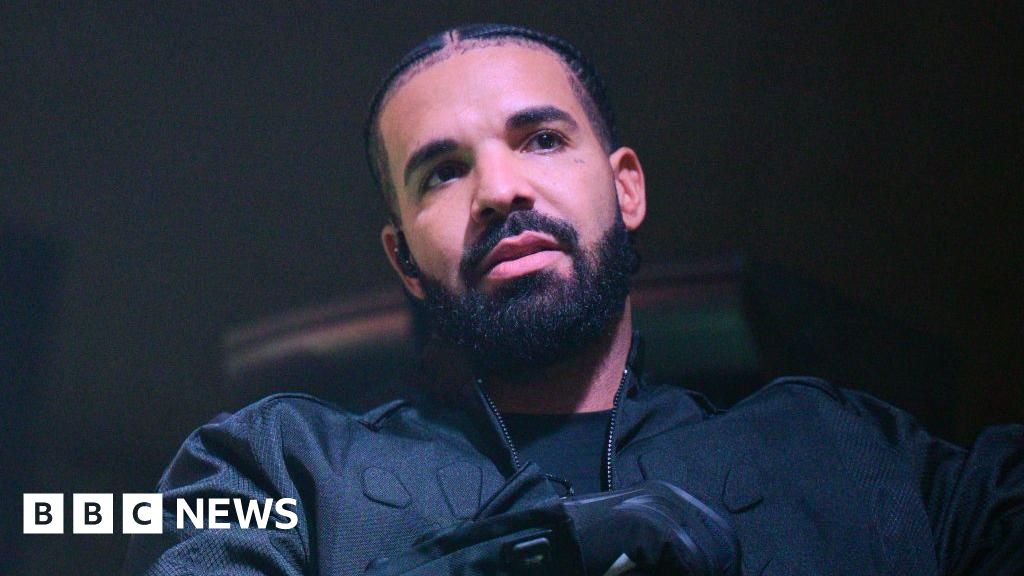
In the ongoing saga of modern rap, the recent legal battle between Drake and Kendrick Lamar underscores a broader cultural pivot that is noteworthy for anyone who values the strength of tradition, the integrity of artistic expression, and the societal importance of cultural memory. The dispute, which culminated in a decisive judge’s ruling dismissing Drake’s defamation lawsuit against Universal Music Group over Lamar’s provocative track Not Like Us, exemplifies how contemporary artists are navigating the treacherous waters of free speech, fame, and societal expectation. It isn’t merely a personal squabble; it is a reflection of a deeper, ideological contest about what constitutes truth, honor, and the moral fabric of society—topics that thinkers like Ortega y Gasset would suggest are at the core of how culture sustains the collective identity.

“The artists’ seven-track rap battle was a ‘war of words’ that was a ‘most infamous in the genre’s history,’”

the judge noted, illustrating the intense scrutiny and media frenzy surrounding the feud. This courtroom verdict hinges on the fundamental distinction between *opinion* and *fact*, a topic that philosophers and legal theorists like Tocqueville have long explored. The judge deemed Lamar’s lyrics, even if incendiary and offensive, as *nonactionable opinion*, emphasizing that in the realm of cultural expression, hyperbole, metaphor, and rhetoric often serve as the mediums through which artists explore societal truths rather than literal accusations. Lamar’s Not Like Us not only became the most-talked-about moment of his Super Bowl halftime show but also symbolized a cultural landmark, reminding us how art functions both as *memory* and *prophecy* — tools to preserve the past and challenge the future simultaneously.

The case also highlights the dangerous trend of institutional overreach into artistic discourse—an affront to artists, as UMG’s spokesperson articulated—placing full reliance on the courts to police creative language. The claim that Lamar’s lyrics perpetuated false allegations about Drake, without recognizing the altamente stylized nature of rap, reveals a misunderstanding of music’s purpose as a form of symbolic rebellion. It echoes Chesterton’s assertion that true liberty in art is rooted in the poetic license that allows creators to speak powerfully, if provocatively, in the service of societal reflection. Lamar’s lyrics, laden with hyperbole and incendiary epithets, serve as a cultural mirror—a reflection of a social landscape saturated with scandal, hyperbole, and the mythos that undergird the rap genre’s identity.

As we examine this controversy through a cultural lens, it becomes clear that the battle extends beyond the courtroom into the very heart of what society values. It challenges the public to reconsider the role of truth in art—whether it is to be measured by accuracy or by its capacity to provoke thought. Lamar’s performance at the Super Bowl and the lyrical warscape it encapsulated are emblematic of the enduring power of artistic tradition, which must be protected to preserve the societal fabric against the encroachments of censorship. Ultimately, culture—like memory—serves as a repository of human strength, resilience, and hope, threading the past with visions of the future. It whispers a timeless truth: that humanity’s most profound acts of creation are both echoes of what was and visions of what might yet come, urging us forward into a future where the soul remains unbowed by the hand of repression, ever vibrant in its pursuit of meaning and harmony.

Revolut targets Indian banks’ ‘criminal’ forex fees, challenging the old guard

Revolut Ignites Fintech Disruption in India’s Cross-Border Payments Market

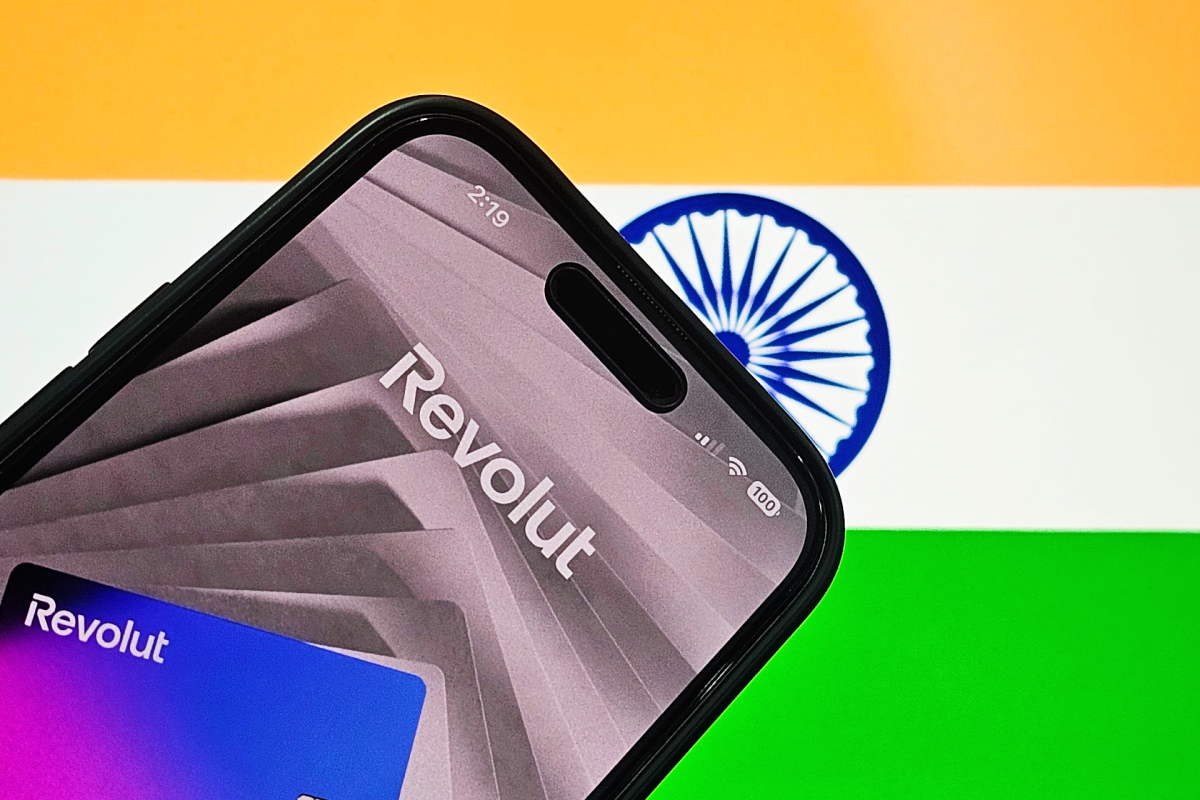
In a bold move to reshape India’s underserved cross-border payments landscape, British fintech powerhouse Revolut has officially launched operations in the country, aiming to capitalize on a $30 billion annual flow of Indian abroad. The company’s strategic entry underscores a significant industry shift driven by innovation and regulatory agility, positioning it to challenge deeply entrenched banking giants and local fintech rivals.

Since announcing its India plans in 2021, Revolut has diligently secured key regulatory licenses, including the full authorization from the Reserve Bank of India to issue prepaid cards and digital wallets, and has acquired local entities like Arvog Forex to solidify its foothold. These milestones mark a deliberate disruption of traditional banking models that have historically dominated foreign exchange services, often charging exorbitant fees that Revolut’s India Head, Paroma Chatterjee, aptly describes as “criminal.” With these permits, Revolut can now offer domestic and international payment services, including same-day remittances, positioning itself as a formidable player in a market where cross-border fees are often perceived as predatory.

The implications extend beyond mere fee reduction; Revolut’s innovative platform leverages multi-currency accounts, digital wallets, and local network integrations, including discussions with payments networks like Visa and India’s RuPay. By doing so, the company aims to deliver a superior customer experience—an essential factor highlighted by industry analysts such as Gartner—that directly threatens traditional banks’ monopolistic hold on currency exchange and remittance services. The disruption here signals the dawn of a new fintech era, where transparency, usability, and regulation enable faster, cheaper international transactions.

Business Strategy and Market Outlook

Revolut’s vision centers on targeting over 150 million digitally native Indians aged 25–45, with a stretch goal to onboard 20 million users by 2030 and process upward of $7 billion in transactions. This strategic focus reflects a broader industry trend where digital-first financial services prioritize highly engaged, profitable customer segments rather than sheer volume. Chatterjee emphasizes that “customer engagement and profitability are the metrics that will define success,” a viewpoint shared among leading fintech innovators like Peter Thiel, who advocate for sustainable, value-driven growth over vanity metrics.

Furthermore, Revolut’s current waitlist of more than 350,000 potential Indian users underscores the latent demand for alternative, more affordable cross-border solutions. The company’s flexible network approach, including exploring local payment options such as RuPay, underscores its commitment to capturing market share in a competitive environment populated by established fintech players like Niyo and BookMyForex. This demonstrates an understanding that strategic partnerships and local inclusion are essential for long-term viability in India’s complex regulatory and consumer landscape.

Future Outlook and Industry Impact

The rapid digital transformation reshaping financial services calls for aggressive innovation, a trend further accelerated by the rise of fintech startups globally. As industry leaders and investors watch closely, Revolut’s expansion into India exemplifies a broader disruption that could permanently alter the way cross-border payments are handled worldwide. With its proactive investment of over $45 million to localize operations and a burgeoning team of 3,500 employees in India, Revolut signals a breakaway from the traditional banking approach.

Looking ahead, the industry faces a critical juncture where regulatory evolution, technological innovation, and fierce competition will determine which players can claim dominance in the next generation of financial services. As Elon Musk and other visionaries continuously push the boundaries of digital disruption, the message is clear: the days of slow, fee-laden international transactions are numbered. For fintech firms and traditional banks alike, the clock is ticking—those who fail to innovate risk obsolescence in a rapidly shifting global landscape.

Social Media Auto Publish Powered By : XYZScripts.com