Matox News

Truth Over Trends, always!

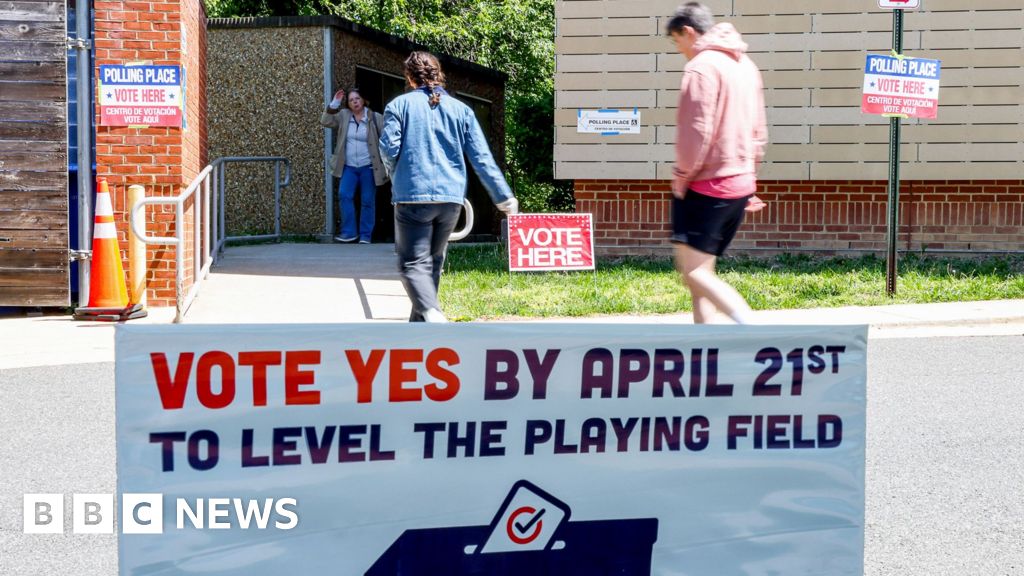
Virginia's redistricting boosts Democrats' chances in upcoming midterms
Virginia’s redistricting boosts Democrats’ chances in upcoming midterms

U.S. Midterm Elections: A Crucial Crossroads in Global Geopolitics

The upcoming midterm elections in the United States are shaping up to be a pivotal moment not only for American domestic policy but also for international stability. Historically, the party of the sitting president tends to lose seats during these elections, a pattern rooted in political fatigue and public desire for change. However, the ramifications extend far beyond American shores—these elections could significantly alter the geopolitical landscape, especially considering the current administration’s stance on foreign policy issues. If the Democratic Party manages to maintain or expand its congressional control in November, it will be a contentious blow to the agenda of former President Donald Trump and his allies, whose influence and policies have profoundly shaped recent U.S. foreign relations.

Implications for U.S. Domestic and Global Policy

If the Democrats succeed in the upcoming vote, the political stakes could escalate dramatically, with the potential for increased congressional investigations into the Trump administration. As analyst Jane Saunders notes, such investigations would not only distract from national priorities but could undermine efforts to navigate complex international alliances and treaties. The political shift may also impact the U.S. stance toward China and Russia, with predictions indicating a possible retrenchment on confrontational policies favored by the Republicans. Conversely, a Republican gain might embolden a more aggressive foreign policy posture, potentially triggering a new round of geopolitical brinkmanship.

Global Institutions and Shifting Alliances

International organizations are watching these elections closely, knowing that a shift in Congress might lead to renegotiations or even withdrawal from key international commitments. As the International Institute for Strategic Studies warns, the stability of the current global order hinges on U.S. leadership. Should the Democrats gain dominance, it could signal a renewed focus on multilateral cooperation. Conversely, a Republican resurgence might propel the U.S. toward a more unilateral approach, risking a ripple effect that threatens existing international agreements and regional stability, particularly in volatile regions like the Middle East and Eastern Europe. These decisions and their outcomes will likely influence the speed and tone of future international diplomacy.

The Weight of History and the Future Unfolding

Historians and geopolitical analysts emphasize that these elections are more than a local political event—they are a turning point with consequences resonating across global societies. As Professor Mark Williams from Oxford eloquently states, “Every election bears a blueprint for future international relations, and the stakes are no different this November.” How Nations respond and adapt to these shifts will determine whether the world steps toward stability or descends into further chaos. In this critical moment, the weight of history presses heavily upon the shoulders of emerging leaders, reminding all that the decisions made today are shaping the course of history itself—an unfolding narrative in which the stakes are nothing less than the future of global civilization.
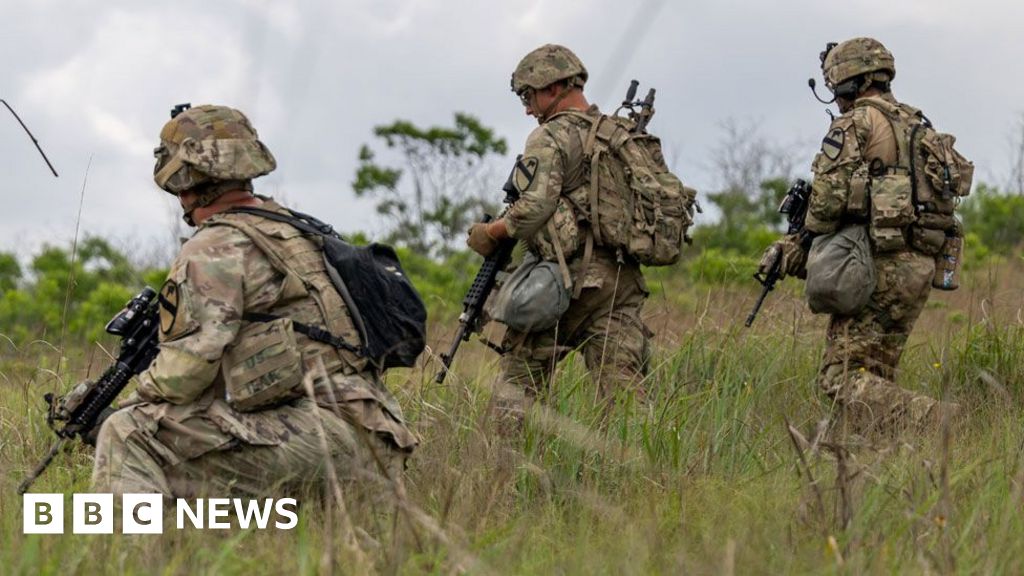

Trump questions chances of U.S. going to war with Venezuela

America’s Geopolitical Push in Latin America: A New Chapter Unfolds

In an era defined by shifting alliances and renewed military posturing, the United States under President Donald Trump reasserts its influence over Latin America with a series of provocative moves centered on Venezuela. From cautious diplomacy to overt military displays, Washington’s actions are stirring a hornet’s nest, with profound geopolitical impact that could reshuffle the regional balance of power and challenge long-standing norms of sovereignty.

For months, the US has been amassing a formidable military presence in the Caribbean Sea, deploying warships, fighter jets, bombers like the B-52, and even contemplating nuclear testing—an escalation that analysts warn could destabilize the entire hemisphere. While the White House publicly denies plans for an invasion, President Trump’s rhetoric suggests a readiness for wider confrontation, with hints at possible “strikes on land” and the deployment of the world’s largest aircraft carrier. Such signals are loud and clear, with many experts, including international security analysts, warning that these actions are less about narcotics enforcement and more about regime change aimed at ousting Maduro.

This aggressive stance is perceived by many as an attempt to dominate Latin America’s political landscape—an initiative criticized by regional leaders like Colombian Gustavo Petro, who accuses Washington of “fabricating a new war.” Meanwhile, Venezuela’s government, led by Maduro, vehemently opposes what it calls a “US-led conspiracy,” framing recent US military demonstrations as an effort to destabilize and exert dominance over the struggling nation and its resource-rich territory. This scenario echoes the historical interventions that have marked the US’s approach to the Americas—decisions which, according to many historians, have often left scars of division and chaos.

Diplomatic Dilemmas and Rising Tensions

President Trump’s remarks during interviews with CBS revealed an unpredictable calculus—suggesting the US might pursue further aggressive actions yet also emphasizing ambiguity. While he dismissed persistent suggestions of a direct war, the deployment of long-range bombers and the authorization of the CIA presence signal a readiness to escalate. Such moves risk igniting regional conflict and draw international criticism rooted in the principles of sovereignty and peace. Scholars like Dr. Emma Johnson, a geopolitical analyst at the International Crisis Group, warn that this renewed brinkmanship threatens to undermine stability, pushing Latin America into a new “Cold War”-like environment where superpowers compete for influence on a new, dangerous frontier.

However, this escalation occurs against the backdrop of a broader global picture—rising tensions with Russia and China, both of whom are seeking to expand their own spheres of influence and challenge US dominance. For these nations, Latin America has become a strategic chessboard, and the US’s assertive posture may provoke responses that further complicate international relations. The potential for miscalculation increases as regional actors navigate between resisting external pressure and maintaining their sovereignty.

Decisive Moments and the Weight of History

As President Trump hints at resuming nuclear testing—an act that would defy decades of arms control agreements—the international community faces a sobering reminder of how quickly the balance of power can shift, with history often repeating itself in cycles of confrontation and reconciliation. The upcoming weeks may prove pivotal as diplomatic negotiations falter and military assets remain on high alert. The decisions made today will echo through the corridors of history, shaping the fate of nations and societies that have long stood on the edge of a new confrontation.

In this turbulent chapter of geopolitics, the global stage is set for a confrontation whose consequences could redefine the boundaries of international peace and power for generations. As the world watches nervously, the unfolding story leaves one inescapable conclusion: history is once again being written in a language of tension, tests of will, and the enduring quest for dominance. The question remains—will this chapter end in chaos or in a new understanding of power, diplomacy, and regional independence?

Social Media Auto Publish Powered By : XYZScripts.com


