Matox News

Truth Over Trends, always!

El Salvador starts major trial for 486 suspected gang members—standing up against crime and chaos

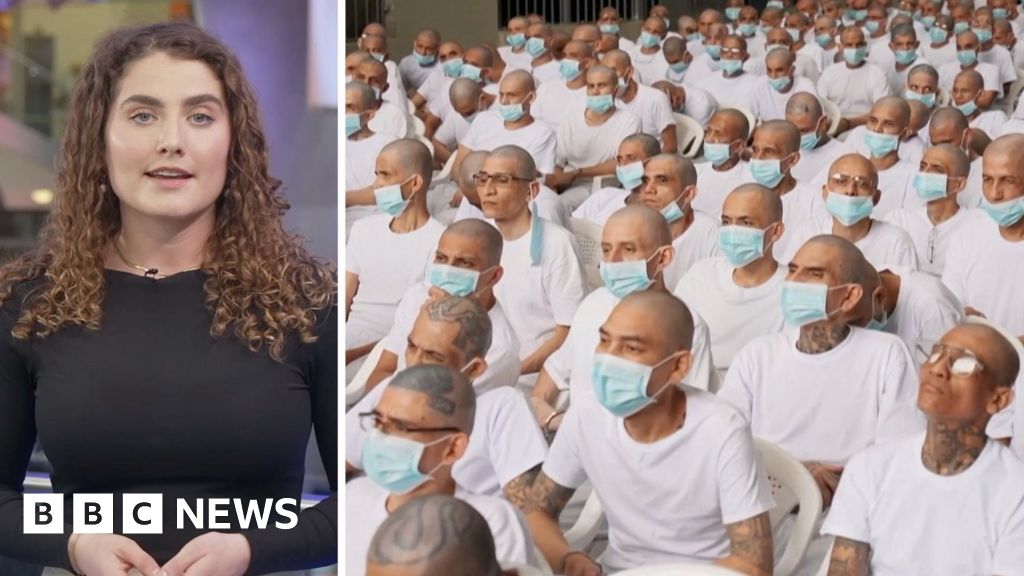
In a decisive move that underscores El Salvador’s relentless campaign against organized crime, the country’s authorities have initiated a mass trial involving 486 suspected members of the MS-13 gang. This unprecedented judicial effort marks a pivotal chapter in the nation’s ongoing struggle to reclaim stability and safety amidst years of violence and criminal dominance. The attorney general’s office revealed that the accused collectively stand accused of over 47,000 crimes spanning a decade—including murder, extortion, drug trafficking, and arms smuggling—highlighting the brutal scale of the gang’s influence within the country.

Footage from the trial, broadcast via video link, shows large groups of detainees in prison, illustrating the size and scope of law enforcement efforts. *Such mass proceedings, however, raise *serious concerns among international observers and human rights advocates.* The United Nations experts have criticized these tactics, asserting that mass trials “undermine the exercise of the right to defence and the presumption of innocence of detainees.” This critique points to a broader debate: can swift, severe justice truly justify the potential erosion of fundamental rights? El Salvador’s government remains resolute, asserting that they possess “compelling” evidence capable of imposing “maximum penalties” on those convicted, emphasizing their commitment to justice over international criticism.

Historically, the push for aggressive anti-gang measures in **El Salvador** reflects a wider ideological shift within parts of the global south—favoring tough-on-crime policies that prioritize security over process. Analysts argue that the Salvadoran government’s approach is a response to the failure of softer policies and a recognition that criminal corporations like MS-13 wield significant socio-economic power that can only be countered with assertive action. Nevertheless, critics warn that such strategies risk setting dangerous legal precedents, potentially sacrificing due process for short-term security gains. The United Nations and numerous human rights organizations highlight the danger of overlooking civil liberties in the pursuit of order, arguing that the long-term social costs of undermining legal safeguards could prove disastrous.

  • El Salvador’s government defends its crackdown as essential in dismantling deeply entrenched criminal networks that threaten civil order.
  • International bodies express concern over the fairness and legality of mass trials, cautioning against setting a precedent that could be exploited elsewhere.
  • The global perception of **El Salvador** as a nation willing to sacrifice constitutional protections raises profound questions about the balance between security and liberty.

As global analysts analyze this turbulent chapter—where justice and human rights seem to collide—the situation underscores a broader geopolitical impact: increasingly, **Latin American** nations and others plagued by similar crises are contending with the limits of sovereignty versus international standards. The actions of **El Salvador** are watched carefully, not just for the immediate results but for what they portend for the future of law and order in fragile democracies. With international organizations sharpening their critiques and rights groups mobilizing, the specter of a new paradigm—one where security trumps process—looms large. In this intensity, history remains unwritten, edging toward an uncertain future, as **El Salvador**’s government transforms its response into a test case with implications for the entire Western Hemisphere.

Sudan’s war erupts in relentless waves—trapped reporter’s phone reveals three years of chaos

As the conflict enters its fourth year, international stability remains precarious, with the echoes of destruction cast across multiple continents stirring concerns among global leaders and analysts alike. Journalist Mohamed Suleiman’s somber reflection underscores a sobering reality: the toll on human life, economic stability, and geopolitical balance has been profound. This prolonged struggle exemplifies how regional conflicts, when left unchecked, can spiral into wider crises, impacting international relations and global security architectures.

Among the most significant geopolitical shifts in recent years has been the turbulent reshaping of alliances and power centers. Russia and China have capitalized on moments of Western distraction, consolidating influence in regions historically aligned with Western democracies. Meanwhile, U.S. and European allies grapple with the fallout—both economic and strategic—of extended conflicts. Experts, including noted geopolitical analysts and think tanks like the International Crisis Group, warn that these shifts threaten to undermine post-World War II stability frameworks, paving the way for new spheres of influence and regional hegemony.

At the core of these diverging trajectories is the struggle over legitimacy and sovereignty. The recent treaty negotiations and ceasefire agreements, often touted as diplomatic breakthroughs, have frequently proved fragile or superficial. Historians of conflict note that peace agreements, if not backed by genuine change, risk merely postponing violence rather than resolving underlying issues. The international community, through agencies such as the United Nations, remains divided on how to foster sustainable peace, exposing the limits of diplomatic institutions when faced with entrenched national interests. As war-worn societies endure, the social fabric is frayed, and the future of governance across affected nations hangs in the balance—raising troubling questions about the sustainability of global order.

The consequences of these decisions extend beyond borders, affecting millions of ordinary citizens caught in the crossfire. Economic sanctions, displacement, and disrupted trade are creating ripple effects that threaten to destabilize global markets. Analysts warn that if current trends persist, there could be a rise in political extremism and a breakdown of international cooperation—threatening a cycle of conflict that could last generations. It is within this volatile context that the ongoing struggle for peace, sovereignty, and regional dominance tests the resilience of nations and the resolve of international institutions in shaping the course of history.

As history presses forward, the question remains whether diplomats and leaders can transcend their immediate interests to forge a path toward lasting stability. The world watches with a mixture of hope and trepidation, knowing that the decisions made today will echo through the ages. In the unfolding narrative of this century, the silent echoes of war and diplomacy will determine whether this chapter is remembered as a cautionary tale or a turning point that redefined the future.

Australia and EU strike major trade deal amid global chaos

Australia and the EU Forge Landmark Trade and Security Agreements

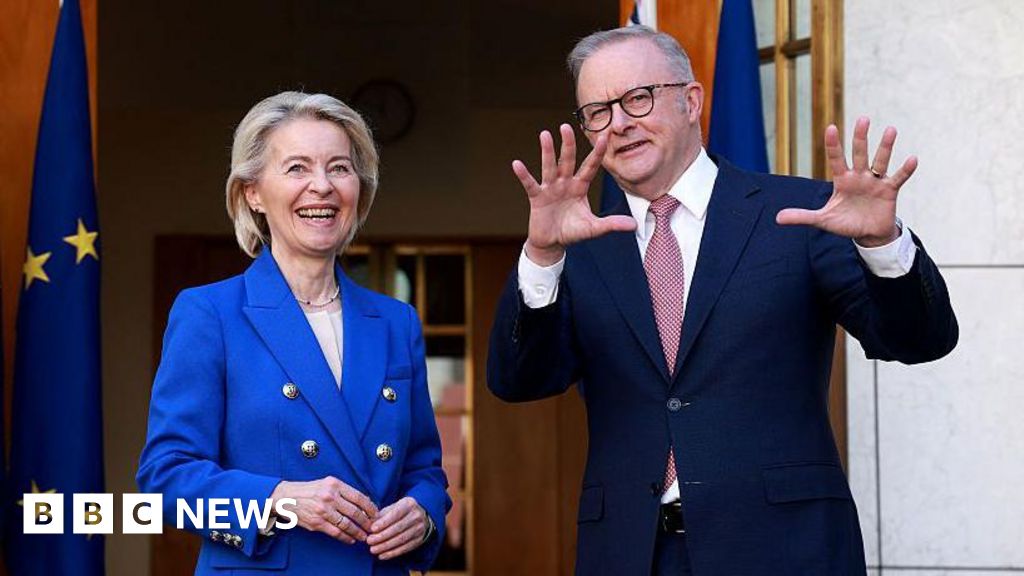
In a decisive move that echoes across the global political landscape, Australia and the European Union have officially signed a comprehensive suite of trade and security agreements, marking a pivotal chapter in their diplomatic histories. After years of intense negotiations characterized by shifting alliances and strategic recalibrations, the two centers of influence are now forging deeper economic and geopolitical ties that could significantly alter the power dynamics in the Indo-Pacific and Europe. This development is widely regarded by analysts and international observers as a clear signal of both parties’ intent to bolster sovereignty and resilience amid growing global uncertainties.

The agreements, described as “the most sweeping” multilayered accords to date, encompass wide-ranging provisions in trade liberalization, digital cooperation, defense collaboration, and strategic infrastructure development. The EU’s representatives emphasize that these accords will strengthen the economic independence of Australia from traditional alliances while advancing Europe’s strategic footprint in the Asia-Pacific. For Australia, they symbolize a reaffirmation of independence from external economic dependencies, especially amid concerns over China’s rising assertiveness in the region—a subject often highlighted by geopolitical analysts such as those at the International Institute for Strategic Studies.

  • The trade component reduces tariffs, streamlines customs procedures, and expands access for Australian agricultural goods in European markets.
  • The security dimension involves increased intelligence sharing, joint military exercises, and a mutual commitment to countering terrorism and cyber threats.
  • Strategically, the agreements establish a framework for coordinated diplomacy addressing issues from regional stability to climate change, reflecting a more assertive European stance outside its traditional sphere.

This new alliance is more than just economic pragmatism; it signifies a conscious pivot by both parties toward a more autonomous, multi-vector global strategy. Experts suggest that these deals are a response to the shifting U.S.–China rivalry, with Europe seeking to diversify its trade partnerships and Australia aiming to protect its national interests amidst an increasingly volatile Indo-Pacific. International organizations such as the World Trade Organization and regional security forums have already begun analyzing the broader geopolitical impact: a potential reduction in dependence on traditional allies and a move towards a multipolar international order.

From a historical perspective, this signing marks a significant evolution in global diplomacy. Analysts like Dr. Emily Carter of the Global Policy Institute point out that these agreements reflect a broader trend in the 21st century: nations increasingly seeking to forge independent paths, shaping alliances that are flexible and resilient against the unpredictable tides of international politics. Significantly, this evolution signals to other countries—especially emerging powers and middle nations—that economic and security sovereignty are now central to national strategy. Europe’s strategic realignment and Australia’s intent to diversify their global partnerships underscore a fundamental shift in how nations seek to secure their futures in a world where traditional bonds are often tested.

As global actors recalibrate their strategies, the decisions taken today will have lasting repercussions for generations. The ink is barely dry on these historic agreements, yet their impact resonates far beyond the economic corridors and military command centers—embedded in the fabric of global history still being written. The world stands at a crossroads, with the unfolding narrative of these alliances promising either increased stability and prosperity or a tense tug-of-war for influence that could redefine the very essence of sovereignty. The weight of history presses heavy, reminding us that in the shifting sands of geopolitics, each decision bears the power to shape the destiny of nations—and perhaps, the future of the world itself.

South Africans warn: Criminal gangs capitalizing on water crisis to sow chaos

In recent weeks, residents across several regions have endured a persistent water crisis, with many communities subjected to prolonged mains water outages. This crisis, while localized in origin, has broader implications that resonate across international borders, highlighting underlying vulnerabilities in infrastructure, governance, and resource management. As local authorities grapple with mounting challenges, global observers, including analysts from the United Nations and renowned historians, underscore the crisis’s potential to destabilize social cohesion and economic stability in affected nations.

The disruptions have not been isolated incidents but have become symptomatic of deeper systemic issues. Cities and rural communities alike report weeks without access to reliable mains water supplies, forcing residents to depend on costly alternatives or face dire shortages. Experts warn that such deficiencies, especially when prolonged, can lead to public health crises and diminish the quality of life, fueling unrest and skepticism about government capabilities. Some analysts suggest that these shortcomings are symptomatic of a broader neglect of essential infrastructure, compounded by recent political turmoil and inadequate investment.

This unfolding crisis has catalyzed a wider geopolitical impact: nations are increasingly questioning their resilience and strategic independence. The European Union, for example, has issued calls for improved water resource management amidst these crises, emphasizing the need for regional cooperation. Meanwhile, international organizations warn that failure to address infrastructure vulnerabilities could exacerbate existing tensions, especially in areas where water scarcity intersects with disputes over transboundary resources. As China and India face their own water stress challenges, the global watch on such crises intensifies, illustrating how interconnected resource security has become in the 21st century.

Historians and policy analysts observe that this crisis might serve as a wake-up call for the international community. Many argue that the failure to preemptively address infrastructure deficiencies not only threatens public well-being but also emboldens geopolitical rivals. The World Bank and other development agencies have called for urgent reforms, yet the political will remains inconsistent. As communities endure these hardships and governments scramble to find solutions, the narrative remains clear: decisions made today will significantly shape the contours of future international stability. Water scarcity, a fundamental axis of human survival, once again proves its capacity to influence the destiny of nations.

In the face of mounting pressures and incomplete resolutions, the global community stands at a pivotal crossroads. The silent threat of widespread water shortages is no longer a distant worry but a present danger that could redefine geopolitical alliances and societal resilience for generations to come. As this story unfolds, history continues to be written, with each decision carrying the weight to either secure or condemn future generations to turmoil. The question remains: how long will humanity delay confronting this urgent crisis before its consequences become irreversible?

Antonio Gracias rallies for ‘proentropic’ startups—designed to thrive in chaos

Emerging Paradigms in AI-Driven Disruption: The Rise of Proentropic Startups

As the artificial intelligence revolution accelerates, a new term is gaining prominence among forward-thinking investors and entrepreneurs: proentropic. Coined by Antonio Gracias, founder of Valor Equity Partners, the term describes startups that not only survive but thrive amid chaos and disruption. Rooted in physics—where entropy reflects disorder—proentropic businesses are designed to adapt and capitalize on the unpredictable shifts fueled by geopolitical upheaval, climate volatility, and rapid technological change.

Gracias articulated this concept during his keynote at the Upfront Summit in Los Angeles, emphasizing that these companies possess a probabilistic mindset—one that anticipates edge cases and embraces uncertainty. Companies like SpaceX exemplify this approach, strategically positioning themselves to navigate an increasingly turbulent global landscape. As technological ecosystems become more interconnected, this mindset is provocatively disrupting traditional market models, forcing established firms to rethink agility as fundamental to long-term survival.

Innovation and Disruption in the Age of Chaos

The shift toward chaos-enabled innovation is fueling a wave of groundbreaking developments across sectors. Tesla, for example, shows how integrating software and hardware with minimal compute resources can yield extraordinary results—an approach Gracias advocates for. According to industry analysts like Gartner, the next wave of technological disruption will be driven by AI, hardware convergence, and decentralized innovation platforms. This convergence means that startups leveraging low-code/no-code tools could democratize entrepreneurship, unleashing unprecedented productivity and market dynamism.

Moreover, Gracias highlights a fundamental shift in macroeconomic strategy—one rooted in moral courage, where businesses must operate with a clear vision of building a better, resilient future. This outlook challenges the narrative that AI spells doom for jobs or social stability; instead, he advocates for leveraging AI’s potential to foster societal advancement. As pioneers like Elon Musk and institutions like MIT emphasize, innovation at the intersection of climate, energy, and hardware will be central to this new paradigm, providing both disruptive opportunities and formidable challenges.

Business Implications and the Future Outlook

  • Investors are increasingly seeking firms that embody proentropic principles, focusing on resilience, adaptability, and probabilistic thinking.
  • The rise of low-code/no-code platforms promises to revolutionize startup ecosystems, reducing barriers to innovation and leveling the competitive landscape.
  • Technological and geopolitical unpredictability is prompting a fundamental reevaluation of risk management, urging companies to develop dynamic, edge-aware strategies.

Looking ahead, the trajectory suggests we stand at a crossroads—where the difference between utopia and dystopia hinges on our capacity to harness AI’s disruptive power responsibly. The urgency is palpable: as Gracias notes, the coming decade will test whether businesses and society can adapt proactively or succumb to disorder. Disruptive innovation will not just be a feature of the future; it will be the defining principle shaping how economies, societies, and power structures evolve. The clock is ticking, and those who understand and embrace the principles of the proentropic era will lead the charge into a new age of technological sovereignty and resilience.

Lack of Iran War Plan Sparks Chaos, Threatens U.S. Military Future, Critics Warn

Escalation in the Middle East: A Turning Point in Global Power Dynamics

The recent conflict between the US and Iran has erupted into one of the most significant military interventions in the Middle East since the 2003 Iraq invasion. Under former President Donald Trump, the US launched overwhelming strikes aimed at toppling Iran’s leadership, marking a decisive shift from prior diplomatic efforts. Yet, as the military campaign unfolds, critics and analysts alike are warning that the aftermath could reshape the geopolitical landscape for decades to come, with ripple effects touching societies from Tehran to Washington, and extending globally.

The initial strikes caused devastating casualties, including the tragic death of 175 civilians in a girls’ school—an incident attributed to flawed targeting data, emphasizing how chaotic and unpredictable modern warfare has become. Iran’s military swiftly responded with a barrage of missile attacks, some of which disrupted regional stability by targeting US military assets in Kuwait and provoking firefights with drone strikes. The US military’s response, including the loss of six personnel, underscores the unexpected intensity and volatility of this conflict. Military analysts like Philip Gordon have noted that comprehensive planning was absent or incomplete at best, and the chaos seen thus far is consistent with the tactics Iran has historically employed—targeting neighbors and closing the Strait of Hormuz, a choke point vital to global oil supplies.

One of the most concerning turning points is the US decision to shift strategies from eliminating Iran’s nuclear ambitions to focusing heavily on opening the Strait of Hormuz. This strategic pivot, driven by economic imperatives—namely soaring oil prices—has injected an unpredictable element into an already complex conflict. As Michael Singh of the Washington Institute points out, each of these shifting objectives would require distinct military plans. Now, with Iran exercising its sovereign rights to blockade and threaten maritime trade, the risk of a protracted, globalized war looms large. The geopolitical impact here is profound—potentially dragging the US into a long, costly conflict that could diminish its military dominance and reshape alliances overnight.

Internally, US decision-making has been marred by prioritization of operational security over strategic coherence. The Trump administration’s efforts to bypass traditional diplomatic channels and excluded extensive planning with key agencies reflect a reckless approach, critics argue. This approach risks spreading resources thin, straining military capabilities across Asia and the Middle East—areas where adversaries like China and North Korea remain formidable threats. As Jennifer Kavanagh warns, the long-term consequences will likely include a significant erosion of US military power projection—an outcome that could alter global power balances for generations. The situation, as noted by historians and security analysts, resembles a critical historical juncture—one where decisions taken in the heat of momentous conflict could either cement US dominance or hasten its decline amid a shifting world order.

As this chapter in history continues to unfold, it leaves the international community at a crossroads—facing moral dilemmas, strategic ambiguities, and uncertain futures. The echoes of past interventions linger, warning that the pages of history often mark the beginning, not the end, of long-lasting global transformations. In the shadows of this chaos, the weight of present choices determines the course of the future—whether nations will find themselves embroiled in decades-long conflict or forge a new path toward stability. Time will tell if this is yet another turning point or the prelude to a darker chapter in the saga of international power.

Europe in Chaos: Middle East Conflict Turns EU Against Itself

Recent statements from European Commission President Ursula von der Leyen sharply underlined a fundamental shift in Europe’s approach to global geopolitics. Her assertion that “Europe can no longer be a custodian for the old-world order” reflects a continent grappling with its diminished influence amidst an increasingly unpredictable international environment. In her speech, she emphasized the need for a “more realistic and interest-driven foreign policy,” acknowledging that the traditional rules-based system, long cherished by European nations, can no longer serve as the sole foundation for global stability. As missiles rain down upon Tehran and tensions escalate in the Middle East, her comments reveal a continent contemplating its limited options in a chaotic world where alliances are strained, and old norms are rapidly unraveling.

This crisis has thrown Europe into a state of disarray, exposing profound divisions within its leadership and strategy. While some nations, like France, have dispatched naval forces and increased diplomatic outreach in the Middle East, their efforts appear unable to exert significant influence on the unfolding conflict. Other key players, such as Germany and Spain, display divergent views—ranging from cautious restraint to accusations of overreach—exposing a fractured unity that weakens the EU’s collective voice. Analysts and former officials warn that the EU’s response has been “paralysed,” reduced to mere commentary while the conflicts escalate around its borders. The inability of Europe to forge a cohesive stance not only minimizes its geopolitical relevance but risks ceding influence to harsher, more assertive powers like Russia, which is already positioned to exploit these turbulences for strategic gain, especially in the energy sector and regional dominance.

Amid this chaos, a critical debate has emerged within Europe over whose voice truly represents the continent on the world stage. French Foreign Minister Jean-Noël Barrot criticized Ursula von der Leyen for what he called an inappropriate overreach—highlighting an internal struggle in defining European authority. Meanwhile, Kaja Kallas, Estonia’s leader, advocated for a return to international law, fearing Europe’s drift away from legal norms could lead to recurrent chaos. This division signals a larger crisis of confidence in the rules-based order that has underpinned European security and prosperity since the Cold War. Historians like Niall Ferguson warn that failing to defend these principles invites a future of repeated violations by major powers, effectively signaling the end of an era marked by international law and cooperation. Von der Leyen’s calls for “new ways of cooperating,” in her words, seem to portend a departure from these norms, with her remarks viewed by critics as an attempt to adapt to a “post-legal” world—a shift that could further embolden global actors willing to bypass established rules.

The overarching consequence of these developments is clear: Europe’s strategic influence is waning at a time of immense geopolitical upheaval. The ongoing Middle East conflict not only risks destabilizing a volatile region but also demonstrates Europe’s inability to shape the narrative. Western leaders remain largely reactive, sidestepping confrontational stances out of fear of alienating powerful allies or triggering broader conflicts. As Julien Barnes-Dacey and other analysts warn, this reticence amounts to a strategic miscalculation—Europe’s hesitation may serve Russia and other adversaries better than any military intervention ever could. The continent’s failure to project decisive power leaves a void that will be exploited by those with fewer qualms about international law or norms. In this unfolding chapter of history, most European capitals seem content to tread water, hoping to contain the damage, even as the currents of chaos threaten to sweep them away. With each passing day, as alliances shift and old principles are discarded, the question remains: how much of Europe’s future is left to the rule of law—and how much is surrendered to the realities of power and interest?.

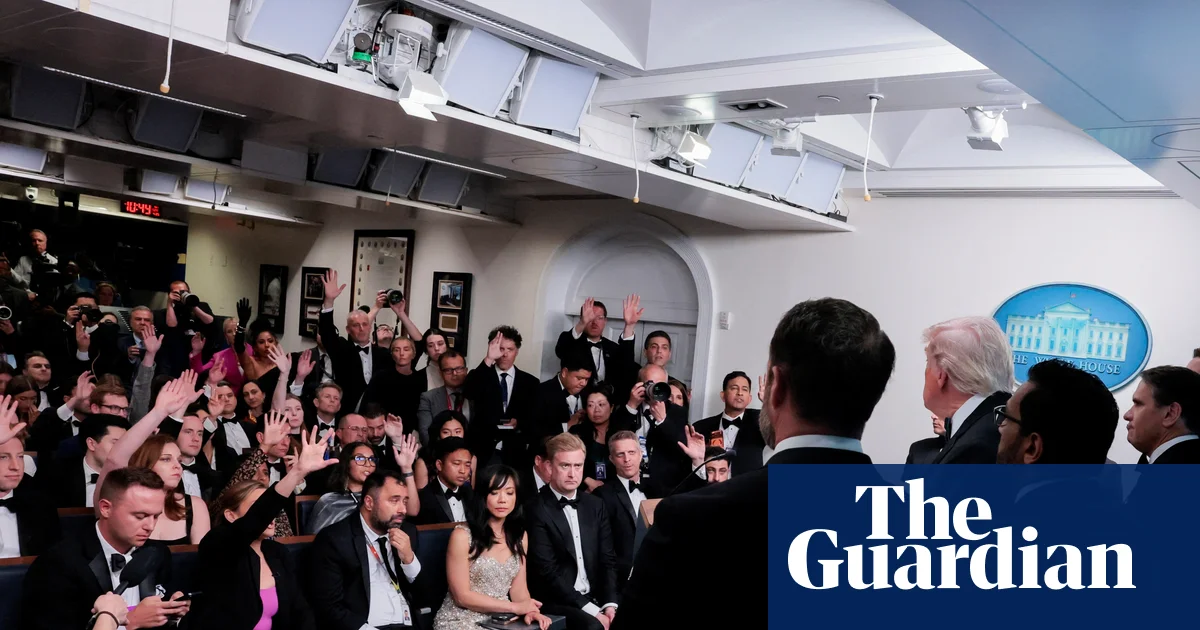
Trump chaos pushing more youth to seek help — society’s in flux

Across families, schools, and communities, the pervasive impact of burgeoning social and political crises cannot be overstated. As sociologists like Ann Cvetkovich and mental health professionals observe, a palpable wave of political depression is emerging, where individuals grapple not only with external chaos but also with internal despair. For many, this despair manifests as a feeling of helplessness, compounded by the notion that traditional avenues of resistance or engagement are effectively collapsing. The result is a societal disconnect that threatens to weaken the very fabric that holds communities together, undermining the hope and resilience needed to face ongoing economic disparities, cultural tensions, and government overreach.

For families and youth, these social fissures translate into a disorienting landscape where uncertainty reigns. With education systems often caught between progressive agendas and conservative backlash, young minds are left navigating a complex, often divisive moral terrain. Historians like Howard Zinn warned that societal malaise grows when civic engagement declines, and today, that warning resonates more acutely. Families report rising anxiety and frustration, with children witnessing unrest at home and in their neighborhoods. Additional stressors, such as rising crime, politicized schooling, and pervasive misinformation, threaten long-term societal stability. Amidst this chaos, the moral challenge looms: how can communities support a generation at risk of growing disillusioned and disengaged? The answer appears to lie in reclaiming community bonds and fostering a renewed sense of agency among young people.

Educational and community leaders emphasize the importance of building resilience through collective action. Initiatives like community support groups, youth activism, and artistic collaborations offer pathways for young individuals to channel their emotions into constructive endeavors. As social commentators argue, these efforts are more than just symbolic—they can forge meaningful change and rekindle faith in democratic participation. Furthermore, mental health professionals advocate for strategies that promote *engagement without burnout*, emphasizing the necessity to mobilize consciousness with care. According to Brett Ford, an associate professor of psychology, social resilience depends on maintaining a balance where individuals are informed and active, yet protected from the debilitating effects of chronic stress. The challenge lies in creating environments where young voices are not only heard but empowered to shape their societies rather than retreat from them.

Ultimately, the social issues facing our communities, families, and institutions are intertwined with broader cultural shifts and demographic transformations. Yet, amidst the turbulence, there remains a flicker of hope—through community, art, and active engagement. The stories of individuals like Rebecca McFaul and advocates like Shahem Maclaurin remind us that resistance does not always look like protests or headlines; it begins with the small acts of hope we nurture within our circles. As society stands at a crossroads, the challenge is to hold onto the belief that society’s collapse is not inevitable—that through conscious connection, education, and mutual support, a renaissance of resilience is possible. It is in our collective response to these societal wounds that we find the potential to heal, rebuild, and redefine the future—one where hope becomes the foundation for lasting change, echoing the timeless truth that even in darkness, the human spirit can ignite a brighter dawn.

Israel hits Beirut as evacuation alarm sparks chaos

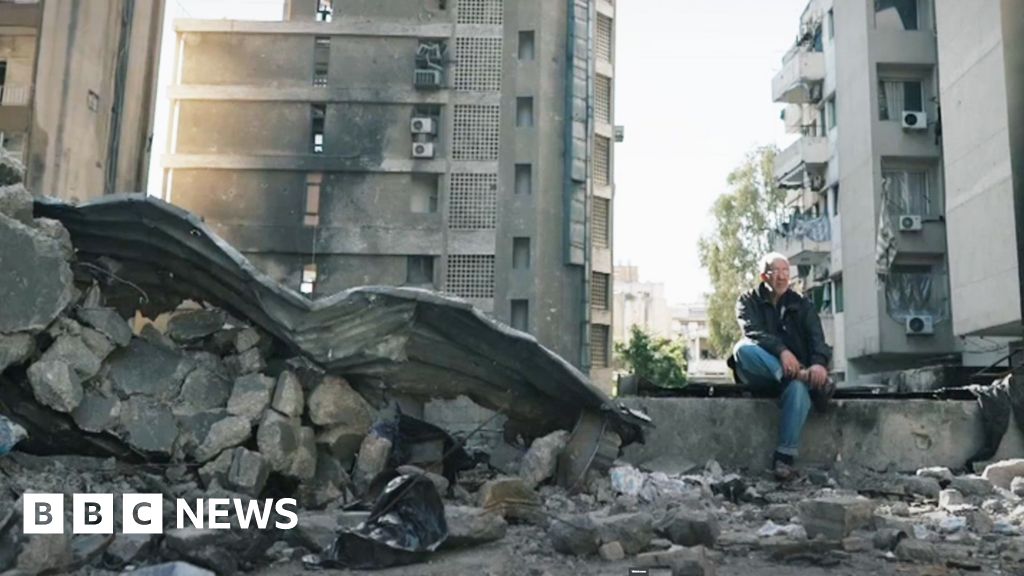
In a stark display of increasing regional instability, Lebanon is experiencing unprecedented chaos as massive traffic jams snake through the streets of key cities, a direct consequence of the urgent evacuation orders issued by authorities. The government’s plea for civilians to evacuate the Hezbollah stronghold signals a significant escalation in the ongoing conflict, which has seen Israel intensify its military operations across Lebanon. These developments have not only heightened tensions within Lebanon but have also sent ripples through the geopolitical landscape of the Middle East, risking a broader regional confrontation.

Israeli forces have launched a series of targeted strikes designed to weaken Hezbollah’s military capabilities, which are believed to be fortified inside the Lebanon. Analysts suggest these actions are a critical phase in what many call a long-brewing effort by Israel to dismantle what it perceives as an existential threat from the Shiite militant group. The escalation has drawn international attention, with United Nations representatives calling for restraint and urging all parties to avoid further civilian casualties. Yet, the situation remains volatile, with the possibility of widening conflict serving as a grim warning to global powers.

Historians and geopolitical analysts warn that this surge of violence could have far-reaching consequences. According to international security experts, the decision to escalate military action marks a pivotal moment that may redefine the balance of power within Lebanon and the broader Middle East. The United States and European Union are closely monitoring the situation, balancing their condemnation of violence with diplomatic efforts aimed at de-escalation. However, some regional analysts argue that such measures are insufficient, emphasizing that history shows how minor conflicts often spiral into full-scale regional wars with devastating impacts for generations.

The geopolitical impact of this ongoing conflict extends well beyond the borders of Lebanon. As international organizations grapple with the fallout, neighboring countries are ramping up military preparedness, and global markets tremble at the prospect of wider destabilization. Many schools of thought, from conservative strategists to cautious diplomats, warn that this current trajectory could ignite a new chapter of hostility and harsh divisions that threaten to engulf the entire Middle East in chaos. The unfolding events challenge traditional paradigms of peace and security, demanding urgent and coordinated international responses that may ultimately alter the fabric of regional alliances and global diplomacy.

As the dust settles on this tumultuous chapter, history bears witness to the profound impact of every decision made in moments of crisis. The world now watches with bated breath, understanding that this is not merely a regional skirmish but a turning point that could very well shape the course of history for decades to come. One thing remains clear: in a world where geopolitical shifts happen in the blink of an eye, the true cost of conflict is measured not just in territory, but in the fragile hopes of a future undisturbed by the shadows of war.

Mexico chaos: Locals and tourists warn of widespread destruction

In a dramatic turn of events that has sent shockwaves through Mexico and the broader *North American* region, violence has erupted across multiple states following the confirmed death of the notorious cartel leader, El Mencho. The operation, which resulted in the elimination of one of the most powerful and elusive figures in organized crime, underscores the fragile stability of the country’s ongoing war against drug cartels. As authorities celebrate this development, many analysts warn that the repercussions could be far more destabilizing than the initial victory suggests.

The death of Rubén Oseguera González, known as El Mencho, the presumed head of the CJNG (Cártel de Jalisco Nueva Generación)—arguably the most formidable drug cartel operating in Mexico—marks a significant milestone in Mexico’s long-standing struggle to contain organized crime. According to official reports, security forces carried out a high-risk raid that culminated in his death, a move hailed by some in *Washington* and *Mexico City* as a major blow to transnational drug trafficking networks. However, the surge of violence that has followed demonstrates the precarious nature of relying solely on decapitation strategies in the fight against powerful criminal syndicates.

Historian and security analyst Carlos Mendoza notes that this episode highlights how the *U.S.-Mexico* security cooperation and *Mexico’s* internal policies remain insufficient to fully dismantle entrenched cartels. Many warn that the cartel’s fragmentation post-El Mencho’s death could trigger a violent power vacuum, leading to internecine conflicts that destabilize entire regions and further harm vulnerable communities. Moreover, international organizations like the United Nations have expressed concern over the potential for increased violence to cause a surge in migration and regional instability. The impact extends beyond borders, placing pressure on *U.S.* border security and straining diplomatic relations between *Mexico* and *Washington* as the fight against narcotraffic continues to dominate diplomatic agendas.

  • The recent spike in violence has been characterized by violent clashes, murders, and threats across *Jalisco*, *Michoacán*, and *Guerrero*, with innocent civilians caught in the crossfire.
  • Security analysts warn that cartel factions are now vying for control, turning peaceful communities into battlegrounds and destabilizing local economies.
  • International law enforcement agencies are mobilizing additional resources, though experts contended that dismantling these criminal enterprises necessitates comprehensive socio-economic strategies.
  • The *U.S.* administration has renewed calls for increased cooperation, emphasizing the importance of targeting illicit financial flows that sustain cartel operations.

The *international community* faces a moment of reckoning, as the death of a cartel kingpin exposes the limitations of purely militarized approaches. Historians see this as a pivotal point—an enduring testament to the fact that criminal organizations adapt and evolve beyond the constraints of leadership decapitation. As John Moore, a renowned geopolitical analyst, states, “The collapse of one figure often merely opens a new chapter in the brutal saga of organized crime, requiring a holistic approach that integrates law enforcement, social reform, and regional cooperation.”

As Mexico grapples with this rising tide of violence, the shadow of history looms large—an ominous reminder that the true cost of waging war against entrenched criminal networks is often paid in blood and societal upheaval. The death of El Mencho is neither an end nor a beginning but rather a stark chapter in a complex narrative that continues to unfold, leaving the world on edge — waiting to see if lessons learned will finally forge a path towards stability, or if history will merely repeat itself in a violent cycle of revenge and chaos.

Social Media Auto Publish Powered By : XYZScripts.com