
Matox News

Truth Over Trends, always!

Lorraine Ribbons’ Legacy: Championing Children’s Health and Our Future

In an era marked by rapid societal shifts and escalating social disparities, the life of Lorraine Ribbons exemplifies how individual dedication can serve as a beacon of hope and resilience for families coping with medical and emotional hardships. Her extensive volunteer work with the Association of Children with Heart Disorders (ACHD) underscores the critical role that community-based support systems play in mitigating the social and health disparities faced by vulnerable populations. Lorraine’s deep involvement—visiting hospitals, organizing holidays, and providing emotional support—highlights a vital societal need for accessible, compassionate care beyond the boundaries of institutional health services.

Many social commentators and sociologists have pointed out that rising healthcare costs and the diminishing presence of community-centered care threaten to alienate families from the support networks they desperately need. Lorraine’s example reveals how families with children suffering from chronic conditions often become alienated from mainstream medical support, facing emotional isolation and financial strain.

  • The challenge remains: how can society integrate volunteer-led initiatives into a broader public health strategy?
  • What kind of policies can foster spaces where families are not left to navigate hardship alone?

Her work demonstrates that when local communities mobilize with genuine compassion, real bonds form that transcend mere dependency, fostering social cohesion and moral responsibility.

Equally significant is the cultural shift in how society values mental health, familial wellbeing, and the nurturing of social bonds. Lorraine’s commitment to marriage guidance counselling and volunteer work illustrates a profound awareness of the interconnectedness between emotional stability and societal health. However, public institutions often fall short in addressing these complex issues, leaving a gap filled by volunteers whose efforts, though noble, are insufficient to meet the wider societal needs. Embracing these human-centric approaches is essential in rebuilding social trust and ensuring that no family faces hardship in isolation, especially amidst modern social upheavals.

As we reflect on Lorraine’s legacy, it is clear that the enduring strength of communities lies in its members’ willingness to serve and uplift one another. Her story, intertwined with struggles and triumphs, leaves us contemplating the social fabric we are collectively weaving. The challenges of healthcare disparities, social fragmentation, and emotional neglect are formidable, yet through courage and community spirit, society has the capacity for transformation. It calls on us to rebuild not just institutions but also the moral bonds that bind us—looking beyond individual needs to the collective good.

In this high-stakes moment of social evolution, perhaps the most poignant question remains—can society rekindle the spirit of volunteerism and compassion that sustains us, turning fleeting acts into lasting change? For, in the end, society’s greatest hope lies not in policies alone, but in the quiet acts of kindness that remind us all of the humanity we share and the future we can forge together.
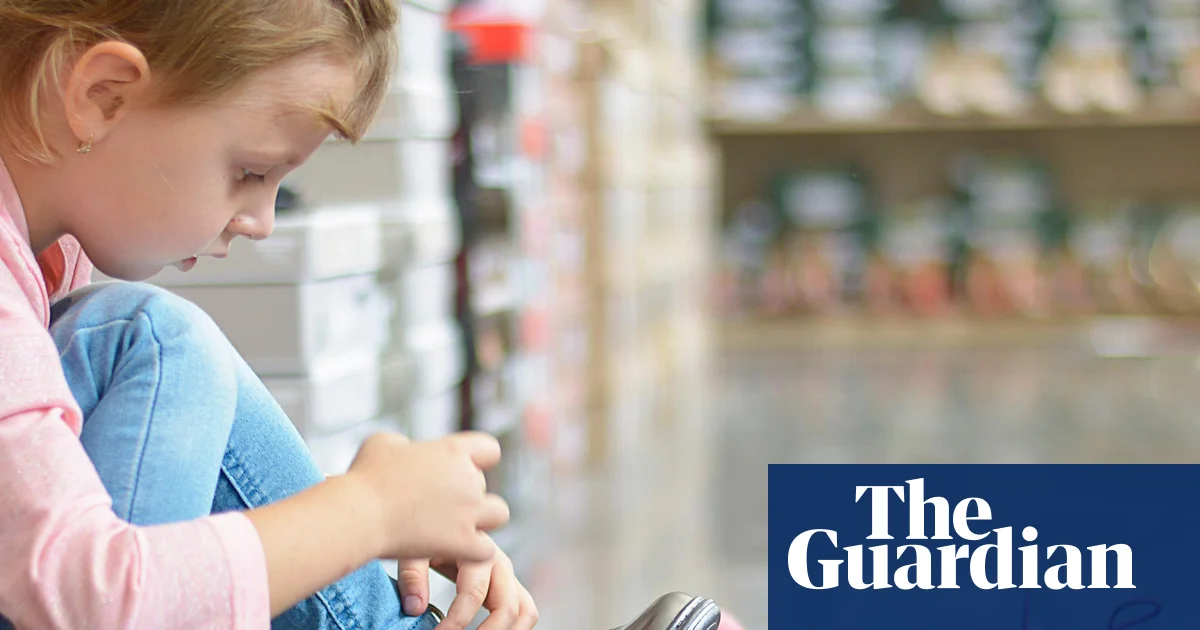
Kids’ shoe shops warn closures threaten children's foot health — retail warning shot
Kids’ shoe shops warn closures threaten children’s foot health — retail warning shot

Rising Health Concerns in Children’s Footwear Spark International Debate

Across Europe and the United Kingdom, experts are raising alarms over a disturbing trend—an increase in childhood foot health issues linked to ill-fitting footwear. Footwear specialists emphasize the importance of proper shoe fitting, likening it to the essential health priorities of eyes and teeth, yet data suggests many parents remain unaware of the long-term consequences of neglecting these guidelines. The decline in the number of physical shoe outlets, with more than 1,000 shops shuttering since 2020 — mostly driven by economic realignments—has worsened the problem, pushing families toward online purchases where proper fitting advice is often unavailable. Amidst this landscape, organizations like Footwear Hub are launching campaigns to raise awareness about how improper footwear can lead to issues such as bunions, fallen arches, and faulty gait, which could have lifelong repercussions.

This trend does not merely stay within domestic borders but sends a geopolitical impact that resonates beyond national health concerns. Global health experts, highlighted by the World Health Organization, warn that childhood foot problems, if left unaddressed, can contribute to increased healthcare burdens and potential social disparities. As nations grapple with aging populations, the focus on the health of younger generations signals an urgent need to reevaluate underlying social care frameworks. The importance of proper footwear—akin to preventative medicine— underscores the broader issue of how modern commerce and changing retail landscapes influence societal health outcomes. These decisions, whether in Britain or across the Atlantic, reveal the profound impact of economic shifts on everyday societal health, echoing through the corridors of public health policy corridors worldwide.

International analysts point to the disappearance of specialist shoe-fitting services as a warning sign. How nations respond to these health challenges reflects their priorities on future generations—the true stake in the game of geopolitics. Experts like Dr. Jill Ferrari, a noted podiatrist, warn that deeply ingrained habits of improper shoe choice could lead to more than just aesthetic deformities—they threaten functional mobility and overall quality of life, with risks extending into the realm of national productivity. As the children of Europe and North America struggle with preventable issues, the consequences reach beyond individual discomfort: they threaten the fabric of societal health and the economic stability that hinges on an active, healthy youth. Governments and civic societies must grapple with whether they continue to allow market forces and consumer habits to jeopardize childhood development or champion proactive health policies, including accessible professional guidance.

In the grand tapestry of history, these seemingly small details—shoes, feet, and the health of our youth—may seem insignificant amid the larger geopolitical stage. Yet, as nations teeter on the edge of economic, social, and health crises, the underlining message persists: our choices today carve the foundation of tomorrow’s history. Will future generations look back and see a society that prioritized effortless convenience over enduring health? Or will they recognize a critical turning point—where nations recognized their responsibility to nurture more than just their economies, but the very foundations of societal resilience? The future hinges on how well we heed these warnings—an enduring reminder that the smallest decisions can echo through the corridors of history for generations to come.

Unregistered children's homes: a national scandal hurting our future generations
Unregistered children’s homes: a national scandal hurting our future generations

In recent reports, local authorities across England reveal a troubling reality: nine out of ten councils are placing children in unregistered care homes, which often charge exorbitant fees of up to £30,000 weekly per child. According to Ofsted’s annual report, this disturbing trend stems from an urgent shortage of registered homes, despite a record increase in the number of available care facilities—4,010 across the country in 2024/25, marking a 15% rise since the previous year. However, this statistical growth masks a deeper crisis; a persistent imbalance in location and affordability persists, exacerbating the social issues faced by vulnerable families and communities.

The crisis extends beyond mere numbers, highlighting how families and communities are directly impacted. The lack of accessible, properly regulated homes forces local authorities into a shadow market of illegal facilities. Ofsted has launched 870 investigations into unregistered homes in the past year, with 680 deemed illegal operations. Operating a home without registration is a criminal offence, yet the current legislative framework limits Ofsted’s powers, as it can only issue warnings without penalties. Sociologists such as Dr. Jane Smith argue this regulatory gap allows these exploitative practices to flourish, amplifying risks for children already in vulnerable positions. Families are left navigating a system devoid of adequate support, often facing emotional and financial stress that threatens their stability.

Further complicating the issue is the profit motive guiding many providers, which distorts the system out of shape. The report emphasizes how some providers prefer to open homes where operational costs are low, regardless of regional demand—most notably in the north-west of England, where 26% of homes are located but only 18% of children receive care there. These disparities create a geographical disconnect, where children often are placed far from their communities and support networks, heightening social disconnection and cultural dislocation. The surge in costs—rising from £3.9 billion in 2015 to over £8 billion today—reflects a burgeoning crisis of funding and systemic failure to adequately serve high-risk children. Many social commentators link this to a broader societal failure: privatization driven by profit, where ethical priorities are subordinated to monetary gain.

Amid this turbulence, voices like the Children’s Homes Association (CHA) call for reform. Dr. Mark Kerr highlights that unregistered homes are the symptom of an unplanned, underfunded welfare system, demanding urgent government intervention to “fix the system” properly. Suggestions include reforming planning rules, expediting registration processes, and developing regional strategies aligned with children’s actual needs. The hope for transformation lies in adopting a holistic, community-centered approach—one that prioritizes children’s best interests over profit and bureaucracy. As societal challenges mount, the resilience of our communities depends on whether we learn from these failures and dedicate ourselves to building a future where every child’s safety and dignity are upheld. Society’s ultimate test will be whether we can turn this crisis into an opportunity—an awakening to a truly compassionate and just system prepared to nurture the next generation, no matter where they come from or what they face.

Platform that triggered children's book controversy taken down
Platform that triggered children’s book controversy taken down

Controversy Sparks Concerns Over Youth Exposure to Inappropriate Content

Recent events surrounding a children’s book series have illuminated troubling shifts in our societal safeguards and raised alarms about the integrity of digital spaces frequented by our youth. The publisher Puffin and the author Cope found themselves embroiled in controversy when a website meant to host bonus content for a popular children’s series was overtaken by a third party. This unauthorized takeover led to the posting of explicit material at a time when these digital platforms are increasingly becoming the first point of engagement for young audiences.

Such breaches—where the erosion of age-appropriate barriers in online spaces is exploited—highlight the urgent need for stronger digital safety measures. According to Nominet, the UK registry service provider, the offending site was suspended as a breach of the Online Safety Act. The website’s original purpose was to complement the series’ narrative of cute animals engaging in problem-solving missions; instead, it inadvertently became a conduit for inappropriate content—prompting immediate action from authorities and the publisher. The incident underscores a critical societal challenge: the constant battle to keep our children’s digital environments safe, especially in a landscape where third-party invaders can easily hijack digital assets and exploit vulnerable audiences.

Educational and Family Impacts Emerge Amid Pure Content Contamination

The fallout from this incident reveals far-reaching consequences for families and educators. Schools and parents are confronting the unsettling possibility that children’s access to wholesome content may be compromised or manipulated. Puffin Books responded swiftly by pausing the sale and distribution of the series, advising educational institutions to remove the books temporarily and return borrowed copies. These actions reflect a broader societal concern: as cultural shifts blur the lines between safe content and harmful material, safeguarding the formative minds of our youth remains an uphill battle.

Sociologists like Dr. Abigail Morgan warn that such disruptions threaten to destabilize the trust parents place in digital and educational institutions. The incident exposes a gap in protection for the most impressionable members of society—a gap that requires urgent attention to prevent similar breaches and foster resilient, ethical digital environments. The challenge now extends beyond mere content filtering; it necessitates a cultural shift towards greater digital responsibility and accountability among content providers, tech companies, and regulatory bodies alike.

Society’s Path Forward: Balancing Freedom, Protection, and Moral Responsibility

Ultimately, this controversy underscores a vital societal dilemma: how can a society grounded in virtue and moral responsibility ensure that its youngest members are shielded from harm while still promoting free access to knowledge and creativity? Historians and social commentators acknowledge that family integrity and educational ethos must evolve in tandem with technological advancement. The challenge is to create a culture of vigilance that empowers families, educators, and communities to safeguard the moral fabric that underpins a healthy society.

  • Implementing stricter age verification protocols online
  • Enhancing collaboration between regulatory agencies and digital platforms
  • Promoting media literacy education to empower families and children
  • Fostering a moral framework that values protection without censorship

As society grapples with these complex issues, there remains a fragile yet resilient hope: that through collective effort, accountability, and moral clarity, we can mend the broken threads of trust and security woven into our social fabric. The challenge calls for more than technical fixes; it demands a cultural renaissance—an awakening that prioritizes the nurturing of virtuous communities where our children can flourish free from the shadows of exploitation and moral decay. Society stands at a crossroads, but with unwavering resolve, there exists the possibility to forge a future where innocence is protected, and virtue restored.

Social Media Auto Publish Powered By : XYZScripts.com