Matox News

Truth Over Trends, always!

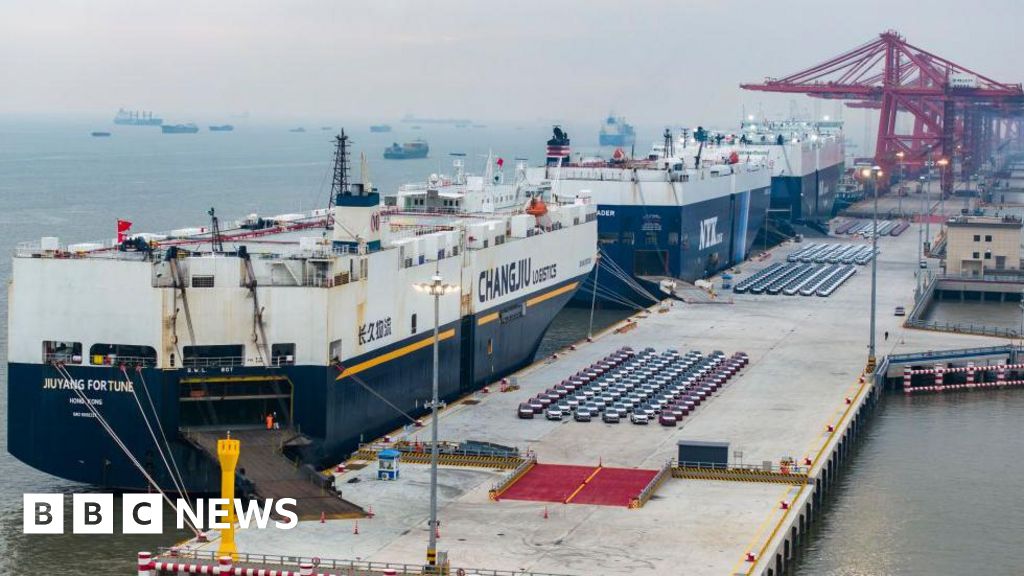
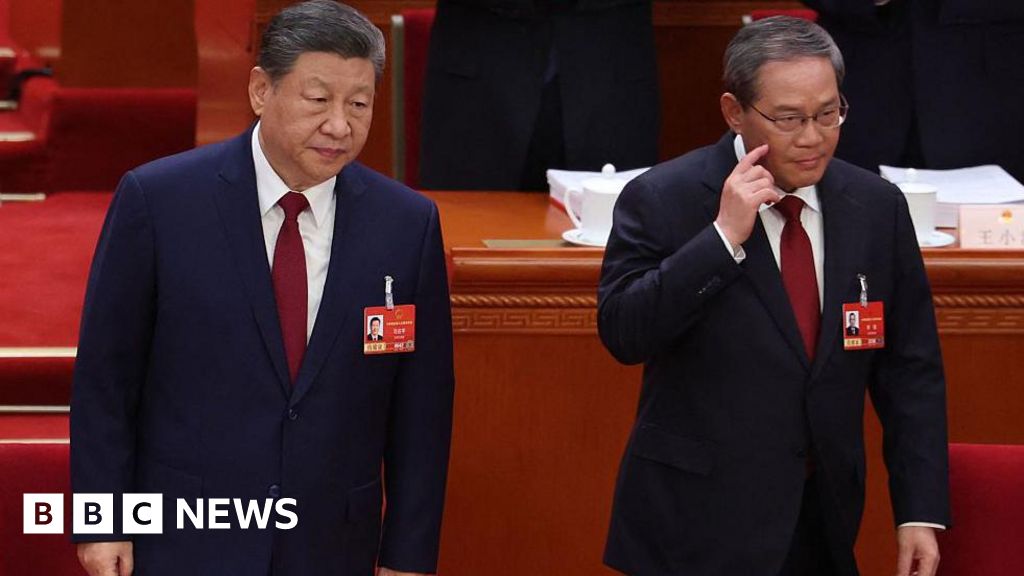
China sets lowest growth target since 1991, signaling cautious economic outlook for the future

In a significant development that signals a new chapter in international economic diplomacy, the target has been lowered for the first time since it was cut to “around 5%” in 2023. This adjustment marks a pivotal moment in recent geopolitical history, reflecting both the shifting priorities of influential nations and the mounting pressures that have reshaped global markets. As nations grapple with economic restructuring and geopolitical rivalries, this recalibration reveals much about the underlying currents that threaten to define the future of global stability.

The decision to revise the target, broadly regarded by analysts as a barometer for economic health and strategic influence, underscores the complex interplay of trade policies, international agreements, and geopolitical power struggles. According to prominent international economists and historians, such as Dr. Margaret Tufton and Dr. Jared Black, these modifications are symptomatic of broader shifts in the global order. They warn that each change in target thresholds is not merely a policy adjustment, but a reflection of profound geopolitical recalibrations taking place behind the scenes. Particularly notable is the influence of major economies like the United States, China, and Russia, all of which have responded to internal and external pressures with a recalculated approach towards economic expectations and international cooperation.

The lowering of targets also intensifies debates within international organizations, especially regarding the role of the Bretton Woods institutions. Critics argue that such shifts reflect a move away from the previous commitment to growth and stability, potentially undermining confidence among global investors. The International Monetary Fund has issued cautious statements, emphasizing that these adjustments could trigger ripple effects across emerging markets, often vulnerable to volatile shifts in policy and perception. Meanwhile, many nations worry that this change signals an erosion of longstanding commitments to shared economic stability, risking further fragmentation of the global economy.

As the world braces for the consequences of this strategic recalibration, many analysts caution that this is merely the beginning of a more turbulent epoch. Countries are increasinglyforced to reconsider alliances, confront rising nationalist sentiments, and adapt their economies to a shifting landscape of power. Historians caution that every epoch-defining decision bears the weight of history—shaping nations, societies, and civilizations for generations to come. The ongoing saga, driven by decisions at the highest levels of power, reminds us that in geopolitics—much like in economics—the margin for stability continues to narrow. As the clock ticks on, the world stands at a crossroads where every choice could carve the course of history, leaving the shadows of past conflicts and ambitions looming large over an uncertain future.
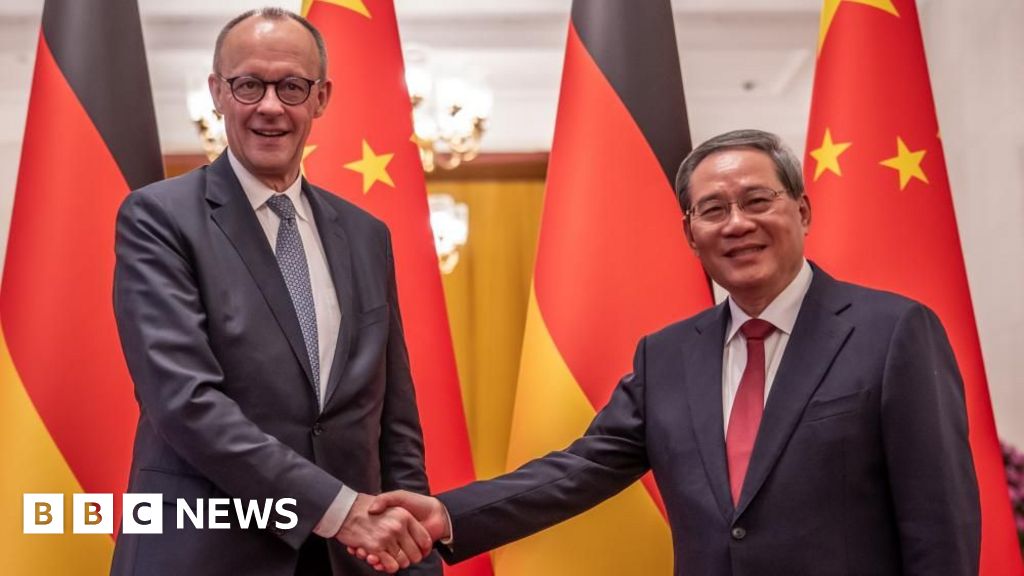

German Chancellor warns of growing trade gap with China on first Beijing visit

In a significant development amid shifting international trade dynamics, German business groups have issued a pointed appeal to Friedrich Merz, demanding a clear and decisive stance towards China’s economic practices. This move underscores growing concerns within Europe about the strategic risks posed by China’s expanding influence in global markets and the need for coherent policies to safeguard national interests. As tensions over trade competition, export controls, and technological sovereignty escalate, the call from industry leaders signals a potential turning point in Europe’s approach to balancing economic relations with China.

Under Germany’s increasingly complex geopolitical landscape, business sectors are warning that ambiguous or lenient policies could underminet the competitive edge of European firms, particularly in key sectors such as technology, manufacturing, and telecommunications. Analysts suggest that the European Union’s future approach may be pivotal in shaping global power dynamics. The pressure on Merz, the leader of the opposition, reflects broader debates within Germany—Europe’s economic powerhouse—about how to maintain a strategic and independent stance amidst rising U.S.-China tensions. Moreover, this call aligns with European efforts to reinforce export controls, safeguard technology, and counteract economic coercion, which many see as essential in preventing China’s market dominance from eroding Europe’s technological sovereignty.

Historically, decisions on trade and diplomacy have an enduring impact on national security, societal stability, and international rankings. The stance taken by Germany’s politische and business elites will likely influence the broader European Union’s foreign policy direction. Recent reports from international organizations, including the World Trade Organization, suggest that such moves could provoke retaliatory measures from Beijing, adding risk to European export-dependent economies. Meanwhile, U.S. policymakers, keen on coalition-building with European allies, are watching these developments with a mix of interest and apprehension, recognizing that the collective stance will shape how the Western bloc resists China’s strategic ambitions.

As critics warn of the potential for economic decoupling and diplomatic rupture, the words of historians and analysts carry increasing weight. Many caution that reckoning with China’s rise involves more than tariffs and export controls; it requires a deliberate, principled strategy that considers the societal and geopolitical repercussions for generations to come. The decisions made today could determine whether Europe remains a unified, resilient power or whether it succumbs to fragmentation and dependency. With Merkel’s legacy fading and a new chapter in global diplomacy emerging, the weight of history presses upon leaders to act decisively. In this unfolding saga of power, influence, and sovereignty, the future hangs in the balance—a testament to the enduring importance of strategic foresight in a rapidly changing world.

China strikes again: Executes four Myanmar mafia members to crack down on crime

In a dramatic move with significant geopolitical repercussions, China has publicly executed four members of the notorious Bai family mafia, a criminal syndicate responsible for running widespread scam centers across Myanmar. This decisive action signals a clear stance from Beijing against transnational organized crime and underscores the country’s broader efforts to consolidate control over regional stability.

The Bai family’s criminal enterprise, according to official reports, operated a vast network engaged in advanced financial scams, leveraging Myanmar’s relative legal and political ambiguities. These scam centers targeted vulnerable populations across Southeast Asia and beyond, draining billions of dollars from unsuspecting victims. The crackdown, culminating in the execution, illustrates how China is stepping up its law enforcement outreach beyond its borders, aiming not only to dismantle criminal syndicates but also to project strength within the strategic corridors of Southeast Asia.

International analysts, including specialists at the South China Sea Policy Institute and global crime watchdogs, interpret this move as part of a broader strategy to safeguard China’s economic interests and regional influence. By explicitly targeting this notable criminal organization, Beijing seeks to present itself as the defender of stability and order in a volatile neighborhood. The Chinese government has indicated that such actions align with its commitments to regional peace and the fight against transnational crime—an assertion underscored by recent joint operations with Myanmar authorities.

Yet, the decision to execute members of the Bai family mafia also raises critical questions about international law and human rights standards. Critics argue that capital punishment, especially in high-profile cases involving foreign criminal syndicates, risks escalating tensions and complicating diplomatic relations. Nevertheless, advocates within China and aligned allies contend that firm measures are essential to counter organized crime’s corrosive influence on society and sovereignty.

Looking ahead, this bold move from Beijing exemplifies how national security and legal sovereignty are increasingly intertwined with global regional stability. The ramifications extend far beyond the immediate crackdown, shaping China’s reputation as a law-and-order power while also resonating through the corridors of international diplomacy. As the dust settles over this high-profile execution, the story of the Bai mafia’s fall is just another chapter in the unfolding narrative of a nation eager to redefine its role in the global order, with history watching intently at the perilous crossroads of power and justice.

Trump warns UK: Don’t Prioritize China Over Our Alliance—Starmer’s Beijing Visit Sparks Tensions

Global Power Dynamics Shake as UK Navigates China and US Tensions

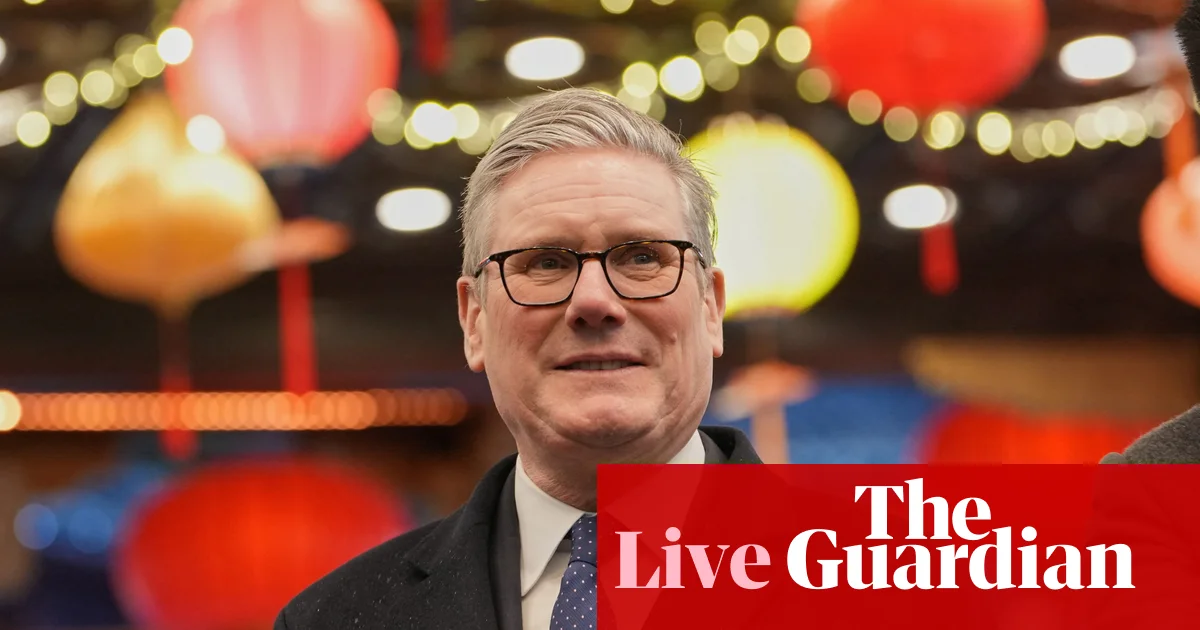
The international stage witnesses a new wave of geopolitical tension centered on the United Kingdom‘s evolving relationship with China. This shift, under the leadership of Sir Keir Starmer, reflects a nuanced attempt at forging a “more sophisticated” partnership with Beijing, diverging from the confrontational stance traditionally favored by Western allies. During his visit to Beijing, Starmer secured agreements that include visa-free travel for UK citizens and reduced tariffs on Scotch whisky—measures aimed at revitalizing trade ties with one of the world’s most influential powers.

However, this diplomatic overture has not gone unnoticed. Former US President Donald Trump swiftly condemned the move, warning that such dealings are “very dangerous.” His comments echo a broader concern among Western nations about China’s expanding geopolitical influence and its implications for national security and economic sovereignty. Trump’s high-profile criticism underscores a growing divide within the global community—where some nations prioritize pragmatic engagement, while others, led by figures like Trump and U.S. policymakers, advocate for a tougher stance against Beijing’s strategic maneuvers.

The geopolitical impact of these shifting alliances is profound. Scientists, historians, and analysts warn that the UK’s efforts to balance economic interests with cautious diplomacy could set a precedent for other nations caught between the strategic ambitions of China and the security concerns of the United States. The UK’s moves are linked to a larger wave of diplomatic realignment whereby countries may have to choose between deepening economic ties or adhering to a collective Western front aimed at counteracting China’s influence. The implications reach across societies, affecting everything from trade policies to immigration, forging a new terrain of international relations that will ultimately shape the fabric of global stability—or instability—for decades to come.

The diplomatic dance continues as Starmer prepares to meet with Sanae Takaichi in Tokyo, further signaling the UK’s strategic pivot towards key Asian allies. While the cost of these diplomatic shifts remains uncertain, what is clear is that history is once again carved by decisive, high-stake decisions that could redefine the balance of power. As nations grapple with whether to forge ahead or pull back from this complex web of alliances, the weight of history presses heavily, reminding the world that these negotiations are more than politics—they are the defining moments that will determine the future of global order.

Starmer Lands in Beijing for Key China Visit—UK Politics Update

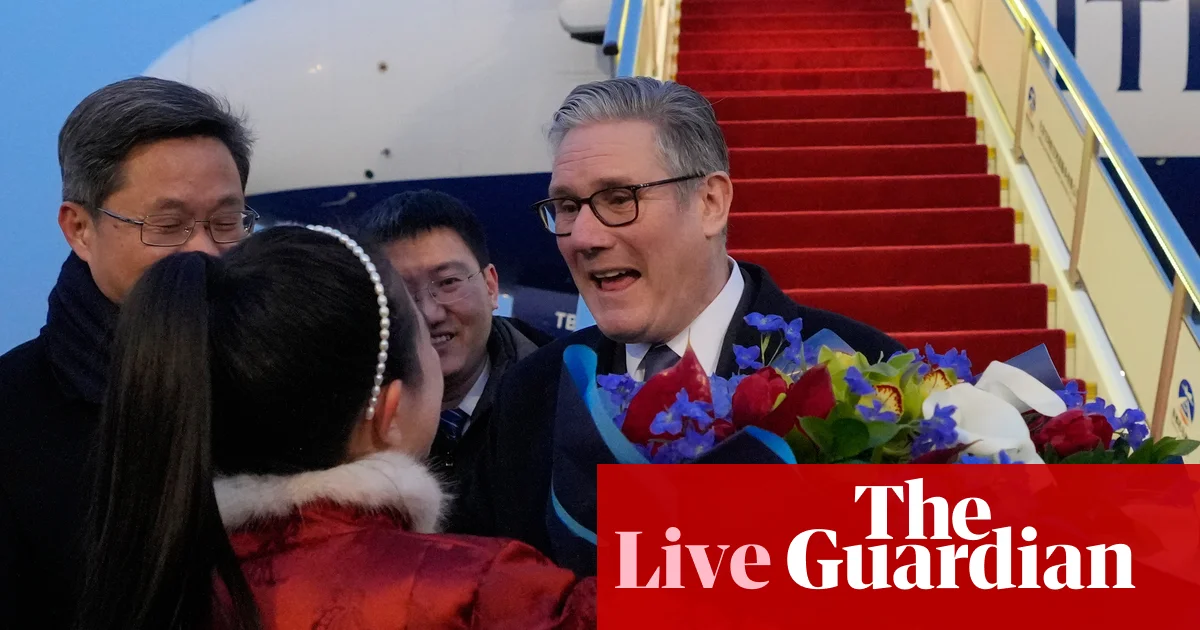
In an era marked by escalating geopolitical tensions, recent developments reveal a chorus of strategic moves by nations and their leaders that are shaping the future of international power. Keir Starmer, the UK’s leader seeking to carve a distinct global presence, recently embarked on a historic visit to China, the world’s second-largest economy. This visit, the first by a British Prime Minister in nearly a decade, underscores a delicate balancing act—reconciling economic opportunity with national security concerns. Accompanying him was a delegation nearly 60 strong, comprising CEOs and cultural ambassadors, embodying Britain’s intent to foster economic ties amid growing global uncertainties. Yet, critics warn that such engagement must be cautious; MI5’s chief Sir Ken McCallum has regularly warned of the persistent threat posed by Chinese state actors operating daily within UK borders. This trip is a clear demonstration of how international diplomacy is now fraught with the challenge of safeguarding sovereignty while pursuing economic interests.

Meanwhile, Europe witnesses a shift within its own political fabric, as Kemi Badenoch, a rising force within the Conservative ranks, delivered a vehement critique of the political extremes tying together Reform UK and Labour. Badenoch’s fiery speech condemning the “psychodrama” of her opponents highlights a broader struggle—how nations interpret national identity and political direction amidst external threats. Her rebuff of “leftwing fantasy politics” and emphasis on “building a Conservative party for the next decade” reflect a continent still battling internal divisions. Historian Dr. Paul Roberts warns that such internal political clashes weaken Europe’s ability to present a united front on the global stage, especially as NATO faces its own existential challenges amid renewed tensions with Russia and China.

As Starmer prepares to meet Xi Jinping, the stakes are clear: discussing not only trade and diplomacy but also pressing human rights issues, such as the case of Jimmy Lai, signals that the global order is increasingly intertwined with human rights and ideological battles. Simultaneously, Russia continues its assertive posture in Eastern Europe, testing Western cohesion and NATO’s resolve. The Kremlin’s strategic maneuvering, coupled with the unpredictable actions of U.S. allies, cements the view among analysts that international alliances are under unprecedented strain. Former diplomat Laura Spencer cautions that these decisions will ripple across societies, influencing everything from border security to economic stability for decades to come.

From the corridors of Westminster to the distant reaches of Beijing and Moscow, the trajectory of international relations remains uncertain but undeniably impactful. Leaders like Starmer, Badenoch, and Xi Jinping are not merely engaging in diplomatic pleasantries but are scripting the very foundation of global power dynamics at a time when history’s weight presses heavily on every decision. With each handshake and policy announcement, the world edges closer to a new chapter—one that history will judge as either the dawn of renewed cooperation or the prelude to inevitable confrontation. As nations chart their courses amidst this storm of change, the collective destiny of societies around the world hangs by a fragile thread, waiting for the next move that will echo through generations to come.

Japan hands pandas back to China as U.S.-China tensions heat up

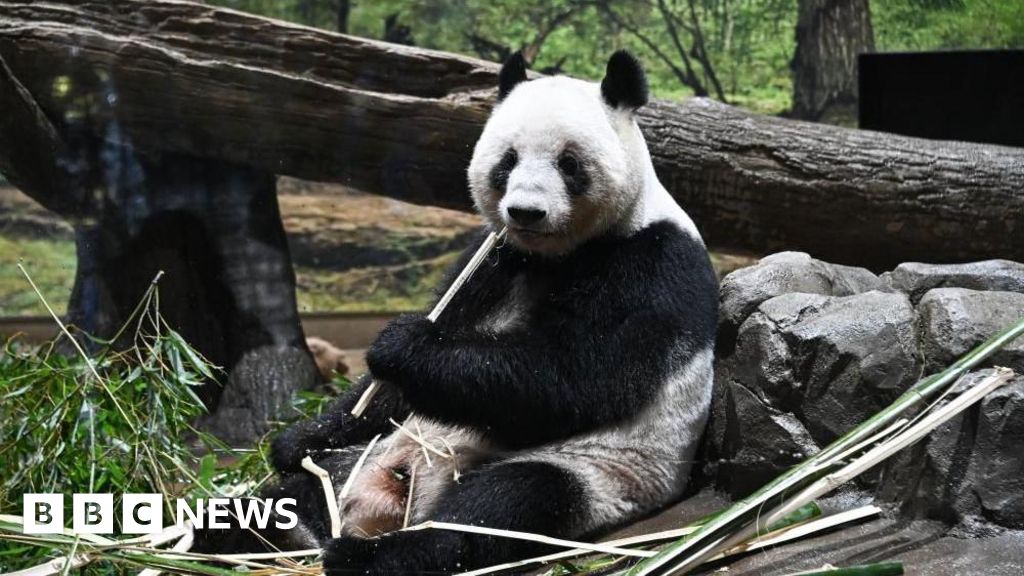
In a poignant sign of shifting geopolitical tides, Japan finds itself at a crossroads of tradition and rising international tensions. Thousands of spectators flocked to Tokyo’s Ueno Zoo to bid a heartfelt farewell to the country’s last two giant pandas, Xiao Xiao and Lei Lei. Their departure, scheduled for Tuesday back to China, marks the end of an era that began in 1972 when Japan and China normalized diplomatic relations. Over 108,000 people vied for one of the 4,400 slots to catch a final glimpse of the beloved bears, underscoring the pandas’ symbolic significance to Japanese society. For decades, pandas have served as a gentle diplomatic bridge, embodying China’s soft-power influence and fostering goodwill amidst geopolitical currents.

However, the moment is marred by increasingly hostile exchanges between Tokyo and Beijing. Recently, statements from Japanese Prime Minister Sanae Takaichi—warning that Tokyo might intervene militarily if China attacks Taiwan—have only exacerbated the already fragile diplomatic climate. This rhetoric signals a broader shift in Japan’s stance toward regional security and underscores the impact of recent political realignments. Since her comments, China has responded with heightened assertiveness, including restrictions on exports of critical rare earth elements that are vital to Japan’s tech sector. Analysts from institutions such as the International Institute for Strategic Studies (IISS) warn that these actions could escalate into broader conflicts, with East Asia edging closer to instability.

China’s strategy of loaning pandas abroad has long been a subtle but potent form of diplomacy. As China views these creatures as ambassadors of goodwill, it retains ownership of all pandas, demanding hefty annual fees—about $1 million per pair—and leveraging the creatures’ symbolic power to influence international ties. Historically, pandas have been exchanged during major diplomatic or trade negotiations, such as the 2011 loan to Edinburgh Zoo during a trade deal involving salmon, Land Rovers, and energy technology. Yet, with the recent deterioration of bilateral relations—fueled by China’s crackdown on exports and Tokyo’s hawkish rhetoric—the future of panda loans remains uncertain. Many experts suggest that the return of Xiao Xiao and Lei Lei signifies more than just a cultural departure; it highlights the fragility of international diplomacy and the mounting risks of conflict.

This unfolding saga underscores the deepening rift that threatens to redefine regional alliances and global stability. As nations grapple with their aspirations and fears, the farewell at Ueno Zoo embodies a broader warning: in an era where soft diplomacy is waning and hard power reasserts itself, the symbols of friendship and tradition risk being overshadowed by the darker shadows of geopolitical discord. History continues to be written with every decision—each move, a chapter in a story that may either forge peace or plunge the region into lasting turmoil. As the world watches, the cries of farewell echo in the halls of diplomacy, leaving behind a question of what future lies ahead—an era of unity or one of inevitable confrontation—and whether the lessons of history will be heeded before it’s too late.

Nvidia Surges Into Model Market with Nemotron 3 Breakthrough

Nvidia’s Bold Move: Revolutionizing Open AI Models and Industry Disruption

In a significant strategic pivot, Nvidia has transitioned from primarily supplying chips for artificial intelligence development to becoming a frontrunner in open model innovation. The chipmaker’s recent release of the Nemotron series signals an ambitious push towards democratizing AI technology, emphasizing transparency, customization, and scalability. This move has profound business implications—it challenges the traditional proprietary approach championed by major US tech firms and hints at a new epoch of open, disruptive AI ecosystems rooted in innovation acceleration.

Unlike its Western rivals that lean toward closed, tightly guarded models, Nvidia’s approach with Nemotron embodies a disruptive openness that seeks to empower developers and startups. By releasing the training data and tools alongside the models, Nvidia aims to lower the barriers for AI experimentation and fine-tuning. The platform supports a hybrid latent mixture-of-experts architecture designed to facilitate scalable AI agent creation capable of interacting with web environments or executing complex computer actions. The models arrive in three configurations—Nano (30 billion parameters), Super (100 billion parameters), and Ultra (500 billion parameters)—highlighting Nvidia’s commitment to flexibly address a vast spectrum of enterprise needs. This scale of transparency and accessibility moves against industry norms and could set a new standard in how AI development is conducted globally.

Industry analysts, including those from Gartner and MIT, recognize Nvidia’s initiative as a potential game-changer that disrupts the status quo of AI R&D. As Kari Ann Briski, Nvidia’s vice president of generative AI software, emphasizes, “Open source is making AI more adaptable, fostering innovation, and ultimately powering the global economy.” This stance contrasts sharply with the recent trend among US firms, exemplified by Meta’s open models which have recently shifted towards secrecy. The move toward proprietary models reflects a strategic effort to safeguard competitive advantages, but it may also hinder rapid innovation and collaboration essential for maintaining technological leadership.

Looking forward, the industry faces a critical juncture. Traditional AI giants may find themselves increasingly marginalized if they fail to leverage open innovation channels or adopt more transparent practices. Nvidia’s model suggests the future perhaps belongs to ecosystems where open collaboration accelerates breakthroughs—yet it also exposes the risks of commoditizing advanced AI and breaking the barriers that once protected innovation. As Elon Musk and Peter Thiel have often warned, the real disruptive power lies in harnessing the energy of open, competitive industries. The race is on, and the stakes couldn’t be higher for those who want to dominate the next frontier of technological progress. Companies that embrace this new paradigm—focusing on transparency, customization, and scalable innovation—will shape the future of AI and economic growth in the era ahead.

Mexico sets tough tariffs of up to 50% on China and others to protect its economy

In a bold move signaling a shift towards economic nationalism, Mexico has recently approved a comprehensive tariff package impacting over 1,400 products, many sourced from China. This policy, championed by President Claudia Sheinbaum, aims to bolster domestic manufacturing and reduce reliance on foreign imports amidst mounting economic pressures. These tariffs allow for duties of up to 50%, a clear indication of Mexico’s intent to recalibrate its economic strategies in a rapidly changing global landscape. While the move is framed domestically as a matter of economic sovereignty, its geopolitical implications ripple beyond borders, especially as Mexico engages in delicate negotiations with the United States.

  • The tariffs come at a fraught time, with U.S. President Donald Trump threatening steep import taxes on Mexico, including potential 50% duties on steel and aluminum. These measures are part of a broader strategy to exert economic pressure, ostensibly aimed at curbing the flow of synthetic opioids like fentanyl into the U.S., but also revealing a deeper struggle over trade dominance.
  • In addition, Trump has signaled intentions to impose a 5% tariff on Mexican goods, citing the longstanding Rio Grande treaty—an 80-year-old agreement—regarding water rights as a pretext. Through social media, the U.S. leader accused Mexico of “not meeting the terms” of this treaty, which historically grants the U.S. access to water from the Rio Grande tributaries, raising questions about the truthfulness and strategic motivation behind these claims.

International reactions have been swift and cautious. Warnings from Beijing to Mexico included a reminder to “think carefully” about the implications of imposing tariffs on Chinese products. Analysts note that these measures reflect a broader realignment of economic alliances in which Mexico seeks to navigate between two superpowers—the United States and China. As the world’s second-largest economy, Beijing remains deeply entrenched in Latin America, its investments and trade ties reshaping regional power dynamics. The decision by Mexican lawmakers underscores a strategic push to assert economic independence, but also signals potential shifts in regional stability, especially if tariffs spark retaliatory measures or escalate into trade conflicts.

Impact on Society and Future Trajectory

The societal impact of Mexico’s tariff policy cannot be understated. For consumers, increased costs on everyday products threaten to fuel inflation, while domestic industries may benefit from increased protection. However, historians and economic analysts warn of the long-term consequences of such protectionism—potentially fostering a fragmented global trade system that complicates international cooperation. The moves also reflect a broader pattern of nationalist resurgence across the globe, where nations challenge existing treaties and alliances in pursuit of national interests.

As Mexico confidently asserts its economic independence amid a tense geopolitical climate, the world watches with bated breath. The pending negotiations with the United States—a trading behemoth and regional neighbor—could set a precedent for how nations leverage tariffs and treaties in a new era of economic brinkmanship. The decisions made in Mexico today are not isolated policies but artifacts of a larger, ongoing competition for influence and sovereignty. With history unfolding before our eyes, the question remains: will these tariff maneuvers carve a path towards renewed national strength, or will they spiral into a broader confrontation that reshapes the very fabric of global geopolitics? The answer lies in the unfolding chapter of international relations, where every move could tip the delicate balance of power, leaving the world to witness the next act in this high-stakes geopolitical play.

Trump Paves Path for Nvidia to Export Advanced AI Chips to China

US-China Tech Duel Reshapes Geopolitical Landscape

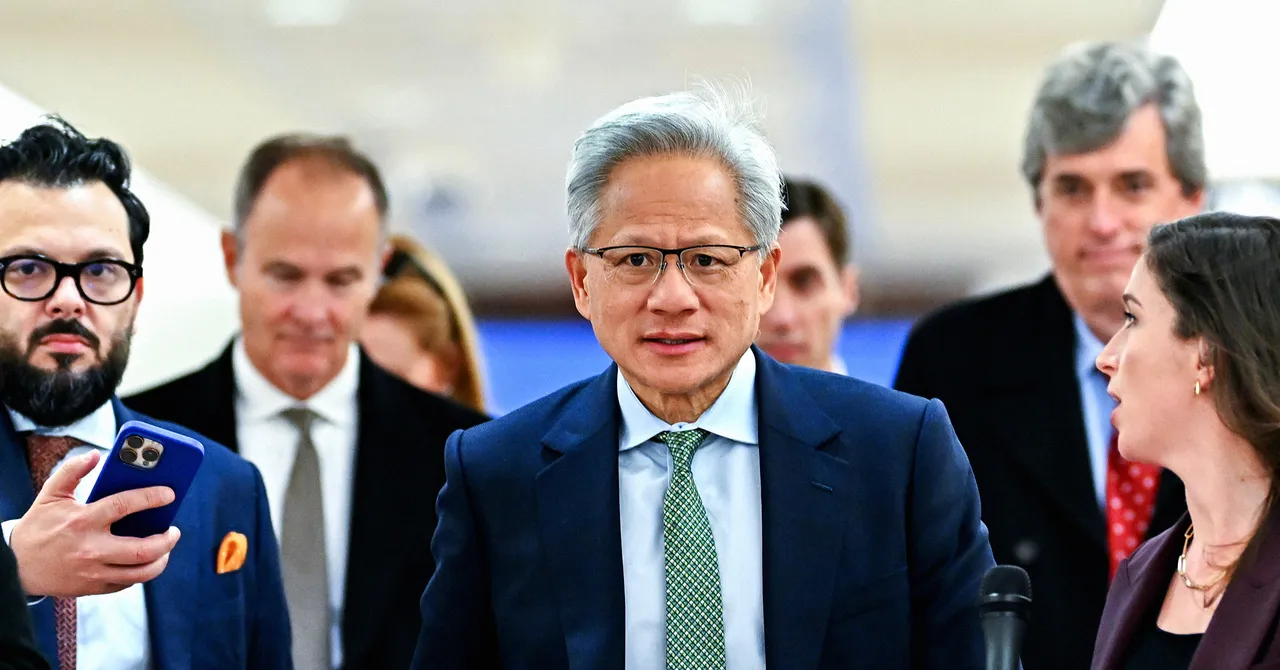
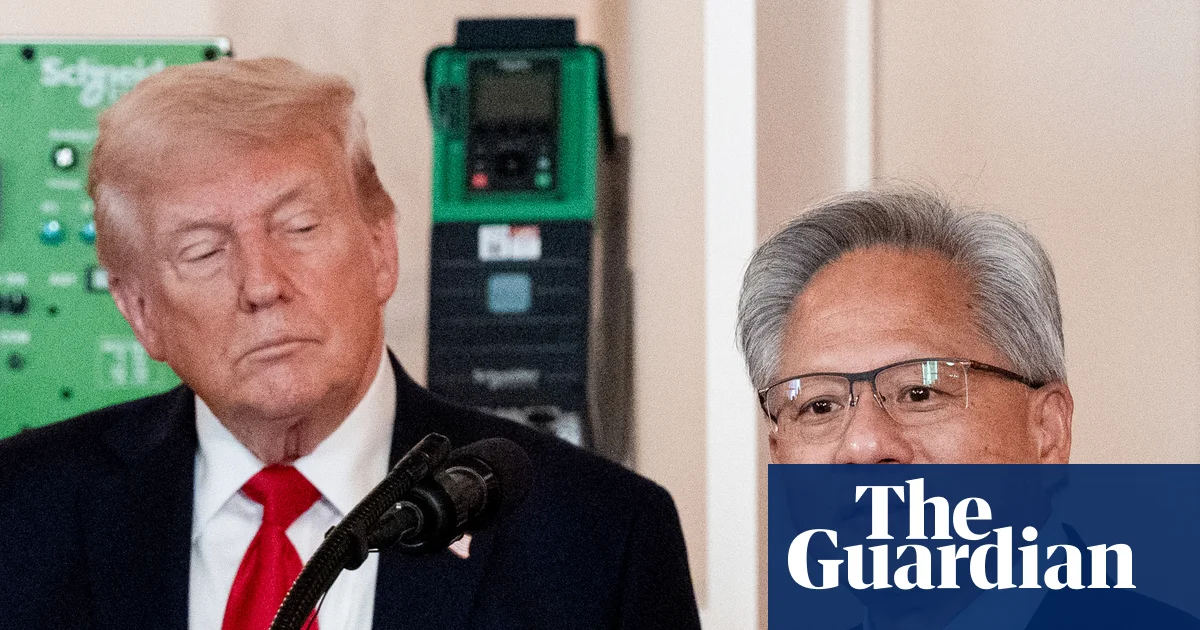
In a dramatic turn of events, former President Donald Trump has authorized Nvidia to resume sales of its advanced AI computer chips to China, breaking decades of strict export controls designed to safeguard US national security interests. This decision marks a significant divergence from previous administrations’ policies, which prioritized technological supremacy and the containment of Chinese technological ambitions. The move was announced via social media, with Trump asserting that the US would “allow NVIDIA to ship its H200 products to approved customers in China, and other Countries,” and emphasizing that the US would retain a 25% share of proceeds—more than the prior 15% agreement. Such a financial arrangement signals a strategic pivot, highlighting the evolving calculus over global technological dominance and economic leverage.

However, this shift isn’t without controversy. Congressional Democrats like Elizabeth Warren and Andy Kim voiced substantial criticism, warning that such sales could empower China’s surveillance, censorship, and military capabilities. Their concerns underscore a broader debate: does the pursuit of economic gains outweigh the risks to security and sovereignty? The reassessment of US-China relations under the shadow of new geopolitical realities is emblematic of a larger struggle—one that involves not only technology but the very fabric of international power. Although Trump’s administration claims these steps bolster US manufacturing and job creation, critics argue that they could inadvertently accelerate China’s technological independence—a development that could have long-lasting destabilizing effects on global balance of power.

Meanwhile, China has responded cautiously, with the foreign ministry noting that “China and the United States can achieve mutual benefit” through “cooperation.” Yet, behind these diplomatic words lies a complex chessboard of strategic calculations. Chinese regulators are reportedly debating whether to curtail or facilitate the import of Nvidia’s chips, an indication that the internal dynamics within Beijing itself remain unsettled. As analysts like Ma Jihua observe, years of restrictive policies have inadvertently created opportunities for China’s burgeoning domestic chip industry. The current liberalization of US exports could thus serve as a catalyst—either as a boon or a challenge. Historically, such decisions ripple across the entire geopolitical fabric—stoking fears of a new class of technological arms race.

The geopolitical impact of this development is profound. By reconfiguring the rules of engagement in AI technology—a sector many analysts call the “new frontier of military and economic power”—the United States has opened a new chapter in the competition for global dominance. The move fuels the ongoing narrative of a great power rivalry, where economic policy intertwines with national security, and technological innovation becomes the battleground for influence. As the world watches, this unfolding saga will determine whether nations can balance progress and security, or whether the chaos of uncontrolled competition will fuel conflicts that threaten the stability of the international order. The choices now being made echo through history, shaping a future where the line between cooperation and confrontation will become increasingly blurred, leaving the course of history suspended in a tense, uncertain horizon.

Japanese singer Maki Otsuki halts performance over China controversy

Embattled Diplomacy: How Japan and China Are Fighting Beyond Borders

The recent cancellation of Japanese music events in Shanghai, including a concert by pop icon Ayumi Hamasaki and a partial performance by anime singer Maki Otsuki, marks a significant escalation in the underlying strains between Tokyo and Beijing. These sudden withdrawals, characterized by disruptions mid-performance and restrictions on cultural exchanges, are not mere inconveniences but symbolic manifestations of deeper geopolitical conflicts simmering beneath the surface. The public reactions—ranging from social media memes to nationalistic outcries—underscore the profound impact of diplomacy on societies and how cultural exchanges have become casualty of political discord.

At the core of this confrontation lies Japan’s assertive stance on regional security, notably articulated by Prime Minister Sanae Takaichi. Her confidant declaration that Tokyo might consider military action should Beijing attack Taiwan marks a sharp departure from years of cautious diplomacy. Given China’s unwavering claim over Taiwan, this statement fuels perceptions of escalating militarization in East Asia. Notably, Beijing perceives Taiwan as part of <u>its</u> territory, vehemently opposing any foreign military influence in the region, a stance articulated in recent military drills and diplomatic protests. It has prompted a vigorous response from Chinese authorities, who have not only issued official protests but also resorted to censorship and suppression—such as halting Japanese entertainment—thus shaping how societies perceive this intense geopolitical standoff.

Analysts and international observers emphasize the broader geopolitical impact of these actions. The cultural restrictions placed on Japanese artists in China symbolize more than diplomatic petulance; they serve as a strategic tool to impact Japan’s soft power. The postponement of Japanese anime films, the abrupt halting of music events, and the viral memes comparing the cancellation to the sudden removal of Hu Jintao in October 2022 highlight how China is weaponizing its cultural sphere. Meanwhile, U.S. ambassador to Japan, George Glass, publicly expressed disappointment—a reminder that, despite regional tensions, Washington continues to wield influence over the geopolitical chessboard, allied with Tokyo. These developments underscore a critical juncture where culture, diplomacy, and military posturing converge, and where the world watches as the next moves are quietly yet strategically prepared.

As nations such as Japan and China navigate a landscape fraught with historical grievances, territorial disputes, and the ever-present specter of military escalation, the symbolic power of cultural expression takes on renewed significance. In shutting down concerts and censoring films, Chinese authorities aim to project strength and control, but they also risk alienating a generation that views entertainment as more than just escapism—it’s a bridge fostering understanding and connection. Meanwhile, the echoes of these cultural battles extend beyond the immediate region, influencing alliances and shaping the future of international stability. Historical commentators warn that such tensions, if left unresolved, could spiral into broader conflicts that irrevocably change the geopolitical order—reminding us all that history is an ongoing narrative, written anew with each decisive action and each silent cultural silence.

Social Media Auto Publish Powered By : XYZScripts.com