Matox News

Truth Over Trends, always!

Nvidia Surges Into Model Market with Nemotron 3 Breakthrough

Nvidia’s Bold Move: Revolutionizing Open AI Models and Industry Disruption

In a significant strategic pivot, Nvidia has transitioned from primarily supplying chips for artificial intelligence development to becoming a frontrunner in open model innovation. The chipmaker’s recent release of the Nemotron series signals an ambitious push towards democratizing AI technology, emphasizing transparency, customization, and scalability. This move has profound business implications—it challenges the traditional proprietary approach championed by major US tech firms and hints at a new epoch of open, disruptive AI ecosystems rooted in innovation acceleration.

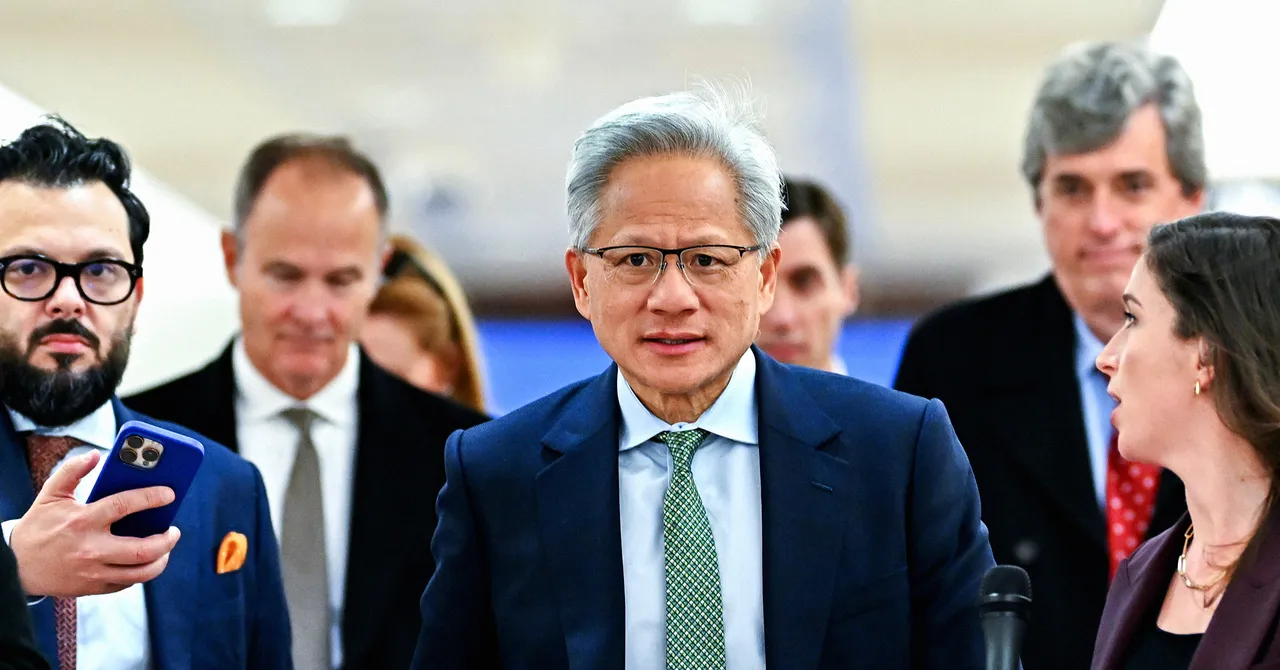
Unlike its Western rivals that lean toward closed, tightly guarded models, Nvidia’s approach with Nemotron embodies a disruptive openness that seeks to empower developers and startups. By releasing the training data and tools alongside the models, Nvidia aims to lower the barriers for AI experimentation and fine-tuning. The platform supports a hybrid latent mixture-of-experts architecture designed to facilitate scalable AI agent creation capable of interacting with web environments or executing complex computer actions. The models arrive in three configurations—Nano (30 billion parameters), Super (100 billion parameters), and Ultra (500 billion parameters)—highlighting Nvidia’s commitment to flexibly address a vast spectrum of enterprise needs. This scale of transparency and accessibility moves against industry norms and could set a new standard in how AI development is conducted globally.

Industry analysts, including those from Gartner and MIT, recognize Nvidia’s initiative as a potential game-changer that disrupts the status quo of AI R&D. As Kari Ann Briski, Nvidia’s vice president of generative AI software, emphasizes, “Open source is making AI more adaptable, fostering innovation, and ultimately powering the global economy.” This stance contrasts sharply with the recent trend among US firms, exemplified by Meta’s open models which have recently shifted towards secrecy. The move toward proprietary models reflects a strategic effort to safeguard competitive advantages, but it may also hinder rapid innovation and collaboration essential for maintaining technological leadership.

Looking forward, the industry faces a critical juncture. Traditional AI giants may find themselves increasingly marginalized if they fail to leverage open innovation channels or adopt more transparent practices. Nvidia’s model suggests the future perhaps belongs to ecosystems where open collaboration accelerates breakthroughs—yet it also exposes the risks of commoditizing advanced AI and breaking the barriers that once protected innovation. As Elon Musk and Peter Thiel have often warned, the real disruptive power lies in harnessing the energy of open, competitive industries. The race is on, and the stakes couldn’t be higher for those who want to dominate the next frontier of technological progress. Companies that embrace this new paradigm—focusing on transparency, customization, and scalable innovation—will shape the future of AI and economic growth in the era ahead.
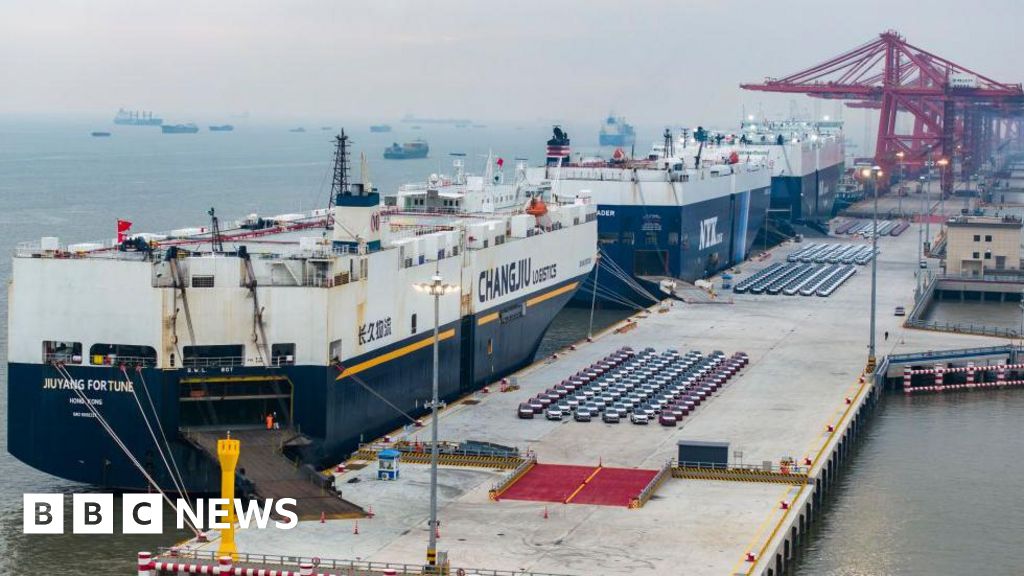
Mexico sets tough tariffs of up to 50% on China and others to protect its economy

In a bold move signaling a shift towards economic nationalism, Mexico has recently approved a comprehensive tariff package impacting over 1,400 products, many sourced from China. This policy, championed by President Claudia Sheinbaum, aims to bolster domestic manufacturing and reduce reliance on foreign imports amidst mounting economic pressures. These tariffs allow for duties of up to 50%, a clear indication of Mexico’s intent to recalibrate its economic strategies in a rapidly changing global landscape. While the move is framed domestically as a matter of economic sovereignty, its geopolitical implications ripple beyond borders, especially as Mexico engages in delicate negotiations with the United States.

  • The tariffs come at a fraught time, with U.S. President Donald Trump threatening steep import taxes on Mexico, including potential 50% duties on steel and aluminum. These measures are part of a broader strategy to exert economic pressure, ostensibly aimed at curbing the flow of synthetic opioids like fentanyl into the U.S., but also revealing a deeper struggle over trade dominance.
  • In addition, Trump has signaled intentions to impose a 5% tariff on Mexican goods, citing the longstanding Rio Grande treaty—an 80-year-old agreement—regarding water rights as a pretext. Through social media, the U.S. leader accused Mexico of “not meeting the terms” of this treaty, which historically grants the U.S. access to water from the Rio Grande tributaries, raising questions about the truthfulness and strategic motivation behind these claims.

International reactions have been swift and cautious. Warnings from Beijing to Mexico included a reminder to “think carefully” about the implications of imposing tariffs on Chinese products. Analysts note that these measures reflect a broader realignment of economic alliances in which Mexico seeks to navigate between two superpowers—the United States and China. As the world’s second-largest economy, Beijing remains deeply entrenched in Latin America, its investments and trade ties reshaping regional power dynamics. The decision by Mexican lawmakers underscores a strategic push to assert economic independence, but also signals potential shifts in regional stability, especially if tariffs spark retaliatory measures or escalate into trade conflicts.

Impact on Society and Future Trajectory

The societal impact of Mexico’s tariff policy cannot be understated. For consumers, increased costs on everyday products threaten to fuel inflation, while domestic industries may benefit from increased protection. However, historians and economic analysts warn of the long-term consequences of such protectionism—potentially fostering a fragmented global trade system that complicates international cooperation. The moves also reflect a broader pattern of nationalist resurgence across the globe, where nations challenge existing treaties and alliances in pursuit of national interests.

As Mexico confidently asserts its economic independence amid a tense geopolitical climate, the world watches with bated breath. The pending negotiations with the United States—a trading behemoth and regional neighbor—could set a precedent for how nations leverage tariffs and treaties in a new era of economic brinkmanship. The decisions made in Mexico today are not isolated policies but artifacts of a larger, ongoing competition for influence and sovereignty. With history unfolding before our eyes, the question remains: will these tariff maneuvers carve a path towards renewed national strength, or will they spiral into a broader confrontation that reshapes the very fabric of global geopolitics? The answer lies in the unfolding chapter of international relations, where every move could tip the delicate balance of power, leaving the world to witness the next act in this high-stakes geopolitical play.

Trump Paves Path for Nvidia to Export Advanced AI Chips to China

US-China Tech Duel Reshapes Geopolitical Landscape

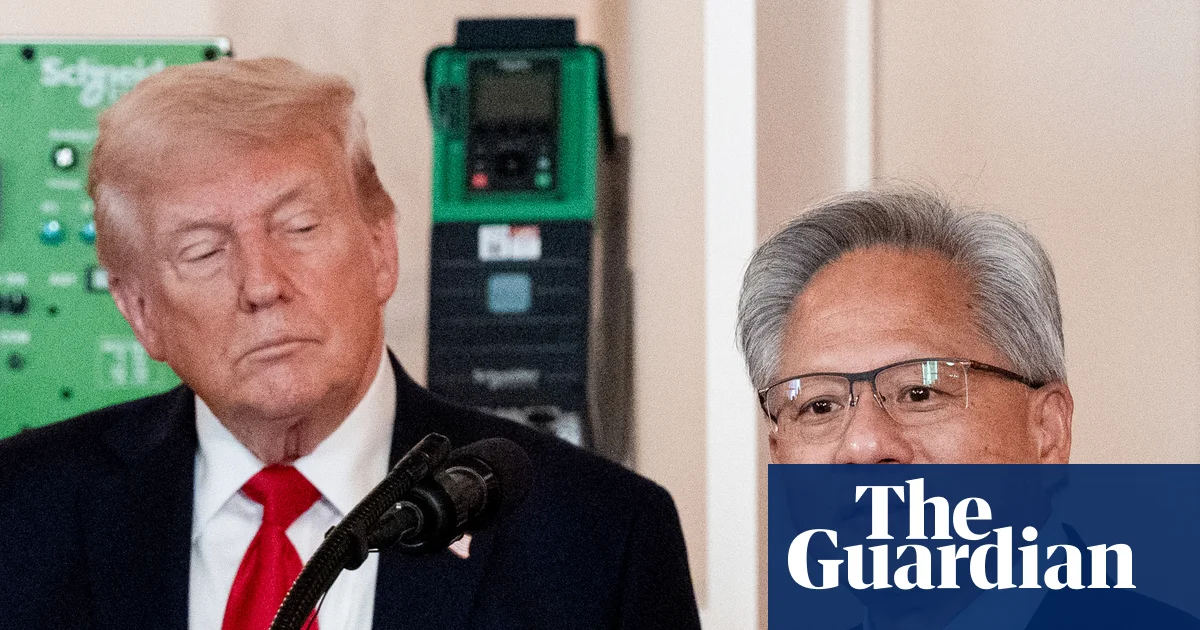
In a dramatic turn of events, former President Donald Trump has authorized Nvidia to resume sales of its advanced AI computer chips to China, breaking decades of strict export controls designed to safeguard US national security interests. This decision marks a significant divergence from previous administrations’ policies, which prioritized technological supremacy and the containment of Chinese technological ambitions. The move was announced via social media, with Trump asserting that the US would “allow NVIDIA to ship its H200 products to approved customers in China, and other Countries,” and emphasizing that the US would retain a 25% share of proceeds—more than the prior 15% agreement. Such a financial arrangement signals a strategic pivot, highlighting the evolving calculus over global technological dominance and economic leverage.

However, this shift isn’t without controversy. Congressional Democrats like Elizabeth Warren and Andy Kim voiced substantial criticism, warning that such sales could empower China’s surveillance, censorship, and military capabilities. Their concerns underscore a broader debate: does the pursuit of economic gains outweigh the risks to security and sovereignty? The reassessment of US-China relations under the shadow of new geopolitical realities is emblematic of a larger struggle—one that involves not only technology but the very fabric of international power. Although Trump’s administration claims these steps bolster US manufacturing and job creation, critics argue that they could inadvertently accelerate China’s technological independence—a development that could have long-lasting destabilizing effects on global balance of power.

Meanwhile, China has responded cautiously, with the foreign ministry noting that “China and the United States can achieve mutual benefit” through “cooperation.” Yet, behind these diplomatic words lies a complex chessboard of strategic calculations. Chinese regulators are reportedly debating whether to curtail or facilitate the import of Nvidia’s chips, an indication that the internal dynamics within Beijing itself remain unsettled. As analysts like Ma Jihua observe, years of restrictive policies have inadvertently created opportunities for China’s burgeoning domestic chip industry. The current liberalization of US exports could thus serve as a catalyst—either as a boon or a challenge. Historically, such decisions ripple across the entire geopolitical fabric—stoking fears of a new class of technological arms race.

The geopolitical impact of this development is profound. By reconfiguring the rules of engagement in AI technology—a sector many analysts call the “new frontier of military and economic power”—the United States has opened a new chapter in the competition for global dominance. The move fuels the ongoing narrative of a great power rivalry, where economic policy intertwines with national security, and technological innovation becomes the battleground for influence. As the world watches, this unfolding saga will determine whether nations can balance progress and security, or whether the chaos of uncontrolled competition will fuel conflicts that threaten the stability of the international order. The choices now being made echo through history, shaping a future where the line between cooperation and confrontation will become increasingly blurred, leaving the course of history suspended in a tense, uncertain horizon.

Japanese singer Maki Otsuki halts performance over China controversy

Embattled Diplomacy: How Japan and China Are Fighting Beyond Borders

The recent cancellation of Japanese music events in Shanghai, including a concert by pop icon Ayumi Hamasaki and a partial performance by anime singer Maki Otsuki, marks a significant escalation in the underlying strains between Tokyo and Beijing. These sudden withdrawals, characterized by disruptions mid-performance and restrictions on cultural exchanges, are not mere inconveniences but symbolic manifestations of deeper geopolitical conflicts simmering beneath the surface. The public reactions—ranging from social media memes to nationalistic outcries—underscore the profound impact of diplomacy on societies and how cultural exchanges have become casualty of political discord.

At the core of this confrontation lies Japan’s assertive stance on regional security, notably articulated by Prime Minister Sanae Takaichi. Her confidant declaration that Tokyo might consider military action should Beijing attack Taiwan marks a sharp departure from years of cautious diplomacy. Given China’s unwavering claim over Taiwan, this statement fuels perceptions of escalating militarization in East Asia. Notably, Beijing perceives Taiwan as part of <u>its</u> territory, vehemently opposing any foreign military influence in the region, a stance articulated in recent military drills and diplomatic protests. It has prompted a vigorous response from Chinese authorities, who have not only issued official protests but also resorted to censorship and suppression—such as halting Japanese entertainment—thus shaping how societies perceive this intense geopolitical standoff.

Analysts and international observers emphasize the broader geopolitical impact of these actions. The cultural restrictions placed on Japanese artists in China symbolize more than diplomatic petulance; they serve as a strategic tool to impact Japan’s soft power. The postponement of Japanese anime films, the abrupt halting of music events, and the viral memes comparing the cancellation to the sudden removal of Hu Jintao in October 2022 highlight how China is weaponizing its cultural sphere. Meanwhile, U.S. ambassador to Japan, George Glass, publicly expressed disappointment—a reminder that, despite regional tensions, Washington continues to wield influence over the geopolitical chessboard, allied with Tokyo. These developments underscore a critical juncture where culture, diplomacy, and military posturing converge, and where the world watches as the next moves are quietly yet strategically prepared.

As nations such as Japan and China navigate a landscape fraught with historical grievances, territorial disputes, and the ever-present specter of military escalation, the symbolic power of cultural expression takes on renewed significance. In shutting down concerts and censoring films, Chinese authorities aim to project strength and control, but they also risk alienating a generation that views entertainment as more than just escapism—it’s a bridge fostering understanding and connection. Meanwhile, the echoes of these cultural battles extend beyond the immediate region, influencing alliances and shaping the future of international stability. Historical commentators warn that such tensions, if left unresolved, could spiral into broader conflicts that irrevocably change the geopolitical order—reminding us all that history is an ongoing narrative, written anew with each decisive action and each silent cultural silence.

Asia-Pacific’s Travel Crown Slip: Is the Region Losing Its Global Edge?

Asia Pacific’s Travel Landscape: From Bust to Boom?

Once celebrated as the vibrant epicenter of global tourism, the Asia Pacific region has experienced a seismic shift in travel dynamics. With iconic destinations like Bali, Singapore, and bustling hubs in Japan and China, this region was responsible for over a third of all international passenger journeys pre-pandemic. But the global health crisis pivoted its trajectory, leaving many wonder if this once unstoppable traveler magnet will regain its former glory anytime soon. According to a recent CAPA report, Asia Pacific is projected to relinquish its title as the world’s largest travel region to Europe by the close of 2022, illustrating a sobering slowdown in recovery.

Despite a robust past, the numbers paint a different picture today. While 2019 saw an astonishing 3.38 billion passengers transit through Asia Pacific airports, forecasts now suggest this figure will fall to approximately 1.84 billion by year’s end. This decline is largely attributed to stringent border restrictions, mainly driven by China’s unwavering zero-Covid policy and Japan’s cautious reopening strategy, set to fully lift restrictions on October 11. These policies, while rooted in health considerations, have imposed a tangible toll on aviation and tourism infrastructure, stalling the momentum of regional recovery. Interestingly, while international travel has faltered, domestic tourism in countries like China continues to hold its ground, down only 5.4% from 2019 levels, hinting at an inner resilience that could eventually fuel broader bounce-back.

The Road to Reconnection: Challenges and Opportunities

Recovery efforts hinge heavily on political will and policy harmonization. Most travel in Asia Pacific destinations remains a shadow of pre-pandemic figures—hovering at 50% or less—except for exceptions like India, which is only 11% below 2019 benchmarks. Industry experts emphasize the importance of harmonized international travel rules, advocating for greater openness and continued vaccination drives to smooth the often fragmented patchwork of border policies. The ongoing restrictions, despite easing in some regions, underscore a broader message: trust and flexibility are key to fuel the revival of this vital travel ecosystem.

Travel professionals suggest that the region’s recovery will likely stretch into late 2023 or early 2024, driven by a mix of economic factors, epidemiological stability, and strategic initiatives to boost international connectivity. The Asian travel renaissance, if navigated adeptly, could serve as a cornerstone for economic revitalization, creating opportunities for entrepreneurs, youth explorers, and cultural ambassadors eager to reconnect with Asia’s diverse tapestry. As the world gradually reopens, the region’s internal drive for tourism innovation—from eco-friendly resorts to wellness retreats—aligns with a growing desire among young travelers to live authentically, embrace new experiences, and pursue personal growth through exploration.

Embarking on the Journey Forward

  • Plan with flexibility: In uncertain times, adaptable itineraries empower travelers to seize opportunities as borders shift.
  • Prioritize wellness: Wellness travel is more than a trend; it’s a lifestyle shift that fosters personal impact, filling journeys with purpose and rejuvenation.
  • Embrace cultural richness: Connecting with local communities enriches the travel experience, transforming it from routine to transformative.

In essence, travel isn’t merely a pursuit of leisure but a voyage toward self-discovery and interconnectedness. For the young adventurer, the traveler navigating the currents of global change, Asia Pacific’s unfolding story holds a mirror to broader societal shifts—one of resilience, unity, and the unyielding desire to explore. As borders open and connections are reestablished, a new chapter awaits—one in which journeys of discovery foster not just economic growth but also the spirit of global community. The adventure to embrace the world—and one’s place within it—continues, beckoning the next generation of explorers to step forward into a future full of promise.

Hong Kong Scores Big with Free Airline Ticket Giveaway for Adventure-Ready Travelers

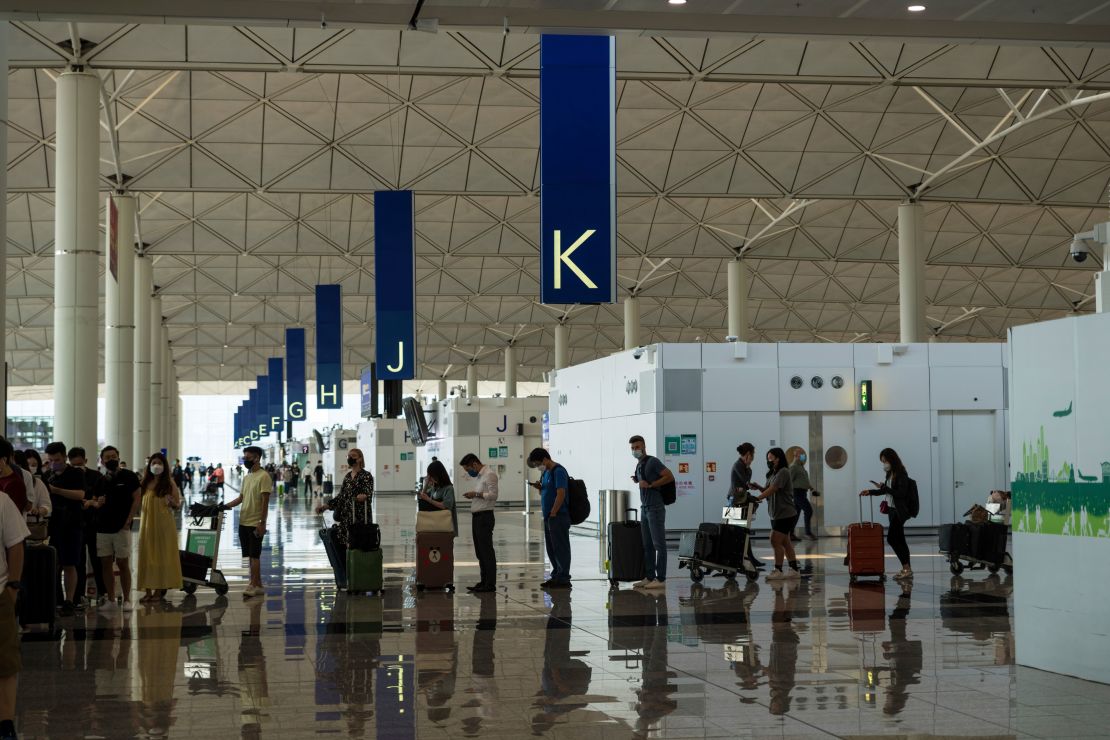
Once a bustling hub attracting over 56 million visitors annually, Hong Kong has faced unprecedented challenges in recent years due to stringent pandemic measures. The city’s economy, heavily reliant on global tourism, was hit hard when strict quarantine protocols and travel bans limited international arrivals. After over two years of virtual isolation, the narrative is shifting. Now, the city is making bold moves to re-engage the world, signaling a fresh chapter in its vibrant life and economic revival.

Hong Kong’s decision to abolish its longstanding hotel quarantine policy, along with a concerted push to lure back travelers, underscores a strategic shift toward normalcy. The landmark move was followed by an audacious campaign: the giveaway of half a million airline tickets, valued at approximately $254.8 million. Announced by the Hong Kong Airport Authority, this effort aims to inject liquidity into the aviation sector while reigniting global interest in the city. These tickets are allocated to both international visitors and residents alike, emphasizing Hong Kong’s commitment to reconnect with the world and restore its vibrancy. Such initiatives reflect a broader ethos echoed by travel and lifestyle experts—embracing the restorative power of travel not only fuels local economies but reinvigorates individual purpose and global fellowship.

While these efforts mark a significant step, the journey back to normalcy remains layered with challenges. Despite lifting quarantine measures, visitors must navigate complex entry requirements: vaccination certificates, multiple PCR tests, and mandatory self-monitoring periods. Hong Kong’s government remains cautious, understanding that safety and confidence are paramount in rebuilding trust. The city’s historic approach—initially requiring 21 days of quarantine, then reducing it to three—demonstrates a measured path towards reopening. Notably, the city’s flagship airline, *Cathay Pacific*, and agencies like Expedia report surges in travel demand, foreshadowing a promising rebound. These signs serve as a testament to the resilience ingrained in Hong Kong’s culture, a community that has continually adapted and persevered through adversity, channeling an unbreakable spirit of innovation and hope.

Living the Hong Kong Experience Today

  • Prepare early: Gather vaccination proofs and PCR test results to streamline your entry process.
  • Stay informed: Follow official sources for the latest updates on travel restrictions and guidelines.
  • Plan with flexibility: Expect some restrictions, like self-monitoring and limited dining options initially.

For those seeking inspiration in the wake of global upheavals, the evolving landscape of Hong Kong offers a compelling narrative of rebirth. It’s a story rooted in resilience, determination, and the relentless pursuit of a better future. As the city reopens its arms, it beckons worldwide explorers to rediscover its unique blend of tradition and modernity, to experience firsthand that even in the face of hardship, life finds a way to flourish. Embracing this journey isn’t just about travel; it’s about reclaiming a piece of ourselves—curious, adventurous, and inspired—ready to forge ahead into new horizons.

Hong Kong’s Back in Action: Is the City’s Comeback on Time for the Next Generation?

Hong Kong’s Resilient Revival: Embracing Change and Reclaiming Its Global Pulse

Once a bustling powerhouse of international commerce and vibrant street life, Hong Kong faced unprecedented challenges over the past three years. The pandemic’s relentless grip, combined with social unrest and strict quarantine measures, drastically curtailed its role as a global hub of tourism and finance. Markets shuttered, businesses shuttered, and the soul of this legendary city felt subdued. Vendors in areas like Tung Choi Street, known for its iconic night market, experienced a sharp decline in activity, and stories of resilience emerged from shopkeepers like Mr. Chan, whose once-busy stall now operates shorter hours. Yet, amidst these trials, Hong Kong’s leadership is charting a bold course to restore the city’s vibrancy — and it begins with reopening to the world.

Recent developments signal a determined push to reverse the pandemic’s damage and rekindle the city’s dynamism. The city has lifted its stringent quarantine policies, allowing international travelers to visit without the daunting 21-day hotel stay that once paid a premium. This move is more than just easing restrictions; it’s a declaration of faith that trust in the resilience of Hong Kong’s economy can prevail. Eager travelers have responded swiftly, with airlines like Cathay Pacific setting up virtual “waiting rooms” for flight bookings, and travel demand skyrocketing towards cities like Tokyo and Osaka. This renewed interest in wanderlust underpins a vital truth: our health and well-being flourish when we embrace movement and adventure, reconnecting with the world beyond our screens.

However, the path to full recovery isn’t without obstacles. While the quarantine ban is lifting, new safety protocols still impose restrictions that may dampen tourism’s comeback. A three-day ban on dining in restaurants combined with complex entry requirements can seem like hurdles, especially for visitors from abroad. Still, the initiatives like the giveaway of 500,000 airline tickets — valued at nearly $255 million — aim to ignite a *market recovery campaign* that encapsulates the spirit of innovation and opportunity. As wellness expert Dr. Emma Seppälä advocates, “Optimism and proactive efforts are key drivers in fostering resilience in challenging times.” This philosophy echoes through Hong Kong’s recent decisions to revive its global standing, exemplifying a collective trust in the city’s enduring spirit.

  • Travel Smart: Keep an eye on evolving entry policies, and pack pre-vaccination certificates and negative tests.
  • Support Local: Explore emerging neighborhoods and independent vendors to help sustain the city’s small businesses.
  • Stay Inspired: Take moments to appreciate the city’s culture, from historic cafes to modern events, fueling your sense of adventure and purpose.

In contemplating Hong Kong’s story, there lies a broader reflection about our own journeys. The city’s collective effort to bounce back — from the ashes of pandemic shutdowns to the anticipation of international gatherings like the International Rugby Sevens — serves as a powerful reminder. Our _well-being_ depends not only on health measures but on our willingness to step outside, explore, and engage with the world anew. For young adventurers and entrepreneurs alike, the message is clear: resilience is an active choice. As the city reclaims its spot on the world’s stage, each of us can draw inspiration from its unwavering spirit, using setbacks as stepping stones to growth. The journey of life is an ongoing dance with change — embracing it is how we become our best selves.

UK launches bold minerals plan to cut reliance on China

Britain’s New Critical Minerals Strategy Signals a Geopolitical Shift

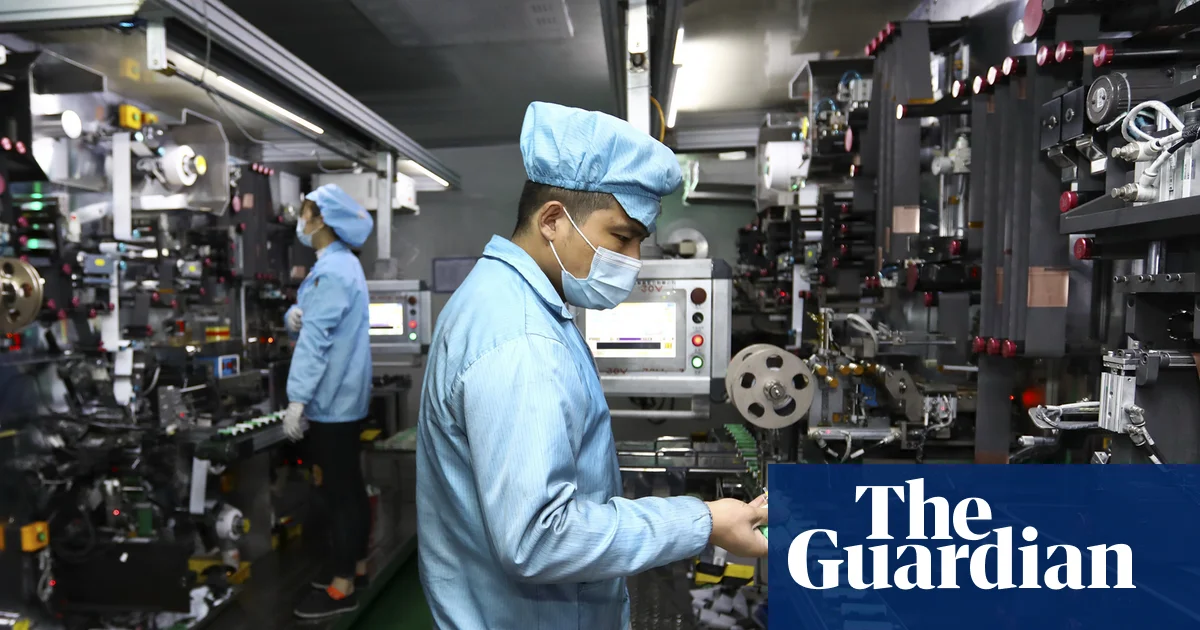
In a decisive move reflecting the mounting global rivalry over vital resources, Britain has unveiled a comprehensive critical minerals and rare earths strategy aimed at fortifying its supply chains against China‘s growing influence. Keir Starmer’s announcement underscores a broader international pattern—nations are increasingly recognizing that economic resilience in the 21st century hinges on securing domestically sourced and diversified supplies of essential materials. As analysts warn, the stakes are high: without strategic independence in critical minerals, Western economies risk falling prey to China’s geopolitical leverage, especially amid recent clashes over chip supplies and technological dominance.

The strategy, bolstered by a £50 million fund targeted at expanding domestic production in places like Cornwall—home to Europe’s largest lithium deposits—embodies a clear intent: diminish reliance on China and other authoritarian regimes. This initiative also aligns with Europe’s own efforts to break free from Chinese supply chains, as highlighted by the European Union’s acknowledgment of its lag behind the US in securing critical material stocks. The EU’s largest lithium deposits in Cornwall, coupled with potential support for tungsten mines, demonstrate a strategic pivot that aims to turn Britain’s resource wealth into geopolitical leverage. In this context, America and Britain are engaged in a high-stakes race to develop the infrastructure, technology, and investment necessary to dominate the critical minerals market—an arena increasingly recognized as the new frontier of global power.

How decisions made today ripple through societies is just as vital. As historians note, the previous reliance on overseas sources has left Western countries vulnerable during periods of diplomatic or trade upheaval. Last summer’s standoff between China and the EU over chip supplies exemplifies how political tensions can swiftly disrupt critical supply chains, with far-reaching implications for industries ranging from automobiles to artificial intelligence. Failure to secure reliable access to essential minerals could stall technological progress, inflate costs, and weaken national security. These risks emphasize why governments are prioritizing not just resource extraction, but also the development of recycling technologies and domestic refining capabilities, as seen with Germany’s five-year, £150m lithium refinery project.

  • The UK’s strategic goal: ensure no more than 60% of any critical mineral is imported from a single partner by 2035.
  • Investment in domestic processing aims to produce at least 50,000 tonnes of lithium annually by the same year.
  • Britain’s cooperation deal with Saudi Arabia signals an emerging network of alliances designed to buffer supply chain disruptions.

Despite these efforts, international organizations like the EU acknowledge that America currently holds a significant advantage, thanks to proactive stockpiling and strategic investments, which analysts say could guarantee a supply edge for years to come. The global landscape resembles a high-stakes chess game, where the control of critical minerals equates to geopolitical dominance. As history warns, nations that fail to adapt—those that depend excessively on unreliable external sources—risk falling behind in the new cold war of resource control. With the world watching, Britain is racing against time to secure its future, aware that the decisions shaping today will echo for generations and influence the very fabric of international power—a narrative still being written, with the weight of history uncertain and the stakes higher than ever.

Trump’s FCC drops cybersecurity rules amid Chinese hack fears — a bold move for youth, tech, and free markets

FCC’s Cybersecurity Rollback Sparks Industry Disruption and Security Concerns

In a bold move signaling a shift in U.S. telecommunications policy, the Federal Communications Commission (FCC) voted 2-1 along partisan lines to rescind critical cybersecurity regulations previously enacted under the Biden administration. The decision, championed by the FCC’s two Republican commissioners, Brendan Carr and Olivia Trusty, effectively removes mandatory security standards aimed at safeguarding phone and internet networks from unlawful access and cyber threats. This strategic rollback aligns with a broader trend of deregulation in the tech sector, emphasizing market-led resilience over prescriptive government intervention.

The regulatory shift arrives amidst an escalating threat landscape, notably exemplified by the Salt Typhoon hacking campaign attributed to China-backed adversaries. This sophisticated operation compromised over 200 US telecommunications firms, including giants such as AT&T, Verizon, and Lumen. Hackers targeted fundamental infrastructure, including wiretap and surveillance systems mandated for law enforcement, exposing the fragility of existing security protocols. Industry analysts, including Gartner and MIT cybersecurity experts, warn that such vulnerabilities could be exploited further if regulatory oversight diminishes.

Adding complexity to the industry’s response are divergent opinions among policymakers. Democratic FCC commissioner Anna Gomez opposed the rollback, arguing it reverses the only meaningful cybersecurity efforts against nation-state cyber espionage. Critical voices, including Senators Gary Peters and Mark Warner, expressed alarm that deregulation will undermine national security, leaving critical communication channels exposed. Their assertions underscore a persistent industry question: Will market forces alone suffice to defend against increasingly sophisticated cyber threats, or is strategic regulation indispensable? Conversely, the NCTA, representing the telecommunications industry, welcomed the move, asserting that the existing rules were overly prescriptive and hampered innovation.

From a technological perspective, this deregulation potentially signals a disruptive phase for the industry, where innovation, rather than regulation, becomes the primary driver of security advancements. Cutting-edge solutions—such as AI-powered anomaly detection, blockchain-based integrity checks, and decentralized security architectures—are poised to redefine cybersecurity landscapes. Disruption driven by market competition could accelerate the deployment of these technologies, positioning nimble firms as leaders in the new security paradigm. Notable industry figures, including Elon Musk and Peter Thiel, have long championed decentralized innovation—foreshadowing a future where private entities spearhead cybersecurity guardrails, rather than bureaucratic mandates.

Looking forward, the industry faces a pivotal moment: balancing innovation and disruption with the safeguarding of national security interests. Policymakers, industry leaders, and technologists must collaborate to ensure that market-driven solutions do not come at the expense of foundational infrastructure resilience. As hackers refine their methods and geopolitical tensions escalate, the window narrows for meaningful action. The future of U.S. cybersecurity in telecommunications depends on adopting a proactive, forward-thinking approach that leverages technological innovation while maintaining robust safeguards—an urgent call for strategic agility in an increasingly volatile digital landscape. The coming months will determine whether deregulation fosters a pioneering security ecosystem or exposes critical vulnerabilities, with profound implications for the global tech frontier.

Discover the Thrill: Exploring Hong Kong’s Wild Snake Safari Adventure

In a world fixated on instant gratification and digital distraction, the lifestyle shifts towards wellness and personal enrichment are more vital than ever—an acceleration driven by our relentless pursuit of meaning, adventure, and harmony with nature. One fascinating case study unfolds amidst the verdant terrains of Hong Kong, a city-famous for its towering skyscrapers and densely packed streets, yet profoundly intertwined with lush, protected landscapes home to over 50 snake species. This convergence of urban dynamism and wild biodiversity exemplifies a broader cultural shift: people are increasingly seeking authentic encounters with the natural world, not just as a means of leisure but as a path toward well-being and self-awareness.

Enter the extraordinary initiatives led by snake expert William Sargent, whose Snake Safaris offer daring yet educational excursions into Hong Kong’s subtropical wilderness. Since 2017, Sargent’s nocturnal tours through Tai Mo Shan Country Park—Hong Kong’s highest peak—have attracted hundreds of adventurous visitors each year, driven by an entrepreneurial spirit that combines danger, discovery, and personal growth. These experiences don’t just satisfy a thrill; they transform perceptions, challenging longstanding stigmas about snakes and fostering a sense of curiosity and respect for wildlife. As Sargent’s work demonstrates, embracing nature-based activities is increasingly seen as essential for mental clarity, physical activity, and even social bonding, cultivating a lifestyle that harmonizes risk with responsibility in pursuit of inner peace.

Thematic to this wellness renaissance is a growing awareness of the importance of enlightened conservation. Despite the controversial cultural factors—snakes being a traditional ingredient in cuisine or used in medicine—there’s a rising tide of advocacy and community-building. Sargent’s role extends beyond tours; he’s actively combatting misconceptions by engaging with local schools, setting up online communities like the Hong Kong Snakes Facebook Group, and pushing for progressive policies like the Rapid Release Program, which ensures rescued snakes are returned to their natural habitat rather than being unnecessarily killed or stored. Such efforts reflect a cultural shift, recognizing that personal impact involves not just individual health but also ecological harmony—a pursuit of balance that reinvigorates respect for our environment amid rapid urban expansion.

For young explorers eager to redefine what lifestyle means in a fast-changing world, Hong Kong’s blend of urban pace and wilderness offers an inspiring blueprint. It’s about cultivating curiosity and courage, engaging with nature responsibly, and, ultimately, forging a deeper connection with oneself and the world. As Sargent’s tours reveal: true wellness isn’t just a state of mind—it’s a journey through the dazzling mosaic of skyscrapers and bamboo-lined trails, where every encounter, even with a venomous creature, becomes an act of personal growth. The path to well-being is paved with adventure, respect, and the unwavering pursuit of balance—a testament that physical vitality and spiritual fulfillment are woven into the wild, waiting for those bold enough to seek them out.

  • Explore local, nature-centered adventures that challenge and inspire.
  • Engage with community efforts to protect and respect local wildlife.
  • Prioritize experiences that foster _wellness_, _curiosity_, and _personal growth_.
Social Media Auto Publish Powered By : XYZScripts.com