Matox News

Truth Over Trends, always!

Chinese brain-tech startup Gestala launches with $21M boost, sparking youth innovation wave

Innovation at the Forefront of Neurotech: Gestala Secures Record-Breaking Funding in China’s Brain-Computer Interface Sector

In an extraordinary display of investor confidence, Gestala has raised an impressive $21.6 million (CN¥150 million) within just two months of launching, positioning itself as a major disruptor in China’s burgeoning brain-computer interface (BCI) industry. This funding round, co-led by prominent financial players Guosheng Capital and Dalton Venture, with participation from several key institutions including Tsing Song Capital and Gobi Ventures, has set a new milestone as the largest early-stage investment in China’s BCI arena. With investor commitments surpassing $58 million, the industry’s appetite for groundbreaking neurotechnology is clear and expanding rapidly.

Innovation and speed are now defining the competitive landscape. Gestala is pioneering ultrasound-based brain-computer interface (BCI) systems, a technology believed to revolutionize how humans interact with neural signals. Unlike traditional invasive methods that involve surgery, ultrasound offers a non-invasive alternative capable of monitoring and stimulating deep neural circuits with precision. This approach could drastically lower the risks associated with brain implants, thereby opening up BCI applications to broader populations. By leveraging China’s efficient supply chains and integrated manufacturing ecosystem, Gestala aims to accelerate from prototype to scale, targeting commercialization within the next year—a timeline that could give it a competitive edge against global rivals, many of whom are still in early R&D phases.

Market Implications and Strategic Expansion in Neurotech

The global BCI market is experiencing a surge driven by advancements in ultrasound technology, with major players like OpenAI-backed Merge Labs leading the charge outside China. Gartner analysts highlight that these innovations are fundamentally disruptive, with the potential to reshape sectors from healthcare to gaming. Gestala plans to develop its first-generation prototype by year’s end and is actively expanding its R&D team from 15 to 35 personnel, underscoring an aggressive move towards rapid commercialization. The company’s strategic focus on developing a “Ultrasound Brain Bank” signals its intent to create large, high-quality datasets, crucial for training AI models and bolstering future diagnostics—a move aligned with global trends in AI-driven healthcare.

  • Medical Applications: Chronic pain management, mental health (depression, PTSD, autism), stroke rehabilitation
  • Long-Term Goals: Neurodegenerative diseases such as Alzheimer’s, Parkinson’s, and tremors
  • Operational Strategy: Leveraging China’s manufacturing scale for speed and cost efficiency, reducing clinical trial costs by up to 80%

Despite rising geopolitical tensions, Peng, founder and CEO of Gestala, emphasizes the importance of international collaboration, advocating a partnership model where the U.S. and China combine large-scale clinical research capacity with top-tier scientific talent. This cooperation could potentially accelerate breakthroughs, echoing industry experts’ warnings that hardware and AI integration must navigate geopolitical hurdles but also unlock unprecedented innovation in neural science.

Looking ahead, the implications for disruption are profound. With a blend of innovative ultrasound tech, strategic manufacturing, and data-rich AI models, Gestala is positioning itself at the vanguard of the next wave of neurotechnology. As global investors and industry giants race to decode the brain’s complexities, the urgency to stay ahead becomes critical. The next 12 to 24 months are poised to determine whether non-invasive ultrasound BCI can break through regulatory, technical, and geopolitical barriers—and, in doing so, reshape the very fabric of human-machine interaction for generations to come.

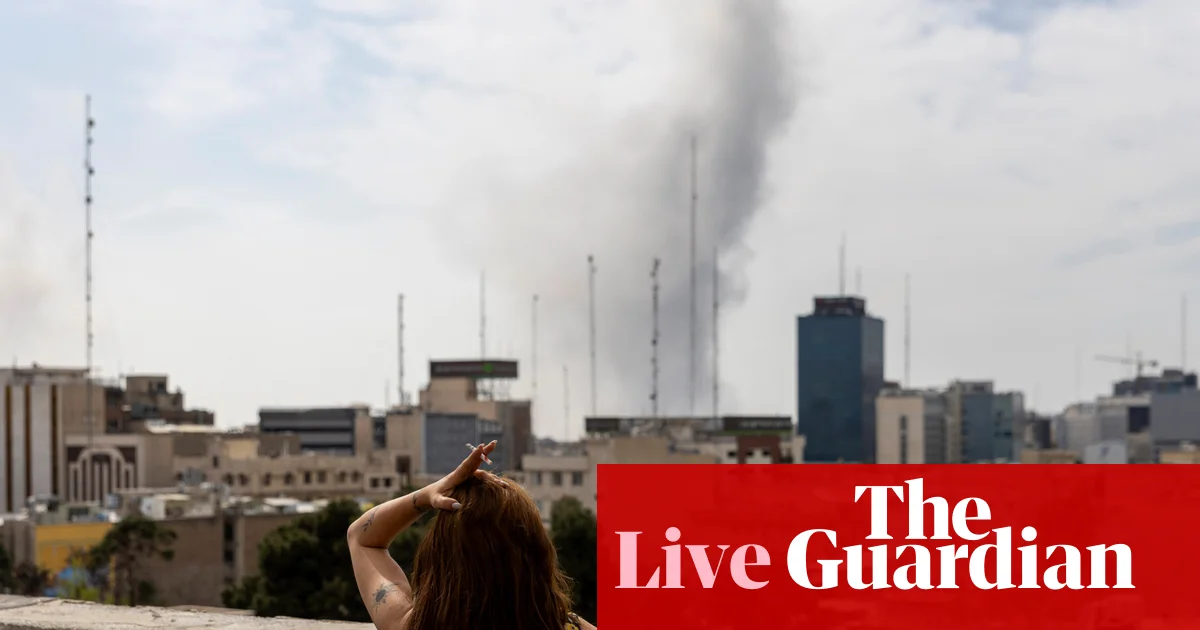
Middle East Tension: China Warns Against ‘Jungle Law,’ Trump Claims Iran’s in Free Fall — U.S. and Israel Ramp Up Pressure

Geopolitical Turmoil in the Middle East: A Crisis Unfolding

The Middle East stands at a crucial crossroads as a series of escalating conflicts threaten regional stability and global security. The recent outbreak of violence, primarily driven by the US-supported Israel campaign against Iran, has drawn widespread international concern. Reports indicate that over the past week, a cascade of military actions, missile exchanges, and targeted strikes have pushed the region into chaos, with far-reaching consequences for nations involved and societies across the globe.

The initial spark was the aggressive clearance of Iranian targets by Israeli forces, ostensibly aiming to weaken Iran’s military capacity. Israeli airstrikes across southern Lebanon and the Iranian capital of Tehran have resulted in significant destruction, including fuel storage complexes and military command centers. The Israeli military reported it targeted “several fuel storage complexes” and “key commanders” of the IRGC’s Quds Force, which, according to analysts, signals a direct confrontation with Iranian paramilitary elements. Meanwhile, the US has embraced a hawkish stance, with President Trump declaring that Iran is being “decimated,” though he refused to rule out the deployment of ground troops, amplifying fears of an open-ended regional conflict.

International Responses and Shifting Alliances

Global reactions have been sharply divided amid the turmoil. China, a prominent regional power and strategic competitor of the United States, has condemned the conflict, stating “the war should never have happened” and warning that the world must avoid returning to a punitive “law of the jungle.” Wang Yi, China’s foreign minister, explicitly called for an end to military actions, emphasizing the need for diplomatic solutions. This stark opposition underscores the geopolitical impact of the crisis, as Beijing positions itself as a defender of multilateral diplomacy against unrestrained military escalation.

Conversely, America and Israel continue their assertive stance. Donald Trump, through social media, suggested that more Iranian officials would be targeted, with explicit warnings that “Today Iran will be hit very hard.” Reports indicate ongoing discussions between the US and Israel over deploying special forces to seize Iran’s highly enriched uranium stocks, a move that could escalate the conflict into a full-on war of attrition. The US has also been critical of their traditional allies, explicitly warning the UK for its delayed support, threatening to remember their perceived slights amidst this global chaos. The stakes are now higher than ever, with the possibility that this conflict could extend into years, shaping the future of international power dynamics.

Regional Strife and Societal Consequences

Beyond the political arena, the human toll is unmistakable. Iranian officials have claimed their military can sustain an indefinite war effort, but the reality for civilians is dire. Residents of Tehran report widespread fires and smoke blanketing the city, unable to escape due to ongoing attacks. In Lebanon, Israeli strikes have hit areas near Beirut, resulting in casualties and damage to critical infrastructure. Inside Kuwait and other Gulf nations, reports of missile and drone attacks and the death of border guards highlight the interconnected nature of regional conflicts and the threat to vital economic and strategic assets in the region. These developments threaten to ignite other conflicts and destabilize already fragile nations, creating a volatile powder keg that could ignite at any moment.

As the region teeters on the brink of wider confrontation, the international community finds itself at a critical juncture. The Australian, European, and Middle Eastern analysts warn that unchecked military escalation risks unleashing a new era of instability, reminiscent of Cold War-era proxy conflicts. The weight of history presses heavily on global shoulders as diplomacy is increasingly strained, and the path toward peace appears murky and uncertain. It is a moment that demands sober judgment, yet the tumult suggests a narrative unfolding with no clear end in sight—a story written in smoke and fire, shaping the contours of a tumultuous new world order.

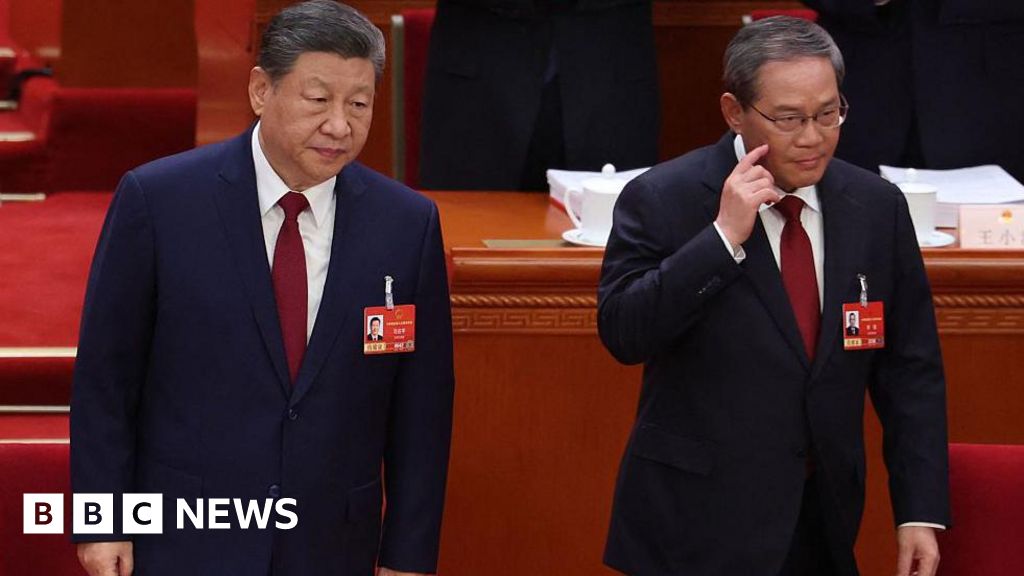
China sets lowest growth target since 1991, signaling cautious economic outlook for the future

In a significant development that signals a new chapter in international economic diplomacy, the target has been lowered for the first time since it was cut to “around 5%” in 2023. This adjustment marks a pivotal moment in recent geopolitical history, reflecting both the shifting priorities of influential nations and the mounting pressures that have reshaped global markets. As nations grapple with economic restructuring and geopolitical rivalries, this recalibration reveals much about the underlying currents that threaten to define the future of global stability.

The decision to revise the target, broadly regarded by analysts as a barometer for economic health and strategic influence, underscores the complex interplay of trade policies, international agreements, and geopolitical power struggles. According to prominent international economists and historians, such as Dr. Margaret Tufton and Dr. Jared Black, these modifications are symptomatic of broader shifts in the global order. They warn that each change in target thresholds is not merely a policy adjustment, but a reflection of profound geopolitical recalibrations taking place behind the scenes. Particularly notable is the influence of major economies like the United States, China, and Russia, all of which have responded to internal and external pressures with a recalculated approach towards economic expectations and international cooperation.

The lowering of targets also intensifies debates within international organizations, especially regarding the role of the Bretton Woods institutions. Critics argue that such shifts reflect a move away from the previous commitment to growth and stability, potentially undermining confidence among global investors. The International Monetary Fund has issued cautious statements, emphasizing that these adjustments could trigger ripple effects across emerging markets, often vulnerable to volatile shifts in policy and perception. Meanwhile, many nations worry that this change signals an erosion of longstanding commitments to shared economic stability, risking further fragmentation of the global economy.

As the world braces for the consequences of this strategic recalibration, many analysts caution that this is merely the beginning of a more turbulent epoch. Countries are increasinglyforced to reconsider alliances, confront rising nationalist sentiments, and adapt their economies to a shifting landscape of power. Historians caution that every epoch-defining decision bears the weight of history—shaping nations, societies, and civilizations for generations to come. The ongoing saga, driven by decisions at the highest levels of power, reminds us that in geopolitics—much like in economics—the margin for stability continues to narrow. As the clock ticks on, the world stands at a crossroads where every choice could carve the course of history, leaving the shadows of past conflicts and ambitions looming large over an uncertain future.

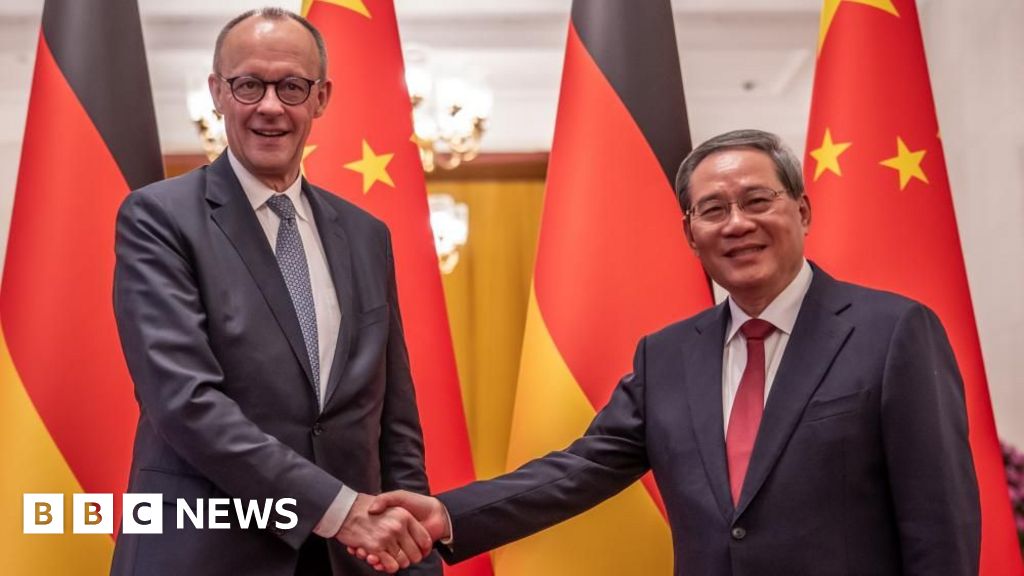
German Chancellor warns of growing trade gap with China on first Beijing visit

In a significant development amid shifting international trade dynamics, German business groups have issued a pointed appeal to Friedrich Merz, demanding a clear and decisive stance towards China’s economic practices. This move underscores growing concerns within Europe about the strategic risks posed by China’s expanding influence in global markets and the need for coherent policies to safeguard national interests. As tensions over trade competition, export controls, and technological sovereignty escalate, the call from industry leaders signals a potential turning point in Europe’s approach to balancing economic relations with China.

Under Germany’s increasingly complex geopolitical landscape, business sectors are warning that ambiguous or lenient policies could underminet the competitive edge of European firms, particularly in key sectors such as technology, manufacturing, and telecommunications. Analysts suggest that the European Union’s future approach may be pivotal in shaping global power dynamics. The pressure on Merz, the leader of the opposition, reflects broader debates within Germany—Europe’s economic powerhouse—about how to maintain a strategic and independent stance amidst rising U.S.-China tensions. Moreover, this call aligns with European efforts to reinforce export controls, safeguard technology, and counteract economic coercion, which many see as essential in preventing China’s market dominance from eroding Europe’s technological sovereignty.

Historically, decisions on trade and diplomacy have an enduring impact on national security, societal stability, and international rankings. The stance taken by Germany’s politische and business elites will likely influence the broader European Union’s foreign policy direction. Recent reports from international organizations, including the World Trade Organization, suggest that such moves could provoke retaliatory measures from Beijing, adding risk to European export-dependent economies. Meanwhile, U.S. policymakers, keen on coalition-building with European allies, are watching these developments with a mix of interest and apprehension, recognizing that the collective stance will shape how the Western bloc resists China’s strategic ambitions.

As critics warn of the potential for economic decoupling and diplomatic rupture, the words of historians and analysts carry increasing weight. Many caution that reckoning with China’s rise involves more than tariffs and export controls; it requires a deliberate, principled strategy that considers the societal and geopolitical repercussions for generations to come. The decisions made today could determine whether Europe remains a unified, resilient power or whether it succumbs to fragmentation and dependency. With Merkel’s legacy fading and a new chapter in global diplomacy emerging, the weight of history presses upon leaders to act decisively. In this unfolding saga of power, influence, and sovereignty, the future hangs in the balance—a testament to the enduring importance of strategic foresight in a rapidly changing world.

China strikes again: Executes four Myanmar mafia members to crack down on crime

In a dramatic move with significant geopolitical repercussions, China has publicly executed four members of the notorious Bai family mafia, a criminal syndicate responsible for running widespread scam centers across Myanmar. This decisive action signals a clear stance from Beijing against transnational organized crime and underscores the country’s broader efforts to consolidate control over regional stability.

The Bai family’s criminal enterprise, according to official reports, operated a vast network engaged in advanced financial scams, leveraging Myanmar’s relative legal and political ambiguities. These scam centers targeted vulnerable populations across Southeast Asia and beyond, draining billions of dollars from unsuspecting victims. The crackdown, culminating in the execution, illustrates how China is stepping up its law enforcement outreach beyond its borders, aiming not only to dismantle criminal syndicates but also to project strength within the strategic corridors of Southeast Asia.

International analysts, including specialists at the South China Sea Policy Institute and global crime watchdogs, interpret this move as part of a broader strategy to safeguard China’s economic interests and regional influence. By explicitly targeting this notable criminal organization, Beijing seeks to present itself as the defender of stability and order in a volatile neighborhood. The Chinese government has indicated that such actions align with its commitments to regional peace and the fight against transnational crime—an assertion underscored by recent joint operations with Myanmar authorities.

Yet, the decision to execute members of the Bai family mafia also raises critical questions about international law and human rights standards. Critics argue that capital punishment, especially in high-profile cases involving foreign criminal syndicates, risks escalating tensions and complicating diplomatic relations. Nevertheless, advocates within China and aligned allies contend that firm measures are essential to counter organized crime’s corrosive influence on society and sovereignty.

Looking ahead, this bold move from Beijing exemplifies how national security and legal sovereignty are increasingly intertwined with global regional stability. The ramifications extend far beyond the immediate crackdown, shaping China’s reputation as a law-and-order power while also resonating through the corridors of international diplomacy. As the dust settles over this high-profile execution, the story of the Bai mafia’s fall is just another chapter in the unfolding narrative of a nation eager to redefine its role in the global order, with history watching intently at the perilous crossroads of power and justice.

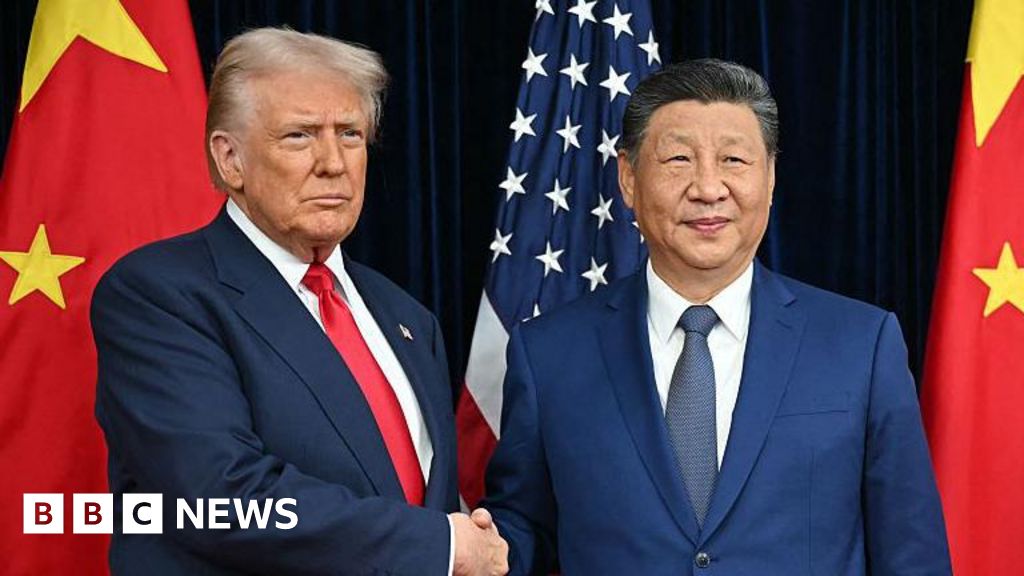
Trump warns UK: Don’t Prioritize China Over Our Alliance—Starmer’s Beijing Visit Sparks Tensions

Global Power Dynamics Shake as UK Navigates China and US Tensions

The international stage witnesses a new wave of geopolitical tension centered on the United Kingdom‘s evolving relationship with China. This shift, under the leadership of Sir Keir Starmer, reflects a nuanced attempt at forging a “more sophisticated” partnership with Beijing, diverging from the confrontational stance traditionally favored by Western allies. During his visit to Beijing, Starmer secured agreements that include visa-free travel for UK citizens and reduced tariffs on Scotch whisky—measures aimed at revitalizing trade ties with one of the world’s most influential powers.

However, this diplomatic overture has not gone unnoticed. Former US President Donald Trump swiftly condemned the move, warning that such dealings are “very dangerous.” His comments echo a broader concern among Western nations about China’s expanding geopolitical influence and its implications for national security and economic sovereignty. Trump’s high-profile criticism underscores a growing divide within the global community—where some nations prioritize pragmatic engagement, while others, led by figures like Trump and U.S. policymakers, advocate for a tougher stance against Beijing’s strategic maneuvers.

The geopolitical impact of these shifting alliances is profound. Scientists, historians, and analysts warn that the UK’s efforts to balance economic interests with cautious diplomacy could set a precedent for other nations caught between the strategic ambitions of China and the security concerns of the United States. The UK’s moves are linked to a larger wave of diplomatic realignment whereby countries may have to choose between deepening economic ties or adhering to a collective Western front aimed at counteracting China’s influence. The implications reach across societies, affecting everything from trade policies to immigration, forging a new terrain of international relations that will ultimately shape the fabric of global stability—or instability—for decades to come.

The diplomatic dance continues as Starmer prepares to meet with Sanae Takaichi in Tokyo, further signaling the UK’s strategic pivot towards key Asian allies. While the cost of these diplomatic shifts remains uncertain, what is clear is that history is once again carved by decisive, high-stake decisions that could redefine the balance of power. As nations grapple with whether to forge ahead or pull back from this complex web of alliances, the weight of history presses heavily, reminding the world that these negotiations are more than politics—they are the defining moments that will determine the future of global order.

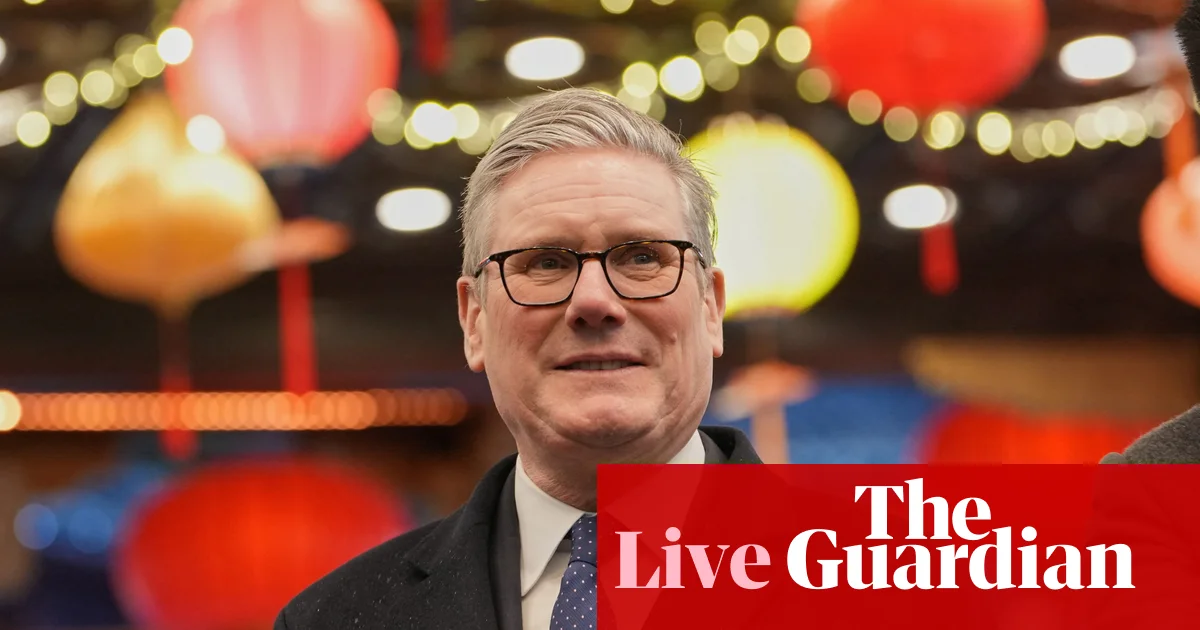
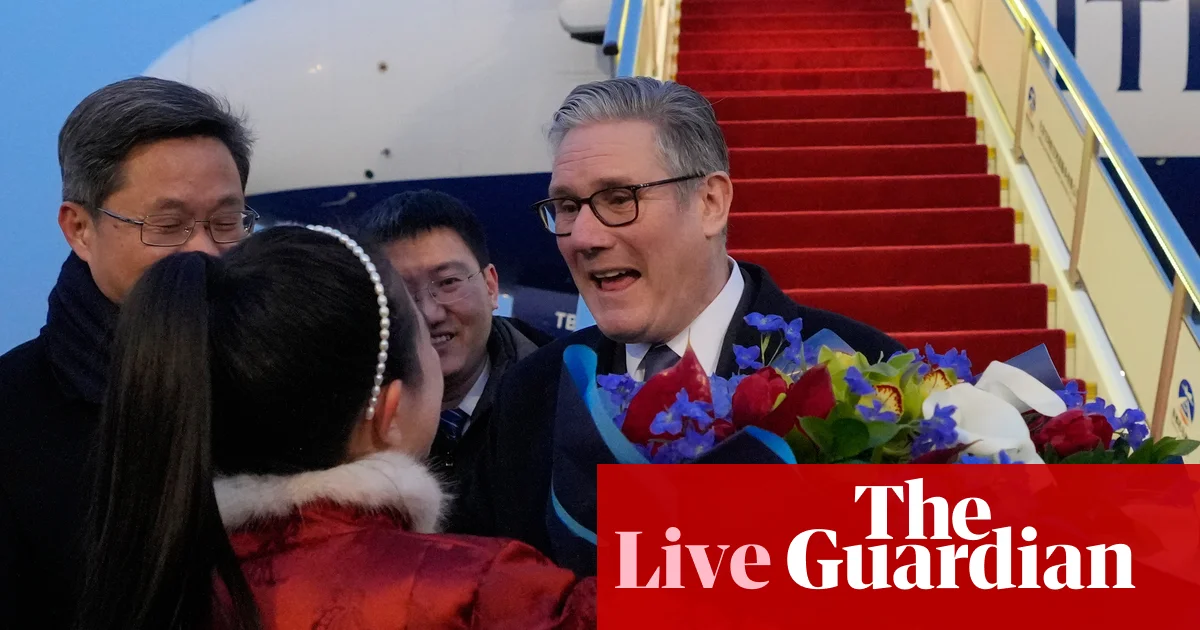
Starmer Lands in Beijing for Key China Visit—UK Politics Update

In an era marked by escalating geopolitical tensions, recent developments reveal a chorus of strategic moves by nations and their leaders that are shaping the future of international power. Keir Starmer, the UK’s leader seeking to carve a distinct global presence, recently embarked on a historic visit to China, the world’s second-largest economy. This visit, the first by a British Prime Minister in nearly a decade, underscores a delicate balancing act—reconciling economic opportunity with national security concerns. Accompanying him was a delegation nearly 60 strong, comprising CEOs and cultural ambassadors, embodying Britain’s intent to foster economic ties amid growing global uncertainties. Yet, critics warn that such engagement must be cautious; MI5’s chief Sir Ken McCallum has regularly warned of the persistent threat posed by Chinese state actors operating daily within UK borders. This trip is a clear demonstration of how international diplomacy is now fraught with the challenge of safeguarding sovereignty while pursuing economic interests.

Meanwhile, Europe witnesses a shift within its own political fabric, as Kemi Badenoch, a rising force within the Conservative ranks, delivered a vehement critique of the political extremes tying together Reform UK and Labour. Badenoch’s fiery speech condemning the “psychodrama” of her opponents highlights a broader struggle—how nations interpret national identity and political direction amidst external threats. Her rebuff of “leftwing fantasy politics” and emphasis on “building a Conservative party for the next decade” reflect a continent still battling internal divisions. Historian Dr. Paul Roberts warns that such internal political clashes weaken Europe’s ability to present a united front on the global stage, especially as NATO faces its own existential challenges amid renewed tensions with Russia and China.

As Starmer prepares to meet Xi Jinping, the stakes are clear: discussing not only trade and diplomacy but also pressing human rights issues, such as the case of Jimmy Lai, signals that the global order is increasingly intertwined with human rights and ideological battles. Simultaneously, Russia continues its assertive posture in Eastern Europe, testing Western cohesion and NATO’s resolve. The Kremlin’s strategic maneuvering, coupled with the unpredictable actions of U.S. allies, cements the view among analysts that international alliances are under unprecedented strain. Former diplomat Laura Spencer cautions that these decisions will ripple across societies, influencing everything from border security to economic stability for decades to come.

From the corridors of Westminster to the distant reaches of Beijing and Moscow, the trajectory of international relations remains uncertain but undeniably impactful. Leaders like Starmer, Badenoch, and Xi Jinping are not merely engaging in diplomatic pleasantries but are scripting the very foundation of global power dynamics at a time when history’s weight presses heavily on every decision. With each handshake and policy announcement, the world edges closer to a new chapter—one that history will judge as either the dawn of renewed cooperation or the prelude to inevitable confrontation. As nations chart their courses amidst this storm of change, the collective destiny of societies around the world hangs by a fragile thread, waiting for the next move that will echo through generations to come.

Japan hands pandas back to China as U.S.-China tensions heat up

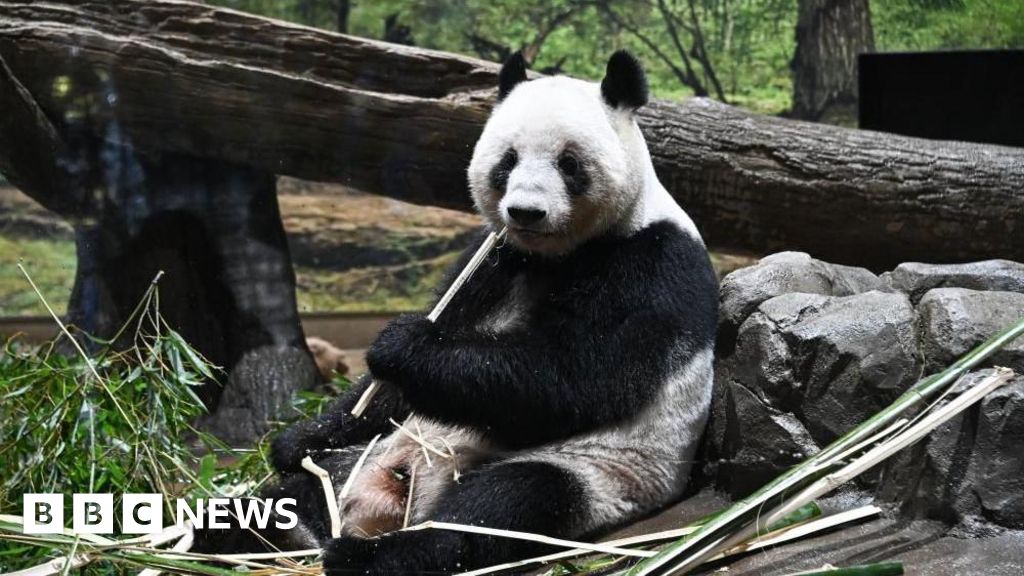
In a poignant sign of shifting geopolitical tides, Japan finds itself at a crossroads of tradition and rising international tensions. Thousands of spectators flocked to Tokyo’s Ueno Zoo to bid a heartfelt farewell to the country’s last two giant pandas, Xiao Xiao and Lei Lei. Their departure, scheduled for Tuesday back to China, marks the end of an era that began in 1972 when Japan and China normalized diplomatic relations. Over 108,000 people vied for one of the 4,400 slots to catch a final glimpse of the beloved bears, underscoring the pandas’ symbolic significance to Japanese society. For decades, pandas have served as a gentle diplomatic bridge, embodying China’s soft-power influence and fostering goodwill amidst geopolitical currents.

However, the moment is marred by increasingly hostile exchanges between Tokyo and Beijing. Recently, statements from Japanese Prime Minister Sanae Takaichi—warning that Tokyo might intervene militarily if China attacks Taiwan—have only exacerbated the already fragile diplomatic climate. This rhetoric signals a broader shift in Japan’s stance toward regional security and underscores the impact of recent political realignments. Since her comments, China has responded with heightened assertiveness, including restrictions on exports of critical rare earth elements that are vital to Japan’s tech sector. Analysts from institutions such as the International Institute for Strategic Studies (IISS) warn that these actions could escalate into broader conflicts, with East Asia edging closer to instability.

China’s strategy of loaning pandas abroad has long been a subtle but potent form of diplomacy. As China views these creatures as ambassadors of goodwill, it retains ownership of all pandas, demanding hefty annual fees—about $1 million per pair—and leveraging the creatures’ symbolic power to influence international ties. Historically, pandas have been exchanged during major diplomatic or trade negotiations, such as the 2011 loan to Edinburgh Zoo during a trade deal involving salmon, Land Rovers, and energy technology. Yet, with the recent deterioration of bilateral relations—fueled by China’s crackdown on exports and Tokyo’s hawkish rhetoric—the future of panda loans remains uncertain. Many experts suggest that the return of Xiao Xiao and Lei Lei signifies more than just a cultural departure; it highlights the fragility of international diplomacy and the mounting risks of conflict.

This unfolding saga underscores the deepening rift that threatens to redefine regional alliances and global stability. As nations grapple with their aspirations and fears, the farewell at Ueno Zoo embodies a broader warning: in an era where soft diplomacy is waning and hard power reasserts itself, the symbols of friendship and tradition risk being overshadowed by the darker shadows of geopolitical discord. History continues to be written with every decision—each move, a chapter in a story that may either forge peace or plunge the region into lasting turmoil. As the world watches, the cries of farewell echo in the halls of diplomacy, leaving behind a question of what future lies ahead—an era of unity or one of inevitable confrontation—and whether the lessons of history will be heeded before it’s too late.

Nvidia Surges Into Model Market with Nemotron 3 Breakthrough

Nvidia’s Bold Move: Revolutionizing Open AI Models and Industry Disruption

In a significant strategic pivot, Nvidia has transitioned from primarily supplying chips for artificial intelligence development to becoming a frontrunner in open model innovation. The chipmaker’s recent release of the Nemotron series signals an ambitious push towards democratizing AI technology, emphasizing transparency, customization, and scalability. This move has profound business implications—it challenges the traditional proprietary approach championed by major US tech firms and hints at a new epoch of open, disruptive AI ecosystems rooted in innovation acceleration.

Unlike its Western rivals that lean toward closed, tightly guarded models, Nvidia’s approach with Nemotron embodies a disruptive openness that seeks to empower developers and startups. By releasing the training data and tools alongside the models, Nvidia aims to lower the barriers for AI experimentation and fine-tuning. The platform supports a hybrid latent mixture-of-experts architecture designed to facilitate scalable AI agent creation capable of interacting with web environments or executing complex computer actions. The models arrive in three configurations—Nano (30 billion parameters), Super (100 billion parameters), and Ultra (500 billion parameters)—highlighting Nvidia’s commitment to flexibly address a vast spectrum of enterprise needs. This scale of transparency and accessibility moves against industry norms and could set a new standard in how AI development is conducted globally.

Industry analysts, including those from Gartner and MIT, recognize Nvidia’s initiative as a potential game-changer that disrupts the status quo of AI R&D. As Kari Ann Briski, Nvidia’s vice president of generative AI software, emphasizes, “Open source is making AI more adaptable, fostering innovation, and ultimately powering the global economy.” This stance contrasts sharply with the recent trend among US firms, exemplified by Meta’s open models which have recently shifted towards secrecy. The move toward proprietary models reflects a strategic effort to safeguard competitive advantages, but it may also hinder rapid innovation and collaboration essential for maintaining technological leadership.

Looking forward, the industry faces a critical juncture. Traditional AI giants may find themselves increasingly marginalized if they fail to leverage open innovation channels or adopt more transparent practices. Nvidia’s model suggests the future perhaps belongs to ecosystems where open collaboration accelerates breakthroughs—yet it also exposes the risks of commoditizing advanced AI and breaking the barriers that once protected innovation. As Elon Musk and Peter Thiel have often warned, the real disruptive power lies in harnessing the energy of open, competitive industries. The race is on, and the stakes couldn’t be higher for those who want to dominate the next frontier of technological progress. Companies that embrace this new paradigm—focusing on transparency, customization, and scalable innovation—will shape the future of AI and economic growth in the era ahead.

Mexico sets tough tariffs of up to 50% on China and others to protect its economy

In a bold move signaling a shift towards economic nationalism, Mexico has recently approved a comprehensive tariff package impacting over 1,400 products, many sourced from China. This policy, championed by President Claudia Sheinbaum, aims to bolster domestic manufacturing and reduce reliance on foreign imports amidst mounting economic pressures. These tariffs allow for duties of up to 50%, a clear indication of Mexico’s intent to recalibrate its economic strategies in a rapidly changing global landscape. While the move is framed domestically as a matter of economic sovereignty, its geopolitical implications ripple beyond borders, especially as Mexico engages in delicate negotiations with the United States.

  • The tariffs come at a fraught time, with U.S. President Donald Trump threatening steep import taxes on Mexico, including potential 50% duties on steel and aluminum. These measures are part of a broader strategy to exert economic pressure, ostensibly aimed at curbing the flow of synthetic opioids like fentanyl into the U.S., but also revealing a deeper struggle over trade dominance.
  • In addition, Trump has signaled intentions to impose a 5% tariff on Mexican goods, citing the longstanding Rio Grande treaty—an 80-year-old agreement—regarding water rights as a pretext. Through social media, the U.S. leader accused Mexico of “not meeting the terms” of this treaty, which historically grants the U.S. access to water from the Rio Grande tributaries, raising questions about the truthfulness and strategic motivation behind these claims.

International reactions have been swift and cautious. Warnings from Beijing to Mexico included a reminder to “think carefully” about the implications of imposing tariffs on Chinese products. Analysts note that these measures reflect a broader realignment of economic alliances in which Mexico seeks to navigate between two superpowers—the United States and China. As the world’s second-largest economy, Beijing remains deeply entrenched in Latin America, its investments and trade ties reshaping regional power dynamics. The decision by Mexican lawmakers underscores a strategic push to assert economic independence, but also signals potential shifts in regional stability, especially if tariffs spark retaliatory measures or escalate into trade conflicts.

Impact on Society and Future Trajectory

The societal impact of Mexico’s tariff policy cannot be understated. For consumers, increased costs on everyday products threaten to fuel inflation, while domestic industries may benefit from increased protection. However, historians and economic analysts warn of the long-term consequences of such protectionism—potentially fostering a fragmented global trade system that complicates international cooperation. The moves also reflect a broader pattern of nationalist resurgence across the globe, where nations challenge existing treaties and alliances in pursuit of national interests.

As Mexico confidently asserts its economic independence amid a tense geopolitical climate, the world watches with bated breath. The pending negotiations with the United States—a trading behemoth and regional neighbor—could set a precedent for how nations leverage tariffs and treaties in a new era of economic brinkmanship. The decisions made in Mexico today are not isolated policies but artifacts of a larger, ongoing competition for influence and sovereignty. With history unfolding before our eyes, the question remains: will these tariff maneuvers carve a path towards renewed national strength, or will they spiral into a broader confrontation that reshapes the very fabric of global geopolitics? The answer lies in the unfolding chapter of international relations, where every move could tip the delicate balance of power, leaving the world to witness the next act in this high-stakes geopolitical play.

Social Media Auto Publish Powered By : XYZScripts.com