Matox News

Truth Over Trends, always!

Asia-Pacific’s Travel Crown Slip: Is the Region Losing Its Global Edge?

Asia Pacific’s Travel Landscape: From Bust to Boom?

Once celebrated as the vibrant epicenter of global tourism, the Asia Pacific region has experienced a seismic shift in travel dynamics. With iconic destinations like Bali, Singapore, and bustling hubs in Japan and China, this region was responsible for over a third of all international passenger journeys pre-pandemic. But the global health crisis pivoted its trajectory, leaving many wonder if this once unstoppable traveler magnet will regain its former glory anytime soon. According to a recent CAPA report, Asia Pacific is projected to relinquish its title as the world’s largest travel region to Europe by the close of 2022, illustrating a sobering slowdown in recovery.

Despite a robust past, the numbers paint a different picture today. While 2019 saw an astonishing 3.38 billion passengers transit through Asia Pacific airports, forecasts now suggest this figure will fall to approximately 1.84 billion by year’s end. This decline is largely attributed to stringent border restrictions, mainly driven by China’s unwavering zero-Covid policy and Japan’s cautious reopening strategy, set to fully lift restrictions on October 11. These policies, while rooted in health considerations, have imposed a tangible toll on aviation and tourism infrastructure, stalling the momentum of regional recovery. Interestingly, while international travel has faltered, domestic tourism in countries like China continues to hold its ground, down only 5.4% from 2019 levels, hinting at an inner resilience that could eventually fuel broader bounce-back.

The Road to Reconnection: Challenges and Opportunities

Recovery efforts hinge heavily on political will and policy harmonization. Most travel in Asia Pacific destinations remains a shadow of pre-pandemic figures—hovering at 50% or less—except for exceptions like India, which is only 11% below 2019 benchmarks. Industry experts emphasize the importance of harmonized international travel rules, advocating for greater openness and continued vaccination drives to smooth the often fragmented patchwork of border policies. The ongoing restrictions, despite easing in some regions, underscore a broader message: trust and flexibility are key to fuel the revival of this vital travel ecosystem.

Travel professionals suggest that the region’s recovery will likely stretch into late 2023 or early 2024, driven by a mix of economic factors, epidemiological stability, and strategic initiatives to boost international connectivity. The Asian travel renaissance, if navigated adeptly, could serve as a cornerstone for economic revitalization, creating opportunities for entrepreneurs, youth explorers, and cultural ambassadors eager to reconnect with Asia’s diverse tapestry. As the world gradually reopens, the region’s internal drive for tourism innovation—from eco-friendly resorts to wellness retreats—aligns with a growing desire among young travelers to live authentically, embrace new experiences, and pursue personal growth through exploration.

Embarking on the Journey Forward

  • Plan with flexibility: In uncertain times, adaptable itineraries empower travelers to seize opportunities as borders shift.
  • Prioritize wellness: Wellness travel is more than a trend; it’s a lifestyle shift that fosters personal impact, filling journeys with purpose and rejuvenation.
  • Embrace cultural richness: Connecting with local communities enriches the travel experience, transforming it from routine to transformative.

In essence, travel isn’t merely a pursuit of leisure but a voyage toward self-discovery and interconnectedness. For the young adventurer, the traveler navigating the currents of global change, Asia Pacific’s unfolding story holds a mirror to broader societal shifts—one of resilience, unity, and the unyielding desire to explore. As borders open and connections are reestablished, a new chapter awaits—one in which journeys of discovery foster not just economic growth but also the spirit of global community. The adventure to embrace the world—and one’s place within it—continues, beckoning the next generation of explorers to step forward into a future full of promise.
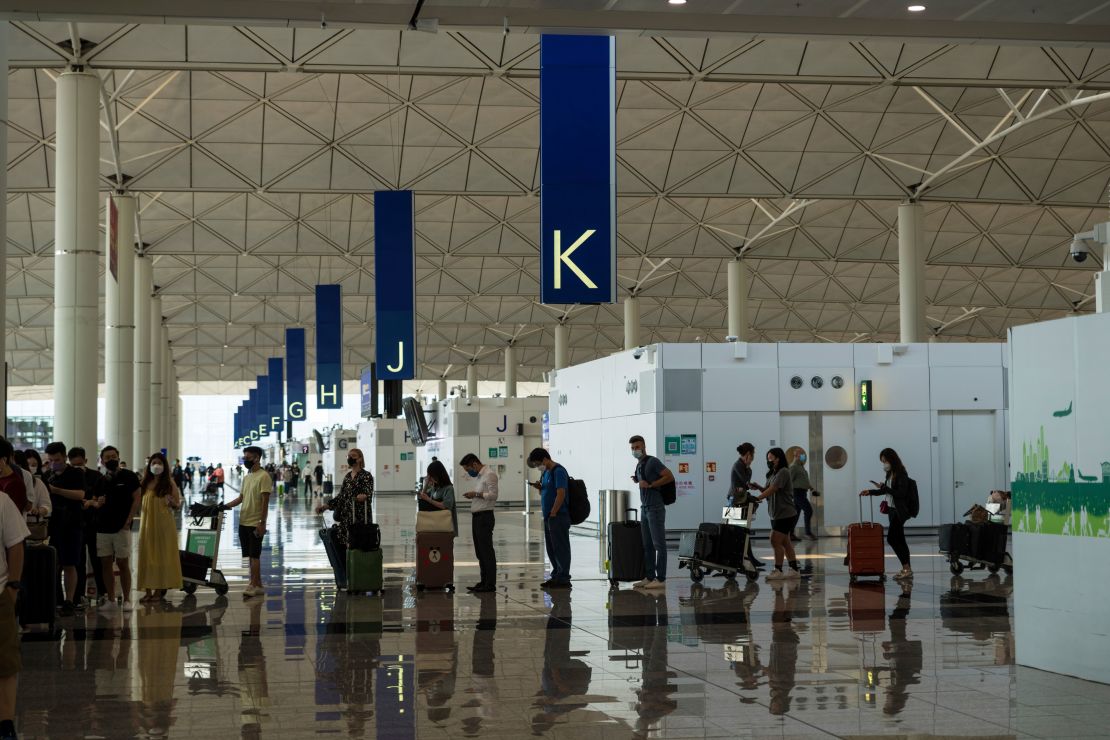

Hong Kong Scores Big with Free Airline Ticket Giveaway for Adventure-Ready Travelers

Once a bustling hub attracting over 56 million visitors annually, Hong Kong has faced unprecedented challenges in recent years due to stringent pandemic measures. The city’s economy, heavily reliant on global tourism, was hit hard when strict quarantine protocols and travel bans limited international arrivals. After over two years of virtual isolation, the narrative is shifting. Now, the city is making bold moves to re-engage the world, signaling a fresh chapter in its vibrant life and economic revival.

Hong Kong’s decision to abolish its longstanding hotel quarantine policy, along with a concerted push to lure back travelers, underscores a strategic shift toward normalcy. The landmark move was followed by an audacious campaign: the giveaway of half a million airline tickets, valued at approximately $254.8 million. Announced by the Hong Kong Airport Authority, this effort aims to inject liquidity into the aviation sector while reigniting global interest in the city. These tickets are allocated to both international visitors and residents alike, emphasizing Hong Kong’s commitment to reconnect with the world and restore its vibrancy. Such initiatives reflect a broader ethos echoed by travel and lifestyle experts—embracing the restorative power of travel not only fuels local economies but reinvigorates individual purpose and global fellowship.

While these efforts mark a significant step, the journey back to normalcy remains layered with challenges. Despite lifting quarantine measures, visitors must navigate complex entry requirements: vaccination certificates, multiple PCR tests, and mandatory self-monitoring periods. Hong Kong’s government remains cautious, understanding that safety and confidence are paramount in rebuilding trust. The city’s historic approach—initially requiring 21 days of quarantine, then reducing it to three—demonstrates a measured path towards reopening. Notably, the city’s flagship airline, *Cathay Pacific*, and agencies like Expedia report surges in travel demand, foreshadowing a promising rebound. These signs serve as a testament to the resilience ingrained in Hong Kong’s culture, a community that has continually adapted and persevered through adversity, channeling an unbreakable spirit of innovation and hope.

Living the Hong Kong Experience Today

  • Prepare early: Gather vaccination proofs and PCR test results to streamline your entry process.
  • Stay informed: Follow official sources for the latest updates on travel restrictions and guidelines.
  • Plan with flexibility: Expect some restrictions, like self-monitoring and limited dining options initially.

For those seeking inspiration in the wake of global upheavals, the evolving landscape of Hong Kong offers a compelling narrative of rebirth. It’s a story rooted in resilience, determination, and the relentless pursuit of a better future. As the city reopens its arms, it beckons worldwide explorers to rediscover its unique blend of tradition and modernity, to experience firsthand that even in the face of hardship, life finds a way to flourish. Embracing this journey isn’t just about travel; it’s about reclaiming a piece of ourselves—curious, adventurous, and inspired—ready to forge ahead into new horizons.

Hong Kong’s Back in Action: Is the City’s Comeback on Time for the Next Generation?

Hong Kong’s Resilient Revival: Embracing Change and Reclaiming Its Global Pulse

Once a bustling powerhouse of international commerce and vibrant street life, Hong Kong faced unprecedented challenges over the past three years. The pandemic’s relentless grip, combined with social unrest and strict quarantine measures, drastically curtailed its role as a global hub of tourism and finance. Markets shuttered, businesses shuttered, and the soul of this legendary city felt subdued. Vendors in areas like Tung Choi Street, known for its iconic night market, experienced a sharp decline in activity, and stories of resilience emerged from shopkeepers like Mr. Chan, whose once-busy stall now operates shorter hours. Yet, amidst these trials, Hong Kong’s leadership is charting a bold course to restore the city’s vibrancy — and it begins with reopening to the world.

Recent developments signal a determined push to reverse the pandemic’s damage and rekindle the city’s dynamism. The city has lifted its stringent quarantine policies, allowing international travelers to visit without the daunting 21-day hotel stay that once paid a premium. This move is more than just easing restrictions; it’s a declaration of faith that trust in the resilience of Hong Kong’s economy can prevail. Eager travelers have responded swiftly, with airlines like Cathay Pacific setting up virtual “waiting rooms” for flight bookings, and travel demand skyrocketing towards cities like Tokyo and Osaka. This renewed interest in wanderlust underpins a vital truth: our health and well-being flourish when we embrace movement and adventure, reconnecting with the world beyond our screens.

However, the path to full recovery isn’t without obstacles. While the quarantine ban is lifting, new safety protocols still impose restrictions that may dampen tourism’s comeback. A three-day ban on dining in restaurants combined with complex entry requirements can seem like hurdles, especially for visitors from abroad. Still, the initiatives like the giveaway of 500,000 airline tickets — valued at nearly $255 million — aim to ignite a *market recovery campaign* that encapsulates the spirit of innovation and opportunity. As wellness expert Dr. Emma Seppälä advocates, “Optimism and proactive efforts are key drivers in fostering resilience in challenging times.” This philosophy echoes through Hong Kong’s recent decisions to revive its global standing, exemplifying a collective trust in the city’s enduring spirit.

  • Travel Smart: Keep an eye on evolving entry policies, and pack pre-vaccination certificates and negative tests.
  • Support Local: Explore emerging neighborhoods and independent vendors to help sustain the city’s small businesses.
  • Stay Inspired: Take moments to appreciate the city’s culture, from historic cafes to modern events, fueling your sense of adventure and purpose.

In contemplating Hong Kong’s story, there lies a broader reflection about our own journeys. The city’s collective effort to bounce back — from the ashes of pandemic shutdowns to the anticipation of international gatherings like the International Rugby Sevens — serves as a powerful reminder. Our _well-being_ depends not only on health measures but on our willingness to step outside, explore, and engage with the world anew. For young adventurers and entrepreneurs alike, the message is clear: resilience is an active choice. As the city reclaims its spot on the world’s stage, each of us can draw inspiration from its unwavering spirit, using setbacks as stepping stones to growth. The journey of life is an ongoing dance with change — embracing it is how we become our best selves.

UK launches bold minerals plan to cut reliance on China

Britain’s New Critical Minerals Strategy Signals a Geopolitical Shift

In a decisive move reflecting the mounting global rivalry over vital resources, Britain has unveiled a comprehensive critical minerals and rare earths strategy aimed at fortifying its supply chains against China‘s growing influence. Keir Starmer’s announcement underscores a broader international pattern—nations are increasingly recognizing that economic resilience in the 21st century hinges on securing domestically sourced and diversified supplies of essential materials. As analysts warn, the stakes are high: without strategic independence in critical minerals, Western economies risk falling prey to China’s geopolitical leverage, especially amid recent clashes over chip supplies and technological dominance.

The strategy, bolstered by a £50 million fund targeted at expanding domestic production in places like Cornwall—home to Europe’s largest lithium deposits—embodies a clear intent: diminish reliance on China and other authoritarian regimes. This initiative also aligns with Europe’s own efforts to break free from Chinese supply chains, as highlighted by the European Union’s acknowledgment of its lag behind the US in securing critical material stocks. The EU’s largest lithium deposits in Cornwall, coupled with potential support for tungsten mines, demonstrate a strategic pivot that aims to turn Britain’s resource wealth into geopolitical leverage. In this context, America and Britain are engaged in a high-stakes race to develop the infrastructure, technology, and investment necessary to dominate the critical minerals market—an arena increasingly recognized as the new frontier of global power.

How decisions made today ripple through societies is just as vital. As historians note, the previous reliance on overseas sources has left Western countries vulnerable during periods of diplomatic or trade upheaval. Last summer’s standoff between China and the EU over chip supplies exemplifies how political tensions can swiftly disrupt critical supply chains, with far-reaching implications for industries ranging from automobiles to artificial intelligence. Failure to secure reliable access to essential minerals could stall technological progress, inflate costs, and weaken national security. These risks emphasize why governments are prioritizing not just resource extraction, but also the development of recycling technologies and domestic refining capabilities, as seen with Germany’s five-year, £150m lithium refinery project.

  • The UK’s strategic goal: ensure no more than 60% of any critical mineral is imported from a single partner by 2035.
  • Investment in domestic processing aims to produce at least 50,000 tonnes of lithium annually by the same year.
  • Britain’s cooperation deal with Saudi Arabia signals an emerging network of alliances designed to buffer supply chain disruptions.

Despite these efforts, international organizations like the EU acknowledge that America currently holds a significant advantage, thanks to proactive stockpiling and strategic investments, which analysts say could guarantee a supply edge for years to come. The global landscape resembles a high-stakes chess game, where the control of critical minerals equates to geopolitical dominance. As history warns, nations that fail to adapt—those that depend excessively on unreliable external sources—risk falling behind in the new cold war of resource control. With the world watching, Britain is racing against time to secure its future, aware that the decisions shaping today will echo for generations and influence the very fabric of international power—a narrative still being written, with the weight of history uncertain and the stakes higher than ever.

Trump’s FCC drops cybersecurity rules amid Chinese hack fears — a bold move for youth, tech, and free markets

FCC’s Cybersecurity Rollback Sparks Industry Disruption and Security Concerns

In a bold move signaling a shift in U.S. telecommunications policy, the Federal Communications Commission (FCC) voted 2-1 along partisan lines to rescind critical cybersecurity regulations previously enacted under the Biden administration. The decision, championed by the FCC’s two Republican commissioners, Brendan Carr and Olivia Trusty, effectively removes mandatory security standards aimed at safeguarding phone and internet networks from unlawful access and cyber threats. This strategic rollback aligns with a broader trend of deregulation in the tech sector, emphasizing market-led resilience over prescriptive government intervention.

The regulatory shift arrives amidst an escalating threat landscape, notably exemplified by the Salt Typhoon hacking campaign attributed to China-backed adversaries. This sophisticated operation compromised over 200 US telecommunications firms, including giants such as AT&T, Verizon, and Lumen. Hackers targeted fundamental infrastructure, including wiretap and surveillance systems mandated for law enforcement, exposing the fragility of existing security protocols. Industry analysts, including Gartner and MIT cybersecurity experts, warn that such vulnerabilities could be exploited further if regulatory oversight diminishes.

Adding complexity to the industry’s response are divergent opinions among policymakers. Democratic FCC commissioner Anna Gomez opposed the rollback, arguing it reverses the only meaningful cybersecurity efforts against nation-state cyber espionage. Critical voices, including Senators Gary Peters and Mark Warner, expressed alarm that deregulation will undermine national security, leaving critical communication channels exposed. Their assertions underscore a persistent industry question: Will market forces alone suffice to defend against increasingly sophisticated cyber threats, or is strategic regulation indispensable? Conversely, the NCTA, representing the telecommunications industry, welcomed the move, asserting that the existing rules were overly prescriptive and hampered innovation.

From a technological perspective, this deregulation potentially signals a disruptive phase for the industry, where innovation, rather than regulation, becomes the primary driver of security advancements. Cutting-edge solutions—such as AI-powered anomaly detection, blockchain-based integrity checks, and decentralized security architectures—are poised to redefine cybersecurity landscapes. Disruption driven by market competition could accelerate the deployment of these technologies, positioning nimble firms as leaders in the new security paradigm. Notable industry figures, including Elon Musk and Peter Thiel, have long championed decentralized innovation—foreshadowing a future where private entities spearhead cybersecurity guardrails, rather than bureaucratic mandates.

Looking forward, the industry faces a pivotal moment: balancing innovation and disruption with the safeguarding of national security interests. Policymakers, industry leaders, and technologists must collaborate to ensure that market-driven solutions do not come at the expense of foundational infrastructure resilience. As hackers refine their methods and geopolitical tensions escalate, the window narrows for meaningful action. The future of U.S. cybersecurity in telecommunications depends on adopting a proactive, forward-thinking approach that leverages technological innovation while maintaining robust safeguards—an urgent call for strategic agility in an increasingly volatile digital landscape. The coming months will determine whether deregulation fosters a pioneering security ecosystem or exposes critical vulnerabilities, with profound implications for the global tech frontier.

Discover the Thrill: Exploring Hong Kong’s Wild Snake Safari Adventure

In a world fixated on instant gratification and digital distraction, the lifestyle shifts towards wellness and personal enrichment are more vital than ever—an acceleration driven by our relentless pursuit of meaning, adventure, and harmony with nature. One fascinating case study unfolds amidst the verdant terrains of Hong Kong, a city-famous for its towering skyscrapers and densely packed streets, yet profoundly intertwined with lush, protected landscapes home to over 50 snake species. This convergence of urban dynamism and wild biodiversity exemplifies a broader cultural shift: people are increasingly seeking authentic encounters with the natural world, not just as a means of leisure but as a path toward well-being and self-awareness.

Enter the extraordinary initiatives led by snake expert William Sargent, whose Snake Safaris offer daring yet educational excursions into Hong Kong’s subtropical wilderness. Since 2017, Sargent’s nocturnal tours through Tai Mo Shan Country Park—Hong Kong’s highest peak—have attracted hundreds of adventurous visitors each year, driven by an entrepreneurial spirit that combines danger, discovery, and personal growth. These experiences don’t just satisfy a thrill; they transform perceptions, challenging longstanding stigmas about snakes and fostering a sense of curiosity and respect for wildlife. As Sargent’s work demonstrates, embracing nature-based activities is increasingly seen as essential for mental clarity, physical activity, and even social bonding, cultivating a lifestyle that harmonizes risk with responsibility in pursuit of inner peace.

Thematic to this wellness renaissance is a growing awareness of the importance of enlightened conservation. Despite the controversial cultural factors—snakes being a traditional ingredient in cuisine or used in medicine—there’s a rising tide of advocacy and community-building. Sargent’s role extends beyond tours; he’s actively combatting misconceptions by engaging with local schools, setting up online communities like the Hong Kong Snakes Facebook Group, and pushing for progressive policies like the Rapid Release Program, which ensures rescued snakes are returned to their natural habitat rather than being unnecessarily killed or stored. Such efforts reflect a cultural shift, recognizing that personal impact involves not just individual health but also ecological harmony—a pursuit of balance that reinvigorates respect for our environment amid rapid urban expansion.

For young explorers eager to redefine what lifestyle means in a fast-changing world, Hong Kong’s blend of urban pace and wilderness offers an inspiring blueprint. It’s about cultivating curiosity and courage, engaging with nature responsibly, and, ultimately, forging a deeper connection with oneself and the world. As Sargent’s tours reveal: true wellness isn’t just a state of mind—it’s a journey through the dazzling mosaic of skyscrapers and bamboo-lined trails, where every encounter, even with a venomous creature, becomes an act of personal growth. The path to well-being is paved with adventure, respect, and the unwavering pursuit of balance—a testament that physical vitality and spiritual fulfillment are woven into the wild, waiting for those bold enough to seek them out.

  • Explore local, nature-centered adventures that challenge and inspire.
  • Engage with community efforts to protect and respect local wildlife.
  • Prioritize experiences that foster _wellness_, _curiosity_, and _personal growth_.
UK Scholars Critical of China Reveal 'Overwhelming' Beijing Pressure on Universities
UK Scholars Critical of China Reveal ‘Overwhelming’ Beijing Pressure on Universities

UK Higher Education Faces New Frontline in International Power Struggle

In an era where geopolitical conflicts are reshaping international norms, the United Kingdom finds itself caught in a silent but increasingly perilous tug-of-war with China. Recent revelations suggest that UK universities, long regarded as bastions of free thought and academic freedom, are now under intense pressure from Beijing to silence critical research. Academics who dare to scrutinize China’s human rights abuses—particularly concerning the Uyghur Muslim community—have faced threats, sanctions, and institutional censorship. This alarming trend signals a profound shift in the power dynamics associated with global education and international influence, provoking widespread concern about the resilience of academic independence amid economic dependencies.

Specifically, institutions like Sheffield Hallam University have capitulated to Chinese authorities, with reports indicating compliance with Beijing’s demand to halt research on forced labor and supply chains. The case of Professor Laura Murphy, a prominent human rights scholar, exemplifies the increasing risks faced by UK academics. After being ordered to cease her research, she recounted facing an eight-month suspension, a move believed to be driven by commercial considerations, given the university’s reliance on Chinese tuition fees. Such episodes underscore a worrying erosion of academic integrity — driven not only by overt threats but by subtler forms of coercion, like self-censorship and institutional avoidance. This coercion is no longer confined to diplomatic incidents but has become a routine, under-the-radar strategy for Beijing to control the narrative critical of its domestic and international policies.

Shadows of Influence: The Reality for Critical Scholars

Beyond institutional actions, individual academics are increasingly targeted. Andreas Fulda, a political scientist at the University of Nottingham, reports receiving spoof emails and death threats for his outspoken criticism of China. His experience reflects a growing pattern among scholars who navigate a perilous environment where perception thresholds set by Chinese security can result in punitive measures, including harassment or even blacklisting. Such tactics serve as stark warnings that the Chinese government is committed to suppressing any dissenting voices that challenge its narrative. These measures have ominous implications for academic freedom, especially in a strategic landscape where universities are increasingly dependent on Chinese student tuition—a lucrative but vulnerable revenue stream.

International organizations and think tanks have expressed grave concerns. Historians warn that this phenomenon could redefine the global order of higher education, transforming it into an arena of geopolitical pawn play rather than a sphere dedicated to free inquiry. UNESCO and other watchdogs have highlighted that the dependence on China’s educational market could compromise the core values of academic independence. The decision by UK universities to kowtow to Beijing’s demands not only damages their credibility but also signals a disturbing capitulation that could set a precedent for other nations’ higher education sectors worldwide.

Economics of Dependence and the Threat of a Chilling Effect

The dependence of many UK universities on international students from China has exacerbated these vulnerabilities. As Fulda pointed out, the current funding model, heavily reliant on tuition fees paid by Chinese students, acts as leverage for Beijing’s influence. Recent proposals to increase domestic tuition fees and introduce international levies aim to offset financial struggles; however, such measures risk making universities even more susceptible to external pressures. With the Chinese regime wielding significant economic influence—predicted by some analysts to surpass Western economic power in the coming decades—the geopolitical impact is profound. Universities may find themselves increasingly pressured to self-censor, avoiding research that could expose uncomfortable truths about China’s human rights record or domestic policies, thus compromising the very essence of academic inquiry.

The British government, in response, has claimed to uphold free speech and academic independence, but critics argue that these statements are becoming hollow words amidst ongoing incidents of censorship and intimidation. The risk extends beyond individual scholars; it threatens the broader fabric of international academic cooperation, which serves as the foundation for global progress and understanding. As one historian noted, the current trends are reminiscent of totalitarian regimes that wield knowledge as a tool of control—a sobering reminder that decisions made in the pursuit of economic stability risk transforming universities into mere pawns within a larger geopolitical strategy, leaving history’s relentless march toward freedom and truth hanging precariously in the balance.

As the dust settles on this unfolding crisis, the weight of history presses down with relentless gravity. Will the West stand firm against encroaching authoritarianism, or will the siren song of economic convenience drown out the voices of truth? The coming years will reveal whether the pursuit of knowledge can withstand the shadows cast by global power struggles, or if the very essence of academic independence will be sacrificed on the altar of international diplomacy.

China ready to loosen chip exports in new trade deal, White House confirms

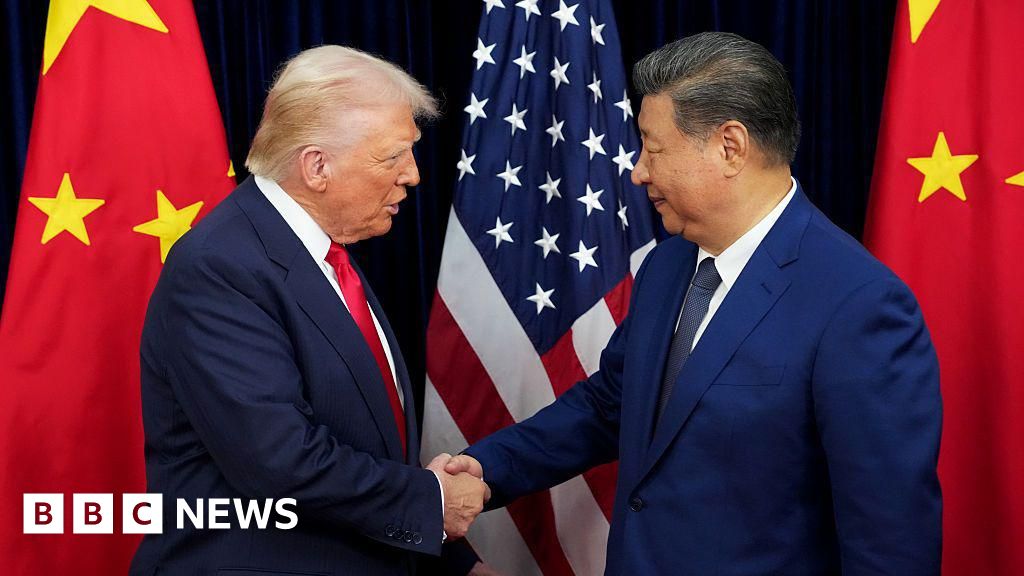
In a significant move that signals a cautious step toward de-escalating the simmering trade tensions between the two global superpowers, China has agreed to begin easing its export ban on critical automotive computer chips. This decision emerges from a landmark deal struck during a summit between Chinese President Xi Jinping and former US President Donald Trump in South Korea, the first major diplomatic breakthrough in the last few years of economic brinkmanship. The White House confirmed that this deal could have profound geopolitical impact, with trade policies once viewed as tools of coercion now potentially shifting toward cooperation.

This agreement is not merely about trade; it carries broader implications, affecting global supply chains, international relations, and the balance of economic power. According to analysts, the deal demonstrates how both nations recognize the cost of instability. The US and China jointly agreed to a series of measures that address bottlenecks and vulnerabilities, especially within high-tech manufacturing and raw material sectors. The reopening of critical chip supplies from China’s Nexperia—a Dutch-based Chinese-owned company—aims to stabilize global automobile markets, which have been thrown into disarray by previous restrictions. Historians cautious about the momentum note that these “breakthroughs” are fragile, warning that the geopolitical chess game remains incomplete, and recent policies could revert if disagreements resurface.

  • Trade war tariffs — Previously, Trump’s tariffs on Chinese goods aimed at boosting American industries but backfired by raising consumer prices worldwide. The new deal proposes a gradual lowering of these tariffs, signaling a possible return to more normalized trade relations.
  • Export controls on rare earth minerals — Beijing has agreed to pause export restrictions for a year, alleviating fears of a technological blockade that could cripple industries like aerospace and defense, underscoring the strategic importance of China’s resource control.
  • Supply of fentanyl-related chemicals — The delicate issue of chemical exports used in fentanyl manufacture is set to be addressed with new measures aimed at limiting the drug’s devastating impact on US society, amidst rising concern about the opioid crisis.
  • US soybean exports — China’s renewed commitment to purchase billions of dollars worth of American soybeans signals a move toward economic normalization, following a year of destructive trade disruptions that hurt American farmers profoundly.

International institutions like the World Trade Organization and economic think tanks have hailed the deal as a potential turning point, but many remain skeptical. This cautious optimism is echoed by analysts warning that the core issues—trust, sovereignty, and influence—remain unresolved, merely postponed for the moment. Historian Henry Kissinger and other diplomatic veterans stress the importance of robust, transparent commitments, cautioning that the path to lasting peace remains fraught with uncertainty and regional rivalries.

As the world watches these developments with bated breath, the ultimate question persists: is this agreement a genuine breakthrough or a strategic pause in a longer, ongoing contest for supremacy? With each handshake and signed document, history appears to hold its breath, perched on the brink of a new chapter—one that could reshape the global order, or plunge the world back into chaos and confrontation. The echoes of this moment will resonate through generations, reminding us that in the realm of geopolitics, peace is often fleeting and fragile—yet always worth striving for amidst the shadows of power.

Canada’s Prime Minister Carney heads to China to meet Xi Jinping—a new chapter begins

Canada Eyes New Alliances as China and U.S. Trade Tensions Escalate

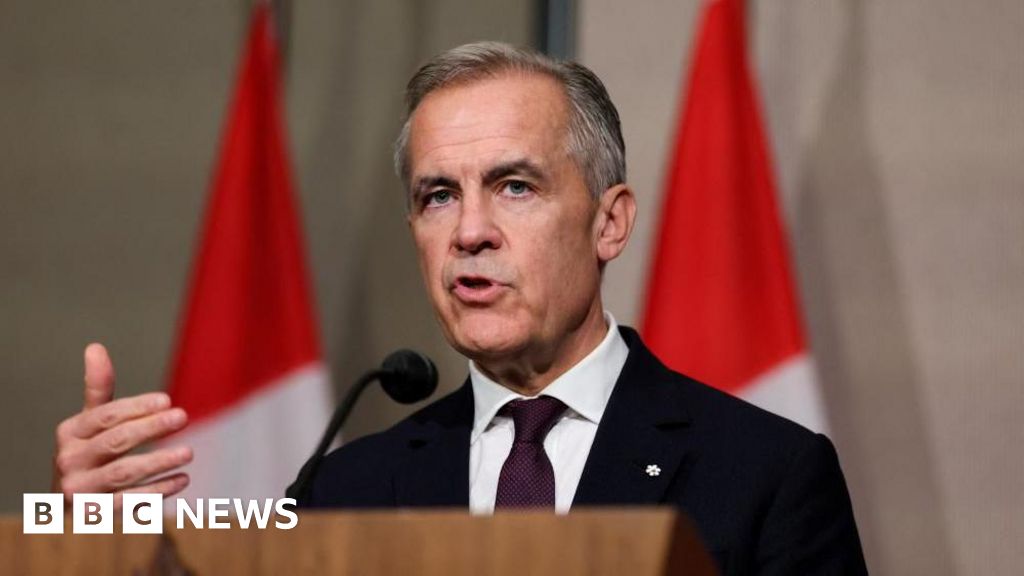
In a move that signals a significant shift in its diplomatic calculus, Canada has accepted an invitation to meet with President Xi Jinping. This diplomatic overture, announced after Prime Minister Mark Carney and Xi’s brief 40-minute discussion during the Asia-Pacific Economic Cooperation (APEC) summit, marks a “turning point” in the historically complex relationship between Ottawa and Beijing. The timing is critical: with escalating tensions emanating from ongoing trade disputes and geopolitical row, Canada’s engagement with China underscores a strategic recalibration that could reshape its international alliances.

Since 2018, relations between Canada and China have spiraled downward, culminating in a diplomatic crisis that saw Beijing arrest two Canadian citizens—Michael Spavor and Michael Kovrig—on espionage charges. Their detention closely followed the arrest of Huawei’s CFO, Meng Wanzhou, in Canada at the behest of U.S. authorities; a move that some analysts argue was a tit-for-tat diplomacy that underscored the fragile state of global diplomatic decorum. Despite their eventual release in 2021, tensions persisted, mounting further as Beijing imposed tariffs on vital Canadian exports like canola, while Canadian retaliatory tariffs targeted Chinese electric vehicles and other sectors. The period has thus evidenced what many call a “two-front trade war,” impacting Canadian farmers, especially in Western provinces, and threatening economic stability in sectors vital to national livelihoods.

The geopolitical impact of Canada pivoting towards China and other major economies is profound. As Analysts warn, this strategic move could serve as a blueprint for other Western nations disenchanted with the kinetic and economic warfare of the U.S.-China rivalry, amplifying the contest for influence in the Indo-Pacific and beyond. Decisions to deepen ties with Asian economic giants coincide with American efforts to tighten its grip on Canadian trade, evident in the recent tariff hikes and diplomatic freezes imposed by Washington, notably after the suspension of trade negotiations triggered by a controversial advertisement by Ontario’s Premier. This turns Canada’s international stance into a high-stakes chessboard, where its ability to navigate between the world’s two largest powers will determine its economic standing for decades to come.

Building on recent turning points, China has publicly expressed a willingness to work with Canada, seeking to “push relations back onto a healthy, stable, and sustainable track.” However, the shadows of the past—foreign interference accusations, trade sanctions, and geopolitical confrontations—loom large. Historians and international watchdogs contend that these diplomatic disputes reflect broader strategies, where entrenched national interests often clash beneath diplomatic veneer. The United Nations and major think tanks have warned that such multipolar tensions threaten the stability of global markets, emphasizing that the outcome hinges on the will and wisdom of leaders to prioritize peace over rivalry. Yet, as history illustrates time and again, the sands of international stability are shifting, and the decisions made today will resonate long into the future—when the fog of diplomacy finally clears and history either judges this moment as a smart realignment or a costly misstep.

Trump orders Pentagon to ramp up nuclear tests to rival Russia and China | Donald Trump

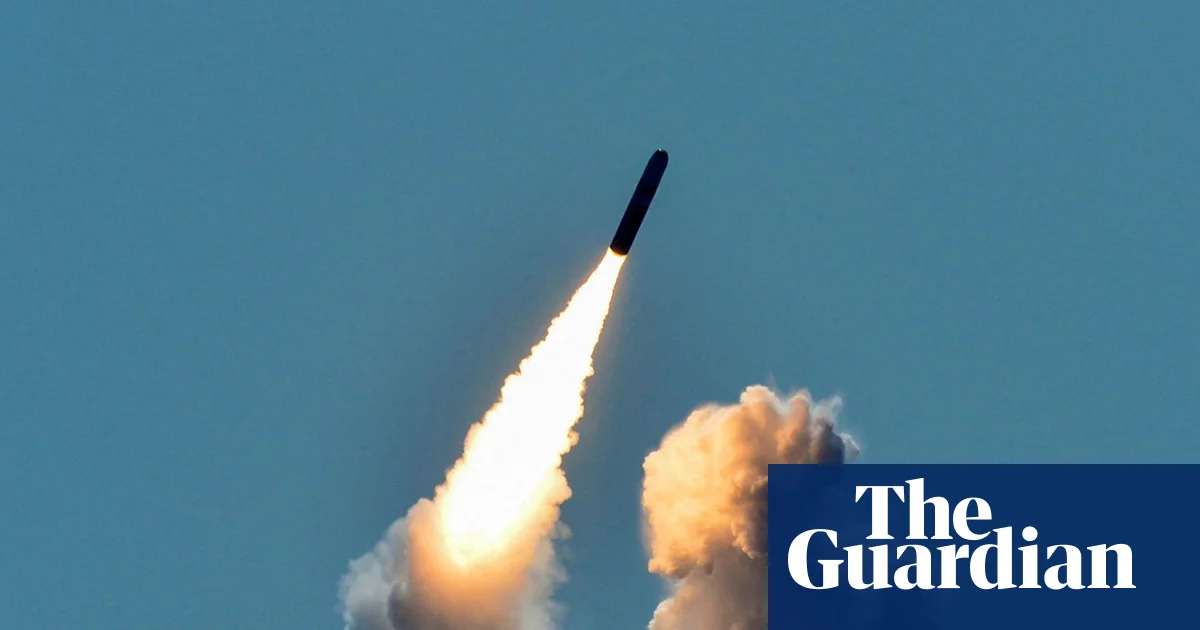
In a **dramatic escalation** of international tensions, Donald Trump has ordered the Pentagon to begin testing U.S. nuclear weapons in direct response to recent advances by Russia and China. This move, announced via social media, marks a **noteworthy shift** from years of US efforts to de-escalate nuclear tensions and cements a stark new reality—one where the world’s leading powers are engaging in a **dangerous game of nuclear one-upmanship**. Trump’s directive coincides with a backdrop where Moscow and Beijing have demonstrated their willingness to modernize and expand their nuclear arsenals, with Russia’s successful test of the Burevestnik cruise missile and Poseidon super torpedo exemplifying a clear intent to project power and undermine existing global stability.

Russia’s recent nuclear tests, including the Burevestnik nuclear-powered cruise missile and the Poseidon super torpedo, signal an **assertive posture** by the Kremlin amidst *breakdowns in diplomatic dialogue* with the West, particularly over the ongoing conflict in Ukraine. These developments are viewed by many analysts as a **deliberate display of strength**, intended to *deter Western interference* and reinforce Russia’s position as a formidable nuclear power. In response, Vladimir Putin has emphasized the need to ensure Russia’s national security, framing these tests as a necessary countermeasure in a new era of uncertainty. Meanwhile, the United States—despite a self-imposed moratorium since 1992—appears poised to re-engage in **nuclear testing**, threatening to ignite a new arms race. The move has sparked alarm among international organizations like the United Nations, which emphasize the catastrophic consequences of an escalated nuclear conflict and warn that such actions risk undoing decades of arms control efforts.

The **geopolitical impact** of Trump’s decision is profound and multifaceted. Not only does it **destabilize regional security architecture**, but it also threatens to undermine *existing treaties* such as the New START Treaty. The historic significance is clear: the revival of nuclear testing signals a departure from *diplomacy and mutual restraint*, opening a dangerous corridor leading toward a potential **nuclear crisis**. As traditional alliances and treaties waver, nations like India and Pakistan watch with concern, aware that a new arms race could destabilize a fragile global order. Leading international scholars, including arms control experts and historians, warn that such decisions “could unleash an era of instability and violence” that the world has sought to avoid since the Cold War’s conclusion.

Amidst this chaos, the **weight of history** looms heavy. The last full nuclear test conducted by the US was over three decades ago, and the silence that followed was seen as a *hope* for eventual disarmament. However, recent incidents suggest that the **axis of nuclear powers** is once again in motion, bringing the world closer to the “shadow of annihilation”. With *each test, each threat, and each escalation*, humanity edges toward an uncertain future. As nations grapple with the choice between peace and war, the question remains: will diplomatic efforts prevail, or will history once again be rewritten on the backdrop of nuclear shadows—a narrative where the clash of titans threatens to define the destiny of civilization itself?

Social Media Auto Publish Powered By : XYZScripts.com