Matox News

Truth Over Trends, always!

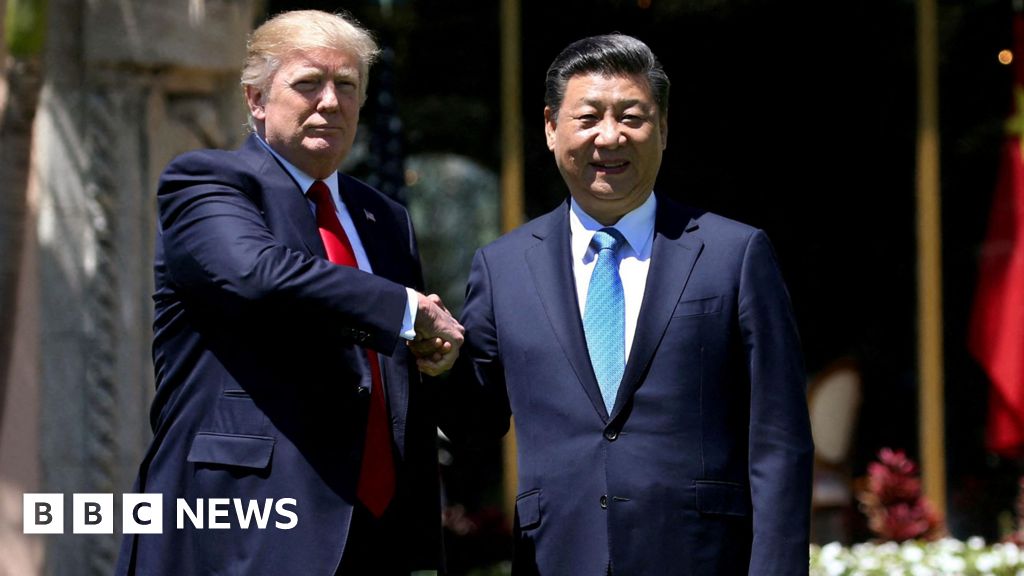
US and China reach trade deal framework before Trump-Xi summit

Global Power Dynamics Shift as US and China Edge Toward Partial Trade Agreement

In a move that signals a potential détente between two of the world’s most influential powers, the United States and China have reportedly reached a preliminary framework for a trade deal, setting the stage for negotiations at the upcoming summit in South Korea. According to US Treasury Secretary Scott Bessent, key issues such as TikTok’s US operations and rare earth mineral controls are central to this accord. The deal, if finalized, could mark a significant departure from the recent history of relentless tariffs and escalating tensions, offering a brief respite but also underscoring the fragile nature of US-China relations amid shifting geopolitical landscapes.

This diplomatic development emerges at a time when both nations vie for global dominance and seek to avoid the catastrophic consequences of a full-blown trade war. Both governments have expressed a cautious optimism, aiming to stave off the steep tariffs threatened earlier this year, which would have further strained economic ties. The Chinese government indicated that the two sides “reached a basic consensus,” and plans are being made to “further finalize specific details,” hinting at pragmatic diplomacy in a landscape often marred by mutual suspicion and strategic mistrust. Historian and geopolitical analyst Dr. Jacob Walters notes that “such agreements, while partial, are crucial in preventing an all-out trade conflict that could destabilize the global economy.” The agreement holds particular weight because the US’s aggressive stance—particularly Trump’s threats of a 100% tariff—has heavily impacted industries and farmers in both countries.

The core issues underpinning these negotiations reveal significant geopolitical impacts and how decisions affect nations and societies. For the US, controlling the supply and access to rare earth minerals—critical components in electronics and renewable energy—has become a strategic priority amid China’s dominance, as the country processes 90% of the world’s supply. The US, under Trump’s administration, had threatened to impose tariffs and export controls, risking supply chain disruptions and economic fallout for American tech giants and manufacturers. However, China’s decision to delay tightening export controls by a year, as Bessent reported, underscores how both nations are weighing economic vulnerabilities against national security concerns. Meanwhile, the softening stance on soybean purchases indicates a willingness to reconcile economic interests with broader strategic agendas. This delicate balancing act reflects a rising awareness that economic interdependence must be managed carefully to prevent conflict in the age of globalized supply chains.

China-U.S. Relations: A Shift Toward Strategic Thaw?

Since the re-election of Donald Trump, US trade policy has oscillated between protectionism and engagement, with tariffs serving as a tool to reshape China’s trade practices. The recent moves toward a deal suggest an understanding that prolonged confrontation could threaten decades of economic progress. Trump’s initial call for dramatic tariffs, especially on Chinese imports, was driven by concerns over intellectual property theft and unfair trade practices. Yet, the tactical pause—marked by negotiations on TikTok, the targeted app of Chinese tech aspirations—may hint at a broader strategy to contain Beijing’s influence while maintaining economic leverage. This political gamble—leveraging technological dependency and economic dependence—could redefine the geopolitical chessboard for years to come. Analysts warn, however, that such agreements are fragile and must be followed by tangible actions to prevent future escalation, especially as Beijing and Washington brace for ongoing competition in technology, military influence, and regional dominance.

Added to the mix is the US’s apparent success in securing trade agreements with nations across Southeast Asia—Malaysia, Cambodia, Thailand, and Vietnam—an effort to strengthen alliances and diversify economic dependencies. These moves serve as a counterbalance to Chinese regional influence, highlighting a global contest for alignment and power. The dance of diplomacy, characterized by negotiations, threats, and tentative agreements, leaves global observers pondering the trajectory of international stability amidst rising nationalism and geopolitical rivalries.

As the world watches, history continues to unfold, teetering on the edge of a new era defined by strategic compromise and the shadows of past conflicts. These fleeting moments of diplomacy—fraught with hope yet fraught with uncertainty—may carve the future of global order. Whether this tentative framework evolves into a permanent peace or collapses under the weight of unfinished business remains an open question, echoing the age-old tension between power and responsibility, prosperity and security. In the grand narrative of history, the next chapter is yet to be written, but its consequences will resonate well beyond the corridors of power, shaping the lives and societies of generations yet to come.
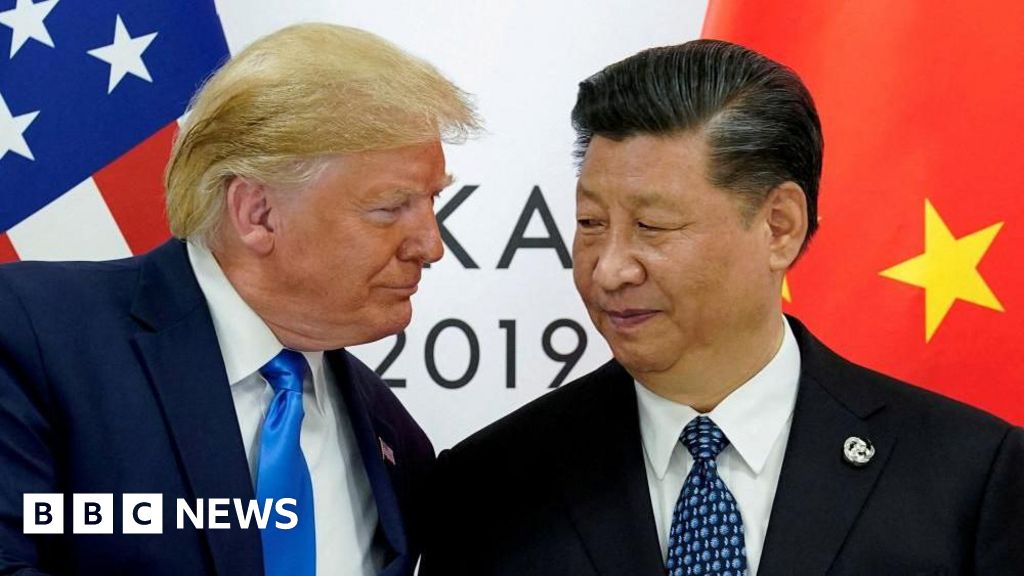
Trump urges China to step up and help end Russia’s war

The recent developments in international diplomacy and military hostilities underscore a shifting geopolitical landscape, where the decisions of influential powers resonate across continents, impacting nations and societies alike. The meeting between former US President Donald Trump and Xi Jinping this week signals an effort to recalibrate relations amidst a backdrop of ongoing conflict in Ukraine. Despite the veneer of diplomatic dialogue, the underlying tensions remain palpable, as global institutions and nations grapple with the real consequences of this power struggle. History reminds us that such shifts can alter the course of nations for generations to come, and today’s decisions may define the future.

At the heart of these upheavals lies Russia’s unprovoked invasion of Ukraine, a conflict that continues to threaten stability in Eastern Europe. Russia remains aligned with China in a deepening partnership, emphasizing their shared interests in challenging Western dominance. Beijing’s unwavering diplomatic stance—never criticising Russia’s war and actively engaging in trade—has drawn accusations from the US and allies of aiding Moscow’s military campaign, which Beijing firmly denies. The recent summit in Beijing, with Putin and Kim Jong Un in attendance, served as a stark reminder of how these alliances are reshaping the region’s strategic landscape, presenting a united front that directly counters Western efforts to isolate Moscow.

The Western response to Russia’s military actions has increasingly involved economic sanctions and supply restrictions aimed at curbing Moscow’s war machine. Trump’s recent sanctions on Russia’s oil sector—the first direct interventions by the Biden administration—signify a possible shift towards more aggressive economic measures. Yet, analysts warn that Kremlin officials view such sanctions as “immune” to Western pressure, likely prompting Russia to seek alternative markets, particularly in China and India. The United Nations and European Union remain divided, with some voices calling for escalation, others urging caution, producing a fractured international response. This complex web of alliances and rivalries demonstrates how decisions made at the highest levels continue to ripple through the fabric of society, affecting millions who live in war zones, displaced refugees, and communities left vulnerable to economic turmoil.

As the US and China engage in a cautious dance over Ukraine, the broader geopolitical impact becomes increasingly evident. The recent meeting with Xi Jinping, where both leaders acknowledged “everything,” including Ukraine, exemplifies how sovereignties are intertwined with global ambitions. Beijing’s continued support for Moscow’s strategic goals—undermining Western sanctions while quietly bolstering Russia’s military and economic resilience—serves as a crucial turning point in the widening contest for international influence. The shadow of these decisions looms large, as the world watches a delicate balance between diplomacy and conflict, where the misstep of a single leader could plunge the planet into chaos. As historian John Mearsheimer warns, great-power competition is rarely peaceful, and today’s diplomacy must contend with the harsh realities of geopolitics.

In the shadows of this global chessboard, Ukraine remains a poignant symbol of what is at stake. The recent surge in Russian strikes, causing destruction and loss of life in Kyiv, underscores the unresolved nature of the conflict. Ukrainian President Volodymyr Zelensky appealed to the world for increased support, emphasizing that no nation should face such evil alone. Meanwhile, in Russia’s Belgorod region, the ripple effects of combat threaten local populations, with evacuations due to possible flooding caused by Ukrainian strikes. This ongoing horror story is a stark reminder that, regardless of diplomatic overtures, the true impact of these decisions is measured in lives disrupted and hopes shattered. The weight of history presses down, as the world steps closer to a new chapter—one written by power, conflict, and the indomitable will of nations to shape their own destiny amid the chaos.

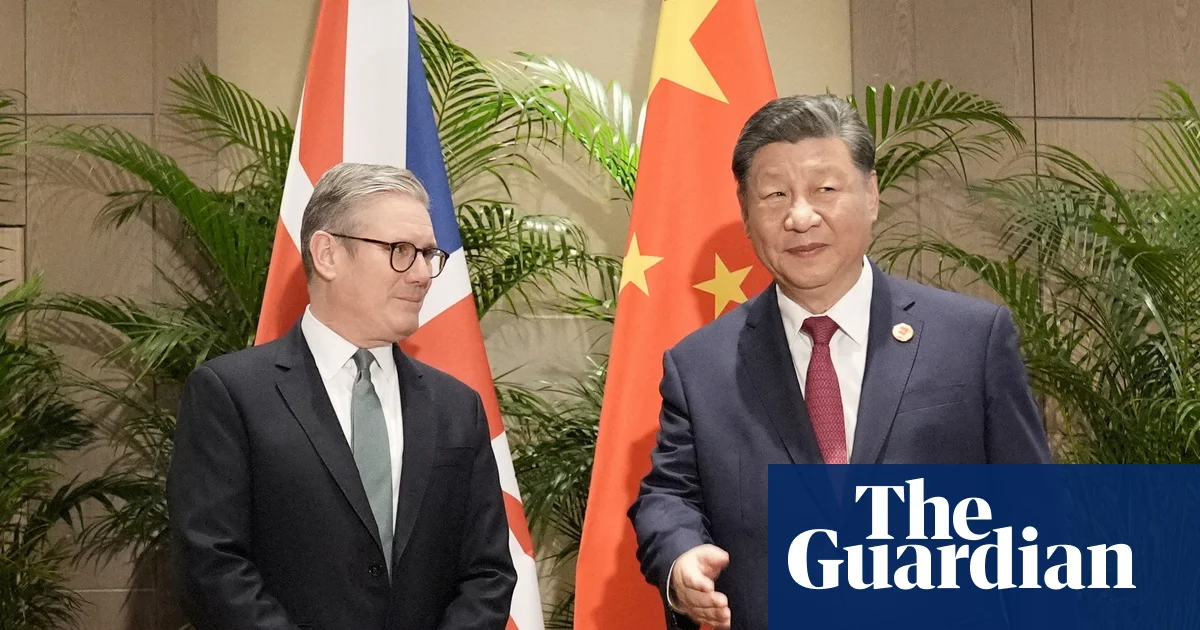
Ministers gear up for China visits amid spying trial backlash, Labour critics warn

The United Kingdom is charting a precarious course in its renewed engagement with China amidst the turbulence of global power shifts and internal controversy. Despite simmering tensions sparked by the recent abandonment of espionage charges against two individuals accused of spying for Beijing, UK ministers have signaled a strategic intention to resume high-level talks before the year’s end. This includes plans for Jonathan Powell, the national security adviser, to visit Beijing in November—an effort aimed at fostering a “long-term and strategic” relationship, as emphasized by government officials. Such moves are not merely diplomatic gestures but carry profound geopolitical impact, signaling the UK’s attempt to balance economic interests with national security concerns amid China’s global rise.

This renewed diplomatic pursuit comes at a critical juncture. While official statements insist that engagement is rooted in “UK interests,” critics argue that this signals a recalibration—possibly a capitulation—to Beijing’s influence. Notably, the recent controversy involving the dismantling of charges against individuals linked to espionage suggests a possible diplomatic *trade-off*. Leaders like Keir Starmer are navigating a complex landscape, balancing the desire to reopen channels with fears of China’s expansionist reach and surveillance overtures. Many analysts, including security experts and historians, warn that this strategy risks emboldening Beijing at a time when U.S.-China tensions are intensifying. Global institutions such as the IMF and diplomatic commentators have voiced concerns that the UK’s embrace could undermine the collective effort to contain China’s geopolitical ambitions, thereby threatening regional stability.

Furthermore, these diplomatic overtures extend beyond government talks. Key figures like Rachel Reeves and Oliver Robbins have undertaken visits to China, promoting economic investment and revitalizing bilateral ties. Reeves’s recent involvement in unveiling £600 million of Chinese-backed investments underscores Britain’s attempt to capitalize on economic opportunities—yet such moves are fraught with risks. Chinese officials have openly communicated their displeasure over UK restrictions targeting their security apparatus, warning of potential retaliation that could destabilize diplomatic efforts. As international organizations track this evolving saga, they emphasize that decisions made today will shape the future of global power dynamics, with the UK caught squarely in the crossfire of a new Cold War landscape.

The unfolding developments evoke reflections from foreign policy analysts and historians who see this as a defining moment in 21st-century geopolitics. The last British Prime Minister to visit ChinaTheresa May in 2018—once spoke optimistically about a “golden era,” yet recent events reveal how swiftly that narrative has unraveled. The proximity of Kemi Badenoch and other senior officials to the Chinese government indicates a profound shift, perhaps towards a pragmatic yet perilous engagement policy. As Starmer’s alleged plans for a bilateral visit in February and Trump’s own sudden interest in China demonstrate, the global chessboard is realigning rapidly, with the UK positioning itself delicately amidst the rising tide of Chinese influence.

In the shadow of these high-stakes negotiations, history warns that such pivotal moments are often fraught with unforeseen consequences. The decisions taken in Parliament’s chambers and diplomatic suites will resonate through decades, shaping the balance of power in the Indo-Pacific and beyond. As the world watches, the UK’s future hinges on whether these diplomatic gambits will uphold sovereignty and security or succumb to the seductive allure of economic gains at a perilous geopolitical cost. The pages of history are turning once more, and the weight of global destiny hangs in the balance—an intricate dance of strategy, influence, and power, with the world on the edge of a new epoch.”

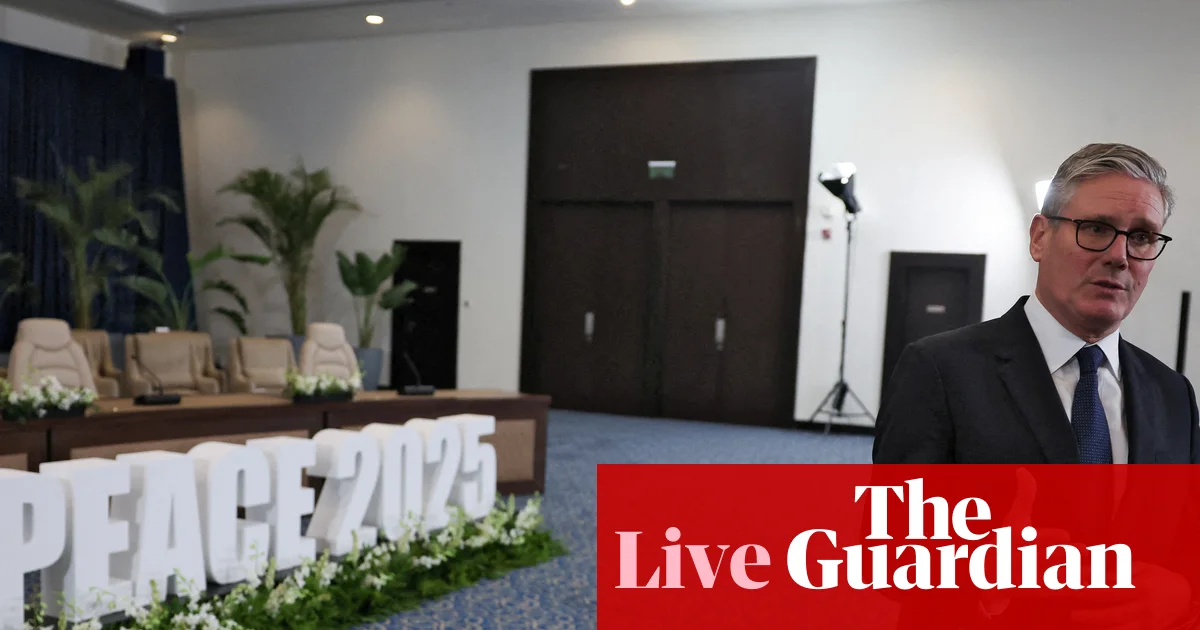
Starmer Confronted by MPs Over China Spy Trial Collapse—UK Politics Live

UK’s Domestic Agenda: Infrastructure and Security in the Shifting Global Landscape

In a move that underscores the pragmatic yet assertive posture of Britain on the global stage, the government has recently announced significant reforms to its domestic planning regulations, aiming to accelerate infrastructure development. This initiative, encapsulated within the planning and infrastructure bill, is now bolstered by a series of amendments designed to streamline approval processes, reflecting a broader national strategy driven by economic imperatives and geopolitical considerations alike. As Steve Reed, the housing secretary, emphasizes, the government prioritizes national security while seeking to foster rapid development—decisive steps that signal a move towards more sovereign control over critical infrastructure, including foreign-backed projects skewed by geopolitical interests.

This domestic push for infrastructural independence comes amid heightened tensions over China and its expanding global influence. The UK’s approach is now more cautious and defensive, especially concerning recent controversies involving Chinese diplomatic missions. The contentious application for a “super-embassy” in London exemplifies this balancing act. Delays in approval stem from China withholding unredacted plans, and the UK’s decision-making process, as outlined by Reed, hinges on comprehensive security evaluations—highlighting a shift to prioritize security concerns over economic or diplomatic advantages. This stance has broader geopolitical impact, signaling to allies and rivals alike that the UK is willing to assert its sovereignty against external threats, particularly those perceived from Beijing’s growing global footprint.

International Ramifications: Escalating Tensions and Evolving Alliances

At the international level, the UK’s stance echoes the sentiments of other conservative-leaning democracies recently emphasizing cybersecurity and sovereignty, amidst a shifting geopolitical landscape. Historians and analysts underscore how this recalibration aligns with an era marked by cyber warfare, espionage, and the strategic contest for influence in the Indo-Pacific and beyond. The recent fiasco surrounding allegations of Chinese espionage involving British nationals continues to fuel debates on how to effectively counterbalance economic dependence with security risks. The UK’s decision to impose stricter controls on foreign diplomatic and infrastructural projects mirrors similar policies adopted by the United States and Australia, signifying a regional trend toward assertive sovereignty in the face of Beijing’s encroachments.

Furthermore, UK policymakers and international observers recognize that these domestic security measures carry ripple effects, influencing alliances and rivalries. The emphasis on increasing security expenditure—by £600 million, according to Reed—aligns with a broader global shift towards bolstering defense capabilities, cyber resilience, and intelligence cooperation. How these decisions shape alliances, particularly with NATO, and influence global diplomatic norms, remains a pivotal question for this decade’s geopolitical chessboard. It could redefine the parameters of diplomatic engagement, where security concerns eclipse previous economic or diplomatic mandates. Analysts warn that such a shift signifies more than domestic policy—it signals a new era of confrontation and prudence in international relations.

The Unfolding Future: A Pivotal Chapter in History

As British leaders weigh security against economic gains, the global community watches with bated breath. What began as mere infrastructure reform reveals itself as a test of sovereignty and resilience in a turbulent world. Today’s decisions by the UK serve as a harbinger of what’s to come: a fragile yet resolute effort to safeguard national interests amid global upheaval. The weight of history is still unfolding, and each decision carves a new chapter—one that may determine the balance of power for generations to come. The lines of diplomacy and defense are being redrawn, and the world stands at a crossroads that will shape the future of sovereignty, security, and influence in the twenty-first century.

Behind the Scenes with the Mastermind Driving Hong Kong’s Hottest Restaurants

Hong Kong’s Culinary Scene: A Reflection of Resilience and Innovation

In the heart of Hong Kong, a city renowned for its relentless energy and fierce competition, the culinary scene exemplifies a unique blend of resilience, innovation, and a sharp drive for excellence. Operating within a market often branded as “the most cutthroat F&B market in the world,” restaurateurs and publicists alike face constant pressure to innovate and refine amidst a landscape hungry for new experiences. The landscape is punctuated not just by the highest stellar ratings, like those of the two-Michelin-starred TATE Dining Room and Ando, but also by the sheer tenacity required to stay relevant in such an environment. This resilience isn’t purely economic; it’s a lifestyle—a never-ending pursuit rooted in passion and adaptability.

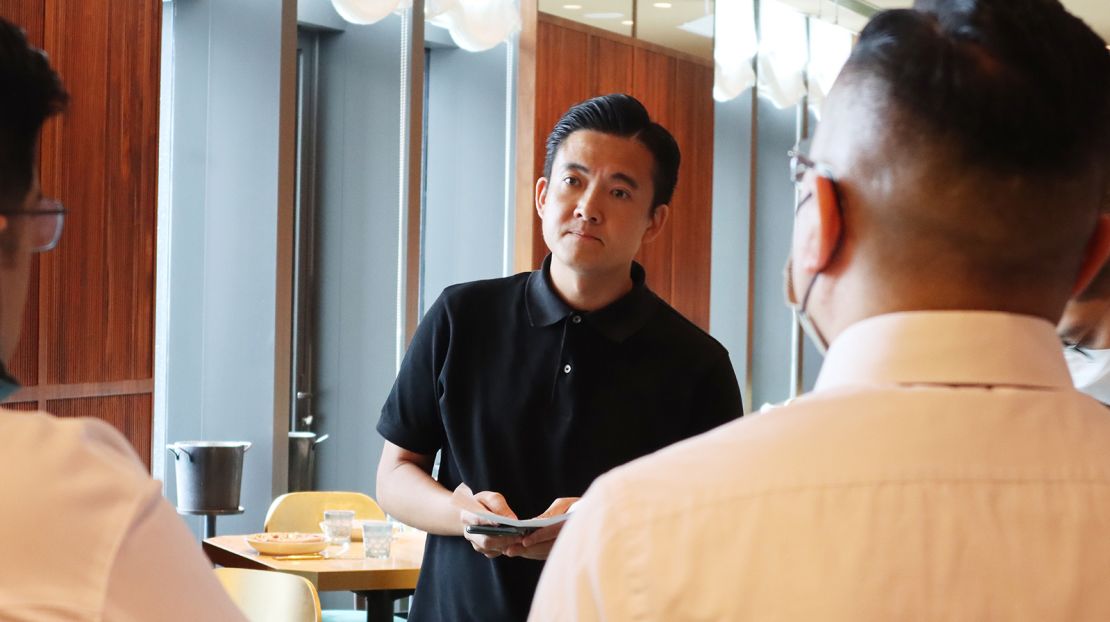
Leading this charge is Geoffrey Wu, a publicist whose impact on Hong Kong’s culinary world is undeniable. With over a decade of experience, Wu specializes in elevating some of the most prestigious restaurants, guiding them through the perilous waters of market expectations and evolving tastes. His role extends beyond traditional marketing; he immerses himself in the actual operation of restaurants—sampling dishes, refining menus, and even engaging directly with chefs and guests. Wu emphasizes that success hinges on a *strong opening*—testament to Hong Kong’s fast-paced, competitive mindset. When a restaurant like Bluhouse launched in June and promptly booked reservations through November, it exemplified how meticulous preparation and relentless energy pave the way for triumph in this unforgiving environment.

The city’s dining evolution over the past decade is nothing short of remarkable. Since the Cannes- and Michelin-influenced surge beginning in 2009, social media and an active food community have propelled local chefs to the forefront of international recognition. Now, chefs are no longer just creators but also figures engaging intimately with their audiences—building relationships and cultivating personal brands. Wu highlights this shift, noting that today’s chefs must actively touch the tables, share their stories, and participate in public moments—reflecting a change from the past when culinary skill alone sufficed. An example of this new era is Manav Tuli of Chaat, who, after moving to Hong Kong, embraced this culture of engagement and quickly earned a Michelin star, exemplifying how relationship-building is critical to establishing a strong foothold.

Embracing Change: The Spirit of Continuous Refinement

For Hong Kong’s chefs and industry insiders, there is an unshakable belief—“keep refining, keep pushing.” This mantra speaks to the core mindset that sustains the city’s culinary vibrancy. Whether it involves adding unique *tableside services*, educating diners about the cultural significance of dishes, or introducing inventive elements like palate cleansers, the industry refuses to stagnate. Wu’s own role at restaurants such as Yong Fu involves editing menus to highlight regional specialties, like authentic Ningbo cuisine, which often confuses diners with its *savory and sticky* flavor profile—yet remains a testament to local culinary heritage. Such continuous adaptation embodies the spirit of lifestyle evolution, demonstrating that excellence and freshness are the currency of survival and success.

Ultimately, the story of Hong Kong’s restaurant industry is a testament to the power of relentless drive and personal impact. It’s about more than just good food; it’s about creating experiences that resonate, connections that endure, and the resilience to reinvent oneself amidst unyielding competition. Wu, who enjoys early morning runs through the quiet city as a form of reflection, exemplifies this ethos—constant motion, continuous improvement, and a steadfast belief that true success lies in never standing still. Catering to discerning, knowledgeable customers who demand innovation, Hong Kong’s culinary entrepreneurs embrace the journey of fine-tuning and evolving, understanding that even the most celebrated restaurants have a finite shelf life. It’s this perpetual pursuit of excellence that makes Hong Kong’s culinary scene not just a market, but a living, breathing lifestyle—a testament to resilience and passion that inspires all who dare to participate.

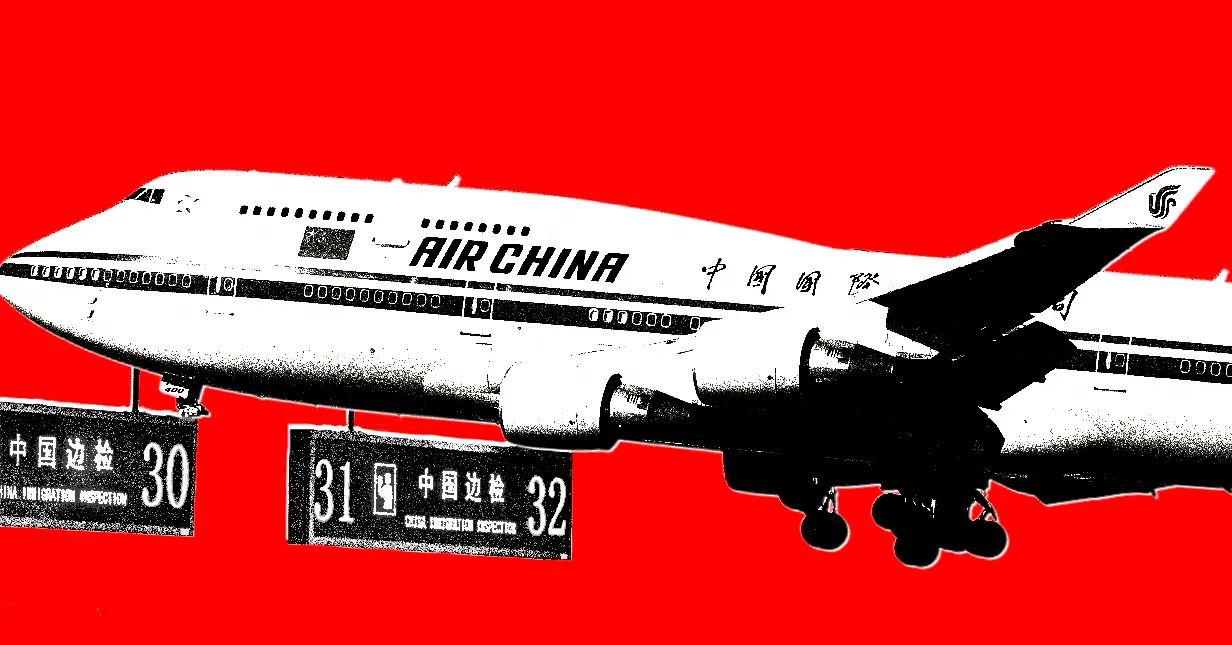
China Launches First Talent Visa as U.S. H-1B Limits Climb

China’s New Visa Program Signals Strategic Push for Global Tech Talent

In a bold move demonstrating disruption and modernization, China has launched the K visa initiative, explicitly designed to attract young STEM professionals from top universities worldwide. The policy, unveiled amid rising youth unemployment and mounting international competition for technical talent, marks a strategic shift in China’s approach to fostering innovation-driven growth. While it echoes the US’s H-1B system on the surface, China underscores that its program primarily aims to facilitate international exchange and cooperation rather than simply staffing its industries.

The launch of the K visa signifies more than just a talent acquisition effort; it symbolizes a broader industry disruption—particularly in the global race for next-generation technologies. Industry analysts suggest this move could recalibrate the balance of technological innovation, positioning China as an increasingly attractive hub for scientific research and development. Experts like Gartner and MIT researchers warn that this could accelerate China’s ascent as a dominant player in AI, biotech, and quantum computing—areas crucial for future economic dominance. The implications for business leaders are clear: companies aiming to stay ahead must now consider China not just as a manufacturing powerhouse but as a key innovator and partner in STEM collaborations.

Disruption and Industry Shifts

The K visa’s arrival has generated a complex landscape of competitive disruption and geopolitical tension. While President Trump’s policies have tightened visa restrictions in the US, China’s more open stance is reshaping the global talent pipeline, creating a market shift that could favor Chinese innovation hubs over traditional Western centers. This move is part of a broader agenda to diminish reliance on foreign talent—yet paradoxically, it leverages international expertise to bolster domestic capabilities. It signals a paradigm shift: nations are now competing not just through tariffs or economic sanctions but via **human capital and technological collaboration**.

  • Enhanced pathways for foreign STEM professionals to study, work, and innovate in China
  • Potential acceleration of China’s leadership in emerging tech sectors
  • Intensified competition with Western nations for top-tier talent pools
  • Risks of social backlash and nationalistic resistance, indicating complex political undercurrents

However, industry insiders warn that the program’s success hinges on carefully balancing international openness with nationalism, as social media buzz reveals resistance rooted in fears of job displacement and cultural marginalization. Critics highlight that the backlash, often tinged with nationalist rhetoric, could hamper China’s efforts to establish a sustainable innovative ecosystem. Still, the Chinese government remains committed to this strategic push, signaling a clear message to the global tech community: the quest for technological supremacy is now fought on human resource fronts.

Looking Ahead: Urgency in the Tech Race

This evolving scenario places the global tech landscape at a tipping point. As Peter Thiel and other visionary investors emphasize, the future belongs to those who can attract and mobilize talent at scale. Countries that succeed in doing so—whether through policies like China’s K visa or similar initiatives—will set the tone for decades to come. The window for Western nations to innovate proactively and foster open yet strategic talent pipelines is closing fast. The pursuit of disruption and frontier innovation demands action now, as the fusion of talent and technology becomes the defining arena of global power.

In this high-stakes environment, staying ahead requires not only technological breakthroughs but also innovation in talent acquisition and mobility strategies. The race for supremacy in the tech economy is accelerating, and the nations that recognize this shift earliest will shape the future landscape of global influence and prosperity. The time to act is now—disrupt or be left behind.

Top 32 Chinese Dishes Every Foodie Needs to Savor ASAP!

Embracing China’s Culinary Wonders: A Taste of Tradition and Heritage

The diverse flavors of China are akin to a vast landscape of culinary treasures, each dish telling its own unique story. With an unparalleled selection of gastronomic delights, travelers can find themselves both challenged and exhilarated as they navigate the extensive menu that this country offers. The art of eating well in China isn’t merely about satisfying hunger; it’s a gateway to cultural understanding and historical appreciation.

Those venturing to sample authentic Chinese cuisine must delve into must-try dishes that showcase the depth and richness of its traditions. For starters, Peking Duck stands as a hallmark of Chinese culinary heritage. This dish has enchanted taste buds for over 1,500 years, originally stemming from Nanjing’s royal kitchens. The duck, known for its crisp skin and flavorful meat, is traditionally served with thin pancakes, cut vegetables, and sweet bean sauce. A well-executed Peking Duck experience is much more than a meal; it’s an immersive encounter with history.

Additionally, one cannot overlook the beloved Dan Dan Noodles, named for their origin as street food sold by hawkers. This classic Sichuan dish is a dance of flavors, featuring a mix of spicy, salty, and nutty profiles, often enriched with finely chopped pork. Whether served dry or in savory broth, these noodles illustrate the essence of comfort food in a bustling cityscape.

Essentials for a Culinary Journey

As one embarks on a culinary exploration of China, keep in mind some essential dishes and tips to maximize the experience:

  • Steamed Fish: Master the art of steaming fish—it’s not just a cooking method but a testament to the skill of timing and technique.
  • Sweet and Sour Pork: Light and refreshing, this dish utilizes pineapple and tangy sauce, perfect for summer.
  • Dim Sum: An experience in itself, this serves as a brilliant way to sample a range of flavors in one sitting.

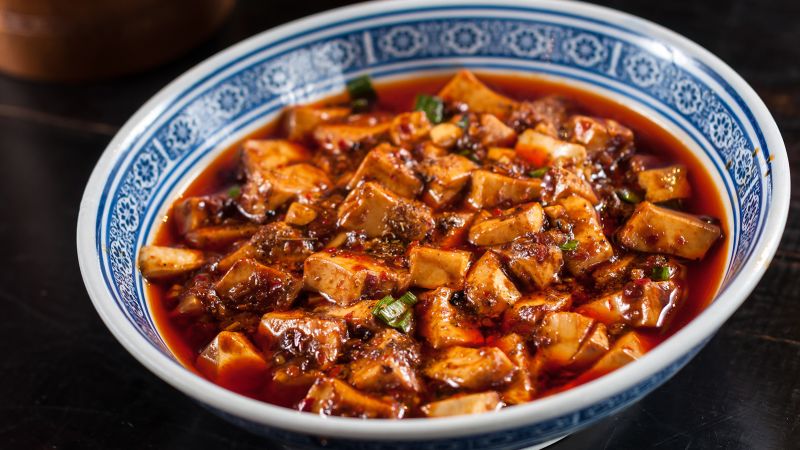
Moreover, specialties like Mapo Tofu and Hot and Sour Soup highlight regional differences that make Chinese cuisine so captivating. Mapo Tofu delivers a punch of spicy, salty flavors that exemplify Sichuan’s reputation for heat, while Hot and Sour Soup warms both body and soul with its balance of flavors, containing elements that are good for health in any season.

Reflecting on Wellness and Lifestyle Shifts

In today’s fast-paced world, embracing a diet inspired by the depth of Chinese cuisine can lead to transformative wellness practices. The incorporation of fresh ingredients, nutrient-dense foods, and balanced meals reflects a shift towards a holistic approach to living well. As culinary offerings adapt to modern health trends, one finds that these age-old recipes provide inspiration for savory solutions to contemporary dining dilemmas.

Ultimately, dining is not merely about consumption; it serves as a chance to embrace life’s journey—celebrating connections with others and fostering cultural appreciation. Whether it’s shared experiences over a steaming platter or a quiet dinner savoring every bite, the essence lies in the underlying concepts of mindfulness and enjoyment in life’s flavors. Every dish carries the invitation to explore and connect—making every meal a stepping stone in the ongoing adventure of discovery.

Stunning Highlights Along China’s Iconic Great Wall

The individual has spent nearly twelve years residing in Beijing, providing ample opportunity to explore various parts of China. Over this extended period, they have accumulated extensive travel experience across the country, gaining a comprehensive understanding of its diverse cultural, historical, and geographical features. The familiarity with Beijing serves as a base for their broader explorations, allowing them to appreciate the differences and similarities within China’s vast landscape.

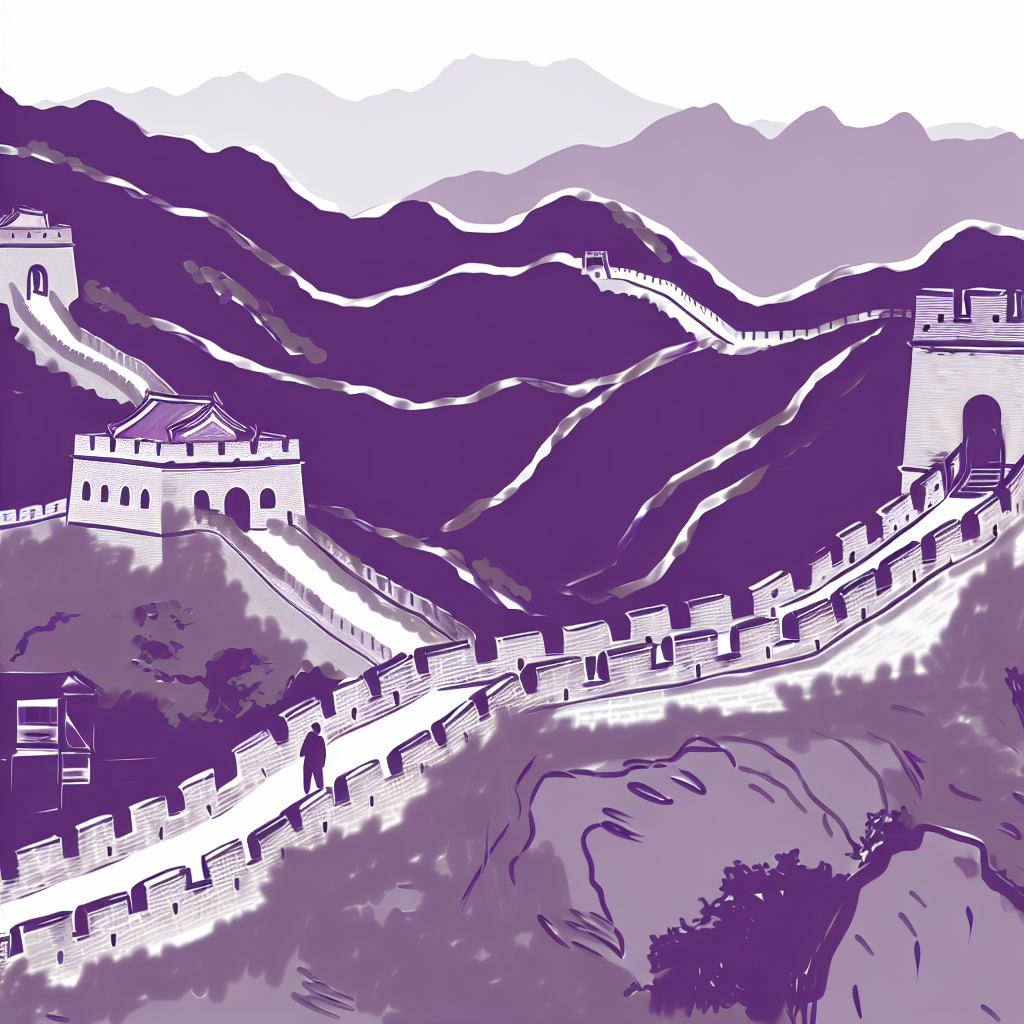
During their time in Beijing, the person has likely visited some of China’s iconic landmarks and cultural sites, such as the Great Wall, which is visible in the accompanying image. The Great Wall is one of China’s most famous and historically significant structures, stretching across multiple provinces and offering a glimpse into ancient Chinese civilization and military history. Specific sections they might have visited include the Yongtai and Turtle City areas, known for their scenic views and historical value. Such visits underscore a deep engagement with China’s rich cultural heritage, which is often characterized by well-preserved architecture and scenic landscapes.

The long-term residence and travel throughout China suggest a deep appreciation and understanding of the country’s diversity. From bustling urban centers like Beijing to quieter rural areas and historic sites, the individual has experienced various facets of Chinese life. Their journey highlights the country’s extensive cultural history, natural beauty, and architectural grandeur. As a seasoned traveler, they can attest to the profound contrasts and unique allure that various regions of China offer, making their experience a valuable perspective on one of the world’s most historically and culturally rich nations.

Social Media Auto Publish Powered By : XYZScripts.com