Matox News

Truth Over Trends, always!

UK Scholars Critical of China Reveal 'Overwhelming' Beijing Pressure on Universities
UK Scholars Critical of China Reveal ‘Overwhelming’ Beijing Pressure on Universities

UK Higher Education Faces New Frontline in International Power Struggle

In an era where geopolitical conflicts are reshaping international norms, the United Kingdom finds itself caught in a silent but increasingly perilous tug-of-war with China. Recent revelations suggest that UK universities, long regarded as bastions of free thought and academic freedom, are now under intense pressure from Beijing to silence critical research. Academics who dare to scrutinize China’s human rights abuses—particularly concerning the Uyghur Muslim community—have faced threats, sanctions, and institutional censorship. This alarming trend signals a profound shift in the power dynamics associated with global education and international influence, provoking widespread concern about the resilience of academic independence amid economic dependencies.

Specifically, institutions like Sheffield Hallam University have capitulated to Chinese authorities, with reports indicating compliance with Beijing’s demand to halt research on forced labor and supply chains. The case of Professor Laura Murphy, a prominent human rights scholar, exemplifies the increasing risks faced by UK academics. After being ordered to cease her research, she recounted facing an eight-month suspension, a move believed to be driven by commercial considerations, given the university’s reliance on Chinese tuition fees. Such episodes underscore a worrying erosion of academic integrity — driven not only by overt threats but by subtler forms of coercion, like self-censorship and institutional avoidance. This coercion is no longer confined to diplomatic incidents but has become a routine, under-the-radar strategy for Beijing to control the narrative critical of its domestic and international policies.

Shadows of Influence: The Reality for Critical Scholars

Beyond institutional actions, individual academics are increasingly targeted. Andreas Fulda, a political scientist at the University of Nottingham, reports receiving spoof emails and death threats for his outspoken criticism of China. His experience reflects a growing pattern among scholars who navigate a perilous environment where perception thresholds set by Chinese security can result in punitive measures, including harassment or even blacklisting. Such tactics serve as stark warnings that the Chinese government is committed to suppressing any dissenting voices that challenge its narrative. These measures have ominous implications for academic freedom, especially in a strategic landscape where universities are increasingly dependent on Chinese student tuition—a lucrative but vulnerable revenue stream.

International organizations and think tanks have expressed grave concerns. Historians warn that this phenomenon could redefine the global order of higher education, transforming it into an arena of geopolitical pawn play rather than a sphere dedicated to free inquiry. UNESCO and other watchdogs have highlighted that the dependence on China’s educational market could compromise the core values of academic independence. The decision by UK universities to kowtow to Beijing’s demands not only damages their credibility but also signals a disturbing capitulation that could set a precedent for other nations’ higher education sectors worldwide.

Economics of Dependence and the Threat of a Chilling Effect

The dependence of many UK universities on international students from China has exacerbated these vulnerabilities. As Fulda pointed out, the current funding model, heavily reliant on tuition fees paid by Chinese students, acts as leverage for Beijing’s influence. Recent proposals to increase domestic tuition fees and introduce international levies aim to offset financial struggles; however, such measures risk making universities even more susceptible to external pressures. With the Chinese regime wielding significant economic influence—predicted by some analysts to surpass Western economic power in the coming decades—the geopolitical impact is profound. Universities may find themselves increasingly pressured to self-censor, avoiding research that could expose uncomfortable truths about China’s human rights record or domestic policies, thus compromising the very essence of academic inquiry.

The British government, in response, has claimed to uphold free speech and academic independence, but critics argue that these statements are becoming hollow words amidst ongoing incidents of censorship and intimidation. The risk extends beyond individual scholars; it threatens the broader fabric of international academic cooperation, which serves as the foundation for global progress and understanding. As one historian noted, the current trends are reminiscent of totalitarian regimes that wield knowledge as a tool of control—a sobering reminder that decisions made in the pursuit of economic stability risk transforming universities into mere pawns within a larger geopolitical strategy, leaving history’s relentless march toward freedom and truth hanging precariously in the balance.

As the dust settles on this unfolding crisis, the weight of history presses down with relentless gravity. Will the West stand firm against encroaching authoritarianism, or will the siren song of economic convenience drown out the voices of truth? The coming years will reveal whether the pursuit of knowledge can withstand the shadows cast by global power struggles, or if the very essence of academic independence will be sacrificed on the altar of international diplomacy.
China ready to loosen chip exports in new trade deal, White House confirms

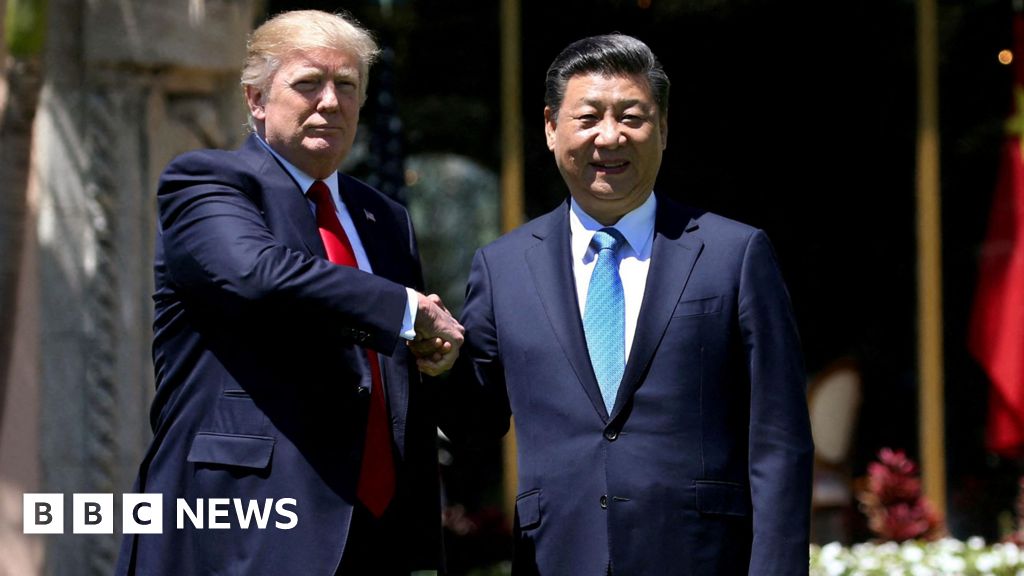
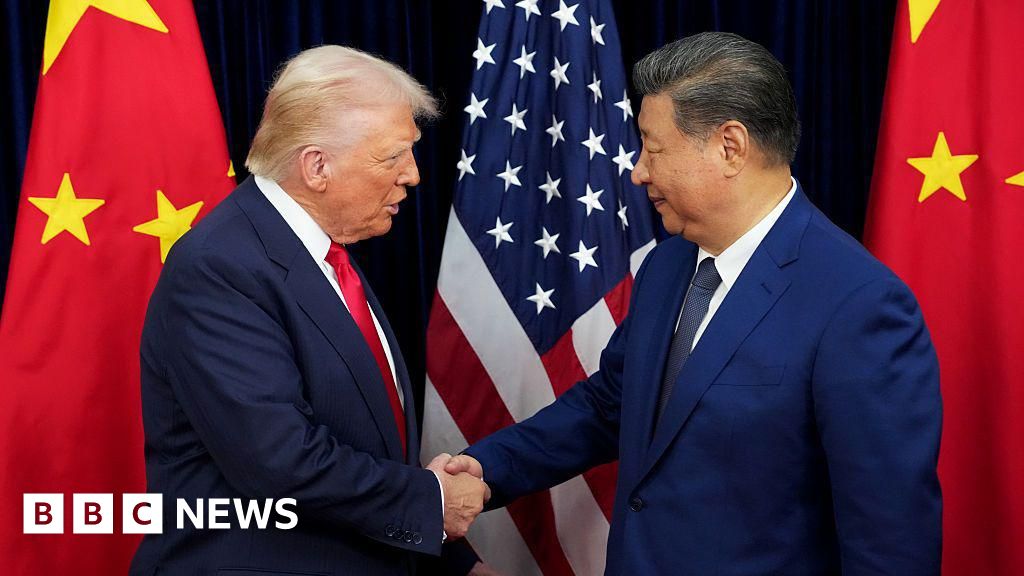
In a significant move that signals a cautious step toward de-escalating the simmering trade tensions between the two global superpowers, China has agreed to begin easing its export ban on critical automotive computer chips. This decision emerges from a landmark deal struck during a summit between Chinese President Xi Jinping and former US President Donald Trump in South Korea, the first major diplomatic breakthrough in the last few years of economic brinkmanship. The White House confirmed that this deal could have profound geopolitical impact, with trade policies once viewed as tools of coercion now potentially shifting toward cooperation.

This agreement is not merely about trade; it carries broader implications, affecting global supply chains, international relations, and the balance of economic power. According to analysts, the deal demonstrates how both nations recognize the cost of instability. The US and China jointly agreed to a series of measures that address bottlenecks and vulnerabilities, especially within high-tech manufacturing and raw material sectors. The reopening of critical chip supplies from China’s Nexperia—a Dutch-based Chinese-owned company—aims to stabilize global automobile markets, which have been thrown into disarray by previous restrictions. Historians cautious about the momentum note that these “breakthroughs” are fragile, warning that the geopolitical chess game remains incomplete, and recent policies could revert if disagreements resurface.

  • Trade war tariffs — Previously, Trump’s tariffs on Chinese goods aimed at boosting American industries but backfired by raising consumer prices worldwide. The new deal proposes a gradual lowering of these tariffs, signaling a possible return to more normalized trade relations.
  • Export controls on rare earth minerals — Beijing has agreed to pause export restrictions for a year, alleviating fears of a technological blockade that could cripple industries like aerospace and defense, underscoring the strategic importance of China’s resource control.
  • Supply of fentanyl-related chemicals — The delicate issue of chemical exports used in fentanyl manufacture is set to be addressed with new measures aimed at limiting the drug’s devastating impact on US society, amidst rising concern about the opioid crisis.
  • US soybean exports — China’s renewed commitment to purchase billions of dollars worth of American soybeans signals a move toward economic normalization, following a year of destructive trade disruptions that hurt American farmers profoundly.

International institutions like the World Trade Organization and economic think tanks have hailed the deal as a potential turning point, but many remain skeptical. This cautious optimism is echoed by analysts warning that the core issues—trust, sovereignty, and influence—remain unresolved, merely postponed for the moment. Historian Henry Kissinger and other diplomatic veterans stress the importance of robust, transparent commitments, cautioning that the path to lasting peace remains fraught with uncertainty and regional rivalries.

As the world watches these developments with bated breath, the ultimate question persists: is this agreement a genuine breakthrough or a strategic pause in a longer, ongoing contest for supremacy? With each handshake and signed document, history appears to hold its breath, perched on the brink of a new chapter—one that could reshape the global order, or plunge the world back into chaos and confrontation. The echoes of this moment will resonate through generations, reminding us that in the realm of geopolitics, peace is often fleeting and fragile—yet always worth striving for amidst the shadows of power.

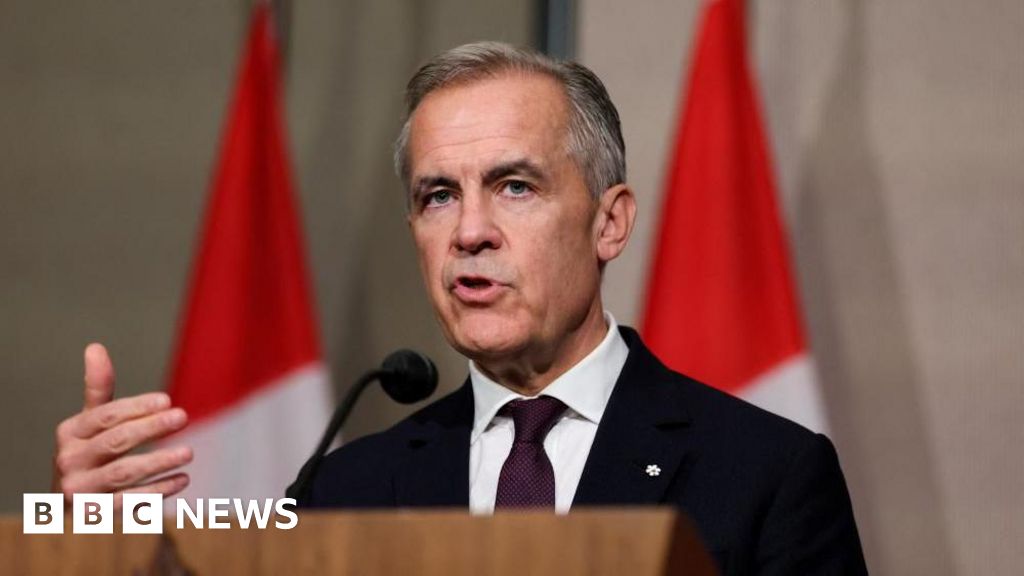
Canada’s Prime Minister Carney heads to China to meet Xi Jinping—a new chapter begins

Canada Eyes New Alliances as China and U.S. Trade Tensions Escalate

In a move that signals a significant shift in its diplomatic calculus, Canada has accepted an invitation to meet with President Xi Jinping. This diplomatic overture, announced after Prime Minister Mark Carney and Xi’s brief 40-minute discussion during the Asia-Pacific Economic Cooperation (APEC) summit, marks a “turning point” in the historically complex relationship between Ottawa and Beijing. The timing is critical: with escalating tensions emanating from ongoing trade disputes and geopolitical row, Canada’s engagement with China underscores a strategic recalibration that could reshape its international alliances.

Since 2018, relations between Canada and China have spiraled downward, culminating in a diplomatic crisis that saw Beijing arrest two Canadian citizens—Michael Spavor and Michael Kovrig—on espionage charges. Their detention closely followed the arrest of Huawei’s CFO, Meng Wanzhou, in Canada at the behest of U.S. authorities; a move that some analysts argue was a tit-for-tat diplomacy that underscored the fragile state of global diplomatic decorum. Despite their eventual release in 2021, tensions persisted, mounting further as Beijing imposed tariffs on vital Canadian exports like canola, while Canadian retaliatory tariffs targeted Chinese electric vehicles and other sectors. The period has thus evidenced what many call a “two-front trade war,” impacting Canadian farmers, especially in Western provinces, and threatening economic stability in sectors vital to national livelihoods.

The geopolitical impact of Canada pivoting towards China and other major economies is profound. As Analysts warn, this strategic move could serve as a blueprint for other Western nations disenchanted with the kinetic and economic warfare of the U.S.-China rivalry, amplifying the contest for influence in the Indo-Pacific and beyond. Decisions to deepen ties with Asian economic giants coincide with American efforts to tighten its grip on Canadian trade, evident in the recent tariff hikes and diplomatic freezes imposed by Washington, notably after the suspension of trade negotiations triggered by a controversial advertisement by Ontario’s Premier. This turns Canada’s international stance into a high-stakes chessboard, where its ability to navigate between the world’s two largest powers will determine its economic standing for decades to come.

Building on recent turning points, China has publicly expressed a willingness to work with Canada, seeking to “push relations back onto a healthy, stable, and sustainable track.” However, the shadows of the past—foreign interference accusations, trade sanctions, and geopolitical confrontations—loom large. Historians and international watchdogs contend that these diplomatic disputes reflect broader strategies, where entrenched national interests often clash beneath diplomatic veneer. The United Nations and major think tanks have warned that such multipolar tensions threaten the stability of global markets, emphasizing that the outcome hinges on the will and wisdom of leaders to prioritize peace over rivalry. Yet, as history illustrates time and again, the sands of international stability are shifting, and the decisions made today will resonate long into the future—when the fog of diplomacy finally clears and history either judges this moment as a smart realignment or a costly misstep.

Trump orders Pentagon to ramp up nuclear tests to rival Russia and China | Donald Trump

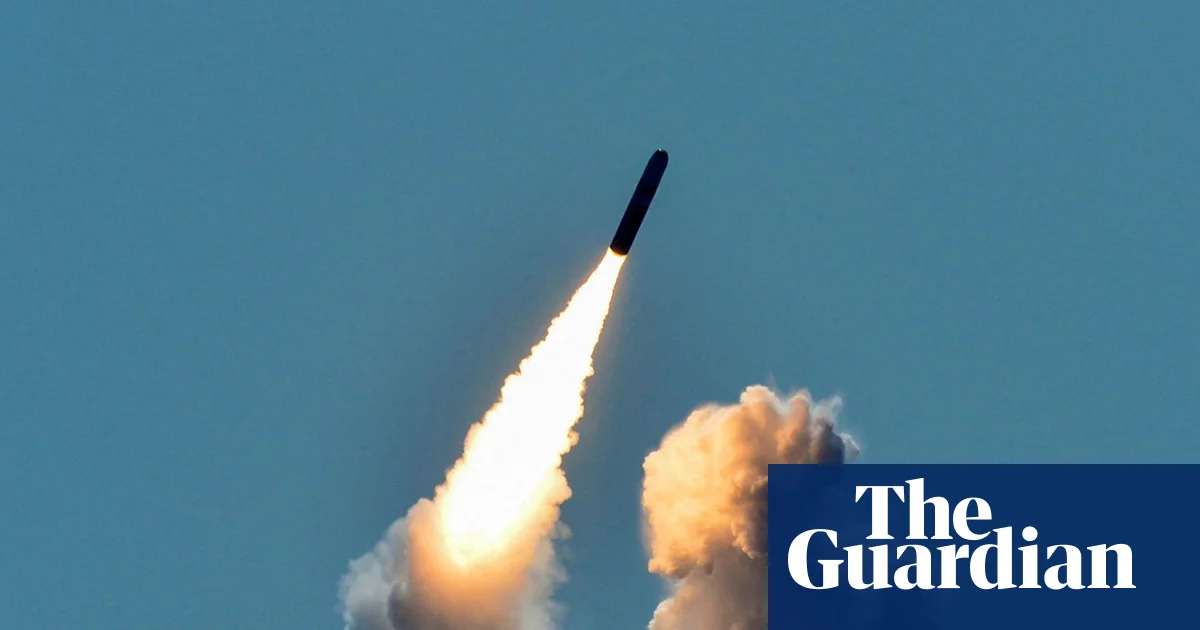
In a **dramatic escalation** of international tensions, Donald Trump has ordered the Pentagon to begin testing U.S. nuclear weapons in direct response to recent advances by Russia and China. This move, announced via social media, marks a **noteworthy shift** from years of US efforts to de-escalate nuclear tensions and cements a stark new reality—one where the world’s leading powers are engaging in a **dangerous game of nuclear one-upmanship**. Trump’s directive coincides with a backdrop where Moscow and Beijing have demonstrated their willingness to modernize and expand their nuclear arsenals, with Russia’s successful test of the Burevestnik cruise missile and Poseidon super torpedo exemplifying a clear intent to project power and undermine existing global stability.

Russia’s recent nuclear tests, including the Burevestnik nuclear-powered cruise missile and the Poseidon super torpedo, signal an **assertive posture** by the Kremlin amidst *breakdowns in diplomatic dialogue* with the West, particularly over the ongoing conflict in Ukraine. These developments are viewed by many analysts as a **deliberate display of strength**, intended to *deter Western interference* and reinforce Russia’s position as a formidable nuclear power. In response, Vladimir Putin has emphasized the need to ensure Russia’s national security, framing these tests as a necessary countermeasure in a new era of uncertainty. Meanwhile, the United States—despite a self-imposed moratorium since 1992—appears poised to re-engage in **nuclear testing**, threatening to ignite a new arms race. The move has sparked alarm among international organizations like the United Nations, which emphasize the catastrophic consequences of an escalated nuclear conflict and warn that such actions risk undoing decades of arms control efforts.

The **geopolitical impact** of Trump’s decision is profound and multifaceted. Not only does it **destabilize regional security architecture**, but it also threatens to undermine *existing treaties* such as the New START Treaty. The historic significance is clear: the revival of nuclear testing signals a departure from *diplomacy and mutual restraint*, opening a dangerous corridor leading toward a potential **nuclear crisis**. As traditional alliances and treaties waver, nations like India and Pakistan watch with concern, aware that a new arms race could destabilize a fragile global order. Leading international scholars, including arms control experts and historians, warn that such decisions “could unleash an era of instability and violence” that the world has sought to avoid since the Cold War’s conclusion.

Amidst this chaos, the **weight of history** looms heavy. The last full nuclear test conducted by the US was over three decades ago, and the silence that followed was seen as a *hope* for eventual disarmament. However, recent incidents suggest that the **axis of nuclear powers** is once again in motion, bringing the world closer to the “shadow of annihilation”. With *each test, each threat, and each escalation*, humanity edges toward an uncertain future. As nations grapple with the choice between peace and war, the question remains: will diplomatic efforts prevail, or will history once again be rewritten on the backdrop of nuclear shadows—a narrative where the clash of titans threatens to define the destiny of civilization itself?

US and China reach trade deal framework before Trump-Xi summit

Global Power Dynamics Shift as US and China Edge Toward Partial Trade Agreement

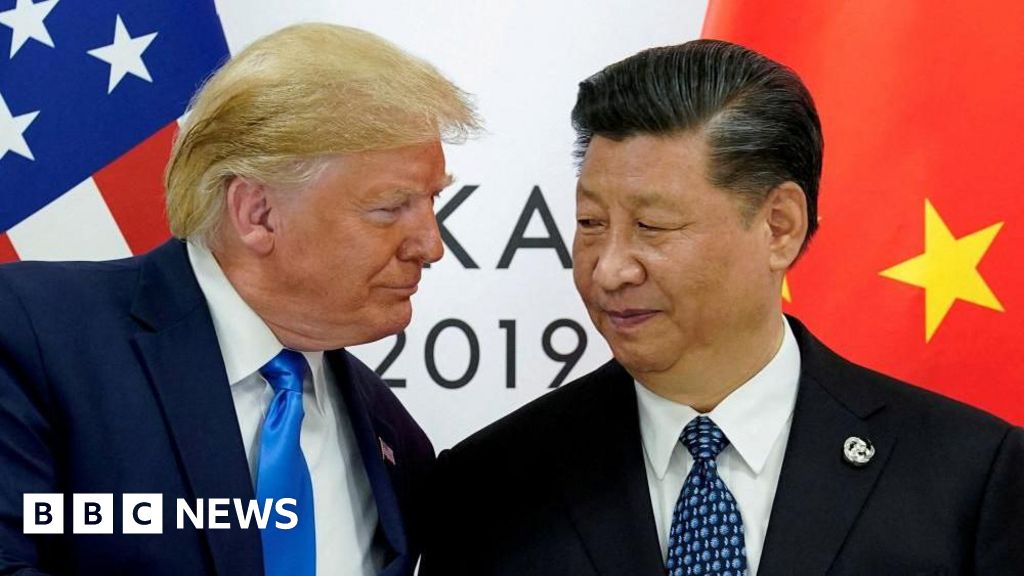
In a move that signals a potential détente between two of the world’s most influential powers, the United States and China have reportedly reached a preliminary framework for a trade deal, setting the stage for negotiations at the upcoming summit in South Korea. According to US Treasury Secretary Scott Bessent, key issues such as TikTok’s US operations and rare earth mineral controls are central to this accord. The deal, if finalized, could mark a significant departure from the recent history of relentless tariffs and escalating tensions, offering a brief respite but also underscoring the fragile nature of US-China relations amid shifting geopolitical landscapes.

This diplomatic development emerges at a time when both nations vie for global dominance and seek to avoid the catastrophic consequences of a full-blown trade war. Both governments have expressed a cautious optimism, aiming to stave off the steep tariffs threatened earlier this year, which would have further strained economic ties. The Chinese government indicated that the two sides “reached a basic consensus,” and plans are being made to “further finalize specific details,” hinting at pragmatic diplomacy in a landscape often marred by mutual suspicion and strategic mistrust. Historian and geopolitical analyst Dr. Jacob Walters notes that “such agreements, while partial, are crucial in preventing an all-out trade conflict that could destabilize the global economy.” The agreement holds particular weight because the US’s aggressive stance—particularly Trump’s threats of a 100% tariff—has heavily impacted industries and farmers in both countries.

The core issues underpinning these negotiations reveal significant geopolitical impacts and how decisions affect nations and societies. For the US, controlling the supply and access to rare earth minerals—critical components in electronics and renewable energy—has become a strategic priority amid China’s dominance, as the country processes 90% of the world’s supply. The US, under Trump’s administration, had threatened to impose tariffs and export controls, risking supply chain disruptions and economic fallout for American tech giants and manufacturers. However, China’s decision to delay tightening export controls by a year, as Bessent reported, underscores how both nations are weighing economic vulnerabilities against national security concerns. Meanwhile, the softening stance on soybean purchases indicates a willingness to reconcile economic interests with broader strategic agendas. This delicate balancing act reflects a rising awareness that economic interdependence must be managed carefully to prevent conflict in the age of globalized supply chains.

China-U.S. Relations: A Shift Toward Strategic Thaw?

Since the re-election of Donald Trump, US trade policy has oscillated between protectionism and engagement, with tariffs serving as a tool to reshape China’s trade practices. The recent moves toward a deal suggest an understanding that prolonged confrontation could threaten decades of economic progress. Trump’s initial call for dramatic tariffs, especially on Chinese imports, was driven by concerns over intellectual property theft and unfair trade practices. Yet, the tactical pause—marked by negotiations on TikTok, the targeted app of Chinese tech aspirations—may hint at a broader strategy to contain Beijing’s influence while maintaining economic leverage. This political gamble—leveraging technological dependency and economic dependence—could redefine the geopolitical chessboard for years to come. Analysts warn, however, that such agreements are fragile and must be followed by tangible actions to prevent future escalation, especially as Beijing and Washington brace for ongoing competition in technology, military influence, and regional dominance.

Added to the mix is the US’s apparent success in securing trade agreements with nations across Southeast Asia—Malaysia, Cambodia, Thailand, and Vietnam—an effort to strengthen alliances and diversify economic dependencies. These moves serve as a counterbalance to Chinese regional influence, highlighting a global contest for alignment and power. The dance of diplomacy, characterized by negotiations, threats, and tentative agreements, leaves global observers pondering the trajectory of international stability amidst rising nationalism and geopolitical rivalries.

As the world watches, history continues to unfold, teetering on the edge of a new era defined by strategic compromise and the shadows of past conflicts. These fleeting moments of diplomacy—fraught with hope yet fraught with uncertainty—may carve the future of global order. Whether this tentative framework evolves into a permanent peace or collapses under the weight of unfinished business remains an open question, echoing the age-old tension between power and responsibility, prosperity and security. In the grand narrative of history, the next chapter is yet to be written, but its consequences will resonate well beyond the corridors of power, shaping the lives and societies of generations yet to come.

Trump urges China to step up and help end Russia’s war

The recent developments in international diplomacy and military hostilities underscore a shifting geopolitical landscape, where the decisions of influential powers resonate across continents, impacting nations and societies alike. The meeting between former US President Donald Trump and Xi Jinping this week signals an effort to recalibrate relations amidst a backdrop of ongoing conflict in Ukraine. Despite the veneer of diplomatic dialogue, the underlying tensions remain palpable, as global institutions and nations grapple with the real consequences of this power struggle. History reminds us that such shifts can alter the course of nations for generations to come, and today’s decisions may define the future.

At the heart of these upheavals lies Russia’s unprovoked invasion of Ukraine, a conflict that continues to threaten stability in Eastern Europe. Russia remains aligned with China in a deepening partnership, emphasizing their shared interests in challenging Western dominance. Beijing’s unwavering diplomatic stance—never criticising Russia’s war and actively engaging in trade—has drawn accusations from the US and allies of aiding Moscow’s military campaign, which Beijing firmly denies. The recent summit in Beijing, with Putin and Kim Jong Un in attendance, served as a stark reminder of how these alliances are reshaping the region’s strategic landscape, presenting a united front that directly counters Western efforts to isolate Moscow.

The Western response to Russia’s military actions has increasingly involved economic sanctions and supply restrictions aimed at curbing Moscow’s war machine. Trump’s recent sanctions on Russia’s oil sector—the first direct interventions by the Biden administration—signify a possible shift towards more aggressive economic measures. Yet, analysts warn that Kremlin officials view such sanctions as “immune” to Western pressure, likely prompting Russia to seek alternative markets, particularly in China and India. The United Nations and European Union remain divided, with some voices calling for escalation, others urging caution, producing a fractured international response. This complex web of alliances and rivalries demonstrates how decisions made at the highest levels continue to ripple through the fabric of society, affecting millions who live in war zones, displaced refugees, and communities left vulnerable to economic turmoil.

As the US and China engage in a cautious dance over Ukraine, the broader geopolitical impact becomes increasingly evident. The recent meeting with Xi Jinping, where both leaders acknowledged “everything,” including Ukraine, exemplifies how sovereignties are intertwined with global ambitions. Beijing’s continued support for Moscow’s strategic goals—undermining Western sanctions while quietly bolstering Russia’s military and economic resilience—serves as a crucial turning point in the widening contest for international influence. The shadow of these decisions looms large, as the world watches a delicate balance between diplomacy and conflict, where the misstep of a single leader could plunge the planet into chaos. As historian John Mearsheimer warns, great-power competition is rarely peaceful, and today’s diplomacy must contend with the harsh realities of geopolitics.

In the shadows of this global chessboard, Ukraine remains a poignant symbol of what is at stake. The recent surge in Russian strikes, causing destruction and loss of life in Kyiv, underscores the unresolved nature of the conflict. Ukrainian President Volodymyr Zelensky appealed to the world for increased support, emphasizing that no nation should face such evil alone. Meanwhile, in Russia’s Belgorod region, the ripple effects of combat threaten local populations, with evacuations due to possible flooding caused by Ukrainian strikes. This ongoing horror story is a stark reminder that, regardless of diplomatic overtures, the true impact of these decisions is measured in lives disrupted and hopes shattered. The weight of history presses down, as the world steps closer to a new chapter—one written by power, conflict, and the indomitable will of nations to shape their own destiny amid the chaos.

Ministers gear up for China visits amid spying trial backlash, Labour critics warn

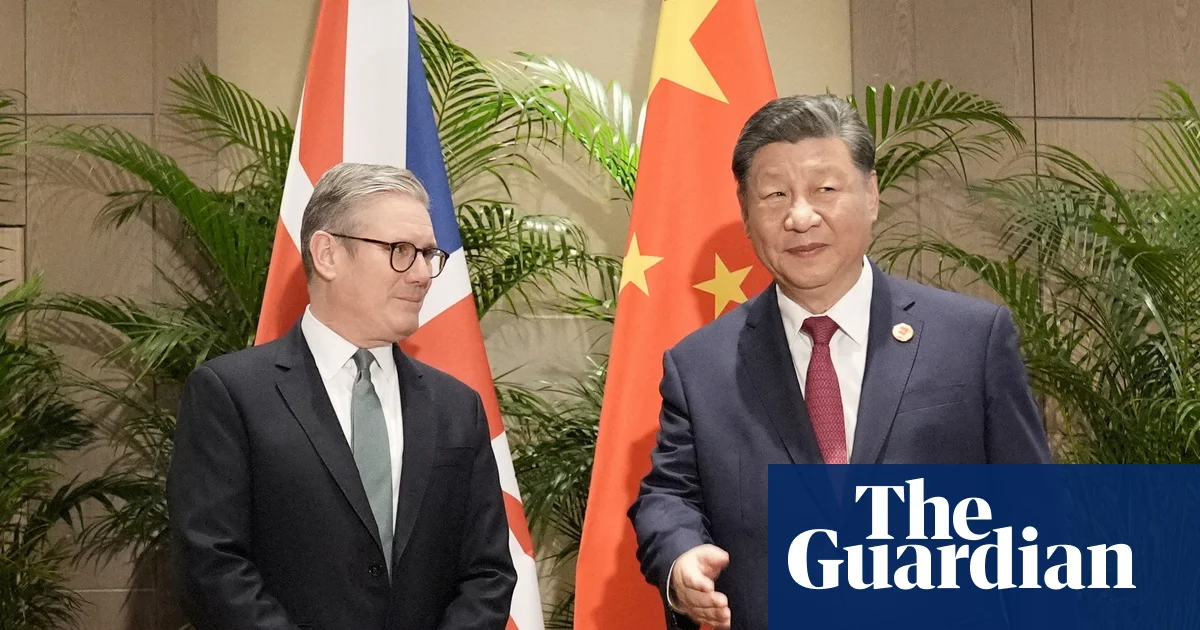
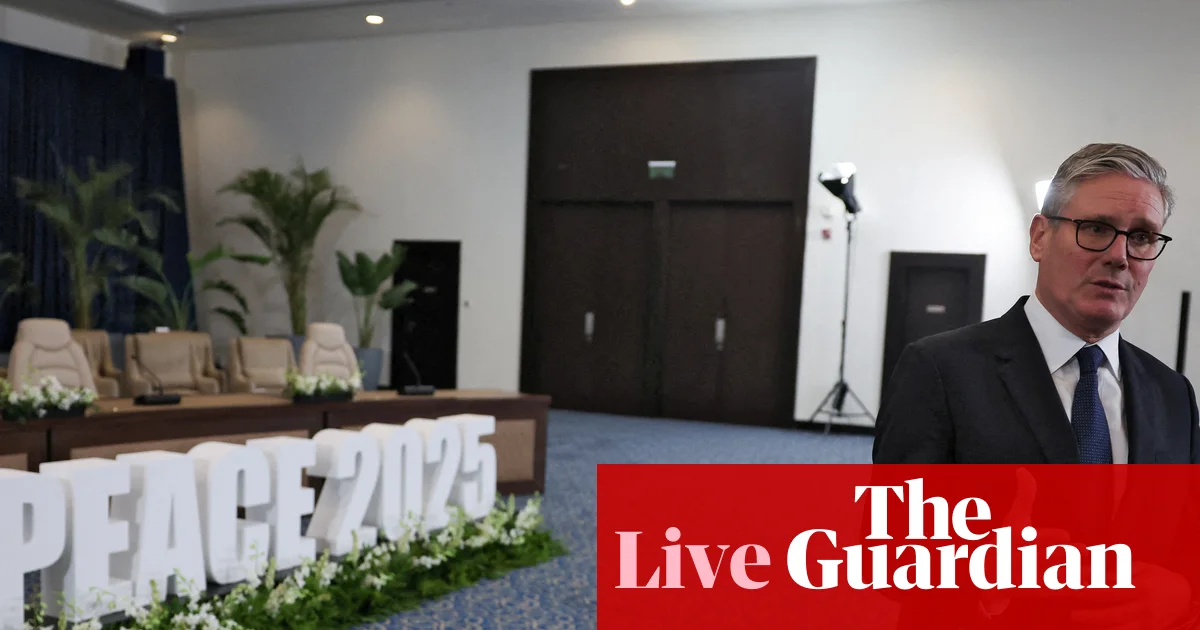
The United Kingdom is charting a precarious course in its renewed engagement with China amidst the turbulence of global power shifts and internal controversy. Despite simmering tensions sparked by the recent abandonment of espionage charges against two individuals accused of spying for Beijing, UK ministers have signaled a strategic intention to resume high-level talks before the year’s end. This includes plans for Jonathan Powell, the national security adviser, to visit Beijing in November—an effort aimed at fostering a “long-term and strategic” relationship, as emphasized by government officials. Such moves are not merely diplomatic gestures but carry profound geopolitical impact, signaling the UK’s attempt to balance economic interests with national security concerns amid China’s global rise.

This renewed diplomatic pursuit comes at a critical juncture. While official statements insist that engagement is rooted in “UK interests,” critics argue that this signals a recalibration—possibly a capitulation—to Beijing’s influence. Notably, the recent controversy involving the dismantling of charges against individuals linked to espionage suggests a possible diplomatic *trade-off*. Leaders like Keir Starmer are navigating a complex landscape, balancing the desire to reopen channels with fears of China’s expansionist reach and surveillance overtures. Many analysts, including security experts and historians, warn that this strategy risks emboldening Beijing at a time when U.S.-China tensions are intensifying. Global institutions such as the IMF and diplomatic commentators have voiced concerns that the UK’s embrace could undermine the collective effort to contain China’s geopolitical ambitions, thereby threatening regional stability.

Furthermore, these diplomatic overtures extend beyond government talks. Key figures like Rachel Reeves and Oliver Robbins have undertaken visits to China, promoting economic investment and revitalizing bilateral ties. Reeves’s recent involvement in unveiling £600 million of Chinese-backed investments underscores Britain’s attempt to capitalize on economic opportunities—yet such moves are fraught with risks. Chinese officials have openly communicated their displeasure over UK restrictions targeting their security apparatus, warning of potential retaliation that could destabilize diplomatic efforts. As international organizations track this evolving saga, they emphasize that decisions made today will shape the future of global power dynamics, with the UK caught squarely in the crossfire of a new Cold War landscape.

The unfolding developments evoke reflections from foreign policy analysts and historians who see this as a defining moment in 21st-century geopolitics. The last British Prime Minister to visit ChinaTheresa May in 2018—once spoke optimistically about a “golden era,” yet recent events reveal how swiftly that narrative has unraveled. The proximity of Kemi Badenoch and other senior officials to the Chinese government indicates a profound shift, perhaps towards a pragmatic yet perilous engagement policy. As Starmer’s alleged plans for a bilateral visit in February and Trump’s own sudden interest in China demonstrate, the global chessboard is realigning rapidly, with the UK positioning itself delicately amidst the rising tide of Chinese influence.

In the shadow of these high-stakes negotiations, history warns that such pivotal moments are often fraught with unforeseen consequences. The decisions taken in Parliament’s chambers and diplomatic suites will resonate through decades, shaping the balance of power in the Indo-Pacific and beyond. As the world watches, the UK’s future hinges on whether these diplomatic gambits will uphold sovereignty and security or succumb to the seductive allure of economic gains at a perilous geopolitical cost. The pages of history are turning once more, and the weight of global destiny hangs in the balance—an intricate dance of strategy, influence, and power, with the world on the edge of a new epoch.”

Starmer Confronted by MPs Over China Spy Trial Collapse—UK Politics Live

UK’s Domestic Agenda: Infrastructure and Security in the Shifting Global Landscape

In a move that underscores the pragmatic yet assertive posture of Britain on the global stage, the government has recently announced significant reforms to its domestic planning regulations, aiming to accelerate infrastructure development. This initiative, encapsulated within the planning and infrastructure bill, is now bolstered by a series of amendments designed to streamline approval processes, reflecting a broader national strategy driven by economic imperatives and geopolitical considerations alike. As Steve Reed, the housing secretary, emphasizes, the government prioritizes national security while seeking to foster rapid development—decisive steps that signal a move towards more sovereign control over critical infrastructure, including foreign-backed projects skewed by geopolitical interests.

This domestic push for infrastructural independence comes amid heightened tensions over China and its expanding global influence. The UK’s approach is now more cautious and defensive, especially concerning recent controversies involving Chinese diplomatic missions. The contentious application for a “super-embassy” in London exemplifies this balancing act. Delays in approval stem from China withholding unredacted plans, and the UK’s decision-making process, as outlined by Reed, hinges on comprehensive security evaluations—highlighting a shift to prioritize security concerns over economic or diplomatic advantages. This stance has broader geopolitical impact, signaling to allies and rivals alike that the UK is willing to assert its sovereignty against external threats, particularly those perceived from Beijing’s growing global footprint.

International Ramifications: Escalating Tensions and Evolving Alliances

At the international level, the UK’s stance echoes the sentiments of other conservative-leaning democracies recently emphasizing cybersecurity and sovereignty, amidst a shifting geopolitical landscape. Historians and analysts underscore how this recalibration aligns with an era marked by cyber warfare, espionage, and the strategic contest for influence in the Indo-Pacific and beyond. The recent fiasco surrounding allegations of Chinese espionage involving British nationals continues to fuel debates on how to effectively counterbalance economic dependence with security risks. The UK’s decision to impose stricter controls on foreign diplomatic and infrastructural projects mirrors similar policies adopted by the United States and Australia, signifying a regional trend toward assertive sovereignty in the face of Beijing’s encroachments.

Furthermore, UK policymakers and international observers recognize that these domestic security measures carry ripple effects, influencing alliances and rivalries. The emphasis on increasing security expenditure—by £600 million, according to Reed—aligns with a broader global shift towards bolstering defense capabilities, cyber resilience, and intelligence cooperation. How these decisions shape alliances, particularly with NATO, and influence global diplomatic norms, remains a pivotal question for this decade’s geopolitical chessboard. It could redefine the parameters of diplomatic engagement, where security concerns eclipse previous economic or diplomatic mandates. Analysts warn that such a shift signifies more than domestic policy—it signals a new era of confrontation and prudence in international relations.

The Unfolding Future: A Pivotal Chapter in History

As British leaders weigh security against economic gains, the global community watches with bated breath. What began as mere infrastructure reform reveals itself as a test of sovereignty and resilience in a turbulent world. Today’s decisions by the UK serve as a harbinger of what’s to come: a fragile yet resolute effort to safeguard national interests amid global upheaval. The weight of history is still unfolding, and each decision carves a new chapter—one that may determine the balance of power for generations to come. The lines of diplomacy and defense are being redrawn, and the world stands at a crossroads that will shape the future of sovereignty, security, and influence in the twenty-first century.

Behind the Scenes with the Mastermind Driving Hong Kong’s Hottest Restaurants

Hong Kong’s Culinary Scene: A Reflection of Resilience and Innovation

In the heart of Hong Kong, a city renowned for its relentless energy and fierce competition, the culinary scene exemplifies a unique blend of resilience, innovation, and a sharp drive for excellence. Operating within a market often branded as “the most cutthroat F&B market in the world,” restaurateurs and publicists alike face constant pressure to innovate and refine amidst a landscape hungry for new experiences. The landscape is punctuated not just by the highest stellar ratings, like those of the two-Michelin-starred TATE Dining Room and Ando, but also by the sheer tenacity required to stay relevant in such an environment. This resilience isn’t purely economic; it’s a lifestyle—a never-ending pursuit rooted in passion and adaptability.

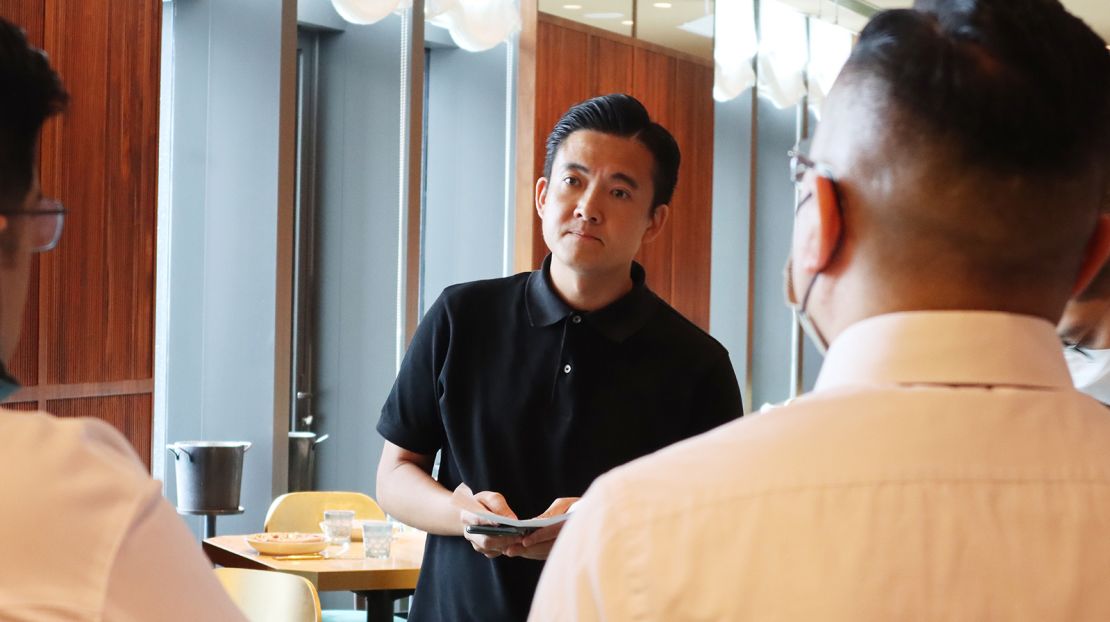
Leading this charge is Geoffrey Wu, a publicist whose impact on Hong Kong’s culinary world is undeniable. With over a decade of experience, Wu specializes in elevating some of the most prestigious restaurants, guiding them through the perilous waters of market expectations and evolving tastes. His role extends beyond traditional marketing; he immerses himself in the actual operation of restaurants—sampling dishes, refining menus, and even engaging directly with chefs and guests. Wu emphasizes that success hinges on a *strong opening*—testament to Hong Kong’s fast-paced, competitive mindset. When a restaurant like Bluhouse launched in June and promptly booked reservations through November, it exemplified how meticulous preparation and relentless energy pave the way for triumph in this unforgiving environment.

The city’s dining evolution over the past decade is nothing short of remarkable. Since the Cannes- and Michelin-influenced surge beginning in 2009, social media and an active food community have propelled local chefs to the forefront of international recognition. Now, chefs are no longer just creators but also figures engaging intimately with their audiences—building relationships and cultivating personal brands. Wu highlights this shift, noting that today’s chefs must actively touch the tables, share their stories, and participate in public moments—reflecting a change from the past when culinary skill alone sufficed. An example of this new era is Manav Tuli of Chaat, who, after moving to Hong Kong, embraced this culture of engagement and quickly earned a Michelin star, exemplifying how relationship-building is critical to establishing a strong foothold.

Embracing Change: The Spirit of Continuous Refinement

For Hong Kong’s chefs and industry insiders, there is an unshakable belief—“keep refining, keep pushing.” This mantra speaks to the core mindset that sustains the city’s culinary vibrancy. Whether it involves adding unique *tableside services*, educating diners about the cultural significance of dishes, or introducing inventive elements like palate cleansers, the industry refuses to stagnate. Wu’s own role at restaurants such as Yong Fu involves editing menus to highlight regional specialties, like authentic Ningbo cuisine, which often confuses diners with its *savory and sticky* flavor profile—yet remains a testament to local culinary heritage. Such continuous adaptation embodies the spirit of lifestyle evolution, demonstrating that excellence and freshness are the currency of survival and success.

Ultimately, the story of Hong Kong’s restaurant industry is a testament to the power of relentless drive and personal impact. It’s about more than just good food; it’s about creating experiences that resonate, connections that endure, and the resilience to reinvent oneself amidst unyielding competition. Wu, who enjoys early morning runs through the quiet city as a form of reflection, exemplifies this ethos—constant motion, continuous improvement, and a steadfast belief that true success lies in never standing still. Catering to discerning, knowledgeable customers who demand innovation, Hong Kong’s culinary entrepreneurs embrace the journey of fine-tuning and evolving, understanding that even the most celebrated restaurants have a finite shelf life. It’s this perpetual pursuit of excellence that makes Hong Kong’s culinary scene not just a market, but a living, breathing lifestyle—a testament to resilience and passion that inspires all who dare to participate.

China Launches First Talent Visa as U.S. H-1B Limits Climb

China’s New Visa Program Signals Strategic Push for Global Tech Talent

In a bold move demonstrating disruption and modernization, China has launched the K visa initiative, explicitly designed to attract young STEM professionals from top universities worldwide. The policy, unveiled amid rising youth unemployment and mounting international competition for technical talent, marks a strategic shift in China’s approach to fostering innovation-driven growth. While it echoes the US’s H-1B system on the surface, China underscores that its program primarily aims to facilitate international exchange and cooperation rather than simply staffing its industries.

The launch of the K visa signifies more than just a talent acquisition effort; it symbolizes a broader industry disruption—particularly in the global race for next-generation technologies. Industry analysts suggest this move could recalibrate the balance of technological innovation, positioning China as an increasingly attractive hub for scientific research and development. Experts like Gartner and MIT researchers warn that this could accelerate China’s ascent as a dominant player in AI, biotech, and quantum computing—areas crucial for future economic dominance. The implications for business leaders are clear: companies aiming to stay ahead must now consider China not just as a manufacturing powerhouse but as a key innovator and partner in STEM collaborations.

Disruption and Industry Shifts

The K visa’s arrival has generated a complex landscape of competitive disruption and geopolitical tension. While President Trump’s policies have tightened visa restrictions in the US, China’s more open stance is reshaping the global talent pipeline, creating a market shift that could favor Chinese innovation hubs over traditional Western centers. This move is part of a broader agenda to diminish reliance on foreign talent—yet paradoxically, it leverages international expertise to bolster domestic capabilities. It signals a paradigm shift: nations are now competing not just through tariffs or economic sanctions but via **human capital and technological collaboration**.

  • Enhanced pathways for foreign STEM professionals to study, work, and innovate in China
  • Potential acceleration of China’s leadership in emerging tech sectors
  • Intensified competition with Western nations for top-tier talent pools
  • Risks of social backlash and nationalistic resistance, indicating complex political undercurrents

However, industry insiders warn that the program’s success hinges on carefully balancing international openness with nationalism, as social media buzz reveals resistance rooted in fears of job displacement and cultural marginalization. Critics highlight that the backlash, often tinged with nationalist rhetoric, could hamper China’s efforts to establish a sustainable innovative ecosystem. Still, the Chinese government remains committed to this strategic push, signaling a clear message to the global tech community: the quest for technological supremacy is now fought on human resource fronts.

Looking Ahead: Urgency in the Tech Race

This evolving scenario places the global tech landscape at a tipping point. As Peter Thiel and other visionary investors emphasize, the future belongs to those who can attract and mobilize talent at scale. Countries that succeed in doing so—whether through policies like China’s K visa or similar initiatives—will set the tone for decades to come. The window for Western nations to innovate proactively and foster open yet strategic talent pipelines is closing fast. The pursuit of disruption and frontier innovation demands action now, as the fusion of talent and technology becomes the defining arena of global power.

In this high-stakes environment, staying ahead requires not only technological breakthroughs but also innovation in talent acquisition and mobility strategies. The race for supremacy in the tech economy is accelerating, and the nations that recognize this shift earliest will shape the future landscape of global influence and prosperity. The time to act is now—disrupt or be left behind.

Social Media Auto Publish Powered By : XYZScripts.com