
Matox News

Truth Over Trends, always!

From Glamorous Department Store to Cannabis Crackdown: Newport’s Wildings Shake Up the City’s Style Scene

Reviving the Spirit of Wildings: A Reflection on High Streets and Heritage

Once a glamorous hub of retail and community life, Wildings in Newport, Wales, stood as a testament to the golden age of department stores. For over 140 years, it was not just a shopping destination but a cultural landmark—a place where fashion shows, Christmas displays, and a sense of *theatre* made retail more than just transactions. Today, the building sits eerily silent, its marble façade boarded up, a symbol of broader economic shifts that have reshaped Britain’s high streets. Yet, behind this decay lies an opportunity, a chance to reimagine what our urban spaces could become in an era where wellness and community are increasingly prioritized.

With the decline of traditional retail, sites like Wildings have become battlegrounds of economic decline and potential revival. According to recent reports, the number of retail outlets has shrunk drastically—by 38% since 2019—with department stores suffering the most. Research underscores that areas like Newport have been hit particularly hard, with vacancy rates soaring compared to thriving cities like London or Cambridge. Yet, there is a growing consensus that the future of high streets depends less on mere retail and more on a *holistic approach*—one that merges residential living, entertainment, and buzzing community spaces. Visionaries like Peter James advocate for reshaping old department stores into mixed-use developments, introducing flats on the upper floors while maintaining vibrant ground-floor retail—an approach that marries heritage conservation with modern demand.

This shift toward *embracing change* is not without its challenges. The story of Wildings also reveals the darker side of urban decline—abandoned buildings repurposed into illicit farms and secret skate parks by wandering explorers or ne’er-do-wells. As recent police raids uncovered, these spaces can fall into disrepair or become canvases for illegal activity, illustrating the need for **proactive civic planning**. Still, the narrative is not solely one of loss. It’s also a reminder that these spaces are part of our shared history—tangible links to a bygone era of success and civic pride. Moving forward requires a delicate balance: respecting the past while fostering innovative, safe, and vibrant communities that promote both health and **well-being**.

In contemplating these stories, it becomes clear that high streets are more than just shopping districts—they are living stories, waiting to be rewritten. Places like Newport might have lost their traditional retail heart, but they still carry the soul of a community eager to rejuvenate that spirit. The challenge, then, is to see beyond the boarded-up windows and broken facades—to recognize the potential for, as Vrettos describes, “making Newport great again,” but in a way that preserves its history and nurtures its future. To cast aside nostalgia as mere sentiment is to miss the broader lesson: true revival begins with embracing heritage, fostering local enterprise, and cultivating spaces that enhance our lives physically, socially, and culturally. In this delicate dance of transformation, the high street is not a relic but a canvas—a story waiting for us to write anew.
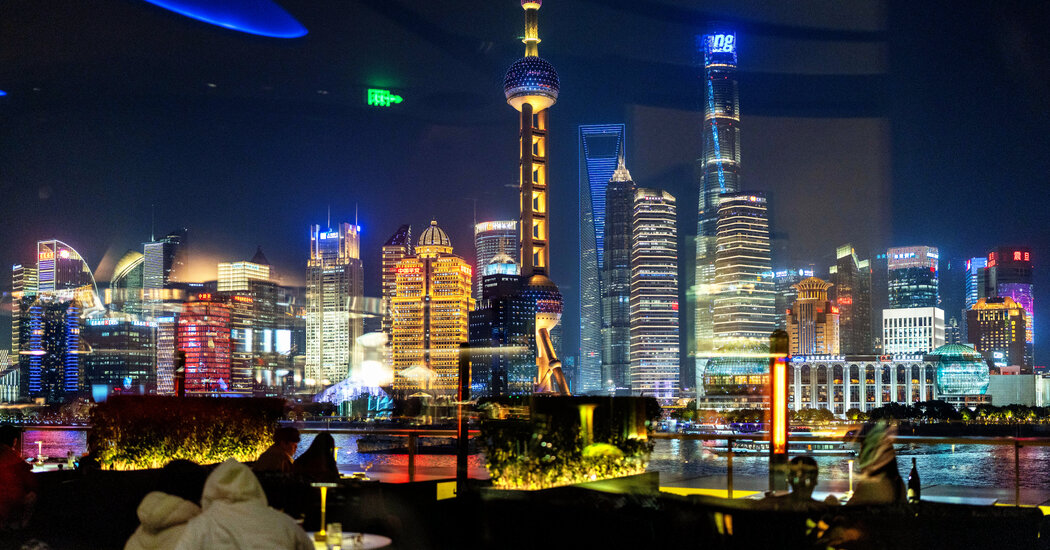
36 Hours in Shanghai: Explore the City’s Vibrant Spirit and Timeless Charm

In the bustling veins of Shanghai, where history and modernity intertwine like the delicate layers of a perfectly crafted xiao long bao, we witness a vivid tableau of cultural resilience. The city’s culinary mosaic, from the intricate artistry of dumpling artisans on West Jianguo Road to the vintage allure of Zhaojiabang Road’s Shanghainese cuisine, embodies a broader cultural narrative—one that champions tradition as the backbone of identity. As Ortega y Gasset once opined, “The spirit of a people is its memory,” and nowhere is this more apparent than here, where every dish and every storefront whispers stories of a collective past, yet pulses with the life of an ever-evolving society.

Yet, Shanghai’s approach to culture is no mere preservation; it is a proclamation of innovation rooted in tradition. The city’s fashion scene, exemplified by Label Del and Labelhood House, invites a reimagining of cultural motifs, translating the elegance of Tang Dynasty aesthetics into contemporary textile art. As Tocqueville observed in his analysis of democratic societies, the vitality of a people is measured by their capacity for creative synthesis—combining the old with the new, the artistic with the functional. Shanghai’s fashion and design districts are testament to this, serving as landmarks of a cultural renaissance that recognizes the importance of identity tied to a living tradition.

Moreover, the city’s embrace of holistic wellness through Traditional Chinese Medicine—such as the Tuina massage at Kang You Si Ji—embodies a nuanced understanding: that culture is as much about spiritual and physical harmony as it is about historical continuity. Chesterton’s thoughts on the “spiritual health” of a society resonate here, emphasizing that culture sustains a people’s sense of purpose and unity. This ancient practice, with roots over two millennia, underscores a universal human pursuit—to align body and soul, to find harmony in the rhythms of history and nature. It remains a vital counterpoint to the relentless pace of modern life, anchoring the city’s soul in age-old wisdom.

As evening falls, the cultural dialogue deepens. The Mi Shang Prada Rong Zhai offers an opulent interfacing of art and history, conjuring the cinematic sheen of Wong Kar-wai’s “In the Mood for Love”. Within its mirrored, gilded spaces, tea becomes a ritual—an act of deliberate remembrance, a glimpse into the poetry of everyday life. Here, society recognizes that culture is both memory and prophecy: a collective consciousness beckoning us toward unseen horizons, rooted in the elegance of the past but infused with the daring of innovation.

In seamlessly blending the traditional with the avant-garde—be it through the nostalgic ambiance of jazz-clad nightclubs or the avant-garde art exhibitions—Shanghai exemplifies an enduring truth: that culture is the living fabric of a society, weaving the stories of yesterday with the aspirations of tomorrow. As Eliot wrote, “our future depends on how well we remember,” and in Shanghai, this memory is a luminous beacon guiding society through the labyrinth of change. In the end, culture remains humanity’s most poetic legacy—a symphony of memory and prophecy echoing through the corridors of time, beckoning each of us to partake in its boundless, eternal dance.

Hong Kong’s Back in Action: Is the City’s Comeback on Time for the Next Generation?

Hong Kong’s Resilient Revival: Embracing Change and Reclaiming Its Global Pulse

Once a bustling powerhouse of international commerce and vibrant street life, Hong Kong faced unprecedented challenges over the past three years. The pandemic’s relentless grip, combined with social unrest and strict quarantine measures, drastically curtailed its role as a global hub of tourism and finance. Markets shuttered, businesses shuttered, and the soul of this legendary city felt subdued. Vendors in areas like Tung Choi Street, known for its iconic night market, experienced a sharp decline in activity, and stories of resilience emerged from shopkeepers like Mr. Chan, whose once-busy stall now operates shorter hours. Yet, amidst these trials, Hong Kong’s leadership is charting a bold course to restore the city’s vibrancy — and it begins with reopening to the world.

Recent developments signal a determined push to reverse the pandemic’s damage and rekindle the city’s dynamism. The city has lifted its stringent quarantine policies, allowing international travelers to visit without the daunting 21-day hotel stay that once paid a premium. This move is more than just easing restrictions; it’s a declaration of faith that trust in the resilience of Hong Kong’s economy can prevail. Eager travelers have responded swiftly, with airlines like Cathay Pacific setting up virtual “waiting rooms” for flight bookings, and travel demand skyrocketing towards cities like Tokyo and Osaka. This renewed interest in wanderlust underpins a vital truth: our health and well-being flourish when we embrace movement and adventure, reconnecting with the world beyond our screens.

However, the path to full recovery isn’t without obstacles. While the quarantine ban is lifting, new safety protocols still impose restrictions that may dampen tourism’s comeback. A three-day ban on dining in restaurants combined with complex entry requirements can seem like hurdles, especially for visitors from abroad. Still, the initiatives like the giveaway of 500,000 airline tickets — valued at nearly $255 million — aim to ignite a *market recovery campaign* that encapsulates the spirit of innovation and opportunity. As wellness expert Dr. Emma Seppälä advocates, “Optimism and proactive efforts are key drivers in fostering resilience in challenging times.” This philosophy echoes through Hong Kong’s recent decisions to revive its global standing, exemplifying a collective trust in the city’s enduring spirit.

  • Travel Smart: Keep an eye on evolving entry policies, and pack pre-vaccination certificates and negative tests.
  • Support Local: Explore emerging neighborhoods and independent vendors to help sustain the city’s small businesses.
  • Stay Inspired: Take moments to appreciate the city’s culture, from historic cafes to modern events, fueling your sense of adventure and purpose.

In contemplating Hong Kong’s story, there lies a broader reflection about our own journeys. The city’s collective effort to bounce back — from the ashes of pandemic shutdowns to the anticipation of international gatherings like the International Rugby Sevens — serves as a powerful reminder. Our _well-being_ depends not only on health measures but on our willingness to step outside, explore, and engage with the world anew. For young adventurers and entrepreneurs alike, the message is clear: resilience is an active choice. As the city reclaims its spot on the world’s stage, each of us can draw inspiration from its unwavering spirit, using setbacks as stepping stones to growth. The journey of life is an ongoing dance with change — embracing it is how we become our best selves.

Social Media Auto Publish Powered By : XYZScripts.com