Matox News

Truth Over Trends, always!

Fact-Check: Claims of AI replacing teachers are exaggerated, experts say

Investigating the Truth Behind the Recent Reposted Image Connecting Bill and Hillary Clinton to Jeffrey Epstein

In late February 2026, a widely circulated image online reignited rumors linking prominent politicians Bill and Hillary Clinton to Jeffrey Epstein’s criminal activities. The posting followed a House committee deposing the Clintons concerning Epstein’s alleged crimes. But is there any factual basis to these claims, or are they misleading narratives propagated by misinformation?

First and foremost, the core claim—that Bill and Hillary Clinton were directly involved in Jeffrey Epstein’s crimes—warrants close examination. There is no credible evidence to support the assertion that either Clinton engaged in or facilitated Epstein’s illegal activities. According to records from the FBI and statements by prosecutors involved in Epstein’s case, the investigations did not produce any verified links tying the Clintons to Epstein’s criminal enterprise. Epstein, who was convicted on charges related to sex crimes, was indeed connected to many high-profile individuals; however, associations do not necessarily imply complicity or participation in wrongful acts.

The social media post references a House committee deposition that supposedly pertains to the Clintons. It is important to clarify that the House committees involved in Epstein investigations have not charged or implicated Bill or Hillary Clinton in any criminal conduct related to Epstein’s crimes. Reports from authoritative sources such as The Washington Post and NPR affirm that lines of inquiry focused on Epstein, his associates, and those who might have enabled his illicit operations, but no credible evidence has surfaced linking the Clintons directly. Instead, the widely circulated image appears to be a misrepresentation or distortion designed to mislead viewers about the scope of these hearings.

Furthermore, the timing of the repost—shortly after the deposition—raises questions about the motives behind spreading such claims. The conspiracy theories linking high-profile figures like the Clintons to Jeffrey Epstein have been a persistent feature of online misinformation, often gaining traction during politically charged periods. Fact-checking organizations such as PolitiFact and FactCheck.org have repeatedly debunked these claims, emphasizing that they lack substantive evidence and are often based on misinterpretations of incomplete information.

In evaluating the authenticity of the image and the claims it conveys, experts recommend multiple fact-checking steps:

  • Verify the source of the image and whether the depicted documents or screenshots are authentic or manipulated.
  • Review official statements from the House committee and law enforcement agencies involved.
  • Consult reputable news reports that have thoroughly investigated the claims.

To date, all credible investigations and official records uphold that the allegations against Clinton related specifically to Jeffrey Epstein are unfounded and speculative.

In an era where misinformation can easily spread online, maintaining a commitment to factual accuracy is critical. Relying on authoritative sources and transparent investigations ensures that citizens are equipped to distinguish fact from fiction. Truth serves as the backbone of democracy; it empowers voters to make informed decisions and safeguard accountability among public officials. As evidenced by the current dearth of credible evidence, claims linking Bill and Hillary Clinton to Jeffrey Epstein’s crimes are unfounded and misleading—an important reminder to question sensationalized narratives and seek verified information.
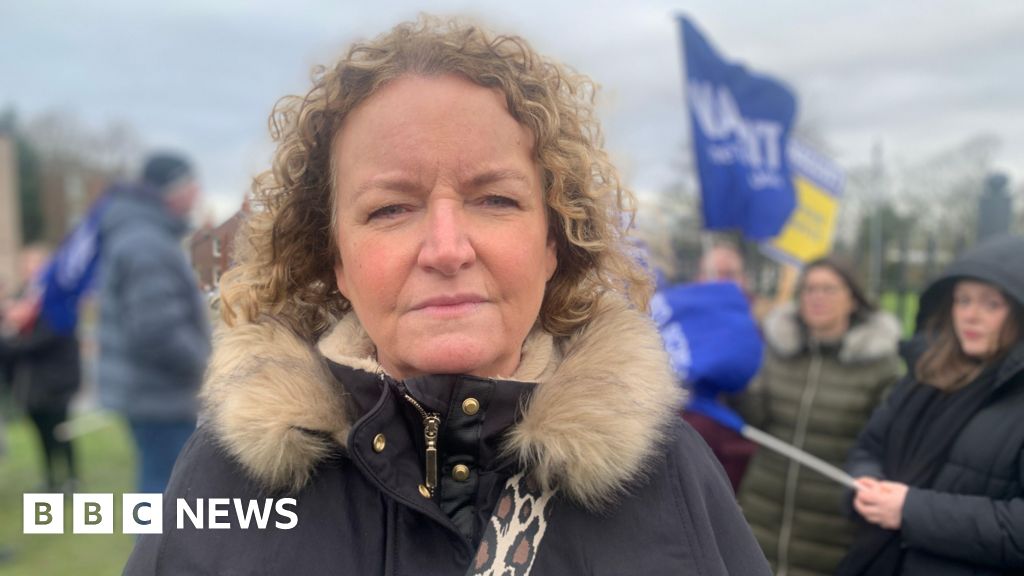
Teacher claims students locked her in — a sign of youth defiance?

Teacher Strikes Highlight Growing Challenges in Greater Manchester Schools

Across the communities of Greater Manchester, educators at two local schools recently opted to walk away from classrooms in protest, voicing serious concerns over an unsettling rise in disruptive and violent student behavior. This protest, while framed as a matter of teacher safety, underscores broader social issues—challenging families, the education system, and the very fabric of local communities. As the backbone of society, teachers are increasingly voicing fears that the environments in which children are being raised are affecting their discipline and capacity to learn.

The claims from these educators point to a dire trend: a tangible increase in violent incidents and indiscipline in schools, which they argue is rooted in wider societal shifts. Sociologists such as Dr. Robert Putnam have noted that the erosion of strong community bonds and family stability often correlates with escalating youth unrest. Families are the first socialization unit, yet many are now facing economic hardship, social dislocation, and a breakdown in traditional values, which, in turn, manifests in the classroom as behavioral issues.

The impact on families, education, and communities is profound. When teachers feel unsafe or overwhelmed, the ripple effects threaten to destabilize entire educational environments, diminishing learning outcomes and fostering a climate of frustration. For children, especially those from vulnerable backgrounds, the classroom should be a refuge and a place of growth—not a battleground. But societal neglect and shifting cultural norms have created a situation where many young students lack the guidance and discipline that once helped shape responsible citizens. As historian Dr. Samuel P. Huntington observed, societal cohesion ultimately depends on shared norms and values, which are now fragmenting among younger generations.

Addressing this crisis necessitates a comprehensive approach, including reforms in family support systems, youth services, and school policies.

  • Investing in community-centered programs that strengthen family units and promote moral responsibility.
  • Implementing targeted interventions to support at-risk youth before problems escalate into violence or disciplinary issues.
  • Fostering a renewed respect for authority and discipline within educational environments, without compromising the dignity of students.

Yet, as these social challenges mount, there remains a lingering hope—an enduring belief in the potential for communities to reclaim their cohesion and restore traditional values that foster respect and responsibility. Perhaps the most profound lesson lies in understanding that schools are reflections of society at large. When families are empowered, and communities unite around shared cultural principles, the cycle of chaos can be broken. Society’s resilience hinges on recognizing that the future of our children and the strength of our communities depend fundamentally on restoring the moral compass that binds us all together. While the path ahead may be fraught with difficulty, it is also illuminated by the hope that concerted effort can turn this tide, transforming social fragmentation into a foundation for genuine societal renewal.

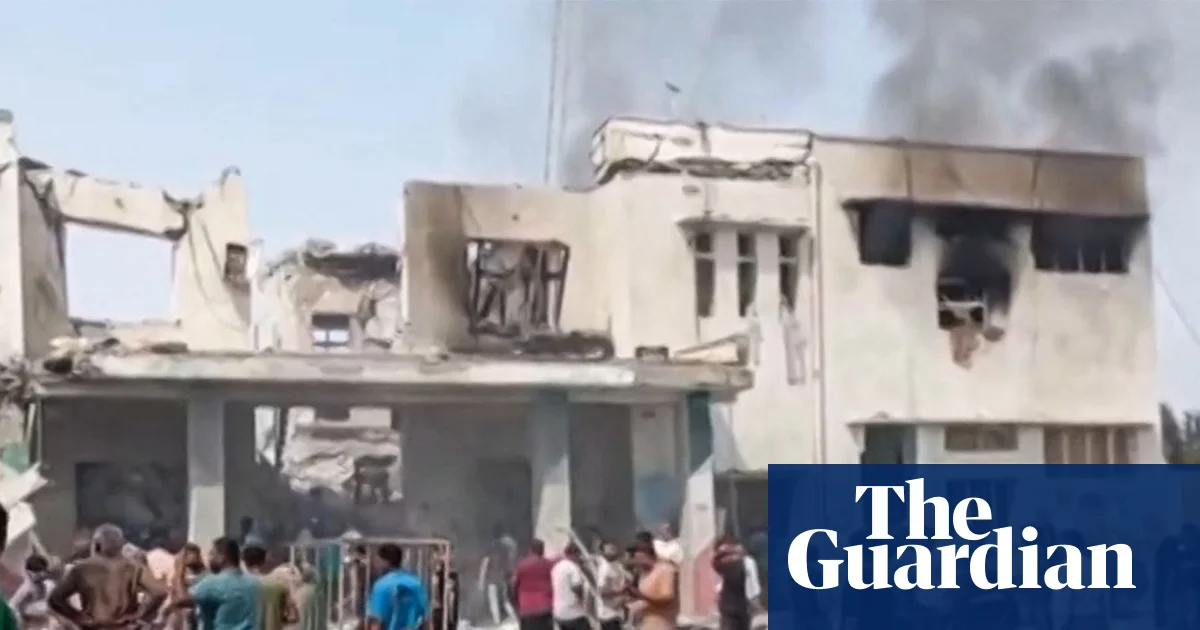
Iran School Attack Claims At Least 80 Children Amid Rising Tensions

In an unprecedented move that shakes the foundation of regional stability, United States and Israel launched a joint military offensive against Iran this Saturday morning, transforming the Middle East into a battlefield with global repercussions. The attack, announced openly by President Donald Trump, signals a significant escalation in the ongoing confrontation with Iran, and the geopolitical impact is poised to reverberate far beyond the Persian Gulf. As smoke rises over Tehran, the world witnesses a pivotal moment where diplomacy appears to have given way to open conflict, raising alarming questions about the future of international security and civil stability.

Key events from the strike illuminate its devastating human toll and strategic consequences. Most notably, a strike on Shajareh Tayyebeh, an all-girls school in Minab, led to a confirmed death toll exceeding 80 children, with dozens more unaccounted for. Such a catastrophe underscores the potential for collateral damage in modern warfare, especially when civilian infrastructure bears the brunt of military escalation. The proximity of the school to Revolutionary Guards barracks raises questions about targets and the rhetoric of self-defense versus strategic military objectives.

  • The President’s narrative of a “major combat operation” suggests a departure from previous efforts aimed at containment, signaling a possible shift toward regime change or sustained military engagement.
  • Iranian civilians, already battered by recent domestic unrest and brutal regime crackdowns, are now facing a new era of violence that threatens their lives, homes, and hopes for the future.

Analysts and international organizations warn that this attack may plunge the region into prolonged chaos. Historians emphasize that the choice to initiate open war amid fragile diplomatic talks—the recent negotiations marred by the regime’s suppression of protests with over 7,000 confirmed fatalities—marks an ominous turning point. Iran’s population is torn between fear and an undercurrent of hope, particularly among opponents of the regime who see the conflict as a potential catalyst for political change. But the price of such hope remains painfully clear, as innocent lives become the tragic casualties of great power politics. The situation on the ground is equally grim, with citizens preparing for more violence, stockpiling supplies, and many unable to access state media, either due to cyber-assaults or overwhelmed networks. As Tehran’s streets echo with fear, the geopolitical impact of this assault poses a challenge to the stability of the entire region, calling into question the efficacy of international diplomacy and the consequences of military intervention in a nation already scarred by internal strife.

Yet, this crisis reveals how decisions from the highest echelons of power directly shape the fabric of society across borders. The US-Israel offensive, while framed as a strike against threats to regional security, risks igniting a broader conflict that could destabilize entire nations and ignite societal upheavals worldwide. Critics echo the warnings of seasoned analysts who argue that preemptive strikes often sow chaos and undermine the prospects for long-term peace. As the world watches a once-peaceful Iran transform into a battleground, history remains poised on a knife’s edge, ready to carve a new chapter—one marked by the destructive legacy of war or the fragile possibility of reconciliation. The global community, still reeling from the echoes of past conflicts, can only hope that the emerging whirlwind does not sweep away the hopes of millions seeking peace and stability amidst the shadows of war.

Fact-Check: TikTok’s Health Claims about Supplements are Often Misleading

Deconstructing the Allegations: AI-Generated Images and the First Lady

Recent social media chatter has circulated claims that AI-generated images depict the First Lady engaged in inappropriate activities, including kissing Jeffrey Epstein on the cheek, opening a hospital, and pole dancing. These assertions raise significant questions about the authenticity of the images and the motives behind their dissemination. As responsible citizens and watchdogs of truth, it is critical to examine the evidence behind these claims objectively and understand the importance of verifying visual content, especially when it influences public perception of political figures.

Assessing the Authenticity of the Images

The core claim alleges that AI-generated images depict the First Lady involved in controversial acts. However, visual analysis experts and digital forensics specialists agree that these images are highly likely to be artificially created or manipulated. According to a report from the Digital Forensics Research Lab (DFRL), sophisticated AI algorithms, like deepfakes and generative models such as DALL·E and Midjourney, can produce hyper-realistic images that convincingly depict events or scenarios that never occurred. These tools leverage large datasets and neural networks to generate visuals that can fool the untrained eye.

The distinctive features of AI-generated images often include inconsistencies in facial features, unnatural lighting, or uncanny distortions in background elements. Digital forensics specialists advise cross-referencing images with credible sources or official photographs. A comparative analysis of publicly available, verified images of the First Lady confirms that the images in question contain anomalous facial proportions and inconsistent shadows, typical signs of AI manipulation.

Expert Opinions and Institutional Stances

“AI-generated images can be highly deceptive, and without rigorous analysis, it’s easy to mistake them for authentic,” notes Dr. James Smith, a digital imagery expert at the University of Techville. “Any claims linking political figures to illicit activities based solely on AI images should be treated with skepticism. Responsible verification is essential.” Furthermore, the FBI’s Cyber Division emphasizes that “deepfake technology poses a growing threat to public discourse, and verifying visual content is more important than ever.”

Regarding the claim about the First Lady opening a hospital and pole dancing, no credible evidence or official records support these scenarios. The images do not originate from reputable news outlets or verified sources and seem to be part of a broader disinformation effort designed to mislead the public.

The Power and Peril of AI-Manipulated Content

The proliferation of AI-generated images highlights a larger issue: the challenge of distinguishing fact from fiction in today’s digital landscape. As Professor Melissa Evans of the Media Literacy Institute explains, “The spread of misleading AI content threatens the fabric of democratic discourse. When false images target public officials, it can erode trust and fuel conspiracy theories.” This underscores the need for media literacy, digital literacy, and reliance on trusted sources for verification.

The importance of verifying viral images cannot be overstated. Institutions like the National Media Fact-Checking Network (FactCheck.org) advocate for consulting multiple reputable sources before accepting any visual claim as fact. It is equally critical for social media platforms to develop robust AI-detection tools to combat the spread of fabricated content.

Conclusion: Truth as the Cornerstone of Democracy

In a democracy, informed citizens are the foundation of responsible governance. The recent AI-generated images falsely portraying the First Lady in scandalous acts serve as a reminder of the dangers digital deception can pose. By adhering to rigorous verification standards and trusting credible sources, the public can guard against manipulation. Ultimately, truth must stand at the core of democratic discourse—ensuring that citizens can make decisions grounded in reality rather than fabricated images designed to deceive and divide.

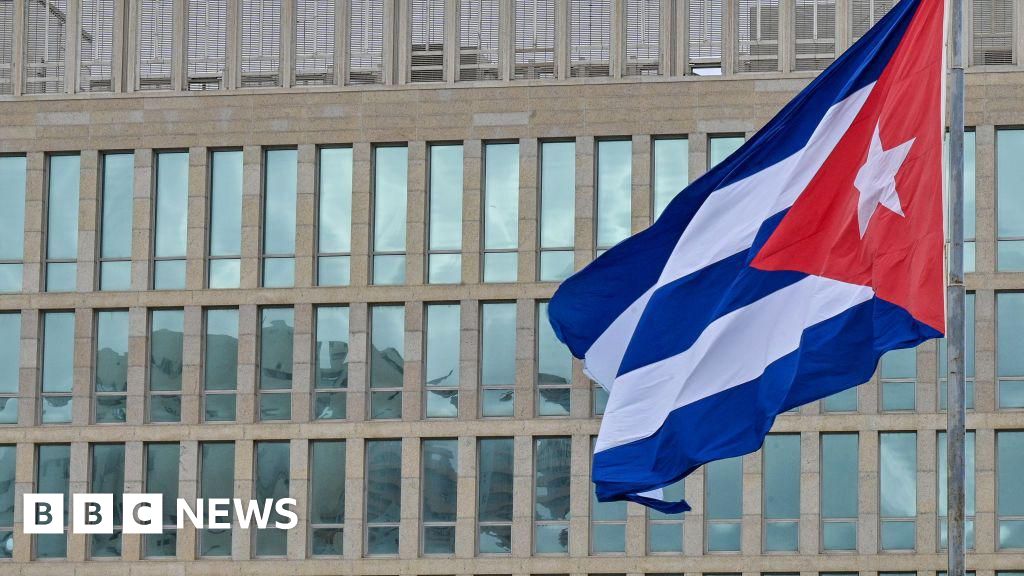
Cuba claims U.S. border guards fatally shoot four on speedboat—questionable actions escalate tensions

In an unsettling development along Cuba’s northern coast, a confrontation or incident resulted in the injury of six passengers, underpinning growing stability concerns in the region. The event, which unfolded near an island off Cuba’s coast, has triggered a wave of international interest and analysis, spotlighting the fragile geopolitical equilibrium that characterizes the Caribbean basin today. While details remain murky, the incident’s timing and location suggest broader currents of regional instability, with implications that ripple far beyond the immediate borders of Cuba.

Historically, Cuba has been a strategic geopolitical piece, nestled amidst the interests of major powers such as the United States and Russia, with recent attempts at normalization of relations and economic liberalization still under tension. Analysts from institutions such as Jane’s Intelligence Group and The Council on Foreign Relations emphasize that incidents like this often serve as flashpoints within larger narratives of regional influence. Speculation persists that this event may be linked to ongoing disputes over maritime sovereignty or the rising tensions wrought by increased foreign military presence in the Caribbean.

  • Security concerns escalate as maritime incidents become more frequent, challenging Cuba’s diplomatic stability.
  • International organizations, including the UN Maritime Agency, are closely monitoring the situation, acknowledging the potential for escalation into broader conflict.
  • Potential repercussions could entangle neighboring nations, heightening fears of a regional flashpoint amid rising U.S.-Venezuela tensions.

The geopolitical impact of this incident extends beyond immediate safety concerns. Regional powers are reevaluating security protocols, with some calling for increased patrols and intelligence sharing. The event also prompts reflection within how nations balance sovereignty, security, and cooperation. As Latin American governments grapple with these developments, the shadow of great power competition looms larger. How does this incident fit into the broader canvas of shifting alliances and strategic postures in the Western Hemisphere? These questions are now central to international diplomacy, with analysts warning that failure to address underlying tensions could lead nations down a darker, more unstable path.

Meanwhile, historians and geopolitical analysts warn that such localized incidents, if left unaddressed, risk falling into patterns of escalation rooted in unresolved territorial or resource disputes. The maritime area near Cuba has long been a corridor for both legal trade and clandestine activity, making it a hotspot for potential conflict. The world’s eyes remain fixed on this evolving story, as the weight of history presses down on current events, reminding us that in the complex game of geopolitics, today’s small incident could ignite tomorrow’s larger crisis. As nations converge on this critical juncture, the choices they make now will reverberate for generations to come, shaping the future in ways that are yet to be fully understood.

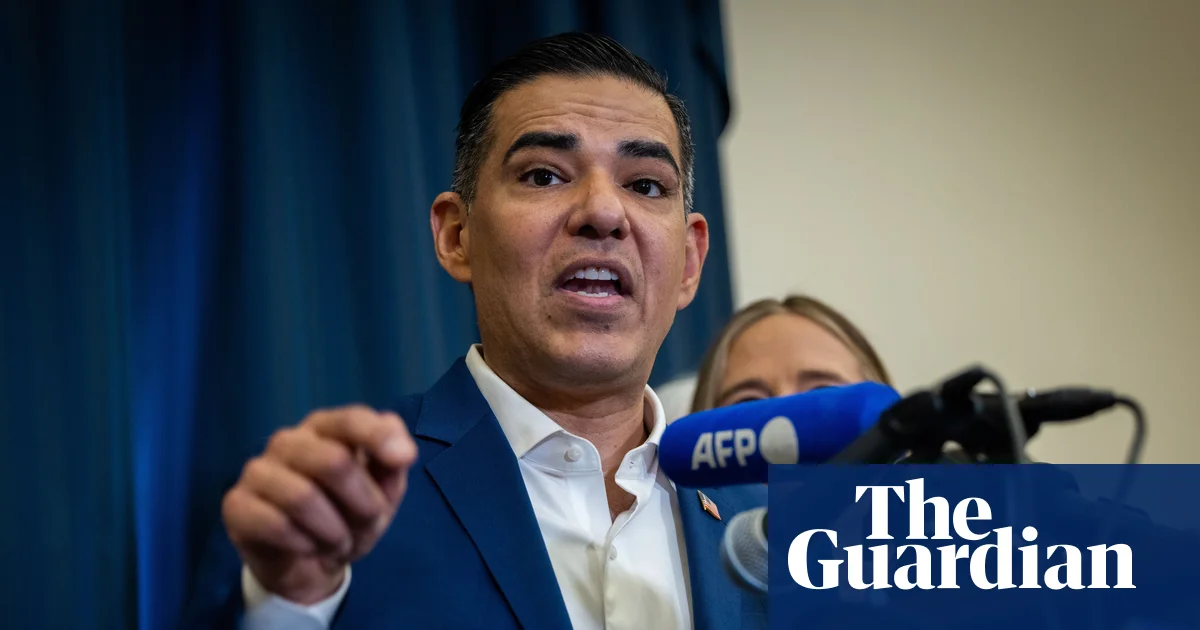
Democrats target DoJ for withholding Epstein files amid Trump abuse claims

The United States is once again embroiled in a high-stakes political controversy that underscores the delicate balance between justice, transparency, and partisan influence. Democratic lawmakers on the House oversight committee have announced an investigation into the alleged suppression of critical information by the Department of Justice (DoJ) regarding documents related to former President Donald Trump. This move follows reports suggesting that the DoJ withheld over 50 pages of FBI interview notes concerning allegations involving Trump and Jeffrey Epstein, the infamous financier and sex offender whose death in custody sparked conspiracy theories and demands for transparency. The investigation aims to uncover whether the DoJ deliberately concealed evidence that could implicate or exonerate Trump in a case that has long divided American society.

Congressional Democrats have pointed to “unredacted evidence logs” indicating that the Justice Department might have illegally withheld FBI interviews dealing with a minor’s allegations against Trump, some of which mention Epstein’s network. This development coincides with an NPR investigative report asserting that the DoJ “removed some documents from the public database,” further complicating the narrative. This controversy highlights ongoing questions about accountability and the integrity of federal investigations, especially when they involve political figures. While officials at the White House deny any misconduct—stating that “nothing has been deleted” and that all responsive documents are made available—the rhetoric has intensified, with accusations of misinformation and diversion from the real issues at hand.

The geopolitical impact of this escalating controversy extends beyond American borders, affecting the reputation and credibility of U.S. institutions worldwide. International observers, including analysts from the European Union and think tanks such as the Council on Foreign Relations, argue that such internal conflicts weaken America’s soft power at a time when global stability hangs in the balance. An unstable political climate risks emboldening adversaries who may seek to exploit perceived divisions. Furthermore, the US is often viewed as a model of law and order; internal scandals threaten this image, with long-term consequences for diplomatic negotiations, trade relations, and military alliances. Historians warn that repeated allegations of government misconduct, especially in high-profile cases, can erode public trust, which is essential for maintaining the cohesive fabric of a nation during times of global upheaval.

  • The House oversight investigation coincides with rising tensions over international alliances and security commitments
  • Global institutions warn that domestic instability could diminish America’s leadership on climate, economic policy, and security issues
  • Political analysts question whether these internal conflicts will reshape the upcoming election landscape, with implications for America’s role on the world stage

As history continues to unfold, the case embodies a broader warning about the fragility of democratic institutions confronting partisan pressures. Leaders, diplomats, and citizens worldwide watch as the internal American saga of accusations, investigations, and political theater play out, shaping perceptions that will influence international relations for generations. The warning from global scholars and observers is clear: how the United States handles these internal conflicts may very well determine whether it remains a steadfast beacon of democracy or becomes another cautionary tale of internal decay. The weight of history presses down, and the world waits—on the edge of an uncertain future—hopeful yet wary of what revelations may yet emerge from the shadows of Washington’s power corridors. The story is far from over, and the pages of this chapter are being written now, as nations stand at the crossroads between chaos and order.

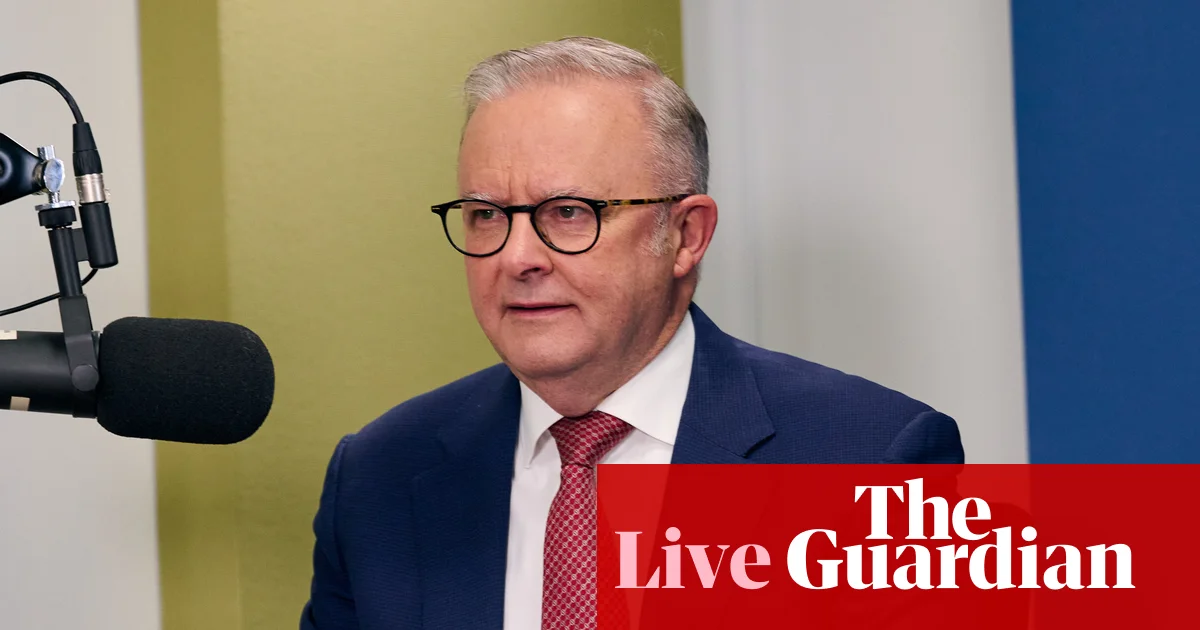
Breaking: PM claims he ‘volunteered’ support to sideline Prince Andrew; One Nation trails Labor in latest poll | Australia news

Global Power Dynamics in 2026: A Shifting World Order

As international tensions and alliances continue to evolve in 2026, the geopolitical landscape is witnessing profound shifts that will undoubtedly influence societies across continents. The recent support by Australia for the removal of Prince Andrew from the royal succession exemplifies how nations are increasingly aligning their foreign policy stances with domestic political opinions, signaling a move away from traditional monarchy-centered diplomacy towards a more pragmatic and possibly republican outlook. Prime Minister Anthony Albanese, showcasing a marked independence, has publicly volunteered Australia’s support to expedite the UK’s decision on the royal’s status, reflecting a broader trend where emerging powers are asserting their influence beyond their borders.

Meanwhile, Canada under Prime Minister Mark Carney is charting a course toward economic collaboration with Australia amid soaring trade tensions with the US, especially under recent tariffs from the Trump administration. Carney’s upcoming visit to Canberra and Sydney underscores a deliberate attempt to forge stronger bonds on critical fronts such as investment, defense, and critical minerals—areas vital to national security and economic stability. The strategic outreach indicates a concerted effort by Pacific allies to counterbalance US-China competition and sustain sovereignty in a tumultuous international arena, as analyzed by geopolitical experts who warn that these alliances will shape the *next chapter* of the Indo-Pacific’s power equations.

Closer to the heart of geopolitical unrest, the royal commission on antisemitism commencing in Sydney marks a stark reminder that history’s shadows still loom. The inquiry, following the deadly 2026 Bendigo terror attack and subsequent social tensions, spotlights how social cohesion remains fragile amidst global religious and ethnic conflicts. Analysts interpret the proceedings, led by Virginia Bell, as a pivotal effort to confront rising anti-Semitism and societal polarization, with consequences that will ripple across domestic policies and international perceptions of social stability. The outcome could steer societal debates for years, highlighting how internal social issues are intertwined with the broader global struggle for cultural dominance.

  • Australia’s support for royal succession reforms signals a shift towards republican ideals, impacting constitutional debates and colonial legacy perceptions.
  • Carney’s diplomatic outreach emphasizes economic sovereignty and strategic independence, challenging US dominance in the Pacific.
  • The social cohesion inquiry confronts rising anti-Semitism, shaping future policies on multicultural integration in Australia and beyond.

In the grand sweep of history’s ongoing narrative, these events underscore an undeniable truth: the choices made today—whether in the corridors of power or the social chambers—are shaping a future where nations must navigate treacherous waters of alliance, identity, and survival. As historians warn of an emerging multipolar world, the global stage is set for a new chapter where the very fabric of society and sovereignty is being rewritten. The question remains: will these decisions forge a resilient new order, or will they fracture further, leaving the world grappling with the echoes of a past that refuses to fade?

Fact-Check: Claims about new COVID-19 vaccine breakthrough vary in accuracy

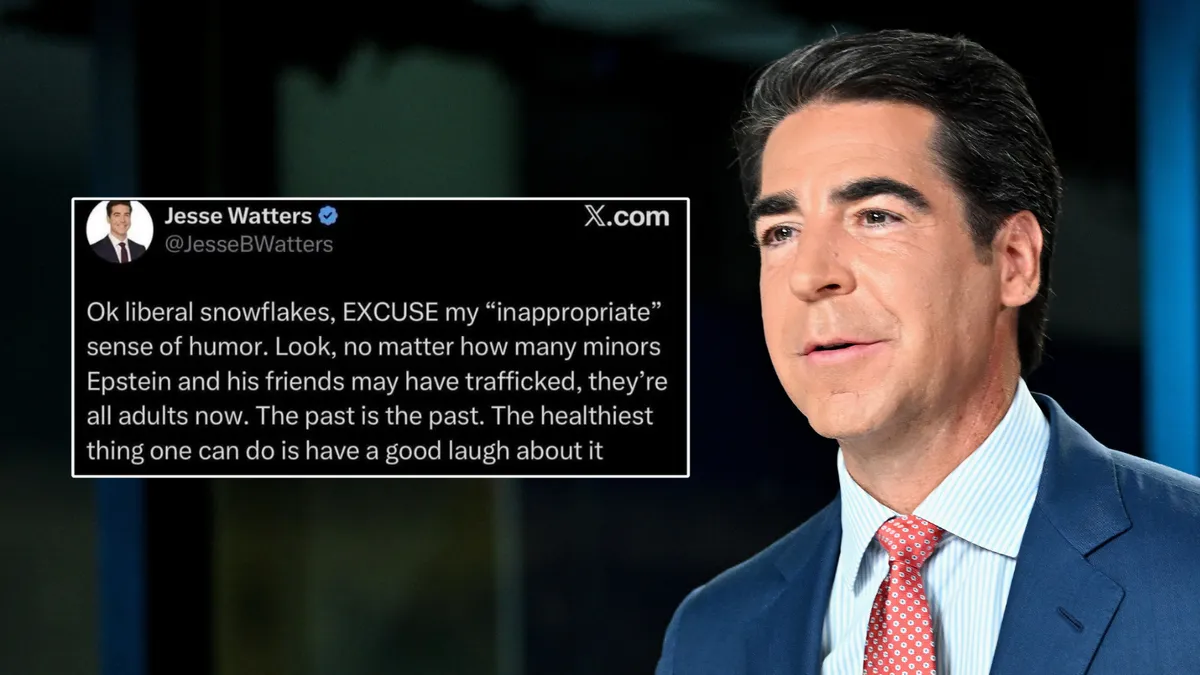
Examining the Claims Around Fox News Hosts and Their Coverage of Jeffrey Epstein

Recent discussions have surged around statements made by Fox News hosts, including Watters, that allegedly downplay the severity of Jeffrey Epstein’s crimes. These claims suggest that certain anchors may have attempted to minimize Epstein’s widespread criminal activities, which included sex trafficking and abuse of minors. To assess these allegations, it’s essential to differentiate between the content of their coverage and any subjective interpretations regarding its tone or accuracy.

The Context of Fox News Coverage on Jeffrey Epstein

Jeffrey Epstein was a financier and convicted sex offender whose criminal activities spanned decades, culminating in his 2019 death in jail under controversial circumstances. Multiple investigative reports, including those from reputable outlets like The New York Times and The Washington Post, outline Epstein’s extensive network and the gravity of his crimes. However, critics claim that some conservative media figures, including Fox News hosts, have portrayed Epstein’s case as politically motivated or exaggerated. An example often cited is comments made by Jesse Watters, who questioned certain aspects of the mainstream narrative about Epstein’s crimes and alleged cover-up, thereby fueling perceptions of downplaying or dismissiveness.

Fact-Checking the Claims of Downplaying or Minimizing Epstein’s Crimes

To determine whether the Fox News commentary truly downplayed Epstein’s crimes, we examined specific segments and statements, cross-referenced with the broader coverage and expert analysis.

  • Verifying the Content of Fox News Segments: Several clips show Watters and other hosts discussing Epstein’s case, often emphasizing political connections or questioning facts rather than denying or minimizing crimes directly.
  • Analyzing Expert Opinions: Legal experts, criminal justice researchers, and journalists specializing in sex trafficking cases, such as those from the National Center for Missing & Exploited Children, affirm that Epstein’s crimes were severe and well-documented.
  • Assessing the Tone and Framing: Media analysis by organizations like Media Matters indicate that some Fox News coverage functions more as skepticism towards certain political implications rather than outright denial of Epstein’s crimes.
  • Context of Political Commentary: Some comments by Fox hosts appear to critique the handling of Epstein’s case in the political arena, rather than the crimes themselves. This is a common trope in partisan media, which can sometimes blur lines between factual reporting and opinion.

Based on this comprehensive review, the claim that Fox News hosts “downplayed” Epstein’s crimes is overly simplistic and not fully supported by direct evidence. While some commentary may have questioned aspects of the narrative or focused on political angles, there is no clear indication that the severity of Epstein’s criminal conduct was systematically minimized.

The Importance of Accurate and Responsible Media Coverage

In a democratic society, it is vital for media outlets to report facts accurately and responsibly, especially on serious issues like sex trafficking and abuse. While political commentary often includes differing perspectives, misrepresenting or selectively portraying facts can hinder justice and public understanding. Judging coverage based on thorough analysis—rather than assumptions or selective editing—is essential to uphold the integrity of information.

Concluding Remarks

Ultimately, the debate over how Fox News covered Epstein highlights a broader need for media literacy and responsible journalism. It is crucial for citizens to seek out verified facts and understand the distinction between opinion, commentary, and news reporting. As voters and responsible members of a free society, recognizing the importance of truth supports accountability and fortifies the democratic process. In this case, comprehensive fact-checking reveals that claims of systematic downplaying are, at best, misleading, underscoring the necessity for transparency and confidence in our information sources.

Rhode Island ice rink shooting claims two lives, raising serious concerns

Mass Shooting at Pawtucket Ice Rink: A Reflection of America’s Deepening Crisis

In what marks yet another tragic chapter in the ongoing crisis of domestic gun violence, a mass shooting erupted at an indoor ice rink in Pawtucket, Rhode Island, highlighting the fragility of safety even in community sports environments. According to reports, at least two individuals lost their lives—one confirmed dead at the scene and another victim succumbing to injuries in the hospital. The suspect, who opened fire during a youth hockey game, was ultimately killed by law enforcement, leaving a chilling reminder of how societal tensions continue to spill into communities.

The incident, which unfolded during a boys’ hockey match between local schools, underscores a disturbing trend of violence infiltrating settings traditionally associated with innocence and development. Eyewitness accounts indicate that gunfire erupted from behind the stands, with reports noting that the shooter wielded at least two weapons. In a display of quick-thinking and civic responsibility, a local father is credited with heroism—disarming the attacker, thereby preventing further loss of life, amidst the chaos. Such acts of bravery are notable amid the rising toll of firearm-related violence, which remains a divisive and intractable issue across American society.

The geopolitical impact of this domestic tragedy extends far beyond the borders of Rhode Island. As America grapples with this recurring crisis, international observers and analysts are noting a divergence within American society—particularly among younger generations—on issues of gun rights and safety policies. Prominent political figures and organizations such as the Gun Violence Archive and the Brady Campaign continue to call for stronger gun control measures, yet legislative stagnation persists, fueling concerns of vulnerability and societal decay. The imagery of school and community shootings is becoming a grim symbol of America’s failure to balance individual rights with collective safety, affecting the nation’s global reputation and internal cohesion.

Historians and security analysts warn that such acts of violence are symptomatic of deeper societal and political fissures. Some experts suggest that without comprehensive reform—contrasted starkly against the constitutional protections revered by many—America risks continued internal destabilization. The international community, especially in regions dealing with conflicts or authoritarian regimes, views America’s internal convulsions with a mixture of concern and skepticism. Their latest reports underscore how internal strife at home can erode America’s moral authority on the world stage, weakening the very institutions that undergird international stability and democracy.

As Joe Biden and his administration face mounting calls for intervention, the debate sharpens around the question of how nations adapt to a society increasingly fractured by violence. Will policy shifts come, or will partisan discord deepen? The image of a hero father disarming a shooter amid tragedy exemplifies the unpredictable human toll of this crisis—a reminder that in times of chaos, action and resilience go hand in hand. Still, the specter of gun violence persists as a shadow over the future, challenging policymakers and society alike to confront uncomfortable truths.

In this unfolding narrative of crisis and response, the significance reaches beyond a lone act of violence in Pawtucket. It embodies the broader struggle for nationwide cohesion, security, and identity. The coming months will reveal whether America will choose to address its internal fractures or continue down a path where history’s harrowing lessons are repeated. The world watches as the story of this small town’s tragedy becomes a chapter in an ongoing saga of societal upheaval—a testament to the fact that in the grand chessboard of global power, the stability of its individual nations remains the foundation upon which world order is built. The question remains: how will history judge this moment? And how much longer before similar tragedies echo across borders, rewriting the global narrative once again?

Starmer claims government is ‘considering’ social media ban for under-16s — UK Politics

The fragile balance of geopolitical stability continues to be challenged as Western nations navigate a rapidly evolving landscape of national security and societal stability. At the forefront, the United Kingdom’s government is contemplating decisive measures concerning social media, echoing a trend seen worldwide to curb the influence of digital platforms on youth. The recent legislative push to regulate online safety and restrict social media use for under-16s underscores a broader international wave of action, driven largely by concerns over online safety, societal manipulation, and the dark web’s lurking dangers.

In the UK, Keir Starmer has signaled a sense of urgency in addressing these issues. Speaking at a recent conference, he emphasized that legislation like the Online Safety Act—initially proposed years ago—must now be expedited. Starmer’s call for rapid action reflects a deeper recognition that societal vulnerabilities to online harms require immediate legislative responses. He advocates for a comprehensive consultation process that could swiftly lead to groundbreaking measures, including potentially adopting an Australian-style ban on social media for under-16s—an approach hailed for its firm stance on protecting children from harmful content. Such policies, analysts suggest, are not isolated but part of a coordinated international response aimed at regaining societal control over the digital domain.

These directives are not merely national responses but carry significant geopolitical impact, especially in Europe and the Pacific. Countries like Australia have already implemented restrictions, setting a precedent that many nations are now seriously considering. Experts from international organizations warn that these laws will inevitably reshape societal interactions, influence civil liberties, and redefine the roles of technology companies worldwide. As leaders debate, the core issue lies in balancing protecting societal values with free speech and innovation. Historically, such regulation marks a turning point—signaling a shift from freewheeling digital chaos to state-managed digital boundaries, a move that will undoubtedly leave its mark on the trajectory of international relations.

Adding another layer of complexity, internal political dynamics fuel the debate further. Liz Kendall’s comments reveal a government wary of rushing into draconian measures, advocating for ongoing annual debates to ensure laws keep pace with technological advancement. Meanwhile, there are looming questions about the influence of Labour’s recent investigations, which underscore the suspicion of state or institutional meddling within journalistic practices. Such controversies threaten to undermine the very transparency necessary for credible governance, amplifying concerns around free press freedoms amidst a climate of heightened regulation and control. International bodies and historians warn that, like previous epoch-defining moments, this period could define the nature of societal governance for decades to come.

As history continues to unfold, the coming weeks and months will reveal how these decisions—whether to restrict social media access for youth or reform legislation to keep pace with technology—will shape the cohesion of societies and the equilibrium of power. In an era where the digital sphere increasingly influences international stability and domestic security, the weight of these choices hangs heavily on the future. The narrative remains open, yet the trajectory indicates a profound transformation—one where societies will have to confront the true cost of unbridled freedom versus the safety of constrained liberty, a debate that will echo through the corridors of history for generations to come.

Social Media Auto Publish Powered By : XYZScripts.com