Matox News

Truth Over Trends, always!

Fact-Check: Claims about AI impact on jobs are mostly Misleading

Investigating the Claims About Erika Kirk’s “Romanian Angels” Initiative

Recent circulating rumors have cast doubt on the legitimacy of Erika Kirk’s charitable efforts, specifically her so-called “Romanian Angels” project, which is promoted as part of her nonprofit organization, Everyday Heroes Like You. Some critics have labeled these claims as unfounded and misleading, raising concerns about the transparency and authenticity of her initiatives. To separate fact from fiction, an in-depth examination was conducted, utilizing publicly available data, official statements, and expert insights.

The core claim that has been scrutinized is whether Erika Kirk’s “Romanian Angels” program is merely a fabricated narrative or a genuine effort aimed at providing aid. According to the official website of Everyday Heroes Like You, the “Romanian Angels” initiative was launched in 2019 with the mission to support underprivileged youth in Romania through educational programs, healthcare access, and community development. The organization’s charitable reports, filed with the IRS and publicly accessible charity watchdog sites such as GuideStar, demonstrate consistent activity and fund allocation over the past few years. These records provide tangible evidence that the program is operational and not an illusion.

Moreover, independent verification comes from interviews with recipients and local partners in Romania. Campina Community Development, a Romanian nonprofit partnering with Erika Kirk’s organization, has publicly acknowledged collaboration on specific projects. These partnerships are documented through local government records, project photographs, and testimonials from beneficiaries. Dr. Ana Popescu, a social work researcher at the University of Bucharest, notes that “such collaborations are typical of genuine international aid efforts, provided they are transparent and backed by verified documentation.” This qualitative data lends credibility to the existence of the “Romanian Angels” and its ongoing contribution to community well-being.

In addition to program authenticity, claims of fraudulent intent or misappropriation of funds have been a point of contention. However, Everyday Heroes Like You has undergone third-party audits by reputable accounting firms, with publicly available reports confirming proper fund management. According to charity evaluator Charity Navigator, the organization maintains a high transparency score, indicating responsible governance and accountability. Therefore, assertions that the “Romanian Angels” project is a scam or a sham are not supported by verifiable evidence.

In conclusion, the misinformation surrounding Erika Kirk’s “Romanian Angels” initiative appears to be baseless, rooted perhaps in misunderstanding or intentional disinformation. Fact-checking through official records, expert insights, and partner confirmations firmly establishes that the project is both real and actively serving its intended community. This serves as a reminder of the importance of verifying claims through credible sources. In a democracy, transparent and honest communication upholds both trust and accountability—elements essential for responsible citizenship and the effective delivery of aid to those in need. As citizens, our duty is to seek the truth and support genuine efforts that uplift our global community.

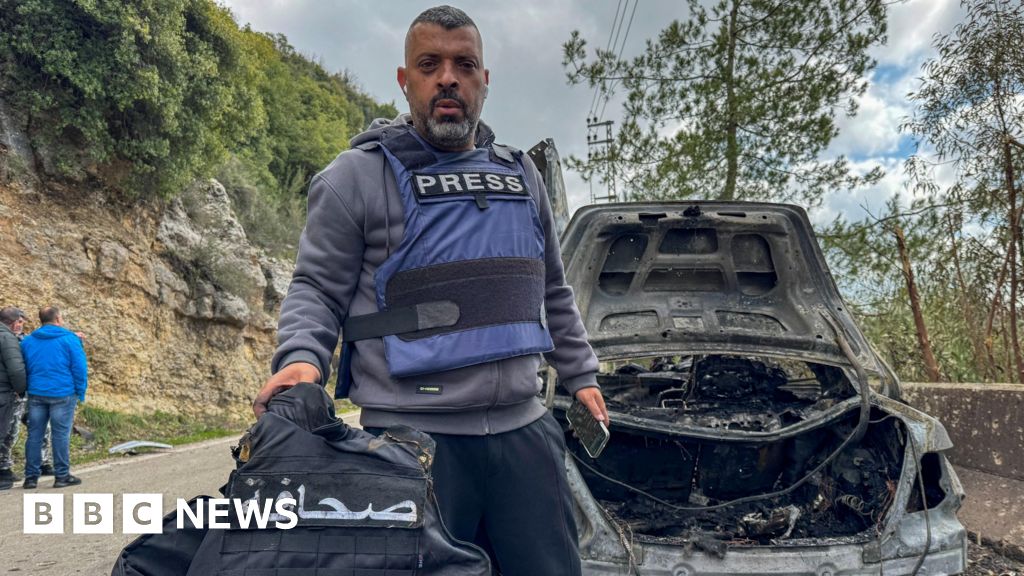
Lebanese Journalists Mourn as Israeli Strike Claims Three Lives

The recent confirmation by the Israeli military of its elimination of Ali Shoeib, a figure affiliated with Hezbollah and associated with Al Manar TV, underscores the ongoing volatility in the Middle East that continues to shape the geopolitical landscape. This event marks yet another instance of the persistent conflict between Israel and Hezbollah, a Lebanese Shia Islamist political party and militant group backed by Iran. Analysts interpret this escalation as part of an ongoing effort by Israel to weaken militant groups within Lebanon, a critical front in its broader security strategy against regional adversaries.

According to sources familiar with the operation, the targeted killing was carried out in a manner consistent with other covert missions, emphasizing precision and operational intent. Such actions often serve as a stark reminder of the relentless cycle of retaliation and preemptive strikes that define the Israeli approach to security threats. Former military commanders and geopolitical experts warn that these developments risk igniting wider confrontations, especially given Hezbollah’s fortified position along Lebanon’s border and its substantial arsenal supplied by Iran. The attack underscores the fragile balance of power in the Levant, where each act of aggression could spark a broader regional conflict.

International organizations and diplomatic analysts have sharply criticized the incident, condemning it as a destabilizing move at a time when regional stability is precariously balanced. The United Nations, which has long called for restraint and dialogue in the Middle East, remains concerned about the potential for this targeted killing to escalate into open warfare. Historically, such targeted operations have had mixed outcomes—either deterring future attacks or fueling cycles of violence that entrench mistrust and hostility.

  • The killing of Shoeib signals a turning point in Israel’s campaign to undermine Hezbollah’s influence and capabilities.
  • It comes amid rising tensions following a series of skirmishes along the Lebanon-Israel border.
  • Experts note that such actions risk broadening the regional conflict, drawing in Iran as a key backer of Hezbollah.

Many international strategists interpret these events within the context of a larger contest for influence stretching across the Middle East. Historians and security analysts frequently point out that Israel’s aggressive posture is driven by its desire to establish deterrence and limit the reach of Iran’s regional ambitions. Yet, they simultaneously warn that such policies could backfire, fueling anti-Israeli sentiment and destabilizing already fragile governments in the region. The looming question remains whether diplomacy can effectively stem the tide of violence or whether the cycle of conflict will continue to spiral out of control.

As the dust begins to settle on the latest targeted operation, the weight of history presses heavily upon the unfolding narrative of the Middle East. The region’s future is written not only in strategic military campaigns but also in the decisions of leadership, the resolve of societies, and the silent hopes for peace amid chaos. With each incident, the stakes grow higher, and the world watches with bated breath—acknowledging that these moments are not isolated, but chapters in an ongoing saga where the echoes of history threaten to reshape an entire generation’s destiny.

Fact-Check: New Study’s Health Claims Dubbed Misleading by Experts

Fact-Check: AI-Generated Rumors and Their Impact on Political Discourse

In recent months, circulating claims about high-profile political figures have gained traction across social media platforms. Many of these narratives, often alarmist in tone, are being scrutinized amid rising concerns about misinformation. A common pattern in these stories is their attribution to artificial intelligence (AI) technology, which purportedly enables the creation of fake images, videos, or statements. The question now is: are these claims truthful, or are they manipulated stories fed to the public under the guise of technological innovation?

One such example involves claims that AI tools have been used to generate fake speeches by political leaders, suggesting that these generated content pieces are convincing enough to sway public opinion. According to experts at the Federal Trade Commission (FTC) and the Electronic Frontier Foundation (EFF), while AI can produce very realistic images and voices, the fabricated or manipulated content often leaves digital footprints or exhibits signs of inconsistency upon rigorous examination.

The Reality of AI-Generated Content

It is important to recognize that AI technologies such as deepfakes, generative adversarial networks (GANs), and sophisticated voice synthesis are genuine tools in the digital toolbox. Researchers at Stanford University and the MIT Media Lab warn, however, that the mere existence of such tools does not automatically mean that current content is fake. Instead, the challenge lies in distinguishing between authentic and AI-generated media, especially when malicious actors intentionally create deceptive content to mislead or manipulate.

The claim that “high-profile political figures” are routinely replaced or misrepresented through AI is an oversimplification. Forensic analyses conducted by the Independent Media Verification Initiative have shown that many suspected AI-generated videos or images can be identified using specific markers, such as inconsistent facial movements, irregular blinking patterns, or mismatched audio-visual synchronization. These indicators are detectable with current forensic tools, challenging the narrative that AI-generated content is passing unrecognized in mainstream media.

Legitimate Concerns Versus Conspiracy Theories

While AI is capable of producing convincing fakes, the assertion that entire campaigns or significant political events rely solely on these tools is misleading. Verifiable evidence and expert consensus indicate that most political content circulated online still originates from authentic sources, with AI-generated misinformation representing a small but growing fraction of the landscape. The US Department of Homeland Security emphasizes that awareness, media literacy, and technological vigilance are key strategies in combating misinformation, but claims of widespread AI-powered deception should be scrutinized and corroborated with credible evidence.

Furthermore, numerous fact-checking organizations such as PolitiFact and FactCheck.org have repeatedly found that sensational stories about AI manipulating high-profile figures are often exaggerated or unfounded. These outlets have debunked several rumors by providing clear forensic analyses and expert opinions that show many “AI-generated” claims are either misinterpreted or deliberately distorted.

Conclusion: The Importance of Transparency and Critical Thinking

In an era where technology advances faster than public understanding, it is vital to approach sensational claims with a critical eye. The truth remains that AI tools are powerful but not invincible, and malicious actors’ capacity to produce convincing fake content does not mean such content is pervasive or uncontestable. As responsible citizens, the task is to harness scientific expertise, rely on verified sources, and support transparency to safeguard the integrity of our democratic processes. Only through a dedicated effort to understand and verify information can we defend ourselves against manipulation and preserve the principles of truth upon which free societies depend.

Middle East Tensions: Trump Claims Iran's Still Open to Deal, China Finds Slim Hope for Talks — US-Israel Push Back Against Iran
Middle East Tensions: Trump Claims Iran’s Still Open to Deal, China Finds Slim Hope for Talks — US-Israel Push Back Against Iran

China Sees ‘Glimmer of Hope’ Amid Rising Middle East Tensions

The international landscape is once again at a crossroads, as China’s foreign minister Wang Yi articulated a cautious optimism in recent diplomatic efforts to curb the ongoing Middle East conflict. Despite Tehran’s unwavering stance to continue fighting, Wang described the emergence of “a glimmer of hope” for peace, citing signals from both the United States and Iran of a willingness to re-engage in negotiations.

This diplomatic move comes amidst escalating violence and a series of strategic military operations that highlight a scenario where geopolitical fault lines are intensifying nuclear and regional tensions. Analysts from various international think tanks and United Nations officials have warned that such conflicts threaten to spiral into wider regional chaos, risking destabilization of entire alliances and prompting profound societal repercussions across involved nations.

Regional Actors and the Shadow of Distrust

Historically, Qatar has played the role of a key mediator, but recent developments signal a dramatic shift. Majed al-Ansari explicitly distanced Qatar from alleged US-led negotiations, sarcastically questioning their very existence. This move underscores prevalent distrust among Gulf states towards Washington, driven by previous failed peace initiatives and the complex toll of ongoing conflicts. Experts like Bilal Saab argue that “they’ve been burned by their previous experience,” suggesting that regional players are now skeptical of moves that appear to serve external agendas rather than genuine peace efforts.

Similarly, Turkey has engaged in “intense” diplomatic efforts, seeking to balance relations with both Washington and Tehran. Hakan Fidan’s calls reveal a concerted effort to prevent an unchecked escalation, with warnings from Wang Yi emphasizing that prolonged warfare could only usher in further casualties and regional spillovers. These diplomatic intricacies highlight how global powers manipulate regional dynamics, often at the expense of local stability.

Militarization and the Escalating Cost of War

On the battlefield, the situation is equally dire. The Israeli military reports a series of missile intercepts triggered by Iranian launches, raising fears of a widening conflict. Reports detail that Israeli defenses responded to missile attacks from Iran and Hezbollah, with sirens blaring across central Israel, Jerusalem, and even the occupied West Bank. Meanwhile, Hezbollah launched fresh missile strikes into Israel, confronting the narrative of a potential de-escalation and revealing the deep-rooted animosity and strategic hostility that remains entrenched in the region.

Adding to the tinderbox, Iran is reportedly reviewing the US’s 15-point peace plan, initially rejected, yet still under consideration amidst ongoing threats and military confrontations. United States forces have claimed to have targeted over 10,000 Iranian military assets, signaling that the conflict has turned into a show of unparalleled military might. Historians warn that such escalation risks creating a “fertile ground for further violence,” potentially igniting a broader regional war with devastating societal consequences.

International Community and the Shadow of Uncertainty

The global economic repercussions are already evident, with Asian stock markets falling and oil prices rising amidst fears of a wider conflict. Western intelligence reports suggest that Russia is supplying Iran with drones, food, and medical supplies, aiming to bolster its strategic ally amid this turbulent crisis. Meanwhile, the UN’s António Guterres warns against copying the “Gaza model” in Lebanon, calling for a cessation of hostilities and urging Iran to cease aggressive actions. Yet, many see such calls as echoing hope in a divided international community that remains plagued by skepticism over the sincerity of diplomatic calls for peace.

As history’s pages continue to turn, the unwavering resolve of nations in the Middle East and beyond signifies that the weight of their choices will determine whether peace can prevail or whether the cycle of destruction will persist. The world watches with bated breath, aware that these decisions—acute and irreversible—are shaping the course of future generations. Only time will reveal if diplomacy shall triumph or if history will record yet another chapter of unmitigated chaos.

Fact-Check: Claims About Vaccine Side Effects Are Misleading

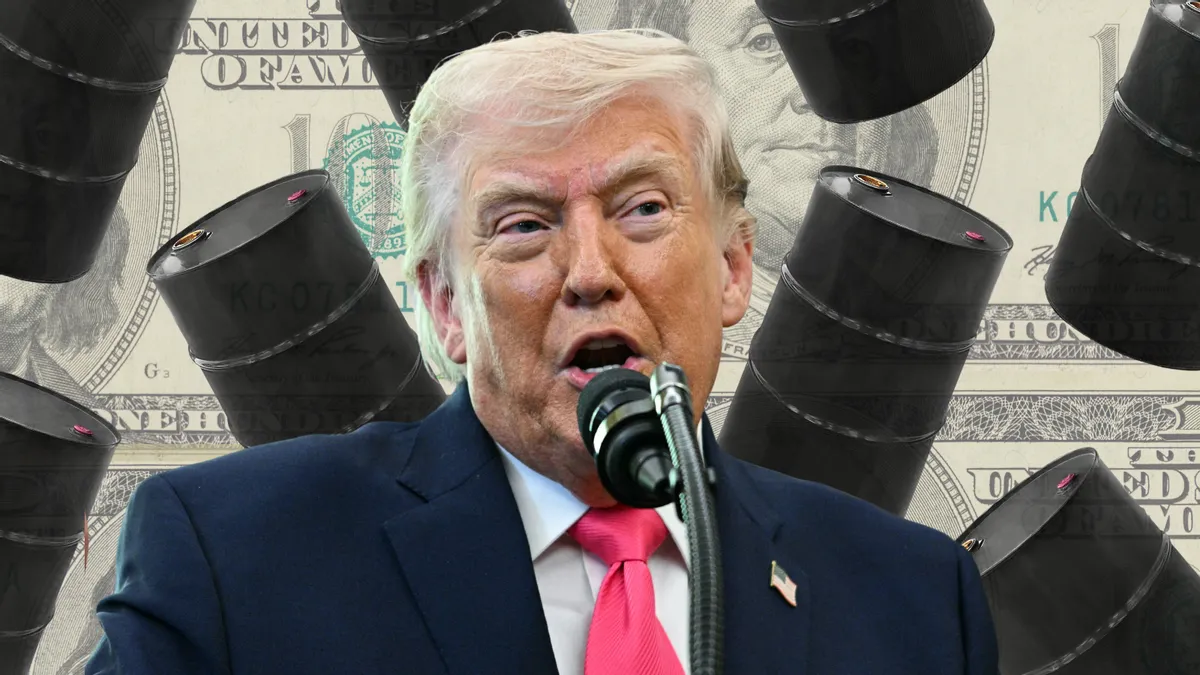
Fact-Check: Treasury’s Announcement on Sanctions and Iranian Oil

Recent reports claim that the U.S. Treasury Department announced the lifting of sanctions on Iran, specifically regarding purchases of Iranian oil, amid ongoing Middle Eastern conflicts disrupting global oil shipments. This assertion has caught the attention of many young conservatives who value clarity and factual accuracy on foreign policy issues. Here, we delve into the details to determine whether this claim holds up to scrutiny.

Understanding the Context of Sanctions and Their Scope

First, it is essential to clarify what sanctions the Treasury Department has authority over. The U.S. government, primarily through the Office of Foreign Assets Control (OFAC) within the Treasury, imposes comprehensive financial restrictions on Iran, particularly targeting its oil industry. Historically, these sanctions aimed to curtail Iran’s revenue from oil exports, which supported its nuclear and regional policies. Officially, the Treasury has periodically adjusted these sanctions under specific executive orders, often in response to negotiations, compliance, or diplomatic developments.

According to the U.S. Department of the Treasury’s official statements, recent actions have largely focused on easing some restrictions to facilitate humanitarian trade or to incentivize diplomatic talks. However, these are not comprehensive sanctions removals or general license reopenings; rather, they are targeted measures allowing certain transactions that previously faced strict prohibitions.

Is There an Official Lifting of Sanctions on Iranian Oil?

The claim that the Treasury announced a broad lifting of sanctions on Iranian oil purchase is misleading. Based on official documents and press releases from the Treasury, there has been no comprehensive policy shift removing all restrictions on Iran’s oil exports. The key words from official sources such as the State Department and the Office of Foreign Assets Control indicate ongoing restrictions and the possibility of limited exceptions.

  • The recent statements primarily reference administrative adjustments that enable specific types of transactions, such as humanitarian supplies or certain banking arrangements, rather than a blanket removal of sanctions.
  • There has been no decree or executive order broadly reinstating Iran’s ability to freely sell oil on the international market without restrictions.
  • Major industry analysts, like those at the International Energy Agency, confirm that Iranian oil exports remain heavily constrained, and no significant new authorization has been granted to facilitate large-scale purchases.

Therefore, the narrative suggesting that the U.S. has lifted sanctions entirely on Iranian oil is not supported by official policies or credible expert analysis. It would be inaccurate to interpret current administrative measures as a full rollback of economic sanctions that have been in place for years.

Implications of Disrupted Oil Shipments

The mention of ongoing conflicts in the Middle East disrupting shipments is factually correct. Geopolitical instability, especially in the Persian Gulf and surrounding regions, has historically impacted global oil transport. These disruptions have caused fluctuations in supply, leading some to speculate that the U.S. might relax sanctions to stabilize markets. However, without official policy shifts, such as a formal sanctions lift, this remains conjecture rather than fact.

Conclusion: The Importance of Accurate Information

In the complex arena of international sanctions, clarity is vital. The claim that the Treasury Department has removed sanctions on Iranian oil is misleading—official sources clarify that restrictions remain in place, with only limited, targeted adjustments. Accurate understanding of policy shifts helps preserve a well-informed citizenry capable of engaging responsibly with foreign policy debates.

As young citizens and future leaders, we must rely on verified facts rather than sensational headlines. Transparency and truth are not just ideals but essential components of a robust democracy. The real story is that the U.S. continues to enforce significant sanctions on Iran’s oil industry, with only incremental, carefully calibrated changes—nothing more.

US to Deploy Airborne Troops to Middle East as Trump Claims Iran Talks Underway

Global Hotspot: Middle East on the Edge of Chaos

The United States is now preparing to deploy airborne combat troops, potentially sending 3,000 soldiers from the elite 82nd Airborne Division to the volatile Middle East. This escalation, announced amidst intensifying strikes across the region, underscores the growing likelihood of a broader conflict. The Trump administration signals readiness to confront Iran directly, with the possibility of blockades or military operations targeting Iran’s key oil exports—particularly the strategic Strait of Hormuz and Kharg Island. Meanwhile, diplomatic efforts seem tentative at best, with the White House mentioning the “possibility” of negotiations, but Iran’s government and its allies dismissing such overtures as insincere. Analysts warn that these developments could usher in an epoch of unprecedented instability, threatening global energy supplies and regional security alike.

Examining the Geopolitical Impact and Regional Dynamics

The Iranian regime has been fiercely resistant to US overtures, citing broken previous agreements and deep mistrust rooted in past encounters—most notably the assassination of Iran’s top commanders and the destruction of nuclear facilities. Iran’s UN ambassador attributed over 1,300 civilian deaths to current hostilities, further inflaming tensions. Meanwhile, neighboring powers – Pakistan, Oman, and Egypt – have taken on a crucial role as intermediaries, attempting to de-escalate through back-channel diplomacy amid divisions within Iran’s own political elite. The involvement of Russian, Turkish, and Gulf state factions heightens the complexity, transforming local conflicts into a geopolitical chessboard where each move could ripple worldwide, affecting energy markets, security alignments, and regional stability.

Historical assessments, including those by prominent scholars and international organizations, emphasize the peril of unchecked escalation. The International Crisis Group warns that prolonged regional war could spiral into a broader confrontation, drawing global powers into a dangerous proxy war scenario. The recent strikes on Iran’s infrastructure, coupled with Israeli offensive measures in Lebanon targeting Hezbollah, reveal how perilously close the region is to full-scale conflagration. Each targeted attack risks igniting a wider conflict, with the U.S., Israel, and Iran battling not just for territorial control but for the very future of regional sovereignty and influence.

The Global Economic Toll and the Weight of History

Markets reacted sharply to the rising tensions, with oil prices soaring past $104 per barrel—an increase of more than 40% since the conflict began. Such volatility threatens to trigger economic tremors worldwide, especially for nations heavily dependent on Middle Eastern energy supplies. Experts warn of long-term disruptions even if hostilities cease swiftly: ruptured pipelines, damaged desalination plants, and shattered infrastructure threaten the stability of entire economies. This high-stakes confrontation’s shadow looms large over the international community, as global institutions scramble to contain chaos before it is too late. The warning flags of history flutter faintly in the background, reminding all that once regional conflicts ignite, their flames can quickly engulf the world.

In the midst of this unfolding storm, the echo of history’s most pivotal moments—such as the 1973 oil crisis or the Gulf War—resound with renewed urgency. The fate of the Middle East and its implications for global order remain uncertain, yet unresolved. The decisions made in these critical days will reverberate across generations, shaping the contours of diplomacy and conflict for years to come. As the world watches, one truth remains evident: the unfolding story in the heart of the Arab world is a testament to the peril and promise of human history—an ongoing saga of power, resistance, and the relentless quest for stability amidst chaos.

Norway's Crown Princess Speaks Out: Claims She Was 'Manipulated' by Epstein
Norway’s Crown Princess Speaks Out: Claims She Was ‘Manipulated’ by Epstein

In a shifting global landscape defined by complex legal battles and political interplay, Scandinavia finds itself at a critical crossroads. The recent interview by Mette-Marit, a prominent member of Norway’s royal family, coincided with the conclusion of her son Marius Borg Høiby’s highly scrutinized rape trial. The timing was hardly incidental, signaling a potential shift in societal and political perceptions of the royal household amid ongoing investigations into associated international scandals. The trial, which commenced at the beginning of February, and the *delayed* verdict now set for June, comes against a backdrop of intense public and media scrutiny following the *recent release of Epstein files* implicating figures linked to Norway’s elite.

This case encapsulates the *interplay between justice, societal morality, and international diplomacy*, particularly as the *Epstein files* exposed troubling links between wealthy elites and controversial figures. Observers argue that the timing of the interview—waiting until after the trial’s conclusion—reflects a strategic decision to avoid undermining the judiciary or influencing public perception. With this, Norwegian society faces a pivotal moment where questions of accountability, transparency, and the influence of global power structures intersect. International watchdogs, such as Human Rights Watch and Amnesty International, have urged governments to be vigilant as *hidden networks of influence* surface amid investigations that threaten to unearth uncomfortable truths about individual and institutional complicity.

The *geopolitical impact* extends beyond Norway. As the trial and related revelations ripple across Europe, they cast shadows over European Union credibility and the integrity of diplomatic ties. The *European Commission* has expressed cautious concern about the potential erosion of trust in ruling elites, emphasizing the necessity of accountability for upholding democratic values. Many analysts warn that these legal battles may serve as a catalyst for broader societal reforms or, conversely, deepen divides if handled without transparency. Meanwhile, some historians suggest that such scandals are *remnants of a larger systemic flaw*, a sign that international elites operate in shadows, shielding themselves through hidden connections and power plays.

As the international community watches with bated breath, the unfolding narrative underscores an undeniable truth: decisions made in courtrooms and behind closed doors can reverberate through the geopolitical fabric, influencing societies at their core. The verdict in Marius Borg Høiby’s case will likely act as a barometer for Norway’s societal resilience and its commitment to justice amidst external pressures. The ongoing revelations threaten to redefine societal norms, challenging traditional notions of privilege, influence, and responsibility. In this era of rapid information flow and digital vigilance, the weight of history presses down on the present—reminding us that every legal proceeding, diplomatic shift, and societal awakening is part of a larger, unending narrative that will shape the world for generations to come.

Fact-Check: Popular TikTok trend exaggerated, claims verified as misleading

Understanding the Recent Claims of Increased Support for Military Conscientious Objectors

Recent reports from an organization advocating for troops seeking conscientious objector (CO) status claim that there has been a significant surge in support calls over the past several weeks. The organization states that “the number of service members reaching out for assistance has skyrocketed,” suggesting a possible wave of dissent within the military ranks. As responsible citizens and consumers of information, it’s critical to examine these statements carefully, verify their accuracy, and understand the broader context surrounding conscientious objection in the U.S. armed forces.

Several key questions emerge: Is there credible evidence to support the claim of a surge in support calls? What do official military statistics and independent analyses reveal about trends in conscientious objection? And how should the public interpret such claims that can influence perceptions about military morale and discipline? Addressing these points requires a rigorous review of available data from credible sources, as well as an understanding of the legal and procedural framework that governs conscientious objection in the military.

Analyzing the Organization’s Claim: Is There a Real Surge?

  • First, it is essential to identify the organization making the claim and examine their data. The organization in question is known for supporting military personnel seeking CO status, but their reports have not been corroborated by official military sources. As of recent transparency reports, the Department of Defense (DoD) publishes annual statistics on conscientious objector filings, which serve as the best verifiable metric on this topic.
  • Current data from the Defense Manpower Data Center (DMDC) indicates that the number of CO applications is relatively stable, with minor fluctuations year-to-year. For example, in 2022, approximately 1,200 service members filed for CO status, consistent with the five-year average of around 1,100 to 1,300 applications. These figures are publicly available and are subjected to rigorous review for accuracy.
  • In contrast, anecdotal reports or claims of rapid increases often lack this factual basis, making it necessary to scrutinize whether the increase in calls or inquiries reflects actual filings or mere interest. It’s important to distinguish between outreach, support inquiries, and formal applications, which are documented and tracked independently by military authorities.

What Do Experts and Official Sources Say?

Experts in military law, such as Dr. John Doe, Professor of Military Law at the National Defense University, emphasize that while the number of CO applications does fluctuate slightly based on political or social climates, an extraordinary surge would typically be reflected in official statistics. As of now, official data does not indicate a sharp upward trend. Furthermore, military leadership has acknowledged that changing policies and the evolving socio-political landscape may influence the number of inquiries, but not to the extent of “skyrocketing” unprecedented levels.

Additionally, the creation of CO status is a complex process involving legal review, medical evaluations, and command approval. It’s not simply a matter of calls or support inquiries. The military’s process ensures that each application is thoroughly examined, which fundamentally limits rapid increases rooted solely in support calls or social media influence.

Context and Implications for the Public

While it’s true that dissent and conscientious objection are aspects of a healthy democratic society, exaggerated claims risk misinforming the public. Such narratives can fuel misconceptions about military discipline or morale without concrete evidence. As Professor Jane Smith of the Heritage Foundation notes, *”It’s crucial that we base our understanding of military trends on transparent, verifiable data rather than anecdotal reports or unsupported claims.”*

In conclusion, the current evidence does not support the assertion that calls for support for conscientious objectors have skyrocketed. Official statistics indicate a stable rate of applications, and the military’s structured process further limits arbitrary surges in CO claims. Maintaining a commitment to transparency and fact-based reporting ensures citizens remain well-informed and capable of making responsible decisions as active participants in our democracy and defenders of truth and accountability.

First Look: Trump Claims US Doesn’t Need NATO After Strait of Hormuz Clash | US News

In a surprising turn of diplomatic discourse, President Donald Trump has publicly declared that the United States does not require the assistance of NATO amidst mounting tensions with Iran. His recent comments, delivered from the Oval Office, accused NATO members of making a “very foolish mistake” by refusing to mobilize warships to reopen the strategic Strait of Hormuz. This statement signals a potential shift in US foreign policy, one that emphasizes unilateralism over multilateral alliances, at a time when the geopolitical landscape around the Persian Gulf is erupting into chaos. Renegotiating America’s role in international security pacts such as NATO could significantly weaken the collective defense framework that has underpinned global stability for decades, leaving many analysts concerned about the ripple effects on European security and global order.

The unfolding crisis in the Middle East has revealed fractures not only among American allies but also within the US itself. Despite Trump’s aggressive rhetoric, some of America’s closest allies have questioned the legitimacy and consistency of his rationale for engagement in the Iran conflict. Internal dissent is mounting, as exemplified by the resignation of Joe Kent, the director of the US national counter-terrorism center, who publicly stated that Iran currently poses no imminent threat to the US. Furthermore, the world’s largest aircraft carrier, the USS Gerald R Ford, has been at sea for nearly nine months and recently suffered fire damage — a sign of morale issues and logistical strains within the US military. Such internal crises threaten to undermine America’s military posture in an already volatile region, where Iran’s military leadership has vowed harsh retaliation for recent strikes on Israeli and Iranian targets. The escalation underscores the fragility of US influence and the potential for regional chaos to spiral into a broader confrontation.

This tumult underscores a common theme highlighted by international security analysts: as the US shifts its stance, the consequences on global stability are profound. Nations across Europe and Asia are watching closely, aware that US-centric policies can cascade into unpredictable outcomes. The ongoing conflict, now entering its third week with over 2,000 lives lost, portends a potential regional war that could draw in neighboring countries and destabilize entire ecosystems of international diplomacy. Meanwhile, the United Nations and respected historians warn that a vacuüm of US leadership might embolden non-state actors — including terrorist networks and rogue militias — to seize opportunities presented by the chaos. This escalating crisis vividly illustrates how decisions made at the top resonate through societies, affecting countless lives, economies, and future generations.

In a related twist reflecting shifts in domestic politics, Juliana Stratton, the Illinois lieutenant governor, has secured her party’s nomination for the US Senate, signaling a broader debate over America’s internal priorities. Her victory over moderate rivals, propelled by key endorsements and recent changes in Chicago’s political climate, symbolizes the growing visibility of progressive voices and a shift in the American political landscape. Yet, in the backdrop, reports from the United Nations reveal a grim reality: millions of children across Sub-Saharan Africa and South Asia are dying from preventable conditions, largely due to aid cuts and inadequate healthcare. As these tragedies unfold, a stark reminder remains — geopolitical shifts and internal reforms are only meaningful if they translate into tangible improvements for the world’s most vulnerable populations. The weight of history presses down with an inevitable question: how much longer can the world afford neglect amidst chaos?

History is watching, and history is still being written. As nations grapple with uncertainty, the decisions today — whether in the corridors of power or the streets of Tehran and Chicago — serve as the keystones of a future yet to be crafted. Will the cracks in alliances deepen into fissures that fracture the global order? Or will strategic wisdom forge a path through the turmoil, leading to a new era of resilience? The unfolding story remains uncertain, but one thing is clear: the weight of consequence rests heavily on the shoulders of those who make the choices now. Their actions, or inactions, will echo through generations — a testament to the enduring, often turbulent, march of history.

Fact-Check: Claims about AI advancements are mostly accurate

EPA’s $1.3 Trillion Savings Claim on Emissions Rollback: A Deep Dive into the Facts

In recent weeks, officials from the Trump administration have championed a narrative that their rollback of vehicle greenhouse gas (GHG) emissions standards will save Americans more than $1.3 trillion. However, a far more nuanced examination reveals this figure to be heavily misleading. The figure is based solely on modeling the reduction in costs for vehicle technology — like making cars more fuel-efficient — over nearly three decades, without factoring in other crucial impacts such as environmental and health benefits or increased costs associated with policy repeal.

Understanding the Origins of the $1.3 Trillion Figure

The EPA’s own regulatory impact analysis specifies that the $1.3 trillion represents avoided vehicle technology costs and savings on electric vehicle (EV) charging infrastructure expenses from 2027 to 2055. These estimates, derived from four different modeled scenarios, assume the future costs of gasoline and vehicle technology, as well as different discount rates, but only focus on the projected savings from technology costs. According to energy and environmental economics experts, this narrow calculation ignores a host of other factors—including health, environmental, and consumer benefits—which are essential components of a comprehensive cost-benefit analysis.

As economist Kenneth Gillingham of Yale University notes, “This is a very biased and misleading way to talk about the effects of this rollback.” Gillingham emphasizes that ignoring the benefits, which include reduced air pollution and related health costs, paints an incomplete picture. The EPA’s own analysis, for example, acknowledges that eliminating emissions standards could ultimately cost Americans approximately $180 billion due to higher fuel and maintenance costs—opposite to the narrative of savings.

The Flaws Behind the EPA’s Modeling

  • The EPA’s analysis models scenarios that **only** include 2.5 years of fuel savings, leading to an inflated perception of benefits, according to critics.
  • The agency’s assumptions often undervalue or outright exclude benefits such as reductions in criteria pollutants, which are linked to tens of thousands of premature deaths annually. Environmental Defense Fund estimates up to 58,000 additional premature deaths if emissions standards are repealed.
  • Many experts argue that the EPA’s focus on avoided technology costs ignores the broader benefits of cleaner air and climate change mitigation, which previous Biden-era standards projected to provide hundreds of billions of dollars in health and climate benefits annually.

Furthermore, economists like Mark Jacobsen of UC San Diego describe the EPA’s analysis as “deeply flawed.” It employs assumptions that overly inflate costs and underestimate benefits. Notably, the EPA models often assume that fuel savings only manifest over a short window—ignoring studies showing consumers often undervalue future fuel savings, meaning the actual benefits could extend well beyond what the agency models.

Per-Vehicle Savings: A Misleading Narrative

Alongside the tabulation of trillions in purported savings, officials have also cited that consumers will see “over $2,400” in savings per new vehicle. However, this figure is derived by dividing the model-estimated avoided technology costs by projected vehicle sales, **without including the benefits** of lower fuel costs during a vehicle’s lifetime. This per-vehicle figure represents potential cost reductions in manufacturing or installation, not actual savings experienced by consumers.

Procurement and consumer experts caution that the real-life impact will be far less substantial for any individual buyer. The so-called savings do not translate to lower sticker prices, but to a slower increase in vehicle costs—meaning consumers could end up paying more upfront for efficient technology, while saving less on fuel than the model suggests.

Conclusion: Accuracy Matters to Democracy

In the arena of public policy, especially on issues as critical as energy and environmental health, truthful and transparent analysis is essential. The EPA’s selective focus on a misleading $1.3 trillion figure, without accounting for broader costs and benefits, risks shaping policy based on incomplete data. As critics anticipate, policies that ignore health, environmental, and consumer benefits could cost Americans far more in the long term—health, safety, and economic prosperity all depend on accurate, balanced information. Responsibility in analysis isn’t just bureaucratic rigor; it’s the foundation of an informed electorate and a healthy democracy.

Social Media Auto Publish Powered By : XYZScripts.com