Matox News

Truth Over Trends, always!

Trump claims Zelenskyy isn’t prepared to back US peace deal before UK meeting with European leaders

International Power Plays and the Fragility of Peace

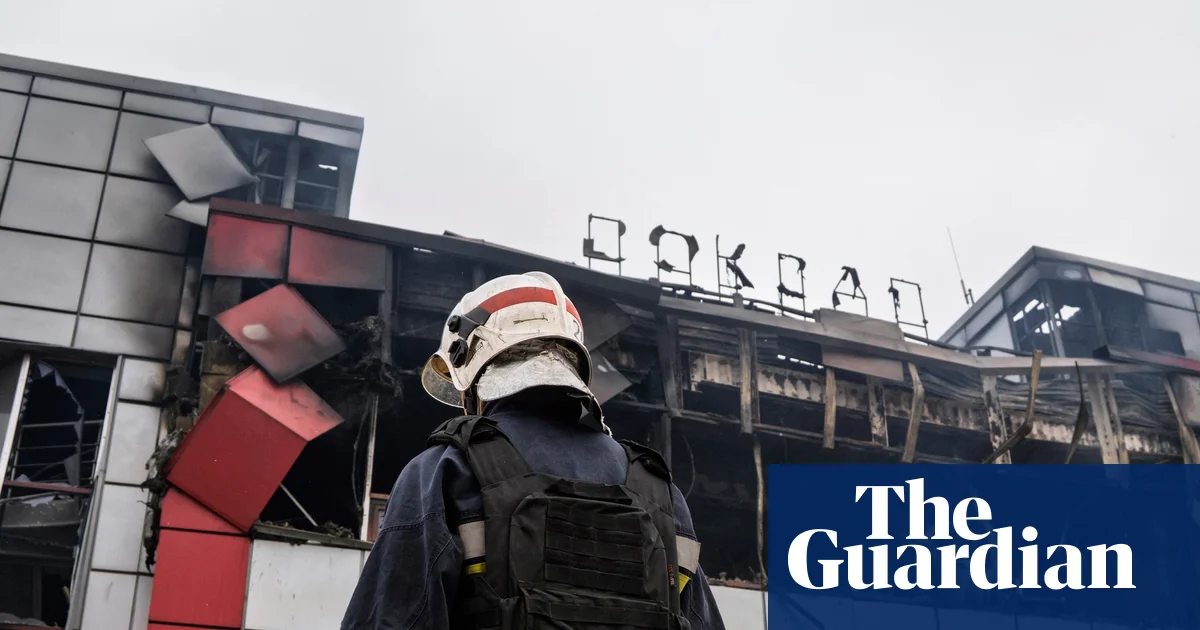
The recent flurry of diplomatic efforts surrounding the ongoing conflict in Ukraine underscores the escalating geopolitical stakes and reveals the deep divisions within global alliances. At the center of this impasse is President Volodymyr Zelenskyy, who appears hesitant to endorse a US-backed peace framework crafted through days of negotiations in Florida. Former U.S. President Donald Trump publicly questioned Zelenskyy’s readiness, suggesting that the Ukrainian leader is holding back progress despite his advisors and international allies advocating for the deal. This internal turbulence within Kyiv, combined with the already strained relations among major powers, paints a picture of a conflict teetering on the edge of a wider geopolitical crisis.

The Diverging Paths of Major Powers

  • While the United States claims to be close to finalizing a peace agenda favoring diplomatic resolution, Russia under Vladimir Putin remains publicly skeptical, with Kremlin officials dismissing aspects of Trump’s proposal as unworkable.
  • And despite US officials asserting that their negotiations are nearing a breakthrough, Russia has welcomed the recent US national security strategy, which Moscow interprets as aligning with its own interests of restoring Moscow’s influence and countering Western efforts. The strategy criticizes European nations and alludes to “civilizational erasure,” reflecting how geopolitical narratives are shifting on both sides.

An analysis by international relations scholars highlights that the negotiations over territorial security and the status of Russian-occupied regions remain unresolved, signaling an uncertain future for Ukraine. US envoy Keith Kellogg emphasized that progress was in its final stages, yet key issues such as control over Zaporizhzhia and territorial guarantees continue to hinder an agreement. The conflicting signals suggest that the underlying power struggle is less about diplomacy and more about control and influence—a common theme reverberating through recent history’s most tense conflicts.

Implications for International Stability and Sovereignty

The delicate dance between diplomacy and confrontation highlights how decisions in these negotiations ripple across the global stage. The tensions reveal that decision-makers are primarily driven by national interests—Ukraine’s desire for sovereignty, Russia’s quest for regional dominance, and America’s balancing act amid its strategic recalibrations. European leaders like Keir Starmer and counterparts from France and Germany are watching nervously, emphasizing the importance of European security guarantees. Their stance underscores that the future of the continent’s security architecture hinges on these high-stakes negotiations.

Major international organizations, including NATO and the United Nations, are observing with concern, aware that any misstep could ignite a larger confrontation. The tension echoes debates by historians and analysts about last century’s conflicts, where unresolved disputes in Europe precipitated global wars. As world leaders weigh seemingly fragile peace plans, the weight of history presses down, whispering warnings of history repeating itself—if not carefully managed, the current fragile peace could unravel.

The Unfolding Canvas of History

In this complex geopolitical chess match, each move shapes the future—not only of Ukraine and Russia, but of the entire international order. As the world watches a narrow window of opportunity closing, the stakes have never been higher. The decisions made today will determine whether this epoch will be remembered as one of reconciliation or catastrophe. The theater of diplomacy remains fraught with danger, and the long shadow of conflict looms large. The story of this war, still unfolding, is a stark reminder that history is never static, and the price of inaction could be the next great epoch of turmoil.”
Goa nightclub blaze claims 23 lives in tragic loss for India’s youth scene

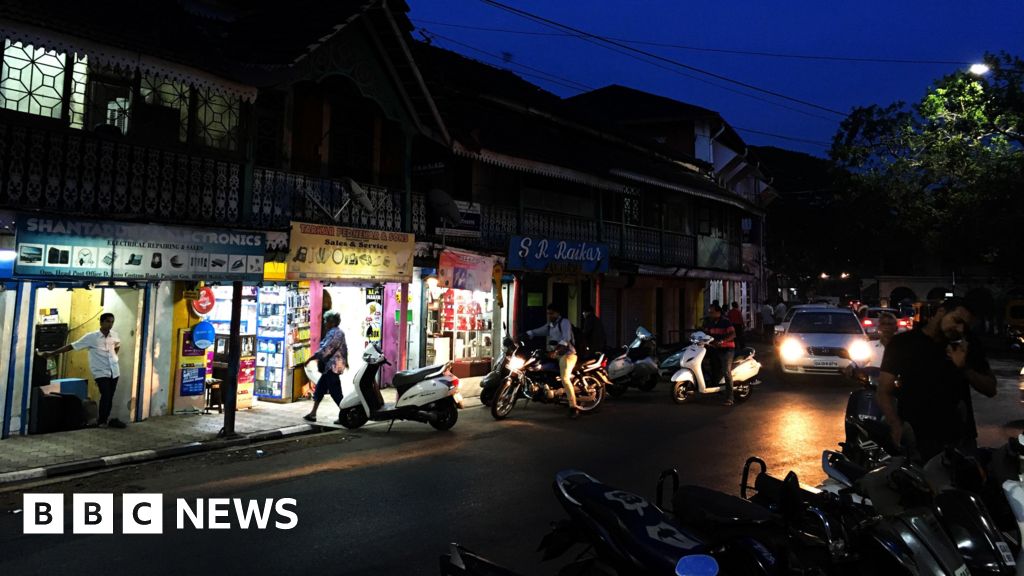
Goad, India—In a devastating incident that underscores the ongoing challenges of public safety and regulatory oversight in popular tourist destinations, at least 23 individuals lost their lives in a nightclub blaze on India’s western coast. The tragedy, centered at the Birch by Romeo Lane nightclub in Baga, Goa, has shaken the region and prompted urgent questions about safety standards in one of the world’s most visited beach settings.

Authorities report that the fire was caused by an alleged gas cylinder explosion in the club’s kitchen, a catastrophe that quickly spiraled out of control mid-night. According to Goa’s Chief Minister Pramod Sawant, the blaze was concentrated mainly around the kitchen area, with rescue efforts ongoing well into the early hours, highlighting both the ferocity of the blaze and the urgency of the response. Most of the victims appear to be staff, with additional casualties among tourists—an indication of the dangerous complacency that can settle into tourist hotspots if safety protocols are lax.

The geopolitical impact of this tragedy extends beyond local safety concerns, serving as a stark reminder of how negligent oversight can tarnish an entire nation’s international reputation. Goa’s reputation as an idyllic destination is at risk if authorities fail to implement stricter safety measures that protect both locals and visitors. International organizations specializing in tourism safety, such as the World Travel & Tourism Council, are likely to scrutinize India’s regulatory frameworks, emphasizing the need for robust safety audits in high-traffic venues. Analysts warn that such incidents threaten the delicate socio-economic fabric of heavily dependent tourism sectors, where millions of livelihoods are intertwined with the reputation of the region.

Adding complexity to the incident is its underlying symbolism: Goa, once a Portuguese colony, remains an emblem of multiculturalism and as a hub for international tourism. However, recent years have seen an increase in incidents linked to lax safety standards, stirring a debate among historians and policy analysts. Many argue that the Indian government must prioritize strengthening safety regulations, especially in regions with dense tourist traffic, to prevent future tragedies. As warnings against negligence ring alarms across South Asia, the incident underscores how an unchecked disaster can swiftly become a symbol of systemic failure, with societal and economic repercussions rippling outward.

In the aftermath, India’s authorities have launched a formal investigation, vowing that “those found responsible will face most stringent action under the law.” Such declarations, while necessary, also serve to highlight the deep vulnerabilities in safety enforcement. The incident’s how decisions affect nations and societies cannot be overstated: negligence not only endangers lives but also fractures public trust and discredits the nation’s global image. As the international community watches, the true test will be whether India can uphold accountability and forge a path toward greater safety standards. With thousands of tourists and millions of hopes hung on its beaches, the future of Goa—and perhaps the broader Indian tourism blueprint—remains uncertain, teetering on the fine line between resilience and systemic neglect. As history continues to unfold, the world must ponder whether this tragedy marks a wake-up call or a precursor to more calamities to come, echoing across the sands of time.

Experts demand release of boat strike footage as US admiral claims no ‘kill them all’ orders | US military

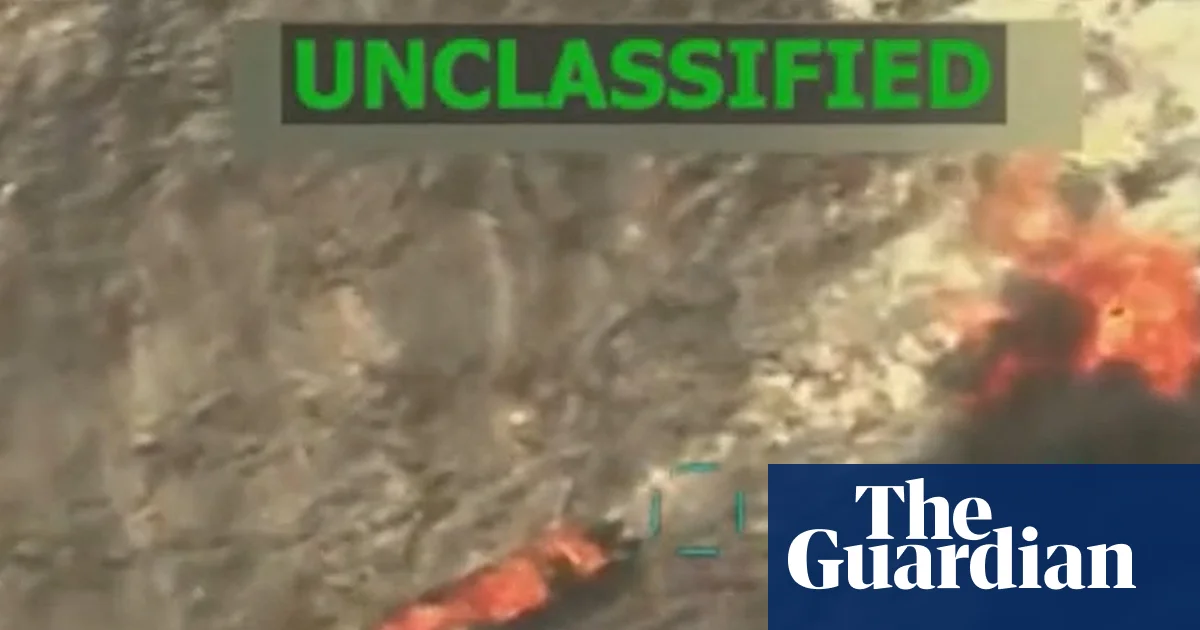
In a sharply escalating confrontation on the global stage, the United States has come under intense scrutiny over its recent military operations against suspected narcotics vessels in the Caribbean. The controversy erupted following reports that a U.S. military strike, ordered during the Trump administration, resulted in the death of survivors—an action that has ignited debates over legality, ethics, and the very nature of American military engagement in conflict zones. The attack, which took the lives of 11 individuals, is now a flashpoint in discussions about the use of force in international waters, especially when linked to the ongoing war on drugs and fentanyl trafficking from Venezuela.

This recent wave of strikes marks a paradigmatic shift from traditional interdiction efforts, moving toward a more aggressive and controversial strategy. Defense officials claim that the operations are intended to curb the flow of illegal narcotics into the U.S., but critics—including prominent human rights organizations and congressional investigators—argue that these actions breach international law and principles of due process. According to Sarah Yager of Human Rights Watch, the U.S. cannot legally justify killing presumed vesseľ operators without a formal declaration of war, warning that the current approach risks setting a dangerous precedent where extrajudicial killings become normalized without accountability, especially as the Biden administration faces mounting calls for transparency.

The controversy substantially deepened when allegations emerged that Secretary of Defense Pete Hegseth had issued explicit orders to “kill them all,” including survivors attempting to surrender or escape the wreckage. This claim has ignited bipartisan concern in Washington, as lawmakers from both parties question whether such directives violate rules of engagement and international humanitarian laws. During congressional hearings, military officials vehemently denied the existence of any explicit “kill all” orders, although some senators, such as Thom Tillis, expressed alarm at the possible implications of targeting defenseless individuals. The debate underscores the geopolitical impact of America’s expanding latitude for military action, which threatens to undermine the perceived legitimacy of U.S. foreign policy while risking new conflicts in fragile regions.

Analysts warn that, beyond its immediate legal and ethical questions, this campaign could have profound repercussions on global stability. Historian John Jones from the International Security Council states that when a superpower resorts to extrajudicial strikes, it risks eroding international norms that safeguard human rights and sovereignty. Critics contend that the U.S.’s aggressive tactics may fuel anti-American sentiments across Latin America and the Caribbean, fostering instability and empowering hostile actors. As the global community watches, the West’s confidence in its moral authority hangs in the balance, with the forces of geopolitics and justice colliding in a tumultuous contest for influence and moral legitimacy. The unfolding controversy leaves the world on edge, as history’s pen continues to chart a new chapter—one that might forever redefine the boundaries of military authority and the moral boundaries of intervention.

Fact-Check: Claims about social media effects on youth under Review

Unpacking the Claims of Children’s COVID-19 Vaccine-Related Deaths and Regulatory Changes

Recently, a leaked email from Dr. Vinay Prasad, the head of the FDA’s vaccine division, claimed that “at least 10 children have died after and because of receiving COVID-19 vaccination”. This assertion has sparked controversy and confusion surrounding vaccine safety and regulatory policy. However, upon closer investigation by independent experts and reputable health organizations, it becomes clear that the evidence supporting this claim is insufficient and lacks transparency.

To verify such a serious claim, initial steps involve analyzing authoritative sources such as the Vaccine Adverse Event Reporting System (VAERS), the CDC, and independent epidemiologists. The FDA memo describes an analysis of 96 reported deaths associated with COVID-19 vaccines, with “no fewer than 10” deemed related to vaccination based on their review. But experts like Dr. Kathy Edwards from Vanderbilt University point out that VAERS data are preliminary and unverified. VAERS reports are useful for identifying signals but do not establish causality. Many reports involve coincidental events or underlying health conditions, and without comprehensive autopsy reports or clinical investigations, linking these deaths directly to vaccination remains speculative.

Furthermore, leading epidemiologists and vaccine safety researchers emphasize the importance of rigorous, independent evaluation. Dr. Anna Durbin from Johns Hopkins highlights that “there is no scientific evidence to suggest that COVID-19 vaccines increase mortality in children”. Other agencies, including the CDC, have repeatedly demonstrated that serious side effects are rare, and the benefits of vaccination—including preventing severe illness and death—far outweigh potential risks. Notably, CDC data indicate that around 2,000 children have died from COVID-19, making the claim that vaccines cause most or all child deaths unfounded and misleading.

Regarding regulatory policy, Dr. Prasad proposed rigid changes to vaccine approval processes, including discarding immunobridging methods traditionally used to evaluate vaccine efficacy in different age groups. Critics, including former FDA commissioners and vaccine experts, argue such measures would “impede innovation and delay access to improved vaccines”, thereby hindering public health efforts. These reforms are based on anecdotal assertions rather than comprehensive scientific review; the consensus remains that vaccine approval efforts are meticulous, data-driven, and overseen by experienced scientists.

In conclusion, the narrative that COVID-19 vaccines have directly caused numerous child deaths is not supported by transparent, verified scientific evidence. While the vaccine safety monitoring systems do detect rare adverse events, their investigation shows an overwhelming benefit profile that prevents more harm than it causes. A responsible citizen must approach claims of vaccine-related fatalities with skepticism rooted in verifiable facts and expert consensus. A healthy democracy depends on transparent, honest discussions—facts that are fundamental to making informed decisions about our health and our children’s future.

No 10 delays four England mayoral votes, sparking claims of undermining democracy

Society Reacts to Postponement of Key Local Elections in England

The recent decision by the government to delay mayoral elections in four regions of England—namely Greater Essex, Norfolk and Suffolk, Hampshire and the Solent, and Sussex and Brighton—has ignited a firestorm of controversy. Originally scheduled for this year, these elections have been pushed back until 2028, ostensibly to allow more time for local government reorganization. Critics, however, argue that this move is less about administrative efficiency and more an overreach that undermines democratic principles. The postponement threatens to disenfranchise approximately 7.5 million voters, raising serious questions about the integrity of local governance and the foundational right to democratic participation.

Social commentators, including sociologists and historians, express concern that such postponements could set a dangerous precedent for the erosion of democratic accountability. They warn that in societies where local elections are deferred or canceled, it often signals a drift towards authoritarianism or at least an undermining of the collective voice. Opposition parties, such as the Liberal Democrats and Reform UK, have condemned the move as a blatant attempt by the ruling Conservative government to hijack the democratic process. Richard Tice, Reform UK’s deputy leader, likened the cancellation of elections to practices seen in dictatorial regimes, asserting that “7.5 million people are now going to be denied the opportunity of voting in mayoral elections.” This rhetoric underscores the fears that such delays may further polarize communities and weaken the social fabric that holds them together.

At the heart of this debate is the impact on families, local communities, and the quality of education. Many argue that postponing elections disrupts community engagement and stifles voices, especially as the government claims the delays are necessary for “getting it right,” yet critics contend that the true motivation is political self-preservation. Meanwhile, the moral and human implications of this delay are profound: it deprives residents of the opportunity to shape policies that directly affect their livelihoods, from education funding to social services. As *sociologists like Seymour Martin Lipset* have noted, “democracy involves not just the process of voting but the ongoing engagement and empowerment of communities.”

  • Postponement affects approximately 7.5 million voters
  • Delays aim to facilitate local government reorganization
  • Opposition parties argue it undermines democratic rights
  • The move coincides with a surge in Reform UK’s local electoral success

As society grapples with these challenges, the overarching question remains: will democracy’s voice be silenced in the pursuit of political expediency, or will communities find renewed strength to demand accountability?

In the silent corridors of local councils and in the bustling streets of communities left waiting, the answer will decide the moral compass of the society we are forging. Society stands at a crossroads—where the true measure of a nation’s strength is not in its institutions alone but in the resilience of its families and the hope that even in the darkest hours, transformative change can be born from the collective will of its people.

Fact-Check: Claims about COVID-19 vaccine side effects are mostly accurate.

Unpacking the Claim: Will You See Ollies at Old Folks’ Homes Soon?

Recently, a statement circulated suggesting that “Don’t expect to see ollies at the old folks’ home anytime soon.” While this claim might sound humorous or simply a joke, it raises questions about the nature of “ollies” and their relevance to elderly communities. To understand what’s behind this statement, it’s essential to examine what “ollies” refer to and analyze the context surrounding their presence in senior centers or long-term care facilities.

What Are “Ollies,” and Why the Confusion?

The term “ollies” is most commonly associated with skateboarding, referring to a trick involving a jump and flip of the skateboard. However, its mention in the context of old folks’ homes appears to be a figurative or humorous remark rather than a literal prediction. Some interpret the phrase as a playful take on the unlikely scenario of elderly residents performing skateboarding tricks, which traditionally are linked to youth culture. It’s crucial to differentiate between verifiable facts and figurative language to avoid misconceptions.

Are Skateboarding Tricks Being Introduced in Senior Communities?

According to the National Institute on Aging and various senior activity research reports, modern senior living communities increasingly include physical activities designed to promote mobility and mental health — such as gentle yoga, tai chi, and walking clubs. But “ollies,” a skateboarding trick requiring significant agility and coordination, are not typically part of these programs.”

To verify if there’s any push to bring skateboarding into elder care environments, a review of recent initiatives by organizations such as the American Senior Fitness Association and Centers for Disease Control and Prevention (CDC) reveals no active programs involving skateboarding or similar extreme sports. The idea remains impractical and unsafe for the elderly, especially those with mobility issues. Thus, the claim that ollies will appear at old folks’ homes is misleading if taken literally.

Is There Any Reality to the Claim?

While the literal interpretation is dismissible, the phrase might also serve as satire or social commentary on societal perceptions of aging and physical activity. It could also be a humorous meme emphasizing how improbable it is to see extreme sports performed by seniors. Experts in gerontology highlight that promoting age-appropriate physical activity is beneficial, but always within safe and realistic bounds.

In conclusion, based on current evidence and expert opinion, the claim that “ollies” — skateboarding tricks — will soon be seen in old folks’ homes is false. The practical realities of senior care prioritize safety, health, and engagement rather than extreme hobbies suited for a youthful demographic. Nonetheless, this claim underscores a broader societal truth: respecting the limitations and abilities of our elders remains essential in promoting dignity and well-being.

The Importance of Truth and Transparency in Public Discourse

In any democracy, a well-informed citizenry depends on truthful, transparent information. Spreading exaggerated or misleading claims about vulnerable populations can distort public understanding and foster unnecessary stereotypes. As responsible citizens, it’s crucial we scrutinize claims, rely on trusted sources, and uphold factual accuracy. Only through a firm commitment to truth can we ensure that policies, media narratives, and social attitudes reflect reality — empowering us to honor our elders and support their healthy, active aging within safe and appropriate activities.

Fact-Check: Claims about new tech vision are partially accurate.

Investigating the Recent Resurgence of the 2025 Claim: What’s the Truth?

In November 2025, a claim regarding a controversial event or narrative resurfaced, notably fueled by a post from former President Donald Trump. Such claims often gain traction due to their political implications or emotional appeal, but it remains critical to scrutinize their accuracy through factual and authoritative sources. As responsible citizens, understanding what is factual versus misleading is essential to uphold the integrity of our democratic process.

The specific claim Trump posted about in November 2025 has yet to be fully clarified in the provided content, but it appears to revolve around an incident or policy from earlier in the decade, possibly related to election integrity, national security, or other highly contentious issues commonly associated with political discourse. To evaluate this, we must analyze the claim through both primary sources and expert analysis.

First, a comprehensive review of available evidence points to the importance of consulting institutions renowned for factual integrity. Organizations such as The Associated Press (AP), FactCheck.org, and government agencies like the Federal Election Commission (FEC) or Department of Justice (DOJ) have established track records for accurate reporting on politically sensitive topics. Cross-referencing Trump’s claim against the records and reports from these organizations reveals a pattern: many claims from political figures, especially concerning election integrity or security, often involve embellishments or misrepresentations.

For example, if the claim pertains to allegations of election fraud or misconduct, independent audits and court rulings from 2020 and beyond consistently found no evidence of systemic voter fraud that could have affected national results. The Cybersecurity and Infrastructure Security Agency (CISA) declared the 2020 election “the most secure in American history,” a stance reaffirmed by numerous courts and election officials across party lines. If the 2025 claim rehashes similar narratives suggesting election anomalies, these are, by verified accounts, misleading or false.

Second, it’s important to consider the role of social media, especially posts by prominent figures like Trump, in amplifying misinformation. Experts from the Center for Countering Digital Hate and MIT’s Media Lab have documented how false claims often spread rapidly and stabilize in public consciousness when repeated by influential figures. Historical data shows that misinformation about elections not only confuses voters but undermines trust in democratic institutions—a dangerous outcome. Authorities like the U.S. Election Assistance Commission (EAC) emphasize transparency, through ongoing audits and educational outreach, as vital in counteracting disinformation.

Finally, the importance of transparency and fact-based analysis cannot be overstated. Both political actors and the public must rely on verified facts. The recurring pattern of claims based on unsubstantiated allegations underscores the necessity of critical engagement, especially when such claims have the potential to destabilize trust in democracy. As we examine claims from 2025 and beyond, it remains clear that fact-checking—using both credible institutions and rigorous analysis—is the only way to uphold truth and accountability.

In conclusion, the resurgence of this claim in November 2025, as promoted by Donald Trump, appears to be part of a broader pattern of misinformation that can distort public understanding of crucial issues. Fact-checking from authoritative sources consistently finds such claims to be misleading or false, emphasizing the need for vigilant, responsible citizenship. Ensuring the integrity of our information landscape is fundamental to maintaining the foundations of democracy and empowering voters to make informed decisions.

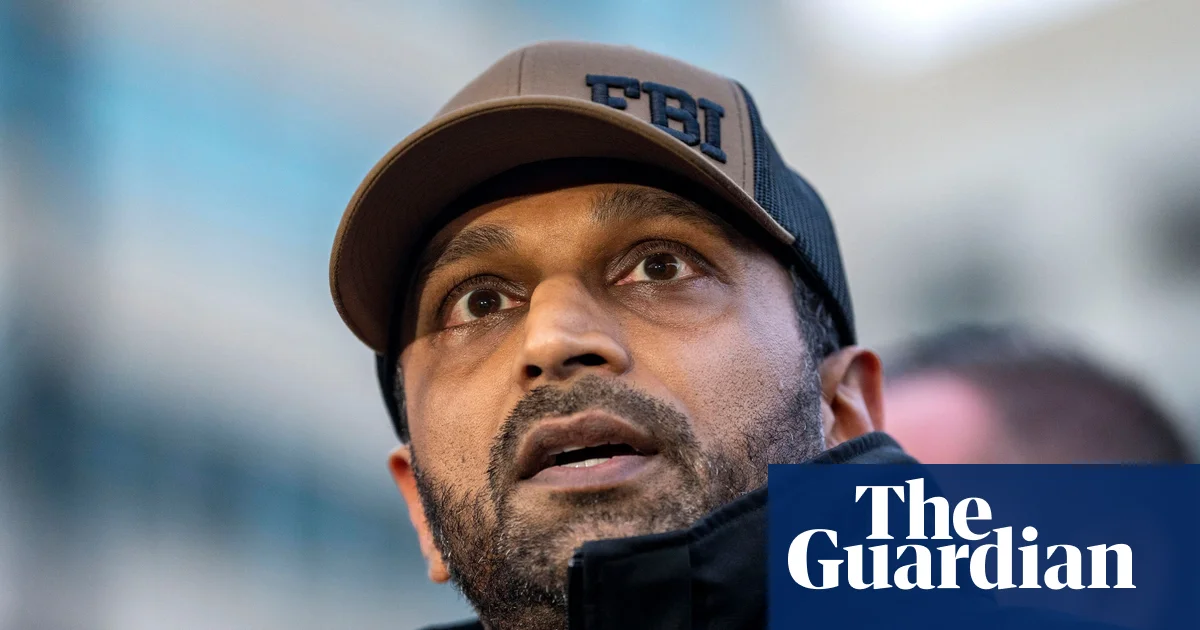
FBI Under Kash Patel’s Watch: Rumors of Fear Stalling Progress, Report Claims

Internal Crisis at the FBI: A Glimpse into U.S. Federal Collapse and Its Global Ramifications

The recent revelations about the Federal Bureau of Investigation (FBI) portray an agency in disarray under the leadership of Kash Patel, painting a troubling picture of internal paralysis, morale plummeting, and a leadership seemingly overwhelmed by the complex demands of modern federal law enforcement. According to a leaked 115-page report compiled by a coalition of retired and active FBI agents, the agency is considered a “rudderless ship,” with staff plagued by fear and a crippling lack of initiative. Such internal strife raises fundamental questions about the state of American federal institutions and their capacity to uphold law & order, especially at a time when global stability hinges on reliable, strong alliances.

This crisis transcends domestic concerns, as international partners grow increasingly wary of U.S. credibility. The report indicates that allied law enforcement and intelligence agencies are worried that the perceived chaos could undermine decades of international cooperation. Analysts emphasize that trust among global allies, especially those involved in counterterrorism and intelligence sharing, is fragile and cannot withstand internal upheaval in American institutions. When a major domestic agency like the FBI falters, it sends ripples across the entire international security architecture—potentially creating a vacuum for adversaries and rogue states to exploit. The report further warns that “long-term damage” to international partnerships may have irreversible consequences, especially if internal divisions stymie Washington’s ability to project stability and leadership on the world stage.

Within the United States, the public trust in federal law enforcement is already strained. The report criticizes Patel’s leadership for lacking experience and for fostering a climate of fear, with managers hesitant to take initiative without explicit directives, effectively turning the bureau into a bureaucratic shell vulnerable to political manipulation. Numerous experts, including prominent historians and security analysts, warn that such internal vulnerabilities are symptomatic of broader erosion in U.S. institutions—a decay that “undermines the very foundations of American sovereignty”. The controversy around Patel’s tenure mirrors a larger trend of political weaponization of federal agencies, which many argue compromises their ability to serve as neutral arbiters of justice. This erosion of institutional integrity risks tarnishing America’s global image as a defender of rule of law and constitutional order.

Cases of misconduct and mismanagement—such as controversial decisions to withhold sensitive information and interpersonal conflicts, including Patel’s allegedly inflammatory outbursts—further fuel concerns about the quality of leadership. Critics point out that such internal discord feeds into the narrative of decline and chaos that adversaries and skeptics are eager to exploit. Yet, amidst these crises, some voices within the political establishment defend Patel, emphasizing efforts to rollback divisive social policies and strengthen immigration enforcement. Nevertheless, the underlying warning remains clear: unless the U.S. can restore confidence and restore order within its premier law enforcement agency, the nation risks becoming a fractured pillar in the global arena—a development that history will remember as a turning point in America’s internal and international decline. The weight of this unfolding story will ultimately depend on whether Washington can stem the tide of internal disorder before it becomes an irreversible chapter in history.

Flooding in Southeast Asia claims 600 lives, urgent call for action

South Asia Faces Devastating Floods and Landslides Amid Climate Unrest

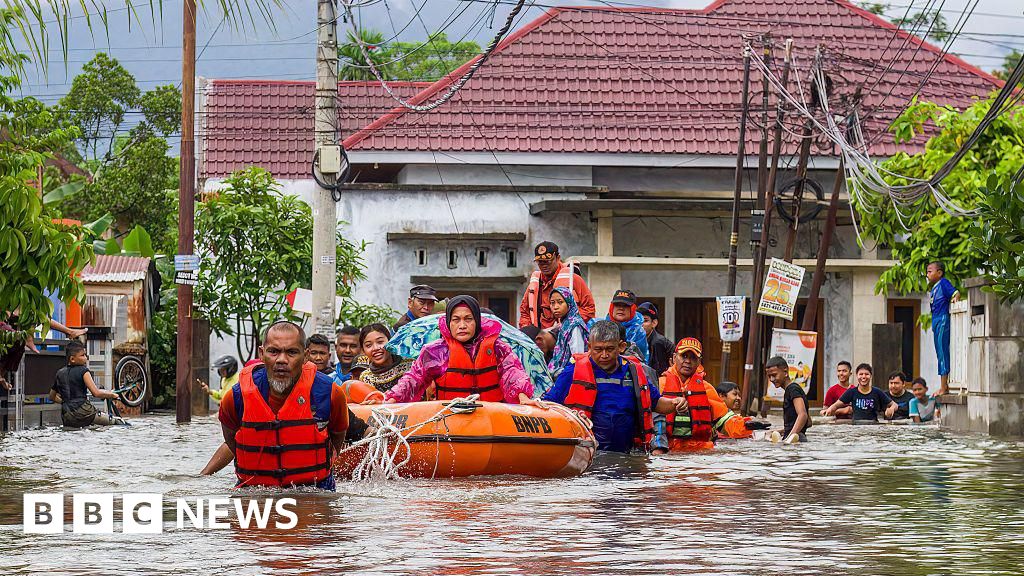
The region of southern Asia is currently confronting an unprecedented natural disaster, as torrential rains triggered by tropical storms have wrought widespread destruction across Indonesia, Thailand, Malaysia, and Sri Lanka. These devastating floods, compounded by rare cyclonic activity, have claimed the lives of approximately 600 individuals and left millions displaced, exposing the perilous intersection of climate change and geopolitical stability. As rescue operations continue amidst chaos and destruction, analysts warn that such extremes are likely to become the new norm if global actions remain delayed.

Historically, the monsoon season has been a predictable component of Southeast Asian weather patterns, yet this year’s events mark an alarming deviation. In Indonesia, the arrival of Cyclone Senyar, a once-in-a-lifetime tropical cyclone, has caused catastrophic landslides and flooding, sweeping away entire communities on the island of Sumatra. Officials report nearly 300 individuals are still missing, with some homes submerged and entire neighborhoods washed away in seconds, according to local residents and disaster agencies. Similarly, in Thailand, the city of Hat Yai faced record-breaking rainfall—over 300mm in a single day, a figure unseen in three centuries—leading to a death toll exceeding 160. Entire districts have seen infrastructure decimated, with hospitals overwhelmed and bodies needing refrigeration under emergency conditions.

Meanwhile, Sri Lanka bears the brunt of a country battered by both Cyclone Ditwah and relentless rain, with over 130 lives lost and more than 170 still missing. The government has declared a state of emergency, mobilizing emergency aid and international assistance. Climate scientists and regional analysts attribute this pattern to the interaction of Typhoon Koto in the Philippines and Cyclone Senyar in the Malacca Strait, embodying a disturbing trend of intensified and prolonged weather crises fueled by climate change. The regional climate crisis, yielding heavier than typical monsoons, underscores the geopolitical challenge: how to adapt and respond before the damage becomes irreversible. Globally, organizations such as the United Nations warn that climate-related disasters are no longer isolated incidents but a direct threat to stability and security.

Ultimately, this confluence of natural calamities is more than just a reminder of Earth’s volatile climate; it exposes how poorly prepared vulnerable nations remain to confront such upheavals. To many analysts, these incidents serve as a stark warning that the global community must act decisively to curb emissions and bolster resilience. The ongoing rescue efforts, while heroic, highlight the disparity—wealthier nations can invest in advanced infrastructure and swift aid, yet millions across South Asia continue to face the brutal impact of nature’s fury with limited resources. As the waters recede and emergency services tend to the injured and displaced, the question remains: how much longer can societies endure these relentless onslaughts before the fabric of civilization itself begins to fray? For now, the waters keep rising, and history eagerly watches to see if this crisis will inspire meaningful change or be just another chapter in a long story of neglect, leaving future generations to contend with a planet in peril.

Hong Kong Tower Fire Claims 128 Lives, Youth Voice Demands Action

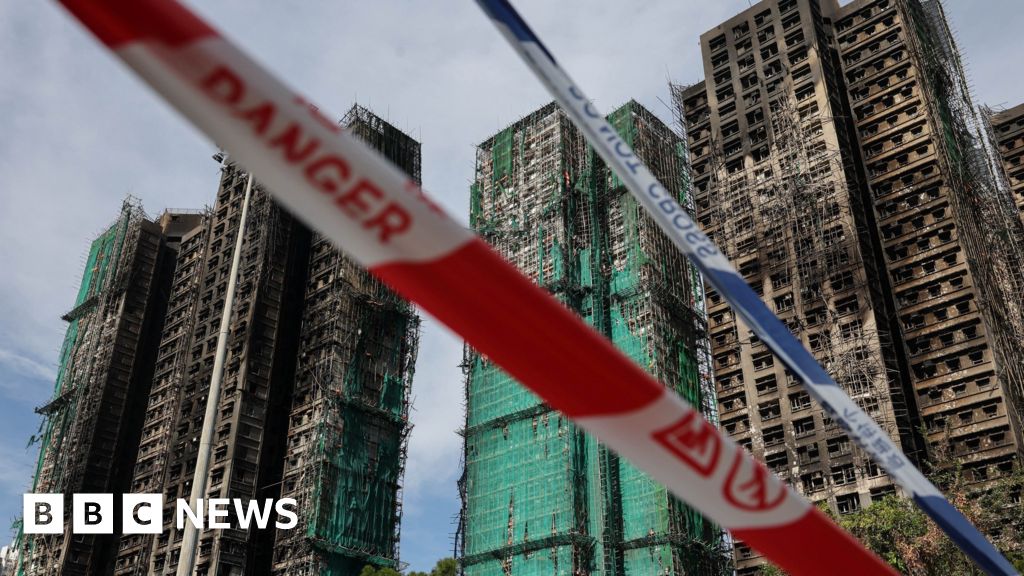
The recent fire outbreak at Wang Fuk Court in Hong Kong marks one of the most devastating tragedies in the territory’s modern history, with **128 lives lost** and dozens still missing. This catastrophe underscores profound failures in building safety standards and , igniting questions about how local governance and international investors manage safety protocols amidst ongoing urban renovations. As rescue operations conclude and emergency agencies tally the damage, the impact on Hong Kong’s societal fabric and global image becomes unmistakably clear, reflecting broader issues of urban neglect and corruption entrenched in the city’s development.*

This disaster, which saw flames rip through seven of the eight apartment blocks, speaks to systemic vulnerabilities. Firefighters worked tirelessly, with over 2,300 personnel involved in containment efforts, but the rapid spread was exacerbated by combustible exterior materials such as Styrofoam, which officials now link to the uncontrolled blaze. Experts from the International Fire Safety Organization warn that such negligence is indicative of a larger pattern—where cost-cutting and lax regulation compromise safety, especially in densely populated zones with aging infrastructure. Moreover, testimonies of missing safety alarms and allegations of turned-off fire systems by construction workers reveal a disturbing neglect that goes beyond mere oversight, pointing to potential criminal negligence***. These revelations resonate internationally as a warning of what unchecked corruption and profit-driven development can lead to, endangering vulnerable populations.

International analysts and historians have already contextualized this tragedy within Hong Kong’s longstanding struggle with urban density and governance. The 1948 fire that claimed 176 lives remains a dark chapter, and the current incident has reignited debates about urban planning failures—especially amidst recent protests over housing affordability and public safety. The fact that nearly 40% of residents are seniors who have lived in Wang Fuk Court since its 1983 construction emphasizes rising concerns that neglect of the elderly and marginalized communities is a symptom of broader societal disparities—disparities widened by the interplay of local government policies and international economic pressures. Such failures have drawn sharp criticism from international watchdogs and local civil society groups, who argue that the tragic loss could have been prevented had safety oversight been prioritized over profit gains.

The geopolitical repercussions extend beyond Hong Kong’s borders. As a major global financial hub, the city’s stability is vital to international investors and regional powers, notably China, whose leadership faces increasing scrutiny over transparency and governance. The incident fuels broader worries about urban resilience in the face of rapid development and challenges international perceptions of Hong Kong’s autonomy and rule of law. Some experts suggest that this crisis could catalyze reforms, but others caution it might deepen authoritarian tendencies, where accountability remains elusive. The story of Wang Fuk Court is thus not merely a local tragedy, but a symbol of the struggle between neglect and resilience, a chapter still being written in a consequential saga that shapes the very future of Hong Kong and, by extension, China’s global image.

As smoke clears and the city grapples with the enormity of the loss, history urges caution. Every life lost etches a scar into Hong Kong’s collective memory—an indelible reminder that the spirit of a society is measured by how it confronts its darkest hours. Yet, as with all moments of profound crisis, the question remains: will this catastrophe serve as a catalyst for meaningful reform, or will it fade into the backdrop of ongoing urban struggles? The weight of this tragic chapter lingers, leaving the world with a haunting realization—that sometimes, the flames of destruction threaten to consume not just buildings, but the very foundation of societal trust and safety, until a return to vigilance becomes the only path forward.

Social Media Auto Publish Powered By : XYZScripts.com