Matox News

Truth Over Trends, always!

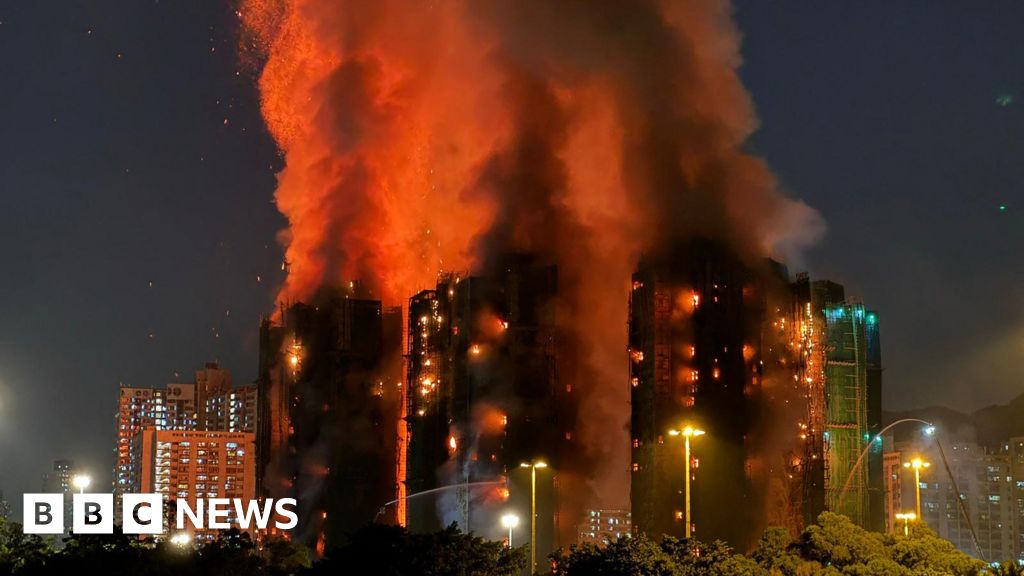
Tragedy strikes as fire claims at least 44 lives, hundreds still unaccounted for in tower blaze

Map that labels China, Hong Kong and Tai Po, highlighting Wang Fuk Court

Hong Kong Blaze Unfolds: A Tragedy with Broader Geopolitical Ramifications

The recent inferno engulfing the Wang Fuk Court housing complex in Hong Kong’s Tai Po district has shocked the international community and cast a spotlight on the city’s ongoing safety dilemmas amid rapid urban renewal. Involving more than 760 firefighters, the fire has claimed at least 44 lives, with hundreds still missing, and has sent shockwaves through a city famed for its dense high-rise architecture and unique blend of East-West integration. While local authorities scramble to contain the blaze and investigate its causes, analysts emphasize that this tragedy extends beyond immediate rescue efforts, revealing underlying tensions regarding urban infrastructure, safety standards, and the city’s overarching geopolitical identity.

At the heart of the incident is the controversial use of bamboo scaffolding—an aged construction method still prevalent in Hong Kong, despite efforts by local authorities to phase it out in favor of modern metal alternatives due to safety concerns. The bamboo scaffolding’s role in the rapid spread of the fire has raised suspicion, with preliminary evidence suggesting the flammable material may have exacerbated the blaze. The cause remains officially unconfirmed, but Hong Kong’s security secretary Chris Tang has alluded to possible suspicious activity, including the use of polystyrene to seal windows—a practice criticized for its fire hazards. This incident not only underscores the dangers of outdated construction practices but highlights the broader challenge Hong Kong faces in balancing tradition, safety, and urban resilience amidst ongoing political and social flux.

International organizations and Western analysts interpret the tragedy as a bellwether for Hong Kong’s evolving socio-political landscape—a city caught at the crossroads of greater integration with mainland China and its own distinct identity. Experts warn that the government’s ongoing push to modernize infrastructure, coupled with the lingering use of traditional building methods, could portend more crises unless comprehensive reforms are implemented swiftly. Xi Jinping, China’s paramount leader, expressed condolences and urged action to minimize further losses, reaffirming Beijing’s emphasis on maintaining stability and asserting greater control over Hong Kong’s civic infrastructure. Such signals underscore the emerging dynamic: Hong Kong, once a global financial hub, increasingly finds itself entangled in a geopolitical chess game where safety incidents are viewed through the lens of sovereignty and national security.

Shifting Tides and Lingering Shadows

The fire at Wang Fuk Court is not an isolated event—it echoes a tragic history of urban fires, with the city facing a comparable high-rise catastrophe 17 years ago at Cornwall Court. Such recurrent incidents symbolize a city grappling with modernization while attempting to preserve its identity amid political upheaval and economic transformation. Historian and urban safety analysts note that these disasters expose vulnerabilities inherent to dense urban environments, where outdated building materials and methods clash with contemporary safety standards.

Furthermore, the incident exposes societal rifts—many residents, primarily elderly, faced peril without timely alarms or evacuation assistance. Amid ongoing debates about the adequacy of emergency protocols and infrastructure, the broader geopolitical impact becomes clear: Hong Kong’s internal struggles over safety and sovereignty manifest as a microcosm of its complex relationship with Beijing. As authorities debate solutions, including replacing bamboo scaffolding with safer materials, the city’s future hangs in precarious balance, weighed down by history and the relentless march of progress.

As darkness falls over the smoldering ruins of Wang Fuk Court, the echoes of this tragedy resonate far beyond the borders of Hong Kong. The flames threaten to ignite a larger debate—one that questions the very fabric of urban life in a city where tradition and modernity collide, and where every decision could tilt the delicate scales of stability. In this unfolding chapter of history, the world watches with bated breath, knowing that the outcome of this crisis could redefine the narrative not just of a city, but of a generation seeking to reconcile the scars of yesterday with the promise of tomorrow. The flames are dying down, but their legacy is only just beginning to flicker across the pages of history, waiting for the next act to be written in the ongoing saga of urban resilience and geopolitical authority.
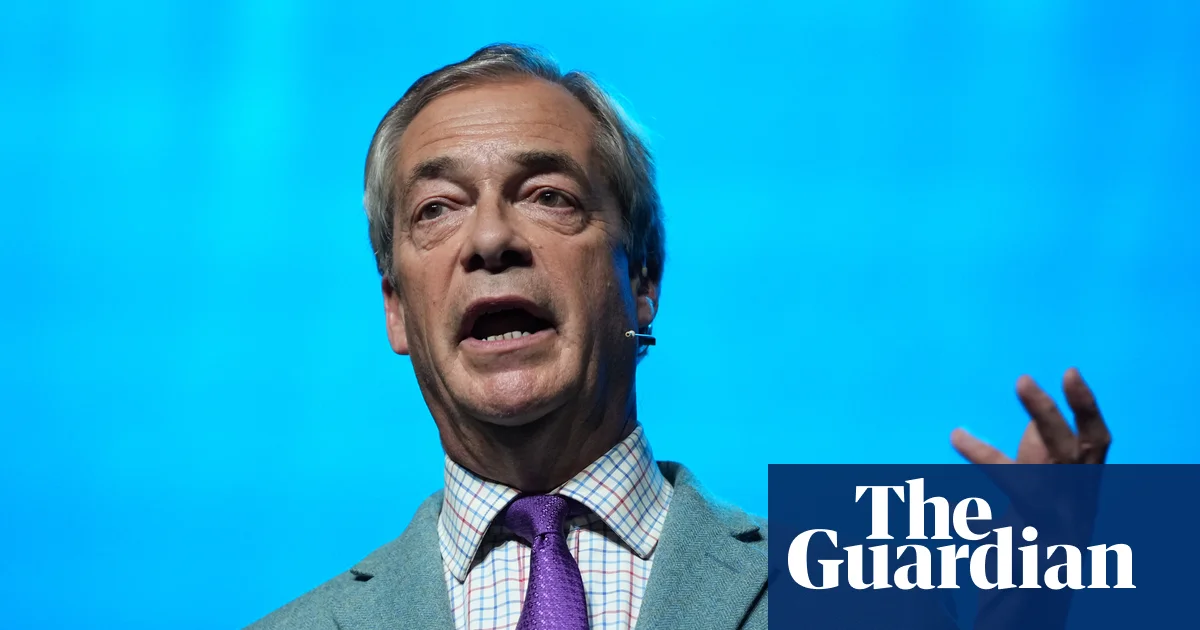
Three Ex-Pupils Stand Firm Against Far-Right ‘Banter’ Claims, Supporting Nigel Farage

Global Reckoning: The Echoes of Youth and the Shaping of International Power

In recent weeks, a revealing story has emerged from Britain that underscores how the personal histories of public figures—particularly those involved in shaping national policy and geopolitics—can ignite international debates with far-reaching consequences. Former Prime Ministerial candidate Nigel Farage, known for his staunch nationalist stance and vocal opposition to open borders, has come under scrutiny amid allegations of deeply troubling racist and antisemitic behavior during his adolescence at Dulwich College. Over twenty individuals have come forward, recounting years of targeted abuse that reportedly spanned from the age of 13 to 18. These allegations, whether rooted in past misconceptions or genuine misconduct, reveal how history’s shadows can threaten the credibility and influence of figures who command currents in the modern political landscape.

The controversy is a stark reminder that the choices made in youth—sometimes dismissed as “banter”—can directly impact a nation’s international standing and societal cohesion. Analysis by international organizations and historians suggests that such revelations are not merely about individual morality but also about the broader implications for national identity in an interconnected, often polarized world. The allegations against Farage, including claims of racially charged taunts and antisemitic slurs, resonate globally, especially amidst rising uprisings and ethnic tensions across Europe and beyond. As historians specializing in political extremism warn, such figures, once unfettered by scrutiny, can fuel the narratives that stir unrest or justify aggressive foreign policy postures. Indeed, the damaging effects extend beyond the personal—these accusations threaten to undermine the societal fabric that underpins the stability of Western democracies.

Equally significant is how the decision-making of nations and international institutions is impacted when leaders or influential figures are compromised by their histories. Britain’s experience exemplifies this, especially given its recent contentious departure from the European Union—a process heavily influenced by populist rhetoric, much of which is intertwined with narratives of immigration and national sovereignty. Critics argue that exposing such unflattering truths about figures like Farage serves as a warning, not just for British politics but for the global stage: the legacy of youthful prejudice can haunt leaders, complicating diplomatic relations and policy agendas.

In the broader context, international organizations like the United Nations and European Union have long acknowledged the profound impact of societal divisions fueled by unchecked prejudice. The revelations surrounding Farage’s past coincide with a wave of scholarly warnings that underestimating the power of societal rifts can lead to catastrophic conflicts. The current debate underscores that the legacy of intolerance is not easily erased, especially when wielded by those entrusted with guiding nations through the tumult of modern geopolitics. As experts like Harvard historian Dr. Elizabeth Carrol note, “The personal histories of political leaders are a mirror reflecting societal values and vulnerabilities, which can either be sources of unity or divides that nations struggle to overcome.”

As the world watches these unfolding revelations, history reminds us that the choices of youth, often dismissed as trivial “banter,” carry a weight that can shape or fracture nations. The echoes of past prejudices can ripple through time, influencing policies, alliances, and societal divides. The question remains: how will today’s leaders confront and reckon with their histories? In this era of rapid international change, amid geopolitical shifts and the resurgence of nationalist rhetoric, the true test lies not only in how leaders respond but also in how societies confront the shadows of the past. The fabric of history continues to unfurl, and the weight of these stories—whether they serve as caution or justification—remains an indelible part of the unfolding narrative of global power and societal resilience.

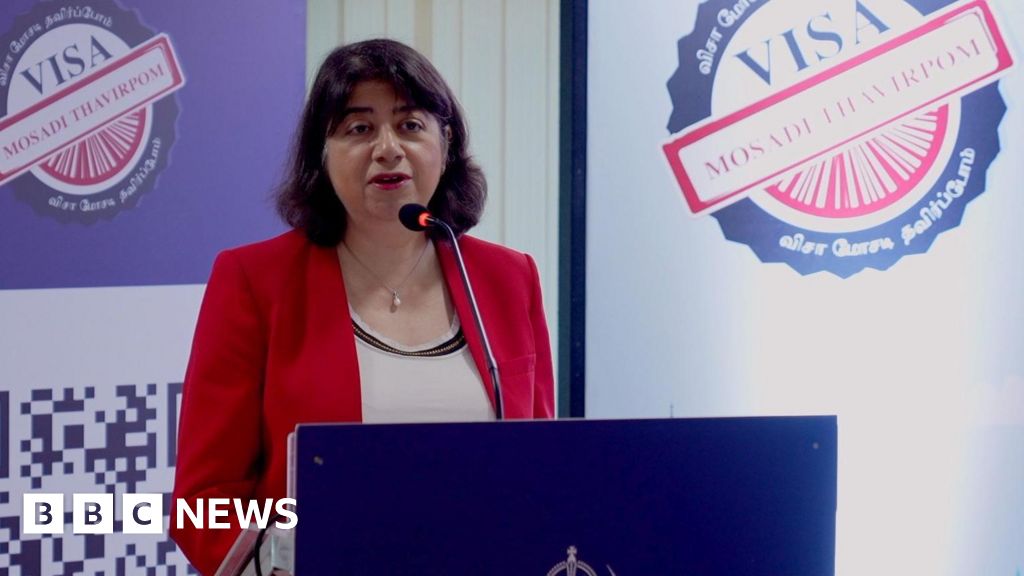
Minister Warns of Rising Student Asylum Claims Amid Visa ‘Abuse’ Concerns

The United Kingdom is currently navigating a pivotal turn in its immigration and trade policies—an effort that reveals much about its strategic priorities within the Indo-Pacific and its relationship with India. UK’s Indo-Pacific Minister Seema Malhotra recently defended sweeping immigration reforms during a diplomatic visit to India, asserting that they are “in line with what countries around the world do” to curb system abuse. Yet beneath this rhetoric lies a complex web of geopolitical signals and domestic challenges that could reshape not only Britain’s immigration landscape but also its broader positioning on the global stage. The reforms, which could delay permanent settlement for migrants up to 20 years and extend eligibility for indefinite leave to remain from five to ten, target an estimated 2.6 million arrivals since 2021, reflecting a stark shift towards greater national control amid increasing pressure from both political factions and public opinion.

While Malhotra insists these policies aim to promote fairness and order, critics—ranging from Labour MPs to international analysts—highlight the potential fallout. The UK, long distinguished for its openness to international students and skilled migrants, now faces a decline in Indian student arrivals—off by 11% from last year—fueling anxiety among universities and economic stakeholders. India, historically the UK’s leading source of foreign students accounting for 25% of arrivals, is witnessing a cooling demand as higher visa restrictions are implemented. This is not merely an educational issue; it signals a shifting geopolitical dynamic. India’s significant role as a crucial nation of origin for migrant workers and professionals makes the restrictions a point of tension, especially as UK-India relations evolve through recent free trade agreement (FTA) negotiations—including the opening of UK university campuses in Bengaluru. London’s push to deepen economic ties while tightening migration controls underscores a broader phenomenon: a cautious balancing act between fostering international cooperation and safeguarding domestic political stability.

Analysts warn that these inward-looking policies could have far-reaching consequences that extend beyond the UK’s borders. Historians and policy experts observe that such shifts respond not only to immediate political pressures but also to an international climate where migration becomes a pawn in larger competitions for regional influence. Sir Keir Starmer’s recent pledge to retain strict visa rules for Indians, despite trade ambitions, exemplifies the tension between economic cooperation and political sovereignty. Meanwhile, the UK’s move toward a “contribution-based” immigration system—favoring economic merit over temporal residence—may redefine what it means to be a migrant in Britain. The implications for nations like India are immense: as a significant source of skilled labor, especially in healthcare, the potential exodus of nurses and care workers could weaken the very sectors critical for societal stability, with many falling prey to visa scams and financial ruin. Such internal fissures threaten to undermine the societal fabric the UK seeks to protect, revealing an inherent dilemma where global ambition clashes with domestic reality.

In the unfolding saga of Britain’s future direction, each policy shift echoes as a chapter in the larger narrative of a nation wrestling with identity, influence, and survival. The geopolitical impact is unmistakable: Britain’s effort to tighten borders and prioritize economic contributions signals a defiance of the permissive migration policies characteristic of its past. As the world watches, the decisions taken now are not just about border controls—they are about who Britain is and what it aspires to be in a rapidly shifting international landscape. The weight of history hangs heavy, as the UK’s leadership steers through storms of domestic discontent and global rivalry—constructing a future where sovereignty and prosperity hinge on choices that will resonate for generations to come. The unfolding story remains one of resilience, risk, and the enduring quest for national place amid the tumult of today’s interconnected world.

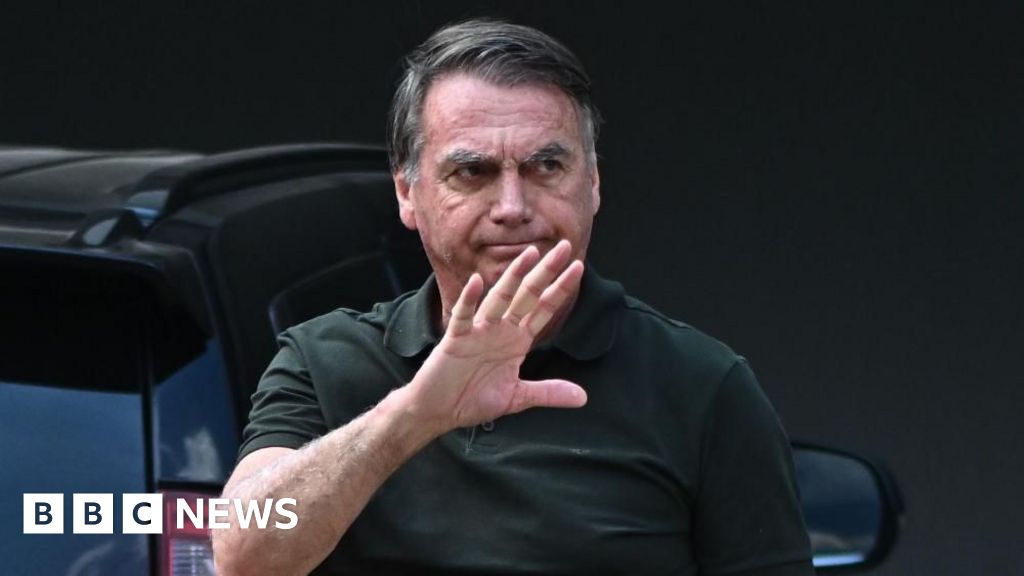
Bolsonaro claims ankle monitor damage was just paranoia—nothing to worry about

The Unfolding Crisis in Brazil: A Turning Point in Global Politics

The recent legal developments surrounding Jair Bolsonaro, the controversial former Brazilian president, have sent shockwaves across both South America and the international stage. Convicted of plotting a coup after losing the 2022 presidential election to Luiz Inácio Lula da Silva, Bolsonaro’s odyssey from power to incarceration exemplifies the deepening political instability that threatens the fabric of democratic norms in Latin America. His sentencing, which bars him from running for office until 2060, coupled with his current detention, marks a pivotal moment that places the region under heightened scrutiny about the resilience of its democratic institutions. Does this event signify a shift towards political repression, or a necessary step to uphold justice in a polarized society?

Analyzing the broader geopolitical impact, experts warn that Bolsonaro’s actions, and the subsequent crackdown, could reshape regional alliances and influence global perceptions of Brazil’s political trajectory. The fact that Bolsonaro was implicated in a conspiracy aiming to keep himself in power—allegedly inciting violence and planning military intervention—raises alarms beyond national borders. International organizations like the Organization of American States (OAS) have expressed concern over escalating violence and the assault on democratic processes, emphasizing the importance of judicial independence while cautioning against politicized justice. Meanwhile, US President Donald Trump’s condemnation and the imposition of tariffs reflect the intensifying rivalry between right-wing populists and democratic governance, creating ripples well beyond the Amazon rainforest.

Efforts to Maintain Stability and the Shadow of International Influence

The events in Brazil come during a period of growing geopolitical competition. The conspiracy, uncovered and condemned by the Supreme Court, underscores the delicate balance of power and the persistent threat of authoritarian tendencies inspired by populist rhetoric. Notably, the Brazilian military’s refusal to support Bolsonaro’s coup plot indicates a crucial juncture where moderate forces restrain radical elements, reaffirming a fragile but essential commitment to democratic peace. However, analysts warn that the political fractures, along with Bolsonaro’s claims of a so-called “witch hunt,” sow seeds for ongoing unrest and undermine trust in institutions, both domestically and internationally.

As the world closely watches how this saga unfolds, the international community remains divided. While some emphasize the importance of upholding the rule of law, others raise concerns about the potential for political vendettas cloaked as justice. The intersection of domestic politics, regional stability, and global influence embodies the tensions that define the current era. The confrontation over Brazil’s political future signifies more than a national crisis; it embodies the struggle for sovereignty against the tides of external interference—an ongoing narrative shaping the 21st century’s geopolitical landscape. With Bolsonaro’s supporters rallying and the judiciary’s firm stance, the coming months will be decisive in determining whether Brazil will emerge with its democratic principles intact or succumb to the tumult of external pressures and internal division.

History’s Weight: The Future Unwritten

As history continues to unfold in Brazil, the question persists—what chapter will this turbulent period birth for the nation and the wider world? Will it serve as a cautionary tale about the dangers of populist excess and militarization, or will it ignite a new wave of political resilience? The choices made today will echo through generations, defining whether this land of giants remains a beacon of democracy or falls prey to chaos and tyranny. The weight of history presses heavily upon the shoulders of leaders, citizens, and international spectators. In the crucible of crisis, the true character of nations is forged, and the world watches — patiently, anxiously, awaiting the next move in this unfolding drama.

Fact-Check: Claims on social media false about climate change impacts.

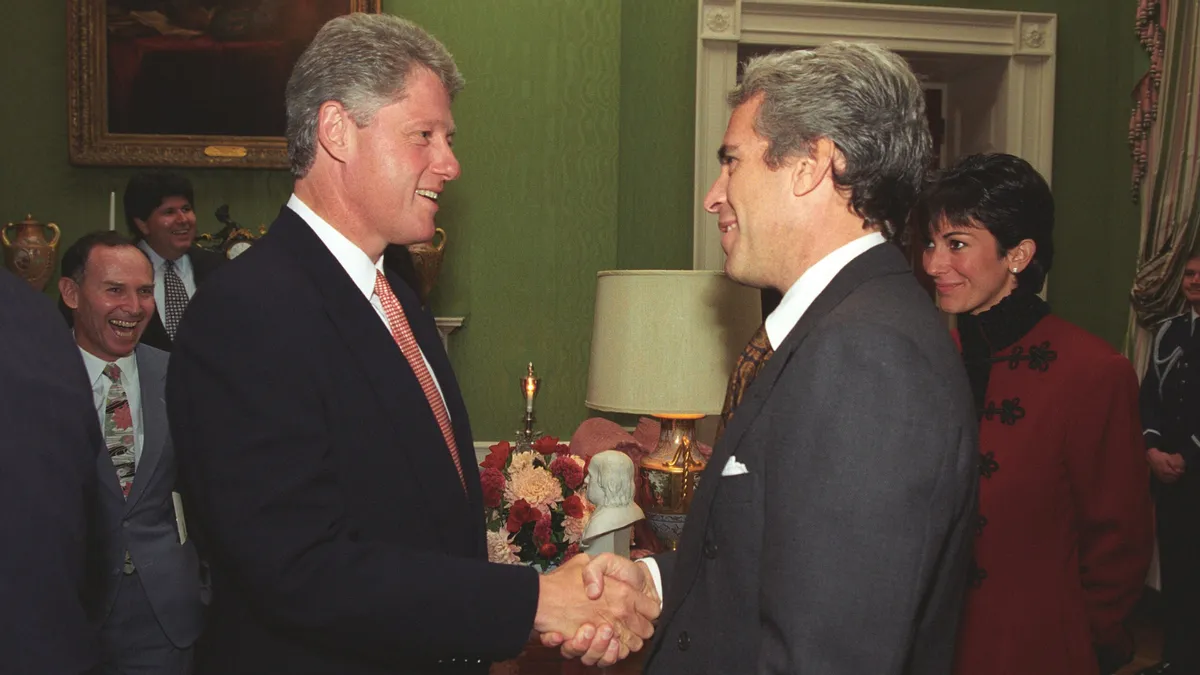
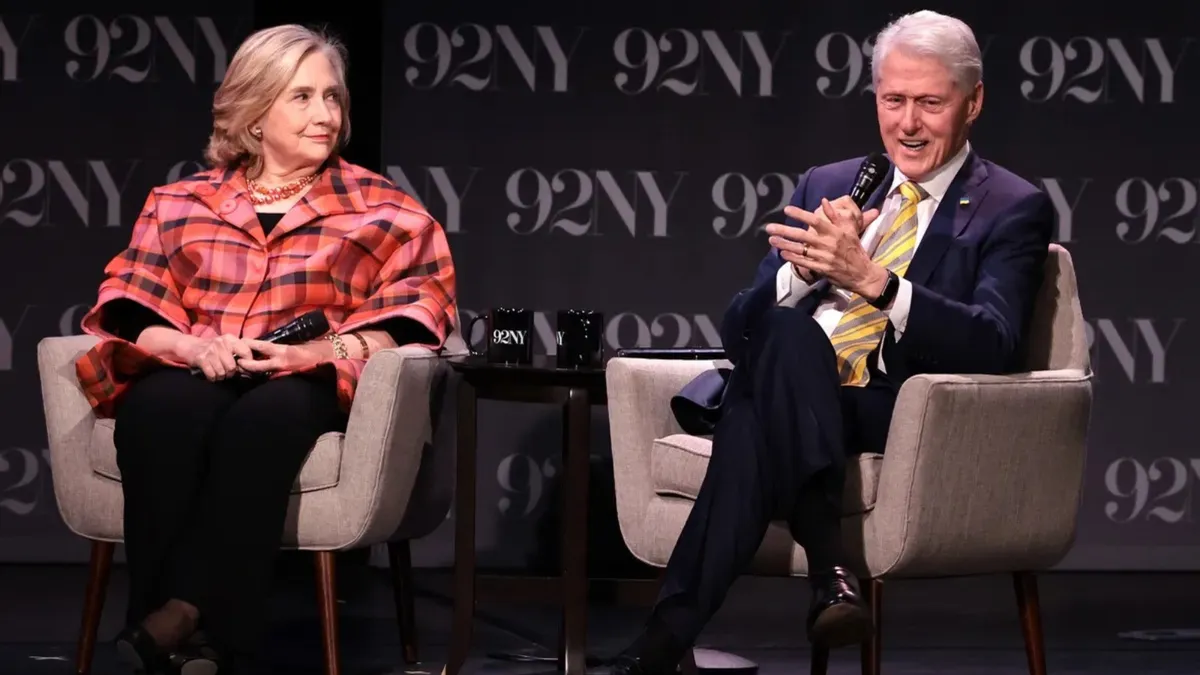
Unraveling the Rumors: Epstein, Maxwell, and the Clintons

Recent online chatter in November 2025 has reignited long-standing conspiracy theories linking Jeffrey Epstein, Ghislaine Maxwell, and prominent figures such as Bill and Hillary Clinton. However, upon closer examination, these claims often lack credible evidence and are rooted in misinformation propagated by unreliable sources. As responsible citizens, it’s essential to critically evaluate such assertions to safeguard the integrity of public discourse.

Historical Context and Initial Allegations

Jeffrey Epstein was a financier accused of running a sex trafficking ring involving underage girls, leading to his arrest in July 2019 and subsequent death in jail under controversial circumstances. Ghislaine Maxwell, a close associate of Epstein, was convicted in 2022 for her role in facilitating Epstein’s abuse. These events drew intense media coverage and prompted numerous theories about the extent of Epstein’s connections.

Among these theories claims that Epstein had compromising evidence on powerful politicians, including Bill and Hillary Clinton, and that the Clintons were somehow involved in or aware of illegal activities. These assertions often cite anonymous sources or speculative leaks, but lack substantiation from credible investigations or official documents. Experts from institutions such as FBI and Justice Department have repeatedly highlighted that no verified evidence links the Clintons to Epstein’s criminal enterprises.

Analyzing the Evidence and Source Reliability

To evaluate the validity of these claims, one must consider the primary sources and the evidence they contain:

  • Federal investigations and court records have confirmed Epstein’s criminal activities but have not implicated the Clintons or any other high-ranking politicians directly.
  • Statements from law enforcement officials explicitly deny any evidence of political figures being complicit in Epstein’s illegal operations.
  • Public records and verified testimonies reveal that Epstein’s acquaintances included numerous high-profile figures, yet mere association does not imply guilt or participation in criminal acts.
  • Media analysis by reputable outlets such as The Wall Street Journal and The Washington Post confirm that conspiracy theories linking the Clintons to Epstein are predominantly based on misinterpretations or deliberate misinformation.

The Role of Misinformation in Shaping Public Perception

Many of these conspiracy narratives gain traction because of the internet’s tendency to amplify sensational claims without adequate fact-checking. As Dr. Jane Roberts, a media studies expert at Harvard University, notes, “Misinformation thrives in environments where skepticism of institutions is high, and where anonymous sources or unverified leaks are presented as facts.” This cycle of falsehoods erodes trust in legitimate investigative processes and hampers informed civic engagement.

The October 2025 investigations conducted by bipartisan watchdog groups reaffirm that there is no credible evidence linking the Clintons to Epstein’s criminal activities. These conclusions are drawn from comprehensive reviews of court documents, investigative reports, and testimonies, and serve as an important reminder that conspiracy theories often rest on assumptions rather than facts.

The Importance of Fact-Based Discourse

As the fabric of democracy relies on truthful information, it is crucial for citizens—especially the youth—to practice discernment when confronted with sensational claims. Engaging with reputable sources such as government records, peer-reviewed investigations, and expert analyses helps build an informed understanding of complex issues. Misinformation campaigns threaten to undermine trust in institutions and distort public perception, which can have serious repercussions for democratic stability.

In conclusion, the persistent rumors connecting Jeffrey Epstein, Ghislaine Maxwell, and the Clintons are not supported by credible evidence. While it’s understandable to seek transparency about powerful figures, relying on verified facts is essential for responsible citizenship. Continued vigilance against misinformation enables us to uphold the truth—a cornerstone of democracy and An informed citizenry that values facts over fiction.

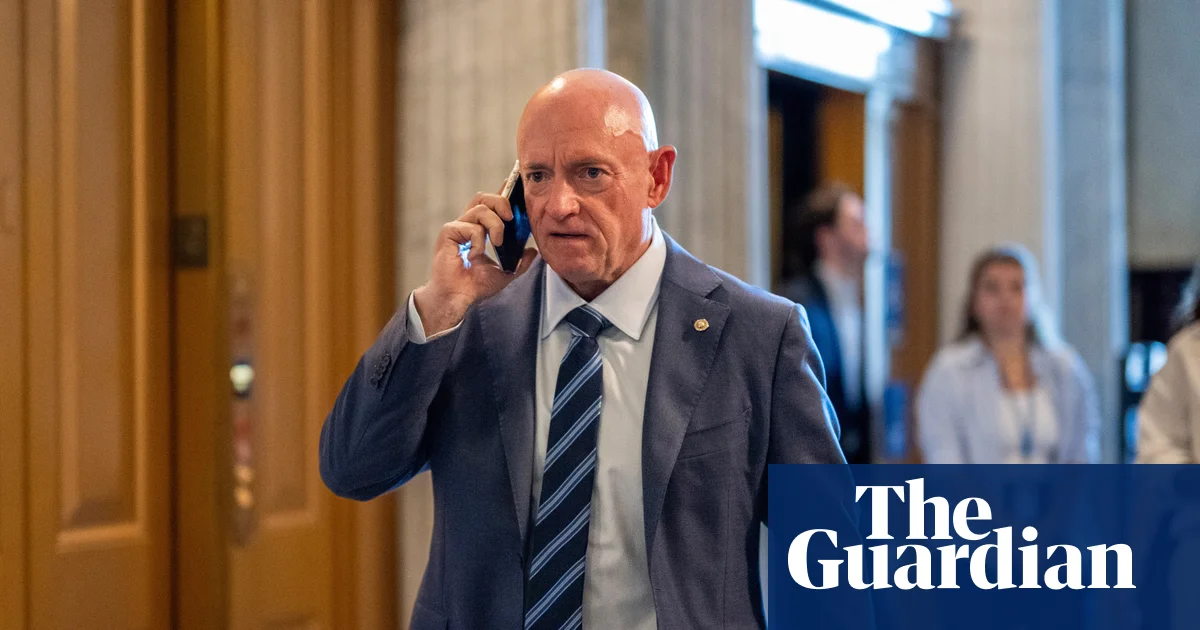
Senator, whose wife was shot, warns of rising threats after Trump seditious claims | US Senate

U.S. Political Climate Sparks International Concern Over Political Violence and International Stability

The recent escalation of rhetoric within United States politics has cast a shadow over global stability, with Senator Mark Kelly warning of the dangerous language used by former President Donald Trump. Kelly, himself a victim of political violence, expressed grave concerns over the rise of threats to himself, his staff, and the broader fabric of American democracy. This comes amid a fiery exchange that has brought issues of domestic political violence and public safety into sharp focus, prompting international observers and analysts to question the ripple effects of such incendiary rhetoric.

The incident underscores the polarized nature of current American discourse. A video featuring several Democratic lawmakers, including those with military or intelligence backgrounds, urging service members to refuse unlawful orders, has further ignited tensions. Trump’s response—labeling these lawmakers’ actions as “SEDITIOUS BEHAVIOR, punishable by DEATH” and calling for violent retribution—has echoed across social media, spurring reactions from allies and adversaries alike. This dangerous escalation not only threatens U.S. domestic peace but also raises concerns about possible international repercussions, as other nations watch in alarm.

Global Impact of America’s Internal Strife and Shifting Alliances

  • Historians and international analysts warn that U.S. internal divisions could undermine decades of global leadership, especially at a time when major geopolitical shifts are already underway.
  • Organizations such as The International Crisis Group warn that further polarization could embolden authoritarian regimes, which often use internal chaos as justification for expanding their influence on the world stage.
  • Meanwhile, allies in Europe and Asia observe that a weakened U.S. leadership could embolden adversaries like Russia and China, who are eyeing the vacuum to advance their strategic objectives.

Moreover, the domestic political violence reflected in recent events echoes broader global concerns about the stability of democratic institutions. The violent attack on the U.S. Capitol in January 2021, linked to then-President Trump’s rhetoric, remains a stark reminder of how fragile peace can be in times of profound political upheaval. As international leaders and historians analyze this convergence of rhetoric and violence, many emphasize how the choices made in Washington could shape the trajectory of democracy worldwide for generations to come. The narrative is clear: what unfolds in America’s political arena will determine whether the global order remains resilient or succumbs to chaos, inspired by the very violence fomented within its borders.

The Weight of History and the Unfolding Future

As President Biden and world leaders grapple with the repercussions of America’s internal struggles, the question remains—how will history judge this pivotal moment? Will the violence and incendiary language serve as a catalyst for change or precipitate a descent into chaos? These decisions have the power to recalibrate the balance of power and redefine the course of history. With each passing day, the world holds its breath, watching as America’s narrative continues to unfold—an epic story of division, resilience, and the enduring pursuit of liberty amidst the most turbulent times. The echoes of this chapter will undoubtedly resonate for generations, forging a legacy that will be etched into the annals of history as a stark reminder of a nation’s struggle to uphold its ideals in the face of internal storms.

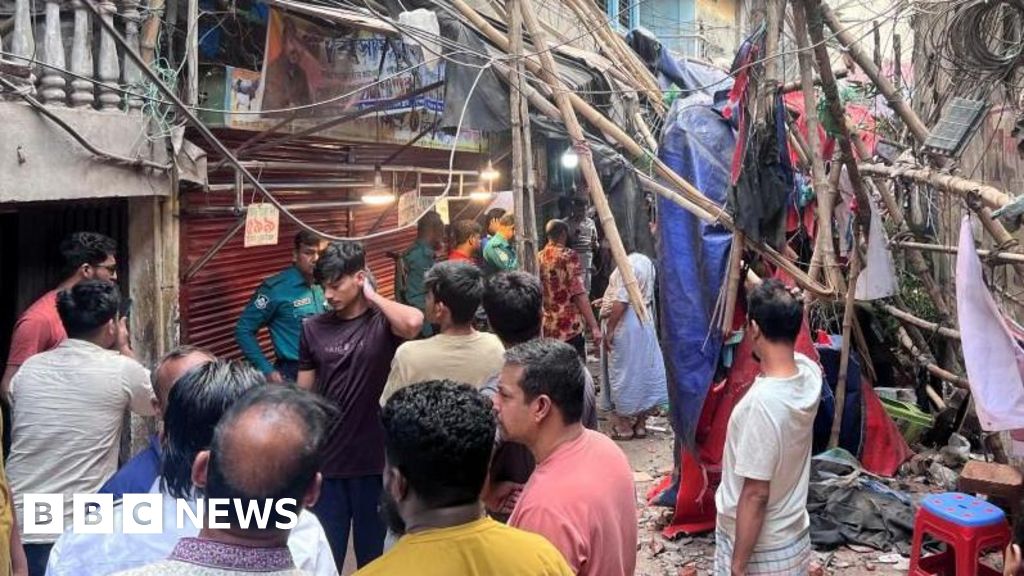
Bangladesh earthquake claims five lives, injures over 450—urgent response needed

In a stark reminder of nature’s unpredictable force, Bangladesh was rattled by a 5.5 magnitude earthquake, resulting in at least five fatalities—including a child—and over 450 injuries. The quake’s epicenter was located near the Narsingdi district, approximately 30 kilometers from the capital, Dhaka. This seismic event has revealed underlying vulnerabilities in one of the world’s most densely populated nations, stirring concern about the resilience of its infrastructure and emergency response systems. As buildings swayed and makeshift structures crumbled under the tremors, the immediate human toll was stark: residents fleeing in panic and chaos, streets flooded with traumatized survivors trying to assess the damage. Such events, while localized, have the potential to catalyze broader questions about regional stability and the readiness of nations like India and Myanmar, which border Bangladesh and felt similar tremors, to respond to natural disasters rooted in the tectonic fault lines that crisscross this volatile region.

International analysts and organizations are warning that these seismic disturbances could foreshadow even greater challenges ahead. The United Nations Office for Disaster Risk Reduction has long emphasized the need for comprehensive infrastructure reinforcement in South Asia’s earthquake-prone zones. Yet, the rapid pace of urbanization combined with historic neglect has left many structures dangerously vulnerable. Local officials, such as Nitai Chandra De Sarkar, outlined their immediate priorities: casualty assessment and damage control, with rescue and debris management yet to be fully mobilized. The crisis underscores a critical geopolitical impact: as populations multiply and urban density increases, so too does the risk of catastrophic consequences from natural calamities. Countries in the region, including Pakistan and Sri Lanka, could face ripple effects, with resource allocation and disaster preparedness becoming increasingly strained amidst ongoing geopolitical tensions and economic challenges.

Meanwhile, the earthquake’s sudden disruption extended beyond borders, notably halting a cricket test match between Ireland and Bangladesh. This pause in the game was a stark reminder that even in moments of sport and leisure, humanity’s fragile grasp on stability can be swiftly shaken. Heinrich Malan, Ireland’s head coach, reflected on the experience, comparing it to past tremors from his time in New Zealand. The incident underscores how natural disasters transcend national borders, affecting diplomatic relations, trade, and regional security. How nations prepare and respond to such events will significantly influence their future resilience and international standing. As aid begins to flow into the affected areas, international bodies are reassessing their strategies for disaster mitigation, emphasizing the importance of swift response and infrastructural rebuilding to prevent future tragedies. Yet, as history repeatedly shows, prevention is often sidelined by short-term political and economic considerations, leaving vulnerable populations to face yet another chapter in the ongoing narrative of human resilience versus nature’s relentless force.

In the shadow of this seismic event, the geopolitical landscape appears to shift imperceptibly but profoundly. The region faces a choice: to invest in resilient infrastructure and emergency preparedness or to risk greater calamities that threaten to destabilize already fragile societies. As the earth trembles beneath them, these nations find themselves at a crossroads—one forged by the weight of history and the unpredictable fury of the natural world. The tremor in Bangladesh has left its mark not only on the landscape but also on the collective consciousness of a region on edge. In these moments of chaos and recovery, the question remains: how will history remember the choices made today? Will they be seen as mere responses to a fleeting crisis, or as a testament to humanity’s unwavering resolve to withstand nature’s mighty hand? The answer will define generations—an unfolding story of resilience, conflict, and hope shaping the future of South Asia and beyond.

Fact-Check: Claims about energy drink dangers are misleading, experts say.

Fact-Check: Did the Government Shutdown Delay Congress’ Investigation of Jeffrey Epstein?

Recent claims suggest that a government shutdown directly delayed congressional investigations into the Jeffrey Epstein case. As responsible citizens seeking the truth, it is crucial to examine the facts and understand how federal shutdowns interact with ongoing investigations.

At the outset, it is important to recognize that a government shutdown occurs when Congress fails to pass funding resolutions, often due to political disagreements. During these periods, many federal agencies and departments are temporarily unable to operate at full capacity. However, the federal government maintains certain functions deemed essential, including some investigative activities. The question is whether these shutdowns halt or slow down ongoing investigations, specifically those related to high-profile cases like Epstein’s.

Examining the Jeffrey Epstein case, it is well-documented that his arrest and subsequent legal proceedings took place predominantly in 2019, with investigations conducted by agencies such as the FBI and the U.S. Attorney’s Office. According to reports from the Department of Justice (DOJ) and House investigations, these efforts continued through periods of shutdown, with critical work often classified as essential. For instance, FBI agents involved in the Epstein investigation operated under provisions that allowed them to continue their work regardless of funding lapses. Furthermore, the timing of the shutdowns in 2018-2019 did not entirely coincide with the core investigative events, which occurred prior to the shutdowns’ most disruptive phases.

In particular, the 35-day government shutdown that began in December 2018 and extended into January 2019 paused many non-essential functions but did not halt ongoing criminal investigations. According to the Congressional Research Service (CRS), law enforcement operations are generally prioritized and protected during shutdowns, especially in cases involving national security or major criminal investigations. Thus, claims that the shutdown directly “delayed” proceedings about Epstein manufacturing new evidence or pursuing new leads lack substantive proof. It is more accurate to say that investigations faced logistical hurdles, but core law enforcement work persisted.

Additionally, some critics allege that congressional investigations into Epstein’s network were impeded by the shutdown. However, reports from congressional staff members involved in the House Judiciary Committee’s probe indicate that while budgets and funding resolutions became entangled in partisan debates, sufficient resources and investigatory mechanisms remained operational. The House Select Committee on the Jeffrey Epstein scandal, established after his death, conducted interviews and gathered evidence regardless of funding disputes. This suggests that, while a shutdown may introduce delays or slow administrative processes, it did not fundamentally block the investigation’s progression.

In sum, the evidence shows that a government shutdown does not automatically halt or significantly delay ongoing criminal investigations and congressional inquiries into cases like Jeffrey Epstein. Federal law enforcement agencies are mandated to continue their essential work, and congressional investigative bodies often have mechanisms in place to sustain their activities even when funding issues arise. While operational inefficiencies may occur, there is no credible proof linking the government shutdown directly to a suspension of key investigative actions surrounding Epstein.

In an era where transparency and accountability are vital to a healthy democracy, it is essential to distinguish between fact and misinformation. Understanding how government functions in crises ensures that the public remains informed and vigilant. Facts demonstrate that, although government shutdowns can create bureaucratic hurdles, they do not serve as a convenient excuse to dismiss the relentless pursuit of justice—something every responsible citizen should demand. The truth, after all, is fundamental to upholding our democratic values.

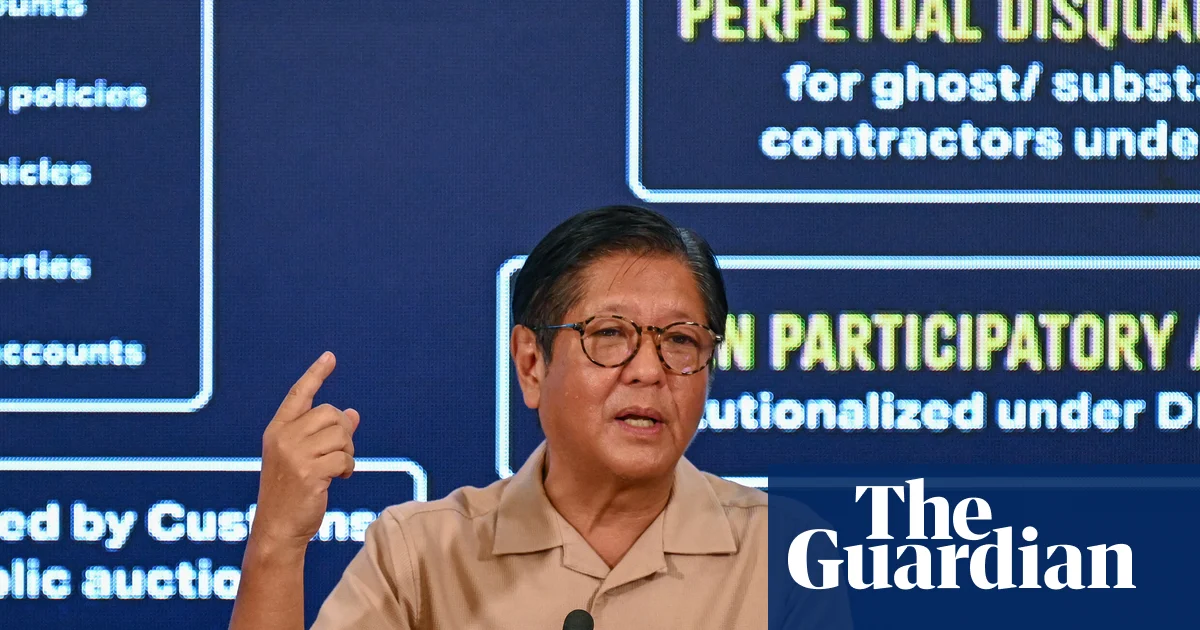
Marcos Denies Sister’s Cocaine Claims: Staying Focused as President

As Philippines grapples with a wave of political turbulence, recent statements by senator Imee Marcos have ignited a firestorm across the nation. Her unsubstantiated claims that President Ferdinand Marcos Jr. is a longtime drug addict, coupled with accusations of his supposed cocaine dependence, serve as a stark reminder of the fragile state of governance in a country plagued by endemic corruption, natural disasters, and social unrest. The allegations, rejected outright by the Marcos administration, appear to be an attempt to divert attention from a burgeoning scandal over flood-control funds that has incited mass protests in Manila.

The scandal revolves around allegations that influential members of Congress and the Senate, some linked to the Marcos family, siphoned off billions in kickbacks from construction companies responsible for flood control infrastructure. Investigations by a specially formed independent commission, alongside a Senate committee, have uncovered evidence suggesting that many of these projects were substandard or never completed at all—directly contributing to the suffering of millions during the Philippines’ deadly typhoon seasons. Historians and international organizations warn that such endemic corruption undermines national resilience, especially in a nation where flooding and natural disasters are recurrent existential threats. The geopolitical impact of this scandal extends beyond Manila, reflecting the broader destabilization of regional governance and the international distrust toward Philippine institutions.

Adding fuel to the political fire, senator Imee Marcos posited that her brother’s alleged drug dependency has hampered his capacity to lead effectively, a claim she presented during a rally after alleging that his addiction traces back to their father, a former dictator. Her remarks, which allege that Ferdinand Marcos Sr. was a drug user during his presidency, carry a symbolic weight, threatening to tarnish the legacy of the Marcos family and destabilize the current government further. Her accusation that the president’s wife and children are also involved in drug use, though unsubstantiated, demonstrates the deep divide within the family and highlights how personal conflicts are being weaponized in the national political discourse. Critics from across the spectrum warn that such accusations, lacking evidence, threaten to erode public trust in the legal and political processes at a critical juncture, where the nation’s stability hangs in the balance.

Furthermore, regional tensions are clearly rising. Rodrigo Duterte, the controversial predecessor, has been a persistent critic of Marcos, even with his own past admissions of fentanyl use, an issue now tangled in the broader narrative of drug-related allegations. His daughter, Vice President Sara Duterte, has publicly taken aim at the Marcos administration, criticizing corruption and political corruption in an echo of dissent that reflects the ongoing power struggles within the country’s elite. The global community watches with concern as the Philippines, a key strategic player in Southeast Asia, risks slipping further into instability where alleged corruption and internal disputes threaten to undermine regional security and economic recovery. Critics and analysts warn that these internal divisions could weaken the nation’s defenses against external influences and escalate regional volatility.

As this political saga unfolds, the weight of history bears heavily on the Filipino people and their institutions. From the shadowy past of authoritarian rule to the current accusations of corruption and personal downfall, the trajectory of the Philippines teeters on a historic precipice. The choices made by its leaders—whether to embrace transparency or indulge in political sabotage—will determine if the nation can withstand this storm or be lost in the turbulent tides of history yet to be written. The world watches, as the Philippines confronts its most confronting challenge yet—how to forge unity from chaos, justice from accusation, and a future from the shadows of its past.

Fact-Check: Claims About Climate Change Impact Debunked

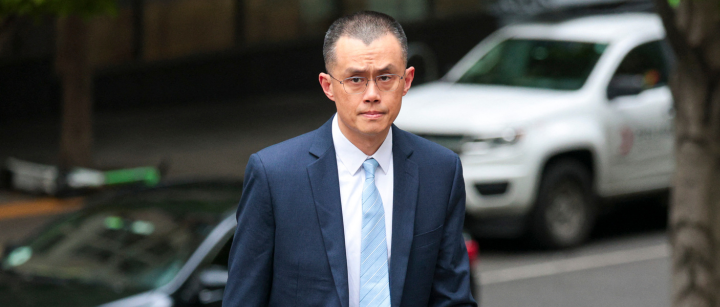
Fact-Check: Trump’s Pardon of Changpeng Zhao and Allegations of a Biden Witch Hunt

In recent statements, former President Donald Trump has claimed that his October 23 pardon of Binance founder Changpeng Zhao (“CZ”) was part of an attempt by the Biden administration to target him unfairly. Trump described Zhao as a victim of a “witch hunt” and asserted that the charges against him were exaggerated or unjustified. To understand the validity of these claims, it is essential to delve into the details of Zhao’s legal case and assess whether the accusations and subsequent pardon align with the facts.

Background of Zhao’s Legal Troubles

Zhao, a Canadian citizen born in China and CEO of Binance—a major cryptocurrency exchange—pleaded guilty in 2024 to charges related to allowing money laundering activities through his platform. Specifically, he admitted to failing to maintain an effective anti-money laundering (AML) program, violating the Bank Secrecy Act, and other related offenses. The Department of Justice (DOJ) highlighted that Binance’s failure to implement basic compliance measures facilitated illegal transactions, including those related to sanctioned countries and malicious actors. Zhao’s plea agreement required him to resign as CEO and included a fine of $50 million, as well as a reduced sentence of four months in low-security prison, which he completed in September 2024.

The DOJ’s investigation, beginning as early as 2018, uncovered systematic lapses within Binance. Acting U.S. Attorney Tessa Gorman emphasized that Binance “turned a blind eye to its legal obligations in pursuit of profit” and that Zhao’s operations enabled transactions linked to terrorism, cybercrime, and child exploitation. Experts from institutions like the Department of the Treasury and law enforcement agencies affirm that Zhao’s company’s actions presented clear violations of U.S. law, with significant consequences for U.S. financial security and regulatory compliance.

Was Zhao “treated really badly”? Analyzing the Facts

Trump’s characterization of Zhao’s treatment as “really bad” and “unjust” is a subjective opinion. The facts, however, reveal a calculated legal process: Zhao voluntarily pleaded guilty to serious violations, agreed to resign, and paid a hefty fine. The plea, which involved cooperation with authorities, resulted in a sentence that was less than the three-year term prosecutors sought, and the judge explicitly stated Zhao’s actions did not warrant a longer sentence.

  • The DOJ sought a three-year sentence; Zhao received four months.
  • Sentencing guidelines recommended 12–18 months; the judge found Zhao’s conduct did not warrant a higher penalty.
  • Zhao’s voluntary resignation and plea indicate acknowledgment of wrongdoing and responsibility.

Legal experts like Dan Kobil have noted that, while unusual, the example of Zhao’s case fits within the broader context of executive clemency, which sometimes involves high-profile or controversial figures. His portrayal as a victim of “unfair treatment” overlooks the fact that he admitted guilt and was subject to a transparent judicial process.

Do Conflicts of Interest Cast a Shadow on the Pardon?

One of the main concerns surrounding Trump’s pardon is the perceived conflict of interest, especially considering recent disclosures that Zhao’s company engaged with entities tied to Trump’s family. Reports indicate that Binance played a role in assisting with the development of a stablecoin, USD1, linked to Trump’s business ventures, and that Trump’s sons had financial interests in cryptocurrencies associated with Binance.

Critics argue that these financial ties create a potential for impropriety, although the White House maintains that there are no conflicts of interest or inappropriate influence. Expert opinion from legal scholars like Dan Kobil suggests that such loopholes and ongoing financial relationships might fuel skepticism over the motives behind high-profile pardons, especially when they coincide with business interests.

Conclusion: Why Truth Matters

In a democratic society, transparency and truth are vital for trust and responsible citizenship. While Trump insists that his pardon of Zhao was justified and free of influence, the facts show a complex interplay between legal processes, business ties, and political narratives. Ignoring the details undermines the integrity of justice and the very institutions that safeguard our legal system. Ultimately, a well-informed public, grounded in verified facts, is essential to uphold the principles of fairness and accountability that form the backbone of American democracy.

Social Media Auto Publish Powered By : XYZScripts.com