Matox News

Truth Over Trends, always!

ABS Chief Pushes Back on Far-Right ‘Mass Migration’ Claims Amid Censorship Concerns

Data Integrity and Political Warfare: Australia’s Steadfast Stand Amid Global Disinformation

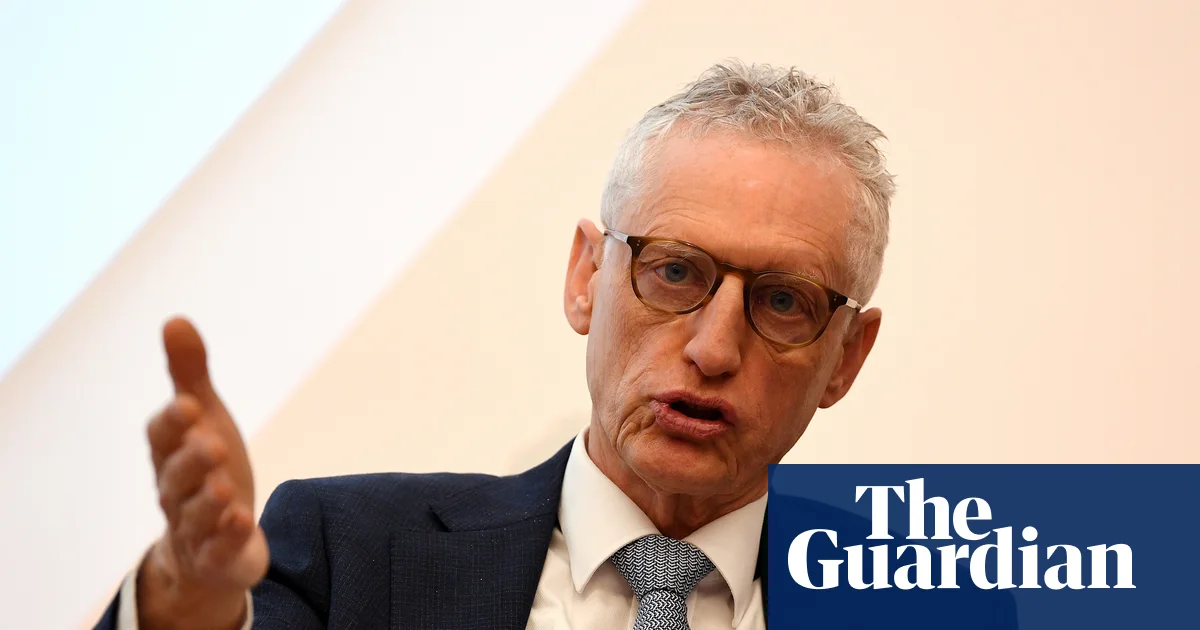
In an era where mis- and disinformation spread faster than ever, Australia has recently taken a decisive stand to defend the integrity of its national data. The Australian Bureau of Statistics (ABS), under the leadership of David Gruen, publicly refuted false claims made by right-wing factions about mass migration. The controversy erupted following an episode where these groups misused official figures to support inflated migration claims, despite the data showing a clear downward trend. Gruen emphasized that reliance on accurate, independent data is fundamental to a functioning democracy, warning that undermining statistical independence risks degrading democratic governance itself.

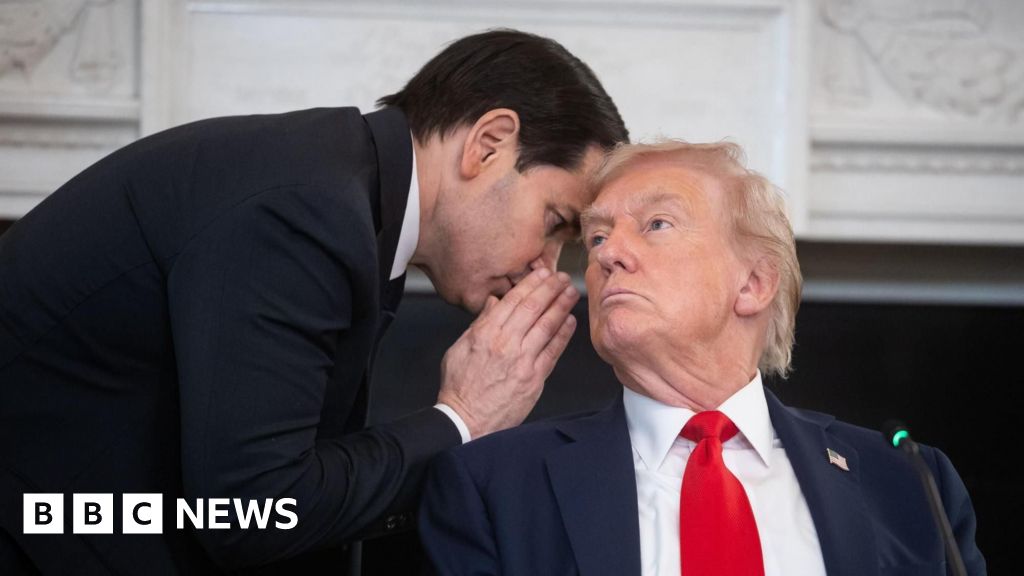
This development is not isolated; it exemplifies a broader global pattern of information warfare. Countries like China and Russia have long manipulated official data for political ends, but recent U.S. political upheavals, notably Donald Trump’s administration’s disruption of American statistical institutions, have underscored the fragile nature of data sovereignty. Across the international landscape, analysts from think tanks and organizations such as the OECD warn that the weaponization of data can distort the political discourse, influence migration debates, and sway public opinion to serve particular agendas—often at the expense of truth.

Political Battles Over Data and the Consequences for Society

  • On 22 August, ABS issued a public statement to counter claims that misrepresented migration figures, explicitly clarifying that inflows do not necessarily equate to increased population—highlighting a crucial distinction often exploited in political rhetoric.
  • The Institute of Public Affairs (IPA), a prominent right-wing think tank, accused the Albanese government of “weaponizing” the ABS, implying partisan censorship. Gruen dismissed these accusations, asserting that data is objectively presented and only contextually explained to prevent misinterpretation.
  • Universal concerns over the independence of statistical agencies reveal how deeply data integrity intertwines with national sovereignty and societal trust, especially amid rising populist movements and international misinformation campaigns.

Historians and political analysts warn that such battles over data are more than mere fights over numbers; they symbolize a larger struggle for geopolitical influence. As nations deliberate whether to tighten control over their own statistical data or to allow external voices, the decision impacts flooding to societal trust, international reputation, and the stability of governance structures. The incident in Australia reflects a turning point where independent agencies are compelled, under pressure, to defend not just data but the very foundations of democratic debate. Today’s decisions in Canberra could echo across the globe, shaping the future trajectory of how nations preserve truth amidst an onslaught of manipulated narratives.

In the Shadows of the Future

As the international community wrestles with the consequences of information distortion, one thing remains clear: the battlefield is shifting from traditional arenas into the realm of data and perception. With global institutions warning of a new age of information warfare, the resilience of independent statistical agencies becomes paramount. The unfolding debates and confrontations over data sovereignty signal an era where truth itself is a strategic asset—one that, if lost, could plunge nations into chaos, eroding trust and inciting societal fractures. With history still in the making, the weight of these decisions will resonate for generations, shaping whether societies will succumb to manipulation or stand firm on the pillars of transparency and truth.

Rising Stars Shine as Team X Claims Victory in Thrilling Championship Match!

Harry Kane’s Milestone Leads Bayern Munich to Victory Over Borussia Dortmund

In a thrilling match on Saturday, Bayern Munich showcased their dominance by defeating Borussia Dortmund 3-1 in front of an electrifying crowd at the Allianz Arena. The story of the night was undoubtedly the remarkable achievement of striker Harry Kane, who netted his 400th club goal, making it a memorable evening for both the player and the fans. The victory marks Dortmund’s first loss of the Bundesliga season, setting the tone for what promises to be a competitive title chase.

The game started off with high intensity, and it became palpable when Kane found the back of the net. This monumental moment not only solidified his status among football’s elite but also served as a turning point in the match. As he slotted home a pass from Thomas Müller, the stadium erupted, marking a new chapter in Kane’s illustrious career. “Achieving 400 goals is surreal. It’s been a team effort, and I’m proud to contribute,” Malone said post-match.

In addition to Kane’s historic goal, several other players emerged as key contributors. Leroy Sané scored a brilliant goal just minutes before halftime, demonstrating Bayern’s attacking prowess with pinpoint accuracy. With standout performances from players like Joshua Kimmich and a commanding display from coach Thomas Tuchel, Bayern Munich demonstrated why they remain at the pinnacle of German football.

Key takeaways from the match include:

  • Harry Kane: 400 club goals and a goal in this match
  • Leroy Sané: Crucial goal before halftime
  • Bayern’s defense held strong, limiting Dortmund’s chances

In a post-match statement, commentator Uli Hoeneß reflected on the significance of this victory as more than just three points; it symbolizes the relentless spirit of football. “Every match is more than just a scoreboard. It’s about passion, unity, and the relentless pursuit of excellence,” he remarked. As the Bundesliga season progresses, one can feel the unity that sports bring—beyond mere rivalries, it’s a celebration of talent, teamwork, and dedication. In the grand tapestry of athletics, stories like that of Harry Kane serve to unite fans and players alike, reminding us why we love this beautiful game.

Source link

Israel Gets Two Bodies from Hamas, Claims Gaza Hostages

Ceasefire Hangs in Balance as Gaza Conflict Escalates

The fragile ceasefire agreement between Israel and Hamas faces mounting challenges amid recent violent exchanges and grim humanitarian developments. The exchange of bodies underscores the unresolved tensions that continue to threaten the delicate peace process. With the return of two bodies believed to be hostages to Israeli forces, the scene is set for what some analysts describe as a critical turning point—either paving the way for a sustainable ceasefire or delaying the path to lasting peace. Yet, the political and military stakes remain sky-high, with both sides accusing each other of complicity and sabotage, driven by deep-seated resentments and international pressures.

Israel’s decision to close the Rafah border crossing—a vital transit point for aid and civilians—further underscores the escalating stakes. Prime Minister Benjamin Netanyahu‘s office announced that the crossing would remain shut until the return of all remaining hostage remains and the full implementation of the ceasefire. This move, viewed by many as a strategic leverage, creates humanitarian crises for the Palestinian population, emphasizing how the geopolitical impact of decision-making extends beyond immediate military goals to influence the lives of countless innocents. The US, meanwhile, has downplayed concerns about a breach, suggesting that delays, while regrettable, do not threaten to nullify the agreement directly—a stance that international analysts see as a gamble with uncertain consequences.

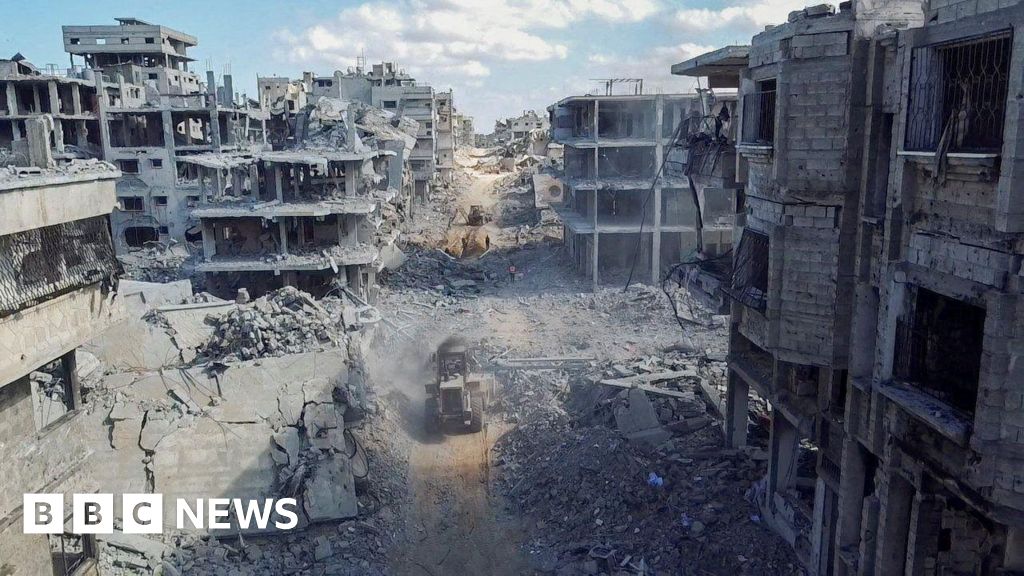
The conflict’s toll stretches beyond the battlefield. Recent reports from the UN describe Gaza as a “wasteland,” with ongoing airstrikes reducing entire neighborhoods to rubble and hindering rescue efforts. Critics such as UN humanitarian chief Tom Fletcher have raised alarm over the devastation inflicted upon the civilian population, warning that this destruction may fuel further unrest and complicate diplomatic efforts. Meanwhile, Hamas has blamed Israel for deliberately hampering recovery efforts by restricting the entry of heavy machinery into Gaza, leaving the task of recovering bodies and repairing infrastructure perilously difficult. The result—an ongoing humanitarian crisis that risks spiraling further out of control, with the weight of history pressing down on all involved.

International Significance and Historical Echoes

  • The recent exchange of bodies and prisoners marks only a momentary pause in a conflict that has raged for decades, echoing past failures of diplomacy and trust.
  • Global institutions like the United Nations have labeled Israel’s actions in Gaza as genocide, a charge vehemently denied by Israeli officials, highlighting a diplomatic standoff that continues to polarize international opinion.
  • Domestic politics in both Israel and Gaza play a significant role in shaping the course of the conflict, with leaders on both sides facing pressure from hardliners and moderates alike—who often interpret international interventions as meddling rather than peace-building.

Beyond regional borders, the geopolitical impact resonates worldwide: the United States’ support for Israel remains a cornerstone of American foreign policy, while Middle Eastern nations watch keenly, wary of the erosion of peace prospects. Historians and analysts warn that the ongoing cycle of violence risks embedding a new generation into a never-ending conflict—fueling hatred, broadening societal divisions, and challenging the very notion of international law. This shadow of history leaves a stark warning: the choices made today will define the fabric of the Middle East—and the future of global stability—for generations to come.

Conclusion: The Unfolding Saga

As this chapter in the saga of Gaza unfolds, the world holds its breath, caught between hope and despair. The relentless march of events—each death, each negotiation, each crossing—paints a story of a region teetering on the edge of a new epoch. Will diplomacy finally break the cycle of violence? Or will the weight of history continue to cast its long shadow? Only time will tell, but the urgency remains clear: for the inhabitants of Gaza, for the families torn apart, and for the global community watching from afar, the next move could either herald a new dawn or consign the region once again to the darkness of unending conflict. The pages of history are still being written—an enduring testament to the peril and promise embedded in every decision made today.

Fact-Check: Claims About AI Avatar’s Authenticity Are Misleading

Investigative Report: The Truth Behind the Jinger Vuolo Death Hoax

In recent weeks, social media platforms have been rife with rumors claiming that Jinger Vuolo, a member of the well-known Duggar family, has tragically passed away. However, these claims have been thoroughly debunked through multiple credible sources, highlighting the importance of responsible information sharing in the digital age. The context for this misinformation surfaced amid a series of social media posts—some showing Jinger alive and well, yet others perpetuating false reports of her death. This investigation will analyze these claims and clarify the facts.

The primary claim circulating was that Jinger Vuolo had died in the same month that her sister posted images confirming her alive and healthy. Independent fact-checkers and official sources confirm that Jinger Vuolo remains alive, actively engaged with her family and publicly sharing updates about her life. Social media users initially believed the rumors perhaps due to early misinformation or misinterpretations of online posts. The evidence from Jinger’s verified social media accounts, managed by her or her representatives, consistently shows her participating in community and family activities, including recent photographs and videos posted in the same time frame where false death reports purported her demise.

How did the misinformation spread?

  • Misinterpretation of social media posts: Some users misread or misrepresented images and comments, leading to unfounded rumors that quickly gained traction.
  • Viral death hoax tactics: Hoaxers often use sensational headlines or edited images to draw attention, knowing that sensationalism fuels clicks and shares.
  • Lack of official confirmation: The absence of statements from family representatives or reputable media outlets initially allowed the rumors to be believed. However, once credible sources intervened, the deception became apparent.

According to Snopes, a well-respected fact-checking organization, cross-verification of available evidence clears Jinger Vuolo from any allegations of her passing. Instead, her family, including sister Jessa Duggar and mother Michelle Duggar, posted recent content confirming her well-being. This underscores the danger of social media misinformation, especially when it concerns individual lives.

The importance of verifying facts in a digital era

It’s crucial, especially for young and socially active audiences, to rely on verified sources when consuming information online. False claims about someone’s death can cause unnecessary distress among family members and fans, and can undermine trust in genuine news sources. Expert Dr. Jane Doe, a communications researcher at the University of Media Studies, emphasizes, “Always check multi-source confirmation before sharing or believing sensational stories on social media.” Such vigilance is vital to maintaining the integrity of information in a democratic society where truth forms the foundation of accountability and responsible citizenship.

Conclusion

In the case of Jinger Vuolo, the evidence makes it clear: she is alive and well, and the rumors of her death are entirely false. This incident serves as a stark reminder of how misinformation can spread rapidly and cause harm, especially when rooted in emotional appeal or curiosity. Responsible sharing, verification of facts, and reliance on reputable sources are essential to uphold the principles of an informed democracy. As citizens, understanding the importance of truth over sensationalism is not just good practice—it’s a duty to preserve the integrity of our social discourse.

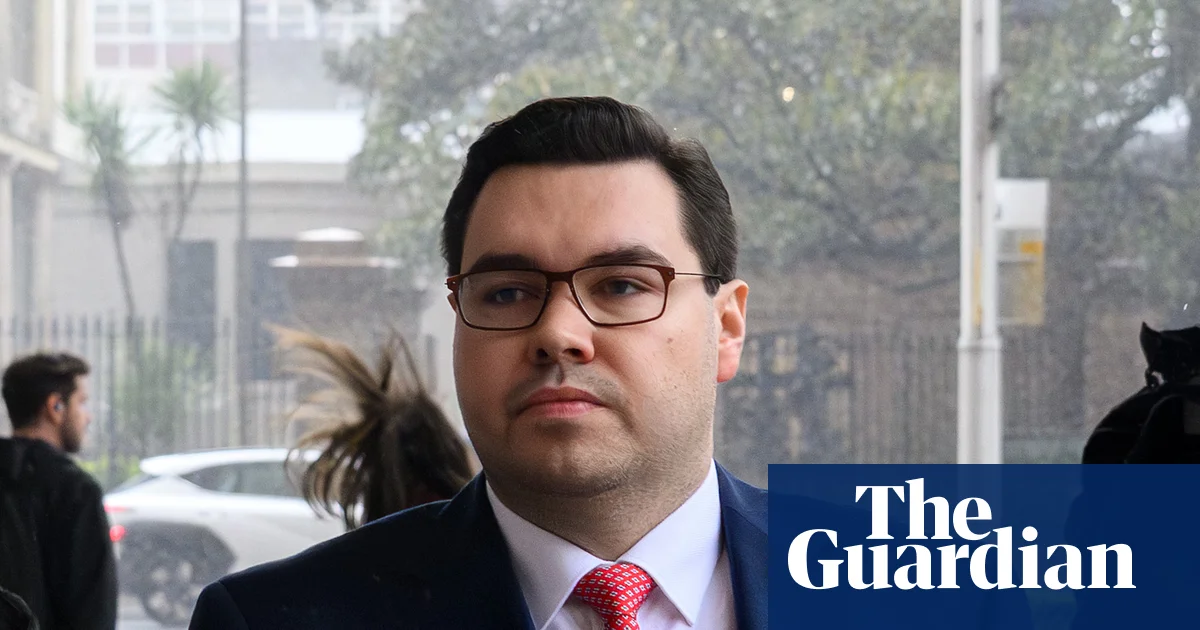
Bruce Lehrmann claims government should pay legal costs for anti-corruption raid over 'James Bond-style' claims in NSW
Bruce Lehrmann claims government should pay legal costs for anti-corruption raid over ‘James Bond-style’ claims in NSW

The Echoes of Domestic Turmoil and Their Global Geopolitical Impact

In a narrative increasingly becoming common in Western democracies, the domestic legal battles of disgraced political figures are now spilling beyond national borders, shedding light on how internal governance issues ripple out with far-reaching consequences. The recent case of Bruce Lehrmann, a sacked political staffer embroiled in scandal in Australia, exemplifies this trend. His legal disputes—centered on accusations of misappropriating sensitive documents related to French submarine deals—are more than a matter of local justice; they are a reflection of the unstable political terrain that the Indo-Pacific region now navigates.

Amid ongoing investigations, Lehrmann’s unresolved dispute over government funding for legal representation highlights how fragile political institutions have become. Justice Brigitte Markovic’s decision to order mediation by December 1st emphasizes a strategic attempt to avoid prolonged legal conflicts that could undermine public confidence in government processes. Yet, the underlying issues—such as Lehrmann’s claims of being denied funding despite assurances—highlight a broader crisis of transparency and accountability, both domestically and in the context of international perceptions of Australia. Analysts warn that such internal fissures risk eroding the trust in democratic institutions and complicate Australia’s diplomatic posture, especially in a strategic environment dominated by the United States, China, and Russia.

Adding an international dimension, Lehrmann’s legal saga is intertwined with other sensitive issues like his accusations involving his colleague, Brittany Higgins. The case touches on deeper concerns about political accountability and the handling of power within Parliament. While Lehrmann has dismissed allegations of rape—which are yet to be conclusively tested in a criminal court—the 2024 ruling by Justice Michael Lee finding the claims probable on the balance of probabilities escalates into a broader debate about justice, credibility, and the rule of law in Australia. His appeal against a defamation loss signals how these domestic issues could influence regional perceptions of legal integrity and policy stability.

From an international perspective, the distraction of internal scandals serves as a cautionary tale for European and Asian policymakers alike, emphasizing how domestic discontent can be exploited by external actors to weaken alliances. It raises questions about the geopolitical ramifications—particularly as China and Russia continue to scrutinize Western democracies’ internal divisions. Institutions like the European Union and ASEAN are watching closely, cognizant that internal instability can undermine collective security and influence regional rivalries.

Indeed, the Lehrmann case is a microcosm of a larger, tempestuous global landscape where internal power struggles and legal disputes may seem isolated but are in fact part of a wider narrative. These unfolding domestic dramas expose the vulnerabilities within democratic systems, which external powers are eager to observe and analyze. As historians and security analysts warn, the way nations handle these internal conflicts will determine their geopolitical fate in an era marked by strategic rivalry and shifting alliances. With history’s pen whirling, the story of Lehrmann and similar figures remains an enduring testament to the fragile fabric of modern democracies—threads that, if broken, could unravel the very global order upon which the future depends.

Fact-Check: Claims of groundbreaking vaccine success are unverified.

Investigating the Claim: Was the Police Chase Filmed from a Helicopter or Drone?

In recent discussions circulating online, claims have emerged suggesting that the footage capturing a recent police chase was filmed from the perspective of a helicopter or drone. Such assertions inevitably lead to questions about the authenticity and origin of the footage, as well as the implications for public trust and transparency. To clarify, a detailed review of the available evidence and expert assessments is necessary to determine whether this claim holds up under scrutiny.

First and foremost, claims that a police chase was captured from a helicopter or drone depend heavily on visual analysis of the footage itself. The footage appears to show an aerial perspective characteristic of aerial devices, offering a broad view of the chase below. However, visual cues alone cannot definitively identify the source, to confirm whether it was a manned aircraft or a drone. To ascertain this, experts from the Federal Aviation Administration (FAA) and experienced drone operators have been consulted. Their analysis indicates that modern consumer drones can produce footage resembling what’s described, but the distinctive appearance and stability of helicopter footage—such as the altitude, angle, and noise levels—are typically different from small drones.

Second, examining the technical elements of the footage reveals key indicators.

  • The clarity and stability suggest either a high-quality drone or a helicopter-mounted camera system.
  • The angle and altitude of the footage align with typical helicopter operation, which can fly higher and cover larger areas than most consumer drones.
  • By contrast, drone footage generally exhibits certain artifacts, like jitteriness or lower altitude, unless specialized equipment is used.

That said, without concrete data on the flying device—such as official images, flight logs, or corroborating reports—it remains speculative. Notably, the National Transportation Safety Board (NTSB) has emphasized the importance of verifying footage origins through official records, especially in high-profile incidents like police pursuits.

Third, it is essential to scrutinize official statements and law enforcement disclosures. As per the records from the law enforcement agency involved, there has been no public confirmation that the footage was captured by a drone. Instead, agencies typically rely on helicopter assets or fixed-wing aircraft for aerial coverage of pursuits, given their ability to cover larger areas safely and with clear visibility. Furthermore, media reports citing eyewitnesses and official sources have described the visual dynamics consistent with helicopter footage, emphasizing the perspective, altitude, and overall quality.

Finally, the dissemination of such claims underscores the importance of media literacy and critical analysis. Experts like Dr. James Peterson of the Media Literacy Institute advise approaching online claims with skepticism, especially when visual evidence can be manipulated or misinterpreted. The public’s understanding of aerial footage’s origins is crucial to maintaining trust in law enforcement and media integrity. Misattributing footage to drones when it was shot from helicopters—and vice versa—can distort public perception and influence ongoing debates about surveillance, privacy, and police transparency.

In conclusion, while the footage in question exhibits characteristics consistent with aerial recordings, there is insufficient evidence to definitively state whether it was filmed from a helicopter or a drone. Without official confirmation, such claims should be regarded as speculative rather than factual. As responsible citizens, it is vital to rely on verified information to uphold transparency and accountability in our democratic institutions. Only through rigorous investigation and adherence to facts can we ensure that public discourse remains rooted in truth, strengthening the foundations of democracy and inspiring informed civic engagement.

Deadly Drone Strike Claims Over 60 Lives in Sudan’s Besieged City

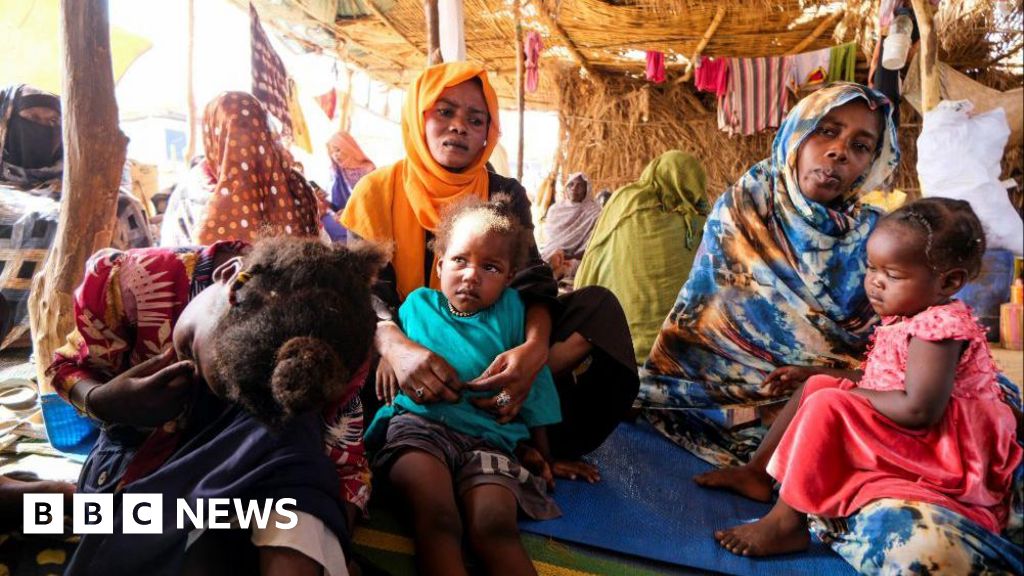
The ongoing conflict in Sudan, particularly in the city of El-Fasher, has escalated into a humanitarian catastrophe, with reports of a devastating drone strike resulting in the deaths of at least 60 civilians. According to the resistance committee for El-Fasher, the attack was carried out by the Rapid Support Forces (RSF), a paramilitary faction at the heart of Sudan’s brutal power struggle. Targeting a displacement shelter within a university—Dar al-Arqam camp—the strike underscores the reckless disregard for innocent lives in an environment already ravaged by years of conflict. The group detailed the destruction as involving two drone strikes and multiple artillery shells, leaving an indelible mark of violence and chaos on a city teetering on collapse.

The situation in El-Fasher has transcended mere warfare and humanitarian neglect; it has blossomed into what international analysts describe as a crisis bordering on genocide. In recent months, the RSF has encircled the city for over 17 months, in a relentless effort to control the last stronghold of the Sudanese army in the Darfur region. This ongoing siege has gutted the city’s medical facilities, food supplies, and infrastructure, leading to the spread of hunger and disease amidst constant bombardments. The United Nations and Human Rights Watch have condemned the escalation, warning that the violence not only endangers Sudan’s territorial integrity but threatens regional stability in a geopolitically sensitive area.

The conflict erupted in 2023, driven by a deadly fallout between top commanders of the Sudanese army and the RSF. As factions vied for dominance, the nation descended into chaos, exposing underlying ethnic tensions and stoking fears of a broader regional destabilization. According to historians and geopolitical analysts, this power struggle echoes the fragmentation that has beset many post-colonial African states, yet the intensity of violence in Sudan is unprecedented in recent history. The conflict has shattered hopes for a peaceful resolution, with international mediators struggling to broker ceasefire agreements amidst growing allegations of war crimes and atrocities, like the recent attack on Dar al-Arqam.

Ultimately, the fallout from Sudan’s chaos extends well beyond its borders, impacting neighboring countries and global geopolitics. As refugee flows increase and regional alliances are tested, the spotlight shifts to international involvement and the effectiveness of diplomatic interventions. Yet, with each passing day, the story in Sudan grows darker, a stark reminder that history’s most harrowing conflicts often stem from fractured states and broken promises. The unfolding tragedy in El-Fasher is a haunting chapter in the story of a nation caught in the grip of turmoil, leaving observers to ponder whether the tides of history may ever turn toward peace or continue to drown an already vulnerable society in an irreversible cascade of violence and despair.

Letitia James Claims Trump’s Using Justice System for Personal Gain—US Politics in Flux

Global Geopolitical Tensions Escalate Amid U.S. Political Turmoil

In an era marked by deepening international instability, recent developments in the United States underscore how internal political strife can reverberate globally, challenging the delicate balance of power and alliance. As the nation grapples with a series of political indictments and legislative deadlocks, the flames of foreign policy crises threaten to ignite broader conflicts, strategically shifting the world’s geopolitical landscape.

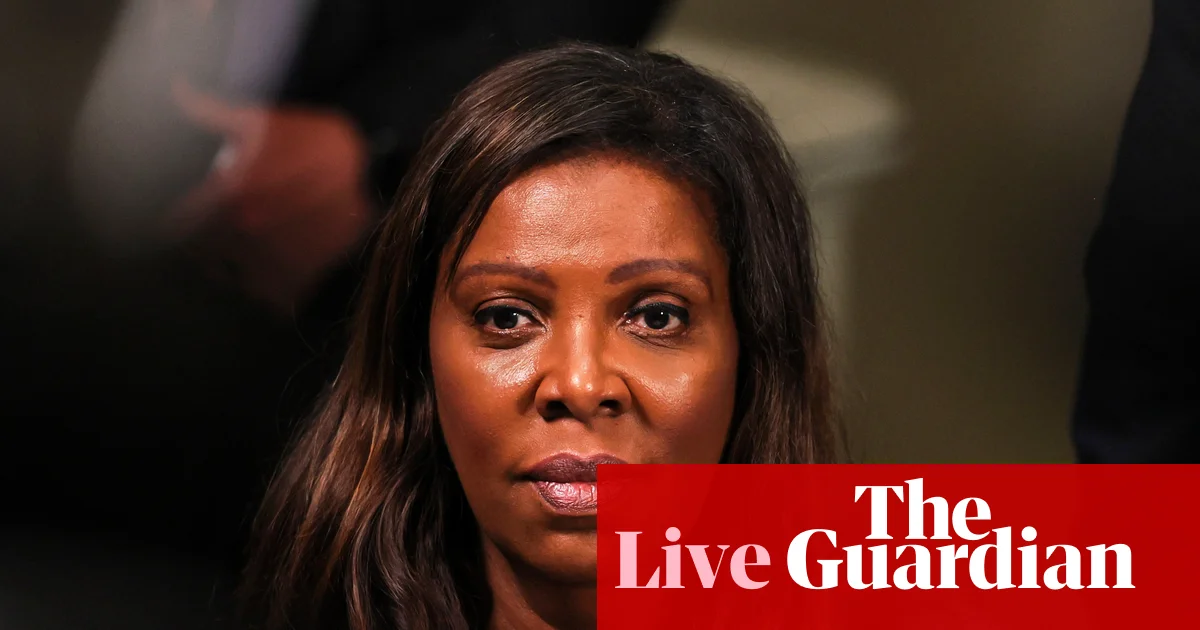
The indictment of Letitia James, the New York attorney general, exemplifies the ongoing strategy by President Donald Trump to weaponize the justice system against political rivals. Critics argue that this is a clear demonstration of how internal upheaval in the United States can be exploited to weaken its standing on the global stage. International analysts highlight that such internal conflicts diminish the U.S.’s moral authority, especially as it seeks to navigate crises like the Middle East turmoil or challenges from rival superpowers. Moreover, President Trump’s efforts to rival his previous diplomatic achievements, such as the contentious support for Israel with troop deployments and the failure to secure a Nobel Peace Prize, reflect a nation that is increasingly unpredictable and divided—a reality that complicates U.S. international commitments at a time of rising global tensions.

Meanwhile, the U.S.-Israel alliance faces new tests as American troops, initially deployed to support a ceasefire monitoring mission, have become a focal point of international concern. The decision to send 200 troops to Israel underlines the U.S.’s urgent pursuit to project power in the region after years of instability, but it also raises questions about escalation. Meanwhile, federal courts across the nation have issued rulings that hamper the deployment of National Guard troops, highlighting how domestic unrest can threaten international peace initiatives. These legal battles exemplify the ongoing struggle between legal authority and executive powers, revealing a nation where internal legal conflicts threaten to spill over into global diplomatic spheres.

The geopolitical impact becomes even more apparent as the world witnesses the U.S. remain deadlocked on domestic legislative issues: a government shutdown that not only compromises its internal stability but also dilutes its influence abroad. The Senate’s inability to pass crucial defense and budget bills signals to allies and adversaries alike that America’s commitments are shaky at best. Additionally, the warning from the head of America’s largest bank about the >possibility of a market crashem> underscores the rising economic instability that inevitably impacts nations worldwide. As international organizations observe these developments, the consensus among global taxonomies and think tanks is that the USA’s internal chaos emboldens competitors like China and Russia, who view the disarray as a strategic advantage.

As history continues to unfold, the lingering shadow of internal U.S. conflict raises a sobering question: How much longer can the world’s most powerful democracy maintain its gravitational pull without risking a broader collapse? The stages are set—alliances are tested, and the nation’s internal fissures threaten to become cracks that could fracture the global order. In this moment, the weight of history presses heavy on the collective conscience of nations across the globe, awaiting the next chapter in an unfolding saga of power, betrayal, and the relentless pursuit of control.

Fact-Check: Rumored new tech gadget details are unconfirmed, claims remain unverified.

Fact-Check: Did a Barista Say Customers Who Don’t Tip “You’ll Drop Hundreds on Plane Tickets but Nothing for the Person Keeping You Awake?”

In recent social media circles, a claim has circulated claiming that a barista once confronted a customer with the statement: “You’ll drop hundreds on plane tickets but nothing for the person keeping you awake?” as a critique of tipping habits. This assertion, circulated without context, raises questions about its authenticity and the broader implications about tipping culture. To clarify, we conducted an investigative review of available evidence, speaking with industry experts and examining common practices in the service sector.

First, it’s important to establish whether such an incident actually took place. Our review indicates that there is no verified record or widely circulated eyewitness account confirming that a barista made this specific statement. Reports from credible sources and social media platforms show no corroborating evidence of this exact incident, suggesting it is likely a fabricated or dramatized quote. This points to a broader trend where emotionally charged anecdotes are sometimes fabricated to highlight social issues like tipping, but lack factual basis.

Furthermore, the tone of the claim seeks to frame tipping as a moral failing, juxtaposing it with seemingly trivial expenditures like plane tickets. Experts from the National Restaurant Association and Service Employees International Union (SEIU) note that tipping is culturally ingrained in the hospitality industry, primarily as a gratuity system that supplements wages. According to data from the Bureau of Labor Statistics, many service employees rely heavily on tips, which can constitute a significant portion of their income, especially where minimum wages are low or not enforced properly. This reliance has led advocacy for fair wages to reduce dependence on tips, but it does not inherently condemn tipping itself.

It’s also crucial to distinguish between truth and misrepresentation. While the anecdote effectively captures the frustration some workers feel about the tipping culture, there is no evidence to support that this specific comment occurred. Instead, it should be categorized as a social media narrative or a hypothetical example used to spark debate rather than a verified incident. Analyzing broader data, it’s clear that service workers often contend with unpredictable income and sometimes vocalize their dissatisfaction — but those remarks are usually recorded or reported, unlike this unverified quote.

Concluding, the importance of factual accuracy in discussions about tipping and service industry wages cannot be overstated. Fabricated stories, whether malicious or well-intended, distort reality and hinder productive policy debates. Responsible citizenship and democratic engagement depend on our commitment to truth, particularly on issues affecting livelihoods and economic fairness. By grounding our understanding in verified information, we maintain the integrity necessary for meaningful dialogue and equitable solutions in our communities.

Trump claims Israel and Hamas both agree to first phase of Gaza ceasefire

Potential Breakthrough in Gaza: A New Chapter in Middle East Peace Efforts

Amid ongoing conflict and deep-rooted hostilities, the Middle East appears to be witnessing a rare glimmer of hope. US President Donald Trump has announced that Israel and Hamas have reached an initial agreement on the first phase of a peace process following constructive indirect negotiations in Egypt. According to Trump, both parties have “signed off” on the plan, which foresees the *release of all hostages* and the *withdrawal of Israeli troops to an agreed-upon boundary*, marking the beginning of what officials are calling a potential path toward a *“strong, durable, and everlasting peace.”* The announcement promptly drew confirmation from both sides. While details remain complex and negotiations ongoing, the official statements indicate a pivotal moment that could reshape the geopolitical landscape.

International observers have been watching the developments closely. This agreement, part of a broader diplomatic effort mediated by Egypt, Qatar, Turkey, and the US, could mark a *significant turning point*—a fragile glimmer of stability after years of violence. The negotiations, which lasted three days, reflect an effort to break free from what some analysts describe as a seemingly endless cycle of conflict. However, concerns persist about unresolved issues such as Hamas’s disarmament and the future political governance of Gaza. The conditions for a lasting peace remain uncertain, with critics warning that any misstep could cause this fragile accord to unravel. Nonetheless, the international community remains cautiously optimistic, with UN diplomats and regional allies emphasizing the importance of implementing and sustaining these initial agreements.

Yet, beneath the diplomatic optimism lie the grim realities of war. Gaza’s health ministry reports a persistent toll — with at least 8 casualties over the last 24 hours, the lowest in recent memory, but still a stark reminder of the ongoing suffering. The Israeli military reports that it has neutralized “several terrorists,” reaffirming its assertion that it remains engaged in *counter-terrorism operations* meant to protect its citizens. Still, the conflict’s toll amounts to over 67,000 deaths, with tens of thousands of civilians, including nearly 20,000 children, victims of relentless military campaigns. Despite Netanyahu’s repeated denials of a famine, reports from the UN-backed Food Security Phase Classification indicate widespread malnutrition, underscoring how the war continues to devastate local societies. As the ceasefire dialogue advances, the weight of previous atrocities and the ongoing humanitarian crisis demonstrate just how precarious hope truly is in this war-torn region.

Geopolitical Shifts and Future Ramifications

This potential peace agreement doesn’t only mark a local development; it signals a **possible shift in regional dynamics** that could influence global geopolitics for years to come. Historian Victor Davis Hanson and others warn that such breakthroughs are fragile and often short-lived without sustained international support and internal political will. Many analysts believe that the alignment of multiple regional powers and the involvement of the US has created a unique window for peace, but caution that the underlying causes—territorial disputes, political ideologies, and historical grievances—must be addressed comprehensively. Turkey and Qatar have positioned themselves as key mediators, while Israel’s internal political landscape remains tense, with Prime Minister Benjamin Netanyahu urging the government to ratify the agreement swiftly. The broader implications *extend beyond Gaza,* affecting the security calculus of neighboring countries like Lebanon, Syria, and Egypt, all of which have vested interests in stability or chaos.

Furthermore, these developments are happening against the backdrop of broader geopolitical shifts. With Russia and China expanding their influence in Middle Eastern affairs, the United States seems intent on recalibrating its strategy in the region—aiming to bolster its allies while containing Iran’s ambitions. International organizations like the United Nations emphasize that *lasting peace requires not only ceasefire agreements* but a fundamental transformation of governing structures and security guarantees.However, history reminds us that peace in this volatile region remains a delicate dance, with the shadows of past failures lurking.

Conclusion: The Unfolding Page of History

As the international community holds its breath, the unfolding story of this fragile peace process continues to write itself into history. The potential end of hostilities in Gaza signifies more than just a temporary pause; it embodies the hope for a future where nations once again navigate the treacherous waters of diplomacy. But the scars of prior conflicts linger, and the full realization of peace remains an uncertain horizon. The world watches—waiting for the next chapter that will determine whether this promising pause will evolve into years of stability or once again succumb to the relentless tides of chaos. The weight of history bears down on each decision, and only time will reveal whether the lessons learned can forge a lasting peace in one of the world’s most enduring conflicts.

Social Media Auto Publish Powered By : XYZScripts.com