Matox News

Truth Over Trends, always!

Italian town faces fierce street clash, echoing the fight for tradition

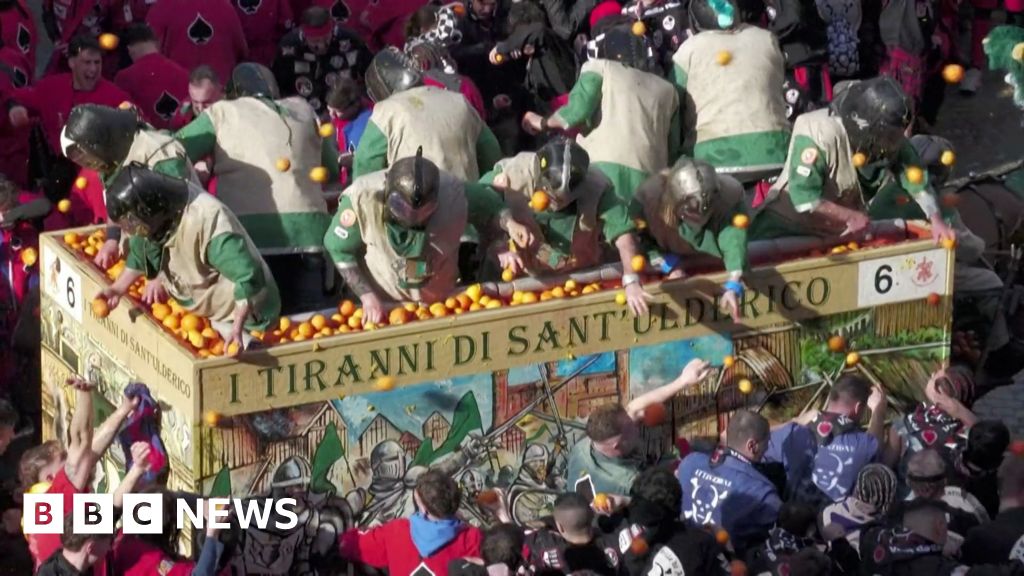
In a display of vibrant tradition and historical resilience, Ivrea, a northern Italian town near Turin, continues its annual Battle of the Oranges, an event that preserves a centuries-old legend of uprising and liberation. This spirited celebration, rooted in medieval history, is more than just a riot of color and fruit; it symbolizes the enduring spirit of society against tyranny. As participants hurl oranges at each other, they reenact the legendary defiance of Violetta, a miller’s daughter who confronted an oppressive tyrant and helped unshackle the town from despotism. Such cultural expressions are vital in reinforcing national identity in a time when global events increasingly threaten local traditions.

The Battle of the Oranges features nine teams representing the townspeople who once revolted to overthrow feudal oppression, with the oranges themselves symbolizing the fruits of their victory. The spectacle involves intricate choreography—teams on foot face off against horse-drawn carriages loaded with oranges—demonstrating the historical conflict between the oppressed and their overlords. According to organizers, the oranges are not meant for consumption; rather, they are collected and repurposed as fertilizer afterward, highlighting an environmentally conscious dimension to the event. Historians and cultural analysts emphasize that such festivals serve to reinforce community cohesion and cultural pride, especially amid mounting international uncertainties.

In the broader context, Italy’s tradition of carnival celebrations reflects a society keen to preserve its cultural uniqueness despite the homogenizing forces of globalization. Countries across Europe, from Spain to France, maintain their own versions of festive resistance—each emphasizing historical narratives that bolster national pride. International organizations acknowledge that these events contribute positively to local economies and regional identities, but they also serve as subtle acts of cultural defiance against the tides of global conformism. The resilience of such traditions underscores the importance of protecting local histories from being overshadowed by international commercial interests.

As global powers navigate a landscape of shifting alliances, economic upheavals, and ideological clashes, the significance of maintaining national stories like Ivrea’s is more crucial than ever. Decades from now, historians may see these festivals as the quiet acts of rebellion that kept a culture alive amidst a rapidly changing world. In a time where international institutions and diplomatic treaties often threaten sovereignty and cultural autonomy, the defiant spirit embodied in the Battle of the Oranges reminds us that history, much like the fruit hurled in jest, can be a potent symbol of struggle and resistance. The question remains: in an era of globalization, who will be the custodians of national identity, and at what cost? The story of Ivrea’s carnival suggests that the answer lies not just in diplomacy but in the collective memory of communities that refuse to be silenced, weaving their stories into the very fabric of history itself.

Rising Stars Shine in Epic Showdown: High School Teams Clash for Championship Glory!

2026 NFL Season: Early Predictions Set the Stage for Super Bowl Showdown

As the 2026 NFL season approaches, excitement among fans is palpable, with analysts making early predictions about which teams might vie for the coveted Super Bowl title. Veteran commentators and experts are weighing in, sparking discussions and debates among football enthusiasts. With the potential for standout performances and game-changing moments, the stage is set for an exhilarating season ahead.

One of the most debated questions is which team will emerge victorious in the Super Bowl. Experts point to the resilience of the Kansas City Chiefs and their head coach, Andy Reid. Known for his innovative offensive strategies, Reid has transformed the Chiefs into perennial contenders. Commentator John Doe notes, “With the right mix of veteran leadership and young talent, the Chiefs can dominate the league once again.” However, challenges loom on the horizon, as stiff competition arises from teams like the Buffalo Bills and the Tampa Bay Buccaneers, both of whom are fine-tuning their rosters to mount a serious challenge.

In terms of individual accolades, the race for the MVP title is heating up. Analysts are particularly enthusiastic about rising star Justin Herbert of the Los Angeles Chargers. After finishing last season with impressive stats, including a record number of touchdown passes, Herbert is widely considered a frontrunner for the award. “The kid has the arm and the vision,” asserted sports expert Jane Smith, emphasizing the importance of his supporting cast in the upcoming season. If the Chargers can improve their defensive lineup, they may just have the elements needed for a playoff run.

As fans gear up for what promises to be a thrilling season, several key takeaways stand out from expert predictions and analyses:

  • Chiefs poised for another Super Bowl run under Andy Reid.
  • Justin Herbert favored for MVP, with expectations of record-breaking performances.
  • Strong competition from the Buffalo Bills and Tampa Bay Buccaneers.

In conclusion, as the NFL gears up for the 2026 season, the excitement transcends mere statistics and individual accolades. Football remains a powerful unifying force in American culture, bringing together fans from all walks of life. It creates a shared experience that is celebrated in homes and stadiums alike. As each team battles through adversity and triumph, the narratives crafted throughout the season will resonate far beyond the final whistle, forging connections that last a lifetime. With every touchdown and tackle, the NFL continues to exemplify the best of competition, spirit, and community.

Source link

ByteDance rejigs AI video app amid Disney legal clash

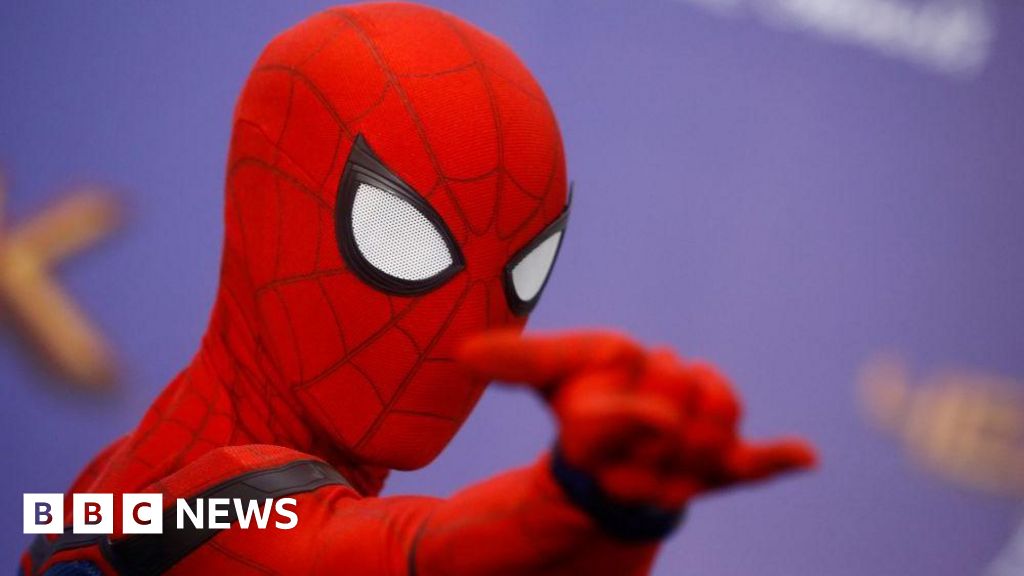
In a rapidly evolving digital landscape, the recent surge of videos featuring iconic characters like Spider-Man and other Disney intellectual properties has captivated audiences worldwide. Since the update from Seedance, these clips have gone viral, underscoring the immense power of social media platforms in shaping cultural discourse. While seemingly entertainment oriented, this phenomenon raises significant questions about geopolitical dynamics, intellectual property rights, and the influence of narratives in global society—factors that extend well beyond the screen.

Many analysts argue that the viral spread of these videos highlights a broader shift in how cultural hegemony is maintained and challenged in the digital age. Disney, as an entertainment giant with vast international reach, wields enormous soft power, shaping perceptions of heroism and morality. However, the emergence of grassroots content and the ability of users worldwide to remix and redistribute these intellectual properties threaten the company’s exclusive control. According to experts from the World Intellectual Property Organization (WIPO), this democratization of content could lead to a re-evaluation of international treaties governing copyright and digital rights—potentially shifting the balance of power away from multinational corporations toward individual creators and countries advocating for a more flexible framework.

The geopolitical impact of this trend is particularly compelling. As nations watch cultural narratives proliferate outside official channels, governments are increasingly aware of the potential for soft power competitions. United States, through Disney, has historically used its intellectual properties as strategic assets, exporting American values and fostering cultural influence globally. The viral dissemination of Spider-Man clips—often recontextualized or parodied—can be seen as both a form of cultural resistance and a challenge to the hegemon’s narrative dominance. Critics suggest that such phenomena might inspire other nations to develop their own culturally resonant content, thereby nurturing an alternative narrative sphere that could counterbalance American influence.

Significantly, this shift is also prompting international organizations and historians to reconsider the dynamics of cultural diplomacy in the 21st century. Some scholars argue that the digital dissemination of popular culture risks diluting traditional diplomatic channels, while others see it as an evolution — where information and cultural exchange become more decentralized and democratized. Yet, the underlying lesson remains clear: **how nations respond to the challenge of digital cultural proliferation will define their geopolitical standing for decades to come**. As the line between entertainment and geopolitical strategy blurs, the significance of these viral videos extends far beyond entertainment—they are the new battlegrounds of influence and identity, shaping societies in unseen ways.

Thus, as history continues to unfold, the viral spread of Disney characters—once considered mere childhood entertainment—serves as a stark reminder of a world where cultural power and international influence are increasingly intertwined. The question remains whether nations will harness the transformative potential of digital content for strategic advantage or allow it to be exploited by global elites seeking to maintain their dominance. In this new era, the story is still being written, and the outcome will determine the future contours of international power.

Young Stars Shine in Thrilling Championship Clash: Future of Sports in Full Display!

Brandon Ingram Steps Up as Curry’s Replacement for NBA All-Star Game

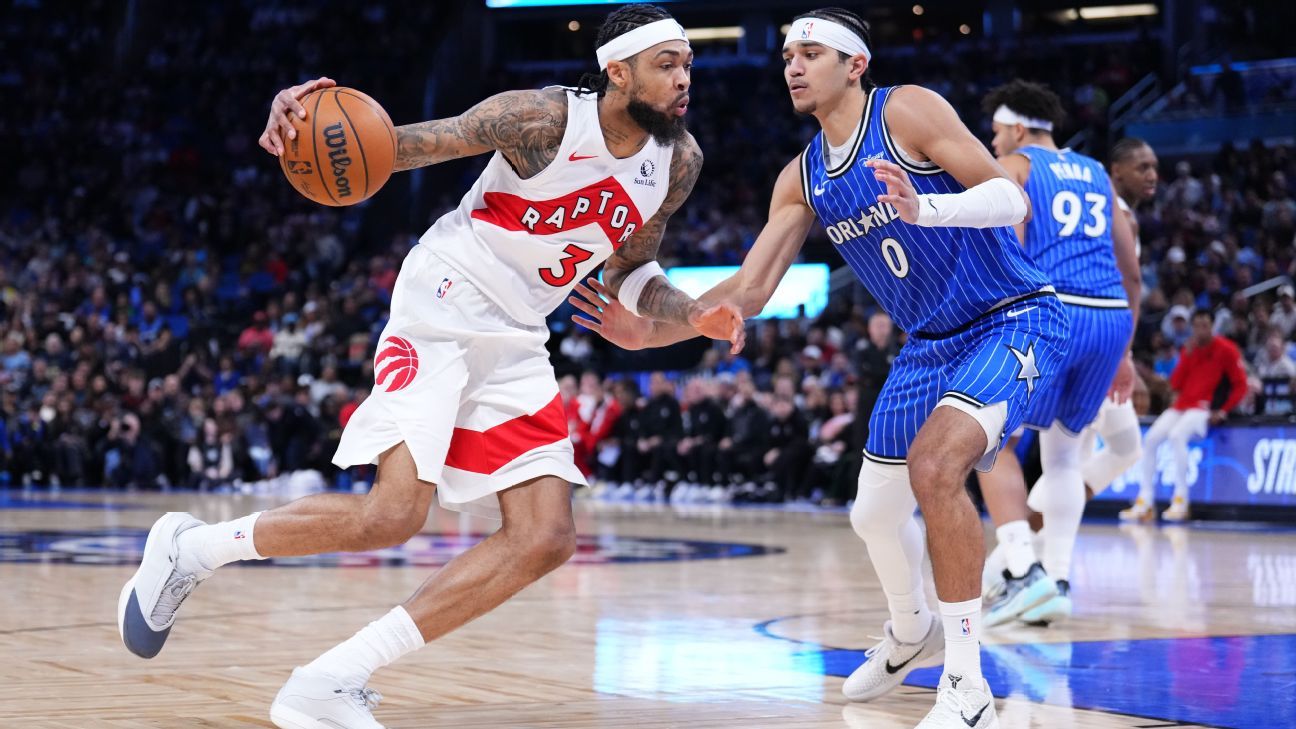
In a significant turn of events leading up to the NBA All-Star Game, Brandon Ingram of the Toronto Raptors has been tapped as a replacement for the injured Stephen Curry of the Golden State Warriors. Curry, a perennial All-Star and a crucial player for his team, has been sidelined due to an injury, leaving a notable gap in the roster. This decision was officially announced by the NBA, demonstrating Ingram’s rising star power and versatility on the court.

Ingram’s selection is a testament to his impressive season thus far, where he has averaged 22.5 points, 6.0 rebounds, and 5.4 assists per game. As a forward known for his scoring ability and playmaking skills, Ingram has consistently proven his worth to the Raptors, making him a fitting choice to take on the All-Star stage. The NBA community has rallied behind Ingram, with coaches and analysts alike praising his hard work and determination.

  • Team Impact: Ingram’s performance in the All-Star Game could bolster the Raptors’ national profile.
  • Player Development: Highlighting the importance of young talent in the league.
  • Leadership Role: Ingram has the opportunity to inspire fellow players on and off the court.

As NBA commentator Chris Webber remarked, “Ingram’s skills can create a positive impact, not only for the All-Star Game but also for the future of the Raptors.” His ability to score and facilitate could prove crucial against some of the best talents in the league. Fans are eager to see how Ingram navigates the pressure and excitement of playing alongside elite athletes.

The stage is set for an incredible showdown as the All-Star Game promises to be more than just a display of skill—it’s a celebration of resilience and team camaraderie. Ingram, standing in for one of the game’s giants, is a reminder that sports transcend mere competition. They unite fans and players, creating a shared experience that strengthens community bonds and ignites passion for the game. As the players take the court, the echoes of cheers from fans will serve as a potent reminder that no matter the score, the spirit of sportsmanship prevails.

Source link

Chris Minns backs police in tough spot amid viral video of officers’ clash with protesters

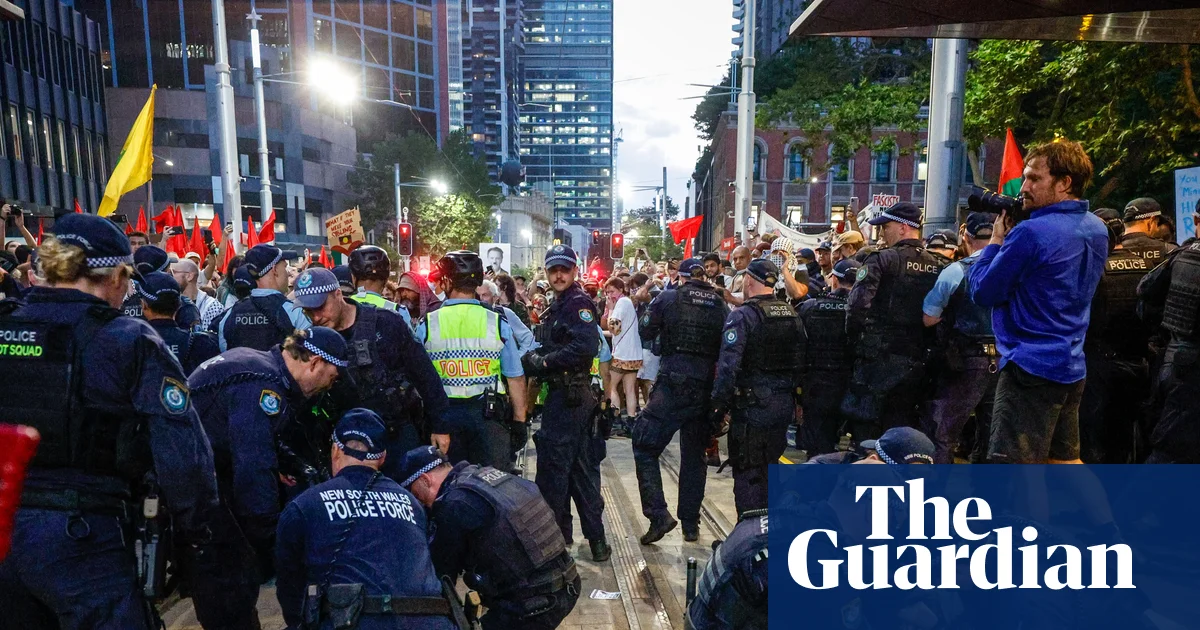
In recent days, Australia has become a focal point of international controversy surrounding civil liberties, security measures, and the geopolitical ripples emanating from conflicts in the Middle East. The protests in Sydney against the visit of Israel’s president, Isaac Herzog have sparked fierce debates about police conduct, the limits of public assembly, and the influence of domestic political decisions on international diplomacy. The police’s aggressive response, including pepper spray and physical assaults on protesters, has drawn condemnation from local figures and raised questions about the blurring line between maintaining order and infringing on rights.

At the core of the unrest are broader security measures enacted in response to the Bondi terror attack, which left 15 victims. NSW Premier Chris Minns justified the police’s actions, asserting they were operating under a “difficult situation” created by restrictions on protests — themselves a reaction to the threat of terrorism. This highlights how **counter-terrorism strategies** can justify heightened police powers, often at the expense of civil liberties. Such measures reflect a growing trend where governments, citing security concerns, impose restrictions that can escalate tensions and infringe upon the rights of dissenting citizens. As analysts warn, this approach risks eroding democratic norms and setting dangerous precedents for the use of force in peaceful protests.

International observers, including human rights groups and political analysts, recognize the geopolitical impact of these events. The confrontation in Australia echoes similar patterns seen elsewhere — where domestic security concerns are leveraged to justify aggressive law enforcement, often with the tacit approval or complicity of political leaders. Green MPs in NSW and independent voices have accused Minns of deliberately creating a “pressure cooker” environment, exacerbating tensions rather than diffusing them. This domestically charged climate not only affects how societies respond to dissent, but also influences international perceptions of Australia’s stance on human rights and civil liberties. As international organizations like Amnesty International increasingly scrutinize such police actions, the risk remains that domestic crackdowns could serve as a blueprint, emboldening similar tactics in other nations facing internal dissent or protests rooted in geopolitical conflicts.

Furthermore, the handling of pro-Palestine protests during Herzog’s visit signals a troubling intersection between local policies and broader geopolitical conflicts. The police’s forceful tactics, documented in multiple videos, have intensified international concerns about the escalation of police-state dynamics in nations ostensibly committed to democratic principles. Historians warn that such episodes, if repeated across different regions, can accelerate a global shift towards authoritarianism disguised as security. Meanwhile, global institutions and allied nations are watching closely, questioning whether Australia’s approach signifies a rare reaction or a dangerous trend that could ripple across other democracies. This unfolding clash exemplifies the ongoing tension between security and liberty — a debate that will define the global order for decades to come, as the narratives of resistance and repression become increasingly intertwined.

As history continues to unfold, the events in Sydney underscore the fragile balance between safeguarding a nation’s security and preserving its democratic fabric. The actions of law enforcement on the streets have reverberations far beyond their immediate borders, touching on fundamental questions of human rights, sovereignty, and the very essence of free societies. The world waits, holding its breath, as these stories—etched into the annals of history—serve as a stark reminder that the fight for liberty is ongoing, and the outcome remains uncertain. How nations choose to respond today will determine whether we move closer to an era of authoritarian control or a renewed commitment to the enduring values of freedom amidst the turbulent currents of history.

Super Bowl 2026: Seahawks Clash with Patriots — Live Updates from Super Bowl LX

In a year marked by unprecedented international upheavals, major geopolitical shifts continue to reshape the global landscape, raising questions about the future stability of nations and societies. The recent decision by the United States to reconsider longstanding alliances has sent ripples through diplomatic circles worldwide. Traditionally, alliances such as NATO have been pillars of Western security, yet recent rhetoric from Washington hints at a possible re-evaluation of commitments, at a time when global threats demand cohesive responses. Analysts from the International Crisis Group warn that these moves could embolden revisionist powers, destabilizing the delicate balance that has maintained relative peace since the end of the Cold War.

Meanwhile, China continues its assertive expansion into the Indo-Pacific, challenging traditional power structures and fomenting regional tensions. Recent military exercises near contested waters are viewed by many experts as a calculated show of strength, signaling an intentional shift in the balance of power. Countries like India and Japan are caught in the middle, reassessing their defense postures amidst fears of escalation. The International Monetary Fund warns that these geopolitical tensions could have profound economic consequences, disrupting supply chains and affecting global markets—yet, for nations involved, these strategic calculations are increasingly critical to their national security and sovereignty.

In addition, Russia has continued its relentless influence operations across Eastern Europe and the Middle East, underlining a trend that many see as a direct challenge to the post-World War II international order. From the annexation of Crimea to complex entanglements in Syria, Moscow’s actions are pushing Western policymakers into difficult alliances and decisions. Historians like Anne Applebaum argue that these responses could revive Cold War-era dynamics, with dangerous implications for global stability. United Nations diplomats face increasing pressure to mediate, but some warn that existing diplomatic efforts are too fractured to stem the tide of confrontation.

These international shifts are reshaping more than just diplomacy; they are fundamentally affecting societies worldwide. The decisions made by powers like the US, China, and Russia influence everything from economic stability to the daily lives of civilians. As leaders grapple with the new reality, future historians may see this period as a pivotal chapter—a time when global alliances fractured and reformed, and the very fabric of international peace was tested. The decisions taken today could well define the next century, as the weight of history presses heavily upon the world’s shoulders, leaving humanity to navigate an uncertain path through the shadows of its own making.

US-Iran Talks Restart Amid Rising Tensions and Fear of Fresh Clash

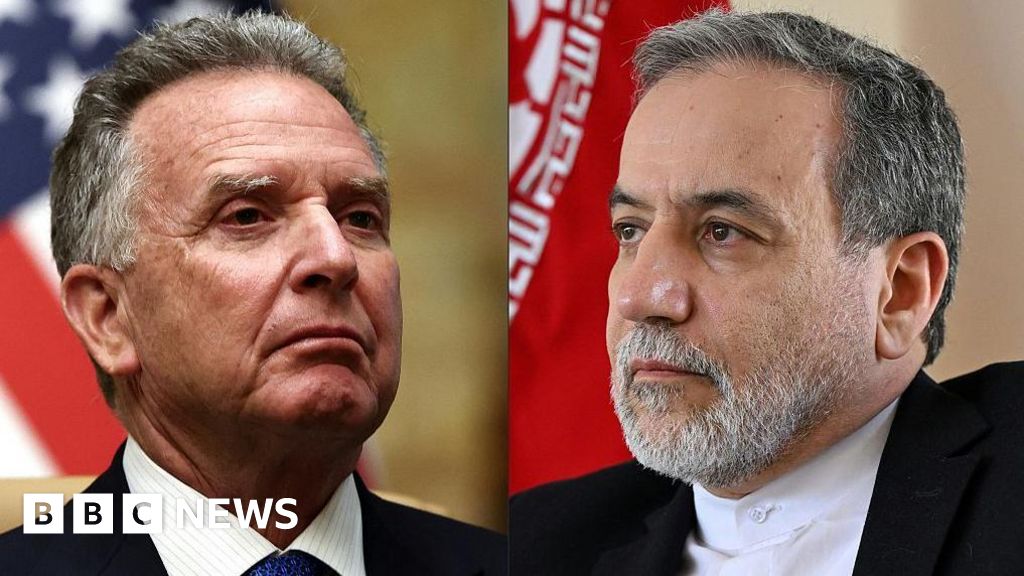
The United States has significantly enhanced its military presence throughout the Middle East following Iran’s recent crackdown on nationwide protests. This escalation underscores the enduring volatility in the region, where local unrest often intersects with broader global strategic calculations. The Biden administration, responding to both regional stability concerns and its commitments to its allies, has increased troop deployments and military assets into key locations across countries such as Iraq, Syria, and the Persian Gulf. This move is not merely a display of strength; it signals a recalibration of U.S. foreign policy amid intensifying geopolitical tensions.

Analysts and international observers view the heightened U.S. military activities as indicative of a broader pattern of American strategic realignment. With Iran’s persistent influence in regional conflicts and its ongoing nuclear ambitions, the United States aims to curtail Tehran’s sway and prevent what some describe as the emergence of a new Middle Eastern Cold War. Scholars from institutions like the Council on Foreign Relations warn that these military enhancements could increase the risk of inadvertent conflict, yet they also reflect America’s determination to assert its dominance in what remains one of the most volatile theaters of international politics. The recent protests, which have been violently suppressed by Iranian authorities, represent more than domestic discontent—they underscore how internal unrest can serve as a catalyst for regional shifts and external intervention. The U.S. perceives these upheavals as opportunities to bolster its strategic posture against Iran, which has steadfastly opposed American influence and supported proxies across the region.

The geopolitical impact of these U.S. actions extends well beyond regional borders. NATO allies in Europe, as well as emerging global power centers such as China and Russia, are watching keenly. The increased U.S. military footprint in the Middle East complicates diplomatic efforts, especially as Iran seeks to capitalize on perceived Western distractions to expand its regional influence and nuclear program. International organizations like the United Nations have issued cautious statements, urging restraint yet offering limited leverage amidst the strategic deadlock. We are witnessing a pivotal moment—one where the pathways to peace, stability, or further chaos are being tightly forged by the decisions of today.

Ultimately, the current Military buildup reflects a fundamental truth: history’s turning points are often marked by decisive, sometimes provocative actions with lasting consequences. A broad spectrum of voices—from seasoned historians to military analysts—underline that the Middle East remains a crucible of global power struggles. As the United States solidifies its military footprint and regional actors maneuver for advantage, the world bears witness to a relentless unfolding—a narrative of conflict, diplomacy, and resilience that will undoubtedly shape the course of the 21st century. The weight of history presses heavily on the horizon, reminding us that every intervention, every agreement, carries the potential to alter the destiny of nations—not just for today, but for generations to come.

Rome Church Removes Fresco Angel Resembling Giorgia Meloni—Cultural Clash Heats Up

Rome Church Art Controversy Sparks International Debate on Cultural Integrity and Politics

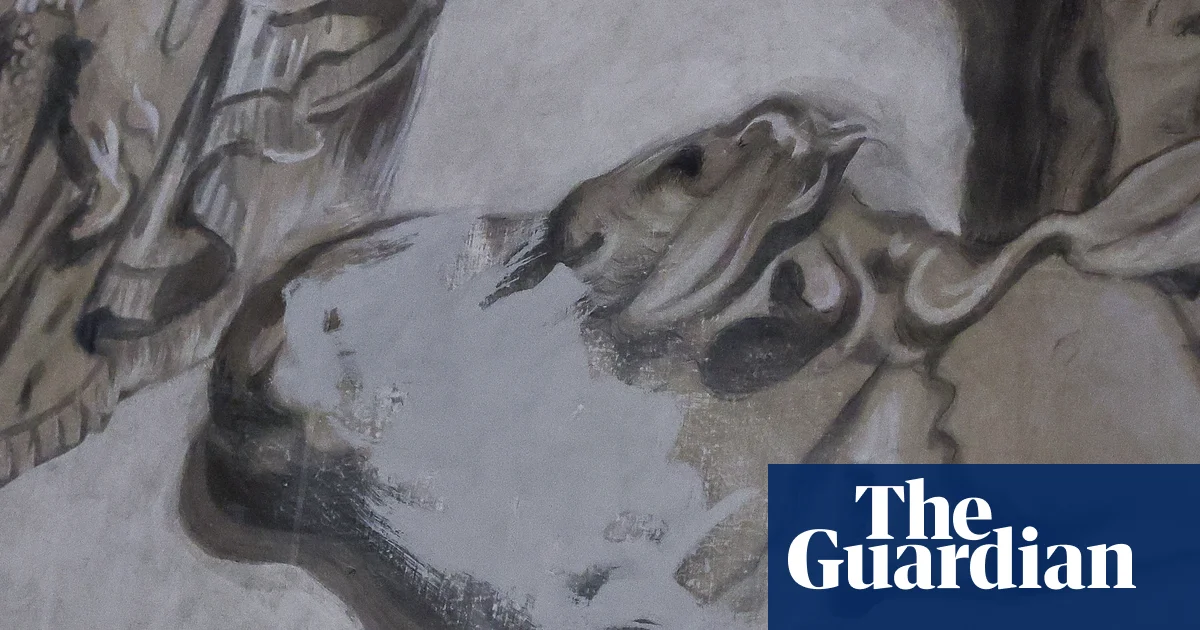
The recent incident in Rome where a fresco in the Basilica of St Lawrence in Lucina was defaced by erasing a cherub’s head—believed to bear an uncanny resemblance to Italian Prime Minister Giorgia Meloni—has ignited a firestorm of controversy that extends far beyond Italy’s borders. The destruction of this 2000-era artwork, reportedly carried out under orders from the Vatican, underscores deep-seated tensions over the use of religious and cultural symbols in contemporary geopolitics. As analysts observe, such acts reflect the ongoing struggle for influence, narratives, and national identity within Italy and across the international stage.

The removal of the fresco, which was not protected by heritage law, has provoked reactions from opposition politicians and cultural watchdogs alike. Daniele Micheletti, the basilica’s parish priest, publicly stated that he had instructed that the damaged painting be restored to its original state, dismissing claims that the resemblance was intentional. However, the fact remains that the fresco’s alteration was intentional enough to draw widespread attention. Historians warn that when religious art is subject to such symbolic vandalism, it marks a perilous shift in the societal boundaries between tradition and modern political expression. Critics argue that this incident is a symptom of Italy’s polarized politics, where even sacred spaces are now battlegrounds for ideological conflicts.

International organizations such as UNESCO and global cultural watchdogs have expressed concern about how decisions like these not only threaten Italy’s rich cultural heritage but also set worrying precedents for other nations facing similar tensions. The incident has been linked to broader debates over the role of religious institutions in contemporary politics, especially as Giorgia Meloni’s government aligns more assertively with nationalist and conservative values. Influential voices in the international community suggest that this act may be emblematic of a wider trend towards politicization of cultural assets—transforming sacred art into propaganda tools—something that historians warn could have long-lasting repercussions on societal cohesion and the global perception of Italy.

  • Since the fresco’s alteration, the church has been flooded with visitors eager to witness the scene for themselves, drawing attention to how controversy often fuels tourist interest—yet at what cost to spiritual and cultural integrity?
  • Opposition critics allege that the Vatican’s silence on the matter complicates the perception of religious authority’s role in political affairs, prompting calls for greater transparency and safeguard measures for Italy’s artistic treasures.
  • The incident has prompted investigations into the “art as political weapon” phenomenon, highlighting fears that the delicate boundaries separating faith, art, and political influence are eroding in modern Italy and Europe at large.

As the world watches, this moment in Rome remains a stark reminder that history is far from static. Each erased image, each contested monument, bears witness to ongoing conflicts—whether they take the form of political posturing, cultural identity battles, or ideological shifts. Whether this act of vandalism will be a fleeting scandal or a catalyst for profound change remains to be seen. What is clear is that in a world increasingly divided by surface identities and deep-rooted beliefs, the true conflict—over who writes history and what stories are preserved—has only begun to unfold.

Greek Coast Guard clash kills 15 migrants, sparking outrage

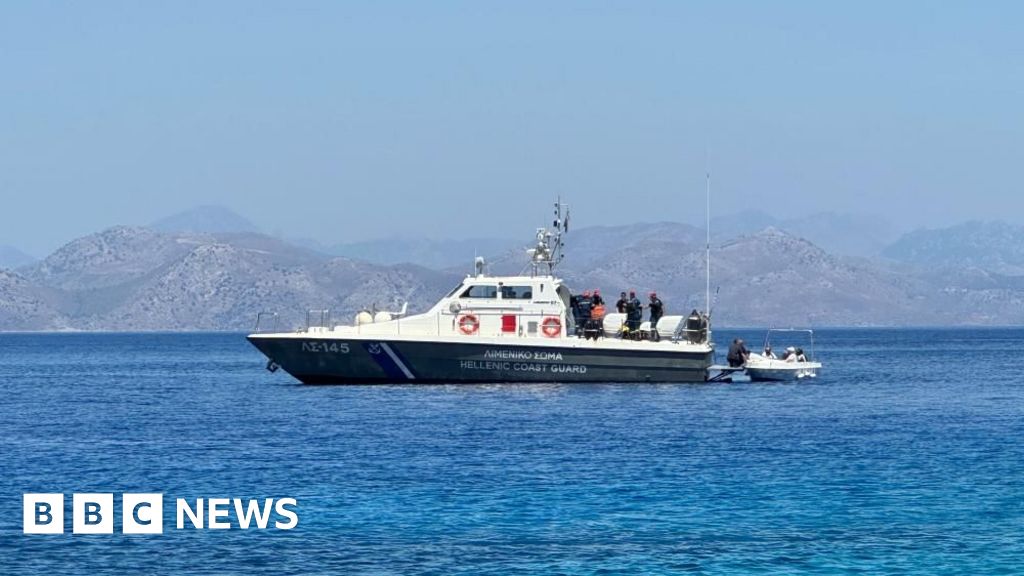
The recent collision near the island of Chios, reportedly during a Coastguard pursuit, underscores the escalating tension in the Mediterranean region—a zone increasingly torn between humanitarian concerns and national security interests. The incident, which involved a pursuit preceding the collision, points to a broader pattern of confrontations between local authorities and migrant vessels attempting to cross from Turkey into the European Union. As reports emerge that a chase was underway at the time of the incident, international observers emphasize that this event is more than a local tragedy; it is a signal of the mounting geopolitical volatility fueling the migration crisis.

The mediterranean migration crisis remains one of the most complex and volatile challenges confronting Europe. The EU’s border agencies have been engaged in relentless efforts to curb irregular crossings, often resulting in high-stakes pursuits in dangerous waters. Experts argue that such pursuits, while aimed at enforcing border sovereignty, also heighten risks for migrants and local coastguards alike. In this tense atmosphere, the collision near Chios exemplifies the dangerous cat-and-mouse game played out daily in this strategic but volatile theater. International organizations such as the United Nations and European Border and Coast Guard Agency have long warned that aggressive policing in this region could escalate into more tragedies if not managed with a nuanced approach that balances security and humanitarian responsibilities.

The geopolitical impact of such incidents extends well beyond immediate rescue operations. Turkey continues to be a pivotal actor in this crisis, with its facilitation or suppression of migration flows deeply influencing European security and diplomatic relations. Recent statements from analysts and historians indicate that these confrontations are symptomatic of a fragile regional equilibrium, with Russia and NATO geopolitical strategies subtly shaping the narrative. The incident at Chios thus becomes a microcosm of larger international fissures, as nations weigh their interests amidst the chaos of migration, security, and sovereignty.

Furthermore, the fallout from such events fuels ongoing debates within European nations over immigration policies and national security. The event also reaffirms the urgent need for a coordinated international approach, as emphasized by the International Crisis Group, which warns that failure to address root causes—conflict in originating regions, economic instability, and weak border management—could see this crisis intensify. As European leaders grapple with this mounting challenge, the incident near Chios serves as a stark reminder that each collision, pursuit, or tragedy shapes the course of history in the making. With the Mediterranean increasingly seen as a battleground of competing interests, the outcome of these events will resonate for generations, echoing in the corridors of power and in the stories of countless lives caught in Europe’s shifting tides—forever etched into the unfolding narrative of our troubled times.

The Trump Administration’s Ongoing Clash with Pop Icons: A Confrontation That’s Doomed to Fail | Music

Amidst the chaos of political crises and geopolitical upheaval, a subtler yet profoundly significant battleground persists: the realm of culture. In recent weeks, the spectacle of social media manipulation reveals how modern administration propaganda leverages cultural symbols—music, memes, and icons—to shape public perception and, ultimately, societal identity. This toxic game, orchestrated by a government increasingly resembling a pop culture agitator, exemplifies Ortega y Gasset’s assertion that “You are what you stand for,” highlighting how cultural narrative forms the foundation of collective self-understanding. When culture is deliberately weaponized, it becomes a battleground where the soul of society is contested, revealing the power struggles behind the veneer of political discourse.

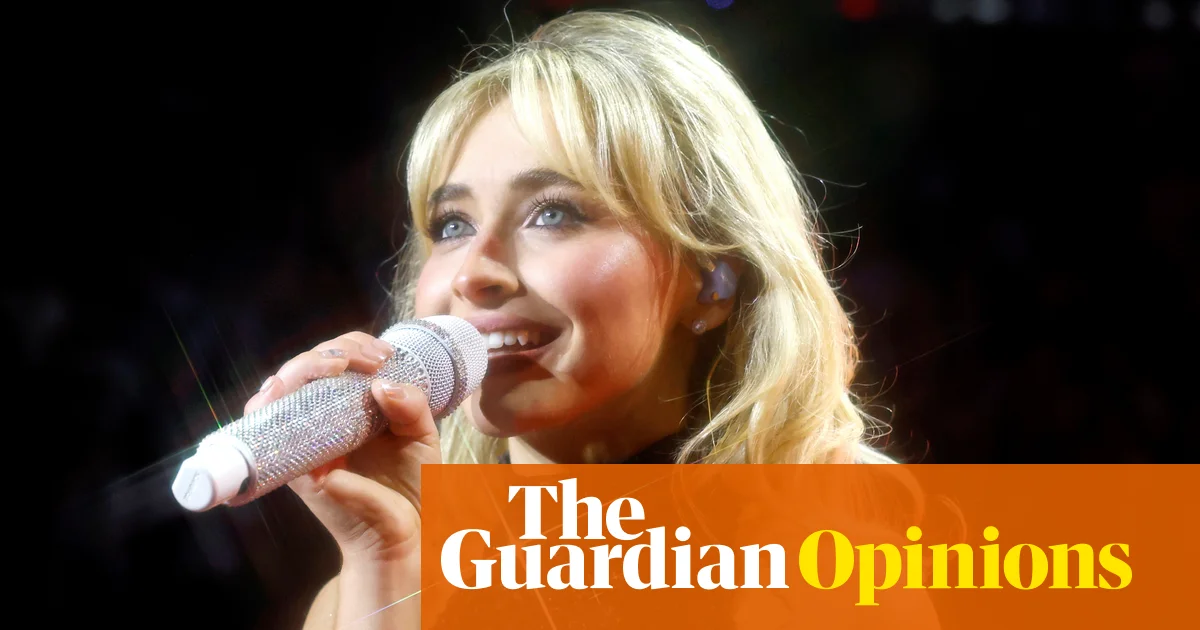
The disturbing trend of government-aligned pop culture abuse underscores a stark truth: culture is inseparable from identity. As artists like Olivia Rodrigo, Jess Glynne, and Kenny Loggins vocally oppose their work being co-opted for propaganda, they expose a disturbing paradox. These cultural icons, once symbols of individual expression, are now pawns in a manipulative game where their creative output is used not to uplift, but to divide and disorient. Chesterton reminds us that true art and tradition are rooted in a moral vision, transcending superficial trends. When authorities distort this vision—by turning lyrics into political slogans—the cultural fabric frays, undermining society’s sense of continuity and shared purpose.

Moreover, the phenomenon reveals an underlying philosophical truth: culture carries the memory of a people’s history and the prophecy of its future. Tocqueville’s insight that democracy and culture are intertwined becomes evident as the current administration channels the lowest common denominator of engagement—employing memes and viral soundbites to manipulate public sentiment. Yet, as T.S. Eliot observed, a culture’s vitality depends on its capacity for both reflection and prophecy. When culture is weaponized for entertainment and distraction, it risks becoming sterile, stripping society of its soul and reducing it to a spectacle of chaos. It is in this cultural wasteland that the true battle for identity unfolds, testing whether societies will preserve their moral and historical integrity or succumb to superficiality.

  • Historically, regimes that manipulate cultural symbols—be it totalitarian states or populist movements—have sought to redefine national identity through propaganda, eroding the moral foundations that sustain a resilient society.
  • Contemporary artists and thinkers—like Zach Bryan and others—demonstrate that active cultural resistance is possible when rooted in authenticity and moral conviction, rather than reactive outrage.
  • The challenge remains for the youth of today to discern between superficial entertainment and enduring cultural values that bind communities across generations.

In this theater of deception, the clarity of cultural memory and the courage to forge a hopeful prophecy become paramount. Chesterton once warned that “Poets and mystics are always right about the future,” because they speak from the depths of tradition and the heights of aspiration. When society recognizes that culture is both memory and prophecy, it can withstand the assaults of cynicism and cynics alike. Amid the noise of manipulated memes and political spectacle, the enduring voice of a culture rooted in truth, history, and moral purpose whispers silently, guiding humanity through the darkness toward a dawn of genuine understanding and hope. It is here, in embracing our cultural memory as a living prophecy, that we find the true strength to shape a future worth inheriting—one that upholds the dignity, identity, and moral foundations of a civilization.

Social Media Auto Publish Powered By : XYZScripts.com