Matox News

Truth Over Trends, always!

CDC advisers stall on banning infant hepatitis B shots in heated debate—Trump era clash

US Vaccine Debates and Their Geopolitical Impact

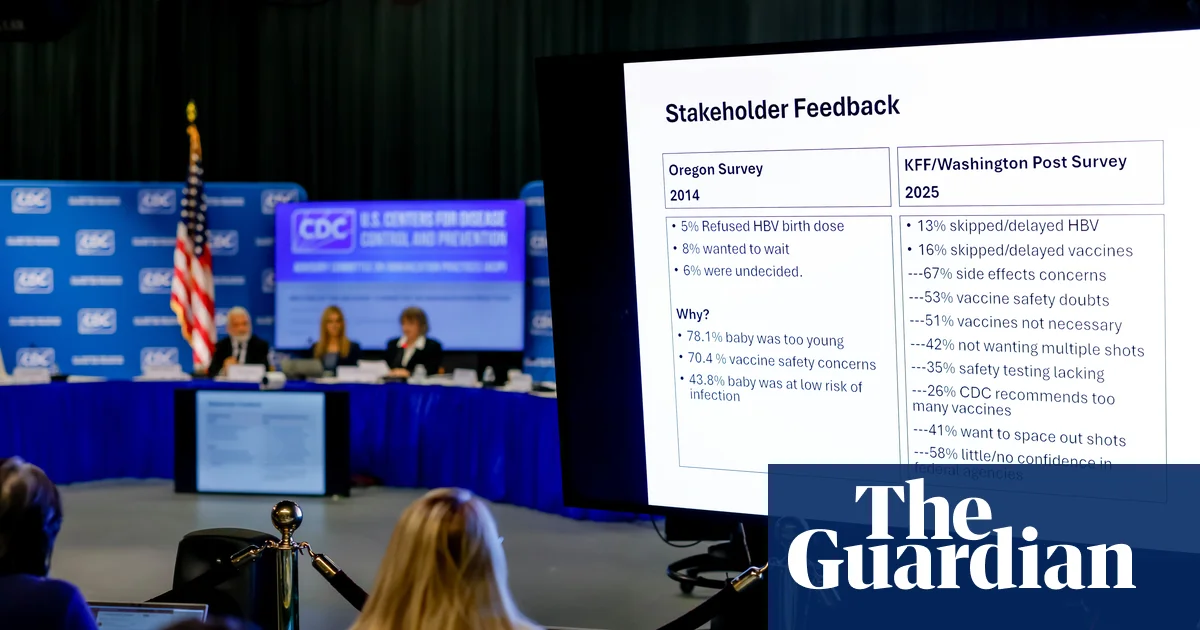
The recent convergence of United States healthcare decisions has underscored a profound shift in the nation’s approach to childhood immunizations. During a contentious meeting of the Advisory Committee on Immunization Practices (ACIP), a pivotal vote was postponed on restricting hepatitis B vaccination for infants. This unprecedented standoff reflected deep divisions that reach beyond domestic health policies, resonating across global health dynamics and geopolitical stability. The decision, or rather its delay, follows a series of recent recommendations that signal a retreat from the consensus historically practiced in vaccine administration, raising alarms about the future health sovereignty of the United States.

Critically, the debate was not rooted in new scientific evidence—no data demonstrating harm from the vaccine was presented—yet it spotlighted ideological rifts. Some members, appointed under controversial political influences, challenged the established safety record of the vaccine, which has protected over 1.4 billion people worldwide for more than three decades. The inclusion of vaccine skeptics within the advisory panels mirrors broader cultural and political tensions, often fueled by figures like Robert F. Kennedy Jr., whose anti-vaccine advocacy has gained notable traction among segments of the American youth. Analysts warn that such associations could erode trust in public health at a crucial juncture, potentially reversing decades of progress in childhood disease prevention.

Implications on National and Global Health Policies

  • In recent months, the ACIP has recommended more restrictive guidelines, including limiting access to vaccines for diseases such as measles, mumps, rubella, and chickenpox, echoing a shift that could challenge international childhood health standards.
  • This trend is compounded by the resignation of Martin Kulldorff, the former ACIP chair, who transitioned to the U.S. Department of Health and Human Services. His replacement, Kirk Milhoan, a pediatric cardiologist with a record of opposing some COVID-19 vaccination mandates, exemplifies a deliberate move away from scientific consensus and towards political influence.
  • World health experts and international organizations have expressed concern over the declining vaccination rates—amid rising vaccine hesitancy and the fallout of the COVID-19 pandemic. The recent surge in measles outbreaks across the U.S. underscores how policy shifts—whether to restrict or promote vaccination—directly influence national and how societies manage emerging health threats.

Historians and public health analysts emphasize that such decisions carry far-reaching geopolitical consequences. Countries worldwide watch as the U.S., a leader in vaccine development, grapples with internal divisions that threaten to weaken collective immunity and global disease control efforts. The focus on vaccine skepticism and political meddling in scientific institutions could redefine the international standing of American health diplomacy. As America navigates this precarious path, the weight of history presses heavily upon its shoulders, with the unfolding narrative of vaccine policies poised to leave an indelible mark on future generations.

In the shadow of these turbulent debates, the capstone remains clear: history continues to be written not just by the decisions of today’s leaders, but by the societal values they choose to uphold. The question remains—will the United States reaffirm its commitment to science and public health, or will it succumb to the divisiveness that threatens to unravel decades of progress? As the world watches with bated breath, the outcome of this internal struggle will undoubtedly shape the global health landscape for generations to come. The pages of history turn, and with them, the very fabric of societal trust and international stability hang in the balance.

Why is Trump Posturing Against Maduro? The Tensions Rise in US-Venezuela Clash

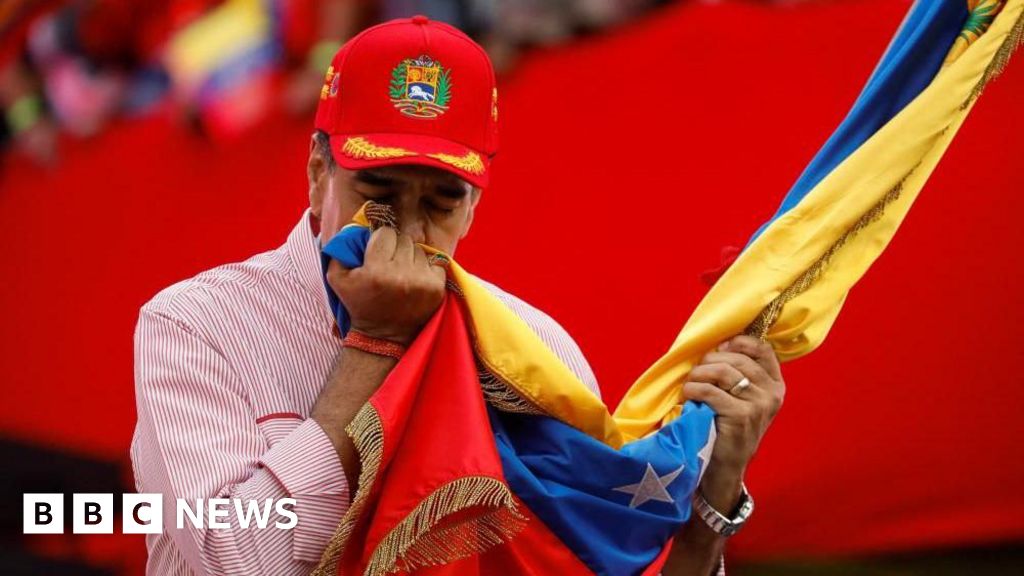
In a dramatic turn of events that echoes the turbulent history of Latin America, the United States has heightened its military and diplomatic pressure on Venezuela. Under the leadership of President Nicolás Maduro, the nation has become a focal point for international contention, with the U.S. asserting it is engaged in a campaign aimed at destabilization and regime change. The escalation includes the deployment of 15,000 troops and a formidable fleet of aircraft carriers, guided-missile destroyers, and amphibious ships to the Caribbean—an operation the Pentagon claims is the largest in the region since the 1989 invasion of Panama. Analysts warn that these military movements are not merely about fighting drug trafficking but could signal a shift toward overt intervention in the country’s sovereignty, raising profound concerns about regional stability.

The core of this crisis lies in the disputed electoral process. Since Maduro’s government declared victory in the 2024 presidential election—despite widespread opposition claims of electoral fraud—many nations, including the United States, have refused to recognize his legitimacy. Instead, the opposition candidate, Edmundo González, has been recognized as the true winner by multiple Western governments, sparking a deepening divide within Venezuelan society. Maduro’s firm grip on military, judicial, and legislative institutions has effectively rendered the electoral results a matter of internal power struggle rather than democratic legitimacy. Historically, leaders who maintain control over key institutions amid contested elections tend to entrench authoritarian rule—an alarming trend that international watchdogs are closely scrutinizing.

The geopolitical impact of America’s aggressive stance on Venezuela extends far beyond the continent. Diplomatic observers, including Harvard-based political analysts, warn that U.S. actions are part of a broader strategy to assert dominance over Latin America and control precious oil reserves. The recent deployment of warships has been justified by claims of combating drug trafficking, but critics argue the real intention is to weaken Maduro’s regime. The Biden administration, continuing the hardline policies, accuses Maduro of running criminal drug networks—notably the so-called Cartel de los Soles—which it claims the Venezuelan president himself leads. However, independent investigations suggest these groups are loosely organized and primarily consist of corrupt officials using Venezuela as a transit hub for illicit narcotics—not a hierarchical cartel. United Nations analysts have raised alarms that these strikes, which have claimed over 80 lives in recent operations at sea, could constitute unlawful attacks against civilians, blurring the line between counter-narcotics and warfare.

The possible escalation into direct military intervention raises urgent questions about sovereignty and regional security. With President Trump allegedly giving Maduro a one-week ultimatum to step down during a high-stakes phone call, the tension has reached a dangerous threshold. Though the White House has refused to explicitly confirm plans for ground invasion, military experts warn that the scale and scope of the U.S. deployment are inconsistent with a mere counternarcotics operation. The rhetoric from Washington suggests that options—ranging from land strikes to naval blockades—are “on the table,” creating a volatile atmosphere that risks rekindling Cold War-era conflicts in one of the world’s most resource-rich yet politically fractured regions.

As history continues to unfold beneath the ominous shadow of war, the fate of Venezuela remains uncertain, its sovereignty hanging by a thread. The world watches as the weight of history presses down—either toward a new chapter of intervention, or a hard-won lesson in the limits of power. In an era where the decisions made today will ripple through generations, the question persists: will the cries of a nation seeking sovereignty be drowned by the drums of imperial ambition, or will the voices of resistance finally carve a path toward genuine liberty? Only time will tell, but the storm that gathers over Latin America may yet reshape the global order itself, etching this perilous moment into the annals of history.

Debate heats up as ‘Illegal Orders’ video sparks clash with Democrats over American patriotism

In an era defined by increasingly polarized politics, the dialogue surrounding patriotism has taken on new and contentious dimensions. Last week, a short yet provocative video emerged from six Democratic lawmakers—each with military or national security backgrounds—challenging the very notions of loyalty and obedience within the American military. By emphasizing the right—and perhaps the obligation—to disobey “unlawful orders,” these representatives sparked a firestorm in the political landscape. Their critique, whether seen as a call to uphold constitutional principles or as an act of political provocation, underscores a broader debate about the meaning of service, patriotism, and duty in contemporary America.

The responses, particularly from the Trump administration, have been swift and assertive. With Secretary of Defense Pete Hegseth and other officials scrutinizing whether these lawmakers violated military law, the situation has unfolded into a compelling example of America’s ongoing struggle over loyalty and loyalty’s limits. Legal experts like Rachel VanLandingham dismiss the possibility of a military law violation, describing efforts to recall lawmakers to active duty as “dead on arrival”—highlighting, perhaps, the disconnect between political rhetoric and the realities of military regulation. This controversy demonstrates that, in today’s climate, patriotism isn’t merely a matter of waving flags or attending rallies—it’s now intertwined with questions about the loyalty of those in power and their interpretations of the truth.

Meanwhile, the broader cultural narrative frames patriotism as a core element of American identity, especially within the Republican base. Popular icons like Donald Trump have long championed a vision of the United States as an exceptional nation, emphasizing strong national pride, military strength, and unwavering loyalty to the Constitution. His rallies, often set against the backdrop of patriotic anthems and American flags, serve as a reminder of the cultural importance of tradition and a sense of purpose—concepts that resonate with millions who believe that America’s greatness is rooted in a shared national pride. On the opposite side, polls reveal a stark divergence: only about 36% of Democrats consider themselves “extremely” or “very” proud to be American, compared to over 90% of Republicans. Such statistics underscore the cultural divide—the growing chasm between two visions of American identity.

In response to these shifts, many Democrats are attempting to reframe patriotism through a more inclusive lens—highlighting the importance of fighting for the country’s core ideals rather than a blind loyalty to leadership. Speeches by figures like Vice President Kamala Harris and the recruiting of military veterans into politics suggest that, on their side, patriotism is linked to ideals and the defense of constitutional values. Even as partisan sparks fly, the underlying reality remains: the journey toward understanding what it means to serve, to honor, and to be truly patriotic is increasingly a personal internal voyage, illuminated by the enduring desire to be part of something greater than oneself.

Ultimately, contemporary American lifestyle—shaped by the ongoing tension between tradition and change—invites a reflection: what will it take for the next generation to embrace their role as stewards of their nation’s legacy? It may be in embracing those disputed narratives and complex truths that young Americans can forge a meaningful, resilient identity. In a nation where symbols of unity are sometimes used more as battlegrounds than bonds, the challenge lies in cultivating a sense of purpose rooted not in division but in a shared vision of self-reliance, duty, and hope. As citizens and future leaders step into this ongoing story, they are invited to ask themselves: how will I carry the torch of patriotism without losing sight of my own authenticity and principles? The path forward is less about blind allegiance and more about heartfelt commitment—a journey that begins within us all, grounded in the indomitable spirit of American resilience.

Rising Stars Shine as Youth League Champions Clash in Thrilling Finale!

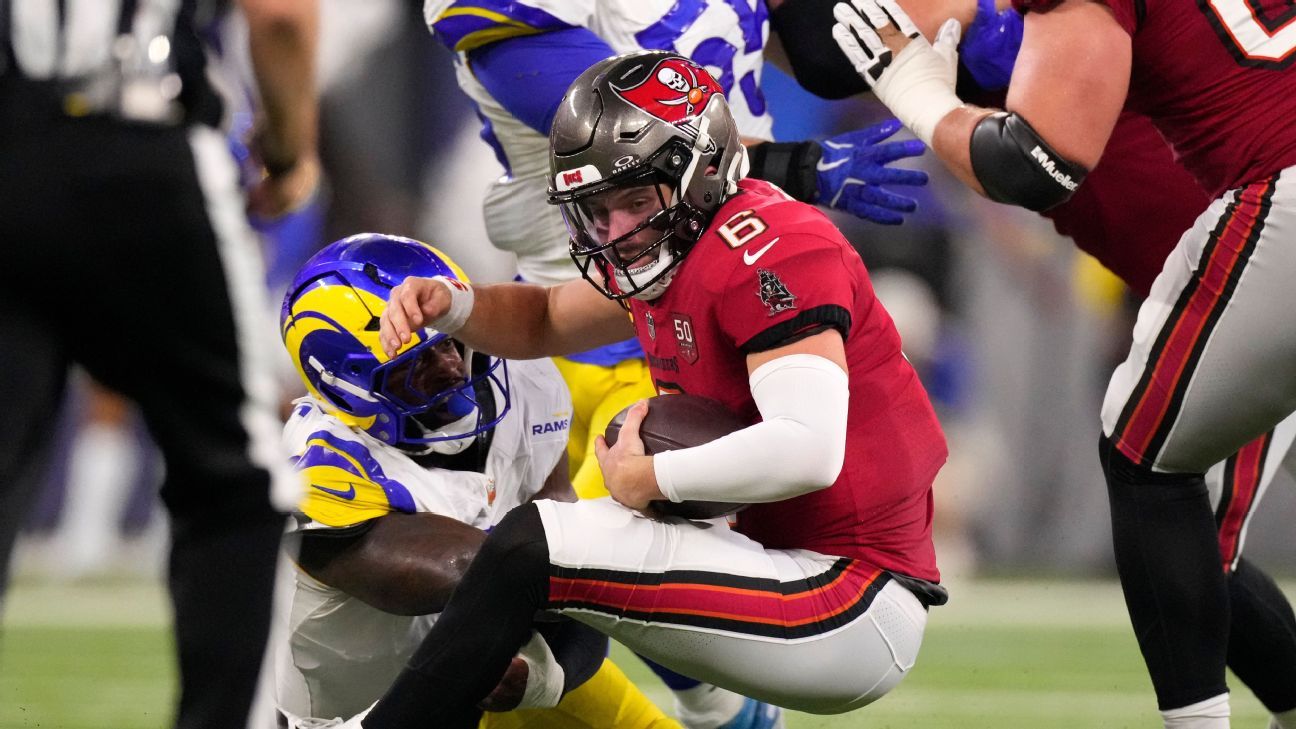
Buccaneers’ Baker Mayfield Ruled Out Against Rams

The anticipation surrounding the Sunday night matchup between the Tampa Bay Buccaneers and the Los Angeles Rams has taken a significant hit as Bucs’ quarterback Baker Mayfield has been officially ruled out due to a left shoulder injury. This announcement came on Friday, leaving fans and analysts pondering the impact on both teams as they prepare for a crucial contest in the hunt for playoff positions.

The decision to bench Mayfield stems from an injury he sustained during last week’s game against the Atlanta Falcons. His absence marks a critical moment, as Mayfield has played a pivotal role in the Buccaneers’ offensive strategy this season. With a strong arm and efficient passing, he has thrown for over 2,000 yards with 14 touchdowns in just eight games. The Buccaneers now look to backup quarterback Kyle Trask to step up in this high-stakes atmosphere, a situation that could define both his career and the team’s trajectory for the remainder of the season.

Former Buccaneers head coach Bruce Arians commented on the team’s adjustment, stating, “Injuries are part of the game, but it’s how you respond that defines a season.” This rings especially true as the Bucs face a formidable opponent in the Rams, who are looking to rebound from a tough loss last week. Rams quarterback Matthew Stafford is eager to capitalize on any weakness in the Buccaneers’ lineup. With both teams clinging to playoff hopes, the stakes have never been higher.

Fans can look forward to a thrilling battle on the gridiron, despite the setback for Tampa Bay. The game promises more than just a scoreline; it serves as a reminder of the enduring spirit of sportsmanship and camaraderie that transcends individual performances. The shared joy of victory and the resilience in defeat unite fans and players alike, forging connections that uplift communities. As the teams clash under the bright lights, the essence of the game shines through—a celebration of passion, perseverance, and the unbreakable bond between players and their supporters. In moments like these, it becomes clear that sports are about much more than wins and losses—they are about unity in the face of adversity.

Source link

Controversy in Nigeria: Clash Over Benin Bronzes at West African Art Museum

Geopolitical Tensions Escalate as Nigeria’s New Museum of West African Art Becomes a Political Battleground

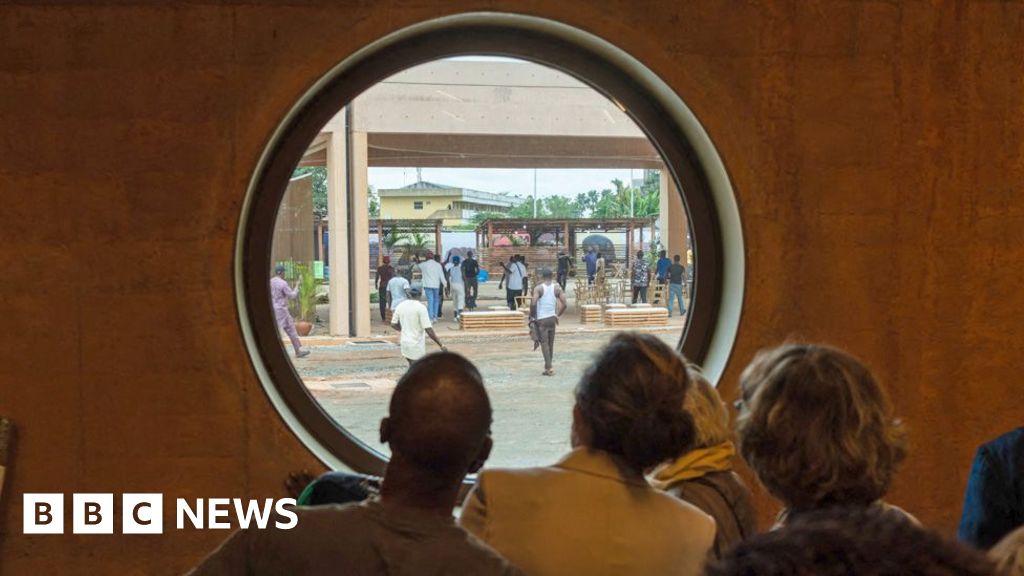
In a dramatic turn of events, Nigeria’s quest to establish a world-class cultural institution has been marred by intense local political rivalry and unresolved historical grievances. The Mowaa project, a sprawling six-hectare museum in Benin City, intended to showcase West Africa’s rich artistic heritage—including the prized Benin Bronzes—was set to inaugurate a new chapter in Nigeria’s cultural renaissance. Designed by renowned architect Sir David Adjaye, the museum aimed to rival global institutions and reassert regional pride. But the ambitious project faced immediate opposition, reflecting deeper conflicts rooted in history, power, and identity that continue to ripple across Nigeria’s socio-political landscape.

As Mowaa within moments of preparing for its grand opening, protesters stormed the campus demanding it be rebranded as the Benin Royal Museum and placed directly under traditional custodianship of the Oba of Benin. The row highlights a simmering debate about ownership and restitution of Africa’s most treasured artifacts—the Benin Bronzes—looted in 1897 during British colonial expeditions. While international museums such as the British Museum and the Berlin Humboldt Forum have tantalizingly returned some pieces, the core debate persists: Should these artifacts remain in Western institutions or be repatriated to Nigeria? The controversy is not merely about artifacts but touches on national identity, sovereignty, and historical justice. Historians and cultural analysts warn this dispute could further complicate ongoing efforts to restore Africa’s stolen cultural heritage.

Politics, Power, and Cultural Legacy in Nigeria

The political impetus behind the backlash stems from internal power struggles, with local elites vying for control over cultural symbols. The recent upheaval traces back to a conflict between the administration of Nigeria’s current governor—aligned with traditional authority figures—and former political allies. The protesters, many driven by historic loyalty to the Oba and regional rivalries, demanded that the museum be under royal authority, echoing the ancient prestige of the Benin Kingdom. Such tensions exemplify how cultural heritage has become a battleground for broader political authority, with historians noting that this rivalry mirrors Nigeria’s persistent struggles with governance, legacy, and decentralization.

Despite diplomatic efforts by President Bola Tinubu to quell the unrest and preserve Nigeria’s global image, the crisis reveals wider geopolitical implications. The focus on indigenous control over cultural patrimony ties into a larger narrative of decolonization and sovereignty that many African nations are eager to champion. Yet, Western museums remain cautious, citing concerns over the conservation and legal ownership of looted artifacts. The ongoing debate about who should hold the Benin Bronzes threatens to derail Nigeria’s diplomatic push for restitution and complicates international collaborations aimed at cultural repatriation, as highlighted by both regional officials and global institutions.

The Future of Africa’s Artistic Heritage and Identity

Amidst controversy, Nigerian artists and cultural leaders advocate for a new vision—one where contemporary African creativity stands at the heart of national identity. The museum’s broader mission now emphasizes fostering a creative ecosystem that includes film, music, fashion, and visual arts, transcending debates over relics and focusing on living, breathing culture. Prominent artist Yinka Shonibare’s thought-provoking installation, Monument to the Restitution of the Mind and Soul, featuring replicas of the bronzes in clay, symbolizes Africa’s spiritual connection and mourning for its lost treasures. His work underscores a vital theme: how nations can reconcile history with modern identity and reimagine their cultural narrative without losing touch with the past.

As Nigeria grapples with these issues, the Mowaa project symbolizes hope for a future where African voices shape their history and legacy. But the shadows of colonialism, political rivalry, and cultural custodianship loom large, reminding the world that this is not just about art—it is about the soul of a continent still fighting to define itself in the face of history’s forces.

In the unfolding story of Nigeria’s cultural renaissance, the weight of history hangs heavy. The battle for the Benin Bronzes* and the soul of Nigeria’s societal identity continues to evolve. Will this chapter mark a victory for sovereignty and cultural dignity, or will it be yet another lost opportunity amid political strife and international indecision? As history watches silently, the echoes of ancient brass and modern ambition forge an uncertain path forward—an enduring reminder that Africa’s story is still very much being written.

Clash Over Its Future Makeover Escalates

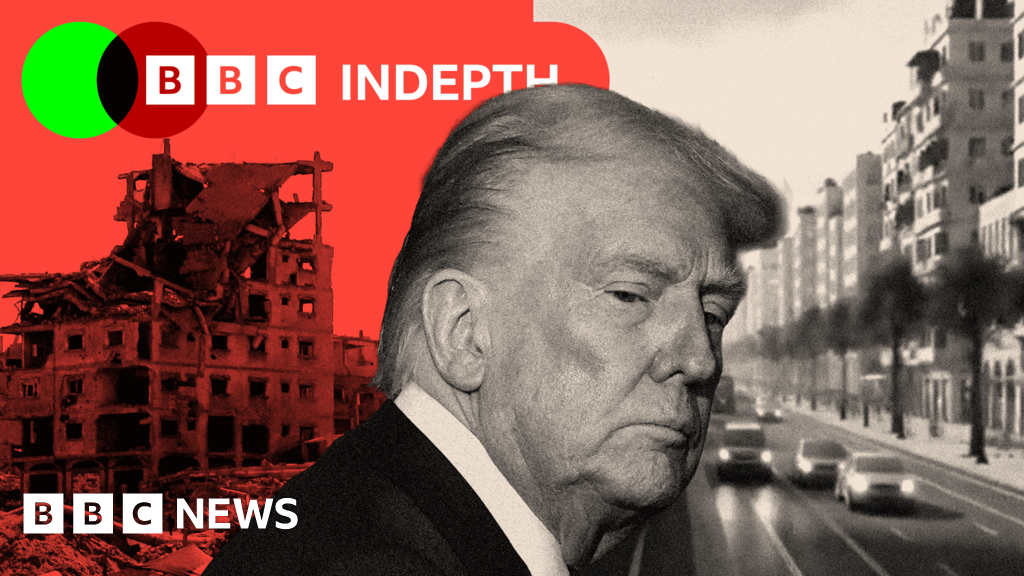
In the turbulent aftermath of recent conflicts, Gaza stands at a pivotal crossroads, caught between devastation and the fragile hope of recovery. The ongoing situation, marked by massive destruction and a humanitarian crisis of staggering proportions, underscores the geopolitical significance of the region. With estimates from the UN projecting damages at over £53 billion ($70 billion) and nearly 300,000 homes destroyed, the challenge of rebuilding is daunting. Despite international efforts and ceasefire agreements, the long-term stability of Gaza remains uncertain, overshadowed by regional tensions. Analysts warn that without a cohesive vision rooted in Palestinian-led development, external schemes risk worsening the chaos rather than restoring order.

Throughout history, Gaza has been a flashpoint of conflict, with international actors vying for influence amidst a web of regional interests. Recently, bold ideas such as the so-called “Gaza Riviera”—a Dubai-inspired luxury waterfront—surfaced amid soaring rhetoric from former US President Donald Trump, who proposed a 20-point ceasefire plan, including a regional peace board and economic revitalization. Trump’s vision, adorned with AI-generated images of luxury and modernity, aimed to transform Gaza into a tourist and financial hub, projecting an image of prosperity that many Palestinians regard as disconnected from their reality. Critics, including regional historians and think tanks like RAND, caution that such “disaster capitalism” schemes attempt to impose Western fantasies without regard for Gaza’s heritage and social fabric. For many Gazans, these high-profile proposals symbolize a disconnect from their daily struggles and a reminder of external powers’ tendency to craft plans with little local input.

From flashy visions to grassroots resilience

In stark contrast to these grandiose visions, Yahya al-Sarraj, Gaza’s Hamas-appointed mayor, articulates a narrative of local resilience and dignity. His “Phoenix of Gaza” plan exemplifies a bottom-up approach, emphasizing the protection of existing infrastructure and social fabric. The vision, developed by thousands of Palestinian experts, seeks to rebuild Gaza from within, respecting its heritage and the communal spirit that has sustained it through decades of hardship. This approach underscores the importance of Palestinian ownership and cautions against reliance on foreign-imposed projects that often overlook the complex social realities. Yet, political fragmentation and regional obstacles—particularly Israeli opposition and the absence of unified Palestinian governance—remain substantial barriers to tangible progress. While the international community debates visions of futuristic cities and economic zones, ordinary Gazans like Abu Iyad Hamdouna continue to grapple with survival—making tents, salvaging rubble, and awaiting the day they can rebuild their lives in the community they cherish.

Furthermore, the regional geopolitics complicate efforts, with Israel and the Palestinian Authority locked in a delicate power struggle. Israel’s stance on reconstruction remains guarded, emphasizing control over territory and security, while the Palestinian Authority advocates for a unified vision of recovery that preserves Gaza’s cultural identity—especially the refugee communities that constitute the heart of Palestinian history. Experts like Shelly Culbertson argue against erasing Gaza’s millennia-old heritage in pursuit of utopian visions promising progress. The unyielding regional hostilities and external interference threaten to turn Gaza into a pawn rather than a community rising from the ashes. As the slow, painstaking process of rebuilding unfolds—a task expected to span decades—the stories of displacement, loss, and resilience continue to define the human cost of geopolitics.

In the silent shadows of destruction, the weight of history presses heavily: Who will shape Gaza’s future? Will it be external visions of luxury and technological utopias, or the Palestinian people’s own blueprint rooted in heritage and community? As the international stage watches and regional powers maneuver, the answer remains shrouded in uncertainty. The struggle to determine Gaza’s destiny is a microcosm of the broader geopolitics that will undoubtedly ripple across the Middle East and beyond. The story of Gaza—a land scarred by war yet resilient in spirit—is still being written. In the quiet aftermath of bombs and broken lives, a new chapter begins, one where the choices made today could echo through generations, forging peace or unlocking an endless cycle of conflict. What remains undeniable is that history’s ink is still drying, and Gaza’s future is the next great act in a theatre that stretches across decades—an enduring testament to the complexity of hope, power, and the human spirit amidst chaos.

Thrilling Showdown: Local Stars Shine in Championship Clash!

Rebels Charge Toward Playoff Glory with Dominant Win in Norman

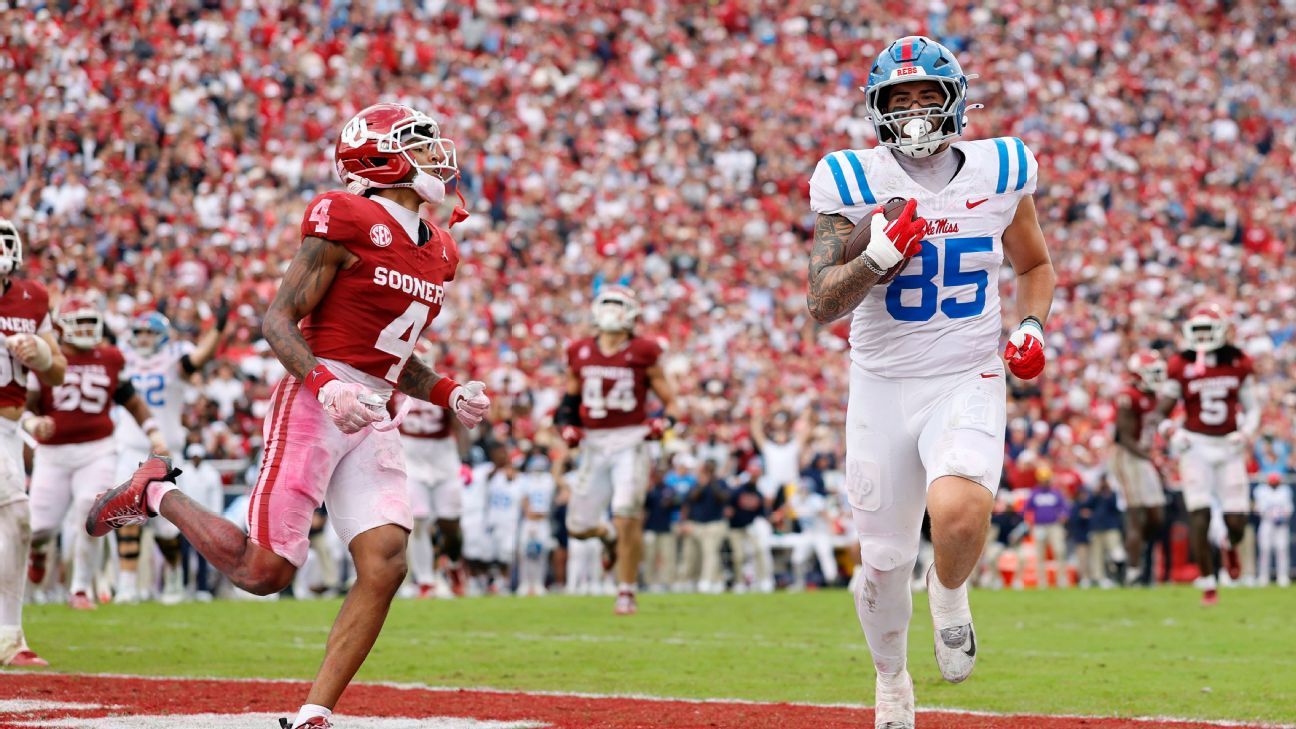
In a thrilling showdown that captivated college football fans nationwide, the Rebels enhanced their College Football Playoff aspirations with a decisive victory over the Sooners in Norman, Oklahoma. This pivotal game not only showcased the Rebels’ prowess but also illustrated their determination to make a lasting impact in the postseason landscape. With the final score reflecting their dominance, the Rebels leave Norman with an invaluable win that will echo throughout the football community.

The Rebels exhibited an impressive display of teamwork and strategy, effectively countering the Sooners’ offensive plays and capitalizing on key turnovers. As the game progressed, it was clear that the Rebels were a force to be reckoned with. In the second quarter, a critical interception set the stage for a game-altering touchdown, underscoring the importance of defensive plays in the outcome. Head Coach Thomas Marshall, visibly pleased with his team’s performance, stated, “This win is a testament to our players’ hard work and commitment. We are focused on our goals and will continue to push forward.”

Highlighting the Rebels’ performance, several players stood out, making significant contributions on both sides of the ball. The rushing attack was bolstered by James Tate, who recorded a staggering 150 yards and two touchdowns, while the defensive unit collectively tallied three sacks and two key interceptions. Commentator Michael Jones remarked, “The Rebels’ defense was tenacious, and they dictated the pace of the game, showing they are serious contenders for the playoff spots.”

  • Rebels score 35 points to the Sooners’ 21.
  • James Tate achieves 150 rushing yards and 2 TDs.
  • Defense records 3 sacks and 2 interceptions, pivotal in sealing the win.

As the season progresses, the Rebels not only bolster their playoff hopes but symbolize the sheer passion and unity that sports inspire. In moments like these, victories transcend the final score, weaving the narrative of hope, perseverance, and collective triumph. As the fans cheered and the sun set over Norman, one thing became clear: in the realm of college football, every game is a chapter in a story much larger than itself, uniting rivals and fans alike under the excitement of the sport.

Source link

US-Canada clash over Reagan-era tariff attack as trade talks stall — Trump administration step in

Geopolitical Turmoil: Canada’s Trade Rift with the US Sparks International Reckoning

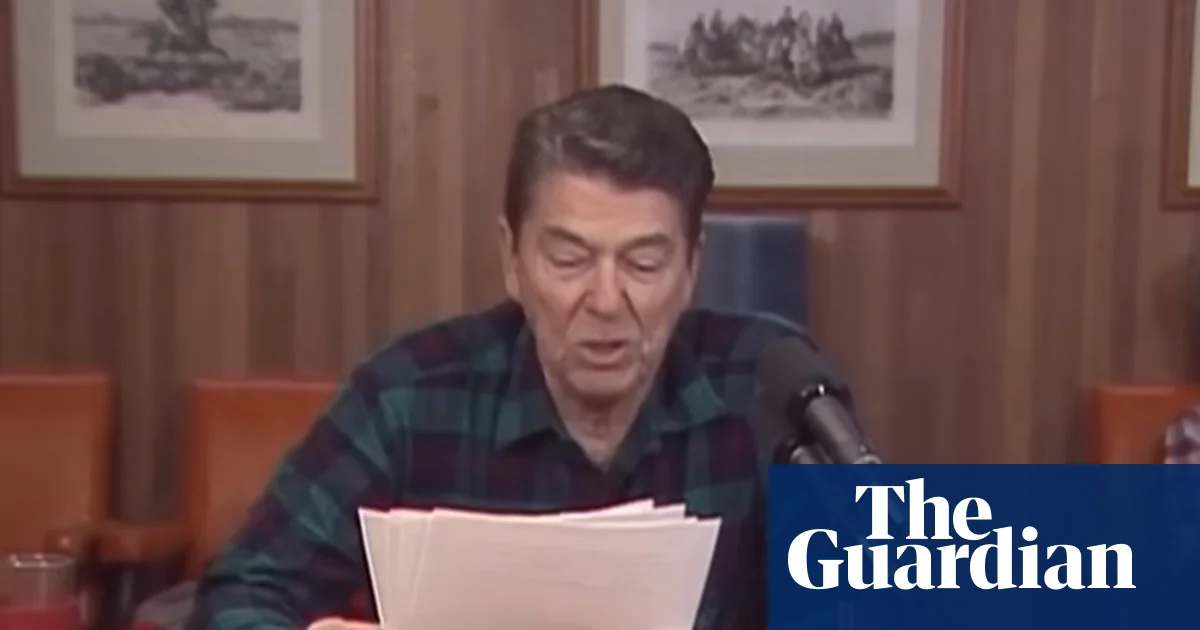
The recent escalation in trade tensions between Canada and the United States marks a significant turning point in international relations, highlighting the fragile nature of economic diplomacy in an era dominated by unilateral decision-making. The controversy began when the Ontario government ran a political advertisement featuring a historical speech by Ronald Reagan, emphasizing his stance that “trade barriers hurt every American worker”. The move, aimed at engaging US audiences on the impact of tariffs, unexpectedly ignited a diplomatic firestorm after Donald Trump responded with accusations of a “fraudulent” ad and, ultimately, the outright suspension of all trade negotiations with Canada. This sequence of events demonstrates how historical narratives can be weaponized in modern geopolitics, with repercussions that resonate far beyond the initial dispute.

The US-Canada trade relationship, long regarded as a cornerstone of North American stability, now faces an uncertain future. With the US imposition of 35% tariffs on Canadian steel, aluminum, and other key sectors, and Canada’s retaliatory measures, the economic fabric of both nations risks unraveling. Experts like Chris Sands, director of the Center for Canadian Studies at Johns Hopkins, warn that these developments could mark the cessation of meaningful negotiations. “Can we stop trade talks? Yes, but there was no evidence we were going anywhere anyway,” he notes, underscoring the perceived dead-end nature of current policy. The American move, fueled by political calculations amidst upcoming judicial hearings on presidential tariff authority, signifies a shift from Reagan’s ideals of free trade to a protectionist stance that threatens to destabilize the longstanding continental economic framework.

Moreover, this diplomatic breakdown occurs amid critical international deadlines. The scheduled review of the United States-Mexico-Canada Agreement in July 2026, coupled with U.S. Supreme Court hearings on Trump’s emergency tariff powers, underscores a pivotal moment for North American integration. The decision by the Canadian government to pivot towards building new partnerships in Asia reflects a broader strategy: diversifying economic reliance away from the tumultuous US market. As analysts observe, Canada’s stance is emblematic of a larger pattern—asserting sovereignty and safeguarding national interests against unpredictable American policies. Canada’s leadership now walks a tightrope, balancing domestic political pressure, regional unity, and its long-term strategic interests. These shifts will undoubtedly influence the global order, challenging established alliances and redefining how nations navigate shared economic destinies.

As history cast its long shadow over the present, the unfolding saga of North American trade relations raises a stark question: Will the echoes of Reagan’s optimistic free-trade vision be drowned out by the harsh realities of 21st-century protectionism? Or is this the beginning of a deeper reordering of global economic alliances? Only time will reveal whether these recent flashpoints are fleeting moments or the prelude to a fundamental transformation—where history’s lessons are either heeded or dismissed, and the world’s balance of power is reshaped by decisions made in moments of crisis. The weight of the future hangs heavy, as the pages of history continue to turn, writing a new chapter that will be remembered for generations to come.

Caerphilly Byelection: Labour, Plaid, and Reform UK clash as key Welsh vote hits the finish line

Caerphilly Byelection Sparks Critical Shifts in Welsh and UK Politics

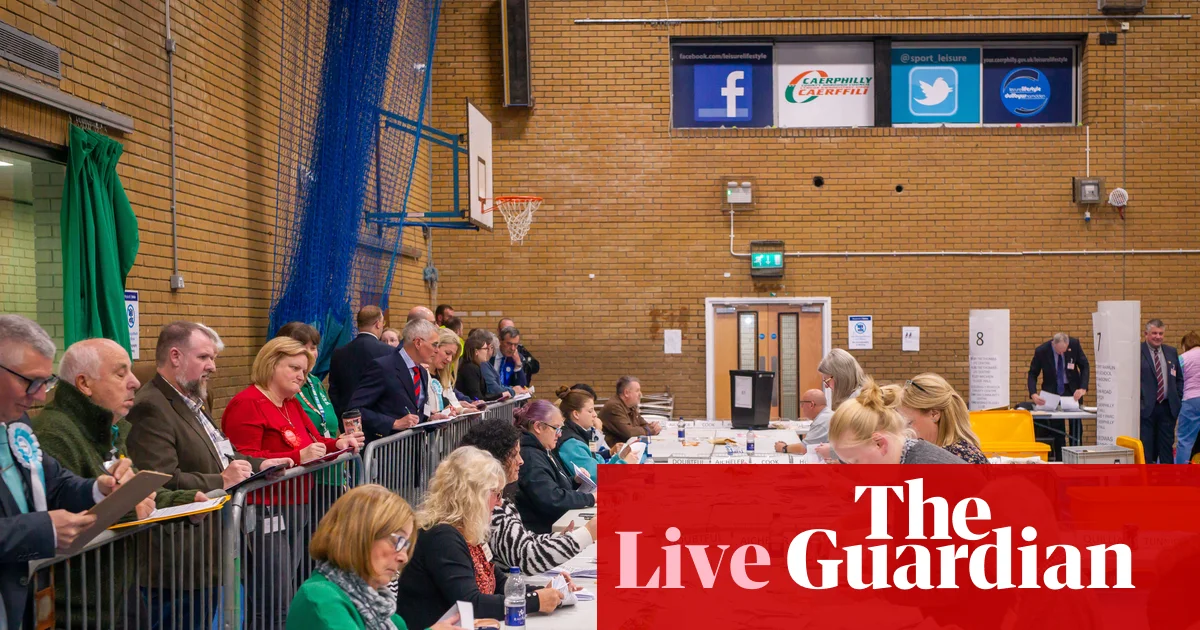
The Caerphilly byelection, recently concluded with a voter turnout exceeding 50.43%, has captured the world’s attention as a potentially defining moment in Welsh politics. Historically, voter engagement in such devolved elections has been modest, with prior turnouts seldom crossing the 50% threshold, making this election a significant anomaly. Experts note that this heralds an era where direct democratic participation in Wales might be on the rise, thereby intensifying the stakes for political factions vying for influence.

At its core, the outcome of this byelection is seen as a barometer for the larger geopolitical impact on UK politics. The possible loss of the Caerphilly seat by Labour, the longstanding dominant force in Welsh governance since 1999, would not merely be a local concern. It signifies a broader disenchantment with the party’s performance both at Westminster and Cardiff, which has opened space for insurgent parties like Reform UK and Plaid Cymru to challenge the status quo. As analysts warn, if Reform manages to replicate its recent gains, it could destabilize the traditional political landscape, pushing the UK closer to a new, more fractured political era.

Fierce Campaigns Echo Broader Ideological Battles

The election, called due to the death of Hefin Wyn David, underscores the mounting ideological struggle within Wales—between those advocating for continued devolution and independence, and reformers promising constitutional overhaul. Nigel Farage and his Reform UK team invested heavily, pledging to “throw everything” into the contest, notably capitalizing on voter dissatisfaction with established parties. Meanwhile, Plaid Cymru seeks to solidify its claim as the primary nationalist voice, emphasizing their focus on a future independent Wales and presenting themselves as the alternative to what they depict as Labour’s waning influence.

Additionally, the battle witnessed energetic grassroots activism, with Lindsay Whittle of Plaid describing the campaign as “really energetic,” further indicating that the fight over Welsh sovereignty and societal direction is far from settled. Several internationals, including political historians, see this contest as a potential bellwether for the upcoming full Senedd elections, where the real redefinition of Welsh autonomy could crystallize. This contest, therefore, is not merely a local election but a proxy for future societal shifts, impacting the British Isles’ political architecture.

Societal Underpinnings and Future Forecasts

Despite the fierce political rhetoric, some fear that polarization and societal division lie beneath the surface of these electoral battles. The reports of intimidation tactics—such as attacks on Reform UK candidates’ properties—and controversies over campaign rhetoric indicate a volatile atmosphere. Yet, this tumult reflects a deeper undercurrent: a society grappling with change, identity, and the future of its governance. As Sharon Walker, an international political analyst, suggests, the political shift in Caerphilly could serve as a touchstone influencing debates across the UK on national identity, sovereignty, and social cohesion.

The story of this election remains unwritten as vote counting continues and the nation watches with bated breath. If the results favor Plaid Cymru or Reform UK, the landscape of Welsh and UK policy-making may be forever altered, ushering in an unprecedented chapter where allegiance and ideology are re-scribed anew. In this unfolding saga, history is not merely being watched—it’s actively being made, and the world must brace for the seismic implications that are yet to come.

NYC Mayoral Debate Heats Up: Mamdani, Sliwa, Cuomo Clash on Israel, Rent, and Trump

International Impact of New York’s Mayoral Race and Internal Power Struggles

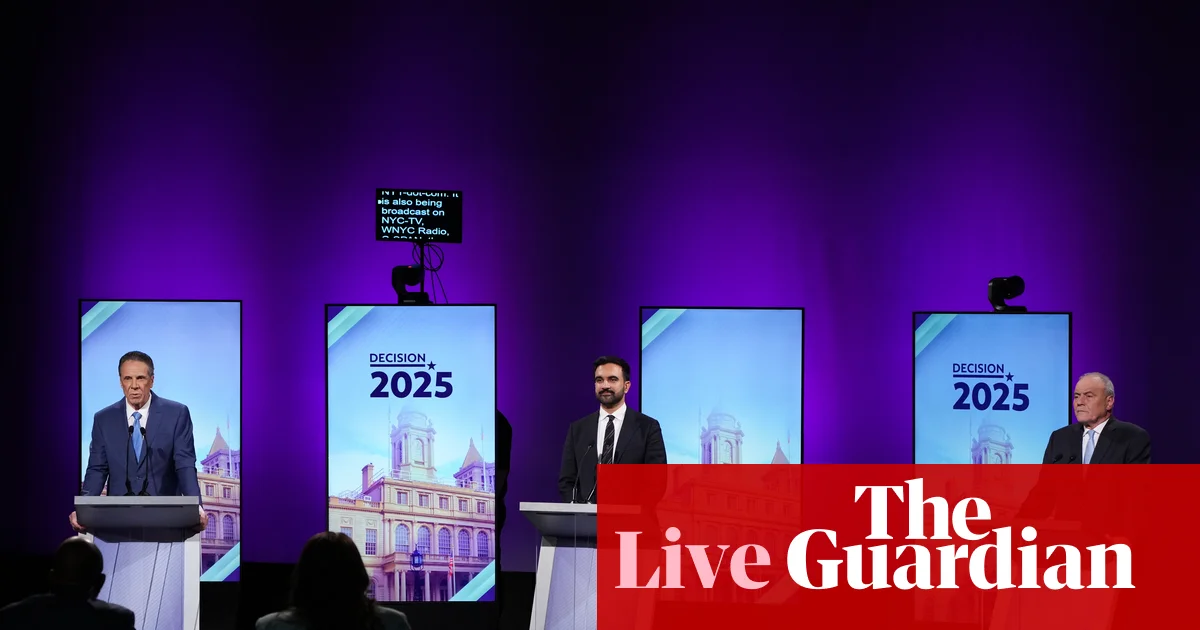
The city that once symbolized the heart of American ingenuity and resilience, New York City, has once again become the crucible where domestic politics collide with global agendas. The latest round of mayoral debates, featuring figures like Zohran Mamdani, Andrew Cuomo, and Curtis Sliwa, serve as a microcosm for the tense, complex geopolitics that define the 21st century. As American politicians do battle over issues ranging from housing crises to the specter of foreign influence and ideological radicalism, they unwittingly cast shadows that stretch across borders, affecting the geopolitical balance worldwide.

Analysts like Dr. Emily Grant from the International Policy Institute note that U.S. mayoral elections, especially in a metropolis as emblematic as New York, hold symbolic power beyond local governance. The debate over law enforcement strategies, immigration policies, and foreign policy stances is intertwined with America’s stance on global security. Mamdani’s calls for a more compassionate approach towards immigrants and his critique of federal ICE operations resonate globally, given the ongoing migration crises and international terrorism concerns. Meanwhile, Cuomo’s narrative on law and order echoes a broader international conversation on security and civil liberties, with some commentators suggesting that these internal dialogs influence how U.S. allies and adversaries perceive American stability and commitment on the world stage.

Underneath the rhetoric, these political exchanges reflect a nation grappling with its identity amid global upheaval. The debate’s focus on issues like the handling of Rikers Island, support for LGBTQ+ rights, and responses to international conflicts underscores how domestic elections are increasingly manifesting in international politics. For instance, Mamdani’s vocal opposition to certain international policies likely signals a shift towards more progressive and interventionist overseas stances by local leaders, potentially impacting diplomatic relations. Historian Jonathan Fields emphasizes that political figures on the rise, such as Mamdani, are being watched closely as indicators of potential future shifts in U.S. foreign policy, especially as they challenge the status quo set by traditional power players like Cuomo.

As the city prepares for a decisive election amidst this ambiguity, the question remains: how will these internal debates translate into global influence? Will New York’s next mayor steer the city — and by extension, America’s diplomatic trajectory — towards a more conciliatory or confrontational direction? The world watches with bated breath, knowing that in the chess match of geopolitics, the movements of a city’s mayor can signal the tone of a nation’s diplomacy. The unfolding story from Queens is more than local politics; it is a chapter in the ongoing saga that will determine the balance of power, influence, and stability in a world on the brink of upheaval. History continues to writethe present with every mayoral decision, echoing through corridors of power worldwide.

Social Media Auto Publish Powered By : XYZScripts.com