Matox News

Truth Over Trends, always!

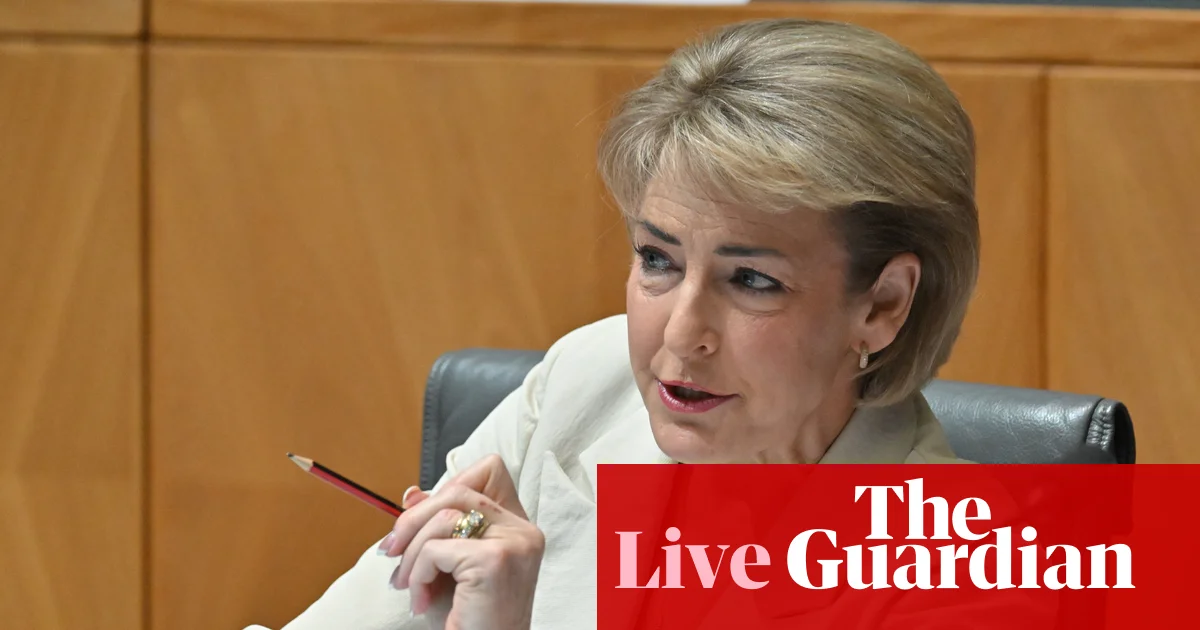
Australia News Live: Cash urges PM to condemn Chinese jet clash; Joyce grilled over One Nation shift

In a world continually edging closer to a new era of confrontation and uncertainty, recent developments underscore the volatile geopolitical landscape. From tense military encounters in the South China Sea to political maneuvering in Australia, the global stage is rife with flashpoints that threaten to ignite larger conflicts. Analysts warn that these incidents are more than isolated events—they reflect a broader strategic contest involving China, the United States, and regional powers, with international institutions often unable—or unwilling—to prevent deterioration.

The incident that has drawn significant international attention occurred over the South China Sea, where reports emerged of a Chinese fighter jet releasing flares dangerously close to an Australian surveillance aircraft. Michaelia Cash, Australia’s shadow foreign affairs spokesperson, condemned the act as a “serious escalation” that endangers the lives of Australian defense personnel. The incident marks the third provocation within a year, highlighting China’s provocative posture as it seeks to assert dominance in the strategic maritime region. In response, Cash called upon Prime Minister Anthony Albanese to publicly condemn the action, warning that failure to do so would be a “failure to stand up for Australia’s national interests.” These provocative maneuvers expose a pattern of Chinese military assertiveness that complicates diplomatic efforts and deepens regional tensions.

Meanwhile, within Australia, political dynamics are heating up as key figures like Barnaby Joyce and David Littleproud navigate complex intra-party relationships, with indications of potential shifts towards One Nation. Joyce, the member for New England, remains notably reticent about his political future amid rumors of defecting to the far-right party. Such moves could have profound geopolitical impact by emboldening nationalist sentiments and possibly altering Australia’s traditionally close alignment with the US on defense and foreign policy issues. The political realignments mirror a global trend where nationalist and populist movements threaten to undermine established diplomatic alliances and multilateral efforts to maintain regional stability.

Simultaneously, tensions extend beyond the Pacific with U.S. President Donald Trump and Australian Prime Minister Anthony Albanese engaging in a high-profile meeting at the White House. The visit saw the signing of a significant minerals and strategic partnership deal, signaling a pivot towards greater resource-driven cooperation. However, the broader message remains clouded by diplomatic undercurrents and the looming threat of military escalation. Historian and international security analyst Dr. Richard Martin notes that “these developments are indicative of a world where traditional power balances are shifting rapidly. The risk of miscalculation grows as nations test the limits of their strategic patience.” The risk of misunderstandings escalating into open conflict is heightened as superpowers and regional actors seek to secure their spheres of influence amid weakened international institutions.

As the world’s superpowers jostle for dominance, the flashes of military bravado, political confessions, and international diplomacy reveal a fragile geopolitical order. With Great Power dynamics on a knife’s edge, and regional allies watching nervously, the ongoing story remains one of tension—and opportunity—for those daring enough to shape it. The weight of history is pressing down, reminding us that every decision today writes the prelude to future conflicts. The question remains: how many more incidents of provocation and political upheaval can the global system withstand before shaping a new chapter—one written in the aftermath of chaos, or in the hope of a measured peace? The pages are still being turned; the unfolding drama continues to test humanity’s resolve and strategic wisdom.

Mamdani, Cuomo, and Sliwa Clash on Housing Sparks, City Noise Battles, and Trump Talk

As urban landscapes continue to evolve, so do the *lifestyle shifts* influencing generations across the globe—particularly the younger demographics craving a blend of health, vitality, and cultural engagement. In the heart of New York City, debates may rage over politics and policy, but beneath the surface lies an unstoppable tide of \_wellness\_ and self-empowerment sweeping through the streets and neighborhoods. This movement is not just about fitness; it’s a holistic approach that encapsulates mental clarity, dynamic community intersections, and innovative ways to integrate personal health with urban living.

Today’s youthful urban explorer isn’t just looking for the *next trendy cafe* or *Instagrammable spot*—they are prioritizing **wellness** as a lifestyle core. From \_mindfulness retreats_ in \_Little Italy_ to \_burnout-busting_ fitness classes in \_Williamsburg_, the focus on *living intentionally* has become a cultural phenomenon. Wellness experts like Dr. Mark Hyman emphasize the importance of **mind-body harmony**, while holistic practices such as meditation, clean eating, and *urban outdoor activities* are now mainstream. These shifts are fundamentally transforming how young people see their environment: not just as a backdrop for socializing, but as an active partner in their quest for vitality and purpose.

Moreover, this _vitality movement_ isn’t limited to personal health—it extends to community resilience and cultural awareness. Youth-driven initiatives frequently aim to bridge social divides through _community gardens_, _local markets_, and _group fitness events_. A compelling aspect is the emphasis on \_accessible self-care\_; making fresh, organic produce available in underserved neighborhoods, advocating for **affordable** fitness programs, and fostering a culture of **empowerment** and _self-actualization_. Influential voices like author and wellness advocate Deepak Chopra underscore that true wellness is rooted in _self-awareness_ and _connection_—a message resonating strongly with younger city dwellers eager to redefine the urban experience as \_more than just hustle and grind\_.

  • Explore local outdoor spaces for **mindful walks** and **journaling sessions**—cities like New York offer lush parks and hidden gardens promising mental clarity.
  • Participate in **community-led health initiatives**—farmers markets, urban farms, or free fitness classes—making wellness an inclusive pursuit.
  • Adopt **holistic routines**—integrate meditation, nutritious eating, and tech-free zones into daily life to combat digital burnout and stress.

Ultimately, this _wellness revolution_ is about more than fleeting trends—it’s about embracing **lifestyle ownership** that fuels _resilience_ and _inspiration_. For young people stepping into the bustling world of **urban life**, the pursuit of **health, vitality, and community** becomes a conscious act of self-empowerment, transforming everyday environments into personal sanctuaries. As they navigate the twists and turns of this modern era, they discover that _lifestyle_ isn’t just a static choice, but a continuous journey—one that reflects the resilience of youth, the depth of cultural narratives, and the enduring human spirit eager to thrive amidst the concrete jungle. In this dance of progress and tradition, every step forward becomes a testament to the belief that a healthier, connected, and purpose-driven life is within reach when we choose to embrace it.

Israel and Hamas Clash Over Hostage Remains as Tensions Escalate in Gaza

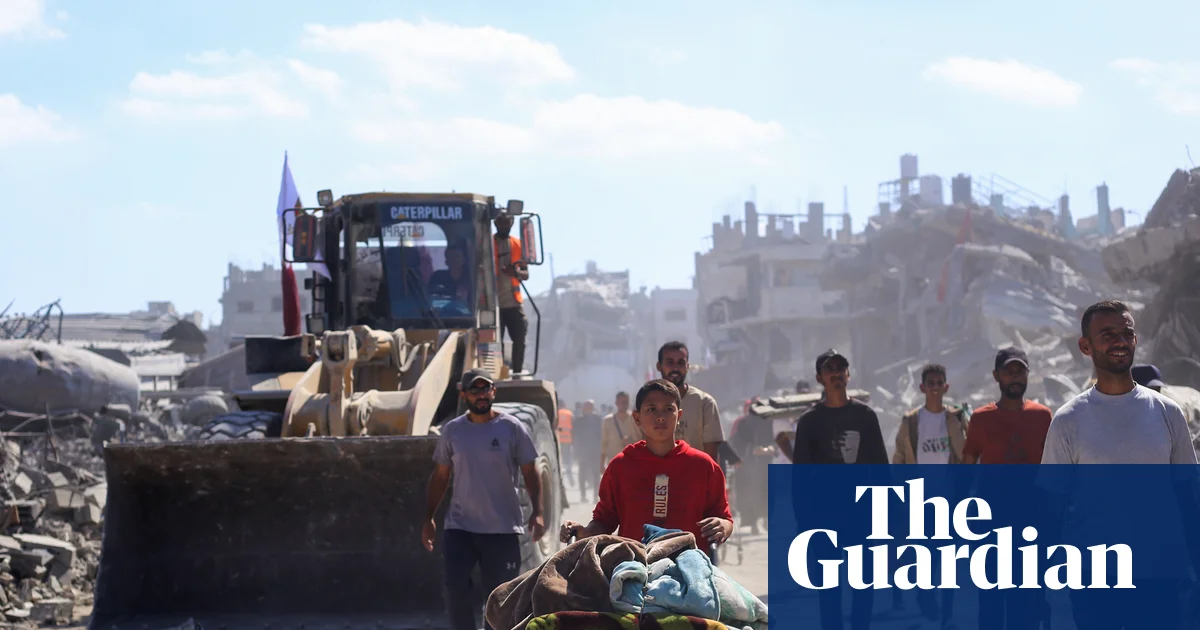
In the ongoing tumult of Israel and Hamas, recent events highlight the fragile veneer of hope amid a deepening humanitarian crisis in Gaza. Despite the recent ceasefire agreement, which promised a surge of crucial aid and the return of hostages, the reality remains far complex and dangerous. The ceasefire deal signed last week initially raised hopes for a shift in the two-year conflict, yet most restrictions on aid deliveries and movements have persisted. The delay in opening vital access points, notably the Rafah crossing controlled by Egypt, underscores the geopolitical tensions and hesitancies that continue to inhibit the flow of food, fuel, and medical supplies—an urgent need acknowledged by international health organizations such as the WHO.

The international community, including the United Nations and prominent analysts like those from Harvard and the Council on Foreign Relations, emphasize the dire consequences of these delays. Aid agencies warn that the lack of medical supplies and fuel is pushing Gaza toward a catastrophic collapse of its healthcare system. With only a fraction of hospitals operating amid outbreaks of infectious diseases, the death toll and human suffering threaten to escalate. Meanwhile, Israel remains locked in accusations, with Prime Minister Benjamin Netanyahu vowing to retrieve the remains of all hostages and asserting that “the fight is not over yet”. His rhetoric signals a determined stance, reinforced by military statements that portray their ongoing operations as necessary to ensure security against threats they deem existential.

Amidst this, the U.S. and regional mediators are caught in a balancing act. While attempts are made to sustain the ceasefire’s fragile hold, Hamas accuses Israel of violating the agreement through violent shootings and continued military operations. These repeated violations illustrate the unstable ceasefire environment, where both sides are reluctant to fully trust each other’s commitments, echoing warnings from historical analysts who suggest that territorial disputes and entrenched hostility make lasting peace elusive without profound geopolitical shifts. The return of prisoners and the recovery of bodies, often marked by signs of violence and torture, further complicate matters, fueling public anger and distrust on both sides. Such incidents, as detailed by Gaza doctors, serve as stark reminders of the brutal cycle of violence that persists beneath diplomatic negotiations.

If history is any guide, the current pause in the conflict is likely to be short-lived unless substantial international pressure and diplomatic breakthroughs occur. As regimes and their supporters watch from afar, the geopolitical impact extends beyond Gaza, affecting regional stability and global alliances. The challenge remains: how to forge an environment where aid can flow freely, hostages are returned safely, and long-term peace becomes a tangible goal rather than just an elusive hope. The weight of history presses down, as the world trembles on the brink of another chapter in this North African saga—a chapter that, whether it leads to peace or further chaos, will be written by the decisions yet to be made. As the dust settles, the eyes of history remain fixed on Gaza, waiting to see if this fragile ceasefire can hold or if the violence will erupt once again, perpetuating the cycle of suffering that has defined the Israeli-Palestinian conflict for decades.

Taliban Claim Pakistani Troops Killed in Retaliatory Border Clash

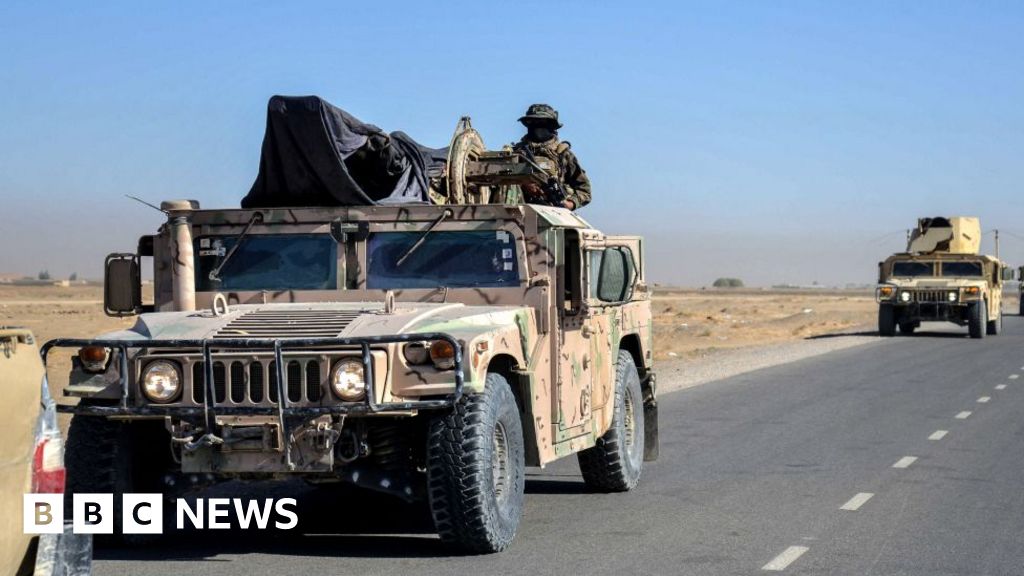
The recent surge in hostilities along the Pakistani-Afghan border marks a significant escalation in a long-standing conflict that threatens regional stability. The Taliban government in Afghanistan has publicly declared its involvement in clashes with Pakistani troops, claiming to have inflicted substantial casualties on Pakistan’s military personnel. According to a Taliban spokesman, 58 Pakistani soldiers were killed in what they described as an act of retaliation, asserting that Pakistan had violated Afghan airspace and bombed a market inside Afghan territory. However, international analysts suggest these figures may be inflated for political leverage, with Pakistan disputing the death toll, asserting only 23 of its soldiers were casualties and claiming a higher number of Taliban fighters have been neutralized. This tit-for-tat exchange underscores the fragile, often violent nature of border relations and intensifies concerns of an all-out regional conflict spilling beyond local skirmishes.

The geopolitical impact of these clashes extends far beyond the borderlands. Both nations accuse one another of harboring and supporting terrorist groups, with Islamabad alleging that Kabul shelters militants who threaten Pakistani security—particularly the Pakistan Taliban, or TTP. Conversely, the Taliban deny these allegations, emphasizing their commitment to controlling their territory post-U.S. withdrawal. Historians and regional analysts warn these accusations could serve as pretexts for wider military engagement, ultimately destabilizing the entire South-Central Asian corridor. Major crossings, such as Torkham and Chaman, have now been shuttered, cutting off vital trade routes and amplifying economic hardship—effects that ripple into local societies and global markets alike. The closure leaves hundreds of trucks stranded, exemplifying how diplomatic failures transform into tangible economic crises that threaten livelihoods on both sides of the border.

Within the broader international landscape, calls for restraint have emerged from regional and global actors. Saudi Arabia and Qatar have urged both Pakistan and Afghanistan to prioritize dialogue and diplomacy, warning that escalation could spiral into a conflict with widespread repercussions. Meanwhile, India has expressed cautious optimism about renewed diplomatic engagement with the Taliban, emphasizing the importance of regional stability. Such developments illustrate the intense diplomatic chess game unfolding, where alliances are tested and regional power dynamics shift rapidly. This volatile mix of accusations and military action underscores the fragile balance of power, which, if destabilized further, risks drawing neighboring countries into a widening conflict—one that is as unpredictable as it is dangerous.

As historians scrutinize this turning point, experts warn we are witnessing the unfolding of a new chapter in regional power struggles. The fragile ceasefire and border closures threaten to unravel years of cautious diplomacy. With China and Russia watching closely, the situation embodies a larger geopolitical contest over influence in Central Asia—an arena where the fate of sovereignty, security, and peace hangs precariously. This clash, unfolding with the violence of a tragic play, leaves the world’s gaze fixed on an uncertain horizon. The echoes of history remind us: in this volatile theater of nations, the line between peace and chaos remains razor-thin, and the next move could redefine the destiny of countless societies—an enduring reminder that, in the grand tapestry of geopolitics, the story is still being written.

Greta Thunberg alleges she’s held in Israeli detention with bedbugs amid Gaza flotilla clash

The recent detention of Greta Thunberg during a controversial aid flotilla mission underscores the intensifying geopolitical conflict surrounding Gaza’s maritime blockade. Thunberg, an internationally renowned environmental activist, was detained by Israeli forces along with 436 other activists, members of the Global Sumud Flotilla (GSF), in an effort to breach a 16-year-long blockade aimed at restricting the flow of goods and aid to the Palestinian enclave. Israel’s decision to intercept and arrest all vessels not only exemplifies its strict maritime policies but also triggers a broader debate about humanitarian access versus security concerns. These events are more than isolated incidents—they are a flashpoint in a larger geopolitical struggle that could ripple across the Middle East and influence international relations for years to come.

This effort to challenge Israel’s blockade is viewed by many in the global community as a critical act of resistance, symbolizing the struggle for Palestinian self-determination. However, Israel’s response has been characterized by forceful suppression, with the perpetrators’ treatment of detainees raising alarm among human rights groups and international observers. According to reports from lawyers working with the flotilla, crew members have experienced “systematic violations” of their rights, including denial of water, food, and legal access, alongside physical and verbal abuse. The detention at Ketziot prison, a facility primarily used for Palestinian security prisoners, signals a geopolitical message: Israel remains unyielding in its assertion of sovereignty and security, regardless of international criticism. Analysts warn that such treatment adds fuel to the fire of international outrage, complicating diplomatic efforts and exacerbating tensions with sympathetic nations seeking to challenge Israel’s policies.

The broader geopolitical impact of this incident cannot be understated. Led by hardliners like Itamar Ben-Gvir, Israel’s far-right national security minister, the narrative framing activists as “terrorists” reveals a shift towards increased militarization and a confrontational stance. The image of Ben-Gvir publicly branding peaceful aid workers as enemies signals his broader intention to consolidate control and discourage future similar acts of defiance. Meanwhile, nations like Sweden are engaging diplomatically, with their foreign ministry openly expressing concern over Thunberg’s treatment and their efforts to secure her legal rights. For global actors, these events serve as a stark reminder of how local conflicts have global repercussions, impacting diplomatic relations, influencing international law debates, and fueling narratives about security, sovereignty, and human rights. Moreover, the incident raises profound questions about how international activism intersects with geopolitical stability and the future of humanitarian aid in conflict zones.

As history continues its relentless march, the arrest and alleged mistreatment of Greta Thunberg encapsulate a moment of high tension that could define regional stability for decades to come. With each act of suppression and defiance, the world witnesses a chapter in the ongoing struggle over Gaza—a pivotal nexus where human rights, sovereignty, and international diplomacy collide. The weight of this moment will echo throughout history, compelling future generations to ask: Was justice sacrificed in the name of security? Or did the heavy hand of conflict forever etch this chapter into the fabric of global conflict? As international organizations and nation-states grapple with their roles, the unfolding saga reminds us that beneath the headlines, the tides of history are shifting forever, shaping the destiny of nations and societies in an uncertain world.

US and Canada clash over wildfire blame — who’s really fueling the flames?

Canada’s Wildfire Season: A Growing Challenge for North America’s Climate Conscience

The recent surge in Canadian wildfires has captured not only national attention but has also ignited a contentious debate across borders. As fires scorch vast swathes of boreal forests—spanning over 37 million acres in 2023 alone—the smoke consistently drifts southward, clouding skies from Vancouver to Manhattan. This phenomenon underscores a new reality in our climate landscape: wildfires are no longer isolated natural disasters but interconnected crises demanding a comprehensive, strategic response. For youth seeking to understand their role in this shifting ecosystem, it’s essential to realize that our personal choices—be it energy consumption or advocacy—compound to influence broader environmental health.

The Cross-Border Impact of Wildfires: A Shared Crisis

The pollution caused by Canadian wildfires affects millions of Americans and Europeans, leading to thousands of premature deaths each year, as confirmed by recent scientific studies published in Nature. Experts like Dr. Michael Brauer emphasize that wildfire smoke should be treated as a serious public health concern, on par with deadly illnesses like cancer. Yet, political tensions surface when U.S. lawmakers demand accountability from Canada, framing wildfires as a failure of management rather than acknowledging them as a symptom of the larger climate crisis fueled predominantly by human activity. These calls for accountability often overlook the fact that both nations are battling the repercussions of climate change—an issue that requires cooperation, not blame.

Understanding the Bigger Picture: Climate Change and Ecosystem Management

As wildfire seasons extend and intensify, the shift toward more extreme fire ecosystems becomes clear. Climate change contributes to hotter, drier conditions, making forests increasingly prone to ignitions. Countries are grappling with these realities, but the solutions go beyond firefighting. While strategies like controlled burns and better forest management are debated, experts warn that these are just palliative measures without addressing root causes. Governments are gradually investing, for instance, with Canada’s pledge of over $47 million directed toward preventative research and community preparedness, hoping to better mitigate the worst impacts. For engaged youth, this emphasizes that resilience is built through forward-thinking, innovative governance and a proactive stance on climate change.

Personal and Collective Resilience: Embracing Change and Responsibility

Amidst the chaos of wildfires, there exists a broader message of personal impact and societal responsibility. Protecting vulnerable communities, advocating for sustainable policies, and reducing carbon footprints are all ways individuals can contribute to a resilient future. Recognizing that wildfire smoke can reach health-damaging levels—even in major cities—should serve as a wake-up call for a new generation eager for meaningful change. As Beverly, a climate expert, notes, the interconnectedness of global emissions and local wildfires reminds us that climate action is a collective moral duty. Embodying this awareness in daily life cultivates a mindset of empowered optimism, where each small step contributes to a broader wave of change, inspiring communities to adapt and thrive.

Looking Forward: A Journey Rooted in Courage and Hope

While the headlines often focus on blame and crises, the story of wildfires is ultimately a narrative about transformation. It is about learning to coexist with these natural yet exacerbated phenomena and embracing the resilience that comes with collective action. For the youth standing on the cusp of environmental leadership, the message is clear:面对未来,我们必须携手合作,应对气候变化的挑战。Driven by innovation and responsibility, we forge a path not merely to survive, but to flourish—transforming adversity into an opportunity for global and personal growth. As the smoke gradually clears, so too can our sense of purpose, rooted in the understanding that true wellness stems from a blend of personal accountability and strategic unity.

Social Media Auto Publish Powered By : XYZScripts.com