
Matox News

Truth Over Trends, always!

Stay sharp: Top style tips for rocking classic straight leg jeans your way

In an era dominated by fast fashion and ever-evolving trends, many young fashion enthusiasts are experiencing *denim overload*. The latest shift, however, is a clear reaction to this frenzy: a renewed appreciation for the timeless straight leg jeans. These classic staples are making a striking comeback, reminding us that sometimes, simplicity truly is the ultimate sophistication in style. As social media influencers and trend forecasters point out, the move away from overly distressed or exaggerated cuts signifies a desire for authenticity and enduring fashion over transient fads.

The cultural impact of this movement cannot be overstated. Straight leg jeans serve as a canvas for personal expression, adaptable to various settings—whether a casual hangout or a polished office look. Popular influencers like Emma Chamberlain and Zachary “Zo” highlight the versatility of this style through their carefully curated feeds, effectively shaping youth perceptions of what constitutes “cool”. Sociologists argue that this return to basics reflects a broader shift towards minimalism and sustainability, resonating with a generation increasingly conscious of environmental impacts and the wastefulness of fast fashion. The resurgence of straightforward denim symbolizes a cultural preference for authenticity and self-identity, asserting that fashion can be both stylish and meaningful.

  • Minimalist aesthetics are dominating youth fashion narratives, emphasizing quality over quantity.
  • Sustainable practices become more prominent as consumers look for durable, timeless pieces like straight leg jeans.
  • Social media trends showcase how influencers and everyday users are redefining what’s “trendy,” fostering a broader acceptance of classic styles.

Fashion analysts and sociologists note that this trend carries a social relevance beyond mere aesthetics. By embracing a style rooted in both tradition and practicality, younger generations are subtly challenging the hyper-ephemeral nature of digital culture. The rise of straightforward denim as a daily wardrobe staple suggests a cultural shift towards authenticity, resilience, and identity-centered fashion. It’s not simply about looking good but about making a statement: that real style endures chaos, fast-changing trends, and fleeting viral fads.

However, what makes this trend particularly intriguing is its potential to evolve into a lasting cultural phenomenon. As brands and retailers scramble to cater to this demand, questions emerge about the future: Are we witnessing a temporary rebellion against fast fashion, or is this a sign of a deeper societal transformation—towards more mindful, authentic self-expression in the digital age? The future of youth fashion may well hinge on this pivotal question, challenging us to reconsider what truly defines cultural relevance and social identity in the 21st century.
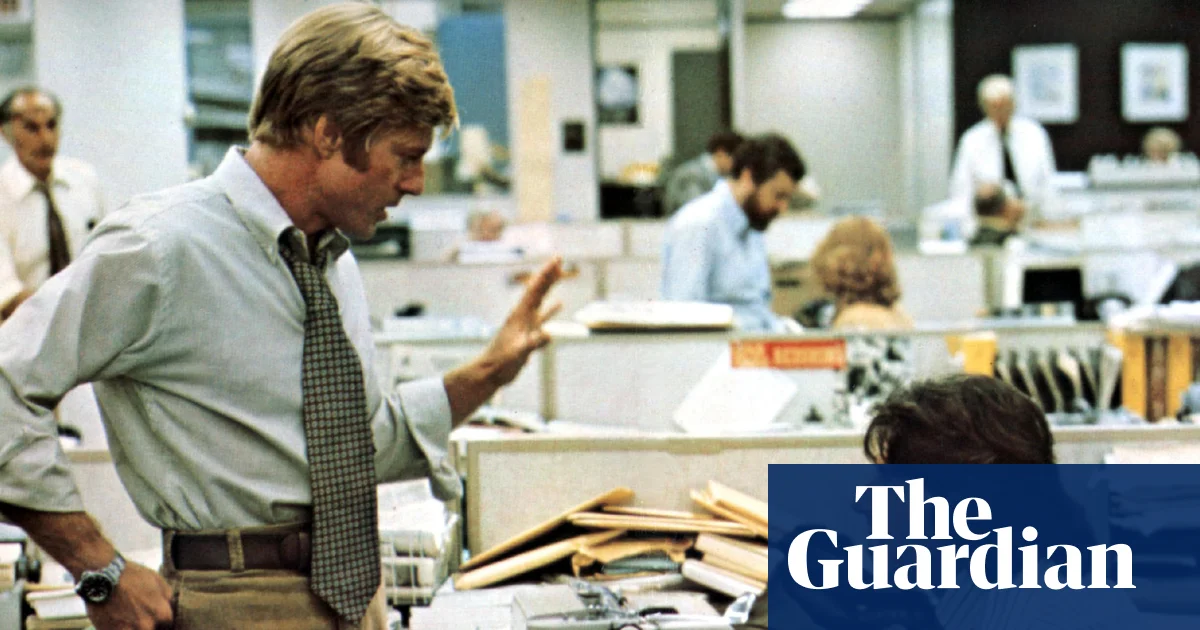
Celebrating 50 Years of All the President’s Men: A Timeless Classic in American Cinema and the Watergate Saga

In an age where the rapid currents of digital innovation threaten to erode the bedrock of traditional values, culture remains our enduring foundation—an anchor linking the past to the future, a mirror reflecting our collective identity. The 50th anniversary of the film All the President’s Men serves as a poignant reminder of how storytelling, rooted in truth and perseverance, can preserve the moral fabric of society. This cinematic masterpiece, exemplifying the rigorous pursuit of justice through the lens of journalism, underscores the vital role of culture not merely as entertainment, but as a testament to a society’s moral and intellectual resilience. It echoes Ortega y Gasset’s assertion that we are what we continually create and revere—our cultural memory shaping us like a mirror held up through the ages.

Yet, the interplay between culture and societal values is not static. When we observe the relentless efforts of Woodward, Bernstein, and the journalists of Watergate, we see not just the fight against corruption, but a reaffirmation of the foundational principles of accountability and transparency. As Tocqueville noted, democracy thrives on the vigilant participation of its citizens—an ideal vividly illustrated by the reporters’ dogged dedication, even amidst apathy and political turbulence. These stories become more than cinematic relics; they become symbols that rally society around the understanding that our cultural identity is forged in the crucible of truth, tradition, and moral resolve.

  • Milestones in cinematography capturing the spirit of investigative integrity.
  • Portrayals of historical figures demonstrating the power of moral clarity.
  • The ongoing debate over the role of media as guardians of civic virtue.

As we confront new challenges—be it political upheavals, social fragmentation, or technological disruptions—the melodious memory embedded in these stories offers a compass for the youth. Chesterton’s notion that “Tradition means giving votes to the most obscure of all classes, our ancestors” suggests that in deeply respecting our cultural roots, we find the prophetic voice of the future. If culture is both memory and prophecy, then the stories we cherish and uphold serve as the blueprint for human dignity—reminding us that our shared cultural inheritance is the blueprint of our destiny. The enduring narrative of truth, courage, and perseverance calls us to be vigilant guardians of the moral edifice, for it is in this sacred act that we find both the reflection of who we are and the promise of what humanity can become—a monument not only to memory but a prophecy inscribed in the stones of our collective soul.

Michael B. Jordan Celebrates Oscars Win with Classic In-N-Out Burger Feast

Across the world, cultural phenomena often transcend national borders, influencing geopolitical strategies and societal values in subtle but profound ways. The American fast food chain, In-N-Out Burger, has long been associated with Hollywood glamour and elite social events, particularly its longstanding connection with the Academy Awards. Since 1994, this brand has been a staple at Vanity Fair’s renowned Oscar afterparty, symbolizing how American pop culture continues to wield soft power—a phenomenon that many analysts see as a manifestation of cultural diplomacy. Such events exemplify the way entertainment and consumer brands serve as tools for international influence, shaping perceptions of the United States while reinforcing its cultural dominance worldwide.

However, the implications of these cultural exports extend beyond mere entertainment. Many world leaders and diplomatic circles observe how American lifestyle branding, exemplified by iconic brands like In-N-Out, contributes to a covert form of influence that can sway public opinion and societal aspirations. Historians argue that the pervasive reach of American media—bolstered by corporations and Hollywood—acts as a catalyst in shaping national identities and elevating Western ideals across diverse societies. Meanwhile, international organizations such as the United Nations increasingly recognize the need to balance cultural exchanges with the preservation of local traditions and sovereignty, particularly in regions where Western influence is perceived as a threat to indigenous values.

The global geopolitical impact of these cultural intersections is complex. In an age where information and cultural content are rapidly disseminated via digital platforms, the dominance of American brands and media creates a form of soft power that can undermine traditional regional power centers. Some geopolitical analysts warn this dynamic fuels the tension between Western liberalism and emerging authoritarian regimes that seek to assert their own cultural narratives. As nations grapple with this tension, international institutions like the World Trade Organization and regional alliances are tasked with managing the delicate interplay between economic interests and cultural sovereignty. The decisions made today—whether in trade policy, censorship, or cultural promotion—will determine the contours of the global order for generations to come.

Ultimately, these developments underscore how choices by corporations, governments, and cultural icons reverberate through the fabric of society. From the glamour of Hollywood to the corridors of diplomatic power, the ongoing saga of influence and resistance unfolds. Historians and international analysts warn that the trajectory of this cultural imperialism could either cement Western values as universal or spark a resurgence of regional identities and sovereignties. As the world watches, the fading echoes of history’s past struggles—between empire and independence, tradition and change—persist, reminding us that the unfolding story of geopolitics is as much about ideas as it is about power. The future remains uncertain, yet one certainty endures: history’s grand narrative continues to be written, and its next chapters are yet to be revealed.

From New Zealand to Orkney: The bold move to preserve a timeless classic

Global Movements and Shifting Power Dynamics: The Significance of Hans Compter’s Worldwide Journey

In recent days, the world has been closely watching a seemingly symbolic journey undertaken by Dutchman Hans Compter, who traveled across numerous countries to deliver the Austin to Cathleen Hourie in the remote region of Orkney. While on the surface this may appear as an individual story of tradition or personal endeavor, international analysts and geopolitical strategists recognize this event as emblematic of the ceaseless currents of change shaping the global landscape. As nations grapple with economic upheavals, shifting alliances, and rising geopolitical tensions, such journeys symbolize more than mere logistics—they embody a broader narrative of resilience and the underlying power plays that define the 21st century.

This journey’s significance extends well beyond the personal; it underscores the resilient spirit of connectivity amidst a world increasingly fractured by trade disputes, territorial conflicts, and ideological rifts. The delivery of the Austin, often representative of technological or diplomatic importance, highlights the persistent importance of international cooperation—even among nations that constantly jockey for regional dominance. Such acts serve as subtle yet powerful reminders that, despite the tumult, the global community remains interconnected, with each voyage echoing the implicit recognition that collective stability depends on collaborative diplomacy.

From a geopolitical impact perspective, the event resonates strongly within the broader framework of international relations. As global powers recalibrate their positions—China asserting more influence, Russia reasserting regional dominance, and the West attempting to solidify alliances—such symbolic acts are viewed critically by observers such as the International Institute for Strategic Studies. The journey through multiple nations indicates underlying currents of cooperation amid discord, but also serves as a reminder of the fragile peace that underpins global stability. Analysts emphasize that these diplomatic gestures—be they cultural exchanges or logistical feats—have far-reaching consequences, often shaping the perceptions and future diplomacy of the involved nations.

Historically, events like this are seen as opportunities for nations to demonstrate resilience or leverage soft power — the ability to influence through culture, diplomacy, and indirect means. Experts note that reaching remote locations like Orkney symbolizes the persistent importance of strategic physical and ideological presence. The narrative of Hans Compter’s journey echoes a recurring theme within international history: despite decades of conflict and ideological divergence, humanity’s shared pursuit of connection often surfaces in symbolic acts. These moments influence societal perceptions, sway international opinion, and reveal underlying shifts in power dynamics that will ultimately shape the emerging order.

Yet the weight of this seemingly simple delivery is grounded in the enduring truth that history remains a continuous, unfolding story. As nations observe, analyze, and react to such actions, the outcome could influence future alliances, economic cooperation, and even the stability of regions long considered volatile. With each diplomatic voyage, the fabric of the international system becomes more intricate, and the stakes for nations and societies grow exponentially. As the world stands at this crossroads, the legacy of Hans Compter’s journey becomes a poignant reminder: in the grand theatre of geopolitics, every move counts, and history waits silently—its eventual chapters yet to be written.

Royal Style on the Rise: How Trendsetting Royals Are Redefining Classic Fashion for the Next Generation

Royal Fashion: The Subtle Weapon of Power and Social Signaling

In today’s ever-evolving social landscape, the British Royal Family continues to master the art of dress diplomacy, turning clothing into a potent tool of soft power and cultural influence. While to many their attire might seem like mere tradition or personal style, seasoned analysts like sociologist Dr. Emily Carter argue that the royal wardrobe is a carefully curated narrative device. From King Charles’ British bespoke suits signaling resilience in turbulent times to Princess Catherine’s conscious sustainability choices, royal fashion remains an unspoken language of authority, ethics, and political messaging. It’s an elegant, yet deeply strategic tapestry woven with each carefully selected garment, shaping societal perceptions in subtler ways than any speech or policy could achieve.

Historically, as Justine Picardie notes in her insightful book, Fashioning the Crown, the house of Windsor has wielded fashion as an “instrument of crisis management.” The deliberate choice of attire during pivotal moments—such as Queen Elizabeth II’s wardrobe reforms during the post-war era, or her 2017 colour choices during Brexit debates—illustrate how style functions as situational signaling. When the Prince and Princess of Wales recently appeared in coordinated burgundy velvet at the Baftas, it was dubbed “Pantone diplomacy” by the New York Times. Their outfits symbolized unity and steadfastness—not just fashion statements but social messages of resilience amid the family’s ongoing public scrutiny. Such sartorial signal-coding demonstrates an incredible level of social relevance, as it subtly reinforces the monarchy’s endurance and moral stance amidst crises.

The growing recognition of fashion as “dress diplomacy” underscores an expanding cultural trend. On official visits to countries like New Zealand and Ireland, members of the royal family thoughtfully adopt local symbols—Princess Catherine’s fern-embellished dress or her repeatedly red-and-green ensembles during international outings—further confirming how clothing becomes a language of nationhood and cultural respect. The impact of these choices extends beyond mere aesthetics, shaping national identities and fostering diplomatic goodwill. This strategy, as Picardie observes, is rooted in a long-standing tradition: Elizabeth II, with her famously scrutinized hat choices and her subtle symbolism through brooches, understood how visual iconography could serve as a form of diplomacy and political messaging. Today, her successors continue to refine this craft, ensuring that each outfit maintains social relevance and underlines their role within national narratives.

As royal fashion evolves and the younger generation asserts some independence, questions arise about the future of this coded communication. Will the royal family’s clothing choices become even more transparent and communicative in the age of social media, where every outfit can be dissected and critiqued instantly? Or are we witnessing a shift where fashion’s social and political messages will be replaced by more transparent, direct communication? The next big question for cultural observers and social theorists is whether this “dress diplomacy” will adapt to the digital age—perhaps leaning into influencer-driven, transparent fashion statements or remaining a meticulously guarded tradition. Whatever the future holds, one thing remains clear: the royal wardrobe is not just about elegance; it’s a vital part of the cultural chess game, and understanding it might hold the key to deciphering the subtle power plays shaping our society.

Tide’s Evo Tiles: The Next-Level, Overengineered Spin on the Classic Pod

In an industry historically characterized by mundane chores and incremental improvements, procter & gamble’s Tide is spearheading a disruptive innovation that promises to redefine the future of laundry. With over a decade of meticulous research and development, the company has unveiled Tide Evo Tiles, an advanced single-use detergent technology designed to enhance user convenience, improve ecological impact, and bolster competitive positioning in the bustling $100 billion global laundry market. This breakthrough signals a pivotal shift in how consumers and businesses approach cleaning routines, echoing trends in smart packaging, sustainability, and engineering innovation.

What sets Tide Evo Tiles apart is their groundbreaking engineering, blending sleek design with powerful cleaning technology. Unlike traditional liquids or pods, these dry, fibery tiles dissolve effortlessly in cold water, delivering a robust high pH clean adaptable to various load sizes. According to Tide’s senior director of R&D, Marcello Puddu, “This is really a feat of engineering,” highlighting the complex formulation work involved in creating a user-friendly, eco-conscious product that simplifies laundry routines while maintaining cleaning efficacy. Industry experts like Gartner and MIT researchers emphasize that such innovations exemplify the ongoing trend of disruptive packaging and functional design, positioning Tide as a leader in this transformation.

From a business perspective, the emergence of Tide Evo Tiles exemplifies how established firms can leverage innovation to redefine market standards. Priced between $5 and $20 per box depending on retailer, with roughly 50 cents per tile, the product balances affordability with premium appeal. Its ease of deployment—just a single tile for regular loads—addresses the needs of a broad demographic, including individuals with limited motor skills. Moreover, this product endorses a strategic shift toward eco-friendly, lightweight solutions that reduce plastic waste and energy consumption, aligning with modern consumer values and regulatory pressures for sustainability.

Looking ahead, the rollout of Tide Evo Tiles signals more than just incremental product improvement—it signifies a broader industry wave of innovation driven by heightened consumer demands and technological advances. As companies like Procter & Gamble and competitors invest in novel delivery systems that combine engineering mastery with environmental responsibility, the laundry sector is poised for unprecedented disruption. Forward-thinking entrepreneurs and tech giants alike must scrutinize this evolving landscape, where innovation and ecological considerations are no longer optional but essential for market relevance. The future belongs to entities capable of harnessing smart packaging, sustainable materials, and engineered formulas—a race that will determine the leaders of tomorrow’s cleaning industry.

Don’t Miss Out: The Mind-Bending Cult Classic ‘Possession’ Is a Must-See for Young Tech Fans

The Future of Tech Innovation: Disruption on the Horizon

In an era marked by rapid technological advancement, companies like OpenAI, Tesla, and Google are pushing the boundaries of perception, transforming the landscape of artificial intelligence, transportation, and online services. These firms exemplify how relentless innovation fuels disruption, forcing industries to adapt at an unprecedented pace. For the analytical minds at Gartner and MIT, this wave of change signals a fundamental evolution—one that prioritizes agility, sophistication, and market redefinition.

At the forefront of this disruption is the emergence of autonomous systems and generative AI, fundamentally altering how businesses operate and compete. OpenAI’s GPT models demonstrate how artificial intelligence can augment human decision-making, streamline operations, and even redefine content creation. As Peter Thiel highlights, such innovations threaten legacy industries by lowering barriers to entry and democratizing access to advanced tools. Meanwhile, Tesla’s autonomous vehicle technology exemplifies hardware-software confluence that challenges traditional automotive paradigms, opening new avenues for consumer value and business scalability.

Yet, the implications extend beyond mere disruption. Industry incumbents must reevaluate their strategies or face obsolescence. The disruption driven by these innovations exemplifies a broader trend: the erosion of monopolistic complacency. For young innovators and startups, these breakthroughs represent unique opportunities to carve out market share in a landscape that is increasingly unsettled by disruptive entrants. As industry analysts warn, delay in adaptation could lead to marginalization as new tech giants rise.

Looking ahead, the relentless march of innovation prompts a crucial question: how will traditional business models respond to this seismic shift? The future belongs to those who embrace disruption—not resist it. Investments in R&D, agile product development, and strategic foresight will be essential to navigate this tumultuous terrain. As the world quickly pivots toward this new paradigm, the urgency cannot be understated. Tech leaders, policymakers, and entrepreneurs must act decisively, harnessing the disruptive power of next-generation technologies to secure a competitive edge in the digital age.

Score 25% Off Classic Crew Necks This Holiday Season!

Consumer Apparel Innovation Sparks Industry Disruption

In a clear demonstration of how consumer preferences are shifting towards comfort and simplicity, True Classic has disrupted the saturated apparel market with its versatile black crew-neck shirts. Highlighting the growing demand among young consumers for familiar, high-quality basics, the company’s targeted marketing emphasizes the appeal of “virtue” in wardrobe staples, aligning with a broader cultural push towards authenticity and practicality. This shift marks a notable departure from fast fashion’s obsession with rapid turnover and disposable trends, signaling a move towards sustainable, well-made essentials.

Analysts observing the space, including those at Gartner and MIT’s Sloan School, note that disruption in apparel is increasingly driven by innovation in direct-to-consumer business models and dynamic pricing strategies. True Classic’s success stems from leveraging limited-time offers, such as their current “58 percent off” flash deal—effectively an additional 25 percent discount on bulk purchases—demonstrating the power of aggressive pricing tactics to redirect consumer spending away from traditional retail giants. Such models challenge established retailers, prompting a reevaluation of supply chain logistics and marketing strategies in a highly competitive environment.

The business implications are profound. With brands like True Classic appealing to younger demographics that prioritize authenticity and value, traditional apparel retailers face increasing pressure to innovate. Disruptive technologies, such as AI-driven customer insights and supply chain optimization, are now core tools for staying relevant. As Elon Musk often emphasizes, “Innovation is about solving problems faster than your competitors.” This ethos is driving smaller brands to leverage data analytics for targeted offers, creating a more personalized shopping experience that encourages brand loyalty in a market heavily influenced by social media marketing and influencer endorsements.

Looking ahead, the apparel industry must navigate a landscape where consumer expectations for rapid innovation and ethical manufacturing are converging. The next wave of disruption is poised to incorporate emerging technologies like sustainable fabrics, 3D printing, and blockchain-based supply transparency. As Peter Thiel advocates, “Control of the means of production and distribution is the ultimate power.” Moving forward, companies that master these innovations will dominate market share, while others risk obsolescence. The urgency for established players to adapt swiftly is clear: the future belongs to those who disrupt or are disrupted, making it an exhilarating time for tech-driven fashion entrepreneurs willing to challenge the status quo.

Mad Men Now Streaming on HBO Max — Fans Spot Rocky Mistakes in Classic Series

Global Impact of Entertainment and the Lessons it Still Holds

In an era where media industries are increasingly intertwined with geopolitical interests, the recent mishaps in the HBO Max re-release of Mad Men serve as a stark reminder of the global influence of cultural products. The decision to restore this groundbreaking series in 4K has rekindled popular interest and demonstrated how entertainment can shape societal perceptions, even amidst technical pitfalls. Yet, behind these glossy remasters lies a larger narrative—one of technological dominance, international competition, and the relentless quest for cultural supremacy.

Historically, the television industry has played a pivotal role in shaping national identities and soft power, especially as countries seek to project influence internationally. The controversy surrounding the HBO Max restoration—episodes being out of order, visible crew members, and social media viral moments—highlight an underlying tension: the importance of maintaining cultural artifacts with precision and care. This isn’t simply about entertainment; it is a reflection of who controls the narratives and how societies see their past. Critics such as international media analysts argue that these seemingly trivial errors symbolize a broader crisis: the encroachment of global corporations into culturally sensitive domains, often at the expense of authenticity.

Moreover, the mishandling of Mad Men’s re-release mirrors earlier incidents, like the infamous Starbucks coffee cup incident in Game of Thrones’s final season. Despite the humorous viral response, it underscored how international media conglomerates often prioritize quick fixes over meticulous quality control, thereby impacting their credibility on the global stage. This pattern is not merely a matter of poor editing but an illustration of the pressures faced by multinational entities under the specter of hyper-competition. How these errors are perceived internationally can influence perceptions of a nation’s technological capability and geopolitical standing. According to global media watchdogs, such lapses—while seemingly superficial—can serve as symbols of declining standards and international vulnerability.

Yet, the story extends beyond media missteps to a broader geopolitical narrative. Historians and analysts observe that cultural dominance is a strategic component of soft power, especially in the context of U.S.-China and Russia rivalry. As China invests heavily in exporting its media and cultural products globally, Western firms face mounting pressures—and scrutiny—in safeguarding their cultural heritage. The errors in restoring classic shows, though minor, may be exploited by adversaries to question the robustness of Western technological and cultural leadership. It underscores that every digital misstep is more than an operational flaw; it is a part of the ongoing struggle to define the global narrative.

In the final analysis, the unfolding saga of HBO Max’s restoration errors embodies the high-stakes nature of cultural preservation in a fractured world. Every glitch, every mislabeled episode, echoes the tension between technological innovation and international influence. As history continues to unfold, it is vital to recognize that these seemingly small moments—like crew members manning fake vomit machines—are, in fact, emblematic of much larger conflicts. The weight of history remains heavy on this digital stage, as nations and societies grapple with their place in an ever-changing geopolitical landscape, where control over cultural artifacts may ultimately determine the future of soft power in the 21st century.

Sydney’s Stylish New Pattern Designs: The Next Art Deco or Red Brick Classic?

Australia’s Urban Transformation: A Local Solution with Global Ramifications

In a move reflecting both dedication to modern urban planning and a broader international push toward sustainable, affordable housing, New South Wales (NSW) has unveiled a series of innovative mid-rise apartment designs aimed at addressing the nation’s housing crisis. These new pattern books, a product of the recent government’s design competition, lay the groundwork for constructing over 112,000 homes in the next five years. The move, while rooted in local policy, emerges against a backdrop of rising global concerns over urban overcrowding, housing affordability, and climate resilience. It underscores how decisions made in Sydney could influence urban development models worldwide.

The core of NSW’s reforms is a set of nine mid-rise building design patterns, ranging from three to six stories, tailored to suit diverse lot sizes and city districts. These patterns, developed by leading Australian and New Zealand architectural firms, incorporate energy-efficient and cross-ventilated features—reflecting a broader international trend towards sustainable living solutions. The designs are not merely aesthetic; they intend to facilitate a more rapid, streamlined construction process by simplifying approval procedures with local authorities. As analysts and historians note, this approach echoes Sydney’s historic use of pattern books dating back to the colonial period—building a bridge between the city’s architectural past and its future ambitions. Yet critics warn that such reforms, if not properly managed, could threaten the city’s cherished historic neighborhoods that feature art deco and red brick styles, raising questions about the preservation of cultural identity amidst relentless urban expansion.

Global Impact and International Concerns

This localized initiative resonates far beyond Australia’s borders. The push for “missing middle” housing—denser, affordable, and sustainable—has become a hot topic in global urban planning dialogues, especially in countries grappling with housing shortages like the United States and Canada. The NSW government’s strategic move aims to address the alarming exodus of youth from Sydney—a trend highlighted by the recent NSW Productivity Commission report, revealing that 45,000 young residents left the state for other regions or countries last year alone. The NSW premier, Chris Minns, emphasizes that “the onus is on us, builders, and architects, to design buildings that stand the test of time, are beautiful, and serve the most urgent societal needs.” Such rhetoric echoes a broader international demand for urban centers to become hubs of innovation, lifestyle, and economic vitality.

However, critics and international observers warn that these reforms have potential pitfalls. While the government claims the new designs will expedite housing projects and curb urban sprawl, questions remain about their long-term social and cultural impacts. Some argue that the rush to develop “highly sought-after” properties commodifies historical neighborhoods, risking the loss of local character. The United Nations and other international organizations have long called for sustainable, community-focused urban design—yet the rapid pace of development in Sydney suggests a tension between growth and preservation. As historians such as Dr. Elizabeth Evans caution, “urban reform must balance progress with cultural memory, lest cities become soulless mosaics of glass and concrete.”

The Future of Urban Development and the Weight of History

As the NSW reforms gain momentum, the question remains: how will this wave of change shape the city’s future and influence global urban policies? The design’s emphasis on speed and economy may serve as a blueprint for other nations seeking quick, affordable solutions to their housing crises. Yet, history teaches that rapid development often inadvertly erodes the very fabric that gives a city its identity. The decision to prioritize new, energy-efficient mid-rises over cherished historic districts symbolizes a broader geopolitical narrative—one of modernization versus preservation, speed versus sustainability.

In the shadows of these policy shifts, the world watches and debates—each city nervously contemplating how to move forward without losing its soul, each leader weighing the cost of progress against the weight of heritage. The unfolding story of Sydney’s urban transformation is not merely local—it is a chapter in the larger story of 21st-century civilization, where the choices made today will echo through generations. As history pivots on these crossroads, the question endures: will the future be built on the foundations of tradition or the visions of innovation? Beneath the bright facades, the true import of this moment lies in what cities and societies decide to preserve—and what they choose to leave behind.

Social Media Auto Publish Powered By : XYZScripts.com