Matox News

Truth Over Trends, always!

Youth demand clear stance on school smartphone ban amidst societal debate

In recent years, English schools have grappled with a growing debate over the presence of mobile phones within the classroom. A new regulation aims to restrict or outright ban the use of these devices during school hours, citing concerns over distraction, academic performance, and the overall well-being of students. While proponents argue that limiting phone access can foster better engagement and social interactions, critics contend that such measures might inadvertently harm families’ ability to communicate and underscore broader issues around digital dependency and social cohesion.

From a societal perspective, the shift toward banning mobile phones in schools reflects a larger cultural transformation. As sociologists William Ellery and Sharon Block have observed, the digitization of everyday life has reshaped communal bonds and youth identity. The rise of social media platforms has made digital connectivity not just a convenience but a vital part of social life, especially for younger generations. When schools restrict this connection, they may inadvertently impose a societal stressor, forcing families and communities to re-evaluate how they navigate generational divides in technological familiarity.

This policy also raises pertinent questions regarding social equity. Schools serving diverse communities have reported concerns about the uneven impact of such bans. For instance, families from low-income backgrounds or those reliant on mobile devices for emergency communication worry that these regulations could deepen existing disparities. Research from social commentaries like those of sociologist Dr. Lisa Neville emphasizes that policies which dismiss the social realities of marginalized groups risk alienating vulnerable families and eroding trust in educational institutions. The challenge lies in balancing the need to create conducive learning environments with respect for families’ essential roles in societal cohesion.

Furthermore, implementing a mobile phone ban touches upon broader questions of personal responsibility and moral development. Critics suggest that instead of blanket bans, schools should foster digital literacy programs that teach responsible use of technology. Education theorist Dr. Robert Evans advocates that **empowering students with skills to manage their digital lives** can produce healthier social interactions and reduce harmful behaviors like cyberbullying and screen addiction. These strategies align with the understanding that technology, when harnessed responsibly, has the potential to revolutionize education and community engagement, rather than undermine it. As families and educators work together, the hope is to cultivate a generation that navigates the digital age with moral clarity and social responsibility.

Ultimately, the debate over mobile phones in schools embodies society’s ongoing struggle with technological change and cultural adaptation. As we stand at this crossroads, there remains a profound need for policies that respect the complexity of social bonds, the importance of family communication, and the educational mission to prepare responsible, connected citizens. Society’s challenge is to forge a path that embraces the potential of technology while safeguarding the human touch that binds communities together. The future, therefore, hinges not solely on regulation but on a moral revolution—an awakening to prioritize values over devices. Amid the turbulence of change, there persists a quiet hope that society can reconstruct a future where families, communities, and institutions grow stronger through shared understanding and resilience, illuminating a path rooted in humanity’s enduring capacity for renewal.
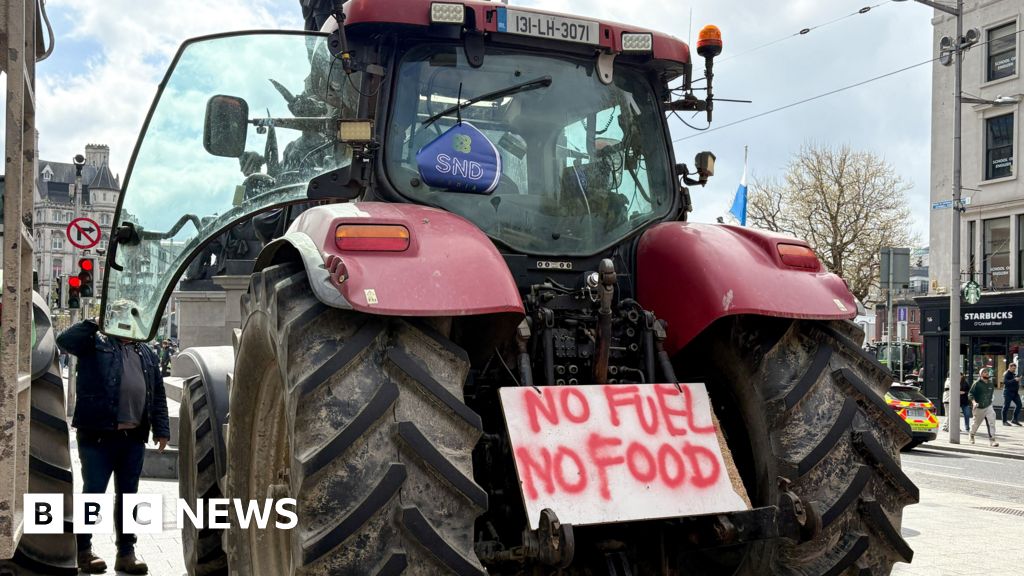
Irish police clear fuel protesters at oil refinery amid rising tensions

Recent demonstrations centered around rising costs have erupted across multiple regions, shedding light on the profound geopolitical impact of the escalating US-Israeli confrontation with Iran. As protests ripple through cities and highways, the broader consequences extend beyond mere discontent, signaling shifts in international stability and economic resilience. This unrest, driven significantly by economic pressures exacerbated by the ongoing conflict, reflects a society strained under the weight of war and the ripple effects of superpower diplomacy.

At the heart of recent upheaval are the sharp increases in fuel prices and commodities—an outcome of sanctions, tanker rerouting, and disrupted supply chains that have deepened economic vulnerabilities. Experts from the International Monetary Fund and geopolitical analysts argue that these economic disturbances are not isolated; instead, they are harbingers of a broader destabilization that could influence international alliances and power dynamics for years to come. Historian Dr. Jane Roberts warns that history teaches us conflict not only reshapes borders but also ripples through societal stability and civil order. The demonstrations highlight how local populations are affected by decisions made in distant capitals, underscoring the interconnectedness of modern geopolitics.

This surge in unrest coincides with heightened tensions between the United States, Israel, and Iran, where diplomatic efforts and military posturing are shaping a precarious global landscape. The recent military strikes and sanctions against Iran have sharply increased prices and supply uncertainties in global markets, fueling inflation and consumer distress. Countries across the Middle East and beyond face pressures to navigate these turbulent waters, with some analysts warning that any misstep could ignite a broader regional conflict. The United Nations warns that such instability undermines international peace efforts and feeds into anti-globalist sentiments worldwide.

Moreover, the geopolitical landscape is undergoing a profound transformation as alliances shift under the burden of war. Countries such as Russia remain watchful, evaluating how these conflicts open avenues for strategic gains or weaknesses. Decisions made now, including military support, sanctions, and diplomatic overtures, will reverberate long after the dust settles, shaping the post-war order and influence of global powers. International organizations, united in their pursuit of peace, continue to warn that escalation risks drawing a divided world into deeper chaos, with civilians caught in the crossfire.

As the protests continue to obstruct traffic and draw international attention, they serve as a stark reminder: the flow of history is unpredictable, yet often driven by moments of crisis. In the shadows of rising prices and unrest, the true test lies in whether nations can pursue stability amid upheaval or succumb to the chaos that war engenders. The world watches, holding its breath, as the tide of geopolitical currents carries us toward an uncertain future.

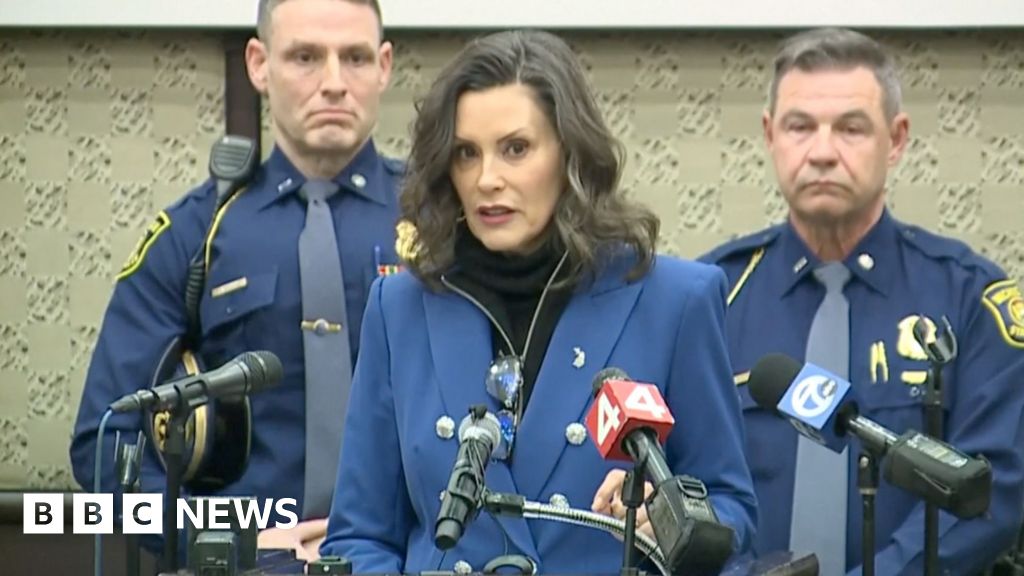
Michigan synagogue attack a clear act of hate, warns governor

In what experts are calling a disturbing escalation of domestic violence, authorities in the United States have officially classified a recent incident as a “targeted act of violence against the Jewish community”. The FBI’s investigation underscores the ongoing challenges faced by minority communities within national borders, yet the motive behind this attack remains elusive, leaving many to question the underlying societal tensions that continue to threaten social cohesion in Western democracies.

From a geopolitical perspective, such acts of targeted violence trigger a ripple effect that extends far beyond national borders, fueling concern in Israel, European Union, and allied nations. Many analysts argue this incident is symptomatic of a rising tide of anti-Semitism and political extremism, fueled by a volatile global climate of misinformation, radical rhetoric, and socio-economic upheaval. International organizations like the United Nations and European Parliament have continually warned that domestic terror tactics threaten the ideological stability of multicultural societies and can destabilize geopolitical alliances.

Historian and geopolitical analyst Dr. Edward Marks emphasizes that such violence acts as a catalyst for destabilization, often prompting international scrutiny and diplomatic tensions that complicate efforts for global cooperation. The incident exemplifies the fragile nature of social trust within liberal democracies, where internal divisions can ignite wider conflicts if not addressed decisively. Meanwhile, critics are drawing parallels to similar episodes in Europe and elsewhere, where rhetoric aligning with anti-establishment and nationalist movements has created fertile ground for hate crimes. The FBI’s cautious stance—avoiding immediate attribution of motives—reflects the complexity of the threat, which is often intertwined with broader geopolitical shifts and the resurgence of ideological extremism worldwide.

As nations around the globe monitor the fallout, the decision-making networks facing this crisis are grappling with how best to contain and counteract these threats. The incident is viewed not merely as an isolate event but as part of a larger pattern of rising nationalist sentiments and ideological polarization. The international community is increasingly aware that these internal conflicts threaten the stability of alliances and international norms. As the United States grapples in its internal political arena, the echoes of this incident serve as a stark reminder that the fight against violence and hatred must be fought on numerous fronts, from law enforcement to educational reform and social policy.

Ultimately, this event leaves a profound question hanging in the air: how will nations respond to the mounting evidence that ideological extremism is a growing global threat? With history witnessing the devastating consequences of unchecked hatred and division, the decision to confront and address these issues decisively will shape the course of societal development for generations to come. As the world watches, the weight of history presses heavier, threatening to tilt the fragile balance of peace toward chaos if decisive action is not taken—reminding us that in the relentless march of history, the battle for societal stability is never truly over, and the next chapter remains unwritten.

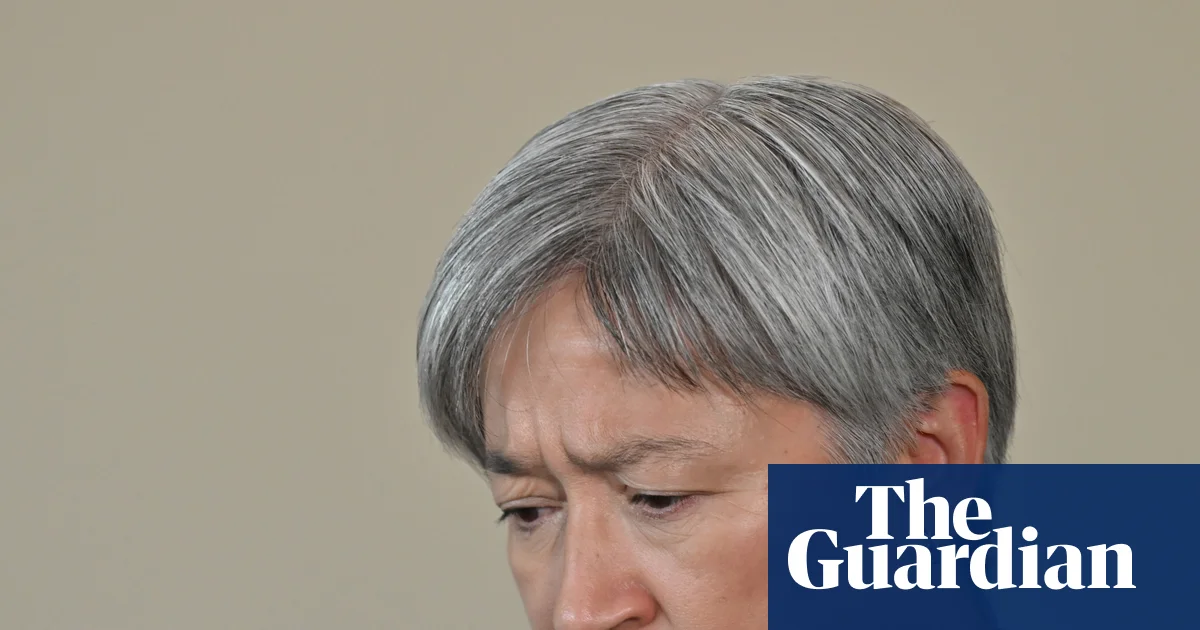
Australia Ready to Back Gulf Allies Against Iran, Will Stay Clear of Ground War — Wong

Australia Navigates Middle Eastern Turmoil Amid Geopolitical Shifts

As international powers scramble in the aftermath of recent military strikes against Iran, Australia finds itself caught in a precarious position within a rapidly evolving geopolitical landscape. While Canberra explicitly refuses to deploy ground troops into Iran, its willingness to provide logistical and military support—albeit within tight boundaries—underscores the complex balancing act facing allied nations amid the escalating U.S.-Israeli coordinated strikes and Iran’s retaliatory missile and drone attacks.

The Australian government, under the stewardship of Foreign Minister Penny Wong, has confirmed that it received requests for assistance from regional allies threatened by Iran’s mounting assaults. Nine flights have already evacuated Australians from the volatile Middle East, with additional flights scheduled, and hundreds have been bussed out of Qatar to nearby countries. Wong clarified that Australia is prepared to work through assistance measures targeted at defending the Gulf nations, but remains firm in its stance against offensive action—rejecting any deployment of combat troops into Iran and emphasizing adherence to a defensive posture instead. This position aligns with Australia’s broader policy of maintaining strategic independence, avoiding entanglement in regional conflicts that could draw its military into direct combat.

The geopolitical impact of such decisions is profound. Analysts note that Australia’s cautious approach seeks to preserve its international reputation while avoiding the pitfalls of overcommitment favored by some Western allies. Countries with a history of military intervention, like the United States and United Kingdom, have long debated the efficacy of troop deployments in volatile regions, but Australia—especially under current Prime Minister Anthony Albanese—has emphasized diplomatic and logistical support as the middle ground. Yet, this careful balancing act is increasingly scrutinized by critics who warn that the current trajectory risks aligning Australia too closely with US-led military endeavors, potentially dragging it into broader conflicts that serve geopolitical interests beyond national security.

International organizations and historians warn of the long-term consequences of this violent chapter. The United Nations has called for restraint, underscoring the danger of escalating a regional conflict into a wider world crisis. Veteran geopolitical analysts interpret Australia’s role as indicative of a broader trend: western nations are recalibrating their military priorities, emphasizing indirect support over direct engagement. Meanwhile, the ongoing conflict continues to reshape regional alliances, with Saudi Arabia and other Gulf states increasingly looking towards alternative power brokers, wary of the US’s militarized approach. As history reminds us, the decisions made today will echo through generations, shaping the fabric of international stability—or chaos.

In the shadows of this unfolding crisis, the weight of history presses heavily on the shoulders of modern leaders. With each missile launched and flight undertaken, the delicate chess game of geopolitics intensifies—drawing societies ever closer to the brink of chaos or stability. While Australia seeks to maintain a measured stance, the broader geopolitical impact leaves an undeniable imprint: a reminder that, in the theater of global conflict, the lines between diplomacy and war remain perilously thin, and the choices of today could determine the course of history for decades to come.

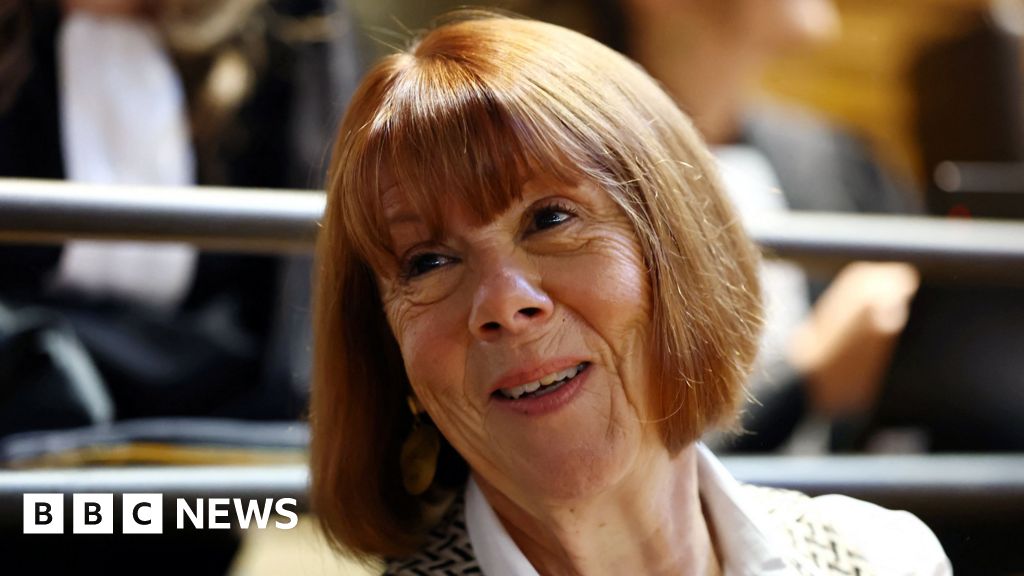
France tightens rape laws, making consent clear after Gisèle Pelicot case

France’s Landmark Legal Shift on Consent and Sexual Assault

The French parliament has recently taken a historic step by officially ratifying an amendment redefining the legal framework surrounding sexual assault and rape. Previously, laws in France defined rape as “any form of sexual penetration committed with the use of violence, coercion, threat or surprise.” This definition, while comprehensive, left room for legal debates and weaknesses, specifically concerning the element of consent. The new legislation explicitly recognizes that all sexual acts performed without consent constitute rape, marking a significant metamorphosis in how the law perceives and prosecutes sexual violence.

This reform emerged after years of intense parliamentary debate, driven by the social and political fallout from high-profile cases such as last year’s Pelicot rape trial. In that case, 50 men were convicted of raping Gisèle Pelicot while she was drugged unconscious by her husband, Dominique. Defense lawyers argued that since the accused were unaware of her state, they couldn’t be guilty of rape. This case symbolized the gaps and ambiguities in existing laws and spurred advocates to push for a clearer, more precise legal definition of what constitutes non-consensual sexual acts. The new framework stipulates that consent must be “free and informed, specific, prior, and revocable”, and emphasizes that consent cannot be inferred from silence or a lack of reaction—standing as a critical reassurance for victim protection across Europe and beyond.

The legal shift also reflects broader geopolitical and cultural implications. France’s move aligns with a continent increasingly attuned to protecting individual freedoms and rights; countries such as Sweden, Germany, and Spain already implement consent-based laws, and advocacy groups like Amnesty International France have hailed this change as a “historic victory” in the fight against sexual violence. This evolution in law is not simply symbolic; it reshapes the societal landscape, making clear that sexual autonomy is inviolable. As analysts argue, such measures bolster the rule of law while challenging traditional notions about criminal intent—raising questions about how culpability is determined where consent is compromised. The European legal trend signals a wave of reform that could influence other nations grappling with similar issues, with regional and global ramifications for how sexual violence is understood and prosecuted.

Yet, critics voice concern that this reform could lead to unintended consequences. Some argue it might turn sexual relations into contracts and demand victims provide concrete proof they did not consent, complicating the pursuit of justice. Others worry it could lend itself to a legal environment where accusations become difficult to prove, especially in cases involving ambiguity or lack of evidence. Still, France’s highest court, the Conseil d’État, reaffirmed the legislation, stating that it underscores the fundamental *right to personal and sexual freedom*—a powerful statement that echoes across the continent. As societal norms shift and the legal landscape evolves, the question remains: how will societies reconcile the need for justice with the realities of human intimacy?

In a world where the battlegrounds of morality and legality continue to clash, France‘s decisive move toward consent-based law signals a broader reckoning with the very nature of personal freedom. The decision impacts not only domestic policy but also challenges traditional notions of authority and individual sovereignty in a rapidly changing cultural landscape. As history unfolds in these legislative halls, the weight of this moment hangs heavily—an enduring reminder that the fight over justice, liberty, and human dignity is ongoing and far from over. The tide of change has now begun, and the world watches as the balance of power between societal norms and individual rights is remade before our very eyes.

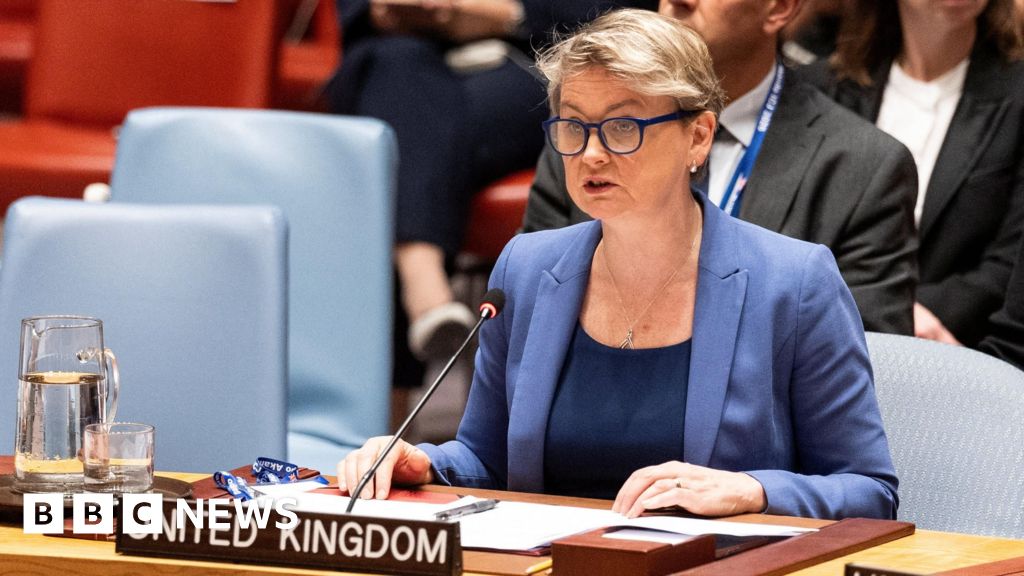
Iran sanctions return, a decade after the nuclear deal — a clear message on stability and security

Reinstatement of UN Sanctions on Iran: A Critical Moment in Global Geopolitics

The international landscape is once again teetering on the brink of escalation as UN economic and military sanctions have been reimposed on Iran, nearly a decade after the landmark Joint Comprehensive Plan of Action (JCPOA) was signed in 2015. This move, triggered by the European signatories – the UK, France, and Germany – underscores the high-stakes game of diplomacy and power politics in the Middle East. Their decision to activate the “snapback” mechanism, citing Iran’s continued nuclear escalation and non-cooperation, signals a pivotal divergence from the initial optimism that once surrounded the deal. As the European nations accuse Tehran of violations, the sanctions aim to curb Iran’s nuclear activities, which they argue threaten regional and global stability.

The situation escalated further after Iran suspended inspections of its nuclear facilities—an obligatory component under the 2015 agreement—following devastating Israeli and American airstrikes in June on Iran’s nuclear sites and military bases. These strikes, led by the US and Israel, were intended to reverse Iran’s nuclear advancements and punish its support for regional proxies. However, many analysts, including voices from the International Atomic Energy Agency (IAEA), question whether such military actions have significantly hindered Iran’s capabilities, or if they merely escalate tensions without solving underlying issues. Iran’s President Masoud Pezeshkian insists that his country harbors no ambition for nuclear weapons, framing the reimposition of sanctions as “unfair, unjust, and illegal”. But the global community remains divided, with Western powers worried that Iran’s nuclear program has strayed far beyond peaceful development into the realm of weaponization.

The geopolitical impact of these decisions is profound. The reimposition of sanctions strengthens the US and Israeli narratives that Iran’s nuclear ambitions pose an existential threat. Meanwhile, Iran warns that these measures undermine diplomatic efforts and threaten regional stability. The European allies, despite their hopes for renewed negotiations, expressed “no choice but to trigger the snapback,” citing repeated breaches by Tehran—notably its failure to cooperate with the IAEA and its refusal to disclose its stockpile of high-enriched uranium. These moves could potentially isolate Iran further, but they also risk deepening the cycle of hostility and mistrust—a game where today’s sanctions could set the stage for tomorrow’s conflict. International organizations like the United Nations warn that, absent fruitful diplomacy, the risk of a regional war or nuclear proliferation increases exponentially.

As Iran dismisses the sanctions as “illegal” and “unjustified,” it signals a refusal to capitulate, further complicating international efforts for a peaceful resolution. The Iranian government has also vowed to respond firmly to any actions that undermine its sovereignty, warning that attempts to weaken its rights could lead to “appropriate responses.” The current standoff marks a critical juncture—one that could decide the future trajectory of Middle East stability. Historians and geopolitical analysts emphasize that these escalations are not isolated incidents but part of a larger pattern of emerging superpower struggles, where alliances are tested and global order is under relentless strain. How these decisions ripple across borders and societies will ultimately define the next chapter of 21st-century history—an unfolding saga of diplomacy, defiance, and the relentless pursuit of security.

Kimmel stands his ground with bold message to Trump, sending a clear call to the youth and values we hold dear

In the shifting currents of contemporary culture, the significance of art, media, and entertainment extends far beyond mere amusement; they stand as the living pulse of our collective identity. As Ortega y Gasset famously observed, “A society is always as strong as its cultural memory.” Today, figures like Jimmy Kimmel and Robert De Niro serve not only as entertainers but as voices in the ongoing dialogue about truth, freedom, and societal norms. Their confrontations with political figures and institutions highlight a profound truth: culture is both the mirror and the torch of society’s values. This culture—whether it lives in the nuances of late-night monologues or in the underlying principles of national discourse—remains an indelible part of our heritage and a prophecy of our future trajectory.

In recent weeks, Kimmel’s return to television amidst controversy exemplifies the deliberate effort to preserve the space for free speech—an enduring pillar of Western democracy. His refusal to entirely apologize for his comments about Charlie Kirk’s tragic death underscores a vital aspect of cultural resilience. As Chesterton once argued, “The true object of a joke is not to make you laugh, but to make you think.” His bold stance challenges the rising tide of censorship, which some critics argue is fueled by government or corporate interests, seeking to silence dissent under the guise of civility. Kimmel’s critique of the FCC, with humorous yet pointed sketches featuring Hollywood icon Robert De Niro, condemns the misuse of authority and mob tactics that threaten individual expression. This belligerent stand reveals that culture is not static but a battleground—where the preservation of tradition meets the demands of modernity, often at odds with each other.

  • Milestones in cultural battles: From Chesterton’s rallying cry for tradition to Eliot’s recognition of the poet as “the memory of mankind”.
  • Key themes: The importance of historical context, the defense of free speech, and the critical role of cultural icons in shaping societal values.
  • Contemporary reflection: Figures like Kimmel and De Niro epitomize the modern struggle—balancing entertainment, political commentary, and the defense of civil liberties.

Yet amidst these clashes, the essence of culture remains rooted in its dual role as memory and prophecy. It is a repository of our shared past—celebrating heroism, lamenting follies, preserving tradition—and a guidepost for the future, orienting society amid the chaos of change. As Tocqueville noted, “America’s strength lies not only in its institutions, but in the moral fabric woven by its culture.” Today, we stand at a crucial juncture: to uphold the values that forge our identity and prevent the erosion of our civil liberties. Culture, then, is the spiritual inheritance that roots us in history yet propels us towards our destiny. It is both the echo of humanity’s voice through the ages and the prophecy inscribed in the ideals we choose to defend. In this undying dialogue, humankind’s enduring hope rests—a hope that culture will always be both memory and prophecy, guiding us through darkness into the dawn.

Social Media Auto Publish Powered By : XYZScripts.com