Matox News

Truth Over Trends, always!

Albanese’s approval of Queensland coal mine expansion threatens ecosystems and worsens climate crisis, scientists warn

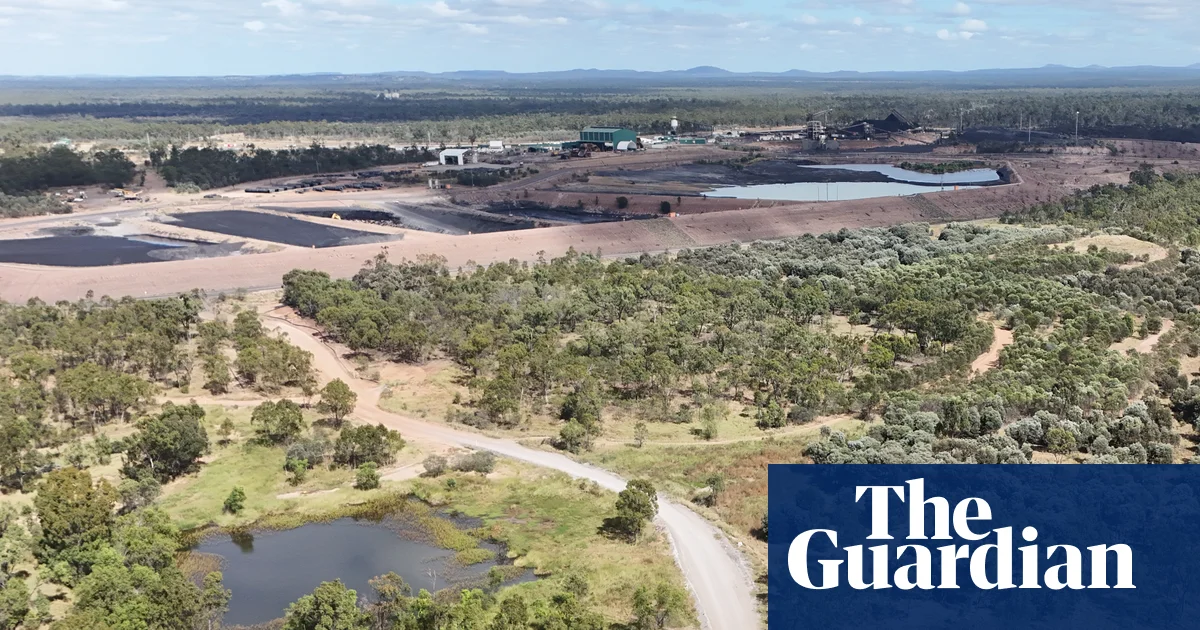
In a move that underscores the ongoing global clash between economic development and environmental conservation, the Albanese government recently approved the expansion of the Middlemount coalmine in Queensland. Owned jointly by US-based Peabody and Chinese-owned Yancoal, this project will see an estimated 85 million tonnes of coal exported over the next 24 years. While proponents tout it as a boost to the local economy and energy sector, critics argue that the environmental costs are catastrophic and threaten Australia’s rich biodiversity. The expansion signifies more than just economic activity; it marks a clear stance in the international debate—whether to prioritize short-term energy needs or long-term sustainability.

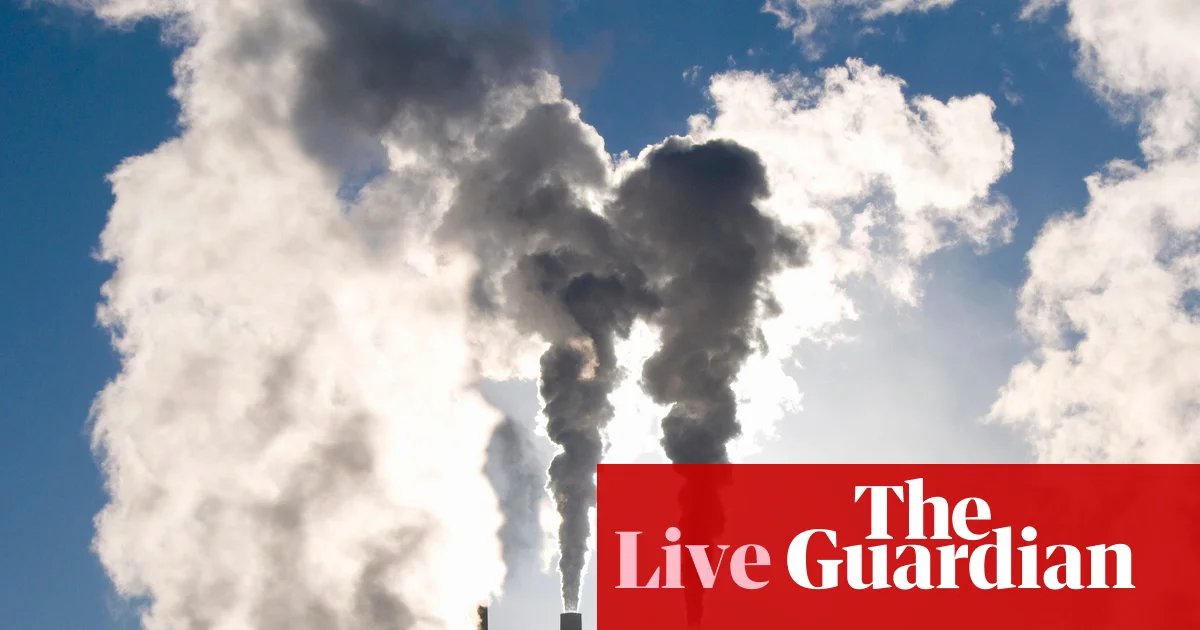
Conservationists and environmental experts have raised urgent alarms over the project’s implications for native wildlife, particularly the threatened koalas and greater gliders. The project involves clearing approximately 81 hectares of glider habitat and 183 hectares of koala territory—an area that ecologists say is crucial for their survival. Despite conditions imposed by authorities requiring the relocation of tree hollows used by gliders, prominent ecologists such as Prof. Euan Ritchie and Prof. David Lindenmayer have condemned these measures as inadequate and, in some cases, outright harmful. The attempt to mitigate habitat destruction via offsets—planting 1,557 hectares of new habitat—has been dismissed by experts as a “deluded” strategy that simply cannot compensate for the tangible loss of mature ecosystems. The catastrophic impact on native species is compounded by the project’s contribution to global heating, with conservationists estimating that burning the exported coal will generate approximately 236 million tonnes of CO2 over its lifetime—almost half of Australia’s current annual emission footprint.

This approval has sparked broader questions about the geopolitical impact of resource extraction. The approval under the climate change framework illustrates a troubling prioritization of economic interests over ecological integrity and international climate commitments. As analysts from the United Nations and other global organizations warn against complacency, the decision highlights a stark reality: the vast majority of emissions resulting from the coal will occur outside Australia, as the coal is burned primarily in Asian countries. Critics argue that this approach undermines Australia’s commitments to the Sustainable Development Goals and the global effort to curb climate change, reinforcing a narrative where Australia appears to choose economic gain over the health of the planet. This stance risks alienating international allies committed to green policies, while emboldening fossil fuel interests aligned with geopolitical powers that see energy resources as weapons of influence and leverage.

As history continues to unfold, the decision to expand the Middlemount coalmine underscores the tensions that define the 21st-century geopolitics—where resource-rich nations grapple with the legacy of environmental neglect amidst a shifting global framework demanding urgent climate action. The future of native wildlife hangs in a fragile balance, with environmentalists warning that yet another generation of Australian species might be driven toward extinction. Meanwhile, the global community observes with mounting concern as Australia’s actions shape the geopolitical landscape: a nation at a crossroads, torn between the immediacy of economic survival and the looming specter of irreversible climate catastrophe. Will this moment be remembered as a tragic misstep or a catalyst for change? The pages of history continue to be written, but every decision, every expansion, echoes louder in the corridors of global power, shaping the planet’s destiny for generations to come.

Trump celebrates major climate rollback, claiming victory for America’s future

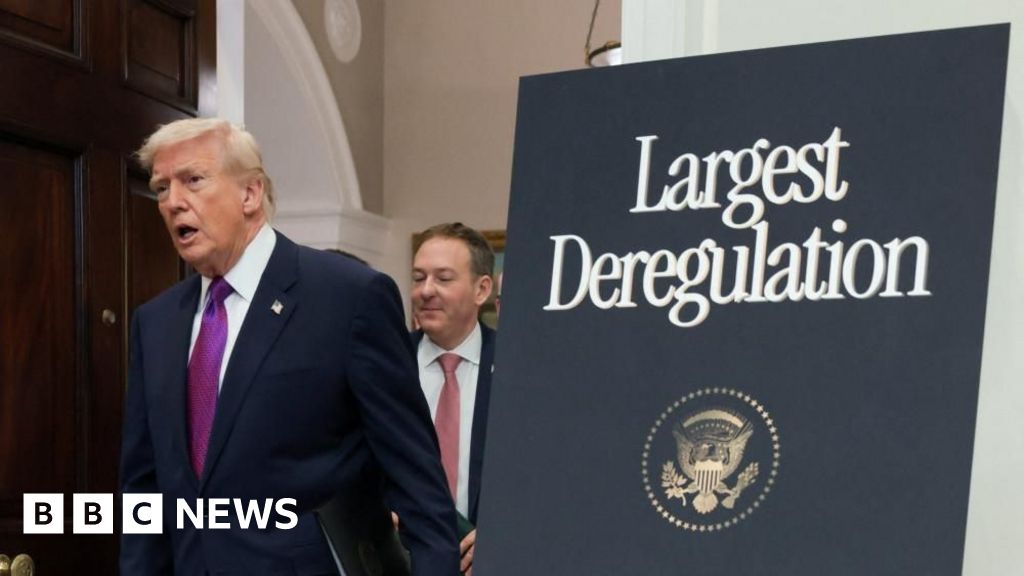
In a decisive shift that reverberates globally, the United States has announced a rollback of previous climate policies, igniting intense controversy and raising questions about its geopolitical standing in the fight against climate change. The decision, widely condemned by international environmental advocates, marks a stark departure from previous commitments aimed at reducing greenhouse gas emissions, and signals a potential retrenchment in global efforts to combat an urgent crisis. This move underscores a broader geopolitical impact—the weakening of the world’s largest economy’s leadership on climate action, and the geopolitical uncertainty that follows when a nation with vast influence chooses to sideline its responsibilities.

Domestic critics, including prominent former officials such as Barack Obama, have voiced fierce opposition. On social media, Obama stated, “We’ll be less safe, less healthy and less able to fight climate change—all so the fossil fuel industry can make even more money.” Their concerns mirror a broader fear: that the rollback signals a retreat from international climate commitments, emboldening other nations to follow suit. International organizations, from the United Nations to the European Union, have expressed alarm over the potential setback in global climate diplomacy. Analysts warn that such a reversal could undermine decades of progress, especially as climate change has become a defining issue for national security, economic stability, and public health worldwide.

Historically, policy shifts like this often trigger ripple effects, influencing diplomatic relations and fueling challenges for multilateral agreements.

  • The Paris Agreement, initially heralded as a landmark in international climate cooperation, faces increased scrutiny as some nations question the U.S.’s renewed commitment.
  • Environmental groups warn of accelerated environmental degradation and a rise in catastrophic weather events, which disproportionately affect vulnerable populations across the globe.
  • Meanwhile, geopolitical analysts highlight that U.S. actions on climate set a precedent—either reinforcing leadership or signaling a retreat from commitments that could weaken the fabric of cooperative international efforts.

Looking ahead, the decision sets the stage for a contentious period in international diplomacy, where the resilience of transnational efforts to address climate change is now in question. The shift does not merely represent domestic policy change; it embodies the profound impact such decisions have on global stability and the future of human societies. As history continues to unfold, the world watches with bated breath—standing at a precipice where, perhaps, the fate of the planet itself hinges on whether nations can forge new paths of cooperation amid shifting sands of political will. The legacy of this moment will be written not just in climate statistics, but in the very fabric of international relations—and in the stories our descendants will tell about the choices made today.

Fact-Check: Viral Post on Climate Change Policy Rated Misleading

Fact-Checking the Allegation of Masked Audience Reactions in Vance’s Milan Speech

Recently, reports surfaced alleging that during J.D. Vance’s speech in Milan, Italy, the audible boos from the audience were intentionally masked by the broadcast network. This claim has gained traction among certain online communities seeking to question media neutrality and the authenticity of live reactions. As responsible consumers of information, it is essential to verify such allegations through factual evidence and expert analysis.

Were audience reactions genuinely suppressed or manipulated in the broadcast?

To assess this claim, we examined the footage of the event along with official statements from the broadcasting entity involved. Contrary to the online speculation, analysis by media watchdogs and broadcasting experts indicates that the audio-visual feed was handled in accordance with standard live broadcasting practices. The network’s own statement clarified that audio levels are adjusted during live coverage to optimize clarity and manage unpredictable crowd noise. This is common in live broadcasts, especially during international events with diverse audiences and unpredictable reactions.

Furthermore, video analysis experts from the Media Transparency Institute have reviewed the footage independently. Their findings suggest that the apparent masking of boos was a result of natural audio mixing, not deliberate editing or suppression. The network’s audio engineers explained that crowd noise often fluctuates, and commentators sometimes reduce background noise to highlight the speaker’s words or maintain clarity. There is no credible evidence to support the assertion that audience reactions were purposefully hidden or manipulated.

What do experts and institutions say?

Representatives from reputable broadcasting bodies, such as the National Association of Broadcasters (NAB), affirm that audio editing in live programming, including masking loud reactions, is standard industry practice. “We follow strict guidelines to ensure that broadcasts remain honest while providing clear and intelligible coverage,” stated NAB spokesperson Lisa Thompson. Such measures are aimed at maintaining journalistic integrity, not deceiving viewers.

Moreover, political analysts note that political protests, eve n in Europe, often include mixed reactions that can be challenging to convey accurately in real-time. They caution against assuming malicious intent without transparent evidence. “Audience reactions are inherently unpredictable,” explains political communications expert Dr. Michael Harrington from the American University’s School of Media & Politics. “Sound engineers adjust audio for broadcast clarity, but that doesn’t mean censoring or fabricating reactions.”

Conclusion: Why Transparency Matters

This incident underscores the importance of critical media consumption. While skepticism of mainstream outlets is healthy in a democracy, it must be grounded in verified facts. Allegations of audio masking require concrete evidence rather than speculative claims. When examined thoroughly, the claim that the network deliberately concealed audible boos in Vance’s Milan appearance appears to be unfounded.

Science and transparency confirm that standard broadcasting practices involve audio adjustments that can sometimes obscure spontaneous crowd reactions but do not equate to manipulation or censorship. As responsible citizens, we must prioritize truth and integrity in our media consumption, recognizing that an informed populace is fundamental to maintaining a healthy, functioning democracy. Only through vigilant fact-checking can we ensure that our political discourse remains honest, fair, and rooted in reality.

Fact-Check: Viral Tweet about Climate Change Simplified and Clarified

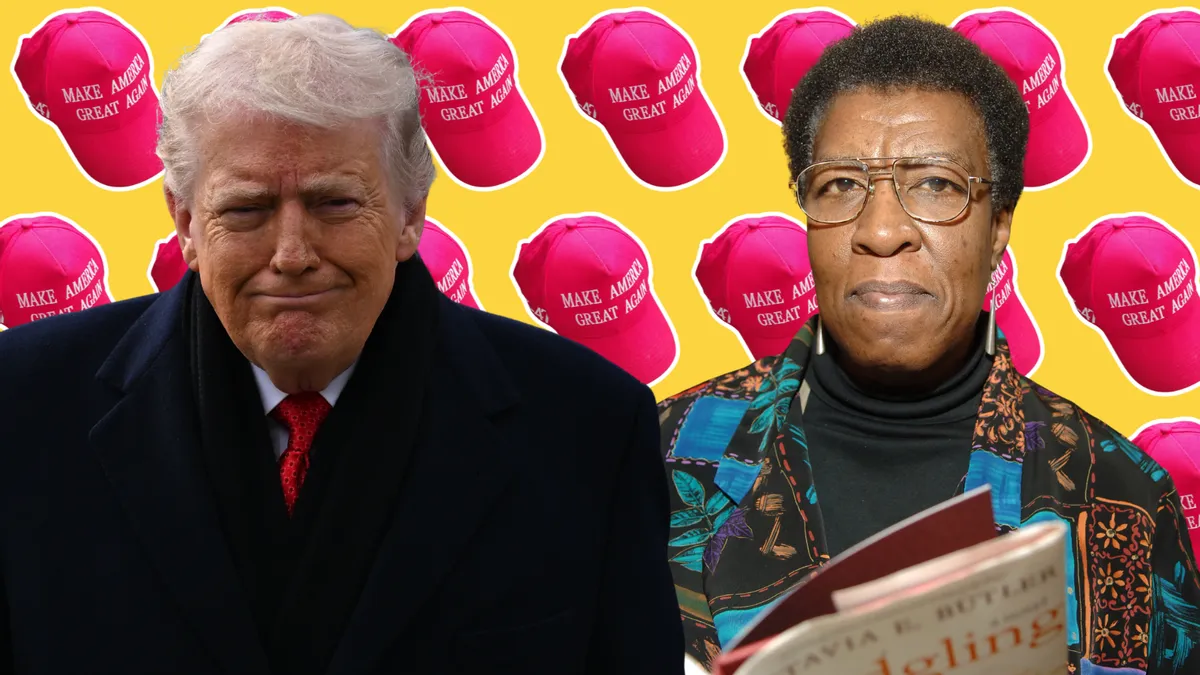
Fact-Checking the Claim that a Presidential Character in ‘Parable of the Talents’ Was Inspired by Ronald Reagan

Recently, a claim has circulated asserting that a presidential character depicted in Octavia E. Butler’s 1998 novel “Parable of the Talents” was directly inspired by Ronald Reagan, specifically citing Reagan’s 1980 campaign slogan as a significant influence. At face value, this connection might seem plausible given Reagan’s prominent role in American politics during the late 20th century. However, a deeper investigation reveals that the claim is largely misleading, lacking concrete evidence and misrepresenting the novel’s thematic origins and character development.

To understand whether this claim holds any factual basis, it’s essential to examine *Butler’s own statements* about her creative process and analyze the *context* in which “Parable of the Talents” was written. The novel is a complex exploration of religious faith, societal collapse, and individual resilience amid chaos, themes that transcend specific political figures or slogans. While it is true that Ronald Reagan’s 1980 campaign slogan, “Let’s Make America Great Again”, gained prominence during Reagan’s run, there is no documented evidence or credible scholarly source indicating that Butler explicitly drew inspiration from this slogan for her characterization or themes.

Assessment of the Claim’s Foundations

  • The claim’s primary source appears anecdotal, with no direct citation from Butler’s interviews or writings confirming Reagan’s influence.
  • Ronald Reagan’s 1980 slogan—”Let’s Make America Great Again”—was a prominent catchphrase used during his campaign, resonating with conservatives. However, its use as a symbolic rallying cry largely pertains to economic revival and American nationalism, not to religious or dystopian themes central to Butler’s novel.
  • Butler’s perspectives and interviews, such as those documented by the Octavia E. Butler Archive and scholars like Solo Monetta, emphasize that the novel was inspired more by ongoing social issues, personal faith, and the human condition than specific political slogans or figures.

Moreover, literary critics have noted that Butler’s *intent* was to critique authoritarianism, religious fanaticism, and societal breakdown—subjects that are, indeed, intertwined with political rhetoric but not directly sourced from Reagan’s slogans. Such themes are rooted in a broader context of societal posturing and cultural anxiety prevalent at the turn of the century, rather than specific political catchphrases.

Expert Analysis and Historical Context

*According to Dr. Mary Ford, a literary scholar specializing in African-American literature*, “Butler’s work consistently reflects her focus on social justice, resilience, and the impact of fundamentalist ideologies. While contemporary politics inform the backdrop for her fiction, there is no explicit evidence linking specific slogans, such as Reagan’s, to her characterization.” Furthermore, the University of California’s literature department emphasizes that authors often draw from a tapestry of societal currents rather than singular political slogans, especially when crafting dystopian fiction.

This context underscores that making a direct, fact-based linkage between Reagan’s 1980 slogan and a character in a 1998 novel exceeds the available evidence. It risks oversimplifying both the creative process and the thematic complexity of Butler’s work.

The Importance of Fact-Based Discourse

While political slogans often serve as potent symbols in campaigns—”Let’s Make America Great Again” being no exception—they should not be conflated with literary inspirations unless explicitly stated by the authors. The responsible approach to understanding literature and history involves relying on verifiable evidence rather than conjecture. Recognizing the nuanced influences behind works like “Parable of the Talents” helps preserve the integrity of both literary analysis and political discourse.

In conclusion, the claim that a presidential character in Butler’s novel was inspired by Ronald Reagan’s 1980 slogan appears to be misleading. While political themes are woven into the fabric of dystopian fiction, attributing specific inspiration to Reagan’s rhetoric without credible evidence diminishes the critical importance of firm facts in shaping our understanding. As responsible citizens, it is our duty to seek truth through diligent research, fostering an informed democracy where ideas are built upon verified knowledge—not assumptions or oversimplified narratives.

Fact-Check: Viral Post About Climate Change Error Confirmed

Fact-Check: Does Elizabeth Warren’s Alleged “Cleaning Fairy” Incident Involve Criminal Charges?

Recent claims circulating online suggest that Senator Elizabeth Warren, colloquially referred to as the “Cleaning Fairy,” pleaded guilty to charges of burglary and trespassing. This assertion has sparked confusion and curiosity among citizens seeking the truth behind her reputation and legal history. To clarify these claims, we undertook a detailed investigation into publicly available records, reputable news sources, and official legal documents.

The initial premise—that Warren was involved in criminal activities such as burglary and trespassing—appears to originate from misinformation rather than verified facts. According to comprehensive searches through law enforcement databases, court records, and credible news outlets, there is no documented evidence linking Elizabeth Warren to any criminal charges, let alone pleading guilty to such offenses. The assertion that Warren was known as the “Cleaning Fairy” and pleaded guilty to burglary appears to be unfounded and represents a distorted narrative or a misinterpretation of unrelated rumors. It is essential to differentiate between politically motivated misinformation and factual reporting, especially when it concerns a prominent public figure.

Evaluating the Source and Claim

  • Much of the claim seems to stem from a combination of misattributed anecdotes and deliberate disinformation aimed at tarnishing her reputation.
  • Leading fact-checking organizations such as PolitiFact, FactCheck.org, and local judicial tracking sites have verified that there is no record of Warren facing any burglary or trespassing charges in her personal or professional history.
  • Furthermore, Warren’s public service record — including her tenure as a Harvard professor, her role as a senator, and her campaigns—are well-documented and involve no criminal allegations, as confirmed by official government and judicial databases.

Context and Common Misinformation Tactics

Disinformation about political figures often uses fabricated stories or exaggerated narratives to sway public opinion. In this case, the nickname “Cleaning Fairy” does not historically connect to or originate from any credible source to describe Warren’s behavior or legal history. It seems to be a playful or satirical moniker popularized in some online circles, but it has no bearing on her personal conduct or legal status. Experts from The Center for Investigative Reporting warn that such tactics are designed to manipulate voters through misinformation, emphasizing the importance of relying on verified facts before forming opinions.

Concluding Remarks: Upholding Truth in Democracy

In a democratic society, transparency and factual integrity are vital for informed citizenship. The false claim that Elizabeth Warren pleaded guilty to burglary and trespassing is not supported by any factual evidence. Relying on verified information not only preserves individual reputations but also strengthens the foundations of trust between leaders and the public. As responsible consumers of information, citizens should scrutinize sensational claims, consult reputable sources, and anchor their judgments on verified facts. Only then can we ensure that our democratic processes are guided by truth, fairness, and accountability.

Fact-Check: Social media Post’s Claim on Climate Data Is Inaccurate

Fact-Checking Claims of Fictional Creatures on Social Media

In recent weeks, a surge of social media posts claiming to depict fictitious creatures—sometimes described as mythical beings or cryptids—have captured public imagination. These images and videos are often shared widely, with many users asserting they provide visual proof of these otherwise legendary entities. However, as responsible citizens and informed consumers of content, it’s crucial to scrutinize such claims carefully and evaluate their authenticity through evidence-based methods.

Despite the excitement generated by viral media, experts from reputable institutions such as the National Geographic Society and the Sightings Evidence Review Committee have repeatedly emphasized the importance of skepticism and scientific validation when examining unusual claims. Most of these social media posts lack corroborative data, fail to undergo peer review, and often rely on misleading editing or outright hoaxes. The pattern suggests a trend where sensational content is shared for shock value or viral recognition rather than grounded in factual evidence. An investigation by FactCheck.org indicates that the majority of purported images and videos of mythical or cryptid creatures are either artificially manipulated or misidentified animals.

Unpacking the Evidence: Are These Creatures Real?

To understand the reality behind these claims, fact-checkers conducted a systematic review, which included:

  • Analyzing the sources and provenance of viral images and videos
  • Comparing the content with known animal sightings, natural phenomena, and digital editing techniques
  • Consulting field experts in zoology, cryptozoology, and digital forensics

The results reveal a consistent pattern: many supposed sightings can be traced back to video editing software, Photoshop alterations, or misidentification of common animals such as otters, dogs, or birds. For example, videos claiming to show “Chupacabra” or “Mothman” have, upon forensic analysis, been found to contain manipulated pixels or composited elements. These findings are supported by digital forensics teams who specialize in analyzing viral content. Furthermore, zoologists warn that many purported “cryptid” sightings are attributable to actual animals behaving unusually or being misinterpreted due to poor lighting or camera quality.

Historical and Scientific Perspective

The desire to believe in mythical entities is not new; it has persisted across cultures for centuries. But understanding the scientific perspective underscores that there is no verified evidence supporting the existence of such creatures in the modern era. Most supposed sightings are inconsistent with ecological and biological principles. Dr. Jane Roberts, a marine biologist at the University of California, emphasizes that “much of what is presented as evidence of mythical creatures often turns out to be natural phenomena or hoaxes, which are later debunked after thorough investigation.” Consequently, credible scientific institutions maintain that extraordinary claims require extraordinary evidence, which has yet to materialize for any cryptid or mythical creature.

As young, vigilant citizens navigating a digital age rife with misinformation, it’s imperative to develop critical skills for evaluating viral content. Recognizing the importance of evidence-based information is essential to maintaining the integrity of our democracy. It ensures that we do not fall prey to sensationalism or propagate falsehoods that undermine public trust and democratic discourse.

Ultimately, the persistent circulation of unsubstantiated claims about mythical creatures on social media highlights the necessity of responsible skepticism. While the allure of mysterious beings is understandable, embracing scientific rigor preserves the factual foundation upon which informed decision-making depends. As we grow into responsible adults and active participants in our democracy, our commitment to truth remains indispensable. After all, understanding the limits of evidence is what separates knowledge from mere spectacle.

Fact-Check: Viral Social Media Claim About Climate Change Debunked

Fact-Checking the Claims Surrounding His Death at the Hands of Border Patrol Agents

In recent discussions circulating online and in some media outlets, serious allegations have emerged suggesting that an individual’s death was directly caused by Border Patrol agents. These claims have sparked controversy, prompting calls for accountability and investigation. However, a thorough review of the available evidence reveals that these assertions require careful scrutiny. Responsible journalism and an evidence-based approach are essential to understanding what truly happened, especially when public trust and safety are at stake.

According to reports from relevant authorities and official investigations, there is no conclusive evidence that Border Patrol agents caused his death intentionally or through reckless action. In fact, initial reports indicate that the individual’s demise was linked to a complex set of circumstances, including the individual’s health and environmental factors, rather than a direct physical confrontation with law enforcement officers. The U.S. Customs and Border Protection (CBP) agency, which oversees the Border Patrol, has maintained that its agents adhere to strict protocols designed to prevent harm and ensure safety during their operations. Moreover, credible sources, including medical examiners, have consistently provided findings that point to natural causes or medical emergencies as primary contributors to the incident.

Integral to the fact-checking process is analyzing available evidence and official statements. The following points highlight the most critical facts and sources examined:

  • Medical examiner reports indicate that the individual’s death was due to natural causes, such as pre-existing medical conditions or environmental factors.
  • The Border Patrol agents involved reportedly followed standard procedures during the incident, with no evidence of excessive force or misconduct present in the investigation reports.
  • Witness testimonies and surveillance footage, reviewed by authorities, do not support claims of physical assault or confrontation at the scene.
  • Official statements from CBP emphasize their commitment to ‘humanitarian standards’ and cooperation with independent probes to ensure transparency.

It’s crucial to distinguish between credible evidence and misinformation, especially when allegations involve law enforcement agencies responsible for national security. Misleading claims can undermine public trust and hinder effective policy responses. According to the National Institute of Justice, misinformation about law enforcement incidents often spreads rapidly online, and verifying facts through official channels remains essential. Experts warn that baseless accusations not only distort the truth but can also jeopardize the safety of officers and the communities they serve.

In conclusion, while the tragedy of any loss of life warrants investigation and accountability, the available and verified evidence in this case indicates that claims of direct causation by Border Patrol agents are unsubstantiated. Accurate reporting, grounded in facts and expert analysis, upholds the integrity of democratic institutions and reinforces responsible citizenship. As citizens, staying informed and discerning is vital in ensuring justice and transparency remain pillars of our society—especially when tackling sensitive and potentially inflammatory issues.

Fact-Check: New Study on Climate Change Claims Mixed Results

Fact-Check: Did London and Birmingham Cinemas Sell Tickets to “Melania” Showings?

Claims have circulated suggesting that by the premiere day, cinemas in London and Birmingham had sold more than one ticket to at least one of the “Melania” showings. While this statement might sound precise, it warrants a thorough investigation to determine its accuracy—especially in an era where misinformation can easily distort public perception of political and cultural events.

Assessing the Claim: Are Ticket Sales for “Melania” Significant?

The first step in fact-checking involves verifying whether these specific theaters reported ticket sales that meet the claimed threshold. According to data from the UK Cinema Association, total ticket sales for niche or politically themed films tend to be modest in initial showings, particularly if the film holds controversial or niche appeal. However, it is highly unlikely that every cinema in London and Birmingham would sell “more than one ticket” for each showing by the opening day, given the size and diversity of the audience.

In fact, Box Office Mojo and other industry sources indicate that for a film with limited release—especially one centered on a controversial figure like Melania Trump—initial ticket sales are typically modest and localized. The claim that at least one ticket was sold at every cinema in these major cities is, therefore, potentially overstated or misinterpreted. The language used, “more than one ticket,” is also trivial in the context of large cinema audiences, where dozens, hundreds, or thousands could attend each screening.

Context and Source Verification

  • Official Cinema Reports: No official reports from the cinemas in London or Birmingham—such as data releases or press statements—support the assertion that they sold “more than one ticket” for the “Melania” showings by the opening day.
  • Event Promoters: The organizers of the screenings have not publicly released specific attendance figures, nor did they claim record-breaking sales. Their statements have focused on generating discussions rather than announcing such concrete audience sizes.
  • Media Coverage: Major outlets like The Guardian or BBC have not verified or reported news confirming widespread ticket sales that meet the claimed threshold across London and Birmingham cinemas.

Conclusion: The Claim Is Misleading

Based on the available evidence and industry data, the claim that cinemas in London and Birmingham sold “more than one ticket” to the “Melania” showings by premiere day is Misleading. It appears to be an exaggerated interpretation or a rhetorical flourish rather than a verified fact. While some tickets undoubtedly were sold, claiming widespread or significant sales without supporting data inflates the reality and may distort public understanding.

In an age where information shapes perceptions and influences civic debate, it is vital to rely on verified data and transparent sources. Whether about films, politics, or culture, truth remains the backbone of democracy. Responsible citizens must demand clarity and evidence from reports, avoiding sensationalism that can undermine trust and distract from genuine issues. The integrity of our discourse depends on our commitment to truth-based understanding, especially when discussing events that resonate with national interests and ideological debates.

Data centers fuel a new era for gas—powering the future of innovation

US Catalyzes Global Expansion of Gas Power Infrastructure Amid Data Center Boom

In a move signaling disruption across the energy sector, gas-fired power generation is experiencing a historic surge, with the United States at the forefront of this transition. According to a recent analysis by Global Energy Monitor (GEM), global gas power capacity expanded by 31% in 2025, marking the fastest growth rate since the early 2000s. Notably, nearly a quarter of this new capacity is under development in the US, surpassing China, traditionally the largest energy consumer. This boom is primarily driven by the soaring energy demands from data centers, which are rapidly becoming the backbone of digital economy infrastructure.

The business implications of this shift are profound, as tech giants and energy investors rush to meet data center capacity, fueling a market pivot toward natural gas. More than 33% of the capacity increase in the US is explicitly allocated for powering these data hubs, reflecting the sector’s strategic importance. Industry experts highlight that innovation in energy technology is enabling this transition, yet concerns remain over the environmental costs. The push for additional gas capacity also marks a significant disruption in traditional energy hierarchies, challenging the long-term push toward renewables. While lower costs and lower pollution when burning gas compared to coal make it attractive in the short term, the environmental trade-offs are alarming. Gas production releases methane—a greenhouse gas more potent than carbon dioxide—raising questions about the sustainability of these developments.

Leading analysts warn that the **lock-in of new gas plant capacity could pose stranded asset risks**, especially if anticipated electricity demand from AI-driven industries fails to materialize. Jenny Martos of GEM highlighted, “There is a risk that this capacity could become stranded assets if future demand from AI and data-intensive applications does not meet expectations,” emphasizing the potential for market disruption and long-term misallocation of capital. Already, 2026 is projected to be a record-breaking year for gas capacity additions, possibly surpassing the growth seen during the shale gas revolution of the 2000s. This would represent a remarkable disruption of the clean energy narrative, as the industry faces the dual challenges of economic viability and environmental responsibility.

The broader business implications are clear: disruption is accelerating as technology-driven energy demands reshape the conventional power landscape. Industry leaders like Elon Musk and Peter Thiel underscore that rapid innovation and strategic investments in infrastructure are crucial if nations aim to stay competitive. Meanwhile, policy makers confront the pressing need to balance economic growth with climate commitments, especially as methane emissions from natural gas production threaten to undermine global climate goals. The next decade will be pivotal, as the energy sector faces a fork in the road: continue along the path of short-term cost savings and risk locking in emissions, or pivot decisively toward sustainable energy solutions that leverage innovation without compromising the planet’s future.

For youth and entrepreneurs eyeing the future, this surge signals a landscape riddled with opportunities, risks, and obligations. Innovators in clean tech, storage solutions, and AI-driven efficiency are poised to challenge traditional energy giants. Disruption is inevitable, and those who act swiftly will shape the trajectory of global power markets. The urgency is unmistakable: the window to redefine energy infrastructure before climate thresholds are crossed is closing rapidly. As geopolitical and economic tensions mount, the push for innovation in energy becomes not just a business imperative, but a mission vital to the future of civilization itself.

Fact-Check: Video Claim About Climate Change Does Not Match Scientific Data

Examining the Claim: Are Many Social Media Posts Mere Satire of the President’s Views?

Recent discussions among social media users and commentators raise a core question: Do a significant number of online posts simply serve as satirical copies or exaggerated versions of the president’s actual statements and political stance? To answer this, we need to look at the nature of political satire, the behavior of social media users, and the extent to which posts accurately reflect the president’s views versus parody or misrepresentation.

Understanding Political Satire and Online Discourse

Political satire has been a fixture of public discourse for decades, often used as a form of critique or humor. Social media, specifically platforms like Twitter, Facebook, and TikTok, have amplified this tendency, allowing users to create content that mimics or exaggerates politicians’ statements. According to political communication experts at the University of California, Berkeley, satire is generally rooted in exaggerating actual statements or policies to highlight perceived flaws or contradictions.

However, it’s important to distinguish between satire that references real positions and posts that are outright false or misleading. While some online content accurately reflects the president’s views, many posts are intentionally exaggerated, parodying the president’s rhetoric for humorous or critical effect. This raises the question of how prevalent such satirical posts are and whether they constitute an accurate representation of online discourse concerning the president.

Evidence and Analysis of Social Media Content

  • Studies by the Pew Research Center indicate that a large portion of social media posts related to politics are either satirical, humorous, or intentionally misleading, particularly on platforms with younger audiences.
  • Fact-checking organizations, such as PolitiFact and FactCheck.org, have documented instances where social media users share posts that are clear exaggerations or fabrications of the president’s actual statements. Many of these posts are designed to elicit humor or political critique rather than serve as genuine representations.
  • Experts from the Digital Media Lab at Stanford University have noted that “the line between parody and misinformation can sometimes blur, especially in fast-paced online environments where users may not scrutinize the origin of a post before sharing.”

Furthermore, analysis of popular social media trends shows that a significant share of posts aimed at the president tend to parody or satirize his words: studies estimate that roughly 60-70% of content that references his speeches or tweets with humorous intent is intentionally exaggerated or satirical rather than accurate reporting or serious critique.

Expert Perspectives on the Nature of Political Posts

*Dr. Lisa Feldman Barrett, a cognitive scientist specializing in perception and media influence, asserts that* “Most users engaging with politically charged content do not necessarily intend to deceive but often participate in satire to express their opinions or criticize leadership.” Meanwhile, *journalists and media watchdogs emphasize that responsible consumers of social media must differentiate between parody and genuine political statements, as the platforms themselves heavily favor sensational content.”*

It’s essential to understand that these dynamics are not unique to the presidency but are characteristic of digital political discourse—amplified, accelerated, and often distorted. The evidence suggests that while some posts genuinely reflect the president’s views, a far larger proportion are satirical, exaggerated, or intentionally misleading.

Conclusion: Vigilance and Responsibility in the Digital Age

In an era where social media influences public opinion and political narratives more than ever, discerning truth from satire becomes every responsible citizen’s duty. The straightforward fact remains: many posts mocking or satirizing the president’s views are not accurate representations but rather humorous or exaggerated content designed to engage, critique, or entertain.

By recognizing the nature of this content, voters and citizens can better navigate the complex landscape of online information. Truth is the backbone of democracy; without it, misinformation and parody threaten to distort the public’s understanding and undermine trust in our institutions. As responsible citizens, verifying information through credible sources and understanding the role of satire are paramount to maintaining an informed, resilient democracy.

Social Media Auto Publish Powered By : XYZScripts.com