Matox News

Truth Over Trends, always!

Stella McCartney Teams Up with H&M on Eco-Friendly Collection: Fashion with a Conscience for the Next Generation

The fashion industry has long been criticized for its environmental footprint, but recent collaborations are shifting the narrative toward embracing sustainability without sacrificing style or social relevance. The latest buzz comes from Stella McCartney, the iconic British designer known for her unwavering stance against leather, fur, and feathers. Now, she’s returning to the high street with a groundbreaking collaboration with H&M, set to hit stores this May. This partnership isn’t just about fashion; it’s a bold statement that environmentally conscious clothing can also be *affordable* and *trend-led*—a move that could fundamentally reshape who can participate in sustainable lifestyle choices.

McCartney’s collection exemplifies the blurring of societal and cultural boundaries in fashion. Her line features iconic pieces such as a “Rock Royalty” T-shirt—an homage to her 1999 Met Gala look and her father, Paul McCartney—that retails at just £37.99, a stark contrast to her mainline pieces that often cost over a thousand pounds. This affordability signals a deliberate shift aimed at democratizing sustainability. The collection also offers a high-street twist on her eco-friendly designs, including tailored blazers and trousers made from wool meeting responsible wool standards and vegan accessories crafted from recycled polyamide. As McCartney herself states, “This is not the cheapest of the cheap because there is a price that comes with doing anything good,” but her goal is clear: to make sustainability accessible, especially for the youth who are increasingly demanding brands that align with their values.

The Cultural and Social Impact

The collaboration underlines a profound shift in consumer behavior, especially among younger demographics. Influenced by social media icons and thought leaders who champion eco-conscious lifestyles, this generation is actively seeking out brands that reflect their values. Analysts highlight how influencers such as fashion-forward TikTok creators and Instagram personalities are amplifying sustainable trends, pushing brands like H&M to reevaluate their approach. Critics, however, remain skeptical, citing claims of greenwashing—particularly because H&M’s fast-fashion model produces a staggering 3 billion garments yearly. Nevertheless, Stella McCartney’s involvement lends credibility and pushes the industry toward authentic change, encouraging consumers to demand transparency and authenticity.

Beyond fashion itself, this partnership reflects a larger societal trend: an embrace of responsible consumption. McCartney’s emphasis on transparent tags indicating material sources and her use of recycled glass beads or plastic derived from vegetable oil shows a committed effort to educate consumers. The collaboration’s social relevance is undeniable; it advocates for environmental stewardship while simultaneously creating a platform for youth to participate in meaningful conversations about climate change and ethical fashion. While critics point to ongoing issues such as garment dumping in Ghana and alleged misleading environmental scores from brands like H&M, the reality remains that these efforts are part of a broader movement to hold the industry accountable.

The Future of Sustainable Fashion

As this trend gains traction, the next question becomes increasingly urgent: can fast fashion truly be sustainable? The collaboration between McCartney and H&M exemplifies a pivotal moment—where accessibility meets environmental responsibility. But it also raises the question of whether these partnerships are enough to catalyze systemic change or simply serve as a veneer for ongoing industry practices. The real challenge lies in transforming not just consumer choices but in reimagining the entire supply chain and production model. Ultimately, this shift in attitude—driven by the youth’s desire for more ethical and sustainable lifestyle options—may be the catalyst that revolutionizes the future of fashion itself. Can the industry sustain this momentum, or will it settle into another cycle of greenwashing? The answer holds the key to understanding whether sustainable fashion is truly here to stay or just a transient trend in a rapidly changing world.
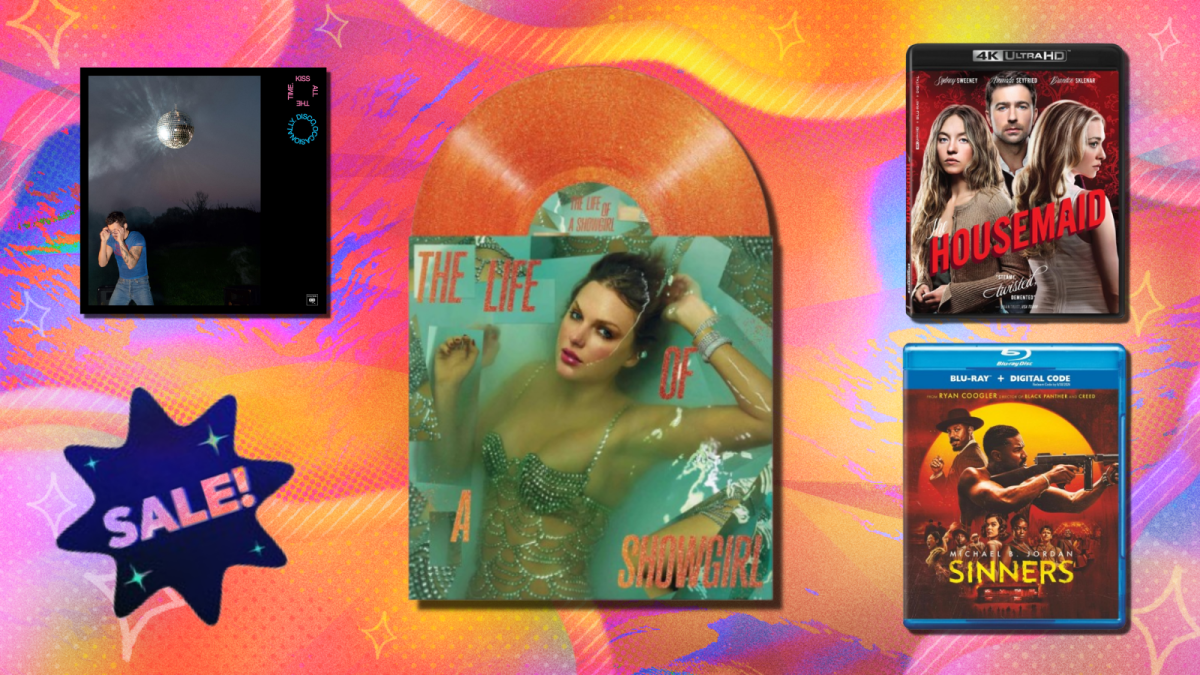

Gear Up for the Big Spring Sale: Top Blu-ray, CD, and Vinyl Deals to Elevate Your Collection

Pop Culture’s Physical Media Revival: The Bold Resurgence of Vinyl and Blu-ray

In a digital era dominated by endless streaming and instant gratification, a surprising shift in societal behavior is quietly gaining momentum among trend-setting youth: the renaissance of physical media. From vinyl records to Blu-ray collections, the current trend signals a deliberate move away from ephemeral digital files toward tangible, collectible artifacts of pop culture. As streaming giants like Netflix and Spotify offer convenience, they also foster a certain fleetingness—movies and music vanish into the cloud, rarely providing the sense of ownership that physical copies do. This cultural shift is underscored by a new generation of consumers, led by influencers such as Olivia Rodrigo and Billie Eilish, who pride themselves on curating personal spaces filled with vinyls, box sets, and vintage collectibles—an act that redefines how youth express identity nowadays.

Stores and online marketplaces are responding to this surge. Amazon’s Big Spring Sale, with discounts on Blu-ray, 4K Ultra HD, CDs, and vinyl, not only fuels the consumer frenzy but also highlights a social relevance: owning physical copies has become a statement of authenticity. Whether it’s Taylor Swift’s ‘The Art of Loving’ vinyl or collector’s editions of classics like Star Wars: The Phantom Menace, these tangible items symbolize more than just entertainment—they evoke nostalgia, prestige, and a sense of permanence. Analysts like sociologist Dr. Sarah Peterson argue that this trend taps into a collective desire to carve out meaningful experiences in a saturated digital landscape, making physical media products a form of rebellion against the fleeting nature of modern consumption.

What’s truly fascinating is how this revival extends beyond the nostalgia trip; it’s shaping lifestyle aesthetics and social behaviors. Youth influencers are showcasing their vinyl and DVD collections on platforms like TikTok and Instagram, turning them into symbols of authenticity and cultural literacy. Exclusive releases, such as M3GAN Steelbooks and Beyoncé Vinyls, are becoming coveted collectibles—opportunities to diversify personal expression and reassert ownership in a time of digital fragility. Industry analysts predict that this physical media renaissance will continue, especially as limited-edition releases and aesthetic packaging energize consumers who want to visually and tangibly connect with their favorite artists and films. This phenomenon marks a kind of countercultural movement: a tech-savvy youth reclaiming the tactile, appreciating the craftsmanship and history embedded in vinyl grooves and DVD cases.

But the next big question looms large: does this trend point toward a long-term return, or is it just a fleeting fashion? As consumer habits evolve and environmental concerns rise—given the durability of physical media—this movement could signal a profound cultural realignment where tangible ownership becomes a tool for identity and social status. Influencers and sociologists want to ask: Will the physical media revival fundamentally alter how future generations engage with popular culture, or is it merely a nostalgic anomaly riding on the coattails of fleeting trends? This quandary opens the door for further exploration—because if the trend persists, it challenges the very foundation of digital consumables and questions whether our personal digital libraries can ever replace the visceral satisfaction of holding a vinyl or DVD in hand. The ultimate mystery remains: what will the physical media culture look like in ten years—a vintage relic or the cornerstone of youth identity?

Arturia’s FX Collection 6 Debuts with 2 New Effects and $99 Entry Option

Arturia Launches FX Collection 6, Signaling Innovation in Digital Audio Effects

In a bold move that underscores continued disruption in the audio technology sector, Arturia has unveiled the latest iteration of its flagship effects suite, FX Collection 6. This release, featuring two new plugins—EFX Ambient and Pitch Shifter-910—demonstrates the company’s focus on pushing boundaries and democratizing professional-grade tools for musicians, producers, and sound designers.

The evolution of FX Collection from a modest 15 effects in 2020 to 39 in 2026 exemplifies how innovative software companies are transforming the industry landscape. With a strategic pricing model—offering a $99 introductory version with six effects, and a comprehensive FX Collection Pro priced at $499—the company is effectively broadening its market reach. This move could potentially challenge more established players while also reaffirming Arturia’s position as a pioneer in disruptive innovation. Industry analysts, like Gartner, have observed that the value proposition of such extensive collections is increasingly compelling, especially as high-quality effects become more accessible.

Disruption Through Unique Sound Design and Nostalgia-Driven Features

The newly introduced Pitch Shifter-910 pays homage to the legendary Eventide H910 Harmonizer from 1974, revered for its distinctive sound and glitchy quirks. Arturia preserves this retro aesthetic, emphasizing the plugin’s character over transparency. As a result, users can enjoy a deliberately unconventional experience, creating harmonies that embrace unpredictability—an approach that appeals particularly to young creatives seeking to differentiate their sound. The inclusion of modern modes that adjust artifacts caters to versatility, but the overall design invites users to revel in its unique digital imperfections.

The second addition, EFX Ambient, challenges traditional effects paradigms with its unpredictable ethos. It offers an eclectic range of effects—ethereal reverbs, shimmer, resonators, glitch processing, and reverse delays—that distort expectations and foster experimental soundscapes. Its six modes, each with distinct sonic fingerprints, are combined with an intuitive X/Y control for adding vibrant movement, making it a potent tool for creative exploration and sonic disruption. This aligns with trends identified in MIT research, which highlight the growing demand for effects that foster emotional resonance and immersive experiences in music production.

Business Implications and Industry Outlook

With the rise of affordable, high-impact effects suites like FX Collection 6, major players in the industry may need to reconsider their strategies. As software-driven innovation accelerates, established companies that cling to hardware dominance or proprietary formats could find themselves at risk. The convergence of nostalgia and technological innovation—exemplified by Arturia’s homage to vintage effects—poses a strategic challenge for competitors and opens the door for startups and smaller firms to disrupt traditional models of digital audio effects.

Looking ahead, industry leaders like Elon Musk and Peter Thiel have emphasized that rapid innovation and market agility are essential in navigating the fast-evolving tech landscape. The current trajectory suggests that audio effects and DAWs will become increasingly integrated with artificial intelligence, machine learning, and real-time contextual adaptation, compelling companies to innovate or risk obsolescence. In this climate, Arturia’s continued growth and expanding effect library signal a trend that shapes the future of music technology—a future where disruption is the new norm and those who innovate fastest will command the new soundscape.

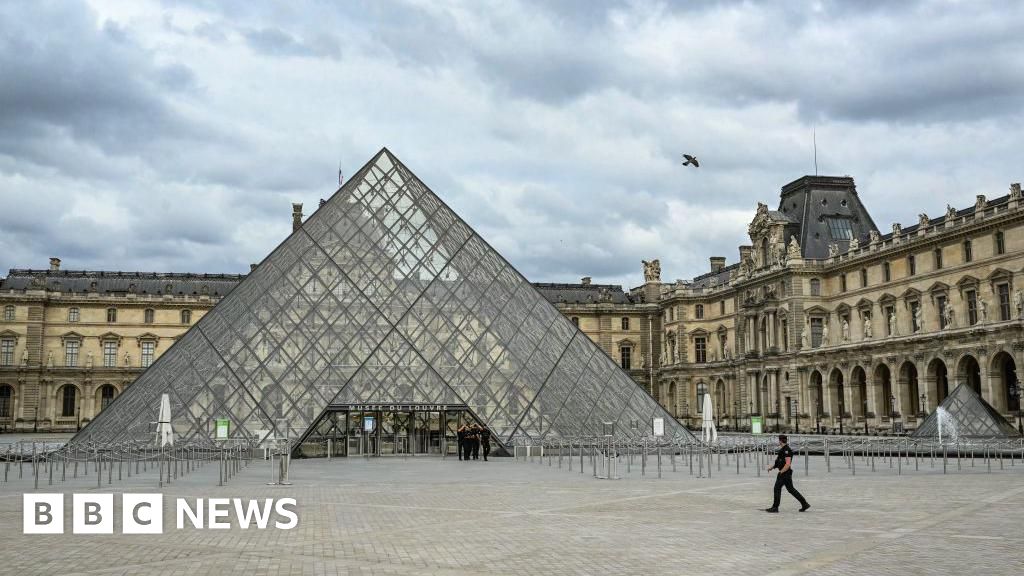
Louvre Leak Threatens Historic 19th-Century Masterpiece, Adding to Collection Woes

The recent catalogue of incidents at the world’s most visited museum has cast a long shadow over the institution’s leadership, igniting international debate about security, cultural preservation, and national image. This series of setbacks, spanning thefts, unauthorized access, and preservation failures, underscores the fragile balance between public engagement and safeguarding invaluable cultural heritage. Experts and international observers have begun scrutinizing the decision-making processes that allowed such incidents to occur, emphasizing that the repercussions extend far beyond the museum walls.

Historically, major cultural institutions serve as symbols of national identity and soft power. When incidents compromise their integrity, the geopolitical impact ripples across borders. Leaders from Franco-German alliances, to Asian-Pacific partners, recognize these sites as vital to projecting historical narrative and cultural influence. Therefore, the recent mismanagement invites questions about whether these institutions are genuinely protected from evolving threats, including terrorism, illicit trafficking, or digital vandalism. Analysts warn that ongoing vulnerabilities could be exploited by hostile state or non-state actors eager to tarnish a nation’s reputation, while also attempting to erode public trust in state institutions.

Adding to the seriousness, international organizations—such as the United Nations Educational, Scientific and Cultural Organization (UNESCO)—have issued formal statements. They emphasize that the protection of cultural heritage is an obligation that transcends national borders. The incidents have prompted calls for stricter security protocols, technological upgrades, and tighter inter-agency cooperation. Some historians, like Dr. Elizabeth Rowe, warn that such crises serve as a stark reminder of how societal complacency can threaten the preservation of history itself. The collective failure to anticipate or prevent these episodes risks setting a dangerous precedent for future generations.

In a broader context, these failures highlight a critical juncture in how nations view the stewardship of the past amid a rapidly changing geopolitical landscape. The world is watching as governments grapple with an array of threats—from digital espionage to physical sabotage—and the way they respond will shape the future of cultural diplomacy. As history unfolded on the floors of this famed institution, it remains to be seen whether reforms will be sufficient to shield our shared heritage or if these incidents merely mark the beginning of a larger crisis. The weight of history presses down unrelentingly, leaving us with a sobering question: Will we learn from these lapses or watch as the torch of cultural memory is gradually dimmed by our own negligence?

Is This $1 Billion Art Collection Glorifying a Perfected Reality?

As the allure of wealth and exclusivity continues to shape the modern art scene, the narratives surrounding high-value art collections reveal much about the cultural and societal currents of our era. A recent investigation by The New York Times exposes the burgeoning phenomenon of art investing as a shortcut to wealth, exemplified by the spectacle of a $1 billion art collection marketed with the enticing promise: “No art investing experience? No problem.” Such claims are emblematic of a broader shift—a commodification of culture that risks reducing art to mere financial assets, detached from its historical role as a vessel of collective memory and societal values. This trend raises profound questions about the relevance of culture to identity, tradition, and society, echoing the concerns of thinkers like G.K. Chesterton and T.S. Eliot, who emphasized that true art embodies the soul of a nation rather than its market value.

This phenomenon is not merely about wealth accumulation; it signals a cultural transformation where art becomes a speculative commodity rather than a reflection of the human condition. The rise of such billion-dollar collections underscores a peculiar optimism—perhaps too rosy—about the capacity of the market to preserve and elevate cultural heritage. However, critics warn that this obsession with valuation risks distorting art’s intrinsic purpose. In the words of Ortega y Gasset, culture must serve as a living vehicle of societal identity—an ongoing dialogue between past and present, shaping our collective consciousness. When art is consigned to a financial portfolio, it challenges this ethos, threatening to turn cultural memory into a mere prop for future speculation rather than a guide for moral and aesthetic development.

Furthermore, the narrative surrounding these vast collections prompts us to consider the broader societal implications of such a culture of wealth. Drawing on the insights of Alexis de Tocqueville, one might observe that a society obsessed with material prosperity can risk losing sight of its spiritual and moral foundations. While billionaires amass masterpieces, the essence of national and cultural identity increasingly becomes a matter of transactional value. This phenomenon echoes the historical shifts seen during the decline of aristocratic patronage and the rise of commercialism in the arts, where genuine cultural engagement was replaced by superficial displays of wealth. Yet, amid this trend, there remains a resilient undercurrent of tradition—artisans, curators, and cultural critics who fight to remind us that culture is both memory and prophecy, an ongoing narrative that must be preserved for future generations.

In this moment of cultural commodification, it becomes essential to reaffirm that true art possesses a moral and philosophical dimension. As T.S. Eliot posited, poetry (and by extension, art) must serve as a means of spiritual renewal—an anchor in the storm of materialism. Our cultural landscape, therefore, must remain rooted in the acknowledgment that art transcends its monetary valuation; it is a testament to our shared humanity, an embodiment of societal ethos. As we stand at this crossroads, it is vital to remember that culture, like a great river, carries the sediment of history—its depths inscribed with the dreams and struggles of those who come before us and lighting a path for those yet to come. Culture is both memory and prophecy, an eternal dialogue where the human voice echoes across time, reminding us that in the end, art is neither just a commodity nor a mere relic, but a living witness to the soul of civilization itself.

Social Media Auto Publish Powered By : XYZScripts.com