Matox News

Truth Over Trends, always!

Four Dead in Mississippi Homecoming Shooting — Community Shocked

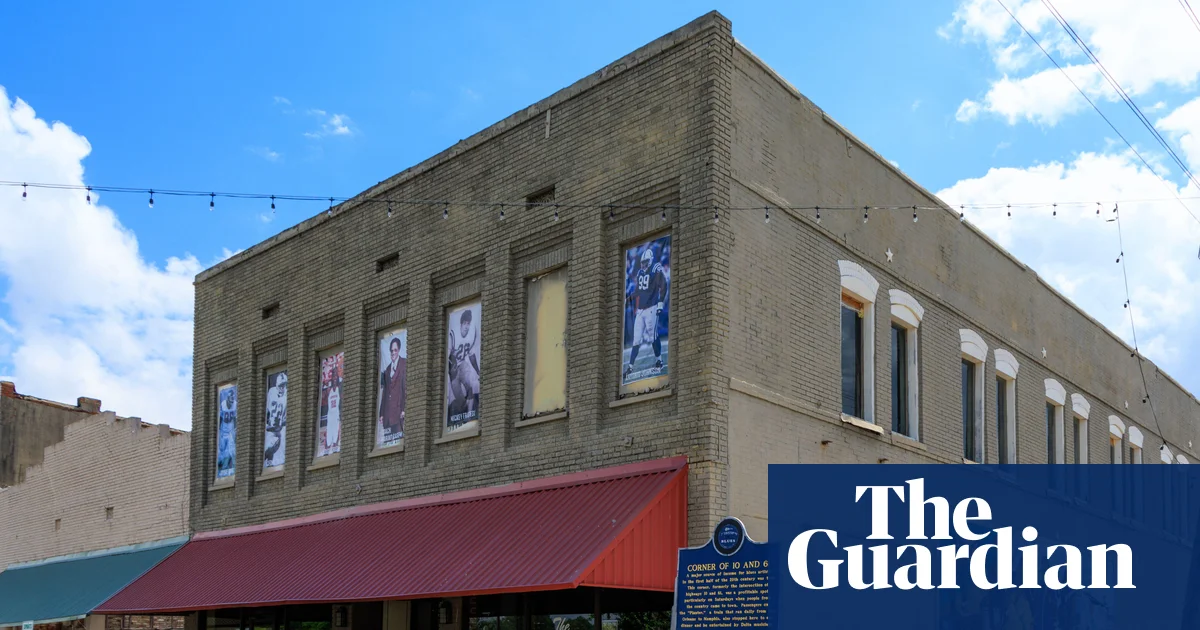
In a tragic relentless wave of violence, a small town in Mississippi has been rocked by a deadly shooting during a high school celebration, sending shockwaves across the nation and raising urgent questions about domestic security and social stability. The incident, which unfolded late Friday night in Leland, a modest city with a population under 4,000, resulted in the loss of four lives and injuries to 16 others, including critical casualties airlifted to local medical facilities. The carnage took place on a main street where families and local youths had gathered to celebrate the homecoming game, a historic cornerstone that, in this instance, became the backdrop for violence that has shaken the very fabric of the community.

The Mississippi Bureau of Investigation has launched a full inquiry into the shooting, yet few details have emerged about its perpetrator or motives. Initial reports suggest the attack occurred during a post-game gathering, a stark reminder of the persistent threat posed by urban violence and the failure of law enforcement mandates to contain it. As local officials and state representatives grapple with the aftermath, the incident underscores a growing concern: how rising crime rates in the United States threaten not only public safety but also the stability of social institutions and community trust. Analysts warn that without strategic federal and state interventions, such tragedies may become an unsettling norm rather than an exception.

Historically speaking, incidents like these serve as stark indicators of deeper societal fissures — from economic inequality to systemic misjustice — that continue to fuel unrest across America’s rural and urban divide. Commentators from organizations such as the Council on Foreign Relations and security experts worldwide caution that the ripple effects extend beyond domestic borders. As global observers watch in concern, the United States faces mounting pressure to address the root causes that lead to lawlessness and societal decay. Meanwhile, some voices within the political sphere call for more stringent gun control measures and community-based programs, emphasizing that a failure to act decisively risks giving free rein to chaos.

  • Monday’s investigation revealed no suspects yet, leaving the community in a state of shock and uncertainty.
  • National debates intensify over gun rights and crime prevention, with policymakers under pressure from voters demanding action.
  • International organizations have called for clarity, emphasizing that the stability of free societies depends on addressing internal threats swiftly and effectively.

As history books will document this moment, the tragic loss of life in Leland becomes a microcosm of a broader crisis — a nation seeking to safeguard its values amidst a persistent tide of violence. With each incident, the weight of history grows heavier, reminding the world that the choices made in boardrooms and political halls today will determine if society can withstand the storm or succumb to chaos. The unfolding story is a stark warning: nations must confront their internal weaknesses before they explode into catastrophe, drawing a line in the sand where history and destiny collide.

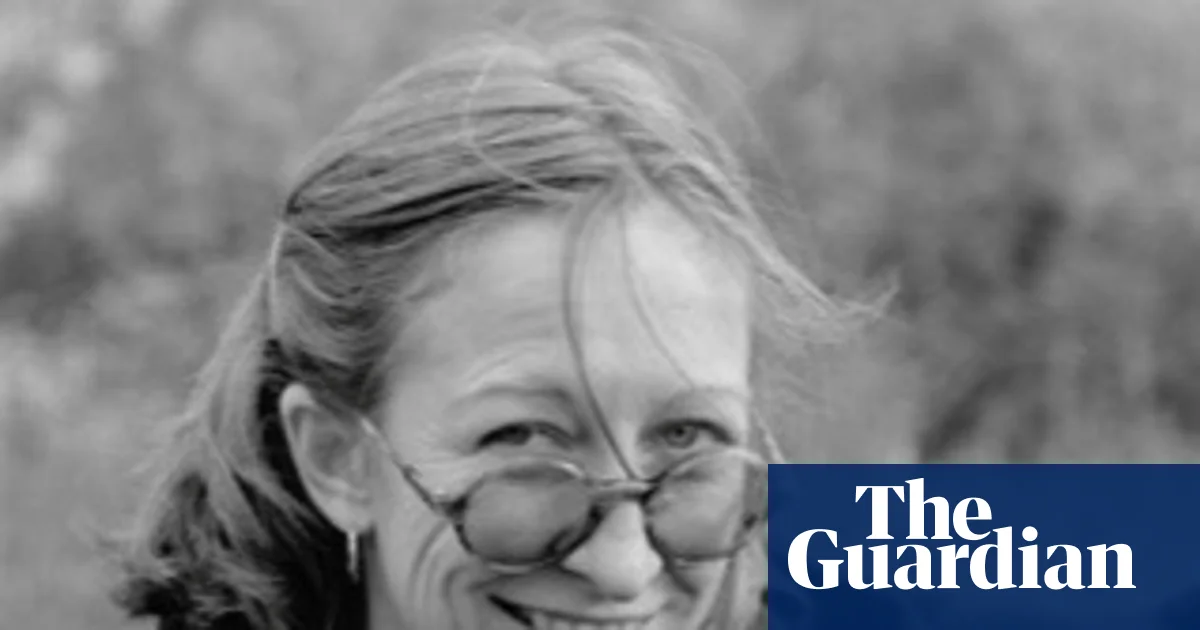
Honoring Nurse Maureen Crill: A Life Dedicated to Care and Community

Society’s Unsung Champions and Family Resilience

In an era marked by societal upheaval and a growing divide between the privileged and the vulnerable, stories of dedicated **community-oriented professionals** serve as a poignant reminder of the resilience and moral fiber that uphold our social fabric. Maureen Crill’s life exemplifies how individual courage and unwavering dedication can impact communities facing challenges such as poverty, conflict, and health crises. Her journey from Zimbabwe to various parts of the globe underscores the broader social issues that continue to affect families, education, and local communities worldwide.

Throughout her extensive career, Maureen’s work illuminated the harsh realities faced by underserved populations. The hardships endured by women in rural Africa, where she operated mobile clinics amidst insecurity and conflict, mirror larger issues of inequality in healthcare access and systemic neglect. Her efforts to train traditional midwives in Burkina Faso showcase the importance of empowering local communities rather than imposing external solutions—highlighting a critical challenge in global development: fostering sustainable, culturally sensitive progress. Sociologists like Michael Marmot emphasize that addressing social determinants of health is fundamental in nurturing resilient families and stable societies, a belief validated by Maureen’s lifelong commitment.

The Impact of Social Issues on Families and Education

The ripple effects of these social issues extend deeply into families. When communities lack adequate healthcare, education, and infrastructure, it is families—particularly women and children—who bear the brunt. Maureen’s advocacy for rural maternal health was rooted in the understanding that healthy mothers are vital to nurturing future generations. Yet, many communities remain trapped in cycles of poverty and inadequate care, hampering educational opportunities and perpetuating social marginalization. Here, the tension lies between systemic neglect and the moral imperative to act, ensuring that every family has a chance at a dignified life.

Shifting Demographics and Cultural Tensions

Changing demographics and cultural shifts further complicate this picture. As societies diversify and urbanize, traditional social networks weaken, often leading to increased dislocation and alienation. For instance, Maureen’s work in diverse and often volatile settings like Pakistan, Canada, and Cuba demonstrates how healthcare professionals must navigate complex cultural terrains. Sociologists like Claude Lévi-Strauss have argued that understanding cultural diversity is essential to fostering social cohesion. Yet, social tensions arise when national policies neglect the needs of marginalized groups, resulting in fractured communities and compromised social stability.

Pathways to Social Renewal and Hope

While these challenges are formidable, the story of individuals like Maureen Crill inspires hope. Her life exemplifies that dedicated service and culturally sensitive interventions can forge pathways toward social renewal. Building resilient families and communities requires policies that prioritize health equity, education, and moral responsibility. Sociologists such as Anthony Giddens remind us that society’s future hinges on our collective ability to adapt and nurture shared values of compassion and justice. In embracing this moral vision, society can evolve beyond cycles of neglect to become a community where every family has the opportunity to flourish.

As society faces its ongoing trials, it is crucial to remember that the true strength of a nation lies in its ability to cherish and uplift its most vulnerable. The stories of our unsung heroes — those who serve selflessly in the shadows — call us to reflect on our moral commitments and the legacy we wish to build. Mirroring Maureen Crill’s grace and resilience, perhaps society can find renewal and hope, one compassionate act at a time, casting a future where social transformation begins with acknowledgment, respect, and unwavering resolve.

Breaking Barriers: I Launched the World's First Deaf Rave, Empowering Our Community
Breaking Barriers: I Launched the World’s First Deaf Rave, Empowering Our Community

Social Innovation in Youth Culture: The Deaf Rave Movement Sparks Change

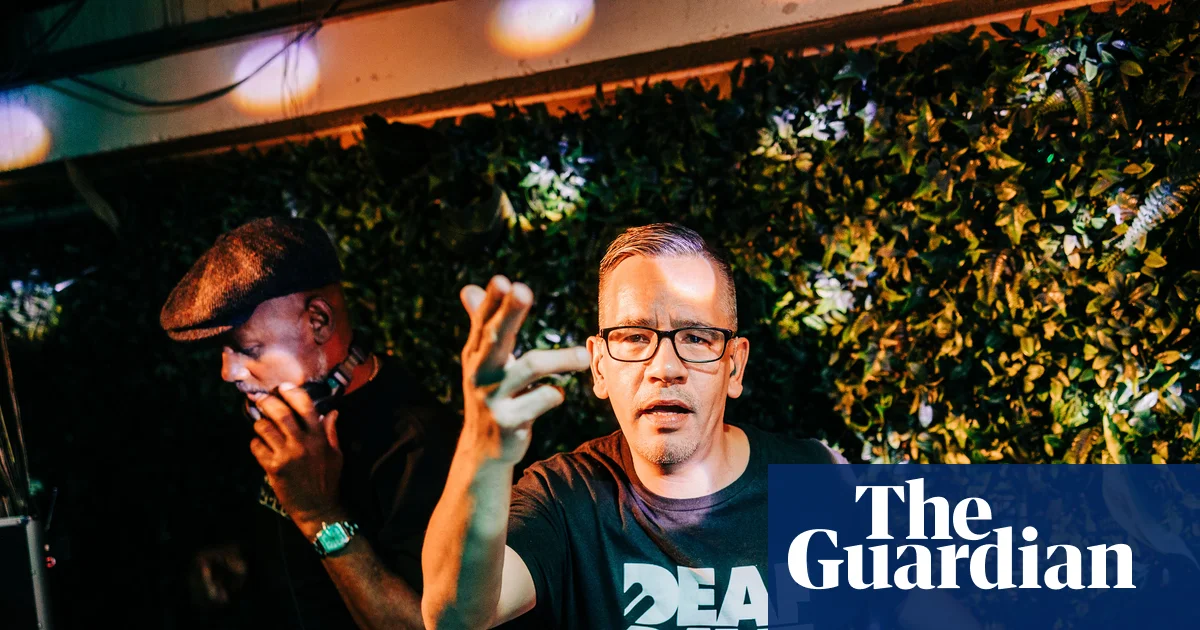
Across communities in the UK, a quiet revolution is unfolding—one that challenges longstanding social divides and redefines what it means to unite through music and culture. At the forefront is a vibrant movement led by deaf communities who are reclaiming spaces for themselves, especially through the groundbreaking initiative known as Deaf Rave. This innovative approach exemplifies a broader societal shift towards inclusive entertainment and demonstrates how addressing social issues can profoundly impact families, education, and community cohesion.

Historically, social exclusion has marginalized deaf individuals, often confining them to the peripheries of vibrant youth movements such as dance clubs and festivals. Sociologists like Dr. Mark P. Block have noted that such marginalization fosters a sense of alienation, intensifying societal divides. Yet, deaf pioneers like the individual whose story this article follows are creating change from within—organizing events that integrate visual and tactile elements with traditional music forms. Their efforts are not just about recreation but are a form of cultural assertion and a vital step toward societal equity. By adapting venues with vibrating floors and tactile vibrations, they transform music from a purely auditory experience into a multisensory celebration accessible to all.

This movement highlights how educational and familial landscapes are being reshaped. Programs like DJ workshops for deaf children signal a significant cultural shift, emphasizing that developmental opportunities and creative expression should not be predicated on hearing ability alone. Such initiatives foster family bonds through shared participation and break down misconceptions about deafness as a barrier rather than a different way of experiencing the world. As Dr. Ruth L. Okediji argues, nurturing diverse cultural expressions in youth is essential for cultivating a society where every child feels valued and heard, regardless of their sensory abilities.

However, the road to true inclusivity faces challenges. Organizers often encounter resistance from venue owners unfamiliar with the needs of deaf attendees, fearing issues surrounding noise levels or safety. These hurdles reflect a broader societal reluctance to adapt traditional spaces, which often default to auditory-centric paradigms that exclude deaf individuals. Yet, stories of success demonstrate that change is possible. The Deaf Rave movement has garnered support from public figures, earning honors such as an honorary Master of the Arts and an MBE, achievements that symbolize growing recognition of deaf culture’s vibrancy and significance. With initiatives like schools’ DJ workshops and festivals, the movement exemplifies how social issues can be addressed creatively to nurture communication, community, and belonging.

As society stands at this crossroads, the story of Deaf Rave invites us to consider our collective responsibility. Society’s ongoing challenge is to foster environments where diversity is celebrated and social inclusion becomes the norm—not the exception. Serious reflection on our cultural infrastructure, educational methods, and community practices reveals the possibility of transformation. It is in these moments of resilience and innovation that society’s true potential reveals itself—a testament to human ingenuity and our capacity for collective empathy. In the silent yet vibrant beats of these deaf raves, society finds a hope— a promise that through understanding and adaptation, we can create a future where everyone’s voice, regardless of how it is heard, is truly heard.

Social Media Auto Publish Powered By : XYZScripts.com