Matox News

Truth Over Trends, always!

U.S. Moves to End War in Ukraine Draw Careful Concerns from Allies

International Powers Confront The Future of Ukraine Amid Controversial Peace Plan

The unfolding saga of Ukraine‘s quest for sovereignty and security continues to shape the geopolitical landscape in profound ways. Recent developments have seen U.S. efforts to forge a peace plan amid fierce resistance from Kyiv and its allies, casting a long shadow over the stability of Eastern Europe. The controversial 28-point blueprint, leaked and scrutinized from multiple angles, envisions territorial concessions from Ukraine, including the possible ceding of critical regions like Donetsk, Luhansk, and Crimea—a move that has ignited fierce debate over border legitimacy and national sovereignty.

European nations and Japan, unified in their concern, have issued a joint statement underscoring that the draft peace plan will require additional diplomatic work. They emphasize the principle that borders must not be changed by force, while voicing apprehensions over limitations on Ukraine’s military capabilities—restrictions that could leave Kyiv vulnerable to future aggression. In Geneva, security officials from the UK, France, Germany, the US, and Ukraine are scheduled for critical discussions, recognizing the stakes are high. Historians warn that such concessions could set a dangerous precedent, emboldening authoritarian regimes and undermining international norms on territorial integrity, emphasizing the importance of safeguarding Ukraine’s sovereignty as a matter of global security.

Meanwhile, President Zelensky has issued a stark warning, framing the moment as “one of the most difficult in our history”—highlighting the immense pressure Ukraine faces from Washington and Western allies to accept terms perceived as detrimental by Kyiv. Despite Zelensky’s declaration to pursue “constructive” negotiations, the key question remains: how will Ukraine balance the imperative of national dignity with the harsh realities of geopolitics? The leaked US draft proposes Ukraine’s military withdrawal from key territories and potentially limiting its armed forces to 600,000 personnel, while offering “reliable security guarantees” and promising reintegration of Russia into the global economy—an offer Moscow might interpret as a capitulation or a means to reassert its influence. Such proposals not only threaten Ukraine’s territorial integrity but also risk destabilizing the entire European security order, especially as the EU and NATO await consent on military and diplomatic implementations.

The regional balance of power hangs in the balance, with Vladimir Putin signaling that the draft could serve as a “basis” for settlement, but also remaining uncompromising in his rhetoric. Moscow’s willingness to show “flexibility” is paired with preparations for ongoing conflict, as Russian forces continue slow advances in Ukraine’s southeastern regions. Military analysts warn that concessions could be exploited by Moscow, paving the way for a prolonged proxy conflict, risking regional destabilization and global economic repercussions. The current situation has precipitated a dynamic contest of wills among world powers, with the outcome poised to redefine the 21st-century balance of authority. The weight of history presses heavily upon the unfolding negotiations, and as global leaders navigate treacherous diplomatic waters, the fate of Ukraine remains a poignant symbol of resistance, sovereignty, and the enduring quest for international stability. History will record whether the choices made today can forge a path toward lasting peace or herald a new era of geopolitical division.
U.S. Deports Christian Converts to Iran, Raising Concerns

A Shifting Battlefield in Global Immigration and Human Rights

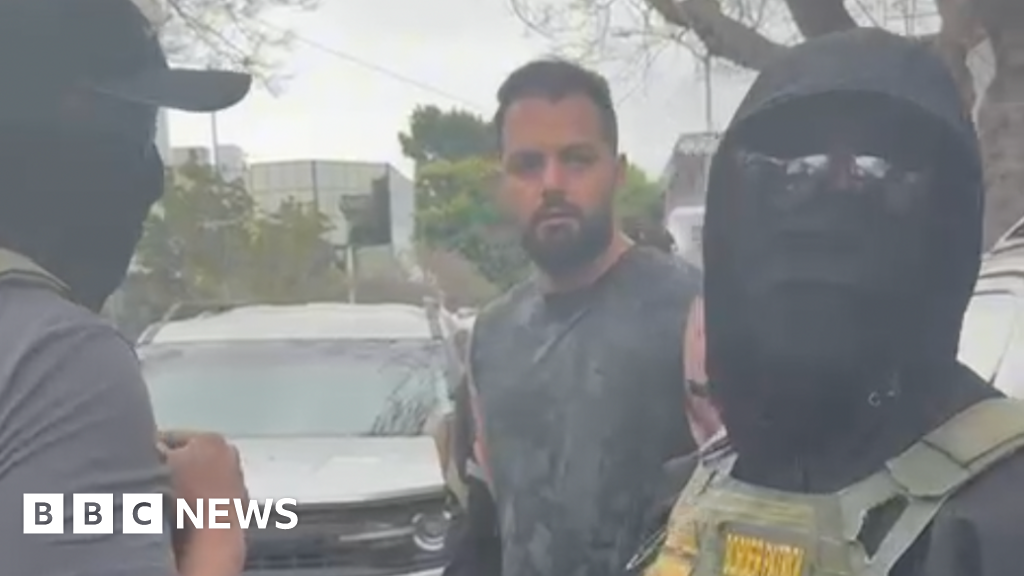
The United States has long positioned itself as a beacon of refuge for persecuted religious minorities, particularly Iranian Christian converts. Yet recent policy shifts reveal a disturbing paradox: while President Joe Biden publicly champions religious freedom and condemns Iranian oppression, the administration is simultaneously executing aggressive deportations that threaten the very groups it claims to protect. The recent chartered flights back to Iran, arranged via Qatar and involving passengers shackled and under armed guard, mark a stark reversal of United States’ historic stance on asylum for religious minorities fleeing religious persecution.

This unprecedented cooperation with Iran — a country with one of the most repressive regimes concerning religious freedom — sends a clear signal of geopolitical recalibration. Experts like Professor Alexei Ivanov of the London School of Economics warn that such moves could further embolden regimes hostile to religious minorities and escalate the persecution of converts back home. As reports surface of deported individuals facing interrogation about their faith by Iranian authorities, the global impact of America’s policies becomes evident.

The Fragile Lives Caught in a Geopolitical Crossfire

  • In late September, the US government orchestrated its first direct flight to Iran in decades, a move logic-defying given the *absence of diplomatic ties* and Iran’s notorious human rights abuses.
  • Families like Ali’s, whose wife was deported and is now targeted by Iranian intelligence, exemplify the personal danger underlying these policies.
  • Countries like Venezuela and Turkey, traditionally regions of refuge, are now increasingly becoming interconnected nodes in this perilous transit network for asylum seekers.

At the United Nations, calls for accountability grow louder. Human rights organizations criticize the US for mishandling and in some cases violating international standards—particularly regarding the confidentiality of asylum claims and the handling of sensitive religious information. The International Crisis Group suggests that these policies could undermine decades of diplomatic efforts to promote religious freedom and human rights. Notably, the divergence between the rhetoric of advocating for persecuted Christians and the reality of deportations reveals a troubling disconnect — a gamble with human lives that international analysts warn could destabilize fragile communities and embolden oppressive regimes.

The Shadows of Uncertainty and the Unfolding Crisis

Deeper within the US political landscape, legal experts caution that the decisions taken today may serve as a turning point in international refugee policies. Some argue that the administration’s claims of “fully adjudicated” asylum cases are contradicted by reports of mishandled information and the ongoing plight of individuals like Majid, who are now forced into hiding, fearful of reprisals. Meanwhile, the Iranian regime appears to be leveraging America’s internal tensions, using deported converts as leverage to crack down on internal dissent, framing converts as “Zionist agents”—a narrative designed to consolidate power and justify increased persecution.

As the weight of history bears down on this tangled geopolitical web, the stories emerging from beneath the surface suggest that these policies are more than bureaucratic decisions—they are reflections of a broader, ongoing conflict between principles and pragmatism. How long will the world’s most powerful democracy continue to turn a blind eye to its role as a protector or persecutor? This question hangs heavily in the air, as the fates of countless individuals unfold in shadows cast by shifting alliances and iron-fisted regimes. The story of Iran’s persecuted believers, and the US’s ambivalent stance, remains stubbornly unresolved — a stark reminder that in the grand chessboard of international affairs, human lives are pawns caught in a game still unfolding, written in the ink of history yet to be made.

Ferry Run-Aground Leads to Arrests Amid Safety Concerns

South Korea Ferry Incident: Spark of Controversy and Potential Geopolitical Ramifications

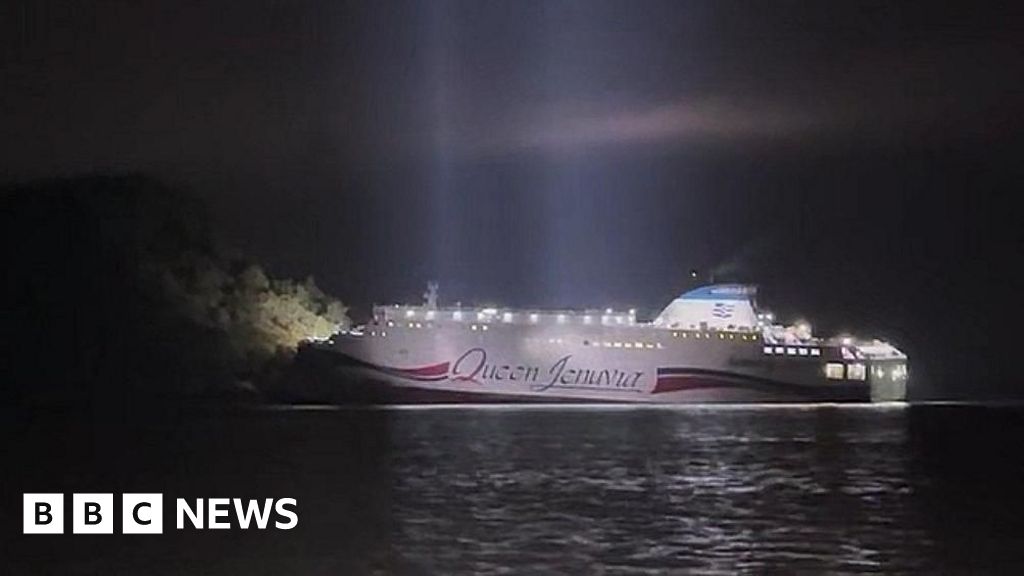
In a dramatic turn of events near the southeastern coast of South Korea, a ferry named Queen Jenuvia 2 ran aground on rocks off the uninhabited island of Jogdo, raising concerns that echo the tragic past of the Sewol disaster. The incident resulted in the rescue of all 267 passengers and crew, but it has ignited criticisms over safety protocols, young leadership accountability, and the broader question of maritime safety in a nation determined to project maritime strength. Authorities swiftly arrested two individuals, including the helmsman and the first mate, citing gross negligence, as the vessel was sailing from the resort island of Jeju to Mokpo. This incident not only underscores internal safety issues but also raises questions about how South Korea’s maritime industry manages its burgeoning economic and strategic ambitions.

The South Korean coast guard reported that the helmsman initially blamed a steering malfunction but subsequently admitted to being distracted by his phone, neglecting critical navigation duties. This revelation emphasizes a troubling trend of human error compounded by complacency amid rising technological reliance. The incident occurred near the site where the Sewol ferry tragically sank in 2014, claiming over 300 lives, primarily students. The memory of that disaster continues to haunt the nation, intensifying the scrutiny on safety protocols and government oversight. Analysts warn that recurring incidents like this could threaten Seoul’s image as a regional leader capable of balancing economic development with strict safety standards, impacting regional diplomacy especially in the context of maritime sovereignty and security.

This event punctuates the dangerous brinkmanship nations partake in over maritime territories and regional safety concerns. Since the Sewol sinking, South Korea has been under pressure to reform its safety regulations, but critics argue that bureaucratic inertia and economic priorities often undermine safety reforms. With growing tensions in the broader Asia-Pacific region—particularly involving China and Japan—such incidents threaten to destabilize soft power and fuel nationalist sentiments. Meanwhile, international organizations such as the International Maritime Organization continue to call for stricter enforcement of safety standards, yet implementation remains inconsistent, especially in countries where economic stakes are high.

Historian and geopolitical analyst Michael Jennings has warned that these maritime accidents are often more than just individual misjudgments—they are symptoms of deeper systemic vulnerabilities. “The recurring failures reveal how nations prioritize rapid growth and regional dominance over safety and personnel training,” Jennings emphasizes. How South Korea manages the fallout from this incident will be a test of whether its leadership can restore confidence and uphold international maritime standards. As the nation grapples with internal issues surrounding accountability and safety, the specter of future tragedies looms, threatening to mar its international reputation and diplomatic stature in a region increasingly shaped by unpredictable conflicts and shifting alliances.

As the global community watches, the unfolding consequences of this seemingly isolated maritime accident carry profound implications. Nations are reminded that the narrow margin between safety and catastrophe in maritime endeavors is a line that, once crossed, leaves a mark on history—an indelible reminder of human fallibility and the relentless quest for progress. The echoes from the Sewol disaster still reverberate in South Korea’s national consciousness, and now, with this recent grounding, history appears poised to write again, leaving the world to ponder whether lessons have truly been learned amid the relentless tide of change.

Hezbollah suspect faces trial in Germany amid rising security concerns

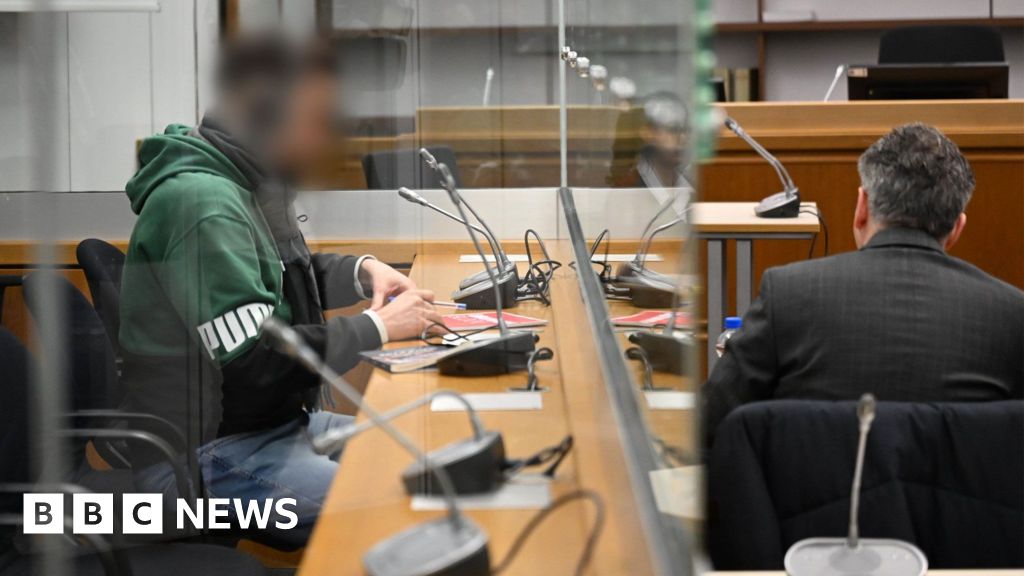
The recent trial of Fadel Z, a Lebanese national accused of assisting Hezbollah’s burgeoning drone arsenal, has cast a spotlight on the organization’s expanding military capabilities and the broader regional implications of its actions. Amidst ongoing hostilities and international concern, this case underscores the sophistication of Hezbollah’s covert operations that stretch across continents and threaten stability in the Middle East. According to German authorities, Z is alleged to have played a vital role in procuring components for Hezbollah’s drone program, which has reportedly amassed over 10,000 units by mid-2024. This development signifies a clear escalation in Hezbollah’s military strategy, transforming it from a clandestine militia into a technologically advanced force capable of offensive operations, with serious implications for geo-strategic stability.

Since launching an extensive drone program, Hezbollah has increasingly utilized European, Chinese, and American suppliers to arm its arsenal, often through front companies registered under false identities. This clandestine supply chain has enabled the group to acquire essential parts such as motors, propellers, and explosives. Prosecutors detail how operations like those of Fadel Z facilitate illicit trade across borders, aiding Hezbollah’s efforts to target Israeli military and civilian sites—most notably, the drone attack on a retirement home in Herzliya during Yom Kippur. Such acts of aggression are not isolated; they reflect an organized campaign backed by regional actors and global trade networks, heightening concerns over the destabilizing influence of Iran-backed militias. Analyst Dr. Martin Shaw from the International Strategic Studies Institute emphasizes that these developments serve to deepen Iran’s footprint across the Levant, challenging Western and regional efforts to contain Tehran’s influence.

Meanwhile, the escalation of violence between Israel and Hezbollah follows recent hostilities linked to Hamas’s October 2023 attack, prompting a deadly cycle of retaliation. Hezbollah’s response with drone strikes and rocket barrages marks a concerning shift in tactics, blurring the lines between state and non-state actors in a conflict that threatens regional and international stability. The conflict’s toll is staggering: Lebanese authorities report approximately 4,000 casualties, many civilians, along with the displacement of over 1.2 million residents, while Israel suffered over 80 soldier fatalities and dozens of civilian deaths. The United Nations and strategic analysts warn that continued escalation could ignite a broader regional conflict, drawing in powerful neighbors and global powers alike. As world leaders deliberate over diplomatic avenues, the decades-long ambiguity surrounding Hezbollah’s true military strength and covert activities remains a pressing geopolitical concern, with experts warning that, if unchecked, such insurgencies could redefine Middle Eastern geopolitics for generations to come.

As courts in Europe examine the depth of Hezbollah’s clandestine network, the global community watches with anticipation—and trepidation. The case of Fadel Z highlights a larger narrative: the intertwining of terrorism, advanced technology, and international trade that fuels ongoing conflicts. The unfolding story of this trial and the ongoing violence illustrates how decisions made behind closed doors can have rippling effects across continents. With history’s weight shifting ever more decisively, nations face an uncertain future—one where the balance of power hangs on the edge of a new technological arms race, teetering on the precipice of a broader regional war that could reshape the very fabric of the Middle East for decades yet unborn.

Multiple ACT Schools Close Amid Asbestos Concerns Over Colored Sand Products

Australia Confronts a Public Health Crisis as Schools Shut Over Asbestos-Laced Children’s Play Sand

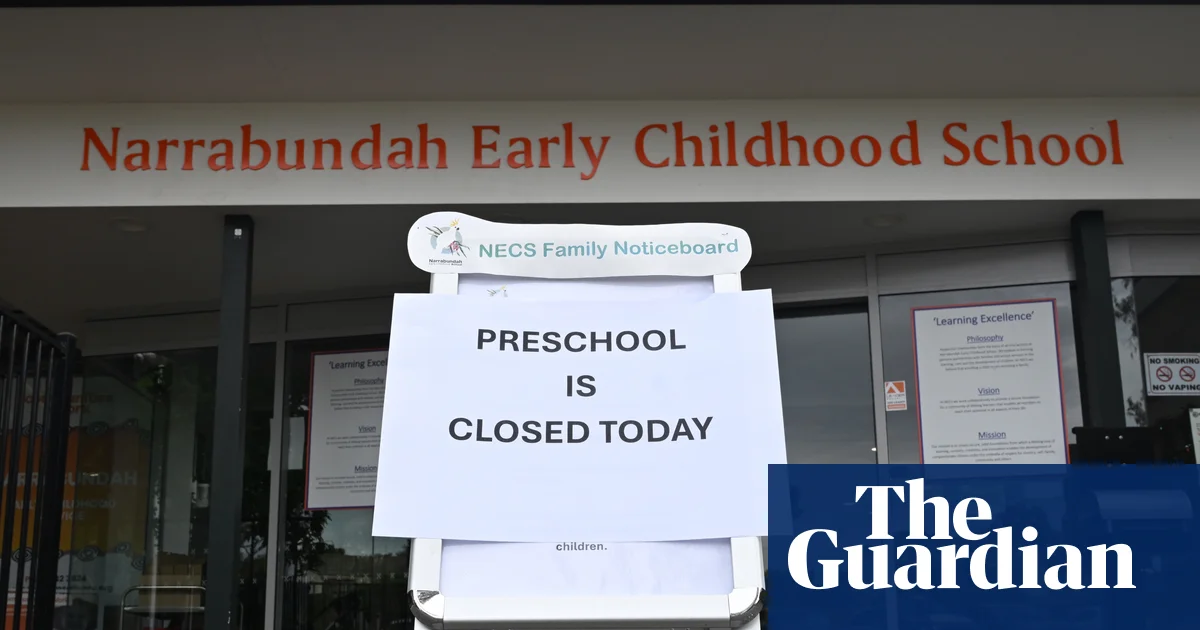
In a startling development that underscores the risks of global sourcing and the fragile safety of public health, Australia’s Capital Territory (ACT) has ordered the immediate closure of more than a dozen primary and preschools, following the detection of asbestos in imported children’s sand products. This decision, made in response to serious environmental health concerns, highlights an ongoing challenge for nations navigating the complex web of international trade, safety standards, and domestic regulation. The ACT’s education authorities, led by Education Minister Yvette Berry, have prioritized safety above all, shutting down 15 schools outright and partially closing five others, as testing and remediation efforts continue.

This crisis traces its roots back to the importation of colourful children’s sand products, primarily from China, which later proved to contain chrysotile asbestos—a substance linked to terminal diseases such as mesothelioma. Authorities identified a range of products, including “Kadink Sand,” “Educational Colours – Rainbow Sand,” and “Creatistics – Coloured Sand,” all sold at major retailers across Australia over the last five years. The Australian Competition and Consumer Commission (ACCC) issued a recall of these items, cautioning the public about the potential health risks. Despite assurances from WorkSafe ACT that risk exposure is low, the precautionary closures reflect a growing concern over how unchecked imports threaten societal safety, especially when children are involved.

Implications of International Trade in Public Safety

The incident reveals a broader geopolitical issue that resonates globally: the tension between free trade and safety standards. Australia, like many countries, relies heavily on international manufacturing hubs—particularly China—for affordable consumer products. However, these supply chains can often bypass stringent safety checks, especially for hazardous materials banned since 2003 in Australia. Historians and analysts warn that such lapses threaten not only health but also international trust in trade agreements. The fact that these products were sold across Australia from 2020 to 2025, including via local distributors like Educating Kids and Zart Art, underscores the systemic vulnerability in consumer safety protocols.

Global organizations such as the World Health Organization (WHO) have long issued warnings about asbestos, emphasizing that its carcinogenic effects are well understood and that its importation should be tightly controlled. Yet economic pressures and lax enforcement have allowed hazardous materials to slip through regulatory cracks. This episode serves as a stark reminder of how decisions made in international markets can ripple across societies, impacting everything from public health systems to educational environments. Accordingly, the geopolitical impact is profound: nations must strengthen their trade oversight and internal safeguards if they are to prevent such hazards from becoming a national crisis.

Domestic Response and Rising Concerns

The response by ACT authorities demonstrates a determined, albeit reactive, strategy: immediate school closures, thorough testing, and clear communication to parents and staff. The closure of Cranleigh School and others not only disrupts education but also raises questions about how preparedness measures are structured and enforced. With similar incidents tracing back to older sites in Sydney and Melbourne, where asbestos was historically buried or processed, the broader challenge becomes clear: legacy contamination and the risks associated with historically unsafe disposal practices are still haunting Australian cities. International organizations warn that such legacy issues complicate cleanup efforts, demanding concerted policy shifts and increased investment in environmental remediation.

Experts reveal that vigilance must extend beyond reactive measures. Governments should establish mandatory testing of imported consumer goods, especially those intended for children. Public education campaigns urging safe disposal and raising awareness regarding imported hazardous materials are crucial in preventing future crises. As the Australian government works to ensure that such risks are contained, citizens are left grappling with the uncertainty of what other unseen dangers may lurk in everyday products.

As this unfolding crisis exposes vulnerabilities in international trade and domestic regulation, history reminds us that the true measure of societal progress lies in the capacity to anticipate and prevent disaster. With the specter of asbestos—a material associated with silent, deadly threat—still casting its shadow over Australia’s safe spaces, the weight of history presses upon policymakers worldwide. The question remains: will this incident be merely a fleeting warning, or a catalyst for profound structural change that reshapes how nations safeguard their future? The answer lies in the unfolding stories of remediation and resilience yet to come, where decisions today forge the landscape of tomorrow’s history.

Transport Secretary warns shutdown could ground US flights to a trickle, sparking concerns for travelers and the economy

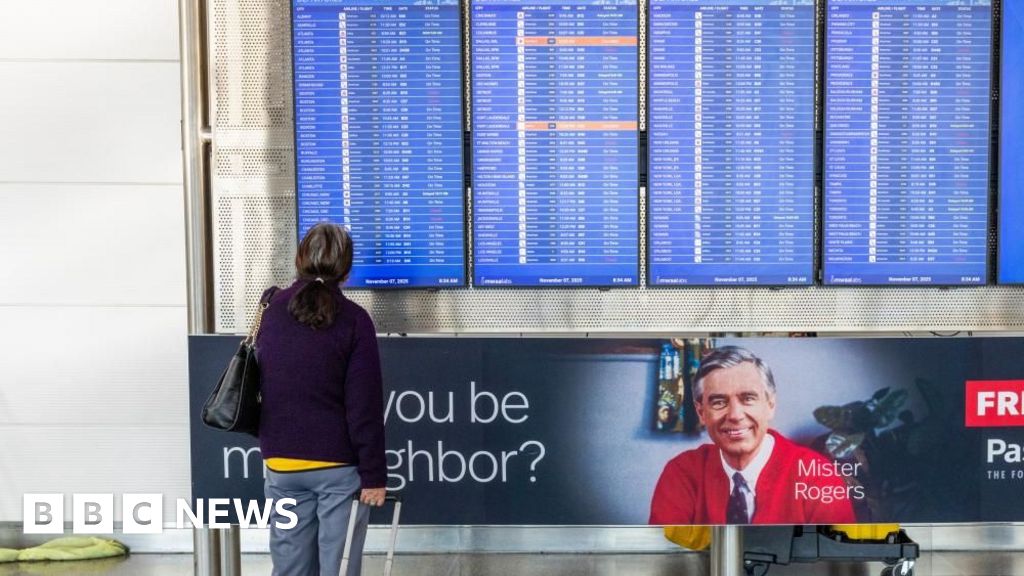
The ongoing US government shutdown has entered its 40th day, marking the longest in American history and sending ripple effects across the socio-economic fabric of the nation. As federal workers face unpaid wages and essential services grind to a halt, the transportation sector bears the brunt of the crisis. Thousands of flights are canceled or delayed daily, with the Federal Aviation Administration (@FAA@) announcing capacity reductions of up to 10% at major airports, such as Newark. These measures are driven by fatigued air traffic controllers, many of whom are working without pay—raising urgent safety concerns and exposing the weaknesses of bureaucratic gridlock.

Analysts and international observers warn that without swift resolution, the impact on the global economy could deepen. Flight delays and cancellations serve as a stark reminder of how domestic political stalemates threaten to destabilize global markets and international travel. US lawmakers are under pressure, with the Senate convening in a rare weekend session, attempting to broker a deal that could temporarily end this impasse. However, the core dispute remains entrenched, with Democrats demanding policy concessions tied to healthcare funding, and Republicans insisting on pure budget measures without additional policy layers. As President Donald Trump proposes redirecting relief funds directly to Americans’ health insurance, global financial markets watch nervously, understanding that timely compromise is paramount to prevent economic contagion.

This crisis highlights the deep fissures in the American political landscape—fissures that have far-reaching geopolitical impact. While Washington grapples with its stalemate, China and Russia observe closely, noting America’s internal divisions and the potential for weakened global influence. The shutdown also reveals the fragility of public trust in democratic institutions, with historians warning that prolonged crises may erode societal resilience and foster disillusionment among youth and working-class Americans. Meanwhile, international organizations like the IMF warn that such internal turmoil could serve as a distraction from pressing global issues, including geopolitical conflicts and economic reforms.

As the hours tick by and the nation stands on the brink of further chaos, the weight of history presses heavily on decision-makers. The words of analysts echo—the prolonged deadlock not only jeopardizes national stability but also threatens to reshape the international order. With each delay, the story of a nation divided unfolds anew, leaving the future tangled in uncertainty and the past whispering warning signs. The question remains: will this chapter in history’s relentless unfolding be resolved in time, or will it become yet another symbol of a lingering, unresolved crisis that stains the legacy of a once-powerful superpower?

Fire at Turkey perfume warehouse claims six lives, highlighting safety concerns

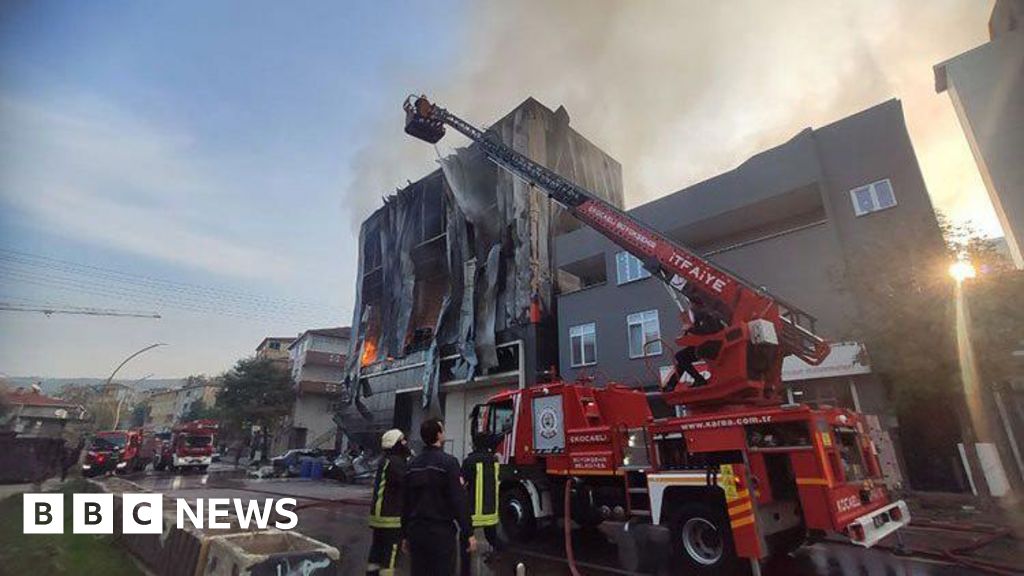
In a devastating incident that underscores Turkey’s ongoing industrial vulnerabilities, a fire erupted at a perfume warehouse located in the industrial hub of Dilovasi, in Kocaeli Province. The blaze, which broke out early Saturday morning, resulted in the tragic loss of six lives and left five others hospitalized. The incident highlights the dangers inherent in Turkey’s robust yet often perilously managed manufacturing sector, especially in regions teeming with factories and depots crucial to its economic infrastructure.

Authorities from both the Justice Ministry and the Labour Ministry have launched comprehensive investigations into the incident, aiming to determine the cause of the fire, which remains unspecified as of now. Witnesses describe a sudden explosion that ignited the flames, engulfing nearby facilities and creating a scene of chaos. The local government, led by Kocaeli Metropolitan Municipality, has reported that the fire has been fully extinguished but emphasized the importance of scrutinizing industrial safety protocols. The accident comes as a reminder that Turkey, despite its growing economic influence, continues to grapple with safety standards that often lag behind its rapid industrial expansion.

Analysts and international commentators suggest that this tragedy exposes the broader vulnerabilities within Turkey’s industrial and economic systems, which are intertwined with its increasingly complex geopolitical position. As Turkey navigates its ascent on the global stage, it faces mounting pressure from internal and external forces demanding greater accountability and safety. The incident could catalyze international calls for Turkey to align its manufacturing practices with more stringent safety and environmental standards, particularly from organizations such as OECD and EU regulatory bodies. This event also risks tarnishing Turkey’s reputation as a key player in regional commerce, potentially impacting foreign investment and diplomatic relations, especially with Western allies concerned about stability and rule of law.

Historically, Turkey has been a strategically vital actor straddling continents and cultures, with its industrial capacity serving as a cornerstone of its geopolitical ambition. Yet, as experts warn, such tragedies are a stark reminder that economic growth must never come at the cost of human safety. The fire at the perfume warehouse could serve as a turning point—pushing reforms or, conversely, deepening concerns over regulatory negligence. With Turkey’s strategic importance in the Eurasian corridor, how it responds to these setbacks will resonate far beyond its borders, potentially shaping the regional balance of power in unpredictable ways.

As the dust settles over the smoldering ruins of Dilovasi, history continues to be written—one chapter of industrial peril and geopolitical consequence at a time. The flames may be doused, but the questions about safety, governance, and international responsibility remain ablaze. For nations observing from afar, the unfolding response to this tragedy will be a testament not just to Turkey’s resilience but also to its capacity to reconcile economic ambitions with the fundamental duty of safeguarding its people. The weight of these moments hangs heavy in the air—waiting, as always, for the next turn in history’s relentless march.

Jakarta High School Mosque Blast Injures 54, Raising Security Concerns

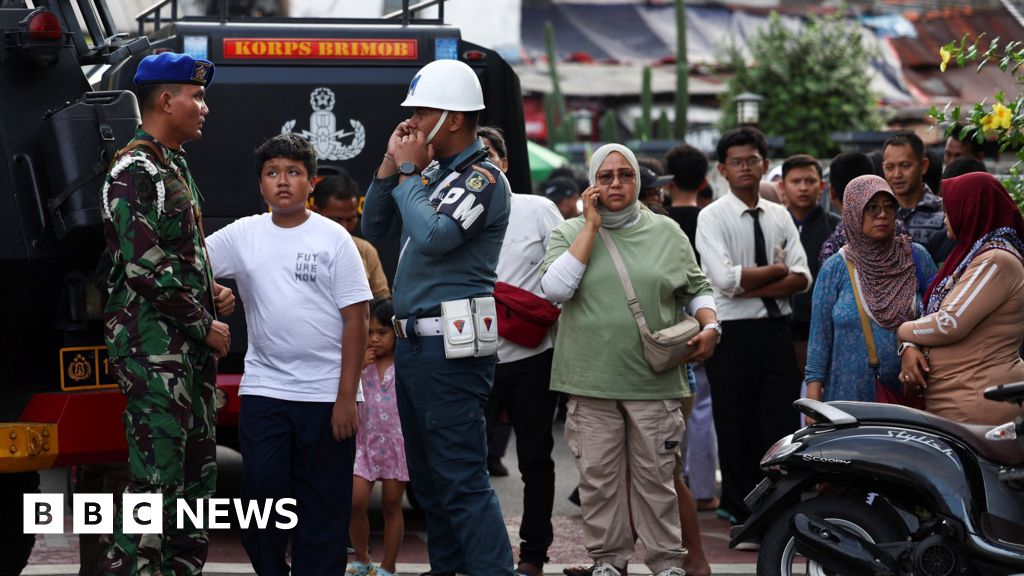
Jakarta, Indonesia — One of the world’s largest Muslim countries faced a harrowing moment this Friday when an explosion during Friday prayers at a mosque inside a high school complex injured dozens of individuals. Authorities report that at least fifty-four people have been hospitalized, with injuries ranging from minor burns to more severe wounds. The incident has sent shockwaves across the nation, raising questions about security, radicalism, and societal vulnerabilities within Indonesia’s diverse landscape.

Initial investigations point to a potentially complex motive, as officials have detained a 17-year-old student who is currently undergoing surgery. Police and bomb disposal experts continue to search the premises for evidence, with some preliminary reports indicating the presence of homemade explosives and suspicious objects resembling firearms. Authorities have yet to determine whether this tragedy was an isolated act of violence, a personal grievance, or a symptom of deeper societal unrest, but the emergence of such violent incidents in Indonesia—home to the world’s largest Muslim population—raises alarming questions about the current geopolitical climate.

Experts and analysts are scrutinizing the troubling details that have come to light. An anonymous pupil reported that the suspect had often been bullied and was known for drawing violent imagery, casting the incident in a troubling light concerning social alienation and mental health issues among youth. Additionally, a school cook described a “massive” blast with smoke billowing and windows shattered. The scene’s disturbing evidence included two objects resembling firearms and a belt designed for storing gun cartridges. Disturbingly, one such firearm bore inscriptions referencing “14 words. For Agartha.” and “Brenton Tarrant. Welcome to Hell.”—a chilling echo of Christchurch’s terrorist who murdered 51 worshippers in 2019, highlighting a disturbing crossover of violent ideologies.

Global institutions and security analysts are concerned about the broader geopolitical impact of such incidents. Historians warn that violence in Indonesia, while often framed as internal or local, reflects a shifting landscape where global radical ideologies can infiltrate societies, inciting unrest even in nations with strong Islamic traditions. The presence of the inscribed firearm, referencing a notorious mass shooter, signals a troubling nexus—whether imported extremism or domestic radicalization—posing a threat not only to Indonesia but to regional security. International organizations have called for heightened vigilance, emphasizing that societal resilience depends on addressing underlying causes such as extremism, societal alienation, and the proliferation of dangerous ideologies online—elements that threaten to destabilize the fabric of peaceful coexistence.

As investigators pursue answers, the incident serves as a stark reminder that history remains a fluid and ominous narrative. With each violent event, the trajectory of societal stability is challenged and reshaped by decisions made today. Indonesia’s leadership faces a critical crossroads: continue to grapple with internal divisions or confront the socio-political fractures fueling youth radicalization. The world watches with bated breath, knowing that how Indonesia responds will influence regional stability and could set a precedent for either resilience or further chaos. The echoes of this tragedy will continue to reverberate through the corridors of history, underscoring that the struggle against violence is unending—and often, the price of peace is paid in the silent, watchful moments of history’s unfolding story.

Breaking: Kentucky UPS cargo plane crash claims at least seven lives, raising serious concerns

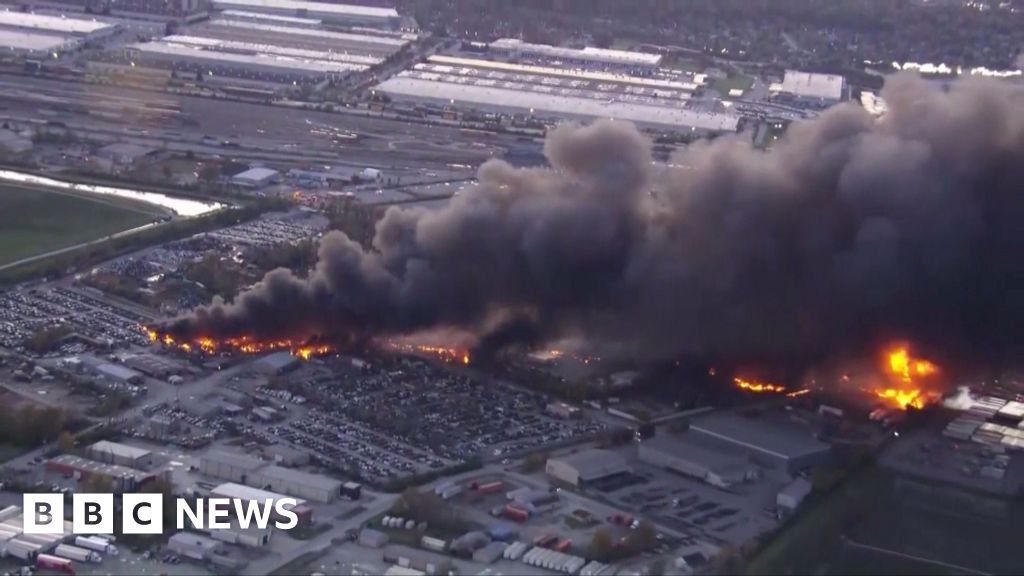
In an unprecedented event that has sent shockwaves through both local and international communities, a UPS cargo plane crashed during takeoff from Louisville, Kentucky, resulting in at least seven fatalities and numerous injuries. The incident, which took place Tuesday evening, underscores the critical importance of aviation safety standards and the potential consequences of technological or operational failures within the global transportation network. Louisville, home to the world’s largest UPS hub, finds itself at the epicenter of a tragedy that offers a stark reminder of the vulnerabilities embedded within our interconnected trade and logistics systems.

The aircraft involved was a venerable MD-11F, a model first introduced over three decades ago and part of the fleets that many logistics giants such as UPS and FedEx plan to retire over the next decade. The plane, carrying approximately 38,000 gallons of fuel en route to Hawaii, plummeted shortly after lifting off, igniting a massive fireball that consumed nearby businesses and triggered extensive emergency responses. While preliminary investigations are ongoing, questions persist about the causes behind this catastrophic failure—be it mechanical malfunction, human error, or an unavoidable mishap in the complex web of international aviation standards.

Notably, this event highlights the geopolitical impact of global logistics infrastructure, particularly the strategic significance of Louisville’s UPS hub. As one of the most critical nodes for international parcels, any disruption reverberates throughout global supply chains, highlighting the dependency of economies worldwide on short, reliable delivery channels. Analysts from international logistics organizations have warned that incidents like this threaten to erode public confidence in commercial aviation’s safety, especially amid an ongoing transition toward modernized and environmentally-friendly fleets. Historian and transportation experts stress that these accidents serve as stern warnings—not only about technological aging but also about the pressing need to adapt and ensure the resilience of our global logistics systems.

The incident also carries profound how decisions affect nations and societies. The immediate aftermath saw Louisville implementing shelter-in-place orders, and the airport temporarily halting all departures, illustrating how localized incidents can cascade into regional security concerns. Authorities have emphasized that the crash site will remain a guarded, active scene for days, with ongoing investigations led by the National Transportation Safety Bureau. Meanwhile, the broader international community observes, aware that the ripple effects of a single accident can challenge decades of progress in aviation safety. Aircraft manufacturers like Boeing, which supplied the MD-11 fleet, have issued statements reaffirming their readiness to support the investigation, demonstrating the interconnectedness of industry stakeholders amid crises.

As cities like Louisville grapple with the immediate damage and ongoing danger, the event’s ultimate impact extends beyond the boundaries of Kentucky. It acts as a stark chapter in a larger narrative—the relentless march of history where technology, human peril, and geopolitical shifts collide. The haunting image of smoke rising over a vital logistics hub becomes a symbol of the fragile balance that sustains the global economy. With each passing day, the story continues to unfold, leaving the world to wonder: how many more risks must society endure before our interconnected systems are truly resilient? As the investigation advances and the aftermath unfolds, this tragedy may well mark a turning point—one that demands reflection on our collective safety and future readiness in an increasingly complex geopolitical landscape.

Tragic blaze at Bosnian retirement home leaves 11 dead—safety concerns mount for seniors

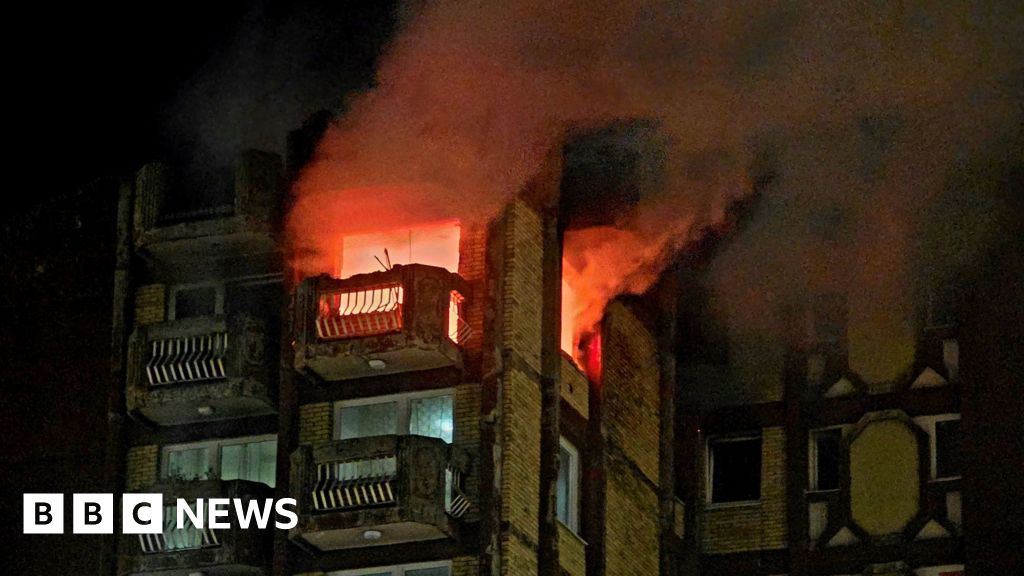
The recent fire at a nursing home in Tuzla, Bosnia-Herzegovina, represents a tragic flashpoint in the region, claiming the lives of 11 innocent souls and injuring at least 30 others. This disaster not only highlights the devastating toll such incidents take on local communities but also underscores the pressing need for international attention to safety standards in vulnerable institutions across Eastern Europe. The blaze, which erupted late Tuesday night on the seventh floor of the facility, has prompted widespread condemnation from regional leaders and international observers, raising serious questions about oversight and preparedness in a nation trying to stabilize amid political and economic challenges.

Authorities have yet to determine the exact cause of the fire, but Prime Minister Nermin Nikšić described it as “a disaster of enormous proportions”. The incident has ignited concerns about the infrastructural vulnerabilities that plague many post-conflict societies, where neglect or insufficient regulation can turn private tragedies into national crises. With footage showing flames engulfing upper floors and residents desperately fleeing, the incident underscores the urgent need for comprehensive reform — a point echoed by international agencies such as the United Nations Humanitarian Office. These organizations often warn that such tragedies may become more frequent without decisive improvements in safety standards.

Analysts emphasize how this event exposes the fragile state of Bosnia-Herzegovina’s social services amidst political instability. Historian Marko Petrovic notes that “post-war governance has neglected essential social infrastructure,” with many facilities operating under outdated regulations. The incident is a stark reminder that decisions made today will shape the social fabric of tomorrow. As the government initiates a full investigation, questions swirl about regulatory lapses and accountability. The tripartite presidency of Bosnia-Herzegovina has offered condolences; yet, some experts warn that until systemic reforms are implemented, similar tragedies are likely to recur, shaking public confidence in national leadership.

Ultimately, the fire at Tuzla’s nursing home exemplifies how local disasters ripple outward, influencing geopolitical stability and international perceptions of Bosnia-Herzegovina. As the nation grapples with internal struggles, this tragedy becomes a symbol of the wider human cost inflicted by neglect and systemic failure. Will this be a turning point or a mere chapter in a persistent pattern of crisis? It is a question that history now watches, waiting to see if the lessons of Tuzla will be heeded or lost amidst ongoing political tumult. In a world where the fragile threads holding societies together can unravel in moments, the weight of history presses ever heavier — holding the future of Bosnia-Herzegovina and its people in the delicate balance of remembrance and reform.

Social Media Auto Publish Powered By : XYZScripts.com