Matox News

Truth Over Trends, always!

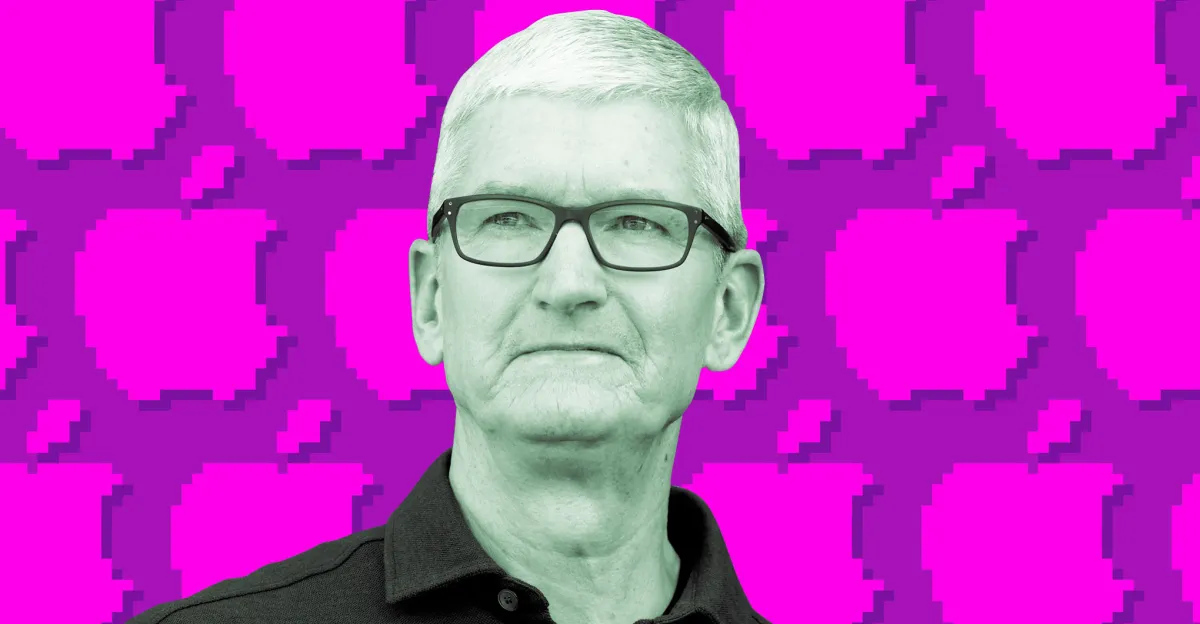
Tim Cook: The Innovator Who Carried Apple Forward, But Not the Jobs Vision

Apple’s Next Act: From Efficiency to Innovation Under New Leadership

Once synonymous with radical innovation, Apple has undergone a significant transformation over the past decade. The legacy of Steve Jobs forged a path characterized by groundbreaking products like the iMac and the iPhone—technologies that redefined entire markets. However, since Tim Cook took the helm in August 2011, the company’s focus shifted towards operational excellence, optimizing supply chains, and scaling existing product lines to maximize revenues. While this strategy fueled unprecedented growth—making Apple’s valuation surpass that of major oil giants—it also has come under increasing scrutiny as critics question whether this shift signals a plateau in true innovation.

Under Cook’s leadership, Apple became a juggernaut of incremental innovation. The introduction of alternative iPhone models, such as the Plus, Mini, and Pro variants, exemplifies diversification within a proven product category rather than radical disruption. Moreover, the ascendance of services—ranging from iCloud to Apple Music and the App Store—has become a formidable revenue driver. Service revenue now ranks second only to iPhone sales, surpassing Macs, iPads, and wearables combined. This aligns with trends identified by industry analysts from organizations like Gartner, who warn that reliance on services and incremental upgrades could eventually hinder Apple’s growth trajectory unless disruptive innovation is reinvigorated.

Recent legal challenges, notably the Epic Games lawsuit over App Store practices, underscore ongoing industry tensions regarding platform control and antitrust concerns. While Cook’s team was instructed to loosen its grip, the company’s response—marked by slow and insufficient reforms—illustrates a strategic tension: the balance between maintaining market dominance and adapting to regulatory pressures. As Apple faces mounting global regulatory scrutiny, the industry is watching eagerly for signs of Apple’s future innovation capabilities beyond supply chain mastery and operational efficiencies. According to MIT scholars and tech policy analysts, this could be a pivotal moment where Apple either breaks the mold or stagnates within its comfort zone of incremental gains.

Looking ahead, the upcoming departure of Cook hints at a potential new chapter for Apple. The newly appointed VP of Hardware Engineering, John Ternus, promises a fresh approach focused on hardware innovation. The first notable product is the MacBook Neo, an affordable yet powerful device leveraging Apple’s proprietary silicon—an emblem of Cook’s legacy of developing a self-sufficient, supply chain resilient hardware architecture. As industry experts from Harel Gadot at Gartner suggest, this particular move could be the harbinger of the next wave of disruptive products from Apple, if combined with a bold vision that embraces risks and leapfrogs traditional market categories. The challenge for the new leadership will be transforming Apple’s reputation from a master optimizer to a pioneer of technological breakthroughs again, a move that could redefine the industry’s future.

In an era marked by rapid technological shifts—from AI to quantum computing—waiting on the sidelines is not an option. Apple’s ability to harness its operational prowess while spearheading disruptive innovation will determine whether it continues to be a transformative leader or settles into the role of a well-oiled machinery. Industry watchers and investors alike will be evaluating whether the new era of leadership can rekindle Apple’s pioneering spirit—ushering in a future where the company not only masters efficiency but also leads technological revolutions that shape the 21st century.
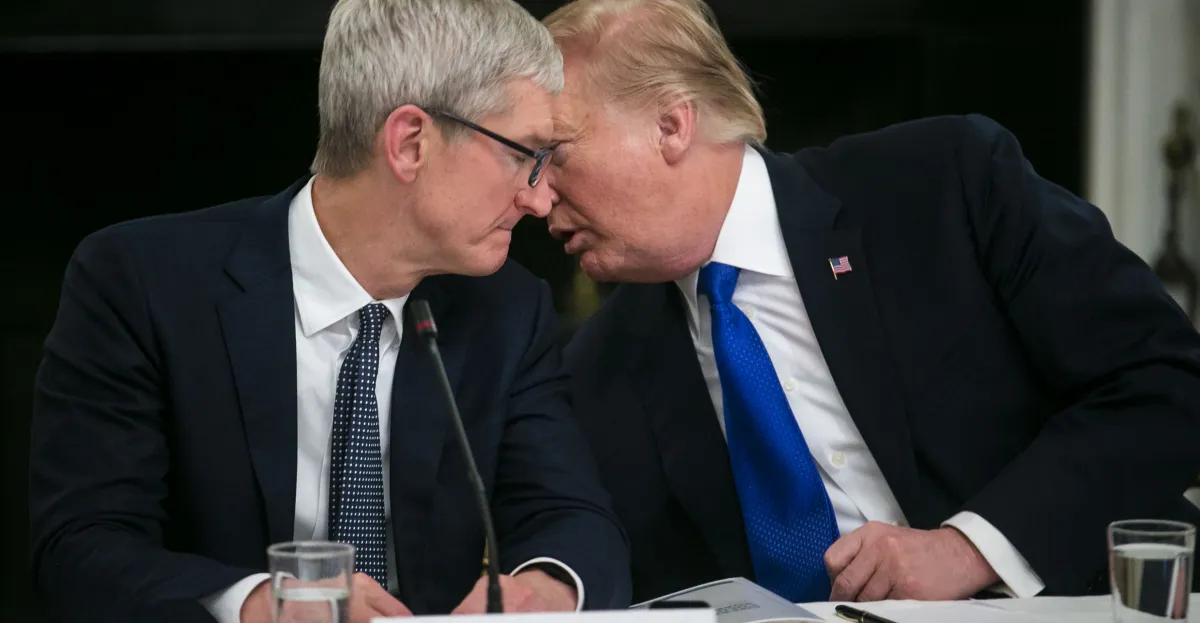
Tim Cook remains Apple’s quiet influencer amid shifting tech tides

Apple’s Leadership Transition Signals Strategic Shifts Amid Global Policy Challenges

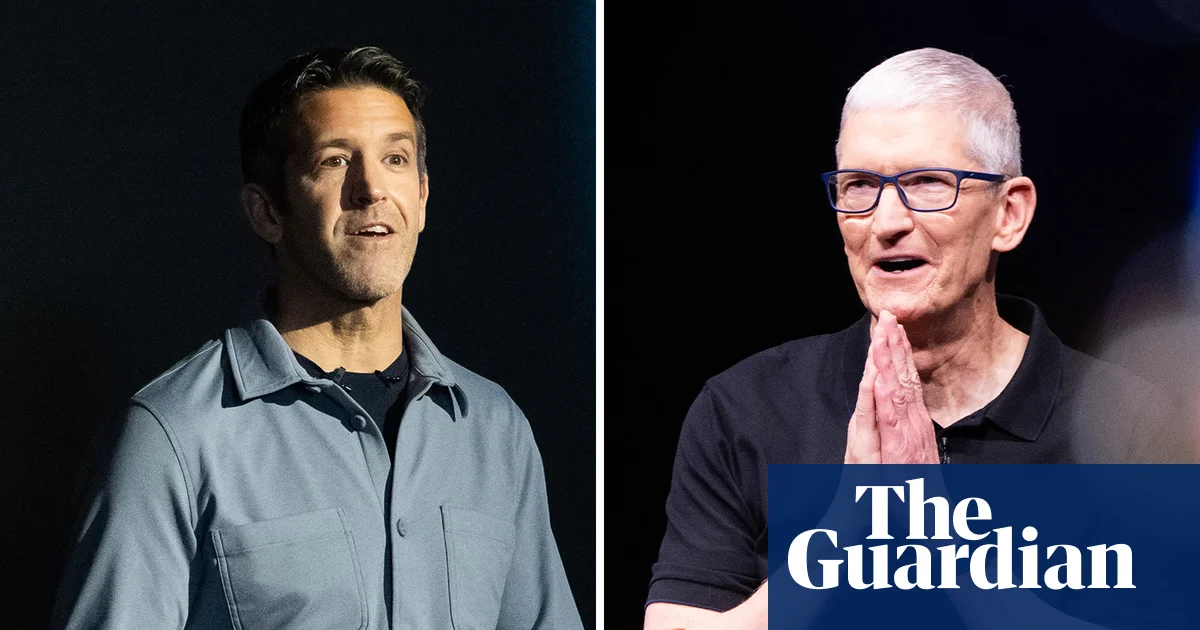
In a move that underscores ongoing innovation and disruption in the tech sector, Tim Cook has transitioned from CEO to the role of Apple’s executive chairman, while John Ternus, senior vice president of hardware engineering, takes the helm as CEO. This leadership shakeup arrives at a critical juncture for the industry, as Apple braces for mounting regulatory pressures and geopolitical tensions shaping the tech landscape. With Cook remaining actively involved in high-stakes policy negotiations—particularly with U.S. policymakers—Apple continues to navigate complex global economic dynamics, emphasizing business resilience in an era marked by technological disruption and policy upheaval.

The strategic retention of Cook’s influence highlights the importance of political diplomacy in maintaining Silicon Valley’s competitiveness. Historically, Cook has balanced Apple’s interests across contentious markets, notably China and the U.S., exemplifying how industry leaders must adapt to evolving policy climates. This is especially relevant as worldwide regulators, led by institutions like Gartner and MIT, pursue aggressive measures to regulate emerging AI technologies. These efforts aim to create a safer, more accountable ecosystem—yet pose significant hurdles for companies aiming to innovate without stifling growth.

Meanwhile, the industry faces disruptive shifts in market structures, driven by innovations in AI, 5G, and edge computing. Experts suggest that the next decade could define the battleground between regulatory constraints and technological breakthroughs. Apple’s pivot towards advanced hardware and AI integration exemplifies the company’s strategic focus on disruption. Despite the leadership change, Cook’s ongoing influence on policy and corporate strategy ensures Apple remains agile, capable of tackling complex issues like AI regulation, app store oversight, and international trade tensions.

Looking ahead, the industry’s trajectory hinges on adapting to a rapidly shifting geopolitical landscape and embracing cutting-edge innovation. Companies that effectively leverage disruption while navigating policy constraints will be best positioned for sustained growth. As Elon Musk and other visionaries push the frontiers of electric vehicles, space exploration, and AI, the urgency for young tech leaders to adopt a proactive stance intensifies. The coming years promise a fierce contest at the intersection of tech innovation and regulatory power, underscoring the necessity for strategic foresight in the face of relentless change.

Tim Cook steps down as Apple CEO; John Ternus named his successor

Apple, the multinational technology giant, has announced a significant leadership transition, marking a pivotal moment not only within the realm of consumer electronics but also in the broader geopolitical scene. After nearly 15 years of steering the company through unprecedented expansion, Tim Cook will step down as CEO, handing the reins to John Ternus. This transition coincides with a period of intensifying global competition in artificial intelligence and tech innovation, where corporate decisions resonate with national security interests and economic stability. The move appears poised to influence the company’s strategic direction amid rising scrutiny over its trajectory in AI integration and market positioning.

  • Cook’s leadership saw Apple expand its market dominance, especially with record-breaking iPhone sales in China, signalling entrenched global dependencies.
  • Ternus, known for engineering expertise, promises to uphold the company’s core values while navigating the uncertain landscape of AI development.
  • Growing international and domestic tensions over tech sovereignty and competitive technology race shape the broader context for the announcement.

International organizations and analysts have keenly observed Apple’s shift as a reflection of the larger geopolitical dynamics at play. Some experts argue that the leadership change signals a strategic pivot as the tech sector grapples with AI supremacy and technological independence. In recent years, superpowers like the United States and the People’s Republic of China have been engaged in a high-stakes contest over control of AI and digital infrastructure, with corporations caught in the crossfire. According to technology historian Dr. Lisa Crawford, the new leadership at Apple might signal a cautious step toward more aggressive investment in emerging tech, possibly aligning corporate innovation with national interests. Such moves could reshape global supply chains and influence international cooperation, particularly in the face of mounting sanctions and tech war tensions.

This transition also carries profound implications for society and the global economic landscape. While Apple’s success under Cook bolstered prosperity, it also deepened dependencies in key markets, especially in East Asia. The decision to maintain a measured approach to AI integration—preferring third-party tools over full in-house solutions—may be a strategic response to fears of technological vulnerabilities or geopolitical vulnerabilities in the supply chain. Analysts warn that the next phase of technological rivalry could hasten a divide between Western and Eastern digital ecosystems, with global implications for cybersecurity and technological sovereignty.

As the world watches, the future of Apple seems intertwined with the broader narrative of international power struggles. The United States and other nations will scrutinize John Ternus’s leadership, assessing whether his technical expertise translates into a strategic foresight that can tackle the threats posed by global tech competition. Meanwhile, the real battle unfolds behind closed doors: between nations vying for dominance in the digital age, where the next few years could redefine the balance of power. As history continues to be written in these corridors of influence, one thing remains certain—every executive decision, every innovation, and every shift in leadership at companies like Apple shapes the unfolding fabric of our interconnected world, leaving future generations to grapple with the legacy of today’s choices.

Black Musical Theater: Celebrating 200 Years of Cultural Resilience and Innovation

In the great tapestry of human civilization, culture functions as both the mirror of our collective identity and the canvas upon which we project our future aspirations. On the cusp of pivotal moments in history, artists and cultural pioneers have often assumed the mantle of societal architects, shaping and reflecting the values, struggles, and triumphs of their epoch. The founding of Amas Musical Theater in 1968 by LeLaine LeNoire exemplifies this parallel—it was not merely an act of artistic enterprise but a declarative stance on the importance of cultural diversity and representation in American society. Her initiative, infused with purpose, sought to elevate multiethnic casting, thereby enriching the cultural dialogue and affirming the integral role of identity within the American narrative.

Much like the Greeks of ancient times, who consecrated myth and drama as essential facets of civic life, modern cultural innovators understand that the arts serve as repositories of memory and beacons of prophecy. The success of productions like “Mama, I Want to Sing!” and “Bubbling Brown Sugar” signals a turning point—a recognition that authentic stories rooted in diverse experiences contribute to the moral and aesthetic fabric of society. These works, born amidst tumultuous social change, echo the timeless insight of thinkers like G.K. Chesterton: that tradition, which preserves the best of our collective past, must evolve to include the voices previously marginalized. In this context, cultural renaissance is intertwined with the assertion of rightful identity, a vital act of cultural self-preservation amid an ever-changing world.

The importance of such cultural endeavors extends beyond entertainment; they forge a profound connection between society’s fabric and the individuals anchoring it. A nation’s cultural output, as Tocqueville observed, reveals the undercurrents of its democracy, exposing the virtues and flaws woven into its institutions. In this regard, Amas Musical Theater and similar initiatives symbolize a democratization of culture—a recognition that art is not just a luxury, but a vital expression of societal sovereignty. They remind us that by celebrating roots and forging new traditions, society cultivates resilience and continuity, allowing forgotten histories to reemerge and guiding humanity towards a future mindful of its heritage.

Ultimately, culture emerges as both memory and prophecy: a living archive charting the human journey and a visionary force shaping what is yet to come. As the poet T.S. Eliot might have suggested, in our pursuit of harmony between past and future, we discover “the still point of the turning world”—a place where the echoes of tradition inform the aspirations of tomorrow. Our shared cultural history is a testament to our resilience, an ongoing dialogue that sustains not merely individual identities but the spirit of civilization itself. To engage with this heritage is to participate in a sacred act of rebirth, forging a path where the memory of yesterday guides the prophecy of tomorrow, reflecting the eternal human endeavor to find meaning and coherence amid chaos.

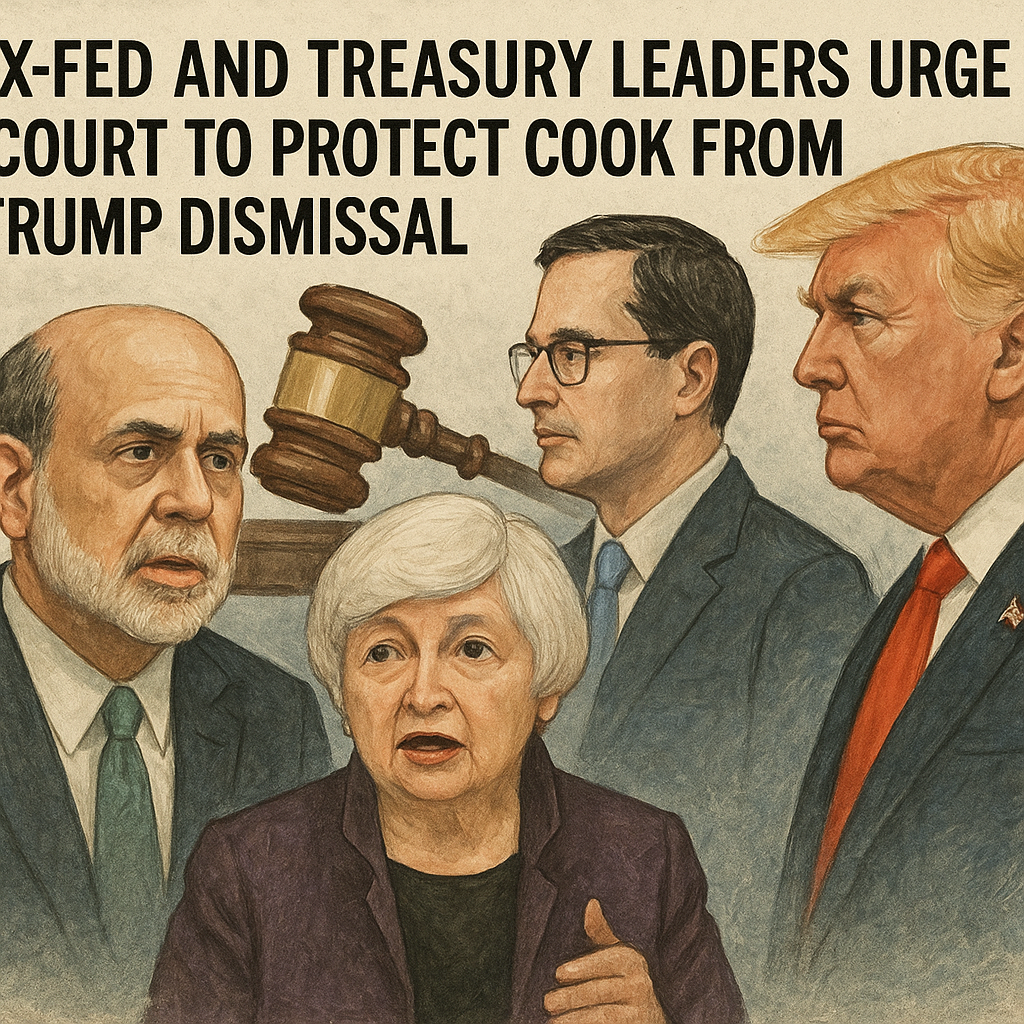
Ex-Fed and Treasury leaders urge court to protect Cook from Trump dismissal

Political leaders at a recent economic summit

In a dramatic twist that underscores the ongoing power struggles within U.S. financial governance, more than a dozen of the most influential economic policymakers from the past three decades have come together to urge the Supreme Court to uphold the tenure of Lisa Cook, a member of the Federal Reserve Board of Governors. Their collective stance is not merely an act of support for an individual appointment; it symbolizes a broader contest over authority, institutional influence, and the very direction of America’s economic future. As these veteran voices—comprising former Fed chairs and Treasury secretaries—align in their plea, the battle lines are drawn clearly, echoing historic conflicts between independence and political encroachment within central banking.

At the core of this dispute lies a fundamental question: who controls the levers of economic power in the United States? The Federal Reserve, often depicted as an elusive and autonomous institution, has long been the subject of politicization. Critics on the right condemn what they see as unchecked Federal Reserve activism, while supporters argue that its independence is vital for stability and effective policy. The controversy over Cook’s appointment—initially stymied by administrative delays—becomes a flashpoint illustrating the ongoing power struggle between the executive branch and the judiciary. The question remains whether the Court will respect the *constitutional independence* of the Fed or bow to political pressures seeking to influence monetary policy by other means.

This confrontation harks back to historical battles over the role of central banks and the political limits placed on their authority. Figures like **A. E. Carter** from the Federal Reserve’s founding era understood the importance of insulating monetary policy from short-term political whims—a lesson often overlooked when political ideologies threaten the autonomy of vital institutions. The current push to influence or remove Cook questions whether the judiciary is willing to serve as a guardian of this independence, or if it will become a pawns in a broader ideological struggle. The stakes extend beyond individual careers, directly impacting how policies are crafted—whether to favor free-market principles, regulators, or political elites seeking control over economic levers.

This dynamic also impacts the American people, who are caught in the crossfire of decisions made behind closed doors. To many, the idea that a small group—be it Congress, the judiciary, or a cabal of bureaucrats—can wield such profound influence over the economy challenges the very basis of popular sovereignty. As political theorists like **James Madison** warned, the separation of powers is designed to prevent any single faction from becoming a tyranny. Yet, in today’s climate, decision-making appears increasingly centralized, with powerful elites vying for control and shaping the destiny of millions. The fight over Cook’s position is more than a personnel matter; it is a decisive battle over how the future of economic governance will be written.

As history has shown, politics is the arena where destiny is forged. The latest power struggle within the U.S. financial system underscores that |the battle for authority is ultimately a fight for the soul of the nation|. Will the judiciary act as a bulwark protecting institutional independence, or capitulate to political expedience? The outcome will determine how boldly America’s institutions can stand against those who seek to manipulate them for short-term gains. And in the end, the destiny of the nation—its stability, greatness, and value—resides not just in the policies enacted, but in the battles fought for the very principle of who holds the power to shape the future.

Social Media Auto Publish Powered By : XYZScripts.com