Matox News

Truth Over Trends, always!

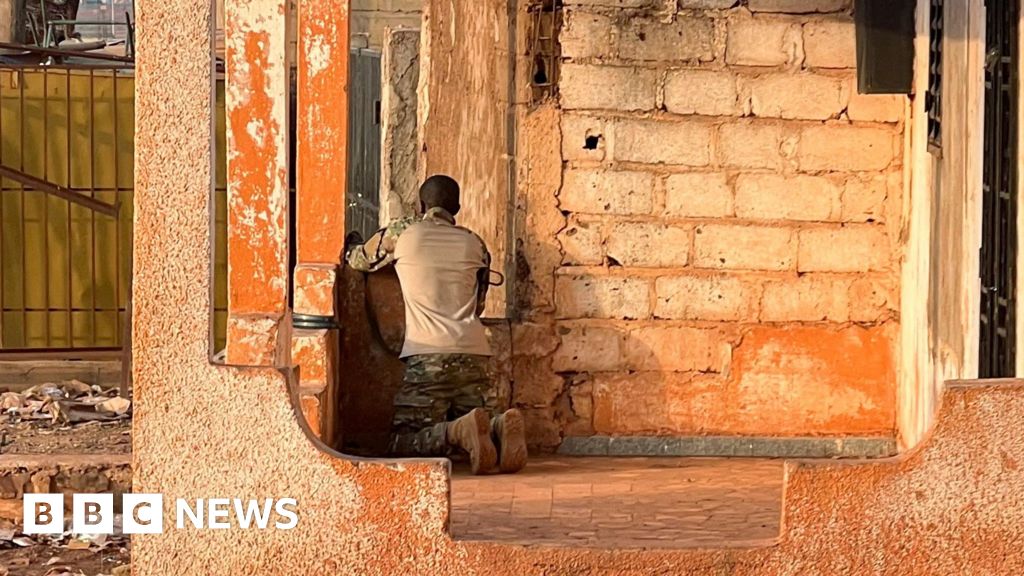
Armed Groups Launch Coordinated Assaults Across Mali, Threatening Stability

The recent surge of violence in Mali has alarmed the international community, igniting a strong diplomatic response from the United States. The US State Department’s Africa bureau issued a stern condemnation of the attacks, underscoring the gravity of the situation and reaffirming America’s commitment to stability and security across the continent. In their statement, officials expressed their deep condolences to the victims and their families, emphasizing the broader implications of this violence for regional peace. Such swift, unequivocal support from Washington signals a pivotal moment in North African geopolitics, where external influence continues to shape outcomes in a fragile yet strategically vital homeland.

Historically, Mali has been a battleground for not only internal insurgencies but also for external actors vying for influence. The recent attacks, which targeted both civilians and government forces, come amidst a shifting landscape marked by the ongoing challenge of terrorism and destabilization. According to renowned geopolitical analysts, these events are symptomatic of a broader, underlying destabilization that threatens to spill over into neighboring states. International organizations like the United Nations have warned that the fragile peace process risks unraveling, further complicating efforts toward democratic stabilization in the Sahel region. The United States, along with France and regional allies, remains committed to supporting Mali’s government as it confronts these mounting threats, but the escalation highlights a stark reality: without decisive action, chaos could become the new norm.

  • The Biden administration’s stance underscores a clear message that violence will not go unchecked, reflecting a broader American strategy of supporting regional stability through diplomatic and military aid.
  • Meanwhile, regional alliances such as the G5 Sahel have called for increased cooperation, yet their effectiveness is often hampered by internal divisions and rivalries.
  • The international community warns that failure to curb unrest risks empowering terrorist groups, undermining both local governance and global security interests.

From the perspective of historians and global analysts, these developments serve as a stark reminder of the *unpredictable trajectory* of nation-building efforts in Africa. Many have warned that the current trajectory risks creating a protracted conflict that could rival historical civil wars, with long-lasting repercussions. The stability of Mali is intricately linked to larger geopolitical shifts, especially as China and Russia expand their influence in the region, offering alternative sources of aid and investment that may not align with Western interests. As this complex web of alliances and rivalries unfolds, the world watches, acutely aware of how events here will shape the balance of power for decades.

In the shadows of these ongoing struggles, the true weight of history presses down: nations on the brink, societies torn asunder, and the continual clash between order and chaos. As the international community grapples with supporting Mali, the outcome remains uncertain. One thing is clear: the choices made in these critical moments will reverberate far beyond Africa’s borders, shaping not only regional stability but the very foundation of global security—leaving the world to wonder just how long peace can hold in the face of escalating violence.
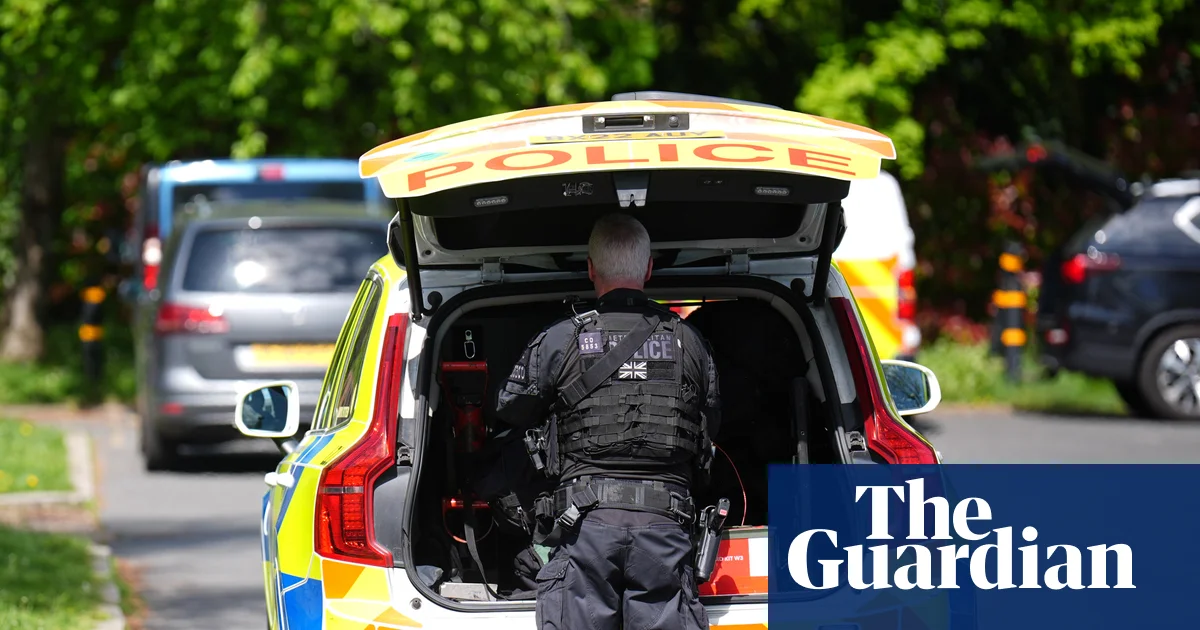

London Arson Attacks Likely Coordinated Over Weeks, Say Police

The recent spate of arson attacks targeting Jewish communities in London has sent shockwaves through Britain and signaled a disturbing shift in the city’s security landscape. Over the course of less than a month, police have documented six separate incidents, ranging from firebombings to attempted drone strikes on diplomatic targets. This wave of violence is not random; evidence points toward foreign state involvement, with Iran emerging as a prime suspect. As counter-terrorism units piece together the puzzle, the situation underscores a larger geopolitical struggle playing out in the shadows of London’s streets, with far-reaching implications for international stability and domestic security.

Leading officials, such as Matt Jukes, deputy commissioner of London’s Metropolitan Police, have publicly acknowledged the extraordinary threat posed by a foreign government actively seeking to destabilize communities abroad. His words underscore a chilling reality: the attacks are more than hate crimes—they are strategic interventions aimed at sowing discord and fomenting radicalism. Iran, which has a long history of regional interference, now appears to be extending its reach into UK territory, employing criminal proxies and propaganda to foment unrest. This allegation is under active investigation, with authorities linking the attacks to Iran-based groups that have published videos online broadcasting these violent acts. From the attack on a synagogue in NW London to an unsuccessful drone assault on the Israeli embassy, the pattern suggests a coordinated campaign intended to intimidate Jewish communities and disrupt Britain’s social fabric.

The geopolitical impact of these developments cannot be overstated. As psychologists, historians, and analysts warn, the use of terrorism as a tool of international influence demonstrates a shift towards hybrid warfare—where state actors manipulate non-state actors to achieve strategic objectives. The UK’s response, involving swift arrests—including teenagers suspected of carrying out arson—aims to contain the immediate threat. Yet, the longer-term consequences threaten to reshape policies beyond Britain. If Iran’s involvement is confirmed, it sets a dangerous precedent: hostile foreign powers could increasingly interfere in Western democracies, exploiting societal divisions for geopolitical gain. Such tactics escalate tensions across Europe and risk destabilizing entire regions, as nations brace for similar covert operations aimed at fomenting chaos within their borders.

Global institutions and international allies are watching with alarm as the UK grapples with this new form of warfare. United States and European Union officials have issued statements condemning the attacks, emphasizing the need for unity and resilience in the face of foreign interference. Meanwhile, the UK government’s staunch rhetoric—that attacks on its Jewish community are attacks on Britain itself—reflects a broader recognition of the growing threats posed by ideological extremism intertwined with geopolitics. As keir Starmer reiterated in his condemnation, the West must confront not only the chemical and military threats but also the digital and ideological battlegrounds where these conflicts are fought. The unfolding crisis leaves many asking: how long before this clandestine war spills into wider conflict? And what of the societal fractures that such violence reveals—a society on the brink, caught between the forces of history and the perils of the present?

In the end, these attacks in London serve as a stark reminder that the choices made today—regarding alliances, intelligence sharing, and counter-terrorism efforts—will echo through history. As the world watches a tentative peace clash with shadowy forces eager to ignite new conflicts, one thing remains clear: the battle for influence and security is far from over, and the pages of history are still being written, with each chapter more urgent than the last. The risk is not only that communities may fracture but that an increasingly complex web of international intrigue threatens to redefine the very nature of global peace—an ominous sign of the turbulent times ahead.

Social Media Auto Publish Powered By : XYZScripts.com


