Matox News

Truth Over Trends, always!

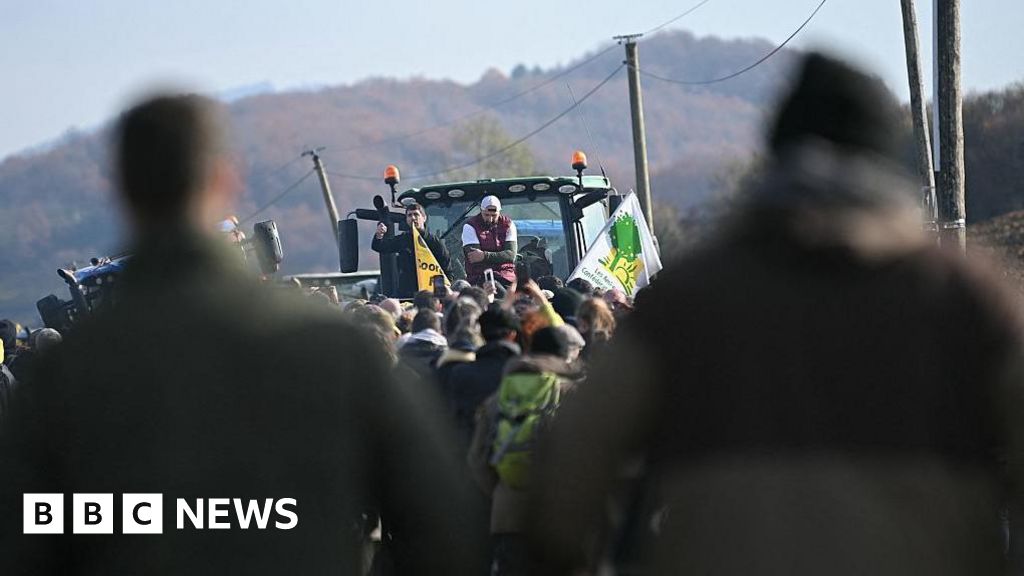
Farmers protest French blockades over cattle cull crackdown

Amid mounting protests and widespread unrest, France finds itself at a crucial crossroads in an ongoing battle over agricultural sovereignty and economic stability. Angry farmers, disillusioned by government policies and EU directives, have staged intense demonstrations across rural regions, notably in the southern Ariège department, where clashes erupted between riot police and protestors over the controversial slaughter of cattle amid the outbreak of Lumpy Skin Disease (LSD). This highly contagious bovine affliction, transmitted predominantly through fly-bites, has ignited passions within France’s farming communities. Although the disease is rarely fatal, its economic toll—rendering cattle unsaleable and severely damaging milk production—has become a flashpoint in the broader struggle to preserve local agriculture and traditional ways of life.

The French government’s response, involving the mass slaughter of entire herds following isolated infections, has been met with fierce opposition from key farmers’ unions such as Conféderation Rurale and Conféderation Paysanne. These groups argue that the policy is an overreach, asserting that more nuanced methods like selective culling and vaccination could contain the disease without devastating farmers’ livelihoods. Nonetheless, most veterinary experts, including Stephanie Philizot, head of the SNGTV vets’ union, warn that the virus often appears in symptomless animals, making whole-herd slaughter a necessary, if harsh, precaution. With approximately 110 outbreaks since June, primarily in France’s east and increasingly spreading into the southwest, the situation underscores the challenge of balancing public health measures with economic survival in a climate of escalating farm crises.

Beyond the immediate health concerns, the crisis illustrates a broader geopolitical tension over EU policies, agrarian independence, and international trade. The French government fears that mounting protests and farmer unrest could escalate into a wider movement, fueling resistance against what many perceive as overreach by EU institutions. Upcoming protests scheduled in Brussels during an EU summit highlight the national frustration over policies perceived to threaten their economic sovereignty. These grievances extend beyond disease control; farmers vehemently oppose the impending EU free-trade agreement with South American nations. Many alarmed farmers see this treaty as a gateway for increased imports of cheaper food—often produced under looser environmental and sanitary regulations—posing a direct threat to France’s agricultural sector and its cultural identity.

International analysts and organizations continue to watch these developments closely, recognizing them as a microcosm of broader struggles faced by EU member states. Historian Dr. Marie Dubois notes that “the current unrest echoes the historical tension between national sovereignty and supranational mandates, reminiscent of past crises when local interests clashed with overarching EU directives.” The European Commission and national governments alike are under immense pressure to navigate these volatile waters—striving to enforce health policies without igniting societal backlash that could fracture the unity of the European project itself. The outcome of this confrontation—whether it leads to policy concessions, political upheaval, or a reevaluation of EU integration—remains uncertain, but the stakes could not be higher.

As France’s farmers brace for more protests and stand at the edge of an increasingly uncertain future, history’s pen continues to write its own story. The struggle for agricultural sovereignty, national identity, and economic survival is unfolding in real time, leaving the continent on the brink of a new chapter in its ongoing saga. The next few months may redefine not only French rural policy but also the very fabric of Europe’s unity—reminding the world that beneath every diplomatic handshake and treaty lies a fragile human pulse, beating with the hopes and fears of generations. History is watching, and what is written now will echo for decades to come.
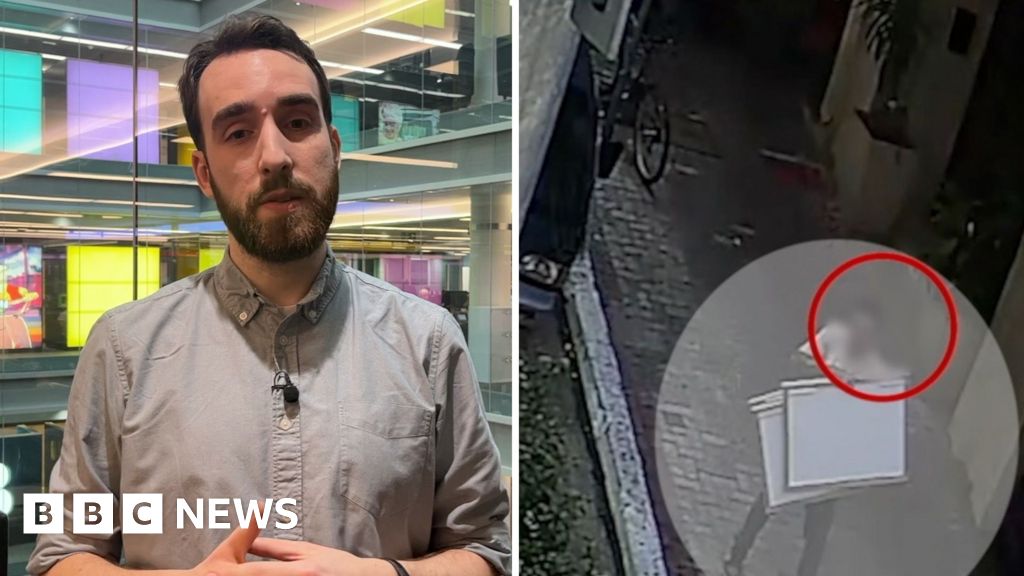
CCTV captures suspects fleeing on foot with stolen art—time for tougher crime crackdown

The recent theft of at least 13 priceless artworks from a library in São Paulo, Brazil, has sent shockwaves through the international art community and raised serious questions about security and geopolitical stability. Among the stolen items are eight engravings by the renowned French artist Henri Matisse, reflecting the cultural loss not only for Brazil but for the global heritage. The audacity and sophistication of the heist highlight a disturbing trend in transnational art theft, a crime that not only robs societies of their history but also fuels the black market on an international scale.

Authorities confirmed that they have located the “escape vehicle” linked to the crime and have arrested one suspect, yet the stolen artworks remain at large. Cooperation with Interpol underscores the severity of the case, as officials work tirelessly to recover the pieces before they are smuggled beyond national borders. Analysts warn that such thefts are often interconnected with larger networks operating across continents, shifting the balance of cultural influence and economic power. This incident serves as a stark reminder of the vulnerabilities faced by cultural institutions worldwide amid rising organized crime and a lack of robust security measures. As Brazilian law enforcement and international agencies collaborate, questions linger over the sophistication of the theft—was it merely a localized crime or part of a broader pattern involving transcontinental trafficking networks?

The unfolding situation highlights *how decisions made at the international governance level, such as border security and cooperation protocols, directly impact local and national efforts to safeguard cultural treasures*. According to international security experts, the theft underscores the necessity for stronger collaborations and technological innovations in protecting vital cultural assets. The incident also exposes the vulnerabilities of even seemingly secure cultural repositories in rapidly developing countries, where the appeal of black-market art trade continues to grow. Historians and analysts emphasize that this pattern, if unchecked, could result in irreversible losses of humanity’s shared cultural history, eroding the collective identity of nations and societies.

As the crisis unfolds, Brazil faces a pivotal moment that could influence regional stability and international norms surrounding cultural preservation. The compromised security at São Paulo’s library not only exemplifies the danger posed by organized crime but also raises urgent questions about how nations can protect their most precious cultural assets in an increasingly interconnected world. What remains at stake is not just a collection of artworks, but the integrity of history itself—an ongoing struggle where the stakes grow higher with each passing day. The world watches, and history hangs in the balance, waiting to see if justice and cultural recovery will triumph over the shadows cast by this audacious heist—one that may just rewrite the narrative of international cultural security forever.

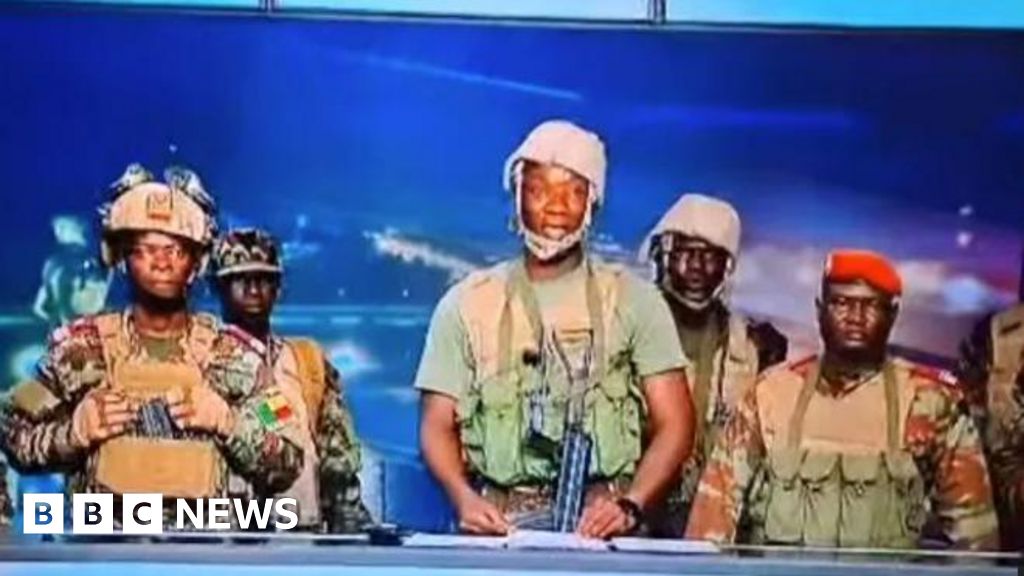
Authorities crackdown as two hostages reportedly freed in suspected plotter hunt

West Africa stands at a critical crossroads as a wave of military coups threatens the fragile stability across the region. The attempted coup in Benin, once considered one of Africa’s bastions of relative democracy, underscores a disturbing trend of political unrest that has ignited alarm among international observers and regional powers alike. The swift intervention by Nigeria, leveraging its formidable military might, highlights not only regional solidarity but also the deeper geopolitical undercurrents shaping the continent’s future. Analyzing these developments reveals how decisions made in the heat of conflict can reshape alliances, threaten democratic progress, and draw in global actors with divergent ambitions.

In the early hours of Sunday, soldiers appeared on national television—an unprecedented breach in Benin’s political stability—to declare they had seized control of the government. This audacious act followed mounting frustrations within the military—stemmed from threats to national security and economic decline—highlighted by critics and military insiders. The rebels, led by Lt Col Pascal Tigri, voiced grievances over President Patrice Talon‘s perceived mismanagement, especially regarding the security crises on the northern borders and socio-economic policies.

  • The security situation has deteriorated in recent years, with jihadist factions linked to IS and al-Qaeda gaining grounds in neighboring Niger and Burkina Faso, which has unnerved Benin’s military establishment.
  • The rebels condemned cuts in healthcare, including the suspension of vital kidney dialysis services, and increased taxation, which they argue fuel social discontent and political instability.

Meanwhile, regional responses underscored the geopolitical tensions beneath these overt conflicts.

Regional actor Nigeria, acting swiftly under the auspices of mutual security, dispatched fighter jets to dislodge the mutineers, effectively thwarting the coup’s consolidation. Nigeria’s decisive action signals the importance of maintaining stability in this critical corridor, both for economic reasons and for regional security. As Ecowas and the African Union publicly condemned the attempted takeover, the incident amplified fears that West Africa’s resurgence of military coups—following recent upheavals in Mali, Burkina Faso, Guinea, and Niger—could spiral into a broader regional crisis. Historians and analysts warn that such instability risks unraveling progress in democracy and economic development, drawing in external powers eager to influence the continent’s future trajectories.

Of particular concern is the geopolitical impact of Russia’s increased involvement. Several pro-Russian social media accounts lauded the Benin coup attempt, reflecting a broader contest for influence in an increasingly divided Africa. While Western nations, led by the United States and European Union, advocate for democratic consolidation, Russia and its allies have sought to exploit the chaos, fostering alliances with countries opting to leave regional bodies like Ecowas and form their own blocs—most notably, the Alliance of Sahel States. This geopolitical chess game threatens to transform Africa into a battleground for global influence, with consequences that extend far beyond its borders. International organizations continue to warn that regional destabilization could accelerate migration, foster terrorism, and foster economic decline in an already impoverished continent.

As tumult continues to ripple through West Africa, the deeper narrative emerges: a battle between democratic resilience and authoritarian resurgence, influenced by external powers with vested interests. With critical elections due in Benin next year and the region’s political landscape more volatile than ever, the weight of history presses down, shaping the future of an entire continent. The unfolding story of Benin’s attempted coup and the regional response is a stark reminder that in this era of shifting alliances, the choices made in moments of crisis will resonate for generations—carving a legacy that may either solidify stability or plunge West Africa into chaos.

Trump criticizes Somali immigration as ICE prepares crackdown

The United States under the Trump administration has intensified its stance on immigration, with a focus that increasingly echoes nationalist, right-wing rhetoric. President Donald Trump publically declared a disdain for Somali immigrants, asserting that their presence “goes the wrong way” for the country. During a recent cabinet meeting, he dismissed Somalia as “barely a country” and blamed its societal structure for ongoing instability. These remarks, while seemingly isolated, are part of a broader strategy that amplifies hostilities toward specific immigrant communities, especially in Minnesota, where the Somali diaspora constitutes one of the largest populations worldwide outside Africa.

This surge of anti-immigration rhetoric dovetails with deliberate policy actions. Reports indicate that the US Immigration and Customs Enforcement (ICE) is planning an enforcement operation targeting undocumented Somali immigrants in the Twin Cities—home to about 80,000 Somalis, most of whom are American citizens. Critics, including local leaders, argue that the operation would violate due process, with Mayor Jacob Frey decrying likely breaches of constitutional rights. Meanwhile, officials deny targeting based on ethnicity or race, claiming the focus remains solely on illegal status. Herein lies a critical geopolitical impact: these policies threaten to destabilize a community with deep roots in the U.S., sowing fear and division, while reinforcing hardline narratives that blame immigrant populations for societal issues, rather than addressing systemic failures or external threats.

Historically, Somalia has been beset by civil war and instability since the early 1990s, prompting waves of migration seeking refuge in the West. Yet, the current US policy shift appears to manipulate this legacy, with the Trump administration threatening to terminate the Temporary Protected Status (TPS) granted to Somali residents—an attempt to paint Somali Americans as a security risk amidst ongoing investigations into potential links to militant groups like Al-Shabaab. Analysts warn that such measures not only destabilize Somali-American populations but also risk fueling anti-Muslim sentiment and xenophobia, which can have ripple effects across international diplomacy.

International voices, including Somali Foreign Minister Ali Omar, have publicly condemned the US narrative, condemning it as an unjust scapegoating tactic. The US’s moves are seen by many experts as part of a broader shift in foreign policy where narrative and perception distort reality—blaming poor nations and marginalized communities to justify domestic political agendas. As historians and global watchdogs warn, these policies threaten to deepen societal divisions and undermine America’s own democratic ideals, while emboldening authoritarian tendencies around the world. How the US navigates its immigration policies now will shape perceptions of justice and fairness for decades to come, especially as other nations watch this unfolding story of national identity and border control.

In a stark narrative of cause and effect, the current trajectory leaves the world’s most powerful nation at a crossroads. Will it uphold its founding principles amid rising populism and fear? Or will it succumb to the siren song of exclusion, casting long shadows over the very liberties it once championed? As history watches with a wary eye, the weight of this moment extends beyond border policies into a question of the global order itself. What begins as a debate over immigration may well become the defining chapter—an epoch where the values of openness clash with the currents of nationalism, and where the future of societies worldwide hinges on the choices made today.

Rising Anger in Hong Kong over Fires Amid Beijing’s Crackdown on ‘Disruptors’

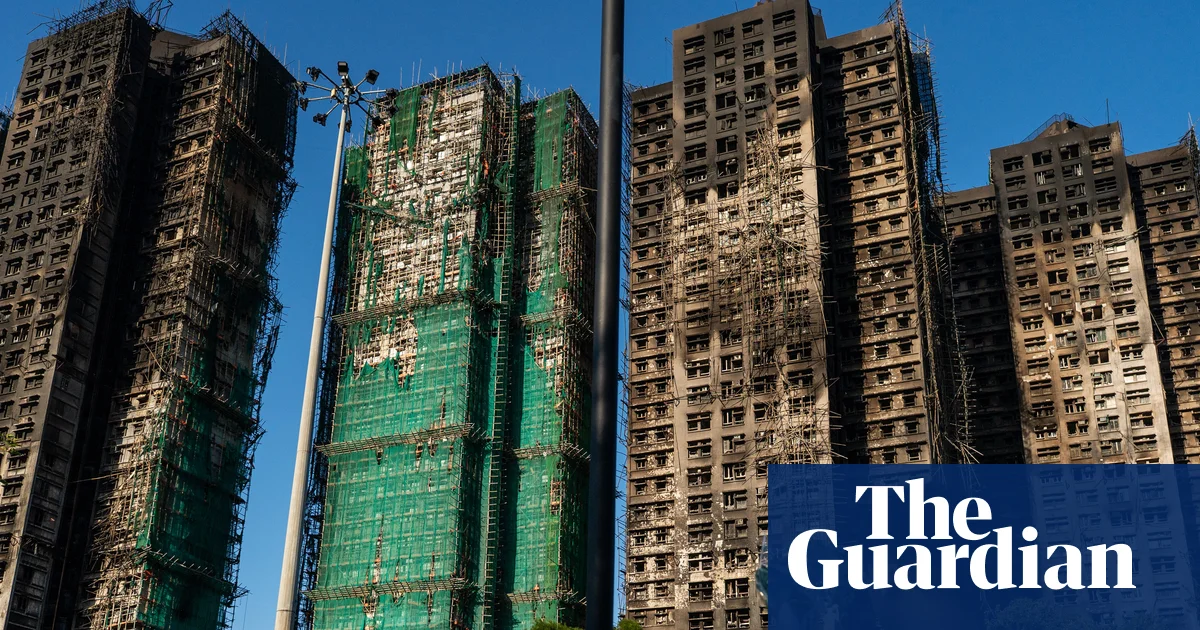
The recent devastating fire at Hong Kong’s Wang Fuk Court complex has not only claimed over 128 lives but has also ignited a profound surge of turbulence within the city’s fragile socio-political fabric. This tragedy—currently under investigation for potential corruption and gross negligence—has become a catalyst for widespread unrest. Amid the grief, Beijing’s warning against exploiting the disaster to destabilize Hong Kong underscores increasing fears over cross-border influence and foreign interference. As the city grapples with the aftermath, international analysts alert that this crisis represents a significant geopolitical impact, revealing the deepening struggle over control and influence in a region seen as a barometer for China’s broader ambitions.

In response, local residents and activists fueled their outrage with a wave of petitions demanding transparency, accountability, and justice. One petition, rapidly garnering more than 10,000 signatures, was swiftly shut down by authorities, while a second petition from an overseas resident echoes the same call for truth. These acts of civil disobedience highlight the simmering tensions as Hong Kong’s society voices its frustration with perceived governmental malfeasance and the failure to enforce safety regulations during renovations. Historically, China’s national security apparatus has warned against any attempts to use such disasters as a pretext for disruption, framing civil protests as anti-Chinese efforts aimed at undermining stability. The arrest of university student Miles Kwan, suspected of inciting sedition, exemplifies the precarious balance Beijing seeks to maintain—crushing dissent while managing international scrutiny.

International bodies and regional allies watch closely as the incident exposes the underlying vulnerabilities of Hong Kong’s infrastructure and governance. The city’s fire safety protocols failed during a critical moment, with rescue operations revealing that essential alarms had not been functioning correctly—raising suspicions that negligence or corruption may have played a role. As some analysts argue, the tragedy underscores broader issues involving construction oversight and urban safety standards, which could have grave ripple effects on regional stability. The city’s authorities have already detained several individuals linked to the renovations, underlining concerns that unsafe materials and corruption might have facilitated the disaster, thereby reflecting deeply embedded issues of governance and accountability.

The geopolitical impact of this catastrophe extends beyond Hong Kong’s borders. It symbolizes a battleground where domestic dissatisfaction and international strategic interests collide. As Beijing consolidates power within the city, the global community remains divided—some calling for more transparency and human rights, others warning against interference that could destabilize the region further. This incident stands as a stark reminder that the decisions made in the city’s corridors of power will reverberate across continents, shaping the future of governance, resilience, and sovereignty in a tense, unpredictable era. In the shadows of this tragedy, history quietly awaits its next chapter, where the weight of unresolved questions could sway the balance of power yet again.

Yermak Steps Down After Corruption Raid Sparks Crackdown

Ukraine’s Political Stability in Jeopardy Amid Corruption Scandal and Diplomatic Turmoil

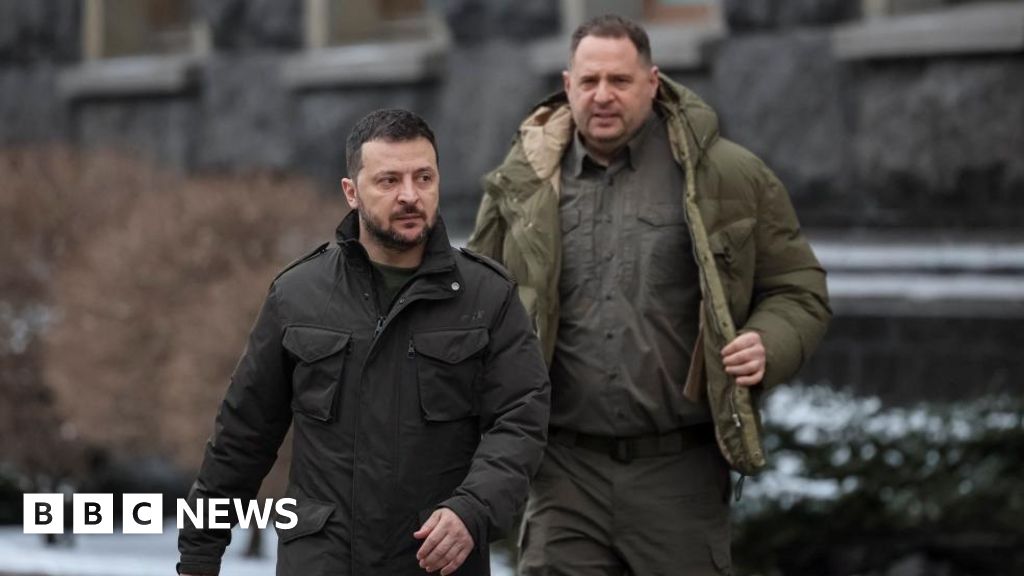
In a development that has sent shockwaves through the international community and raised pressing questions about Ukraine’s internal stability, President Volodymyr Zelensky announced the resignation of his chief of staff, Andriy Yermak. The resignation follows a high-profile anti-corruption raid on Yermak’s residence in Kyiv, which analysts are assessing for its potential impact on Ukraine’s diplomatic negotiations and internal unity. Yermak, the long-standing confidant and a key figure in Zelensky’s administration, has played a pivotal role in steering Ukraine through the tumult of Russia’s ongoing invasion and the complex diplomatic efforts aiming for resolution. Despite not facing any formal charges, the raid symbolizes the heightened scrutiny, both domestically and internationally, on Ukraine’s fight against corruption—a persistent sore point that critics argue hampers Kyiv’s quest for legitimacy and stability amid war.

This diplomatic shake-up comes at a critical juncture, as Ukraine’s leadership faces mounting pressure from Western allies and U.S. officials to make concessions that could alter Ukraine’s territorial integrity. On the heels of Yermak’s departure, U.S. Secretary of the Army Dan Driscoll is scheduled to arrive in Kyiv to discuss President Donald Trump’s} recent push for a peace plan—an indication that international powers are intensifying efforts to broker a settlement that risks encroaching on Ukraine’s sovereignty. Kyiv’s leadership, under immense strain, has reiterated their stance that “no territory will be surrendered,” a line that echoes the steadfast resistance historically championed by Ukraine’s defenders. Nevertheless, analysts such as Dr. Robert C. H. Peters, an international security expert, warn that the window for diplomatic victory is narrowing, and inner political stability is crucial if Ukraine is to stand firm against external pressure.

Despite Ukraine’s official assertions of resolve, the scandal has exposed vulnerabilities within Zelensky’s government, leading to concerns about how internal discord may weaken their negotiating position. The continued conflict in the Donetsk region, where Russia demands the return of strategically vital cities, remains tense, with President Vladimir Putin warning that failure to withdraw by Kyiv could result in military escalation. Yermak’s remarks prior to the raid underscored the gravity of Ukraine’s stance, emphasizing that “as long as Zelensky is president, no one should expect us to cede territory,” encapsulating the indomitable spirit of Ukrainian resistance. The situation is further complicated by Russia’s relentless offensives and the international community’s divided response, which hinges on balancing diplomatic negotiations with the imperative to deter aggression.

As the dust settles over Kyiv and Moscow’s forces gird for further advances, the unfolding drama signifies more than mere political intrigue; it reflects the geopolitical stakes at play. Ukraine’s internal resilience, the capacity of its leadership to navigate scandals, and the international community’s resolve to support Kyiv are all critical factors in shaping the future of Eastern Europe. Facing an uncertain horizon, history may yet judge this moment as the early chapters of a new Cold War chapter—where the global order hangs precariously in the balance, and the fates of nations are dictated not only by soldiers but by the unseen battles of diplomacy and corruption. As the international spotlight intensifies, the weight of history presses down, reminding the world that the choices made today will echo through generations to come, defining the very fabric of freedom in a world teetering on the edge of chaos.

National Guard shooting suspect to face murder charges amid Trump's aggressive immigration crackdown
National Guard shooting suspect to face murder charges amid Trump’s aggressive immigration crackdown

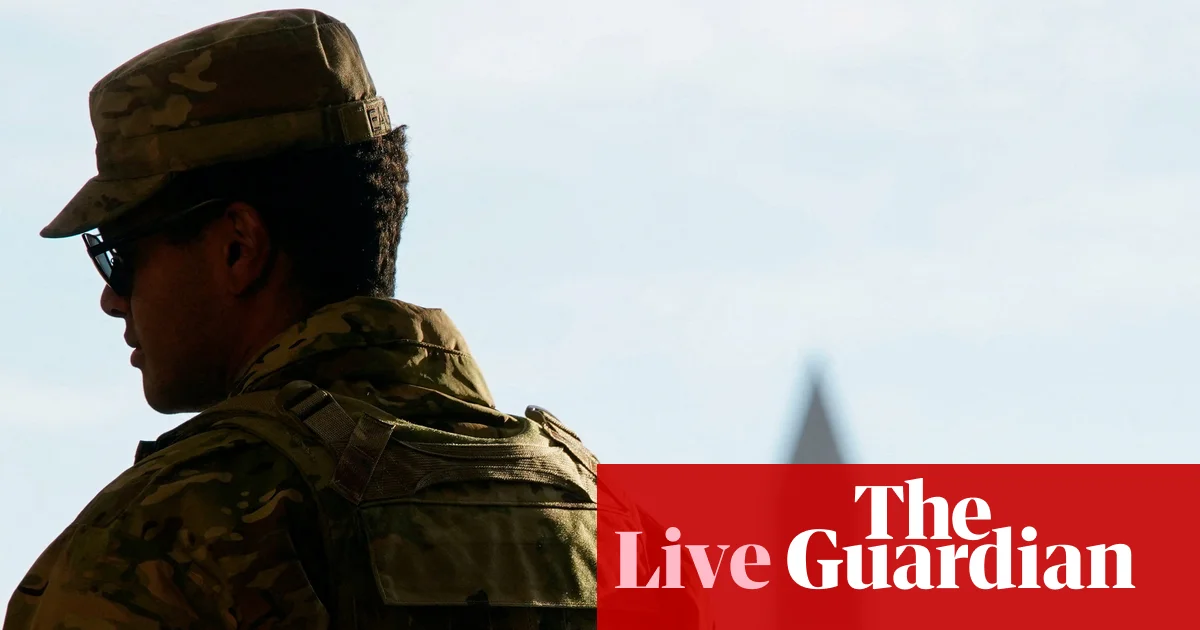
The recent surge of violence and political upheaval surrounding Washington, D.C. has ignited a firestorm with far-reaching geopolitical impacts that ripple across the international landscape. The escalation of violence—marked notably by the deadly shooting of National Guard members during a targeted attack close to the White House—has cast a shadow over what was once regarded as a symbolic safe zone. The attack, suspected to have been conducted by an Afghan national, underscores the complex challenge faced by U.S. authorities, who are now grappling with the security implications of foreign nationals involved in domestic violence. The incident further fuels Donald Trump‘s narrative that America’s borders and national security are compromised, prompting calls for stringent immigration policies.

The international community watches keenly as Trump vows to “permanently pause migration from all third-world countries,” signaling a potential shift away from America’s longstanding commitment to being a haven for immigrants. His promise, announced in a late-night social media post, aims to “end all federal benefits and subsidies to non-citizens” and remove those deemed “not a net asset” to the country. Yet, these aggressive rhetoric and policy proposals defy the legal and societal realities within the United States, where previous bans faced judicial hurdles and legislative resistance. Global analysts and human rights organizations caution that such measures could destabilize international efforts to support refugees and undermine America’s moral standing.

The incident has become a clear turning point, marking heightened tensions between the Biden administration’s policies and the growing nationalist wave, with many fearing increased institutional crackdowns and deepening societal divisions. As the Trump-era policies of mass deportations and immigration restrictions take a renewed shape, international voices—especially within Europe and Canada—warning that America risks retreating into isolationism and xenophobia. Renowned historians such as Professor Laura Sanchez argue that these developments threaten to turn the clock back on decades of inclusive policies, risking economic consequences due to the significant contributions of foreign-born workers, who fuel roughly 31 million American jobs.

This crisis also amplifies the debate about how internal decisions affect societal cohesion and international perceptions. The attack’s suspected perpetrator, linked to Biden’s post-2021 Afghan evacuation program, exemplifies the unintended consequences of rapid resettlements. As Trump calls for reexamining the status of Afghanistan nationals and intensifying immigration enforcement, international observers wonder whether the US is steering itself toward a more insular, security-focused approach—one that risks alienating traditional allies and destabilizing regional geopolitics. Historians warn that such internal rifts, if unaddressed, could lead to long-term societal fragmentation, with echoes that may reshape international relations for generations.

As the dust settles, the weight of history presses down—highlighting a moment where America’s founding ideals clash with burgeoning fears and nationalistic impulses. The choices made by its leaders in this perilous era could either forge a path toward renewed unity or fracture the social fabric beyond repair. The story of this chapter is still being written, but one thing remains certain: the unfolding narrative will influence the world’s outlook on democracy, security, and human rights for decades to come.

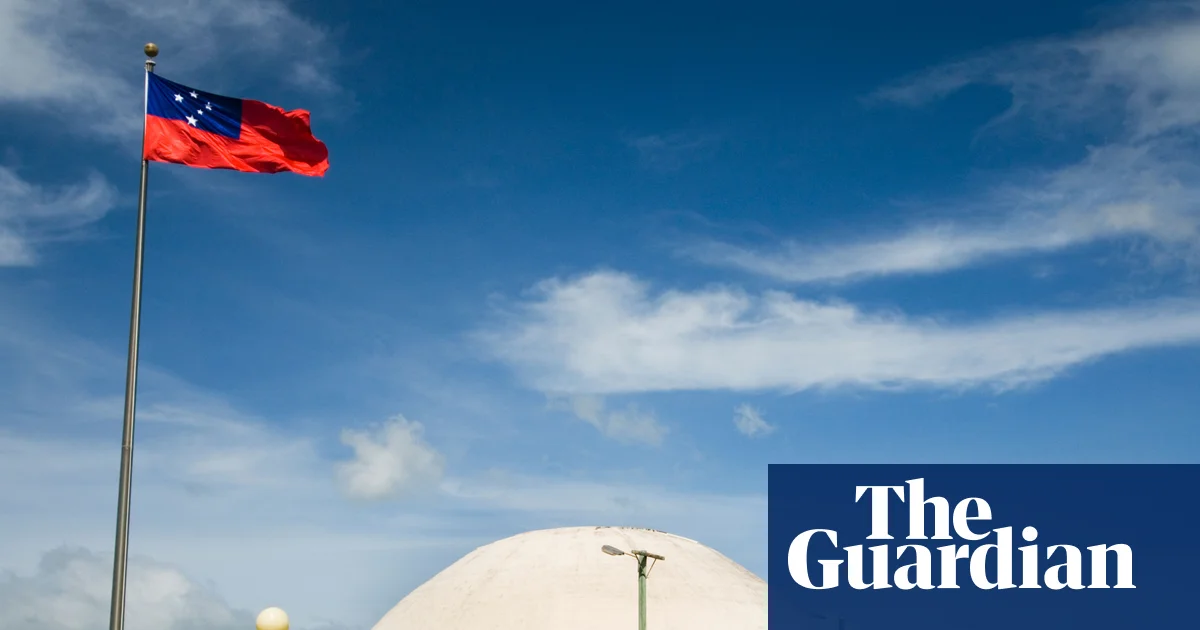
Samoa PM silences nation’s only daily in crackdown over coverage dispute

Samoa, often regarded as a model democracy within the Pacific region, now finds itself at a critical crossroads that could redefine its political landscape. The recent decision by Prime Minister La’aulialemalietoa Leuatea Polataivao Fosi Schmidt to ban Samoa’s only daily newspaper, the Samoa Observer, from attending press briefings signals a troubling shift towards authoritarianism cloaked as leadership. The move, reportedly in response to alleged inaccurate reporting during the prime minister’s medical absence in New Zealand, raises profound questions about how governments manipulate media to stifle accountability and transparency. Such actions serve as a stark warning to global observers: in the pursuit of consolidating power, democratic norms—particularly the freedom of the press—are under siege.

Historically, robust journalism has been the cornerstone of democratic governance, holding leaders accountable and providing citizens with vital information. In Samoa’s case, critics and international watchdogs, including the Pacific Freedom Forum, argue that this unprecedented ban is an effort to silence critical voices. Samoa’s government justifies the move by citing examples of alleged misinformation, yet many analysts contend that the timing reveals a calculated attempt at information control. The Samoa Observer’s editorial explicitly rejected the accusations, emphasizing its independence and commitment to public-interest journalism. Leaders and international observers warn that such restrictions threaten to weaken the very fabric of democracy, reinforcing a pattern seen in authoritarian-leaning regimes globally.

The ramifications extend beyond Samoa’s borders, influencing regional stability and international relations. Decisions to suppress media coverage can set dangerous precedents, emboldening other governments in the Pacific and beyond to crack down on press freedom. The Samoa Alliance of Media Practitioners for Development (Sampod), along with other regional bodies, highlighted the peril of undermining media independence. “Restricting access to critical scrutiny disarms citizens’ ability to hold leaders accountable,” explained Sampod’s representative, Lilomaiava Maina Vai. If unchecked, such measures risk normalizing hostility toward journalists, diluting democratic accountability, and fostering environments where dissent is considered a threat rather than a vital component of political discourse.

Outside Samoa, opposition figures have voiced their condemnation. Fiame Naomi Mata’afa, leader of the Samoa Uniting Party, and Tuilaepa Aiono Sailele Malielegaoi, former Prime Minister, both accused the government of attempting to suppress transparency. The controversy has ignited a debate about how leadership accountability is intertwined with media independence—an issue resonating throughout the Pacific region and many emerging democracies. As Samoa navigates this turbulent chapter, its internal struggles mirror a much larger narrative about the fragility of democratic institutions in a world where information has become the most potent currency.

The story remains unwritten, but the consequences are immediate and far-reaching. Samoa’s internal debate over press freedom exemplifies a pivotal question facing many nations in an era of misinformation and digital hostility: Can democracy survive when the very organizations meant to uphold truth are silenced? History will judge whether Samoa’s leaders recognize that true strength lies in transparency and accountability or continue down the path of silence and control. As the world watches, the echoes of this unfolding story serve as an urgent reminder: the battle for free information is the frontline in safeguarding the future of democracy, and its outcome may very well determine the legacy Samoa leaves behind in the annals of history.

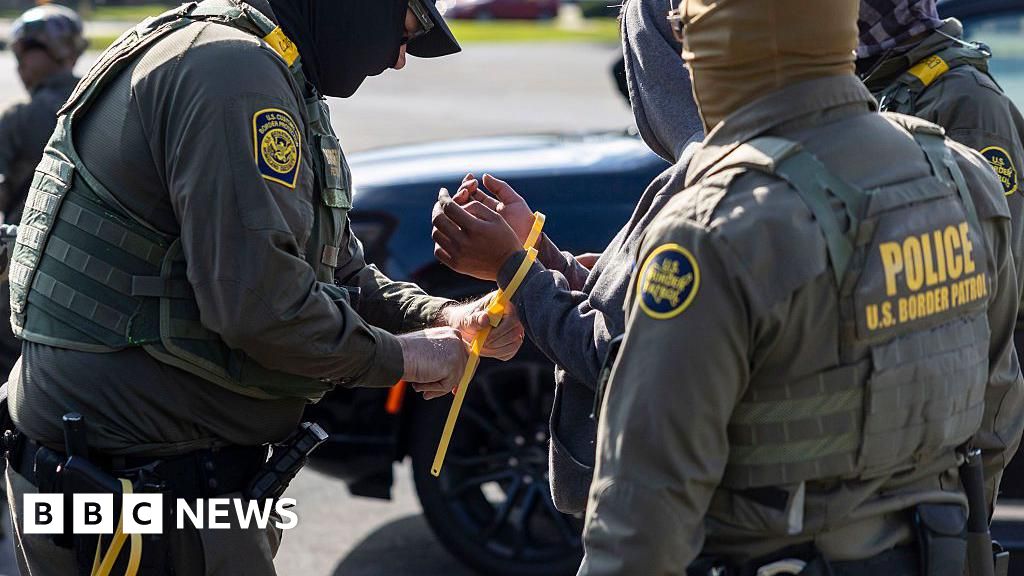
Charlotte braces for DHS crackdown on illegal aliens linked to crime

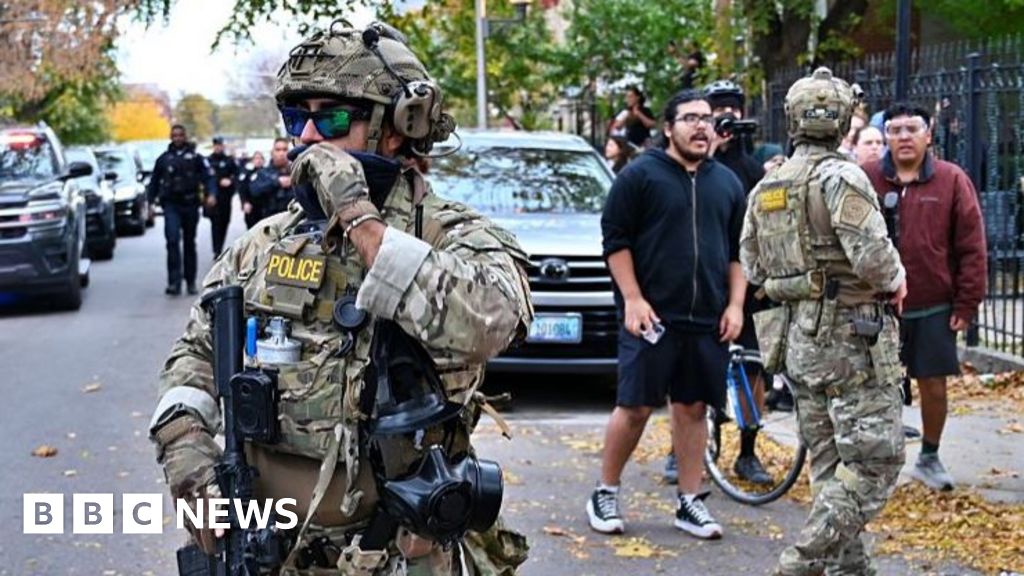
The recent surge of aggressive immigration enforcement by the United States, led by President Donald Trump, has reshaped the landscape of domestic policy and ignited intense debates about national security versus immigrant rights. With the announcement of “Operation Charlotte’s Web”, US homeland security officials have conducted large-scale raids in Charlotte, North Carolina, targeting what they describe as “criminal illegal aliens.” This operation, involving armored vehicles and special operations teams, marks a significant escalation in the Trump administration’s ambitious pledge to deploy the “largest deportation programme” in US history, a move that continues to draw both staunch support and widespread condemnation.

From an international perspective, the geopolitical impact of this crackdown cannot be understated. Critics argue that such aggressive tactics not only intensify domestic social divisions but also influence America’s standing on the global stage, especially among allied nations that emphasize immigration inclusion and human rights. While the DHS defends its actions, claiming they are necessary to uphold law enforcement in cities like Charlotte—which, notably, is a “certified welcoming city”—the repercussions extend beyond internal politics. International organizations, such as the United Nations, have historically voiced concern over mass deportations and the treatment of migrants, warning that such policies risk undermining basic human dignity and international norms.

Furthermore, the geopolitical implications ripple across the Atlantic and beyond as neighbors and allies monitor the United States’ internal policies with wary eyes. How such aggressive measures influence bilateral relations, especially with Mexico and Caribbean nations whose citizens are often targeted or affected, remains a critical concern. Esteemed analysts, including those at the International Crisis Group, have noted that prolonged enforcement actions could deepen existing tensions, destabilize regional migration flows, and complicate cooperation on transnational issues like security and trade. The debate over the balance between national sovereignty and international humanitarian obligations has become more urgent in this era of interconnected crises and shifting alliances.

As the operation unfolds, reports from Charlotte describe a community gripped with fear and uncertainty, illustrating the tangible societal cost of these policies. Youths and families fleeing into the woods and communities grappling with the reality of their neighbors’ detention underscore the internal societal strain caused by this crackdown. Critics, including local officials and civil rights advocates, argue that a policy rooted in harsh enforcement alienates vulnerable populations and threatens the social fabric of multicultural cities like Charlotte, which boasts a considerable foreign-born population.

In the broader historical narrative, these events signify a pivotal moment of transformative change in U.S. immigration policy, echoing debates that have raged since the country’s founding. As historians like Douglas Massey and Julie Siddiqi suggest, policies of this scale can redefine national identity, affecting not only the fabric of society but also positioning the nation on the global stage. With the next targets on President Trump’s list reportedly including New Orleans and possibly Chicago, the global community must prepare for a new chapter—one where the decisions made today will echo for generations.

In this unfolding drama of policy and power, the world watches as America grapples with the question of how far a nation should go to defend its borders and uphold its laws. With the weight of history looming large, this chapter in the story of a divided nation remains far from over, leaving the international community to wonder: what legacy will these turbulent times leave for future generations to learn from?

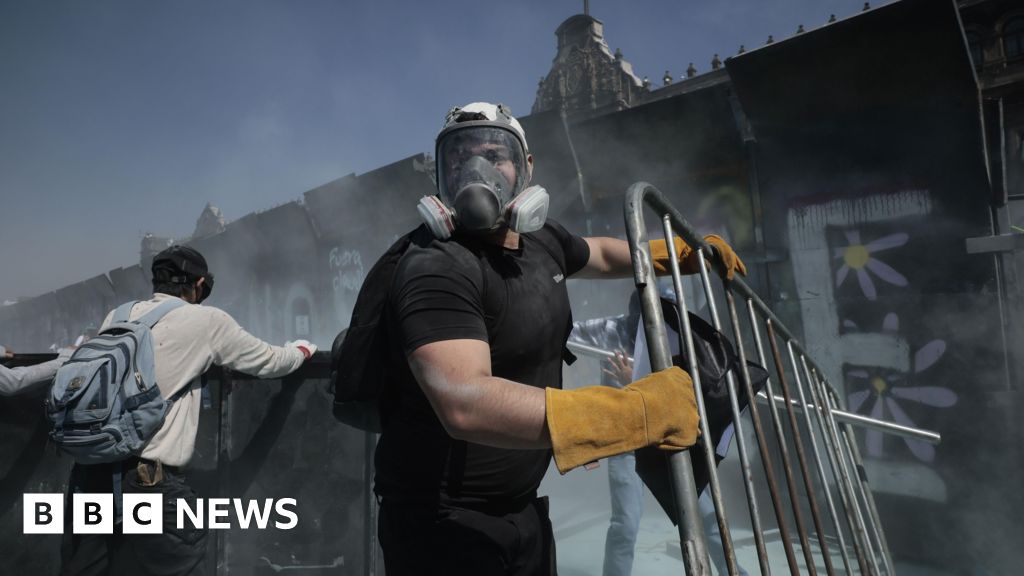
Youth-led protests erupt in Mexico criticizing government’s crime crackdown

In a striking display of domestic unrest, Mexico has recently witnessed thousands of protesters flooding the streets of Mexico City and other urban centers, voicing their anguish over the persistent grip of violent crime and cartel warfare. Organised largely by Generation Z youth groups, this wave of dissent underscores a profound societal crisis that transcends mere law enforcement failures to threaten the very fabric of Mexican society. The rally, sparked by the brutal assassination of Carlos Manzo, a progressive mayor who demanded tough action against criminal gangs, echoes a broader dissatisfaction with the government’s approach, and highlights the simmering tensions that could destabilize the region further.

President Claudia Sheinbaum has come under fire for her handling—or perceived mishandling—of these issues. Her assertions that the protests are fueled by right-wing political actors and online bots reveal her effort to deflect responsibility and maintain public approval, which remains above 70% according to official polls. Yet, critics—both within and outside Mexico—argue that her resistance to an all-out war against cartels is fueling the violence, while her reluctance to implement aggressive drug policies—a legacy of Mexico’s tumultuous history—risks prolonging the chaos and undermining regional stability. As analysts like historian María Rivera warn, the decision to tread carefully rather than confront cartels directly could have far-reaching consequences beyond Mexico’s borders.

The geopolitical impact of Mexico’s internal turmoil extends to its neighbors, especially the United States. US policymakers, concerned about the spillover of violence and fentanyl trafficking, see Mexico’s approach as a critical factor in shaping regional security. President Trump’s focus on border security and drug interdiction is echoed by others who demand a more aggressive stance; however, Mexico’s reluctance to escalate the conflict highlights a broader debate about sovereignty, intervention, and the limits of foreign influence. Meanwhile, Peru’s recent declaration of Sheinbaum as persona non grata and the severance of diplomatic ties reveal how Mexico’s domestic issues have begun to resonate on the international stage, destabilizing diplomatic relations in South America and exposing fissures within Latin America’s diplomatic fabric.

As global powers jostle to define their roles in this unfolding crisis, international organizations have warned of a potential regional escalation. The International Crisis Group cautions that if Mexico’s internal strife persists without a clear and effective resolution, it could serve as a catalyst for broader U.S.-Latin America tensions, and even encourage unauthorized state actors to exploit the unrest. The fact that Mexico—once hailed as a pillar of regional stability—is now embroiled in violent upheaval underscores the cautionary tale that history offers: when internal disorder is left unaddressed, it inevitably becomes a larger, transnational threat. The world watches with bated breath as this chapter of Mexico’s history remains unwritten, yet the shadows of conflict cast long and dark across continents.

Social Media Auto Publish Powered By : XYZScripts.com