Matox News

Truth Over Trends, always!

Judge orders release of hundreds detained in Chicago immigration crackdown

Legal Ruling Challenges Federal Immigration Policies in Chicago

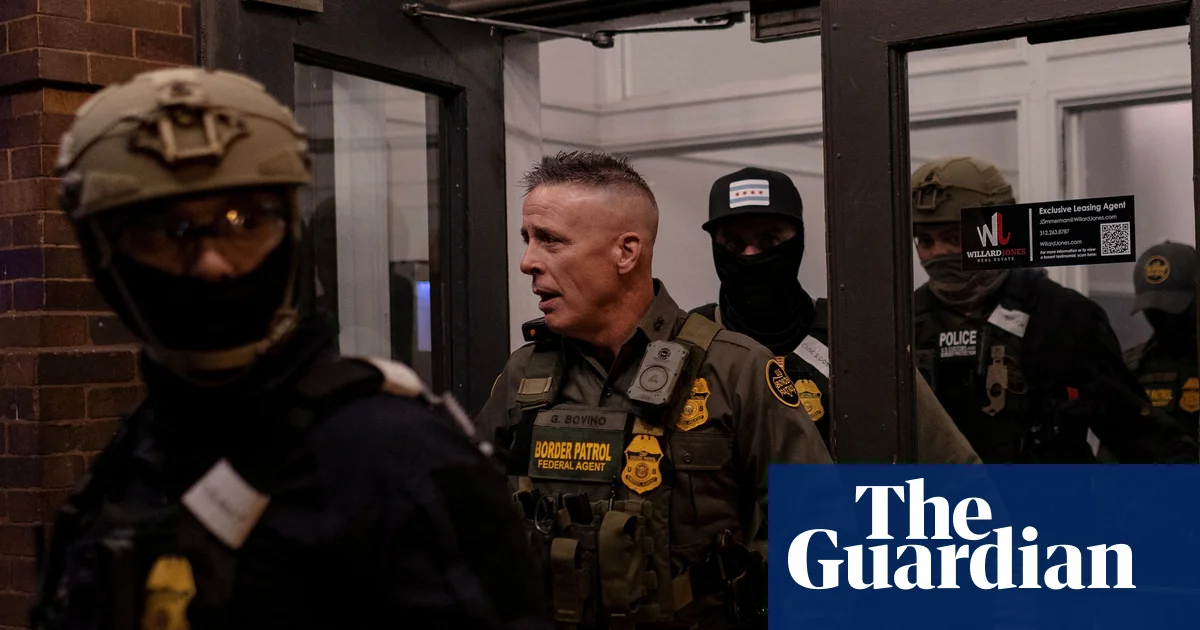
The recent judicial intervention into President Trump’s controversial immigration raids highlights the ongoing tensions between federal enforcement agencies and judicial oversight. A US district court, presided over by Judge Jeffrey Cummings, has ordered the immediate release of hundreds of individuals detained during what critics call an overreach of federal authority under the guise of immigration enforcement. This case exemplifies how international concerns over sovereignty and law enforcement transparency are increasingly intertwined with domestic policy struggles.

This development follows the aggressive “Operation Midway Blitz,” a series of raids that swept through the Chicago area with claims of crackdown on undocumented migrants. However, widespread accusations have emerged of excessive and even abusive tactics, including the use of tear gas and pepper spray against protesters, raising alarm among human rights advocates and international organizations. The judicial decision to release detainees with minimal bonds, contingent on no criminal record or prior removal orders, underscores a broader debate about the limits of federal authority and the importance of adhering to legal protocols—particularly when rights are at stake.

Legal and Political Ramifications of Federal Immigration Enforcement

  • The court’s orders come amidst a lawsuit filed by the ACLU of Illinois, which claims that the federal agents violated a 2022 consent decree prohibiting warrantless arrests. This legal move signals a crucial battleground in the ongoing debate over state versus federal authority in immigration enforcement, with many interpreting it as a pushback against potential overreach by the Biden administration’s predecessor policies.
  • Federal officials, represented by William Weiland, have pushed for a halt to these releases, citing potential security risks posed by at least 12 individuals under review. The ongoing tension reveals the fragile balance between public safety and individual rights, set against the backdrop of a deeply divided nation where immigration remains a highly politicized issue.
  • The impact of international perspectives on immigration cannot be ignored, especially as global reactions to similar enforcement policies continue to shape public perception. Analysts suggest that such judicial rulings may serve as a precedent for other cities, influencing how federal agencies operate under the rule of law.

How International and National Actors Respond

According to historians and legal analysts, this case reflects a wider paradigm shift where judicial oversight becomes a vital mechanism to check executive power in immigration matters. While critics decry certain federal tactics as infringements on civil liberties, others view these decisions as critical to maintaining democratic accountability in a matter that directly affects societal cohesion. The involvement of organizations like the ACLU and the National Immigrant Justice Center underscores the significance of legal battles in shaping policy outcomes, with the potential to influence legislation and executive action at the highest levels.

As the courts continue to scrutinize these enforcement tactics, history’s pen is poised to record whether this confrontation between law and order will yield a new precedent of accountability or mark a turning point towards more unchecked federal authority. With each ruling, the fabric of a nation built on law and liberty is tested, revealing that the final chapter in this saga remains unwritten, yet undeniably profound in its implications for **geopolitical stability** and how societies worldwide will interpret the rule of law in immigration policies.
Kenya Calls for Justice and Security After Post-Election Crackdown

Post-Election Turmoil and Its Geopolitical Reverberations

The recent election in Tanzania has ignited a complex web of domestic and international consequences, exposing the fragile stability of East Africa’s political landscape. President Samia Suluhu Hassan, who secured her position with an overwhelming 98% vote majority, declared her victory amidst allegations of electoral irregularities. Critics, including election observers and opposition figures, argue the polls fell short of democratic standards, citing the imprisonment and disqualification of key opposition candidates. This electoral outcome not only consolidates President Hassan’s power but also signals a narrowing of political space, even as her government attempts to project an image of stability on the international stage. Such developments are crucial for understanding how local governance can ripple across regional and global structures.

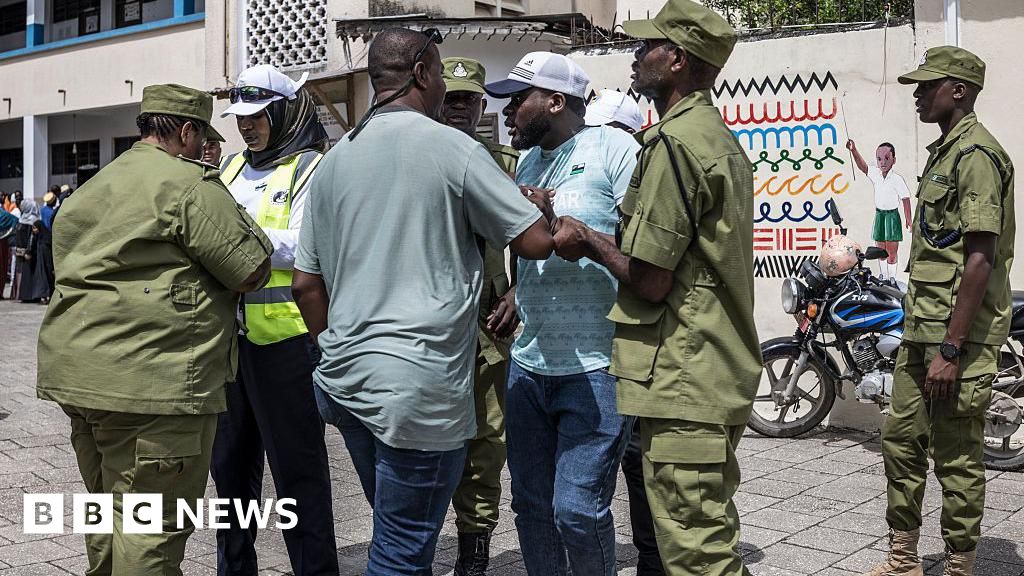
However, beneath the veneer of political legitimacy, unrest has erupted, especially in the wake of the contested election results. Reports of excessive force deployed by Tanzanian security forces during protests have sparked a wave of international criticism, with many alleging that hundreds of protesters and civilians were killed or injured in a crackdown that critics say was disproportionate and reckless. Tanzania’s government dismisses these claims, asserting that the opposition’s figure of casualties is exaggerated, but independent international observers and human rights groups contend that a troubling pattern of suppression persists. Analysts warn that such violent repression could destabilize Tanzania, potentially igniting broader regional tensions and complicating diplomatic relations with neighboring countries, especially Kenya.

The situation is further complicated by the plight of Kenyans residing in Tanzania, an estimated 250,000 people engaged in various economic activities across the border. This diaspora has become collateral damage in Tanzania’s internal conflicts, with reports of Kenyans being detained, injured, or even killed amidst the unrest. Kenyan authorities have responded by urging their Tanzanian counterparts to prioritize the safety of their citizens, emphasizing that diplomatic channels are now critical in addressing this crisis. The recent death of Kenyan teacher John Ogutu, shot by Tanzanian police, underscores the urgency of the matter; his family and international rights organizations demand transparency and accountability. The uncertainty surrounding these incidents reflects a broader pattern of governments using mass violence to maintain control, making the prospect of regional destabilization more imminent.

Historically, the East African Community (EAC) has tried to foster economic and political integration, but recent events threaten this fragile unity. Strained diplomatic ties, resurging political repression, and accusations of state-sponsored violence threaten to undermine decades of regional cooperation. In particular, Tanzania-Kenya relations, once aimed at economic expansion and shared development, are now a battleground of mutual distrust. The fallout from these conflicts suggests that regional geopolitics are on a knife’s edge, with the potential for violence and instability to spill beyond national borders and into wider international corridors. The role of international organizations, such as the United Nations and the African Union, looms large, as their ability to mediate and promote good governance in this volatile context is profoundly tested.

As history continues to unfold in East Africa, the implications of these events serve as stark warnings of what can happen when political contestation turns violent and international diplomacy falters. The emergency of new power dynamics, coupled with the unresolved tensions between established governments and dissenting voices, could usher in an era of prolonged instability. How the global community responds, and whether regional leaders prioritize dialogue over repression, will determine the course of history in this pivotal chapter of Africa’s story. The weight of future generations now hangs in the balance, as nations grapple with the double-edged sword of sovereignty and stability—each decision shaping the destiny of this strategically vital region.

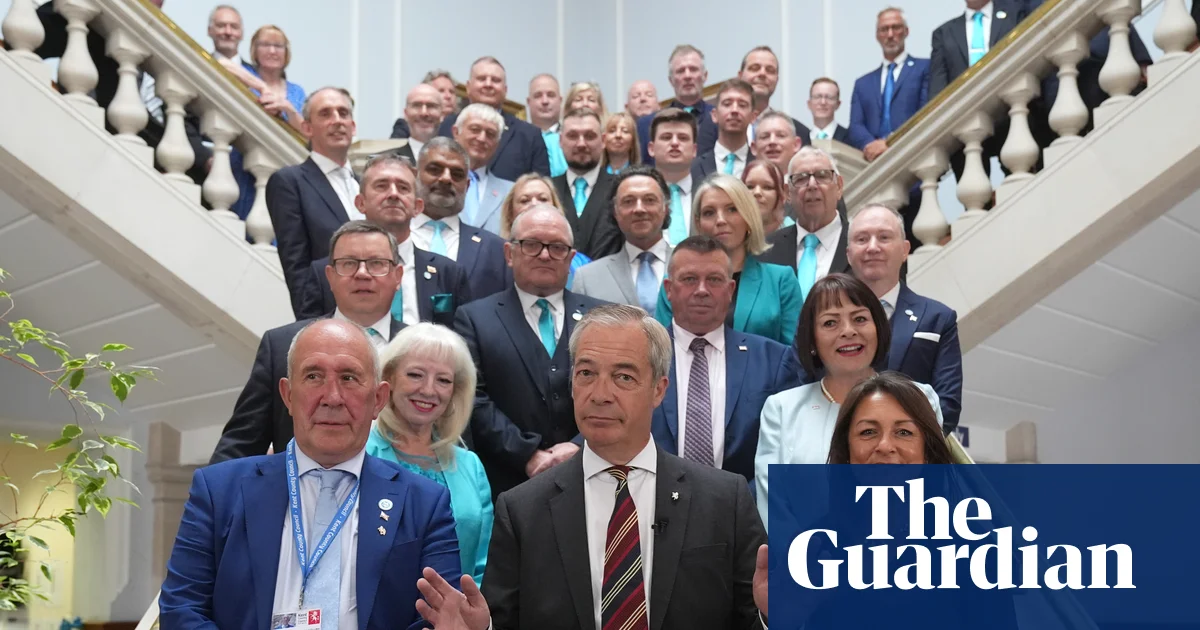
Reform UK Boots Another Kent Councillor in Crackdown on Corruption

Across the United Kingdom, the recent upheavals within the political sphere signal more than mere local disputes—they reflect a deeper crisis in party discipline, leadership, and the very integrity of governance at a critical juncture. Nigel Farage’s Reform UK party, which champions populist reforms and a direct challenge to the establishment, now faces internal fractures that threaten to undermine its credibility. The suspension of councillors, including Isabella Kemp, from the Kent county council underscores the volatility and fragility of the party’s nascent political structure. These developments come amidst leaked memos revealing bitter internal disagreements, raising alarms about the stability and viability of outsider parties seeking to shake up entrenched political norms.

Analysts and political historians warn that such turmoil within Reform UK does not merely impact local governance but could reshape the geopolitical landscape of British politics. The party’s inability to maintain cohesion risks empowering traditional parties like the Conservative and Labour, who may capitalize on these divisions to reinforce their long-standing dominance. The controversy also exposes a broader question: Can populist insurgents sustain their momentum when internal discipline falters? The internal conflicts over leadership conduct, disciplinary measures, and policy promises threaten to create leadership vacuums, providing fertile ground for political opportunists and undermining voter trust. As political scientist Dr. Emily Knox notes, *“Such internal fissures are often a prelude to collapse, especially in movements that rely heavily on outsider appeal and minimal established governance structures.”*

This chaos at the grassroots level resonates beyond the corridors of Kent. International organizations like the International Crisis Group have long warned that party infighting and fractured leadership can have profound implications for national stability, policy continuity, and international reputation. When political factions fight within their own ranks, it emboldens adversaries—both domestic and abroad—who wish to undermine the sovereignty and stability of the state. Moreover, the crisis reflects broader societal tensions over accountability, public trust, and the efficacy of Britain’s new political entrants, which are attempting to carve a path away from the traditional party system. If these insurgent parties cannot demonstrate discipline and effectiveness in local councils, their national ambitions may soon be rendered empty gestures, susceptible to exploitation by political foes bent on restoring the old guard’s dominance.

As observers cite the embarrassing saga of Kent’s council, including debates over council tax increases and allegations of mismanagement, the geopolitical impact becomes evident. Britain’s internal stability and credibility are often scrutinized on the international stage, with ongoing tensions from global conflicts and economic uncertainties. The disarray within Reform UK exemplifies the challenges faced by populist movements in maintaining coherence amidst upheaval. According to strategic analyst Mark Rutherford, *“When political parties fracture internally, it signals a broader erosion of societal confidence, which foreign adversaries can interpret as weakness or vulnerability to exploit.”* Consequently, the saga in Kent is more than a local political squabble; it’s a microcosm of the risks facing Britain as it navigates a tumultuous era, where every leadership discord and internal conflict adds weight to the written history of a nation still seeking its footing in a rapidly shifting global order.

In the shadows of these political earthquakes, history awaits its next chapter. Will Britain rally from these internecine struggles and forge a resilient path forward, or will internal chaos deepen, paving the way for longer-term decline? As the weight of history presses down, the outcome remains uncertain—yet one truth is clear: in the unfolding story of national sovereignty and societal resilience, every decision, every division counts. The pages of this epoch are still being written, and whether Britain emerges stronger or fractured remains the question that history will ultimately answer.

Trump slams Nigeria’s Christian crackdown: Is religious freedom under attack?

Embracing a Lifestyle of Purpose and Resilience

In today’s fast-paced world, where the relentless pursuit of success often overshadows personal wellness, many young individuals are beginning to recognize the importance of __centering their lives around purpose, health, and resilience_. From the bustling streets of Lagos to the serene countryside, a rising shift in lifestyle ideals emphasizes _well-being as the foundation of true fulfillment_. Wellness experts like Dr. Jordan Peterson and motivational authors such as Brené Brown advocate for a life anchored in authenticity, self-care, and community. This cultural movement challenges the traditional metrics of success and highlights that _true vitality comes from nurturing the mind and body_ in harmony.

The _modern wellness paradigm_ is transforming how youth approach daily routines. Embracing practices like mindful meditation, active outdoor recreation, and nutritional awareness, many are striving to _find balance amid chaos_. For instance, African tech entrepreneurs and creatives are now integrating _lifestyle hacks that prioritize mental resilience_—whether it’s through local markets’ organic foods or outdoor ventures that foster _mental clarity_. The key message from wellness influencers like Jay Shetty and Oprah Winfrey centers on _investing in self-awareness and community_ as a route to personal impact. Living a life rooted in purpose translates to making choices that promote _long-term health, happiness_, and _shared prosperity_, which ultimately fuels a passion for _self-improvement and social contribution_.

Travel and leisure experiences are also evolving, becoming more intentional. Many youth-oriented explorers seek destinations that offer _authentic cultural immersion_ rather than superficial escapism. Travel hacks such as _connecting with local communities, engaging in eco-friendly activities, and practicing sustainable tourism_ serve as ways to _enhance personal growth_. Examples include hiking through Abuja’s national parks, volunteering in rural Nigeria, or participating in wellness retreats that combine _traditional healing rituals with modern mindfulness practices_. These experiences are not just leisure—they are _opportunities for self-discovery and connection to something greater_. As cultural theorist Chimamanda Ngozi Adichie reminds us, _embracing diverse narratives_ broadens our understanding of _what it means to live a fulfilled life_.

  • Prioritize daily movement—be it walking, dancing, or yoga—to boost physical and mental health
  • Choose destinations that foster _authentic cultural exchange_ and _self-growth_
  • Integrate _mindfulness practices_ into your routine for _lasting resilience_
  • Support local economies and _sustainable initiatives_ during travel

In a world filled with turbulence and shifting narratives, the _journey towards personal well-being_ becomes an act of defiance and hope. Young people today are redefining what _success_ and _happiness_ mean, turning away from material excess and towards _meaning, community_, and _self-awareness_. It’s an era that encourages individuals to _forge their own paths_, embracing _wellness as a lifestyle_ rather than a fleeting trend. And in doing so, they find the strength not only to improve their own lives but to inspire others along the way. Life, after all, is a continuous journey of growth—an ongoing act of embracing the resilience that resides within us all.

Two more hit with charges in Louvre jewelry theft crackdown

Global Implications of the Louvre Heist: Security Failures and Geopolitical Ramifications

The recent audacious theft of priceless jewelery from France’s most iconic cultural institution, the Louvre Museum, has sent shockwaves through the international community. On October 19th, four suspects executed a swift daylight raid, infiltrating one of the world’s most heavily monitored museums. Utilizing a stolen vehicle-mounted lift and a disc cutter, they shattered display cases housing treasures valued at €88 million, including the famous Parure Marie-Amélie diadème, a sapphire-encrusted crown. The incident highlights glaring vulnerabilities in France’s cultural security and signals a broader geopolitical narrative: the erosion of national sovereignty in the face of organized crime and international looting syndicates.

French authorities swiftly responded, charging two additional individuals—one a woman from La Courneuve and a man with a criminal record—raising questions about deep-rooted security lapses. Despite initial optimism about the progress of the investigation, critics within France and abroad have condemned the Louvre’s security measures, revealing critical flaws. For years, concerns about perimeter security and camera placement—particularly in areas where the suspects gained entry—went unaddressed. Culture Minister Rachida Dati admitted that the museum authorities had “gravely underestimated the risks,” promising reforms. The fact that the sole surveillance camera pointed away from the breach indicates a failure in basic security protocols, exacerbated by bureaucratic finger-pointing between the Louvre and the municipal authorities of Paris. The ongoing inquiry underscores a stark lesson: neglect of national treasures invites international criminal syndicates to operate with impunity, risking the erosion of cultural heritage globally.

Underpinning Political and Social Unrest: A Crisis of Confidence

The Louvre heist is emblematic of a deeper crisis brewing across Europe. Many analysts, including European security experts, interpret this event not merely as a robbery but as a symptom of weakened institutions and rising organized crime networks that operate across borders. The incident comes amid heightened tensions surrounding the stability of the European Union and concerns about law enforcement’s capacity to protect national assets. How nations respond to such breaches will shape the future of cultural sovereignty and social cohesion in the continent’s most influential nations.

Several historians note that this event mirrors historical episodes of cultural plunder, where corrupt regimes and unscrupulous traders seized invaluable artifacts, often spilling into international black markets. Modern pundits warn that failing to bolster national security in cultural institutions paves the way for darker forces—organized crime, foreign state actors, and illicit trafficking—to threaten societal stability. International institutions like INTERPOL have emphasized this incident as a wake-up call, urging European governments to reassess their security frameworks. As societies debate budget allocations, critics argue that prioritizing monumental projects like Louvre’s New Renaissance—focused on renovations and expansions—has diverted funds from essential protections. This shift in focus exposes how political misjudgments and misallocated resources can weaken national resilience against external threats and internal vulnerabilities alike.

The Broader Geopolitical Impact: Looting, Security, and International Relations

This theft underscores a significant, potentially destabilizing flaw in the fabric of global security. Though the immediate focus remains on retrieving the stolen items—expected to have already traversed borders—the incident has broader geopolitical implications, as nations grapple with balancing tourism, cultural preservation, and security. France, historically a custodian of Western cultural heritage, finds itself at a crossroads where international cooperation is vital. The theft is likely to embolden organized crime syndicates operating acrossEurope’s porous borders, possibly strengthening alliances with foreign actors seeking to profit from black-market sales.

Most disturbingly, international organizations such as UNESCO have issued warnings that similar high-profile targets could become frequent if corrective measures are not swiftly adopted. The incident also signifies a potential shift in the strategic narrative—where the preservation of cultural assets becomes intertwined with national security. Critics warn that if Western countries continue to underestimate the importance of safeguarding their cultural patrimony, future crises—ranging from theft to outright destruction—could further erode societal resilience and international standing.

As history continues to unfold in this era of uncertainty, the weight of the Louvre heist—once seen as a mere criminal act—now looms large as a stark reminder: in this rapidly changing world, the battle for sovereignty extends beyond borders, security measures, and military might. The story of those stolen jewels remains unfinished, a volatile chapter waiting to be written by governments, criminals, and the relentless tides of history itself. The outcome may well determine whether nations can shield their collective memory from the shadows of lawlessness or succumb to a new age of cultural loss that history will inevitably记得—and judge.

Pete Hegseth vows to strike back: “We will hunt and kill them” in crackdown on drug-smuggling vessels — US politics live | US news

As the 2025 geopolitical landscape unfolds, a pattern of strategic escalation and international jockeying becomes increasingly evident, reflecting the enduring quest for dominance in a world fraught with tension and shifting alliances. From military operations against drug cartels in Central America to high-stakes diplomatic meetings involving Donald Trump and Central Asian leaders, the global stage is echoing with decisions that will shape the future of nations and societies. The American administration’s recent embrace of a ‘war on cartels’ signals an aggressive stance, equating narcotics traffickers with terrorists, and promising lethal force in operations that claim lives in the Caribbean and beyond.

Meanwhile, the United States prepares for a possible diplomatic revival in its relations with Shavkat Mirziyoyev, president of Uzbekistan, highlighting an intensified focus on Central Asia—a region rich in resources and geopolitically pivotal. The meeting between Trump and Central Asian presidents could mark a turning point in U.S. strategy, seeking to secure energy partnerships and counterbalance China’s rising influence. Experts articulate that such engagement, especially with nations like Uzbekistan, magnifies America’s push to reassert influence in a critical crossroads of Eurasia, transforming regional dynamics and complicating the strategies of rivals like Russia and China.

Notably, in a move that underscores the ongoing domestic upheaval, political figures on both ends of the spectrum are maneuvering with unorthodox moves that threaten long-standing norms. A GOP legislator is calling for the deportation of Zohran Mamdani, a New York City mayoral candidate, over allegations of naturalization fraud—an episode that exposes the ideological battle over America’s immigrant narrative and national identity. On the legal battlefield, Donald Trump is fighting to overturn his criminal conviction for business fraud, claiming that key evidence was improperly admitted, and signaling a persistent challenge to the judicial system’s authority. Such disputes are not only domestic spectacles but are emblematic of the intensifying polarization shaping American society.

The international community watches as alliances evolve and old certainties give way to confrontations that could redefine regional stability and security. As Japan’s first female Prime Minister, Sanae Takaichi, gains Trump’s praise for her military ambitions, the U.S.-Japan relationship appears poised for a recalibration, with potential investments soaring and defense commitments accelerating. Yet even as diplomacy dances on the surface, the threat of China’s assertiveness in Asia looms large, prompting Japan to pledge a swift defense spending increase and reaffirm its strategic partnership with the U.S. Despite this, critics warn that such displays of unity may mask underlying tensions that could erupt into broader conflict, as historic rivalries and geopolitical ambitions collide.

This confluence of military, diplomatic, and legal actions echoes a larger narrative, one where history’s pen is still writing the chapters of a tumultuous and transformative era. The bold moves—whether the US’s lethal crackdown on drug cartels, the high-level meetings with Asian powers, or internal political battles—are shaping a future that remains uncertain. As the world stands at this geopolitical crossroads, the echoes of these decisions will resonate through generations, reminding us that history waits for no one and that the true contest for influence is still underway, with humanity’s collective destiny hanging in the balance.

Lithuania vows to shoot down smuggling balloons, PM warns of tough crackdown

In a bold and resolute move, Lithuania has announced it will begin shooting down balloons believed to be used in smuggling cigarettes from Belarus. This decision comes amid a series of unsettling incidents where weather balloons encroached on Lithuanian airspace, forcing the closure of Vilnius Airport multiple times over the past week. The Lithuanian government has responded with strict measures, including an indefinite closure of border checkpoints with Belarus, signaling a serious escalation in the ongoing hybrid conflict along this tense border region.

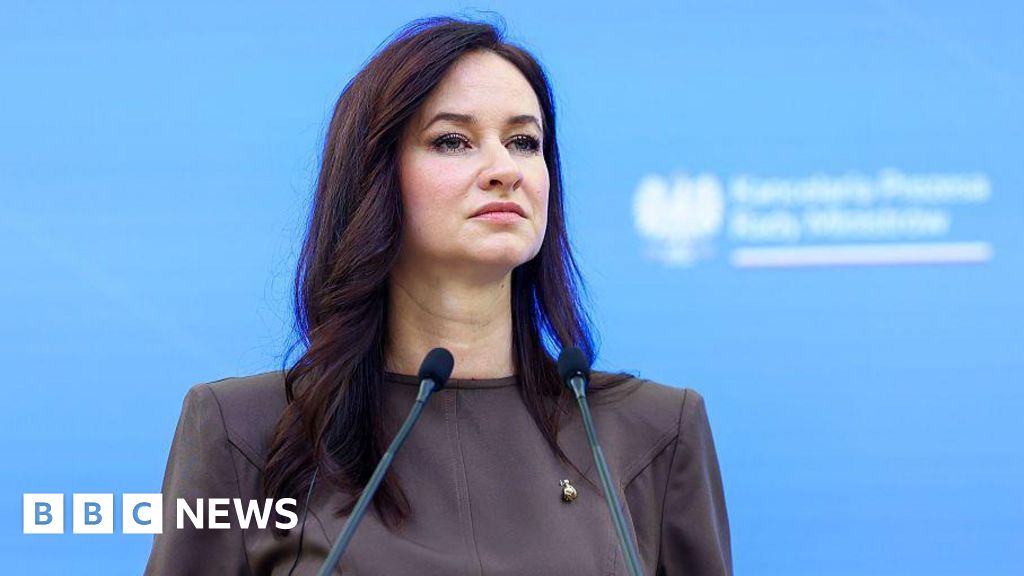
The Lithuanian Prime Minister, Inga Ruginiene, declared in a press conference that the Lithuanian military is prepared to take “all necessary measures” to protect sovereignty and airspace integrity. She emphasized that the government’s response aims to send a clear message that no hybrid attack—be it through balloons or other clandestine means—will be tolerated. These provocations, while seemingly trivial to some, have serious geopolitical impact—they highlight a broader struggle over influence, sovereignty, and security between Lithuania, a staunch NATO member, and its eastern neighbor. Lithuania’s move also underscores the increasingly contentious atmosphere in the region, with analysts warning that such incidents could escalate into more overt forms of hybrid warfare, including cyberattacks or even military provocations.

Since October, Lithuanian authorities have recorded over 544 balloons entering from Belarus in 2023 alone, a significant number that has affected commercial air traffic and raised alarm about orchestrated efforts to destabilize. European airports—such as those in Copenhagen and Munich—have also reported drone sightings and air incursions linked to similar tactics from Belarusian sources. International organizations like NATO are closely monitoring these developments, contemplating the activation of Article 4 of the NATO Treaty—a formal consultation triggered when a member perceives its security to be threatened. Lithuania’s consultation with allies needs to be swift, considering how these seemingly minor balloon infiltrations carry the weight of a strategic challenge aimed at testing the resilience of Western security commitments in the face of hybrid tactics.

Historians and security analysts warn that such provocations are part of a larger pattern of hybrid warfare, as Russia and Belarus continue to challenge the West’s eastern flank. The situation remains volatile; Lithuania’s actions represent a stand against what many see as a dangerous shift towards unconventional warfare that blurs the lines between peace and conflict. As Lithuania fortifies its borders and prepares for further escalation, the shadows of history warn us that these small skirmishes—though seemingly insignificant—can ignite larger conflicts. The weight of unfolding history presses down on the region, reminding all nations that in this new era of hybrid warfare, even weather balloons carry the potential to alter the course of nations’ futures—an ominous prelude to conflicts still waiting just beneath the surface.

Temu commits to faster crackdown on shady greeting cards

Cracks in the Digital Fortress: Temu’s New Approach to Protecting Creators

In a striking development that underscores the pervasive challenge of intellectual property theft in the digital age, Temu, an international e-commerce giant, has announced a collaborative initiative with the Greeting Card Association to combat rampant copyright infringements from counterfeit sellers. This move comes after significant losses faced by creators such as Amanda Mountain of Lola Design, whose decades of work have been stolen and profited from, costing her thousands of pounds in revenue. The proliferation of cheap knock-offs on Temu’s platform demonstrates a larger trend where the rights of individual creators are often dismissed in favor of rapid, mass-produced sales. Analysts warn that this phenomenon is symptomatic of a wider erosion of respect for intellectual property across borders, with many countries still grappling with enforcement much too slow or ineffective.

Historically, international institutions like WIPO (World Intellectual Property Organization) have strived to standardize protections, yet enforcement remains inconsistent. Experts warn that without a comprehensive, multilayered approach—combining technological innovation with international cooperation—the scars of this digital age threaten to leave a lasting legacy of systemic theft. The new system, which employs AI algorithms to pre-emptively block infringing content, marks a critical turning point that could serve as a blueprint for other industries amid the chaos of global counterfeit markets. Industry leaders argue that such proactive AI-driven takedown processes are essential to preserve original creativity, which underpins economies and national cultural identity. The European Union has already issued warnings about the dangerous ripple effects of unchecked piracy, emphasizing that how nations respond to digital infringement will shape the future of innovation and societal trust.

Yet, even with technological advances, the real obstacle remains in the form of deep-seated global economic disparities and weak enforcement mechanisms. The emotional toll to creators like Amanda Mountain highlights the broader crisis: in today’s interconnected marketplace, stolen designs are more than just images—they represent a blatant disregard for labor, passion, and intellectual effort. Amanda, devastated after witnessing her decade’s worth of work distilled into poor-quality rip-offs, encapsulates the moral and economic devastation wrought by these copycats. Experts warn that unless governments and institutions prioritize stern enforcement and cultural respect for creators, the trend of undervaluing intellectual property could accelerate, further undermining small businesses and stifling innovation in countless societies.

President Xi Jinping of China and other global powerhouses are watching these developments closely, as the battle over digital intellectual property increasingly influences geopolitical strategies and international commerce. Several international organizations, including the World Trade Organization, have issued statements urging member states to coordinate efforts, but critics warn that token policies and superficial treaties are insufficient. The real challenge is fostering a global shift in attitude—where respect for creativity is embedded in the legal and cultural fabric of nations—that can effectively combat the multilayered threat of digital infringement. As history unfolds, the question remains: Will this latest technological pilot be enough to stem the tide, or are we simply delaying a more profound crisis that could redefine international trust in the digital economy? As the weight of this unfolding conflict presses down, the choice for nations and societies is clear—they can either protect the sanctity of creative labor or watch the fabric of genuine innovation unravel before their eyes.

Australia News Live: Zali Stegall warns of looming crackdown, Gaza flotilla return sparks debate

Global Tensions Rise: Democracy Under Threat as Major Powers Engage in Controversial Crackdowns

In recent weeks, the international landscape has become increasingly volatile, with nations at the forefront of geopolitical shifts exhibiting contrasting approaches to civil liberties and global diplomacy. Australia’s recent legal and political debates exemplify this divide, raising serious questions about the future of free speech, protest rights, and governmental accountability amid a backdrop of rising authoritarian risks. Meanwhile, major global actors such as Israel, the United States, and China continue to shape a complex web of alliances and conflicts, with pivotal decisions leaving a lasting impact on societies and international stability.

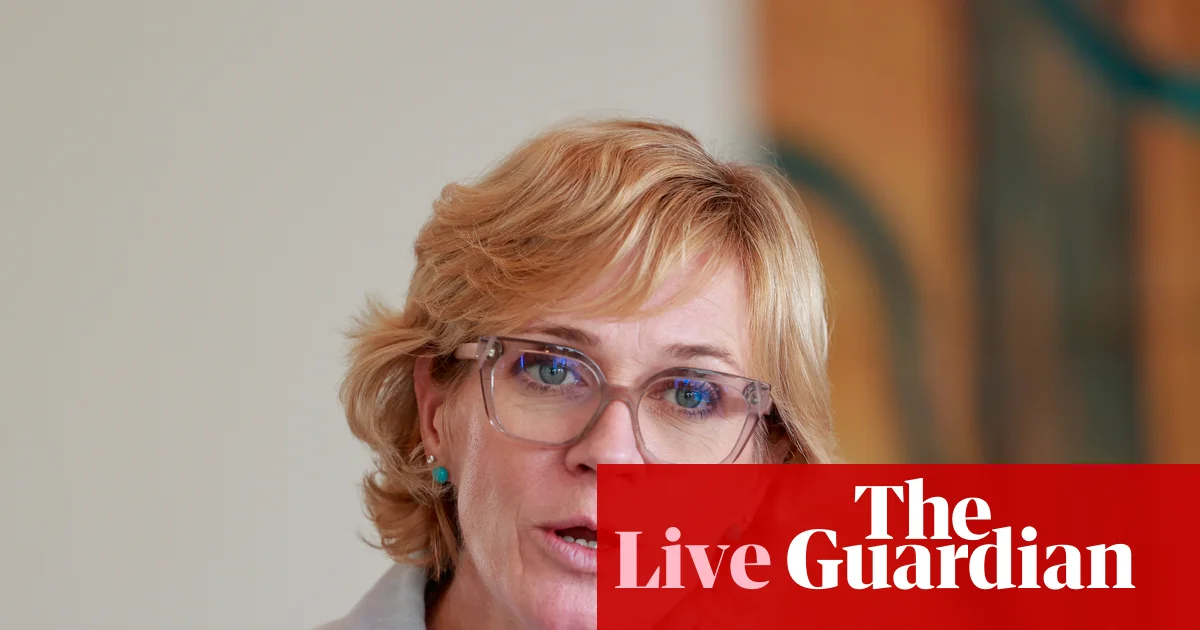
Within Australia, the government faces mounting scrutiny over its handling of civil protests and freedom of expression. Independent MP Zali Steggall has issued a stark warning against mimicking the alleged “totalitarian crackdown” observed in the United States, where recent police actions against activists have sparked global concern. The NSW court’s decision to threaten contempt charges against protesters planning a demonstration outside the Sydney Opera House marks a turning point, indicating a disturbing trend toward constraining civil liberties under the guise of safety. As historian Dr. Richard Holmes asserts, such restrictions threaten to undermine the very foundations of a democratic society and set a dangerous precedent for other nations recognizing similar measures.

Decisions That Echo Beyond Borders: How International Policies Reshape Societal Norms

  • Israel’s deportation of Australians attempting humanitarian aid—among them Juliet Lamont and Abu Bakr Rafiq—has ignited international protests, exemplifying the risks faced by human rights advocates caught in regional conflicts.
  • The ongoing Gaza flotilla incident, with activists vowing to return in larger numbers, demonstrates an unwavering commitment to humanitarian causes, yet also highlights the stark geopolitical divide over the legitimacy and legality of Israel’s blockade on Gaza.
  • In the United States, the recent crackdown on protests coupled with expansive government surveillance has led analysts to warn of a slide toward totalitarianism, echoing fears within Australia’s political discourse.

As noted by global policy analyst James Carter, such decisions—often justified as necessary for security—do little to address underlying crises but instead exacerbate societal divisions and erode trust. The ongoing debate in Australia over a proposed transparency bill, which critics claim threatens to deepen secrecy and diminish government accountability, exemplifies this struggle. Former judge Helen Archer laments that these measures are “working against Australians’ right to trust their institutions,” echoing worldwide fears that democracy is unraveling in favor of opaque governance and authoritarian control.

Global Instability and the Future of Free Expression

Across continents, the tried and tested balance between security and liberty is tipping dangerously. China’s detention and suppression of dissent in Hong Kong, along with Russia’s crackdown on opposition, serve as stark warnings against losing sight of fundamental rights. Meanwhile, the Pope’s recent plea to uphold journalism as “a public good” and to combat clickbait reflects a moral stand for truth in an era dominated by misinformation and sensationalism. His call for responsible communication safeguards democracy’s core—yet the challenge remains to resist the tide of censorship and control that many nations are increasingly embracing.

As international organizations like the United Nations call for adherence to human rights while powerful actors shift towards authoritarian tactics, the weight of history presses heavily on the future. The confrontation is no longer confined to borders but is a global struggle that will define the direction of Western societies and beyond. The choices made now—whether to silence dissent or defend free speech—carry the profound risk of forging a new era, one where the guardians of liberty must confront the forces seeking to reshape democracy into a tool of control. The ink of history is yet to dry, and the world watches with bated breath, awaiting the verdict of those who dare to resist the slide into irreversible darkness.

Tech giants’ climate bets face Trump crackdown as funding gets scrutinized

Tech Giants and Policy Shifts Signal Disruption in Carbon Removal and AI Development

The recent rollback of federal funding for direct air capture (DAC) initiatives marks a pivotal juncture for the American tech and energy sectors. Under the Biden administration, extensive investments, including a $3.5 billion initiative to establish regional DAC hubs, aimed to solidify U.S. leadership in innovative climate tech. However, with the emergence of a new administration openly skeptical of climate action—underlining a concerted effort to undermine these initiatives—the landscape is shifting dramatically. President Trump’s FY2026 budget proposal, which targets ending funding for DAC, hydrogen hubs, and other clean energy projects, effectively stokes uncertainty in a sector that has already been disrupted by ideological battles.

This policy retreat reflects a broader trend of disruption in clean energy innovation. Major corporations such as Microsoft and Amazon have committed billions toward carbon removal, betting on DAC as a pathway to a carbon-negative future. Yet, the recent funding cuts threaten to derail these forward-looking investments. Notably, startups like California-based CarbonCapture have announced plans to relocate projects internationally, citing the lack of U.S. governmental support. The decline underscores a shrinking window for American leadership in disruptive climate technologies.

Meanwhile, disruption extends into AI development. As tech giants expand their AI infrastructure—building energy-intensive data centers and hardware—their carbon footprints have paradoxically grown, despite commitments to sustainability. Analysts warn that reliance on DAC to offset escalating emissions could be a pseudo-solution, diverting attention from essential emissions reductions. Industry leaders like Peter Thiel and MIT researchers emphasize that innovation in breakthrough clean energy tech—such as advanced nuclear or fusion—must remain a priority, or risk ceding global dominance to nations like China, aggressively investing in next-generation clean tech.

Business Implications and Future Outlook

The implications of these developments are profound. With governmental support waning, American corporations face a strategic inflection point: to prioritize internal innovation or to significantly reduce reliance on uncertain policy outcomes. The Biden-era push for regional DAC hubs and public-private partnerships set the stage for U.S. dominance in climate tech; now, partisan polarization threatens that edge. The disruption could accelerate the shift of clean energy investments abroad, particularly to Canada and Europe, which remain committed to climate innovation, potentially leaving American firms at a competitive disadvantage. The window for reclaiming global leadership narrows, compelling industry leaders and policymakers to act decisively and creatively.

Going forward, urgent action is required to mitigate the impact of policy fluctuations. Innovation hubs, private capital, and strategic partnerships will determine whether the U.S. can maintain its technological edge. As Elon Musk and others advocate for a focus on disruptive technologies—such as quantum computing, breakthrough energy, and AI—only a bold, unified approach can counterbalance the current trend of retreat and fragment. The coming years will be crucial in defining the direction of American tech and energy sectors — the race for future dominance is on, and the time to lead is now.

Social Media Auto Publish Powered By : XYZScripts.com