
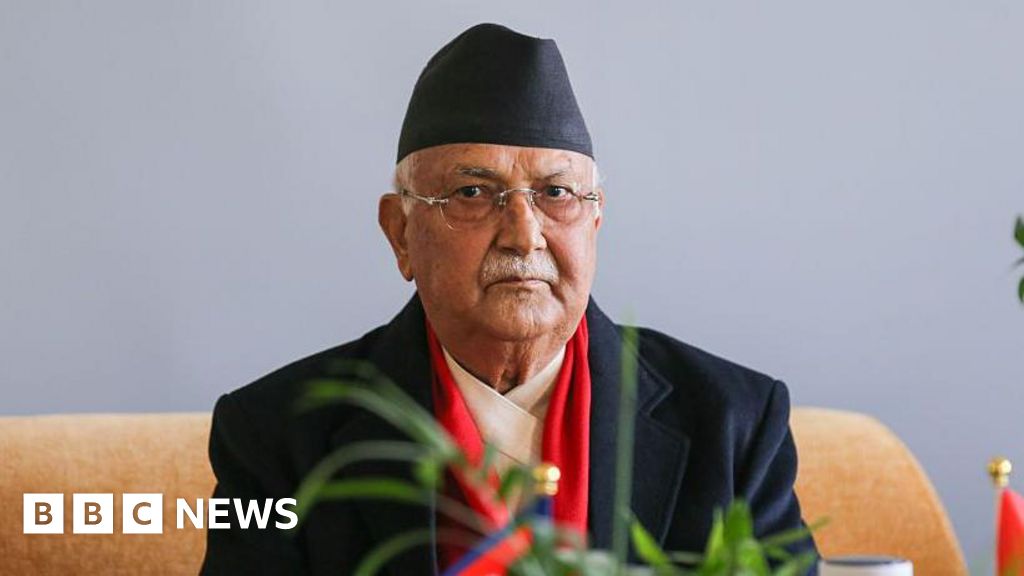

In a stark reminder of the volatility that continues to shape Nepal’s political landscape, recent reports highlight that more than 70 lives were lost during an uprising last year that led to the ousting of Prime Minister Oli’s government. This tragic episode underscores the fragility of Nepal’s democratic institutions amid ongoing internal conflicts and regional tensions. Analysts and international observers warn that such disturbances not only threaten domestic stability but also have far-reaching geopolitical implications for South Asia, a region already strained by geopolitical rivalries and economic uncertainties.
The uprising, driven by mounting grievances against corruption, perceived authoritarianism, and economic hardship, culminated in violence that shocked neighboring nations and international actors. The death toll, exceeding 70, signifies a turning point in Nepal’s recent history, illuminating the dangers inscribed in unresolved political crises. The international community, including entities like the United Nations and regional partners, has called for restrained diplomacy, urging Nepali leaders to prioritize reconciliation and democratic resilience over continued confrontation. This upheaval has once again placed Nepal under the global spotlight, positioning it as a symbolic battleground for broader regional influence and ideological clashes.
Several years of political instability have cast a shadow over Nepal’s future trajectory, as historians and geopolitical analysts emphasize. The recent turmoil is often contrasted with the nation’s strides towards democratization after decades of monarchy and conflict. However, the lingering effects of corruption, ethnic tensions, and border disputes with India and China complicate Nepal’s path forward. International organizations have expressed concern that such internal unrest might foster space for external actors to weaponize instability—potentially amplifying regional conflicts and undermining efforts for sustainable peace.
The implications of last year’s uprising extend well beyond Nepal’s borders, serving as a cautionary tale for neighboring countries and emerging democracies worldwide. As Nepal grapples with political upheaval, the {/* underscore that decisions made now will dictate future stability, peace, and regional influence. The international community must learn from this turbulent episode—balancing diplomatic engagement with decisive support for democratic governance—to prevent further descent into chaos.
Yet, amidst the chaos, the unfolding narrative remains a poignant reminder: history’s pages are being written not by distant spectators but by those brave enough to shape their future amid conflict and upheaval. As Nepal stands at this critical juncture, the world watches with bated breath, aware that the decisions of today will resonate across decades to come. This is the peril—and the promise—of history’s ongoing march, where the weight of human aspiration and geopolitical ambition collide in the crucible of a nation’s destiny.






