Matox News

Truth Over Trends, always!

US Officials’ Crash in Mexico Sparks Questions

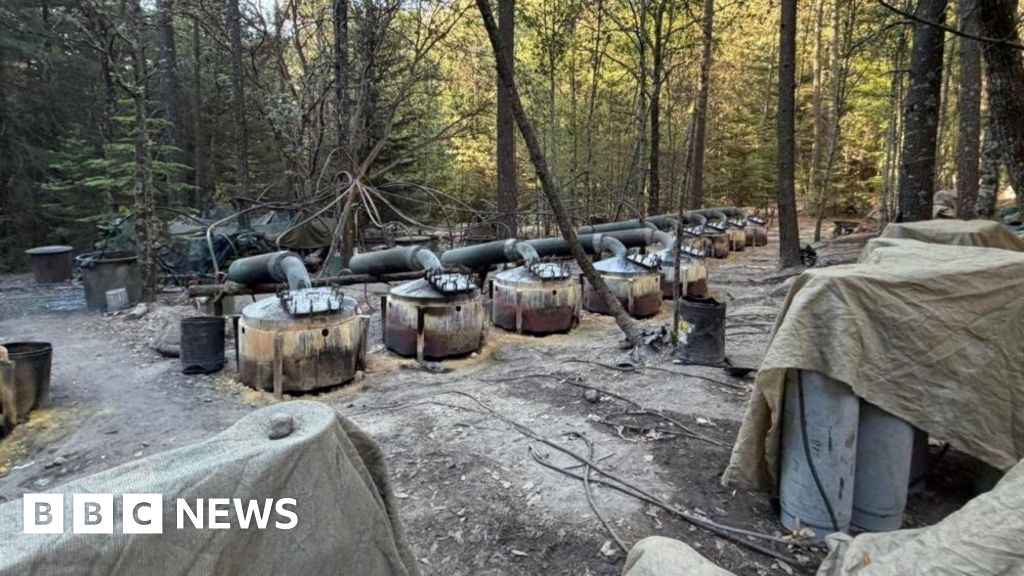
In a recent development with profound geopolitical repercussions, two individuals perished in a fatal car crash during a Mexican-led crackdown aimed at dismantling a clandestine drug laboratory. This incident marks a critical juncture in Mexico’s ongoing commitment to curb illicit drug trafficking, but it also underscores the complex web of international repercussions that such operations ignite.

The operation, led predominantly by Mexico and supported to varying degrees by neighboring countries and international organizations, exemplifies a broader strategy to disrupt illegal narcotics networks that span borders. Experts from institutions like the United Nations Office on Drugs and Crime (UNODC) have long stressed that such interdictions are vital in addressing the transnational drug trade’s economic and security threats. However, the tragic loss of life during the operation—a car crash involving involved officials or suspects—raises questions about the risks intertwined with aggressive enforcement tactics. Analysts warn that escalation in such operations could provoke unintended consequences, including violence spilling over into civil society or regional destabilization.

In the broader context, this event accentuates the ongoing struggle between sovereignty and international pressure. While Mexico asserts its right to combat drug cartels within its borders, its actions are closely monitored by the United States and other global actors eager to see significant reductions in drug flows. Some international voices, including analysts from think tanks like the Cato Institute, argue that relentless enforcement without addressing underlying socio-economic factors risks fueling violence and chaos. The incident thus symbolizes a delicate balancing act faced by governments worldwide—how to uphold sovereignty while cooperating with international efforts to stabilize their regions.

The historical significance of this tragic crash echoes through the decades of ongoing conflict over narcotics interdiction, with historians pointing out that similar incidents have often marked turning points in policy shifts or escalation cycles. Countries like Colombia and Peru have faced similar dilemmas, with some observers warning that intense military campaigns sometimes result in short-term successes but long-term societal scars. As international institutions and regional governments draft new strategies in response to this latest tragedy, many ponder whether current tactics are sustainable or merely cyclical.

Ultimately, this incident is more than a mere accident on a Mexican countryside road—it is a stark reminder that the global war on drugs remains one of the most tumultuous chapters in modern history. As Mexico ventures further into its fight against destruction and corruption, the world watches with bated breath. The decisions made in the coming days will undoubtedly shape the narratives of sovereignty, justice, and stability—woven into the fabric of nations still grappling with the shadows of their past. The weight of history presses down, and in that darkness, the question remains: will this be a turning point toward peace or another tragic chapter in a never-ending conflict?

Tiger Woods Faces DUI Charges After Crash: A Wake-Up Call for Young Drivers

In an era where international attention often centers around high-profile legal incidents, the recent crash involving Tiger Woods on Beach Road in Jupiter Island underscores the far-reaching geopolitical impact of individual events that transcend national borders. While the incident itself involves an American sports icon, its ripple effects extend into the broader fabric of global perceptions surrounding law enforcement, accountability, and the complex intersection of fame and state authority. According to Sheriff Budensiek, Woods was involved in an incident following an alleged attempt to overtake a pressure cleaner truck at high speed, which led to a series of investigations and legal proceedings that resonate beyond local jurisdiction.

  • The sheriff disclosed that Woods exhibited signs of impairment, but tests at the scene indicated a “triple zero” breathalyser result, complicating the narrative and raising questions about investigative procedures.
  • Woods refused a urine test, invoking his legal rights, which has resulted in charges for refusal rather than impairment — a legal distinction that complicates accountability.
  • President Donald Trump publicly expressed sympathy, emphasizing the personal toll of the incident, illustrating how high-profile cases in the U.S. attract international cultural and political attention.

Analysts and international observers highlight that such incidents, especially involving revered figures like Woods, influence societal expectations of celebrity conduct and state authority. As historian Mark Levinson points out, “The manner in which authorities handle allegations against prominent individuals becomes a mirror reflecting national values and legal standards.” This case exemplifies the ongoing tension between individual rights and societal interests—particularly how authorities navigate investigations involving iconic personalities. Moreover, with investigations suggesting Woods was “cooperative but trying not to incriminate himself,” the case underscores the delicate balance law enforcement must maintain between due process and public sentiment.

In a broader context, this incident also exposes the potential risks of drug or alcohol impairment in an era of growing scrutiny and legal reform. The refusal to submit a urine test, while legally permissible, leaves a void in definitive evidence and may influence future policy adjustments concerning impaired driving. The incident’s narrative, amplified by media coverage, stimulates debate over the consistent application of justice, the role of personal privacy, and the influence of fame in legal outcomes. The accident’s implications ripple into international discussions on law enforcement standards, the influence of social stature on justice, and the societal values that prioritize celebrity over accountability.

As global institutions continue to analyze and respond to these rapid developments, the event remains a poignant example of how individual moments can shape history. The unfolding story of Woods’ legal predicament is a stark reminder that behind the veneer of fame lies a fragile veneer of societal justice—an ongoing narrative where personal conduct, legal integrity, and international perception collide. With Woods set to be released on bond and facing misdemeanors, the incident leaves the world pondering: how will this story, a microcosm of societal values and power, ultimately influence the international dialogue on justice, celebrity, and the rule of law?

Tragic Airplane Crash on Kauai Kills Three Tourists—Hawaii in Shock

Tragedy on the Na Pali Coast: The Ongoing Crisis in Global Aviation Safety

The recent helicopter crash off Hawaii’s Na Pali Coast serves as a stark reminder of the perilous state of air tourism safety and the broader geopolitical concern of international travel safety standards. The crash at Kalalau Beach, which resulted in the deaths of three individuals and injuries to two others, underscores a recurring pattern of tragedy that plagues the tourism industry not only in Hawaii but globally. The incident involved a Hughes/MD 500 helicopter operated by Airborne Aviation, a company that boasts about its adventurous “doors-off” tours, but which now finds itself embroiled in ongoing safety investigations by the National Transportation Safety Board. As investigators begin delving into the causes, the public debate intensifies over whether current regulations are enough to prevent future disasters.

The geography of the Na Pali coast — characterized by towering seaside cliffs and rugged mountain ridges — inherently creates turbulent air, often exacerbated by rapidly changing weather conditions. This landscape has contributed to multiple fatal crashes over the past decade, prompting safety reforms that some critics argue are inadequate. In particular, the FAA’s reforms announced earlier this year, which include more rigorous pilot training and aircraft equipment regulations, reflect a recognition of these hazards. However, critics question whether such measures are sufficient to counteract the natural hazards posed by Hawaii’s unique terrain. International aviation analysts, referencing historical data, warn that without continuous, enforceable safety upgrades, these tragedies could become an endemic feature of Hawaii’s tourism landscape, tarnishing its reputation and risking lives.

The implications of these crashes transcend local safety concerns; they impact the international image of the United States’ approach to global tourism safety standards. Some experts argue that Hawaii’s case exposes a broader weakness in regulatory oversight and crisis preparedness within the global air tourism industry. The World Tourism Organization and various historians specializing in safety at their perilous peaks emphasize that each accident is not merely a local tragedy but a warning about the vulnerabilities faced when safety protocols are compromised or overlooked. Given Hawaii’s popularity as a premier tourist destination, the geopolitical impact lies in how the U.S. manages its safety reforms — an example that resonates with other regions boasting similar rugged terrains. Decisions made here will likely influence international standards on aviation safety, especially in areas frequented by eager thrill-seekers and nature lovers alike.

As the investigation unfolds and the world watches, the enduring question remains: are insufficient safety measures merely a product of complacency or a reflection of larger systemic issues within a global industry driven by booming tourism demands? The recent history of Hawaii’s aviation tragedies — including crashes in 2019 and 2024 — serves as a stark warning: unless decisive, sustained action is taken, more lives will continue to be lost amid breathtaking landscapes that now bear the scars of what could have been prevented. The legacy of this unfolding chapter, marked by the relentless melding of natural beauty and human risk, leaves us confronting a sobering truth — the weight of history is still being written, and the story of safety in air tourism remains an ongoing, urgent battle.

Air Canada CEO Sorry for French Skills, Not Victims of Crash

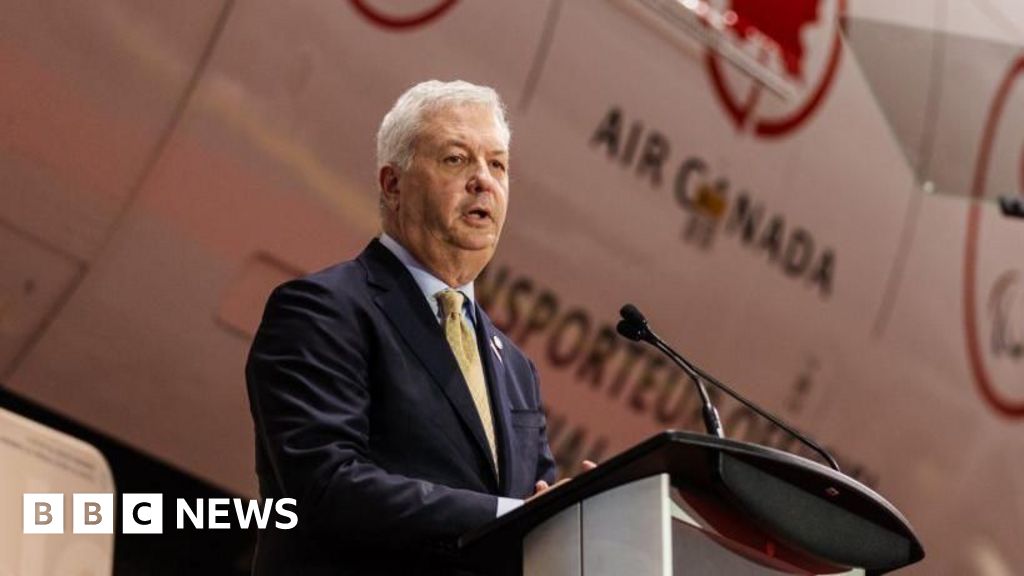
The recent controversy surrounding Michael Rousseau, the CEO of Air Canada, demonstrates how cultural and linguistic expectations can influence corporate governance and international relations. After a tragic crash at LaGuardia Airport that resulted in the loss of two pilots, Rousseau issued a message that, notably, did not include references to the French language—a decision that ignited widespread calls for his resignation. For many, especially within the context of Canada‘s dual linguistic identity, this omission has transcended corporate misstep to become a symbol of perceived neglect of national values and identity.

The incident underscores how linguistic and cultural norms are intertwined with the political fabric, especially in nations like Canada where bilingualism remains a core element of national policy. Critics argue that Rousseau’s oversight reflects a deeper disregard for the country’s foundational principle of *official multilingualism*, fueling debates about cultural integrity and national loyalty. Countries with similar dual-language identities, such as Belgium and Switzerland, have long navigated the delicate balance of linguistic respect in the face of political and economic pressures. International analysts warn that neglecting these cultural symbols can chip away at social cohesion, particularly during times of crisis or tragedy.

Furthermore, this incident exemplifies the *broader tensions between corporate accountability and national identity.* Unlike corporate disasters of the past, where technical failures or safety lapses dominated the headlines, this episode highlights how perceptions of cultural insensitivity can escalate public outrage. Experts from organizations like the International Civil Aviation Organization (ICAO) have emphasized that in a globalized world, multinational corporations operating within diverse nations must adhere to local cultural expectations to sustain legitimacy. The calls for Rousseau’s resignation are seen as a broader reflection of society’s demand for leaders who honor the societal fabric they serve, especially in the context of national tragedy.

The geopolitical impact of this controversy extends beyond mere public relations. As Canada navigates its place within the international community—and faces diplomatic scrutiny for safety standards and corporate governance—such incidents threaten to undermine its reputation. Historians suggest that how nations handle internal crises often signals their resilience and commitment to national values on the world stage. If the leadership of major corporations like Air Canada are perceived as disconnected or dismissive of cultural expectations, international partners and investors may question Canada’s adherence to its own principles.

In the shadow of this unresolved controversy, the weight of history remains unspoken yet immense. Leaders, institutions, and societies must grapple with the reality that recent events are not isolated but part of a broader narrative about identity, accountability, and the global standing of nations. As industry analysts warn of the potential repercussions—economic, diplomatic, and social—domestic debates escalate, echoing the same questions that history has left unanswered for generations: How do nations uphold their core values amidst the turbulence of international affairs? And in moments of crisis, will their leaders be judged not just by actions but by their fidelity to the very cultural fabric that defines them? The course of history continues to unfold, driven by these profound questions, with the stakes never higher.

Two Pilots Killed in Crash Between Plane and Vehicle at LaGuardia

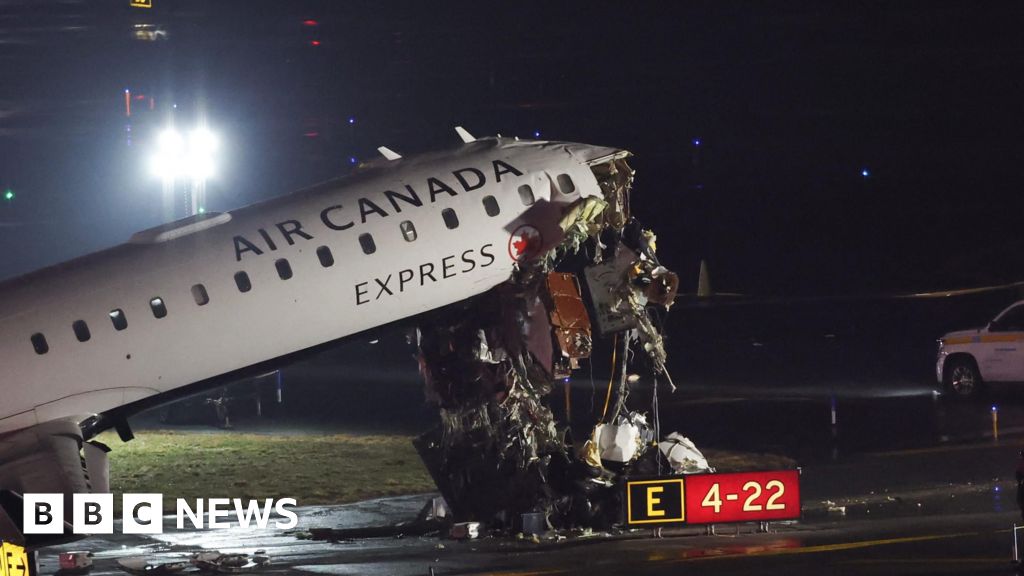
In a distressing incident that has captured global attention, a commercial aircraft arriving from Montreal was involved in a collision with a firefighting vehicle responding to an unrelated emergency. The crash unfolded amidst a complex web of international tensions, safety concerns, and the delicate balance of civil and emergency aviation operations. While initial reports indicate no fatalities, the incident has reignited debates over aviation security standards, emergency response protocols, and the geopolitical ramifications of such accidents.

Preliminary investigations suggest that the collision may have resulted from a lapse in communication or coordination between the aircraft’s pilots and ground emergency services. This event is not isolated but part of a broader narrative concerning the integrity of transportation infrastructure in volatile geopolitical climates. As international organizations and aviation safety agencies scrutinize the circumstances, analysts are drawing parallels to recent international incidents where safety mishaps have compounded regional tensions.

The geopolitical impact of this accident extends beyond the immediate safety concerns. Experts believe it underscores the importance of ensuring robust safety protocols amidst an increasingly turbulent geopolitical landscape. The incident has served as a reminder of how fragile our international safety nets are, especially when considering the heightened military and civilian tensions in many regions. States like Russia, China, and the United States have all faced criticism for their handling of aviation and emergency response systems, often accused of prioritizing strategic interests over safety and transparency.

International observers, including respected historians and geopolitical analysts, emphasize that such incidents often act as flashpoints that reveal deeper systemic vulnerabilities. While investigations proceed, there is a consensus that this event could have wider implications for international aviation treaties and cooperation. It serves as a stark warning that even in peacetime, the misalignment of safety protocols and emergency coordination can escalate tensions and undermine trust among nations. As the world watches, the decision-makers face the pressing challenge of addressing these vulnerabilities. The ongoing pursuit of enhanced safety standards must be balanced against geopolitical interests, a task more complex now than ever before.

As the dust begins to settle on this tragic mishap, the overarching narrative remains gravely unresolved. The incident is a stark reminder that in an interconnected world, a single collision—whether on land, sea, or sky—can reverberate through global power structures and societal perceptions. The weight of history presses heavy, urging nations to learn from this event and forge a future where safety is paramount, and catastrophic errors are relegated to history’s past. Yet, the shadow of unresolved tensions and future conflicts looms large, whispering that the unfolding chapter of history still holds many dark and uncertain pages.

Qatari and Turkish Citizens Killed in Military Helicopter Crash

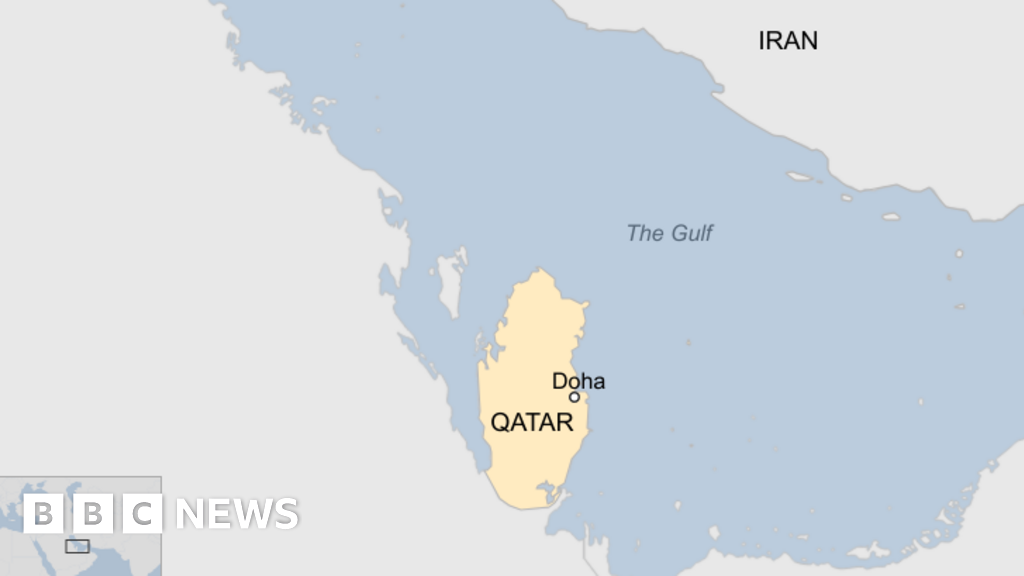
In a startling development that reverberates across the Middle East and beyond, recent reports have confirmed that a convoy carrying four Qatari military personnel, accompanied by one Turkish serviceman and two technicians from a Turkish defence company, was involved in an incident that has raised critical questions about regional alliances and security. While the nature of the event remains under detailed scrutiny, the presence of Turkish technical experts alongside Qatari military personnel underscores the increasingly intertwined security arrangements in the Gulf and the broader international strategic calculus.

Analysts and international observers are quick to interpret this development as part of a deeper realignment involving Turkey and Qatar, two nations having diverging yet sometimes converging interests within the shifting geopolitical balance of the Middle East. As tensions persist over regional conflicts, such as those in Syria and Libya, Ankara’s involvement signifies a broader push for influence and security partnerships in an era marked by instability and unpredictability. The participation of Turkish technicians from a defense firm further emphasizes the growing importance of military technology and strategic cooperation in shaping regional power dynamics. Policymakers and security experts warn that such collaborations are not merely tactical but carry profound implications for the future of sovereignty, influence, and regional deterrence.

The incident raises the specter of further escalation or complex diplomatic signals. The precise context—whether it involves military training, strategic patrols, or covert operations—remains opaque, yet its significance is undeniably profound. The involvement of these nations’ military and technical personnel exemplifies a broader shift: the Middle East is increasingly becoming a chessboard for global powers. The United Nations and other international watchdogs have repeatedly sounded warnings about regional destabilization, but the pressing need for strategic alliances often overrides concerns about peace and stability.

Historians and geopolitical analysts argue that this scene is emblematic of a larger trend—the reassertion of regional powers willing to challenge the old world order. As Turkey and Qatar deepen military ties, the implications extend well beyond their borders, influencing the balance of power in North Africa, the Levant, and even Europe. The potential ramifications include increased proxy conflicts, shifts in energy routes, and the emergence of new spheres of influence, all of which threaten to redraw the geopolitical map once again. As global powers watch from afar and regional actors seek to secure their interests, history presses forward, often unheeded, with each decision shaping the societies of tomorrow—whose futures remain uncertain but undeniably profound in their consequences.

US confirms six crew members lost in Iraq refueling plane crash

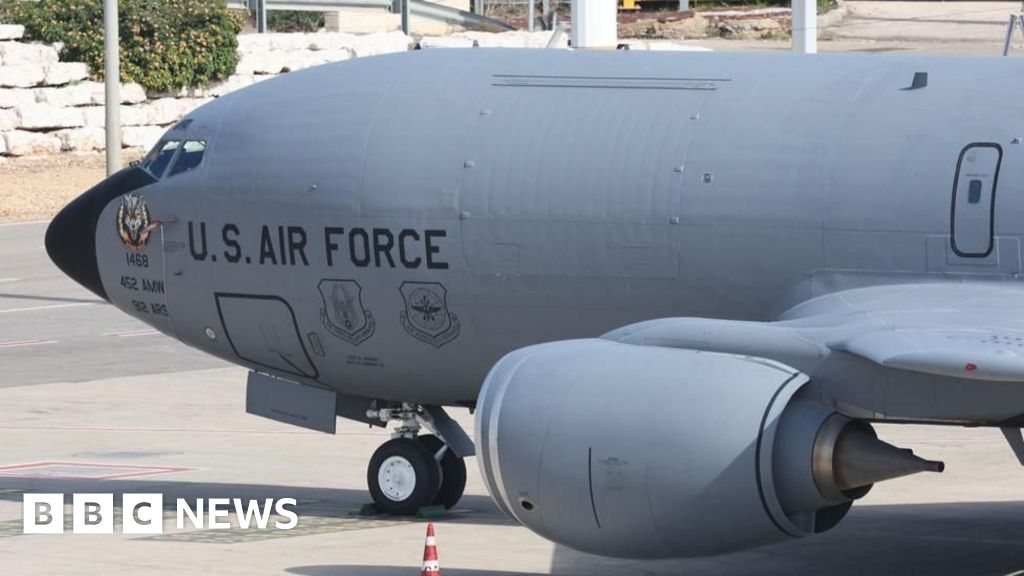
The recent crash of a U.S. Air Force KC-135 has sent shockwaves through international security circles and ignited debates over the state of American military readiness. According to official statements from the Pentagon, the aircraft tragically lost six crew members—an event that underscores the inherent risks of global power projection and the dangerous complexity of modern aerial warfare. Among those lost in this tragedy were John Klinner from Alabama, Ariana Savino from Washington, Ashley Pruitt from Kentucky, Seth Koval from Indiana, Curtis Angst from Ohio, and Tyler Simmons from Ohio. These names symbolize individual sacrifice, but their loss also raises broader questions about U.S. military logistics and strategic posture at this pivotal moment in history.

The mystery surrounding the cause of the crash has prompted widespread analysis among analysts and retired military officials. Preliminary reports suggest that adverse weather conditions and mechanical failures may have contributed, but the incident has rekindled longstanding concerns over the increasing demands placed on U.S. strategic airlift capabilities. Historically, the KC-135 Stratotanker has been a backbone of America’s global military campaigns since the Cold War, facilitating the rapid deployment of troops and equipment across continents. Yet, this tragedy highlights the vulnerabilities that accompany such reliance—vulnerabilities that critics warn could be exploited by adversaries seeking to undermine American global dominance.

Internationally, many nations watch intently as the event unfolds, noting its potential implications for U.S. military morale and operational readiness. China’s strategic analysts, for instance, have emphasized the incident as a reminder that even the most advanced militaries face unpredictable risks, especially in a shifting global environment marked by renewed great power competition and regional conflicts. Meanwhile, Russia and Iran observe with interest, possibly contemplating how the perceived vulnerabilities of U.S. forces could be leveraged amid ongoing tensions in Eastern Europe, the Middle East, and the Indo-Pacific. As NATO allies reassess their own defense postures, this tragedy underscores the importance of resilient logistics and strategic depth—elements that can define the outcome of future confrontations.

Global institutions and security analysts laud the bravery of those involved, yet caution that the incident exposes a deeper truth: in an era of rapidly evolving warfare, decisions made today will echo through the corridors of history. As defense policymakers reevaluate tactical priorities, the incident serves as a stark reminder of what is at stake—a world where the balance of power hangs in the balance, and where the sacrifices of brave individuals forge the thin line between national security and catastrophic failure. The unfolding narrative remains a testament to the fragile tapestry of international peace, woven together with the lives of those who stand ready to defend it. The question now is not only what caused this tragedy, but whether global leaders will heed the lessons it teaches before history writes its inevitable conclusion—one that could reshape future alliances and the fate of nations for generations to come.

Lindsey Vonn's Olympic bid ends in crash as Breezy Johnson takes gold for Team USA
Lindsey Vonn’s Olympic bid ends in crash as Breezy Johnson takes gold for Team USA

The recent alpine skiing race, marked by the dramatic crash of American skier Lindsey Vonn, underscores not only the peril inherent in high-stakes sports but also reflects broader themes of resilience, international competition, and the shifting landscape of global leadership. Vonn’s bold decision to compete despite a torn ACL—claiming her injury was “100% torn” and her determination to replicate her 2010 Olympic gold—embodies the fiercely competitive spirit that dominates international sports today. Her defiance, showcased through social media and gym training videos, inspired fans worldwide and highlighted the intense personal sacrifices athletes make on the global stage.

Yet, the crash exposed more than just individual resolve; it revealed the inherent risks that accompany the pursuit of national pride and international dominance in sports. Commentary from British Olympian Chemmy Alcott and experts on the BBC highlighted the brutal conditions of the piste and the perilous nature of alpine downhill racing, especially amid unpredictable weather changes. The fact that the snow was melting due to midday sun and long delays added an unpredictable element that could tilt the outcome against even the most skilled competitors. Such risks—metaphorically echoing geopolitical tensions—underscore how nations push their limits in pursuit of supremacy, often at the expense of safety and stability.

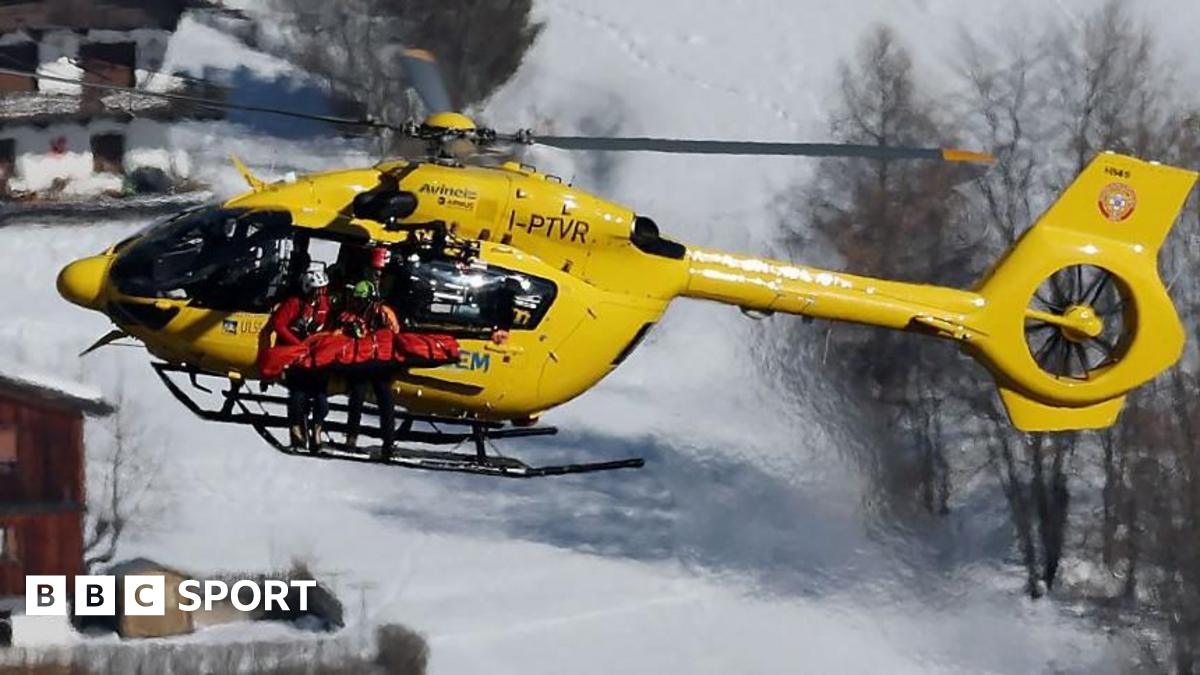
Analysts and international organizations have long warned of the *”costs of relentless competition,”* both in sports and geopolitics. The incident at the race becomes a pressing reminder of *how decisions and risks taken on the international stage* directly influence societal perceptions and policy directions. The crash of Vonn, with another skier, Cande Moreno, similarly injured and airlifted, symbolizes the volatile nature of modern competitive environments—where prestige is often achieved at extreme costs. As one historian, Dr. Laura Mitchell, notes, “Such moments are turning points—reminding us that even in the pursuit of glory, human vulnerability remains paramount, and the price of ambition can be high.”

In a broader geopolitical context, this event mirrors the dynamics of *renewed global rivalry and uncertain stability*. Countries are investing heavily in their athletes and national image, paralleling strategic investments in military and diplomatic spheres. The *“risks,”* both physical and political, are interconnected—what happens in the icy slopes of a ski course today echoes in the corridors of power tomorrow. As international analysts pace the shifting chessboard of power, the question remains: how much longer can nations continue to push boundaries before the inevitable reckoning?* The story of Vonn’s crash is not merely about sports; it is a poignant chapter in the ongoing saga of a world balancing on the edge of progress and peril, where every fall echoes across the geopolitical landscape—reminding us that history is still unfolding in the most unexpected of arenas, often with devastating consequences.

Colombia plane crash claims lives of all 15 onboard, raising safety concerns

Tragedy in the Skies: Satena Flight Disaster Sparks International Concern

In a devastating announcement, Colombia-based airline Satena disclosed that one of its aircraft, operating with a modest flight crew and carrying a total of 15 passengers, tragically suffered a fatal accident. The incident, which unfolded amidst ongoing regional tensions and geopolitical shifts, has sent shockwaves across the Latin American continent and beyond. While authorities have yet to release complete details, early reports point toward a catastrophic event that underscores the persistent perils of regional air travel in conflict-affected zones.

The geopolitical impact of this tragedy reaches deeper than the immediate human loss. It raises pressing questions about the safety protocols, security challenges, and infrastructural vulnerabilities faced by airlines operating in volatile regions. Analysts from the International Civil Aviation Organization (ICAO) warn that the incident could mark a turning point in how international aviation safety standards are enforced in conflict zones. For many nations, especially those like Colombia, where internal unrest and political instability persist, such accidents threaten to destabilize regional cooperation and expose cracks in the fragile fabric of peace and stability.

The incident comes at a time when the global community is closely watching Latin America’s evolving geopolitical landscape. The region, historically a battleground for influence between major powers, now finds itself grappling with a mix of internal conflict, economic instability, and external pressures from North America and China. According to geopolitical analysts, this tragedy could serve as a somber reminder that the consequences of regional unrest extend far beyond political discourse, affecting innocent lives and tangible infrastructure. International organizations emphasize the need for enhanced security cooperation among neighboring nations to mitigate risks and stabilize the region’s fragile borders.

Historically, airlines operating in conflict-prone areas have often faced disproportionate challenges, but this incident underscores that safety cannot be compromised, especially when human lives are at stake. Experts like Dr. Elena Martinez, a senior analyst at the Latin American Institute for Peace and Security, caution that such tragedies could usher in a chapter of increased scrutiny and tighter international oversight, potentially impacting regional diplomacy and economic development. As nations grapple with whether to prioritize security measures over economic activity, an evolving battlefield of geopolitical interests takes shape. How governments and international agencies respond in the coming days will shape regional stability for years to come.

In this chapter of ongoing crises, history’s pen remains poised. The weight of countless lives lost in moments of sudden disaster reminds the global community that the unfolding war of geopolitics is not only written in treaties and speeches but also etched into the very skies where countless flights, innocent and unknowing, still voyage through the chaos of our changing world. As nations mourn, prepare, and respond, the haunting question persists: how many more stories of tragedy must be written before the lessons of safety, stability, and international responsibility are truly heeded?

Seven Dead in Maine Private Jet Crash, One Hurt

In a tragic incident reflecting the ongoing chaos wrought by nature and human error, Bangor International Airport in ME witnessed a devastating plane crash that claimed the lives of seven individuals, with only one survivor. The crash involved a private Bombardier Challenger 600, which went down during takeoff amidst a severe winter storm—a stark reminder of how climate volatility is increasingly impacting civil aviation safety. This event, unfolding against a backdrop of relentless weather extremes affecting millions across the United States, echoes a wider narrative of instability, not only within American borders but on the global stage.

Authorities report that the aircraft, registered to a Texas-based law firm, caught fire and came to rest inverted following the crash, with poor visibility likely a contributing factor. While investigations remain ongoing, the air traffic control recordings underscore the perilous conditions faced by pilots navigating a storm system that has left hundreds of thousands without power and caused nearly 11,000 flight cancellations nationwide. This incident, though isolated, highlights an era where unpredictable weather patterns threaten the safety and security of international transportation networks, creating ripple effects across supply chains and diplomatic engagements. Analysts warn that climate change-induced events like these are pushing nations into new vulnerabilities, compelling governments and companies to rethink resilience strategies.

The wider geopolitical impact extends far beyond normal aviation concerns. As U.S. authorities grapple with the aftermath of the crash and storm chaos, international institutions such as the International Civil Aviation Organization (ICAO) are under renewed pressure to set stricter safety standards amid growing climate unpredictability. Meanwhile, the storm’s disruption highlights the fragile interconnectedness of global economies now heavily reliant on smooth transportation; disruptions in the U.S. ripple across European and Asian markets, exposing critical weaknesses in a system increasingly susceptible to environmental shocks. Meanwhile, some critics argue that insufficient investment in infrastructure and climate mitigation measures could further exacerbate these vulnerabilities, risking a future where such tragedies become commonplace.

As international leaders convene to discuss the climate crisis and transnational security, the event serves as a sobering reminder of how human choices and environmental forces converge to shape history’s ongoing narrative. Historians warn that the turbulence caused by storms and technological failures today could be remembered as the turning point where nations faced the urgent need for adaptation. On a broader scale, this tragedy underscores a stark reality: in an era of geopolitical volatility, nature herself is an unpredictable actor, capable of rewriting the rules of engagement and testing the resilience of societies worldwide. As the smoke clears over Bangor, the weight of this moment settles heavily—history continues to unfold, and the world watches, waiting for answers that may yet come too late if decisive action is deferred.

Social Media Auto Publish Powered By : XYZScripts.com