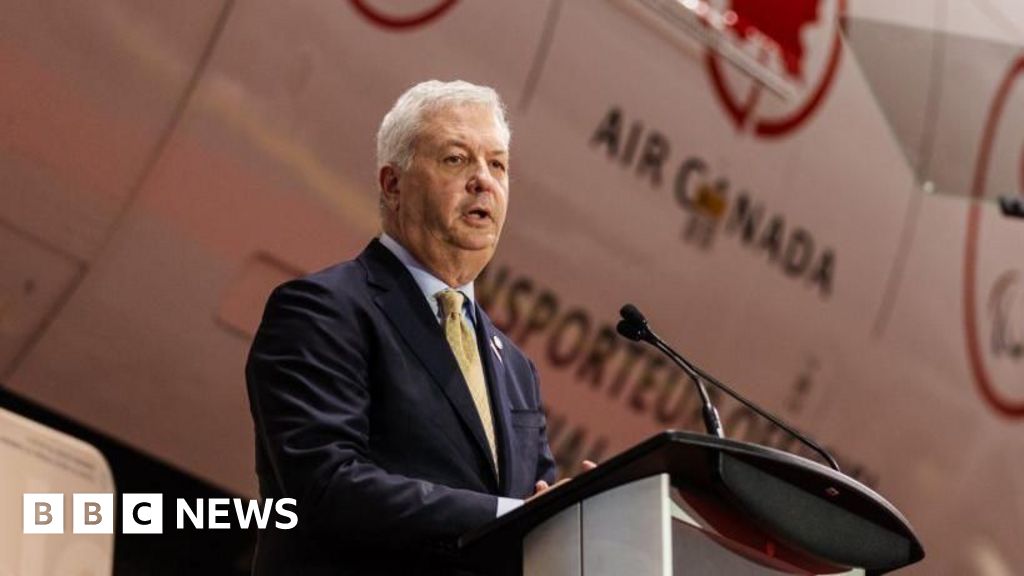
The recent controversy surrounding Michael Rousseau, the CEO of Air Canada, demonstrates how cultural and linguistic expectations can influence corporate governance and international relations. After a tragic crash at LaGuardia Airport that resulted in the loss of two pilots, Rousseau issued a message that, notably, did not include references to the French language—a decision that ignited widespread calls for his resignation. For many, especially within the context of Canada‘s dual linguistic identity, this omission has transcended corporate misstep to become a symbol of perceived neglect of national values and identity.
The incident underscores how linguistic and cultural norms are intertwined with the political fabric, especially in nations like Canada where bilingualism remains a core element of national policy. Critics argue that Rousseau’s oversight reflects a deeper disregard for the country’s foundational principle of *official multilingualism*, fueling debates about cultural integrity and national loyalty. Countries with similar dual-language identities, such as Belgium and Switzerland, have long navigated the delicate balance of linguistic respect in the face of political and economic pressures. International analysts warn that neglecting these cultural symbols can chip away at social cohesion, particularly during times of crisis or tragedy.
Furthermore, this incident exemplifies the *broader tensions between corporate accountability and national identity.* Unlike corporate disasters of the past, where technical failures or safety lapses dominated the headlines, this episode highlights how perceptions of cultural insensitivity can escalate public outrage. Experts from organizations like the International Civil Aviation Organization (ICAO) have emphasized that in a globalized world, multinational corporations operating within diverse nations must adhere to local cultural expectations to sustain legitimacy. The calls for Rousseau’s resignation are seen as a broader reflection of society’s demand for leaders who honor the societal fabric they serve, especially in the context of national tragedy.
The geopolitical impact of this controversy extends beyond mere public relations. As Canada navigates its place within the international community—and faces diplomatic scrutiny for safety standards and corporate governance—such incidents threaten to undermine its reputation. Historians suggest that how nations handle internal crises often signals their resilience and commitment to national values on the world stage. If the leadership of major corporations like Air Canada are perceived as disconnected or dismissive of cultural expectations, international partners and investors may question Canada’s adherence to its own principles.
In the shadow of this unresolved controversy, the weight of history remains unspoken yet immense. Leaders, institutions, and societies must grapple with the reality that recent events are not isolated but part of a broader narrative about identity, accountability, and the global standing of nations. As industry analysts warn of the potential repercussions—economic, diplomatic, and social—domestic debates escalate, echoing the same questions that history has left unanswered for generations: How do nations uphold their core values amidst the turbulence of international affairs? And in moments of crisis, will their leaders be judged not just by actions but by their fidelity to the very cultural fabric that defines them? The course of history continues to unfold, driven by these profound questions, with the stakes never higher.