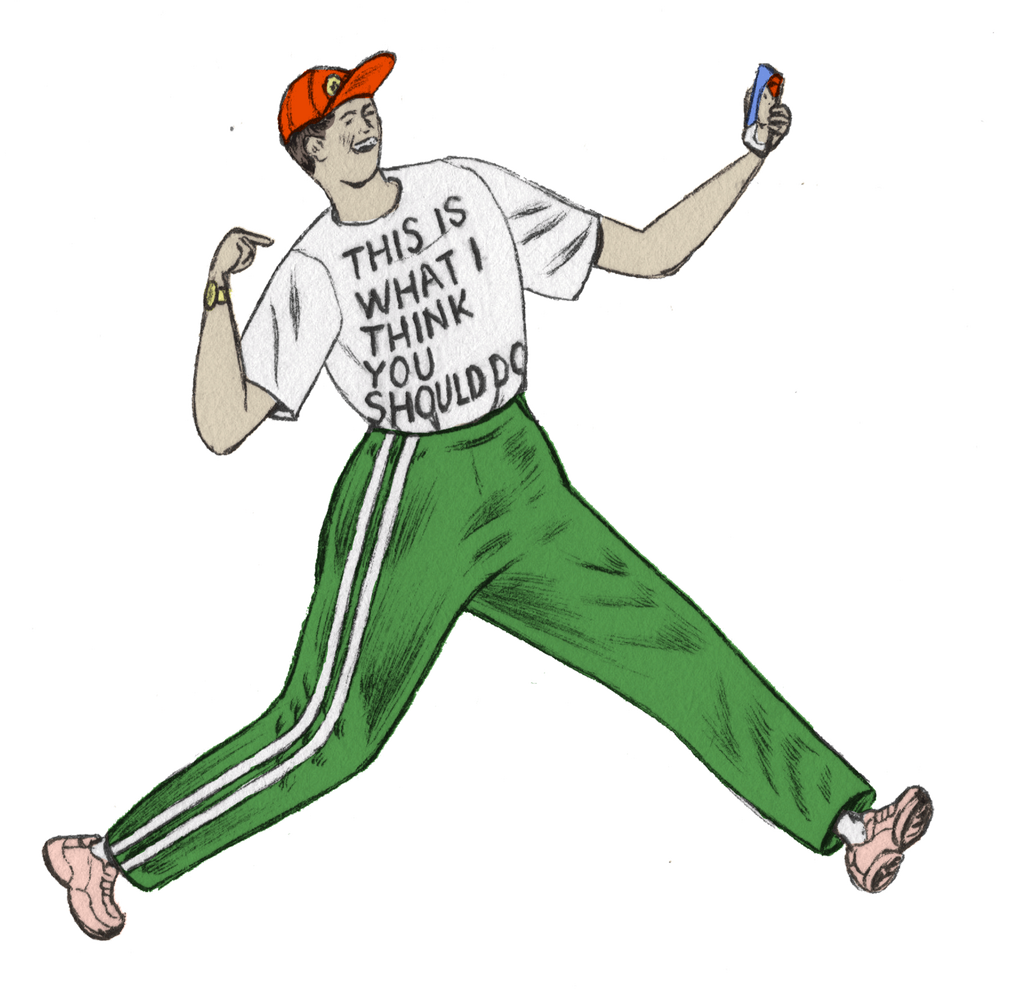

In an era where authenticity is often praised yet superficial confidence seems to reign supreme, the cultural landscape is seeing a transformation—a surge toward _toxic confidence_. Everywhere you look, from social media feeds to Hollywood, there’s a new breed of personality thriving on unshakable _brash self-assurance_. This shift isn’t just about arrogance; it’s a reflection of a society eager to shed its old veneer of modesty and embrace a more daring, unapologetic attitude. Influencers, entrepreneurs, and even politicians now swagger with a kind of bravado that challenges traditional notions of humility, revealing a collective craving for _personal impact and recognition_ in a noisy world.
The rise of _toxic confidence_ can be traced back to a cultural desire for _self-empowerment_ amidst widespread uncertainty. Authors like Dr. Brené Brown have long preached the power of vulnerability, but the current climate favors defiance and assertiveness. Public figures such as comedian Amelia Dimoldenberg, who charms A-listers on her YouTube series “Chicken Shop Date” by wielding flirtatious confidence, exemplify this trend. Culture’s fascination with inflated egos also echoes hip-hop’s diss culture and the theatricality of drag, where _staged bravado_ often masks deeper insecurities. Today, even the most unlikely individuals—be they aspiring entrepreneurs, reality TV stars, or social media personalities—are doubling down on their _swagger_ in the hope of standing out, inspired by icons like President Trump, whose penchant for superlatives has redefined political confidence.
But beneath this _overconfidence_ lies a complex psychological landscape. Psychotherapists such as Rachel Easterly highlight that **many of these bold claims are rooted in societal anxieties**—a defense mechanism against feelings of helplessness, nihilism, and societal collapse. The _embrace of bravado_ provides a fleeting sense of empowerment, a way to borrow ego strength from admired figures or cultural waves. Whether it’s a social media influencer boasting about “making millions” from manifestation courses or a young actor confidently dismissing traditional arts like opera and ballet, this _posturing_ signals a societal shift: a departure from the humility that once marked genuine achievement to a landscape where _self-assured performativity_ gains prominence. However, it’s crucial to recognize that such confidence often camouflages underlying vulnerability, a paradox that makes this cultural moment simultaneously _empowering and fragile_.
What does this mean for the individual’s _personal impact_? It’s simple: at its best, _toxic confidence_ fuels _ambition and action_. It pushes young people to step outside comfort zones—saying “yes” to opportunities they might otherwise ignore, pursuing their goals with unrelenting _assertiveness_. It encourages a kind of _fearless authenticity_ that can inspire others to shed self-doubt. Yet, the danger lies in the excess—when confidence morphs into arrogance or dismisses important values such as humility and empathy. Authors like Mark Manson remind us that _genuine confidence_ derives from a healthy sense of self-awareness, which balances boldness with humility. Navigating this delicate terrain requires embracing _wellness shifts_—not just in physical health but in mental resilience and self-reflection—so that confidence becomes an _empowering tool_ rather than a destructive mask.
As this cultural evolution continues, perhaps the most profound insight lies in understanding that _true confidence_ isn’t about outshining others but about *owning your story with honesty and conviction*. It’s about recognizing one’s worth without diminishing others, and carrying oneself with _authenticity._ For the generation coming into their own in this noisy, hyper-assertive world, a journey towards _self-awareness_—rather than superficial bravado—may be the greatest form of _lifestyle activism_. Embracing this balance isn’t just a personal act, but a societal one, shaping a future where confidence fuels growth, resilience, and genuine influence. In the end, life is a continual process of _embracing your true self_, and perhaps that’s the ultimate power in a world obsessed with _toxic confidence_.