Matox News

Truth Over Trends, always!

Cuba Faces Second Power Outage This Week Amid Challenges

Amid the ongoing tension between Cuba and the United States, a significant technical failure has once again underscored the fragile state of the Caribbean nation’s infrastructure. The recent collapse of Cuba’s power grid, a stark manifestation of the country’s prevailing hardships, draws extensive international scrutiny. Analysts argue that this failure is not merely a domestic issue but a symptom of the broader geopolitical struggle shaped by decades of U.S. economic sanctions and a sustained fuel blockade, which continues to strangle the nation’s development.

For over six decades, Cuba has endured an unrelenting economic embargo imposed by the U.S., which explicitly restricts the flow of essential goods, notably fuel and spare parts needed for infrastructure maintenance. Despite efforts by Havana to diversify energy sources and seek cooperation with regional allies, the blockade’s impact remains devastating. Historians such as Dr. Maria Lopez emphasize that this ongoing economic warfare has limited Cuba’s capacity for self-sufficiency, leaving vital sectors like power generation increasingly vulnerable to disruptions.

The recent failure exposes the deeper vulnerabilities of Cuba’s infrastructure, highlighting how international decisions directly influence social stability and national sovereignty. The U.S. administration claims that the sanctions are aimed at pressuring the communist regime, but critics worldwide point out the unintended consequences faced by ordinary Cubans, who are left to suffer frequent blackouts and reduced access to basic services. International organizations like Oxfam and the International Monetary Fund have voiced concern that such restrictions exacerbate poverty and hinder social progress, creating a humanitarian crisis that is felt most acutely by the youth and working classes.

From a broader geopolitical perspective, the grid failure signals a stark reminder of how American policies ripple through regions far beyond its borders. Countries in Latin America and beyond watch Cuba’s struggles as a warning of the long-term effects of economic isolation. Analysts suggest that these events may also catalyze shifts toward alternative alliances and energy strategies within the region, as nations seek to insulate themselves from external shocks. The failure is a turning point, illustrating that decisions made in Washington reverberate across the Caribbean, shaping societies and geopolitics alike.

As history continues to unfold on this small island’s battleground of superpower influence, the question remains—will Cuba’s persistent hardships prompt a reevaluation of U.S. policy, or will they deepen the divides that nations have wrestled with for generations? The next chapter hinges on international diplomacy, resilience, and whether the lessons of past struggles—marked by failed policies and unintended suffering—will ultimately forge a new path toward stability or collapse. The weight of history presses heavily on the shoulders of leaders and citizens alike as the world watches, knowing that the story of Cuba is but a microcosm of the larger contest shaping the future of global power.

Cuba Faces Power Cuts—Young Islanders Stand Firm Amid Hardship

Critical Power Outages and Rising Tensions in Cuba

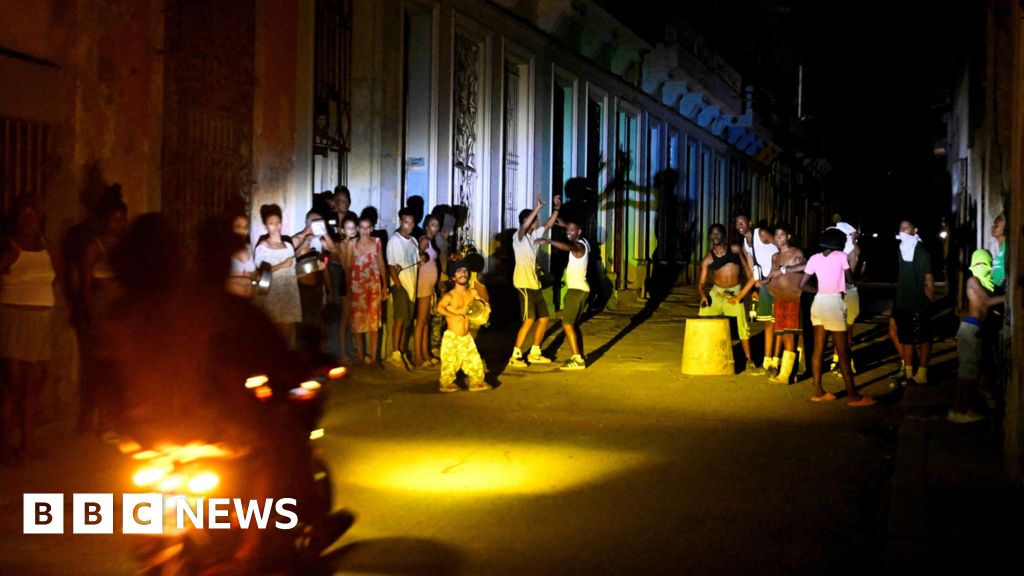
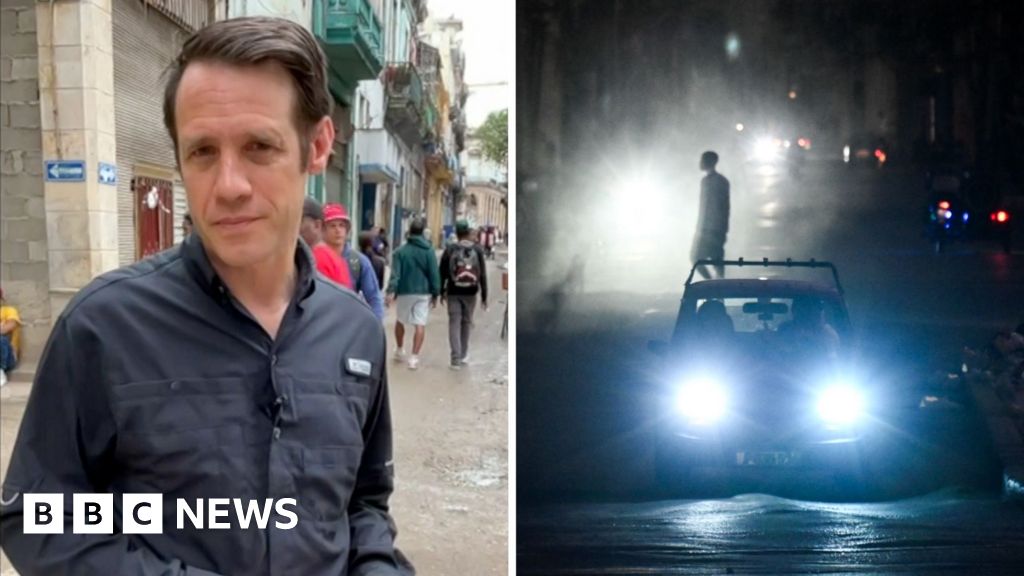
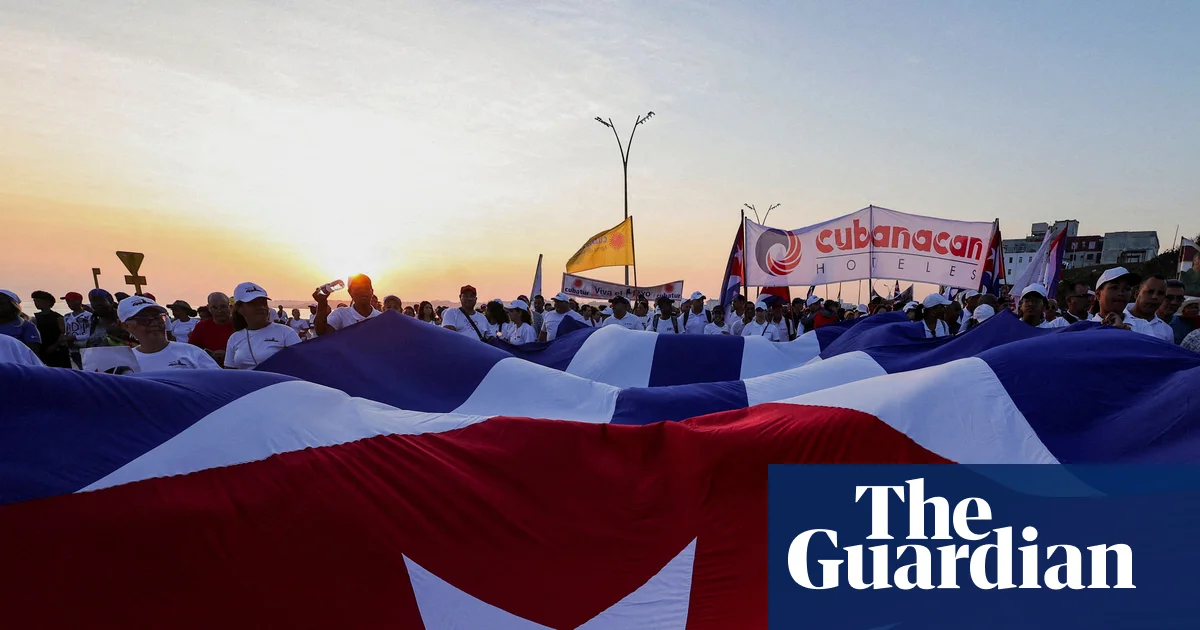
The recent collapse of Cuba’s national electric grid on 16 March has underscored the profound vulnerabilities facing the island nation amidst escalating US-imposed sanctions. After days of blackout chaos, the grid has finally been restored, yet the damage to the nation’s socio-economic fabric remains profound. The outage, which persisted for hours or even days in different regions of the island, has not only plunged homes into darkness but has also ignited widespread public unrest. Small groups of residents in Havana and other urban centers have taken to banging pots in protest, symbolizing growing dissatisfaction fueled by fuel shortages, food crises, and medicine scarcity. Such unrest culminated in a rare violent protest on 14 March, where demonstrators set a building ablaze in the northern part of the country—an unmistakable sign of the tension simmering beneath the surface.

Analysts and international commentators warn that these blackouts are but a symptom of a deeper, geopolitical crisis. Washington’s strategies of applying maximum economic pressure—primarily through the blockade—are isolating Cuba from vital supplies. The ongoing restrictions on oil imports have crippled the island’s energy infrastructure, exacerbating existing shortages and impoverishing society further. According to retrospective analysis from historians such as Herbert Matthews and oceanic-level think tanks, U.S. policy under successive administrations has long aimed to weaken Cuba’s socialist government, but the recent rhetoric indicates an ominous shift towards overt intervention. In early March, President Donald Trump hinted at a possible U.S. takeover, describing the island as “ready to fall.” Such provocative statements echo Cold War-era fears and threaten to escalate the already fragile dynamic between the two nations.

International observers and organizations, including the United Nations, have expressed concern over the stability of Cuba but remain wary of direct U.S. intervention. The U.S.-Cuba relationship has long been characterized by ideological confrontation, and recent developments seem to mark a significant escalation. The possibility of renewed aggression or even covert operations raises fears of a broader regional conflict. Experts caution that the decision by the U.S. to tighten sanctions and threaten intervention is not only a gamble with Cuba’s delicate social fabric but also a potential spark for instability that could ripple through Latin America and beyond. The situation remains a volatile chessboard, with each move calculated to assert dominance or sway political outcomes in favor of Washington’s interests.

As Cuba struggles to recover from its recent crisis, the geopolitical landscape continues to be shaped by these high-stakes decisions. The island’s plight exemplifies the profound impact of international policies on sovereign nations, especially those with shown resilience despite numerous adversities. The tense spectacle of blackouts, protests, and threatening rhetoric leaves the world pondering the thin line between diplomatic pressure and outright conflict. It is a stark reminder that history is still being written—each decision, each protest, and each act of defiance shaping the future of a nation caught at a crossroads. The weight of history lingers, and the question remains: how will this chapter unfold in the complex tapestry of global power struggles, where the echoes of past Cold War conflicts resonate with renewed urgency?

U.S. Citizen Among Victims in Cuba Boat Shooting, Officials Confirm

In a development that threatens to further destabilize the Caribbean region, Cuba has formally accused unidentified individuals onboard a vessel of initiating an infiltration with terrorist aims and firing first during a recent confrontation. The incident, which has quickly drawn international attention, underscores the fragile security landscape in the Gulf of Mexico and the Caribbean, where geopolitical tensions remain notably high.

While details remain contested and investigations are ongoing, the Cuban government’s statements point to a deliberate attempt to justify its response and to frame the event as a threat to national sovereignty. According to official sources, the involved vessel was suspected of engaging in illegal activities aimed at destabilizing the country. The claim that the ship “fired first” attempts to shift the narrative toward a defensive posture, but critics argue that the incident signals a broader pattern of covert meddling in the region by external actors seeking influence and disruption. Historian Dr. Maria Lopez, specializing in Latin American security issues, notes that such incidents often serve as flashpoints that escalate regional tensions and complicate diplomatic relations.

This confrontation arrives amid escalating concerns over the shift in regional influence spheres. The United States, which has historically maintained considerable military and diplomatic presence in the Caribbean, remains cautious about any signs of increased external interference, especially from rival powers like Russia and China. International organizations such as the United Nations have urged restraint, calling for transparent investigations and adherence to international law. Analysts warn that the incident, if unresolved, might trigger a dangerous cycle of escalation, potentially pushing the region closer to open conflict. The Strategic Studies Institute warns that uncontrolled confrontations in such geopolitically sensitive zones could threaten the stability of both regional and global security architectures.

Locally, the implications are profound; Cuba’s government asserts that such provocations could threaten its sovereignty and stability, while opponents accuse the regime of overreacting and using the incident to consolidate power domestically. As the international community watches closely, the unfolding events underscore the delicate balance of power in the Caribbean, an area marred by historical struggles, economic challenges, and Cold War legacies. Considered a pivotal point, many analysts view the incident as a potential catalyst—possibly turning the tide of regional alliances and intensifying existing rivalries. How the involved nations respond in the coming days may determine whether this incident remains an isolated flare or ignites a broader conflict that reshapes the geopolitical map.

As history continues to write itself, the weight of this moment is undeniable. In the shadow of modern Cold War animosities and regional struggles for influence, the Caribbean stands once again at a crossroads—where every decision may lead toward lasting peace or irreversible conflict. The pages of tomorrow’s history books are being written now, with the echoes of gunfire and diplomacy shaping the future of nations and peoples alike.

Cuba claims U.S. border guards fatally shoot four on speedboat—questionable actions escalate tensions

In an unsettling development along Cuba’s northern coast, a confrontation or incident resulted in the injury of six passengers, underpinning growing stability concerns in the region. The event, which unfolded near an island off Cuba’s coast, has triggered a wave of international interest and analysis, spotlighting the fragile geopolitical equilibrium that characterizes the Caribbean basin today. While details remain murky, the incident’s timing and location suggest broader currents of regional instability, with implications that ripple far beyond the immediate borders of Cuba.

Historically, Cuba has been a strategic geopolitical piece, nestled amidst the interests of major powers such as the United States and Russia, with recent attempts at normalization of relations and economic liberalization still under tension. Analysts from institutions such as Jane’s Intelligence Group and The Council on Foreign Relations emphasize that incidents like this often serve as flashpoints within larger narratives of regional influence. Speculation persists that this event may be linked to ongoing disputes over maritime sovereignty or the rising tensions wrought by increased foreign military presence in the Caribbean.

  • Security concerns escalate as maritime incidents become more frequent, challenging Cuba’s diplomatic stability.
  • International organizations, including the UN Maritime Agency, are closely monitoring the situation, acknowledging the potential for escalation into broader conflict.
  • Potential repercussions could entangle neighboring nations, heightening fears of a regional flashpoint amid rising U.S.-Venezuela tensions.

The geopolitical impact of this incident extends beyond immediate safety concerns. Regional powers are reevaluating security protocols, with some calling for increased patrols and intelligence sharing. The event also prompts reflection within how nations balance sovereignty, security, and cooperation. As Latin American governments grapple with these developments, the shadow of great power competition looms larger. How does this incident fit into the broader canvas of shifting alliances and strategic postures in the Western Hemisphere? These questions are now central to international diplomacy, with analysts warning that failure to address underlying tensions could lead nations down a darker, more unstable path.

Meanwhile, historians and geopolitical analysts warn that such localized incidents, if left unaddressed, risk falling into patterns of escalation rooted in unresolved territorial or resource disputes. The maritime area near Cuba has long been a corridor for both legal trade and clandestine activity, making it a hotspot for potential conflict. The world’s eyes remain fixed on this evolving story, as the weight of history presses down on current events, reminding us that in the complex game of geopolitics, today’s small incident could ignite tomorrow’s larger crisis. As nations converge on this critical juncture, the choices they make now will reverberate for generations to come, shaping the future in ways that are yet to be fully understood.

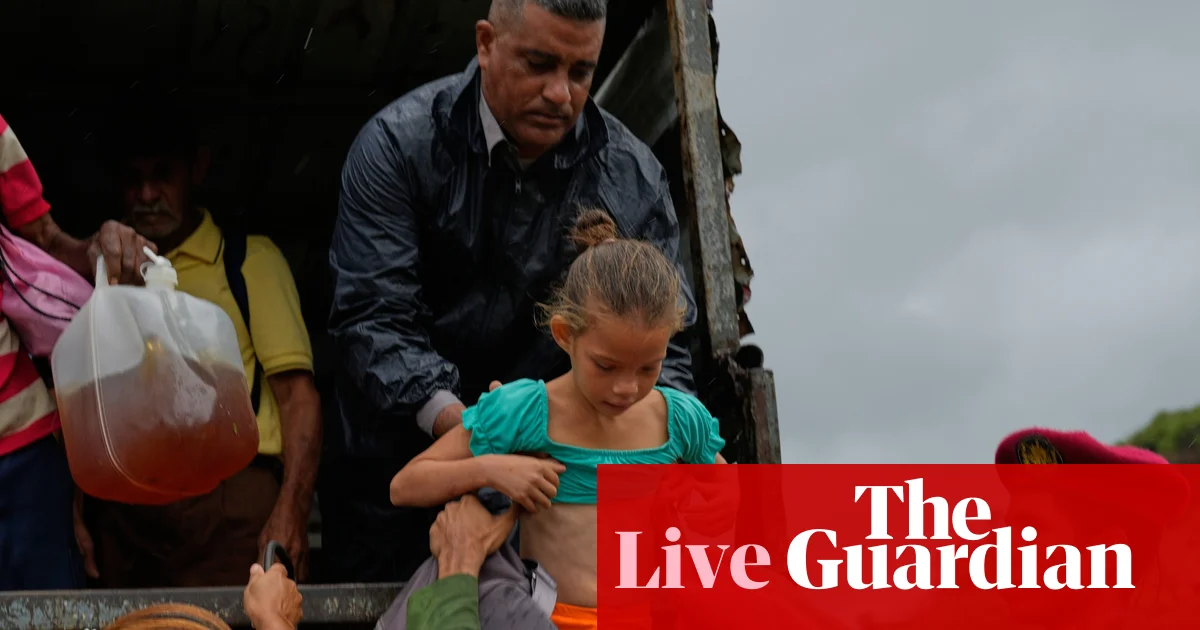
Hurricane Melissa intensifies to Category 4, warning Cuba; Jamaica faces severe damage

In an era marked by accelerating climate crises, the recent onslaught of Hurricane Melissa has laid bare the intertwined vulnerabilities of geopolitics and natural disasters. Striking the Caribbean with unprecedented strength, Melissa reached record wind speeds as a Category 5 hurricane, the fiercest to make landfall in Jamaica since record-keeping began in 1851. This natural tragedy has triggered a confluence of international aid, local resilience, and geopolitical chess—a stark reminder that when nature unleashes its fury, nations are tested on their capacity to respond and adapt.

At the heart of this catastrophe lies a clear convergence of human-driven climate change and geopolitical response. As the National Hurricane Center reported Melissa’s rapid intensification—upgrading from a Category 3 to a Category 4 storm—climate analysts have pointed to the human cause behind this escalation: the rapidly warming of oceans due to greenhouse gas emissions. This pattern, documented by numerous climate scientists, indicates that the increasing frequency and ferocity of such storms are not merely natural variations but symptoms of a broader planetary crisis. It is *emphatically* evident that the world’s power structures, especially major industrial states, bear responsibility for curbing emissions or facing an existential threat of escalating natural disasters.

Geopolitical dynamics come sharply into focus as the United States, Cuba, Jamaica, and regional allies mobilize resources to cope with Melissa’s destruction. On Air Force One, President Joe Biden declared the U.S. “prepared to aid Jamaica and other affected nations,” signaling a readiness that, while vital, also exemplifies how climate-induced disasters are reshaping alliances and emphasizing the West’s influence over the Caribbean. Meanwhile, Cuba’s President Miguel Díaz-Canel Bermúdez warned of a “very difficult night,” urging citizens to stay in shelters as Hurricane Melissa threatened to deliver an “extremely dangerous” landfall. The 735,000 Jamaicans evacuated their homes, and aid organizations like the Red Cross prepare to deploy, forecasting an impact potentially surpassing previous natural calamities. These responses underscore a geopolitical landscape where climate disasters are no longer isolated incidents but pivotal factors in regional stability and security—how nations react now will define their geopolitical influence and societal resilience for decades.

International organizations and regional governments confront the brutal truth: their capacity to respond is directly linked to geopolitical stability. Experts warn that the hurricane’s rapid intensification is a *turning point*—a reflection of the climate crisis that demands urgent, coordinated global action. The Caribbean’s vulnerability exposes broader geopolitical vulnerabilities—small nations with limited resources face existential threats, while larger powers are tasked with balancing aid, strategic interests, and climate commitments. As some analysts suggest, *the storm’s wrath could serve as a catalyst*, forcing the international community to reckon more seriously with the human costs of climate neglect. In such moments, history is witnessing the emergence of a new geopolitical calculus—climate resilience and multilateral cooperation—at the forefront of global strategy.

Looking ahead, the relentless march of Hurricane Melissa remains a grim harbinger of what’s to come if decisive action is not taken. As the storm prepares for potential landfalls in Cuba and the Bahamas, with winds reaching up to 145 mph, the world must recognize that these natural events are an *urgent call*—to reimagine environmental policies, to fortify resilience, and to confront the geopolitical shifts that such crises accelerate. This storm, destructive yet illuminating, leaves behind a tumultuous legacy—a reminder that, in the grand theatre of history, nature’s fury is a force no nation can afford to ignore. The unfolding chapter of Melissa’s destruction now writes itself into the annals of history, a stark testament to our epoch’s challenges, and a warning that the weight of the future hangs delicately still in the balance.

Social Media Auto Publish Powered By : XYZScripts.com