Matox News

Truth Over Trends, always!

Stephen Colbert on Trump’s Vatican clash: “Wow, the pope just called you out in style” | Nightly Culture Wrap

In an era increasingly dominated by media spectacle and political theater, the fundamental role of culture as the bedrock of identity and tradition remains a truth too often obscured. When figures like Donald Trump and the Pope Leo XIV become embroiled in public feuds, it signals more than mere personality conflicts; it highlights the ongoing battle over the soul of a society. As Ortega y Gasset once observed, “Culture is the human fabric that holds us together, distilling collective memory while steering us toward future horizons.” In times of geopolitical and moral turbulence, the cultural narratives we uphold—be they religious, historical, or philosophical—are essential to defining who we are and where we are headed.

The clash between Trump and the Vatican over issues like the just war doctrine exemplifies this tension. On the one hand, Catholic tradition emphasizes truth in defense—a principle rooted in centuries of theological reflection. Yet, as Colbert humorously pointed out, attempting to correct the Pope on such matters is akin to “going into the woods and telling a bear where to poop,” revealing the absurdity of dismissing the moral authority of tradition. Historically, the idea of a just war has been a cornerstone of societal self-identity—an anchor in the face of chaos. Chesterton famously argued that true culture is not just a reflection of current power, but a moral compass guiding the community’s conscience. Today, the cultural clashes over religion and morality are more than ideological—they are battles over the shared symbols that hold us together in uncertain times.

Meanwhile, the spectacle of political figures commissioning grand monuments, like the proposed Trump triumphal arch inspired by Paris’s Arc de Triomphe, underscores a visceral desire to embed history and heroism into national memory. Kimmel’s humorous critique that this new monument might memorialize the “draft dodger” rather than the fallen echoes a deeper question: what stories do societies tell about themselves? As T.S. Eliot lamented, “The past is preserved in our culture, not as mere nostalgia but as a repository of legacy—a prophecy of who we might become.” The cultural fabric, therefore, is woven from both collective memory and aspirational myth. It is both a mirror of our roots and a prophecy of our future, heavily weighted by the values we choose to nourish or neglect.

Ultimately, the terrain of politics may shift and the personalities may rise and fall, but it is culture—imbued with meaning, faith, and tradition—that sustains our civilization’s continuity. Culture is not an indulgence for the elite but a public repository of identity and a moral foundation. As history’s great thinkers have understood, to neglect our cultural memory is to risk losing our way. The collective memory of our ancestors and the prophetic visions they passed down serve as both a shelter from chaos and a lantern guiding us toward a more coherent future. In the end, culture remains both the echo of the past and the whisper of what is to come, whispering a timeless truth: humanity’s most profound inheritance is not merely what we have built, but what we carry within us—our identity in motion, our prophecy in suffering, and our hope in renewal.

Why Pointelle is the Ultimate Stylish Reset—The Trend Blowing Up Against ‘Brat’ Culture

From Underwear to Mainstage: The Cultural Comeback of Pointelle

Once a humble textile associated with girls’ vests, thermal wear, and delicate underwear, pointelle is making a surprising return to the spotlight—this time commanding the fashion runways and social media feeds of the youth. Defined by Merriam-Webster as “an openwork design, typically in the shape of chevrons,” pointelle has historically been seen as a domestic, even girlish fabric. But recent trends suggest it has taken on a social and cultural significance far beyond its origins. With brands like Cou Cou Intimates, Leset, and luxury designers such as Loewe showcasing vibrant, provocative pieces, this fabric is now at the forefront of a broader cultural shift—one marked by nostalgia, innocence, and subtle defiance.

Fashion Icons and Runway Revelations Spark the Trend

The resurgence kicked off when renowned designer JW Anderson debuted pointelle looks in his 2024 collection, featuring a striking Pepto-Bismol pink co-ord. This playful yet confident palette shattered traditional notions of fabric and color, signaling that pointelle is no longer confined to childhood or undergarments. Days later, the Loewe runway revealed a series of vividly colored V-neck dresses that demonstrated the fabric’s versatility and cultural resonance. Influencers and fashion insiders, like style icon Hailey Bieber, have embraced the trend, turning it into a staple of everyday chic. Their popularity amplifies its social relevance, transforming pointelle from modest to provocative, especially when worn by grown women—who use it as a tool of subtle rebellion.

Looking Backward to Leap Forward: The Power of Nostalgia

The appeal of pointelle lies in its nostalgic charm. As one of the brand founders, Rose Colcord of Cou Cou Intimates, explains, “People are craving familiarity, especially with how fast the world is changing.” This fabric evokes childhood innocence, free from societal judgments about appearance or style—an escape that resonates deeply with a culture increasingly obsessed with authenticity and self-expression. The pattern’s delicate holes and soft texture evoke images of crayons, candy floss, and carefree days, giving consumers a nostalgic boost in turbulent times. This cultural shift toward embracing ‘the simple life’ underscores a larger societal longing for comfort amidst chaos.

Subversion, Sexuality, and the Next Big Question

However, the story of pointelle doesn’t stop at nostalgia. When worn by adults, especially as underwear or form-fitting tops, it serves as a cultural signal of defiance. As Dalton, a fashion analyst, notes, “There’s something provocative about basic underwear on adult bodies.” Kristin Stewart’s recent public appearance in Y-fronts, for example, exemplifies this paradox—an ordinary garment, yet charged with gender and societal commentary. At moments of social tension—like high-profile red carpet events or post-breakup revenge outfits—pointelle features as a symbol of resilience and provocation. The question now is: will this trend redefine notions of femininity, modesty, and rebellion in the digital age? As viewers, influencers, and sociologists grapple with its social meanings, future challenges will determine whether pointelle remains a fleeting trend or evolves into a lasting cultural phenomenon.

Ultimately, what’s most fascinating is that a fabric once dismissed as merely “girlish” now stands at the intersection of nostalgia, sexual agency, and social critique. As the next chapter unfolds, the pressing question is whether society will embrace this delicate fabric as a symbol of youthful innocence or a tool of subversion—and what this says about our collective cultural trajectory.

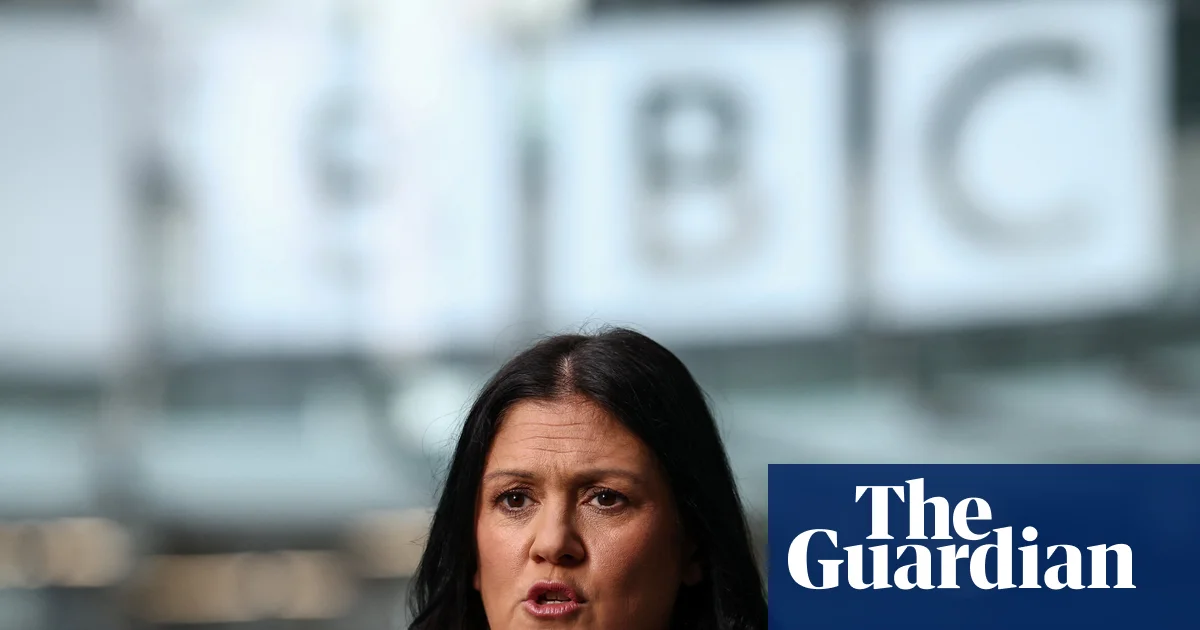
UK Culture Secretary Warns BBC Job Cuts Are a Serious Concern for the Future

The British Broadcasting Corporation (“BBC”), long heralded as a bastion of British influence and a symbol of the nation’s soft power, has announced a wave of significant internal restructuring—cutting as many as 2,000 jobs over the next three years. This decision, revealed amid mounting financial pressures, sparks a broader debate over the disconnect between the priorities of senior management and the morale of the workforce. Critics argue that these cuts—though designed to tighten budgets—may inadvertently weaken Britain’s influence on the global stage, especially given how public broadcasting has historically served as a conduit for soft diplomacy, cultural exports, and ideological influence across continents.

Analysts suggest that the timing of these cuts cannot be dismissed as purely domestic concern. As international institutions and foreign governments watch, Britain’s strategic soft power assets are being reshaped—potentially at a cost. Many younger employees and those at the early stages of their careers have expressed frustration, warning that the perception of prioritization toward highly paid senior figures and external hires—such as incoming Director-General Matt Brittin, a former Google executive—risks diluting the broadcaster’s connection with its core audience and undermining its role as a reliable voice in a rapidly changing global information landscape. The sentiment is echoing among those who believe that
tough luck” policies threaten to erode a foundation that for decades has served as an extension of Britain’s national identity. Such internal turmoil, compounded by the lack of transparency and perceived favoritism, could have unforeseen consequences on Britain’s reputation abroad.

This internal upheaval not only reveals domestic instability but also underscores how decisions on national cultural institutions can ripple through the broader geopolitical fabric. As British political leaders toe the line between fiscal responsibility and cultural stewardship, international observers—particularly in the Commonwealth and allied nations—are watching keenly. The BBC’s struggles mirror global shifts where traditionally strong state-funded or publicly trusted media outlets face existential threats from rising misinformation, commercial competition, and political interference. For example, some international analysts warn that weakening Britain’s diplomatic cultural efforts could enlarge Russia’s and China’s influence in regions where they aim to fill the informational void left by Western institutions’ decline. The international community is increasingly aware that the health of a nation’s soft power—its ability to shape narratives without overt military or economic coercion—translates into long-term strategic advantage.

Esteemed historians and global think tanks have documented that media institutions like the BBC serve as a vital component of a nation’s global posture. As the United States contends with its own crises of trust in public broadcasting, and European nations grapple with similar austerity measures, Britain’s choices are seen as a potential bellwether. The decision to cut jobs at the broadcaster during a period of international upheaval—marked by geopolitical conflicts and shifting alliances—raises questions: How will the marginalization of a once-global media giant impact Britain’s influence and societal cohesion? Will it undermine a generation’s understanding of their cultural heritage and international role?

As history continues to unfold, the narrative remains dangerously open-ended. The actions taken now could either fortify Britain’s strategic resilience or diminish its standing on the global stage, echoing across continents and decades. The weight of this transformation underscores that, in the theatre of international politics, even a single broadcast corporation’s fate can ripple into the fabric of geopolitical stability, societal identity, and the very war of narratives that defines our times. The world watches, waiting for the next chapter to be written—and how history will measure this moment remains uncertain.

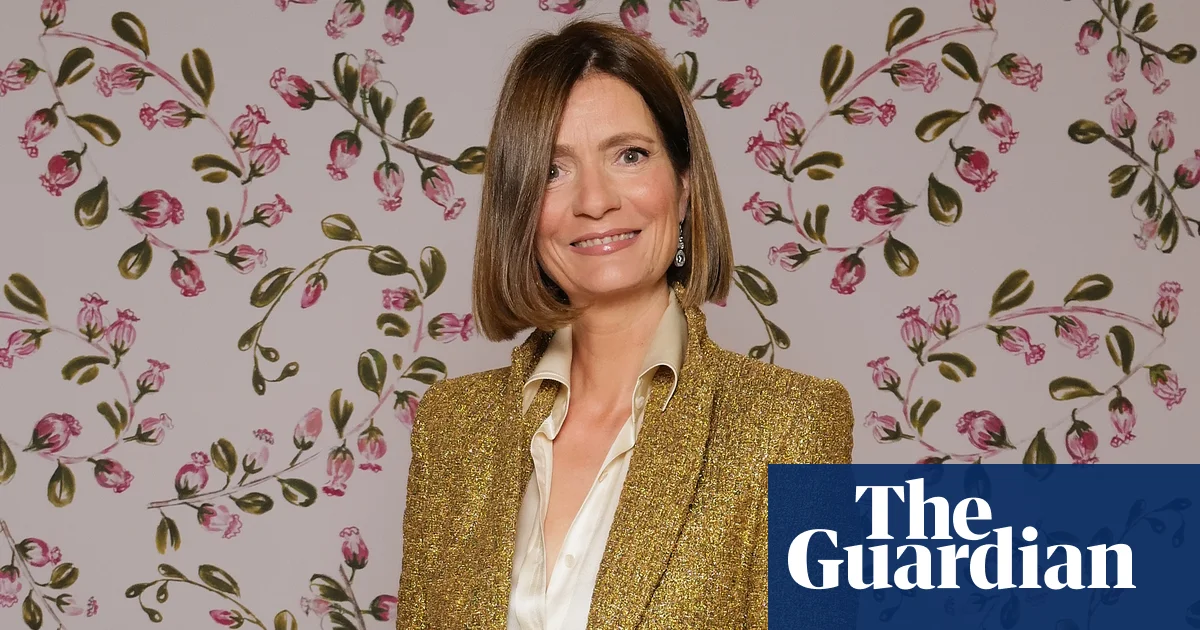
Lifestyle Blogger Behind ‘Devil Wears Prada’ Muse Faces Criticism for Using Unpaid Student Interns | Youth Culture & Trends

The Hidden Cost of Glamour: Unpaid Internships in the Fashion World

In recent years, a noticeable shift has emerged within the elite culture of fashion and media, highlighting a disturbing trend where the pursuit of opportunity often comes at a significant social and economic expense for young talent. Case in point is Plum Sykes, a seasoned Vogue editor and fashion industry insider, whose latest venture—launching her own Substack—has ignited a debate about the exploitation of young professionals. Despite her high-profile background, Sykes has faced sharp criticism for employing students in her online enterprise without offering them any form of compensation. This phenomenon is not isolated; it reflects a broader societal pattern where those in power leverage unpaid labor under the guise of mentorship and experience, often sidelining the fundamental principles of fair employment.

The Cultural Impact and Social Relevance of the Interning Culture

  • Many young people view unpaid internships as a **rite of passage** into the coveted corridors of fashion and media.
  • Influencers and sociologists like Pandora Sykes underline that **lawmakers have explicitly condemned unpaid work** unless it strictly adheres to educational shadowing or charity work. Yet, the practice persists, largely because of the *perceived gateway* it provides into top-tier careers.
  • Social mobility becomes a tangled matter here: while some lucrative internship programs can open doors, many young aspirants—especially from working-class backgrounds—are often *kept out* because they can’t afford the unpaid labor costs.

Prominent voices like sociologist Carl Cullinane warn that “internships are an *increasingly critical route* into the best jobs,” and the ongoing normalization of unpaid internships underscores a stark inequality. Meanwhile, Paul Nowak of the Trade Union Congress warns that if these practices persist, legislative chaos may be inevitable, emphasizing that *young people should not be held captive* by a system that values unpaid labor over talent and merit. This raises the key question: are we really nurturing the next generation of leaders, or merely perpetuating an entrenched cycle of economic disparity?

The Culture of Power and the Future of Fair Work

Within this landscape, influencers and industry insiders like Plum Sykes claim her unpaid intern work is mere “work experience”—a phrase that continues to be weaponized to justify exploitation. She states that her interns assist with “shadowing” tasks, which are *not legally defined as productive work*. However, critics argue that such distinctions are increasingly blurred, especially when interns contribute to the core operations of a high-profile brand or media figure, often doing tasks that have tangible value. This ambiguity fuels a *culture of casual unpaid work*, which some analysts argue ushers in a new era of *covert exploitation* masked as opportunity.

As the debate intensifies, the question morphs from legalities into moral imperatives: should the future of work be built on unpaid drones serving the whims of the powerful, or on a **new standard of fair compensation**? This conversation is vital because it signals whether society is ready to confront the deep inequalities ingrained within its aspirational class. As Lawrence Lessig once observed, “The internet can democratize opportunity, but only if we lay down fair rules for participation.” The same holds true for employment practices in high culture—are we willing to reform a system that channels youth into dead-end unpaid roles?

The Next Big Question

Ultimately, the next question we should be asking is: how long can this cycle of unpaid internships persist before it erodes the very fabric of fairness in opportunity? As societal awareness grows, and as legally-enforced labor protections become harder to ignore, the coming years may see a decisive shift toward paid opportunities rather than “experience.” Will the fashion industry, with its history of glamour and exclusivity, adapt to this moral tide, or will it continue to champion a culture of unpaid labor as the price of entry? And more broadly, does this evolving landscape challenge us to redefine success—not just for brands and influencers, but for the **culture** itself and the **values** it promotes for the youth of tomorrow?

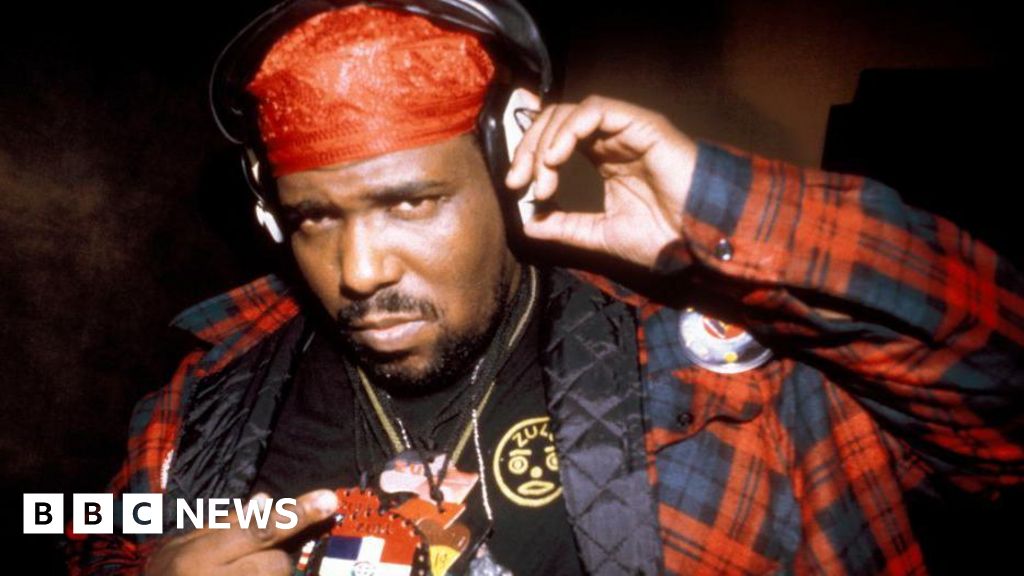
Hip-Hop Legend Afrika Bambaataa Passes Away at 67: A Youth Culture Icon Remembered

The emergence of hip-hop as a cultural and musical movement in the 1980s was indelibly shaped by the Bronx-born rapper whose seminal track, Planet Rock, revolutionized the genre. This innovation not only redefined urban music but also established a new form of expression that resonated worldwide, signaling a shift in youthful culture and societal dynamics. The impact of this breakthrough extends beyond entertainment, touching on the geopolitical landscape and international cultural exchanges, as nations began to embrace this form of art as a voice of resistance and identity.

As historians and music analysts underscore, Planet Rock was more than just a hit; it became a blueprint for a global movement that transcended borders. Its innovative use of electronic sounds and drum machines marked a turning point, inspiring a generation of artists across continents. Countries in Europe, Africa, and Asia soon adopted hip-hop not only as a musical style but as a platform for socio-political commentary. Organizations like UNESCO recognized its potential to foster intercultural dialogue while raising awareness of underrepresented narratives, illustrating how art can serve as leverage in the shifting geopolitics of the late 20th century.

International leaders and policymakers have observed that the rise of hip-hop, energized by figures such as the artist behind Planet Rock, contributed to an evolving cultural diplomacy. As global institutions faced challenges from ideological conflicts and economic uncertainty, youth movements rooted in urban cultural expressions became informal channels of influence. The genre’s capacity to articulate grievances related to poverty, inequality, and social justice alarmed many governments, prompting debates about repression versus freedom of expression — a debate seen anew in today’s digital and social media landscapes.

In the broader geopolitical context, the ripple effects of this cultural revolution continue to unfold. The legacy of that Bronx-born pioneer underscores how decisions made at the community level can cascade into international currents, shaping world history in unpredictable ways. What began in inner-city New York has grown into a global phenomenon, a testament to the power of youthful voices to challenge authority and redefine nationhood. As modern analysts warn of emerging conflicts and cultural clashes, the story of how a single track contributed to a worldwide shift reminds us that history is still being written, song by song, beat by beat — with the future yet to be determined.

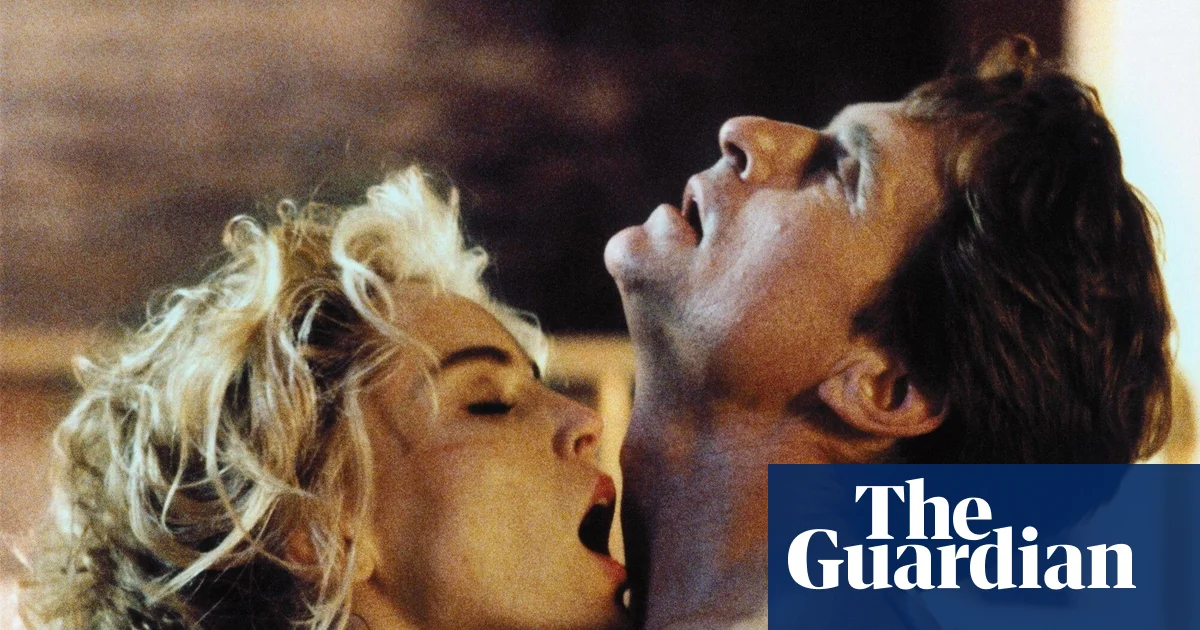
Joe Eszterhas Reflects on Reckless Past and the Unconventional Paths to Creative Revival — A Bold Take on Woke Culture and the Future of Basic Instinct

In an era where Hollywood often leans toward uniformity and sanitization, the figure of Joe Eszterhas emerges as a testament to the enduring resilience of authentic storytelling—a reminder that culture is neither mere entertainment nor superficial spectacle but a vital reflection of identity, tradition, and societal values. Eszterhas’s journey from a restless immigrant boy in war-ravaged Hungary to the legendary screenwriter of blockbuster classics reveals that culture forms the core of a society’s collective memory. It embodies both the remembrance of battles fought and a prophecy of what humanity aspires to, even amid chaos and moral ambiguity.

His work, such as Flashdance, Jagged Edge, and Basic Instinct, exemplifies this fierce, unfiltered spirit. They are not just cinematic indulgences but cultural milestones that challenge the sanitized narratives often preferred by modern Hollywood. In the words of Ortega y Gasset, the true definition of culture is “the horizon of human consciousness”; Eszterhas’s stories push that horizon outward, confronting uncomfortable truths and provoking debate. Today’s culture war, with its political overtones and ideological battles, risks reducing art to propaganda. Yet, when we look at Eszterhas’s philosophy, we recognize a fundamental lesson: culture thrives on controversy, conflict, and the courage to confront. His desire to reboot Basic Instinct as “anti-woke” underscores the persistent hunger for authentic, unvarnished narratives that dare to offend—reminding us that true engagement comes from disagreement, from *living* differences rather than suppressing them.

The cultural landscape of the past echoes in our present; as Tocqueville observed, democracy’s vitality depends on a populace that can debate freely, unafraid of offending or being offended. Eszterhas’s perspective—his willingness to court controversy—embodies this democratic ideal. His own life, filled with struggles against addiction and exile, exemplifies the truth that culture is a crucible where personal memory becomes societal prophecy. His immigrant experience from war-torn Hungary, his reporting on historical tragedies, and his later Hollywood battles are threads tightly woven into the fabric of American cultural identity. As Chesterton might argue, the culture is a kind of living tradition—an ongoing conversation through time that refuses stagnation and seeks renewal in every generation’s voice.

In the end, the story of Eszterhas reminds us that culture is both a mirror and a map—a record of past wishes, fears, and conflicts, and a prophecy guiding us toward what we might become. It echoes the timeless assertion that humanity is not just the sum of its moments but a continuous creation—an infinite scroll of memory and hope. As T.S. Eliot eloquently observed, “We shall not cease from exploration, and the end of all our exploring will be to arrive where we started and know the place for the first time.” In this cycle of remembrance and prophecy, culture remains the heartbeat of a civilization, a testament to our enduring human craving for meaning amid chaos, and a beacon urging us toward the future we have yet to conceive.

Toxic Confidence: The Trend That’s Crossing the Line in Today’s Youth Culture

In an era where authenticity is often praised yet superficial confidence seems to reign supreme, the cultural landscape is seeing a transformation—a surge toward _toxic confidence_. Everywhere you look, from social media feeds to Hollywood, there’s a new breed of personality thriving on unshakable _brash self-assurance_. This shift isn’t just about arrogance; it’s a reflection of a society eager to shed its old veneer of modesty and embrace a more daring, unapologetic attitude. Influencers, entrepreneurs, and even politicians now swagger with a kind of bravado that challenges traditional notions of humility, revealing a collective craving for _personal impact and recognition_ in a noisy world.

The rise of _toxic confidence_ can be traced back to a cultural desire for _self-empowerment_ amidst widespread uncertainty. Authors like Dr. Brené Brown have long preached the power of vulnerability, but the current climate favors defiance and assertiveness. Public figures such as comedian Amelia Dimoldenberg, who charms A-listers on her YouTube series “Chicken Shop Date” by wielding flirtatious confidence, exemplify this trend. Culture’s fascination with inflated egos also echoes hip-hop’s diss culture and the theatricality of drag, where _staged bravado_ often masks deeper insecurities. Today, even the most unlikely individuals—be they aspiring entrepreneurs, reality TV stars, or social media personalities—are doubling down on their _swagger_ in the hope of standing out, inspired by icons like President Trump, whose penchant for superlatives has redefined political confidence.

But beneath this _overconfidence_ lies a complex psychological landscape. Psychotherapists such as Rachel Easterly highlight that **many of these bold claims are rooted in societal anxieties**—a defense mechanism against feelings of helplessness, nihilism, and societal collapse. The _embrace of bravado_ provides a fleeting sense of empowerment, a way to borrow ego strength from admired figures or cultural waves. Whether it’s a social media influencer boasting about “making millions” from manifestation courses or a young actor confidently dismissing traditional arts like opera and ballet, this _posturing_ signals a societal shift: a departure from the humility that once marked genuine achievement to a landscape where _self-assured performativity_ gains prominence. However, it’s crucial to recognize that such confidence often camouflages underlying vulnerability, a paradox that makes this cultural moment simultaneously _empowering and fragile_.

What does this mean for the individual’s _personal impact_? It’s simple: at its best, _toxic confidence_ fuels _ambition and action_. It pushes young people to step outside comfort zones—saying “yes” to opportunities they might otherwise ignore, pursuing their goals with unrelenting _assertiveness_. It encourages a kind of _fearless authenticity_ that can inspire others to shed self-doubt. Yet, the danger lies in the excess—when confidence morphs into arrogance or dismisses important values such as humility and empathy. Authors like Mark Manson remind us that _genuine confidence_ derives from a healthy sense of self-awareness, which balances boldness with humility. Navigating this delicate terrain requires embracing _wellness shifts_—not just in physical health but in mental resilience and self-reflection—so that confidence becomes an _empowering tool_ rather than a destructive mask.

As this cultural evolution continues, perhaps the most profound insight lies in understanding that _true confidence_ isn’t about outshining others but about *owning your story with honesty and conviction*. It’s about recognizing one’s worth without diminishing others, and carrying oneself with _authenticity._ For the generation coming into their own in this noisy, hyper-assertive world, a journey towards _self-awareness_—rather than superficial bravado—may be the greatest form of _lifestyle activism_. Embracing this balance isn’t just a personal act, but a societal one, shaping a future where confidence fuels growth, resilience, and genuine influence. In the end, life is a continual process of _embracing your true self_, and perhaps that’s the ultimate power in a world obsessed with _toxic confidence_.

Why Is Antigone Reshaping Youth Culture?

Why Are We Obsessed With Antigone? The Enduring Voice of Cultural Resilience

In an era marked by rapid societal shifts and an erosion of shared cultural narratives, the revival of Antigone on theatrical stages across New York City underscores a profound hunger for timeless themes rooted in justice, familial duty, and resistance against tyranny. This ancient Greek tragedy by Sophocles has transcended the confines of antiquity to become a living dialogue about the core values—beliefs that define civilization itself. As Ortega y Gasset once observed, the vitality of culture hinges on our ability to see ourselves anew in the reflection of the past, fostering a society that is both rooted and resilient.

At its heart, Antigone is a narrative about the individual’s moral autonomy standing in stark conflict with the state’s authority. This tension resonates today, especially as many young people grapple with questions of identity, sovereignty, and moral integrity amidst cultural upheaval. The play’s protagonist embodies a form of noble defiance—an assertion that certain truths transcend political power. In this light, the antigone-like figures in modern culture evoke an enduring archetype: a spirit unbowed in the face of an impersonal and often oppressive social order. Notably, T.S. Eliot emphasized that such enduring figures serve as the “memory of humanity,” embodying the perpetual struggle to uphold enduring values in a tumultuous world.

The timeless relevance of Antigone lies in its capacity to serve as a mirror for society’s ongoing debates about tradition, law, and moral authority. Philosophers like Chesterton and cultural critics remind us that culture is not merely entertainment but the sacred vessel of societal identity. Today’s adaptations—whether in classical productions or contemporary reinterpretations—highlight the importance of embracing our cultural heritage as a source of moral clarity. They scaffold a collective identity that is both a nod to the past and a prophecy of future resilience. As Tocqueville argued, democracy flourishes when the moral fabric of society is woven with threads of shared cultural and spiritual values, echoing the play’s call for conscience over tyranny.

  • Reinforcement of Cultural Identity: The plays inspire a recognition of shared values that bind communities together amid fragmentation.
  • Defense of Traditional Morals: As society navigates the complexities of modernity, the moral questions posed by Antigone preserve a dialogue about universal virtues.
  • Symbol of Resistance: Cultivating a cultural consciousness that defies totalitarian tendencies, emphasizing that sovereignty begins with moral conviction.

This resurgence of interest in Antigone reflects a broader cultural understanding: that preserving tradition is an act of resistance—a bulwark against the nihilism threatening to erode our roots. It isn’t merely about honoring the past but about forging a future where the human spirit, like Eliot’s notion of the “burnt-out case,” can be reignited through the enduring power of cultural memory. The plays and symbols of antiquity serve as sacred texts, prophecy intertwined with history, reminding us that to remember is to reclaim and to anticipate what must be preserved in the face of relentless change. As we stand amid cultural crossroads, the voice of Antigone urges us to remember that the foundation of society is built upon the unwavering bedrock of tradition, and that our collective destiny remains written in the stories we dare to tell and uphold.

In the end, culture is both memory and prophecy—an eternal echo of humanity’s noblest hopes and fears. Through the sacred dance of remembrance and anticipation, we forge in the depths of old stories the blueprint for what is yet to come, ensuring that the flame of civilization is never extinguished but carried forward by those bold enough to stand, like Antigone herself, in defiance and hope.

Why Rocking Traditional Style Is the Ultimate Bold Statement in Today’s Culture | Fashion

In a world increasingly shaped by fast-paced global trends and digital influences, a fascinating cultural revival is quietly underway across Africa and among diaspora communities. This movement centers around the re-emergence and celebration of traditional attire, which, despite facing some criticism and misunderstood perceptions, is gaining momentum as an expression of identity and social relevance. Recently, such discussions gained media attention after Ghanaian President John Dramani Mahama was seen donning the fugu, a vibrant patterned smock, during a state visit, sparking both mockery and a broader conversation on the significance of cultural clothing in modern society.

This incident led the Ghanaian government to declare every Wednesday as “Fugu Day”, turning what was initially light-hearted mockery into a national movement. This phenomenon reveals a deeper societal undercurrent — that *wearing traditional dress* is not just about fashion but about anchoring oneself in heritage, asserting cultural pride, and challenging the misconception that tradition equals primitiveness. From Nigeria, Sudan, Morocco, to Senegal, traditional garments like the galabeya, kaftan, and dashiki are transforming fashion norms by blurring the lines between heritage and contemporary style, especially among youth and influencers who are redefining what it means to be culturally authentic in today’s world.

Among younger generations, particularly those living in the diaspora, traditional dress is experiencing a **complex shift**. While some embrace their cultural garments openly, others see them as symbols of old-world association or even stereotypes, which has fueled a form of dress-code ambivalence. As sociologists note, there exists a social divide: older generations view traditional attire as an essential part of their identity, whereas *the younger diaspora* often perceives these garments as *out of place* or even a marker of alienation from Western norms. Yet, paradoxically, dynamic influencers and designers are turning this narrative on its head, promoting traditional clothing with contemporary cuts, sustainable fabrics, and bold prints, positioning it squarely as a *trend that’s both authentic and fashion-forward*.

Notable figures like Michael B. Jordan sporting dashikis on red carpets exemplify how traditional aesthetics can be seamlessly integrated into the Western fashion scene, challenging the long-held notions of what ‘acceptable’ dress entails. Meanwhile, *cultural commentators and fashion analysts* argue that the rise of traditional wear is a form of *cultural resistance*—a statement of independence against the dominance of synthetic, muted palettes that often dominate Western fashion. As these garments regain prominence, questions swirl around the **social relevance** of dress codes that once divorced cultural symbols from everyday life. Now, traditional attire is being *mainstreamed* into youth culture, social media campaigns, and even political statements, fueled by influencers, musicians, and creatives who advocate for *authenticity over assimilation*.

However, amidst this wave of cultural resurgence, the **next big question** looms: Will this embrace of traditional dress lead to a more profound societal shift toward *cultural pride and diversity*, or is it just another trend that will fade into the digital ether? Or perhaps, as some sociologists suggest, it is pointing to a future where *multiple identities are not mutually exclusive* but coexist as part of a broader, more inclusive cultural narrative. As we witness this lively dance between tradition and modernity, one thing remains clear — the future of fashion and identity lies in whether we choose to *celebrate our roots* or risk losing sight of what makes us distinctly cultural beings.

From affordable alternatives to literary shadows: the rising surge of doppelgangers shaping today’s culture | Books

In an era inundated with the noise of digital doubles and disconcerting parallels, the double has metamorphosed from a mere literary device into a profound symbol of our collective consciousness. As Ortega y Gasset once observed, civilization is built upon a fabric of tradition—a tapestry woven from shared memory and cultural identity. Today, this tapestry seems frayed, replaced by a fragmented series of facsimiles, echoes, and simulacra, yet it is precisely through these doubles that we confront the essence of who we are and who we might become. The burgeoning fascination with doppelgängers—from fashion runways to Hollywood, from books to the digital realm—mirrors a deeper societal yearning: the desire to reconcile our inner fears with external images that promise both familiarity and alienation.

Contemporary culture, saturated with images of clones and mirror images, reflects an underlying anxiety about authenticity and selfhood. The literary tradition, from Charlotte Brontë’s Bertha Mason to Nabokov’s Hermann in Despair, illustrates the double as a manifestation of repressed desires, guilt, or unacknowledged truths. Modern works—be it Isabel Waidner’s As If or Deborah Levy’s August Blue—embrace the uncanny, revealing that amidst our technological advancements, the internal struggle for self-understanding remains as primal as ever. Our fascination with flesh-and-bone copies—be they supermodels or Hollywood icons—serves as a cultural assertion: identity is more than appearance; it is a reflection of society’s values, fears, and fissures.

Furthermore, the trend extends beyond entertainment into the realm of political doubles. Parody, duplicity, and illusion have become tools for the powerful, who craft empty promises and brandish pretenses of authenticity as shields against accountability. The proliferation of digital facades—filters, curated profiles, and false identities—only accentuates our collective paranoia. As T.S. Eliot lamented, our modern world risks becoming a “hollow men,” where superficiality replaces substance, and doubles serve both as masks and mirrors. Yet, in this chaos, the double remains a potent critique—a symbol of societal dislocation, yet also a hope for deeper understanding rooted in tradition and shared memory. It reminds us that at the core of our identity lies a mysterious, often shadowy, echo of the past—a prophecy inscribed within our cultural DNA, whispering that, ultimately, to know oneself is to confront the mirror that is both haunting and illuminating.

Social Media Auto Publish Powered By : XYZScripts.com