Matox News

Truth Over Trends, always!

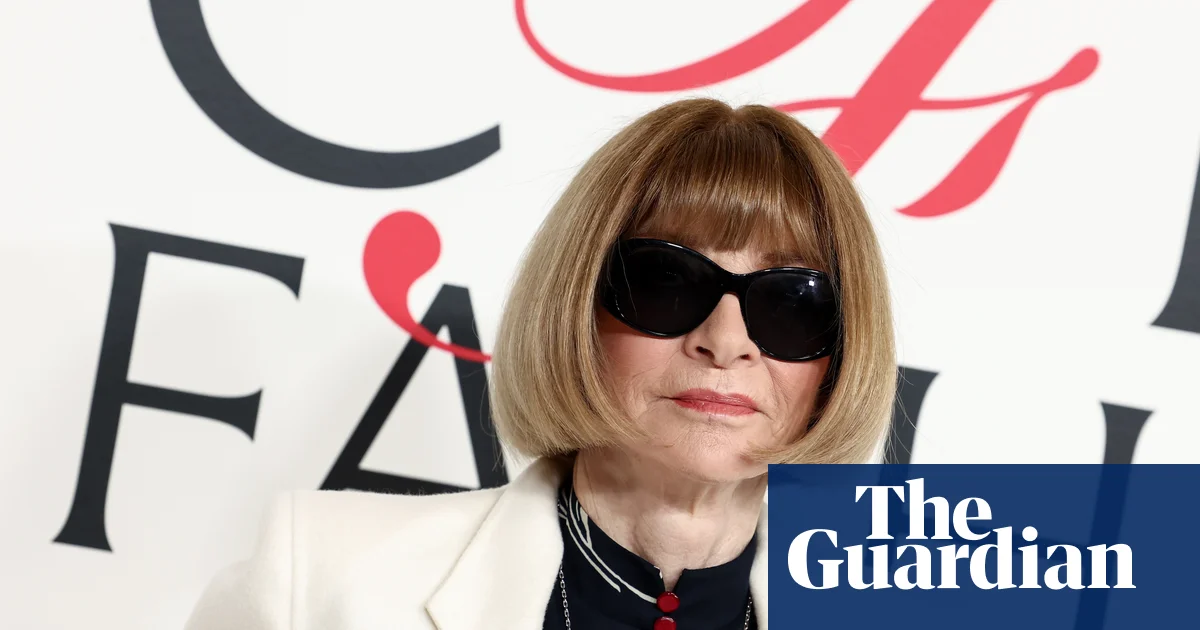
Anna Wintour’s Vogue Covers: A Bold Message at the Forefront of Fashion and Culture

As Anna Wintour prepares to step away from her nearly four-decade reign as the editor-in-chief of Vogue, the question on everyone’s lips is: what will the next chapter in high fashion’s cultural influence look like? During her tenure, Wintour redefined what a fashion magazine could be—shaking up industry standards, pushing social boundaries, and cementing Vogue’s place as a cultural icon. Her final December 2025 cover, featuring Timothée Chalamet photographed by Annie Leibovitz, symbolized her love for the avant-garde—yet, it also sparked controversy, highlighting an undercurrent of societal leverage that her departure could shift.

This cover, set against a cosmic backdrop provided by NASA, exemplifies Wintour’s penchant for making her magazine a platform for spectacle and conversation. Critics online dismissed it as “offensive” and questioned whether it represented anything more than art for art’s sake. However, industry insiders like Jeremy Leslie of magCulture argue that even the most perplexing covers serve a strategic purpose: keeping Vogue, and by extension fashion media, in the global consciousness. Her history of provocative choices—ranging from Madonna in 1989 to Beyoncé in 2018—underscores an enduring truth: fashion media acts as both mirror and molder of societal values, often pushing boundaries that society itself is hesitant to confront.

Wintour’s legacy is also marked by moments of controversy and cultural critique. Covers featuring figures like Beyoncé as the first Black photographer, as well as missteps like the 2008 Gisele Bündchen and LeBron James cover, reveal an industry still grappling with questions of representation and social responsibility. As Chloe Malle, now leading Vogue’s editorial content, prepares to reframe the magazine’s upcoming visual language, many wonder if her era will mirror Wintour’s knack for boldness or shift toward a more subdued, less provocative model. This transition isn’t just about style—it’s about social impact, and how fashion wields influence in shaping societal norms.

Meanwhile, Wintour’s recent focus on Vogue World, a series of fashion shows blending entertainment, philanthropy, and high style, signals another layer to her influence—one that moves beyond pages and into immersive cultural experiences. These events, held in iconic cities like Los Angeles and Milan, bring together stars like Kendall Jenner, Nicole Kidman, and others in a spectacle that marries fashion with societal outreach. As fashion’s landscape shifts to more experiential and socially conscious domains, the question remains: will future creative leaders harness this platform to redefine social relevance or will fashion become increasingly insular, serving just the wealthiest and most powerful?

As the evolution of Vogue’s influence unfolds, all eyes are on the next frontier. Will the digital age and social media democratization allow for more authentic representation and societal engagement from fashion’s power brokers? Or will the industry’s penchant for spectacle and controversy continue to serve as a distraction from deeper social issues? The next big question is: as traditional gatekeepers like Anna Wintour make way for a new era, what values will take center stage—artistry, activism, or pure spectacle—and how will they shape society’s expectations of culture in the decades to come?


Hi-Fi Vibes: How Sound System Culture is Dominating UK Art and Fashion — Peter Doig on the Beat

The Rising Cultural Power of Sound Systems in Art and Fashion

In recent years, high-end sound system culture has transcended its roots to become a defining element of contemporary art and fashion scenes. From Peter Doig’s innovative “House of Music” exhibition at the Serpentine Gallery to collaborations with iconic brands like Dior and Valentino, the integration of sophisticated audio technology is reshaping sensory experiences. Doig’s installation, which features vintage Western Electric and Bell Labs speakers alongside bespoke Klangfilm Euronor speakers acquired from Kraftwerk’s Florian Schneider, embodies this shift. His concern that visitors might question the purpose of music-enhanced art underscores a broader societal debate: is the fusion of auditory and visual culture merely a trend, or does it signal a profound cultural transformation?

This trend is aligned with a wider movement where the gallery space is no longer purely visual but becoming a listening environment. Across the UK, museums and galleries like Liverpool’s Walker Gallery and platforms such as V&A East are hosting sessions that emphasize the re-emergence of sound system culture—originally born in Jamaica in the 1950s and propelled into the UK by the Windrush generation. These sound systems are now acting as social catalysts, fostering community engagement and cultural dialogue. Sociologist Julian Henriques from Goldsmiths highlights that such initiatives are not only expanding audience reach but also challenging the traditionally male domain of sound system culture, paving the way for a more inclusive and diverse cultural landscape.

Beyond the art world, fashion houses have embraced high-fidelity audio as a symbol of modern prestige. Valentino’s flagship store in New York hosted a ten-hour listening session, while Stone Island’s collaboration with Friendly Pressure showcased the integration of sound systems into the fabric of design and retail experiences during Milan’s design week. This convergence of fashion and sound recalls Doig’s 2020 runway collaboration with Dior, where towering speaker stacks loomed over models on the runway, turning a simple walk into a sensory spectacle. As culture critic Suze Webb notes, speakers have become status symbols; “sound systems and quality hi-fi have over the last few years become cool and aspirational,” fueling a desire among the youth to embed sound into their social identities.

The Cultural Impact and Social Relevance

The increased visibility of sound system culture is not accidental but reflects a deeper social shift. More Black and Caribbean creatives are now in key roles within the global cultural economy, bringing authentic understanding and appreciation for the roots of this movement. Prof Julian Henriques emphasizes that while some of the radical roots may be fading, the widespread interest signals a positive cultural evolution. It’s about making sound a central medium of expression—reminding us that audio isn’t just background noise but a potent tool for resistance, presence, and community-building.

Influencers like Virgil Abloh, who was a DJ before transforming fashion, and emerging spaces like Devon Turnbull’s OJAS Listening Room, exemplify how deep-listening experiences are becoming mainstream. The question remains: as high-fidelity audio continues to grow in popularity, will we see a redefinition of social and cultural status centered around sound? Or will this wave of auditory innovation challenge our perceptions of art, identity, and even societal divides? In a culture obsessed with visual spectacle, one thing is clear—listening and sound are poised to become the next frontier in shaping collective identity and cultural power. The next big question might just be: how will society harness this heightened importance of sound in constructing a more unified or divided cultural future?

De Niro Challenges JLaw: Are Celebrities Obligated to Oppose Trump? | Culture

In an era where culture seems increasingly detached from the values that hold tradition and identity together, the spectacle of celebrity influence on politics has visibly waned. Historically, the powerful interplay between art, ideas, and society has offered a mirror and a prophecy—shaping collective memory while hinting at future pathways. Yet, as philosophers like Ortega y Gasset noted, when society loses its cultural compass, it drifts into superficiality and fragmentation. Today, the wave of celebrity activism, once heralded as a new form of societal engagement, appears to have receded, revealing that true cultural authority does not reside in Hollywood plaques or red carpets, but in the enduring principles that define a people’s soul.

  • The shift away from celebrity endorsements in political discourse signals a disillusionment with superficial sways capable of molding collective destiny.
  • High-profile figures like Jennifer Lawrence and Sydney Sweeney now prefer silence or nuanced expression over blatant opinion—a calculated retreat perhaps, but also a recognition of the limits of star power.
  • Veterans like Harrison Ford and Robert De Niro have stepped forward, embodying a rare voice of conviction rooted in an understanding that culture is more than fleeting opinion—it’s the moral fabric of society itself.

As the venerable Chesterton once argued, culture is the divine dialogue that binds past and future; it is both memory and prophecy. Today’s celebrity silence—an attempt to avoid fueling divisions—can be seen as an acknowledgment that the era of movie-star-swung elections is finally dissolving into a new epoch. This void, however, is not a sign of decline but rather a call to a deeper engagement with the roots of our cultural identity. The true power lies not in the endorsement of movements or politicians but in the cultivation of a society that understands its own past, preserves its traditions, and recognizes that art is the vessel of enduring values. Societies that neglect this vital connection risk losing their moral compass, swayed instead by superficial spectacle and ephemeral influence, the kind that politicians like Trump’s celebrity-like antics masterfully exploit.

In this shifting landscape, the voices of artists who speak from a place of genuine conviction serve as the custodians of culture’s deeper purpose. Echoing the sentiments of T.S. Eliot, who urged us to consider the shaping power of tradition, we are reminded that culture is a living organism—both rooted in memory and inherently prophetic. The role of the artist is thus to channel this divine dialogue, forging a path where truth and beauty serve as anchors in the storm of modernity. As we watch figures like Ford and De Niro take a stand against the chaos of politics, our task is to reclaim that sacred space—where the spirit of culture nurtures the soul of society, and history whispers the prophecy of human destiny.

In the end, culture is neither static nor mere decoration; it is the Subtle Rhythms of humanity’s eternal song—both the memory that sustains us and the prophecy that beckons us forward. To honor this divine narrative is to recognize that, beyond the spectacle and fleeting fame, it is the enduring insight of our shared history that offers true guidance—a silent, powerful testament to the human condition, echoing across generations like an almost-forgotten melody waiting to be rediscovered. And in that rediscovery, perhaps, lies our greatest hope: that what we cherish as our cultural memory will one day illuminate the pathway to a nobler future.

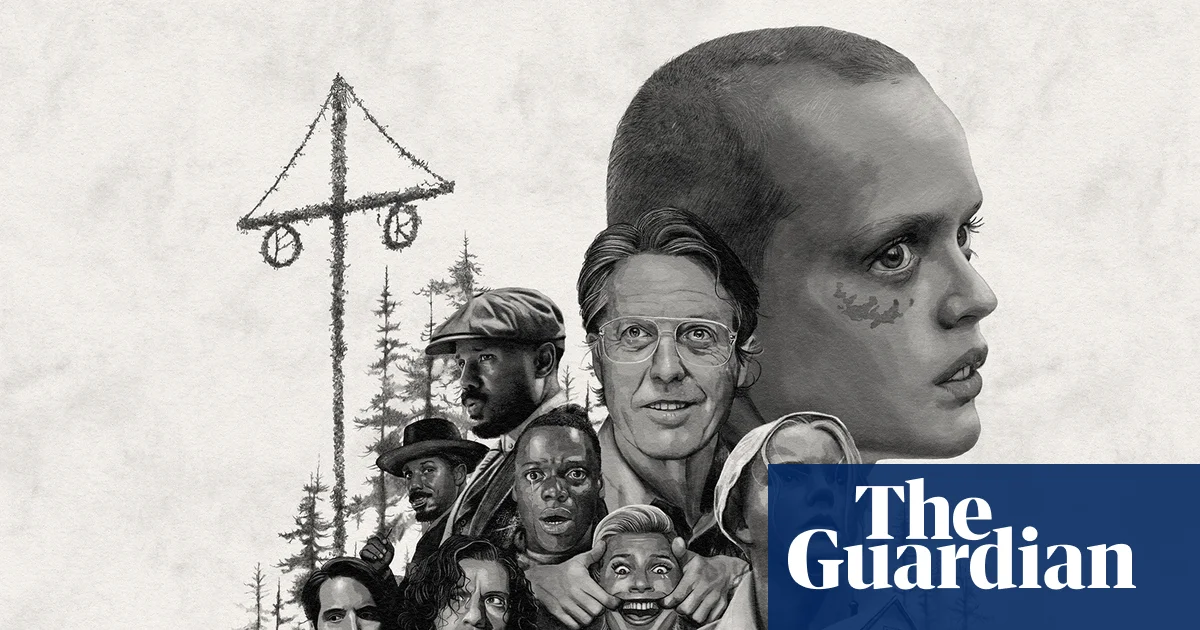
Revamping fear: How evolving horror movies are shaping youth culture and driving profit

In our modern era, where societal fracture lines have deepened and alienation seems endemic, culture remains the vessel through which we define ourselves, preserve tradition, and anticipate the future. No genre better exemplifies this than the evolving realm of horror, which—despite its reputation—has become a mirror for the collective psyche of the 21st century. From its origins tangled in gothic antiquity, horror has consistently haunted the margins of respectability, yet at each cycle, it has reasserted itself as a genre capable of profound commentary. As Ortega y Gasset believed, culture is not merely ornamentation but a vital arena for understanding human existence—horror, in its essence, is a visceral dialogue with mortality, morality, and the chaos that underpins our shared reality.

The renaissance of horror in recent years signals a cultural shift from superficial entertainment to a nuanced exploration of contemporary fears and anxieties. The rise of “elevated horror”—epic-length films by directors like Jordan Peele, Robert Eggers, and Jennifer Kent—demonstrate a deliberate move away from pulp and slasher tropes, embracing complex narratives and aesthetic experimentation. Their work abandons the traditional 90-minute formula to delve deeply into themes of societal trauma, identity, and existential dread. These auteurs recognize, as T.S. Eliot did, that the true function of art is to serve as both memory and prophecy—a means to confront the darkness of today while illuminating the path forward. Horror’s capacity for metaphor allows it to address issues like racial injustice, colonialism, and environmental decay with a symbolic language that speaks directly to the core of societal decency and decadence alike.

Moreover, the genre’s international infusion—enabled by the proliferation of digital media—has broadened the horizons of what horror can embody. From the visceral extremities of France’s New French Extremity to Korea’s unflinching psychodramas, filmmakers now push boundaries that once seemed sacrosanct, echoing Chesterton’s assertion that “the true critic,” especially in times of moral decline, must be a *defender of culture* against entropy. Today’s horror, with its innovations in visual storytelling and narrative ambiguity, blurs the line between arthouse and mainstream, reflecting a culture increasingly skeptical of simple narratives and eager for provocation and reflection. This tension suggests that in every shadow cast by a horror film lies the unspoken truth of our collective soul—a testament to our fears, hopes, and moral compass.

As history reveals, the genre’s cycles of reinvention—spurred by breakthroughs like The Blair Witch Project and Get Out—are not accidental. Each wave signifies a society grappling with new terrors, be they technological, political, or existential. The modern horror landscape recognizes this; it constructs masterpieces like Eggers’s Nosferatu or Fargeat’s vicious narratives, to echo the ancient truth that through darkness, we find our deepest selves. While mainstream cinema dons the guise of heroism and moral certainty, horror dares to peer into the abyss, revealing that perhaps the true measure of our civilization lies not solely in our progress but in our resilience to face what lurks beneath—whether it be social upheaval, internal trauma, or the unseen horrors of a world unmoored. In this continuous process, culture becomes both a guardian of memory and a prophet of future reckonings, whispering softly that humanity’s greatest strength is not avoidance, but the courage to confront the shadows within and without, with eyes wide open and hearts steadfast.

Louvre in Paris Closes After Heist – French Culture Minister Confirms

The recent robbery at the Louvre Museum in Paris marks a disturbing escalation in the ongoing challenge of safeguarding cultural heritage amidst increasing global unrest. The world’s most visited museum, renowned for housing priceless artworks and invaluable artifacts, was targeted early Sunday morning as it prepared to open its doors. Reports indicate that jewelry was stolen during this breach, a loss that transcends mere material value, threatening to erode a pillar of global cultural identity. France’s culture minister, Rachida Dati, confirmed the incident, and police are now engaged in a detailed investigation, reflecting the gravity with which the country is treating this unprecedented event.

The geopolitical impact of such thefts, particularly at iconic sites like the Louvre, resonates globally. Museums, monuments, and cultural institutions serve as symbols of national pride and history. Their vulnerabilities expose deeper fissures in international security protocols and cultural diplomacy. Experts warn that the theft could facilitate the illicit trade of priceless antiquities and artworks, fueling a transnational black market that weakens the cultural fabric of nations. Analysts from organizations like INTERPOL emphasize that this event signals a complex interplay of organized crime and geopolitical instability, as art thefts are increasingly linked to geopolitical conflicts and militant groups seeking to destabilize societies by targeting their cultural symbols.

Historically, such breaches serve as strategic provocations or indicators of chaos, with some specialists comparing recent trends to the looting of Iraq’s museums during the early years of the Gulf War. How nations respond to these acts will define their cultural resilience and sovereignty in the digital age. The Louvre incident underscores the urgent need for international cooperation on security measures, intelligence sharing, and the recovery of stolen assets. Various voices, including international organizations and cultural watchdogs, warn that failure to adapt and strengthen protections could lead to a wave of similar threats, ultimately dismantling the collective memory and identity of societies.

In the broader scope, the incident at the Louvre echoes a warning for the international community: the preservation of history is a battlefield where progress and chaos collide. As nations grapple with geopolitical shifts, economic upheavals, and technological forces, the security of our shared heritage remains fragile. The relentless pursuit of power and profit ensures that, one day, the history-makers and art custodians of today may become prey in a relentless underworld of theft and smuggling. With the weight of history pressing down, the world must ask itself: how long can we protect the treasures that define our identity before they are lost to the shadows?

Defending Dialogue: The Vital Role of Free Speech in a Free Society

In an era marked by digital interconnectedness and rapid information exchange, the fundamental importance of free speech in maintaining a vibrant, healthy society cannot be overstated. Critics often posit that unchecked dialogue can foster divisiveness or misinformation, but history and empirical evidence suggest otherwise. John Stuart Mill, in his seminal work On Liberty, argued that the free exchange of ideas is essential not only for discovering truth but for preventing tyranny of the majority. When societies impose undue restrictions on speech, they risk silencing dissent, which can stifle innovation, suppress minority views, and erode the very foundations of democracy. The challenge lies in safeguarding open discourse without allowing harmful content to proliferate, a balancing act that underscores the importance of free and fair dialogue.

Supporters of free speech emphasize that censorship often backfires by driving controversial ideas underground, where they become more difficult to address openly. Economists like Friedrich Hayek have pointed out that free markets of ideas require safeguarding to foster societal progress. Moreover, the digital age has amplified the reach of individual voices, allowing youth-led movements and marginalized communities to challenge entrenched narratives effectively. Nevertheless, critics argue that platforms must moderate content to prevent harm; yet, overreach risks transforming these spaces into echo chambers. Protecting free speech entails constructing boundaries that deter abuse without curtailing authentic debate, a nuanced pursuit that defies simple solutions but remains central to societal resilience.

From a historical perspective, societies that champion liberty of expression tend to experience greater innovation and social cohesion. When citizens are empowered to voice dissent, governmental abuses are held accountable, and policies are scrutinized more effectively. Analysts suggest thatn an environment of robust debate fosters a culture of critical thinking—vital for adapting to complex challenges like technological change or global crises. Limiting speech, on the other hand, can cultivate a climate of conformity, where fear suppresses dissent and free inquiry diminishes. As thinkers like Alexis de Tocqueville observed, “Democratic societies flourish when the individual feels free to speak and think for themselves, even if their views are unpopular.”

Yet, amid the noise and chaos of our digital age, it is essential to remember that free speech is more than a right; it is a moral obligation. It demands responsibility—both from those who exercise it and from societies that protect it. If the future of free societies depends on anything, it is on their ability to defend this sacred space where ideas collide, challenge, and evolve. The weight of this responsibility is immense, for within the marrow of free speech lies the future of human progress itself—an enduring testament to our collective resilience and boundless aspiration, echoing through time as an unbreakable chorus that calls us to remain vigilant and unwavering in the pursuit of truth and liberty.

Culture’s Role in Shaping Our National Identity

At the core of a nation’s identity lies its culture — an intricate tapestry woven from history, traditions, language, and shared values. Critics often argue that in an increasingly globalized world, the preservation of cultural distinctiveness becomes a challenge, yet it remains the most powerful force shaping national character. Alexis de Tocqueville famously observed that culture provides the moral fabric that binds individuals to their collective destinies. Today, as nations face pressures from economic and cultural homogenization, it becomes essential to recognize how deeply rooted cultural narratives foster a sense of belonging and reinforce the social cohesion needed for a resilient nation.

Many contemporary analysts suggest that the identity crises faced by modern nations can be traced back to the erosion or neglect of cultural foundations. When policies prioritize economic growth over cultural preservation, societies risk losing their distinctiveness, leading to a dilution of their shared values. This concern has been passionately articulated by thinkers like Samuel P. Huntington, who argued that cultural identities are vital in shaping political stability and social harmony. A nation’s cultural narratives serve as a bridge connecting past, present, and future — fostering a collective memory that guides societal norms and expectations. When these narratives are deliberately marginalized, communities may experience fragmentation, weakening the social fabric that has historically held them together.

Furthermore, educational systems and media serve as battlegrounds for cultural transmission, playing a pivotal role in either strengthening or undermining national identity. Critics note that in many democracies, there is a tendency to soft-pedal the importance of shared cultural values to appease a globalized mindset that champions diversity at the expense of unity. However, as Roger Scruton emphasized, a vibrant national culture is essential for fostering patriotism and civic pride — qualities that underpin societal resilience in times of crisis. It is through the celebration of heritage, language, and traditions that young generations cultivate a deep-seated respect and understanding for their roots, ensuring that the spirit of the nation endures amid tides of change.

Ultimately, the weight of culture in shaping our national future resonates as an almost poetic truth: that in the silent depths of shared stories and customs lies the blueprint for survival and renewal. As history’s currents threaten to drown distinct identities in a sea of sameness, it falls upon each generation to carry the torch of cultural memory. For only then can a nation remain more than just a geopolitical entity — it becomes a living, breathing vessel of collective hope, resilience, and destiny. The future waits patiently in the shadows of history, whispering that a nation’s true strength is not merely in borders or armies, but in the enduring legacy of its cultural soul, beckoning us towards a horizon where identity is not lost but reborn anew in the flames of tradition and innovation alike.

Reviving Responsibility: The Key to a Thriving Society

In an era often characterized by the erosion of shared values and a growing sense of societal disconnection, the revival of personal responsibility emerges as a fundamental remedy for fostering a thriving society. Critics argue that the decline of individual accountability has catalyzed a cascade of social issues—from economic stagnation to political polarization. Recognized economists like Thomas Sowell have long emphasized that “personal responsibility is the cornerstone of individual freedom and societal prosperity.” This underscores the idea that, without a collective acknowledgment of personal duties—be it in civic engagement, economic participation, or community support—any societal advancement remains illusory. Restoring this concept is about more than moral rectitude; it’s about re-establishing a framework where individuals recognize their role as stakeholders in the societal fabric.

Supporters of responsibility-based policies point to empirical evidence illustrating that societies which foster civic virtue tend to outperform in terms of economic growth and social cohesion.

  • Increased personal responsibility correlates with lower crime rates and enhanced community safety.
  • Educational outcomes improve when students, parents, and teachers share accountability for student achievement.
  • Economic productivity is amplified when individuals take ownership of their careers and financial futures.

Analysts suggest that these benefits are rooted in a foundational principle: trust and self-discipline act as the bedrock of a resilient society. When citizens embrace responsibility as a core value, they become active participants in their destiny rather than passive recipients of state aid or societal neglect. Such a shift, critics argue, also combats the growing dependency culture, which critics say stifles innovation and individual potential.

Moreover, a societal emphasis on responsibility rejuvenates the principles of free enterprise and limited government. According to many classical liberals and fiscal conservatives, expanding personal accountability reduces the burden on public welfare systems and fosters a culture of self-reliance. Authors like Friedrich Hayek have articulated that individual freedom flourishes when people are entrusted with the consequences of their choices, fostering innovation and resilience. As history and recent economic analyses reveal, societies where citizens are encouraged to take ownership of their actions tend to foster broader opportunities and a more dynamic civil life. It is a truth echoed in the modern discourse: responsibility is less about blame and more about empowering individuals to shape their destinies, and by extension, their society’s future.

Yet, the path to such renewal is fraught with challenges. It demands a cultural shift—a movement away from entitlement and towards engagement, accountability, and moral clarity. As history’s torchbearers suggest, fostering a sense of collective responsibility requires more than policy—it calls for a moral awakening rooted in shared virtues. The future of society hinges on whether the younger generations will embrace responsibility not as a burden, but as a badge of honor—a vital thread woven into the fabric of resilience. And so, as dawn breaks over the horizon, it is perhaps only through the rediscovery of responsibility—this ancient yet ever-relevant virtue—that society can forge an enduring legacy, illuminating the path toward a future where collective strength and individual virtue grow hand in hand, illuminating the dark with the light of renewed purpose and unwavering resolve. The question remains: will we answer the call to responsibility, or watch as our societal tapestry unravels into shadows, lost amid the fleeting illusions of dependency?

Reclaiming Responsibility: A Moderate Path Forward for America

As America faces an era marked by swift technological change, mounting economic challenges, and cultural polarization, the question of who bears responsibility for shaping the nation’s future becomes more urgent than ever. Critics argue that the prevailing political discourse often devolves into blame-shifting and partisan rhetoric, hampering meaningful progress. Yet, there is a growing movement calling for a moderate path forward—one rooted in pragmatic responsibility and shared accountability. This approach recognizes that America’s strengths lie not in abandoning tradition or dismissing innovation, but in harmonizing these elements to forge a resilient, cohesive society capable of confronting tomorrow’s uncertainties.

Proponents of this moderate outlook emphasize that restoring responsibility begins with acknowledging the interconnected nature of economic, social, and political spheres. For example, analysts suggest that embracing a balanced view of free enterprise and prudent regulation can foster sustainable growth without sacrificing individual freedoms. Economists like Nobel laureate Edmund Phelps have argued that responsible capitalism—which includes fair labor practices, environmental stewardship, and corporate accountability—serves as the backbone of a thriving nation. Critics also highlight the importance of civic responsibility, urging the younger generation to actively participate in democratic processes and community building, thereby reinforcing the social fabric that binds citizens together in shared purpose.

However, cultivating a culture of responsibility requires more than just policy prescriptions; it demands a cultural shift grounded in respect, accountability, and a recognition of common interests. This entails rethinking narratives that foster division and instead promoting figures who model moderation and integrity. As historian David McCullough once noted, the strength of America has historically stemmed from its ability to galvanize diverse groups around common goals, rather than succumb to factionalism. By focusing on practical solutions rooted in fact and shared values, Americans can navigate the tumult of modern politics with integrity and purpose, acknowledging that progress often arises from difficult compromises and collective effort.

Peering into the horizon, the challenge for the nation is to forge a path that isn’t swayed by extremes, yet remains dynamic enough to adapt and thrive. The weight of responsibility does not rest solely on the shoulders of leaders, but upon all who call this land home—each citizen, educator, entrepreneur, and policymaker. As this great experiment of democracy marches forward, one must ponder whether America will rise as a beacon of collective responsibility or stumble into the shadows of neglect and disunity. The choice lies in embracing a moderate, balanced, and steadfast approach—one that recognizes responsibility as an enduring pillar of hope, a guiding star amid the storm, and the very essence of what turns a nation’s destiny from fleeting dust into an enduring legacy. Forever, the soul of this country beckons us to act, to restore, and to elevate a shared responsibility—lest the annals of history record our silence as the moment when the mighty lost their way, and the promise of liberty faded into the dusk.”

CommunityFirst: Reinforcing Local Bonds in a Fragmented Era

In an age characterized by rapid technological advancement and global interconnectedness, the fragility of local communities has become increasingly apparent. Critics argue that the relentless march of urbanization, combined with the erosion of traditional social bonds, has led to a diminished sense of belonging and shared purpose. However, initiatives like CommunityFirst demonstrate a resilient spirit rooted in the fundamental principle that strengthening local bonds is not only desirable but essential for safeguarding societal cohesion. By fostering grassroots engagement, CommunityFirst aims to create a ripple effect—reinvigorating neighborhoods and empowering citizens to take charge of their collective future within the fabric of their hometowns.

Supporters of this approach highlight that strengthening local bonds leads to tangible benefits, from increased safety to enhanced social capital. Economist Edward Glaeser emphasizes that vibrant communities thrive on the “density of social ties,” which catalyzes economic resilience and innovation. CommunityFirst initiatives promote local entrepreneurship, volunteerism, and civic participation—all grounded in the idea that local action fosters a sense of ownership and pride among residents. When residents feel invested in their neighborhoods, they become less susceptible to the alienation and fragmentation that often fuel social discord and even radicalization among youth.

  • By encouraging local leadership and participation, CommunityFirst addresses the root causes of rural decline and urban alienation.
  • Fostering intergenerational dialogue ensures the transmission of traditions and shared values essential for societal continuity.
  • Supporting local economies through community-driven projects reduces dependence on distant, impersonal corporate structures.

As historians like Charles Murray have pointed out, the preservation of social capital at the community level is the bedrock of a resilient society. Critics argue that federal policies often subordinate local needs to distant bureaucracies, thereby weakening these vital bonds. In contrast, CommunityFirst champions a bottom-up approach, emphasizing that empowering local leaders and cultivating a sense of shared destiny can revitalize the social fabric. In this vision, the community is not just a collection of houses but a living organism—teeming with shared stories, collective efforts, and enduring trust—capable of withstanding the upheavals imposed by external forces.

The future of CommunityFirst, and similar movements, depends on their ability to inspire the youth—those who will inherit both the challenges and opportunities ahead. As we stand at this pivotal moment, it is vital to remember that local communities hold the key to a resilient society. They are the silent sentinels guarding our cultural integrity and social cohesion, holding within them the power to shape an era that harmonizes tradition with progress. The question remains: can we forge a collective consciousness robust enough to withstand the erosion of bonds and anchor a future where every neighborhood, however small, becomes a fortress of unity? As memories merge with aspirations, the future whispers: in the depth of our local roots lies the strength to redefine the destiny of an entire civilization—one community at a time, standing resilient against the winds of fragmentation, until the dawn of a new, united chapter.”

Social Media Auto Publish Powered By : XYZScripts.com