Matox News

Truth Over Trends, always!

Australia News: Govt Launches Campaign to Cut Fuel Use Amid Ongoing Supply Crisis

As the world grapples with ongoing disruptions to global supply chains, **energy security** has become an increasingly critical issue. Australia, a nation heavily dependent on imported fuel, has recently taken strategic steps to mitigate the potential fallout from these unprecedented challenges. The Australian government has launched a nationwide advertising campaign aimed at encouraging its citizens to reduce fuel consumption amidst persistent shortages. This initiative underscores the broader dilemma facing nations worldwide: balancing immediate energy needs with long-term geopolitical stability. Federal officials, including Transport and Infrastructure Minister Catherine King, emphasize the importance of public cooperation in navigating these turbulent times, while highlighting the delicate interplay between national policies and global supply dynamics.

In a move that signals Australia’s intent to diversify its fuel sources and safeguard its energy supplies, Prime Minister Anthony Albanese recently negotiated a bilateral agreement with Singapore. This pact seeks to ensure mutual access to fuel supplies, a strategic maneuver aimed at reducing reliance on unstable regional logistics and geopolitical chokepoints. However, experts warn that this isn’t a quick fix. Energy Minister Chris Bowen warns of a *“long tail”* of supply disruptions—meaning the ripple effects of the conflict in the Middle East, particularly the ongoing instability in the region’s oil-producing territories, may linger well beyond the immediate crisis. This foresight highlights the interconnectedness of global oil markets and the vulnerability of nations significantly dependent on imports.

From an international perspective, analysts view Australia’s approach as a microcosm of what many nations are forced to confront: how to maintain economic stability and societal wellbeing amid uncertain geopolitical tensions. The global energy crisis has become a crucial flashpoint, especially as OPEC nations and other key producers make unpredictable decisions affecting supply and prices. Several international organizations, such as the International Energy Agency, have issued warnings about the risk of prolonged instability, urging nations to bolster strategic reserves and explore alternative energy sources. Nonetheless, the reality remains stark: the decisions made today—whether to diversify supply routes or to incentivize domestic production—will shape the geopolitical landscape for decades.

Historians and analysts alike recognize that energy conflicts often serve as catalysts for larger geopolitical shifts. As nations scramble to protect their interests, new alliances are forged, and old rivalries are reignited. The current global supply chain crisis and the response of individual countries illustrate a broader truth: in an era of interconnected vulnerabilities, decisions made in Canberra, Washington, or Beijing resonate far beyond their borders and contribute to a sweeping story of strategic recalibration. This fragile balance of power and resource has the potential to ignite conflicts, alter alliances, or even redefine notions of sovereignty. As history continues to unfold, one thing remains certain—the weight of this new age of energy diplomacy will be felt for generations, shaping the geopolitics of the 21st century with every critical decision.

Zelensky reveals allies urged him to cut back on Russian energy strikes—new pressures mount on Ukraine

Ukraine and Global Impacts: Unraveling the Geopolitical Tensions

In a striking statement that underscores the complex web of international relations, Ukraine’s president revealed that his country’s decisive partners have inquired about the possibility of reducing military attacks amid soaring global energy prices, significantly affected by ongoing conflicts in the Middle East. This revelation comes at a time when global markets are experiencing unprecedented volatility, with oil prices surging to multi-year highs following the escalation of hostilities linked to the Iran war. Analysts emphasize that these developments are reshaping not just regional security dynamics but also the economic stability of allied nations and, ultimately, their societies.

The escalation of violence in Iran, an event that has ripple effects reaching across continents, has intensified pressure on European and North American policymakers. The war’s direct consequence—rising energy prices—has forced a reconsideration of military and diplomatic strategies. The rising costs have led some international actors to question the sustainability of current support methods for Ukraine’s defensive efforts. According to several geopolitical researchers, such as Dr. Helena Montague, the trend signals a potential shift in the global stance toward ongoing conflicts: “We see a growing tendency among Western allies to seek a balance between support and economic stability, especially as the economic strain becomes more palpable at the household level.”

For Ukraine, this complex scenario underscores a broader global strategic dilemma. As the conflict persists, Kyiv’s allies are torn between providing unwavering support to maintain the country’s sovereignty and recognizing the economic toll that continued military assistance entails. This dynamic presents a pivotal challenge for international organizations such as the United Nations and NATO, which are tasked with balancing strategic interests with economic realities. The emphasis on diplomacy and calls for ceasefires underscore a cautious pivot by nations that are concerned about the long-term social costs. Meanwhile, key voices from the world stage warn that yielding too much to economic pressures could embolden adversaries and undermine the very principles of sovereignty and international law that the global community seeks to uphold.

The geopolitical impact of these troubling developments is profound. Decisions made now will influence the shape of international relations for decades to come. The interconnectedness of Middle Eastern conflicts, European security, and global economies connote that no nation is truly isolated in this tumult. Leading political analysts warn that if the escalation continues unchecked, the ripple effects could lead to a destabilized multipolar world where alliances are tested and new regional fault lines emerge. British historian Sir Geoffrey Callender warns that “history teaches us that such moments of crisis often precede major shifts in global power structures. We must observe carefully, for the choices made today will define the geopolitical landscape of tomorrow.”

As the world watches this unfolding saga, the message remains clear: the weight of history is once again pressing down upon us. The metrics of power—military strength, economic resilience, and diplomatic agility—are being tested anew. This is a turning point, one where the decisions of contemporary leaders will echo through generations, shaping the balance of power and the very fabric of international law. As global citizens, the challenge remains to understand the profound significance of these shifting tides and to recognize that the future is being shaped in real-time, yet the consequences are timeless.

School phone bans fall short — teens need broader solutions to cut screen time, study shows

Recent research highlighted by the BBC underscores a critical reality facing families, educators, and communities in our rapidly digitizing society. A study conducted by academics at the University of Birmingham reveals that strict phone bans—often championed by schools and parents as a straightforward solution—are not the unequivocal remedy for the increasing dominance of screen time among teenagers. In many instances, such bans have failed to redirect youth attention toward healthier pursuits like sleep, homework, and physical activity outside the classroom. This finding challenges the prevailing narrative that simply restricting access to digital devices will restore balance in young lives, pointing instead to a more nuanced social issue intertwined with broader cultural and societal shifts.

This phenomenon is emblematic of _our society’s complex relationship with technology_, where devices serve as both connectors and distractors. Sociologists like Neil Postman have long warned about the cultural implications of technological immersion, suggesting that the proliferation of screens alters social interactions and priorities at a fundamental level. The study’s findings indicate that merely banning phones fails to address the underlying drivers of screen dependency—such as social validation, entertainment, and escapism—particularly when these activities have become embedded aspects of youth identity. For families, this means grappling with the challenge of fostering genuine connections and resilience, rather than relying on restrictive measures that can inadvertently foster secrecy or rebellion.

Furthermore, the social implications extend beyond individual health to impact education and community cohesion. When teenagers prioritize screens over sleep and physical activity, their academic performance can suffer, and their capacity for face-to-face social engagement diminishes. As social commentators highlight, a society that undervalues interpersonal skills and traditional forms of community participation risks fostering generations less equipped to navigate the complexities of civic life. Schools and policymakers are consequently called to reconsider approaches in favor of comprehensive programs that emphasize digital literacy, emotional intelligence, and community involvement. By addressing the cultural undercurrents that promote excessive screen time, communities can begin to reinvigorate social fabric and ensure that youth are equipped with the moral and social skills necessary for responsible adulthood.

As the debate continues, it is vital to recognize that the roots of this challenge are deeply ethical. Society must reflect on how our moral values shape attitudes toward work, play, and human connection. Social critics advocate for a balanced ecosystem that celebrates traditional virtues such as patience, empathy, and community service, without dismissing the digital age’s undeniable benefits. It is through this balanced lens—acknowledging both the potential and pitfalls of technology—that meaningful change can occur. Ultimately, society faces a pivotal choice: continue down a path of superficial restriction or forge a new way forward—one rooted in educational empowerment, community resilience, and respect for human dignity. As we stand on the brink of an uncertain future, it is only with deliberate moral clarity and collective commitment that we can hope to nurture generations capable not just of surviving, but of thriving within the digital age—grounded in authentic human values and resilient community bonds.

Could Iran's Conflict Cut India's Gas Supplies?
Could Iran’s Conflict Cut India’s Gas Supplies?

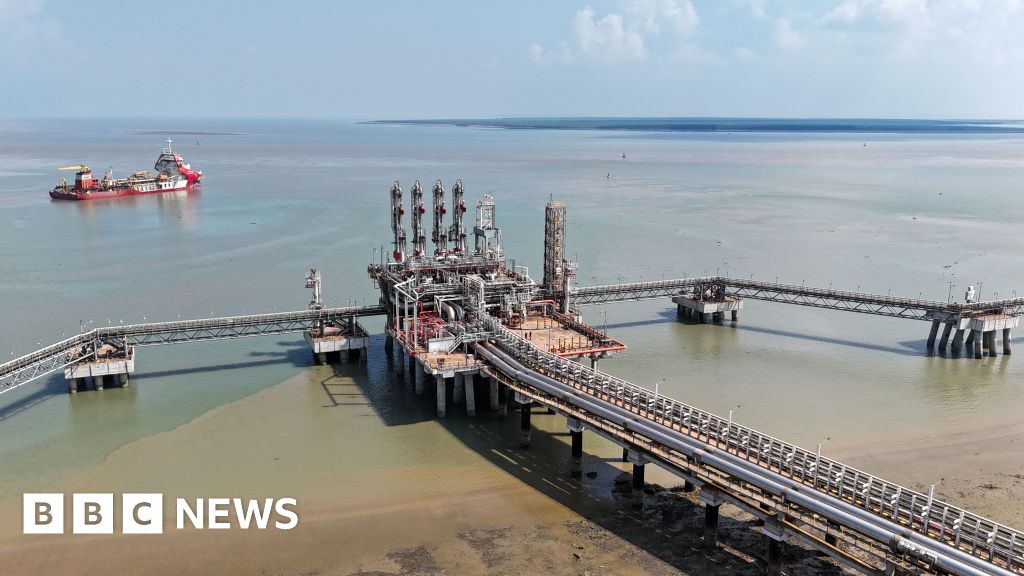
Amidst tense global energy markets, India continues to emphasize its strategic priority on securing domestic energy supplies, particularly in the context of ongoing geopolitical uncertainties. Rahul Chopra, managing director of Haryana City Gas Distribution Limited—which serves around 100,000 domestic consumers and operates 195 CNG stations—confirmed that no disruption is expected for homes and vehicles reliant on piped gas. This steadfast commitment underscores the government’s focus on safeguarding essential services amid rising global tensions, notably the disruptions caused by regional conflicts and international sanctions.

As major powers navigate a complex web of trade restrictions, energy shortages, and shifting alliances, countries like India are pursuing a delicate balance—ensuring resource security while avoiding escalation of tensions. Analysts from the International Energy Agency warn that the risk of supply chain disruptions persists, especially given the fragility of global markets and the unpredictability of international conflicts. Governments are meticulously managing their assets to prevent socio-economic destabilization, particularly in essential sectors such as domestic heating and transportation, which are vital for societal cohesion and economic stability.

In this context, the geopolitical impact of energy decisions becomes a focal point. The commitment to maintain stable gas supplies not only reassures millions of households but also influences broader regional dynamics. Nations with significant energy dependencies are increasingly aligning their policies to diversify sources and reduce reliance on geopolitically risky suppliers. Countries like China and Russia are concurrently engaged in their strategic moves—whether through energy diplomacy or sanctions regimes—that ripple across continents, affecting global markets and international alliances. The actions of key stakeholders, including the United States and the European Union, are designed with long-term geopolitical outcomes in mind, wary of creating new flashpoints while seeking stability.

According to historians and international analysts, such decisions are shaping what could become a new era of energy diplomacy—one where resource security is directly intertwined with geopolitical influence. The United Nations and other multinational organizations often caution that energy independence and resilience are vital for national sovereignty. Yet, despite these warnings, the ongoing conflict zones—such as in Ukraine and the Middle East—continue to threaten global stability, reminding nations of the fragile balance they must sustain. As the world watches, the choices made today will determine whether future generations inherit a world defined by cooperation or conflict, peace or chaos.

In the shadow of ongoing upheaval, the importance of steady energy supplies remains a cornerstone of national security and economic resilience. History teaches us that disruptions in vital infrastructure often serve as catalysts for deeper geopolitical shifts. As nations fortify their energies and alliances, the stage is set for a new chapter in global power politics—one where energy security is the key to sovereignty, and where each decision echoes through the corridors of history, writing the future in these critical moments of crisis and opportunity. The unfolding story is far from over; the world braces itself for the implications of each move, poised on the brink of a new geopolitical epoch that could redefine the very fabric of global order.

UK drops plan to cut benefits for Ireland’s mother and baby home survivors

UK and Ireland Reach Breakthrough in Historical Justice for Mother and Baby Home Survivors

The recent decision by Downing Street to drop plans to cut benefits for survivors of Ireland’s notorious mother and baby homes marks a significant turn in the ongoing effort to address a dark chapter in Irish history. This move follows intense international pressure and underscores the geopolitical significance of the relationship between Britain and Ireland. As a result, survivors living in the UK—estimated at up to 13,000—will retain access to essential benefits regardless of whether they accept compensation from Dublin, thereby protecting their dignity and social wellbeing. This decision signals a shift across the transnational landscape, with implications for the future of justice, reconciliation, and the role of historical accountability within the broader UK-Irish dynamics.

The government’s initial plans to restrict survivors’ benefits stemmed from concerns over the financial implications of Ireland’s redress scheme. Introduced after a 2021 inquiry exposed systemic cruelty, neglect, and the unnecessary death of hundreds of infants, Ireland’s compensation effort sought to provide recognition and redress to tens of thousands of victims. However, officials in Britain had feared the scheme’s classifications—particularly regarding savings—could jeopardize means-tested benefits like universal credit and social care funds, creating fear and distress among survivors. Campaigners such as Patricia Carey and community organizations like Irish in Britain warned that such policies risked re-traumatizing a community still seeking justice. Their advocacy and international diplomatic engagement—highlighted during the recent Anglo-Irish summit—culminated in recognition of the deep ripple effects these policies could have on society and the geostrategic alliance between the two nations.

At the heart of this corporate and diplomatic endeavor lies the geopolitical impact, which cannot be understated. The Irish government’s redress scheme aims to confront a painful legacy, yet its initial economic framing threatened to isolate survivors within a system of social stigma—one that historians and analysts suggest has long been a barrier to true reconciliation. The decision to disregard Ireland’s payments for survivors in Britain signifies a nuanced approach by both governments, emphasizing acknowledgment and solidarity over fiscal austerity. This alignment not only reflects renewed diplomatic cooperation but also signals to the rest of the international community that resolving historic injustices requires more than monetary compensation; it demands a moral commitment that transcends borders. As Liam Conlon, a Labour MP who championed Philomena’s law, articulated, the effort is about “tackling stigma, shame, and ensuring dignity,” embodying a moral blueprint with wider implications for how nations confront their pasts and aim for healing.

In a broader sense, these developments echo the ongoing evolution of international justice and the role of societal memory. As historians caution, these moments are pivotal; they serve as benchmarks for how societies reckon with historic trauma while balancing political, economic, and social interests. The survivors’ stories—like that of Philomena Lee, whose decades-long search for her son inspired the Oscar-nominated film—are emblematic of a collective yearning for acknowledgment and redemption. Yet, the fight continues, and as this chapter closes with meaningful progress, the path ahead remains fraught with challenges. The weight of history presses on, reminding the global community that the true cost of injustice is paid not just in monetary terms, but in the dignity and lives of those who suffered in silence. As the world watches, it is yet to be seen if this moment will be remembered as a turning point—or if, in the shadows of unresolved pain, history’s most profound lessons will still go unheeded.

Tories pledge to cut student loan interest rates, backing young Britain’s future

Educational Debt and the Strain on Families and Communities

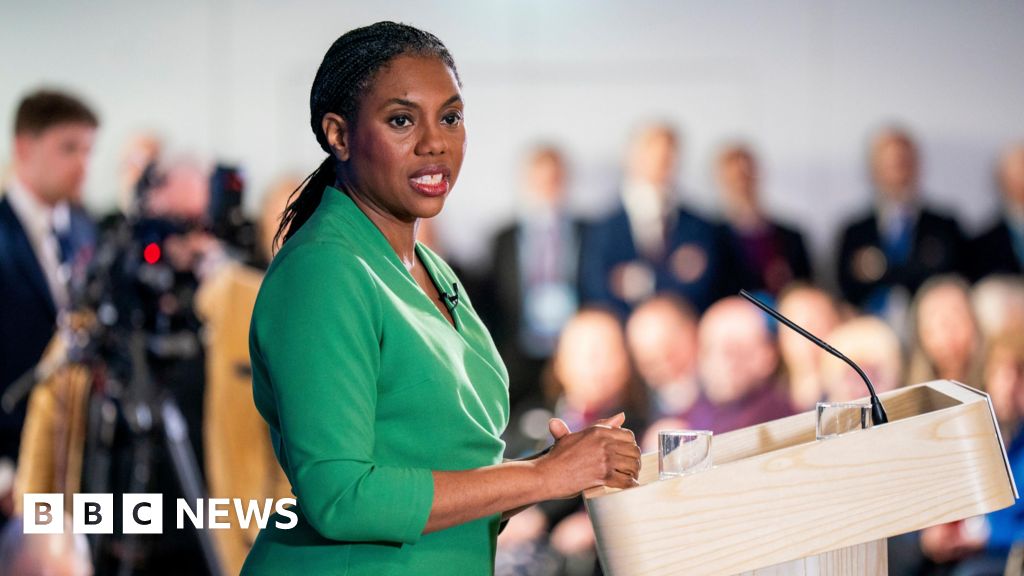
Recent comments by Kemi Badenoch, a prominent political figure, highlight a significant concern shared by many young graduates: the burden of student loans. Badenoch described the feelings of graduates as being “stitched up,” underscoring a pervasive sense of economic disillusionment that threatens to destabilize the social fabric. Her pledge to cut interest charges on Plan 2 loans signals an acknowledgment of the profound impact that rising educational costs have on recent entrants into the workforce. For families in working-class and middle-income communities, student debt often translates into delayed milestones such as homeownership and family formation, extending the cycle of economic hardship.

Shifts in Educational Access and Societal Divide

The escalating costs of higher education serve as a barrier for many aspiring students, especially amid demographic changes and cultural shifts that favor increased diversity but challenge conventional funding models. Sociologists like Dr. David Brooks argue that the increasing reliance on student loans contributes to widening social inequality, as only those from more privileged backgrounds can afford the luxury of higher education without crippling debt. This disparity perpetuates social stratification, making educational attainment less about talent and more about financial capacity. The socio-economic divide risks further fracturing communities, eroding the social cohesion necessary for collective progress.

Educational Reform and the Role of Society

Understanding the social ramifications of debt, some experts advocate reforms aimed at creating a more equitable and accessible system.

  • Implementing more comprehensive public funding for higher education.
  • Introducing income-based repayment schemes that lessen the burden on graduates.
  • Enhancing vocational training and apprenticeships to diversify pathways to economic stability.

By addressing these structural issues, society can foster environments where families are encouraged to thrive without the overshadowing anxiety of debt. Furthermore, institutions must recognize their role in broadening educational access, ensuring that talent and ambition are not stifled by financial barriers. As historian Dr. Margaret MacMillan notes, societal progress hinges upon equitable opportunities that empower all youth to contribute meaningfully to their communities.

Hope Amidst Challenges

While the societal challenges are undeniable, recent political commitments provide a glimmer of hope. Badenoch’s promise to reform student loan policies signifies a step toward restoring fairness in an often inequitable system. Yet, true change demands concerted efforts across all levels of society, from policymakers and educators to families and youth themselves. Initiatives aimed at reducing educational costs, improving employability, and fostering social mobility are essential for nurturing resilient communities. As history has shown—through periods of upheaval and reform—social transformation begins with recognizing shared struggles and united action. The hope remains that future generations will look back on this era not only as a time of hardship but as a turning point—when society chose to invest in its people and, in doing so, redefined its moral foundation.

UK Charities Warn Youth Gambling Crisis Could Cut Off Crucial Help Amid Funding Overhaul

Social Crisis Looms as Funding Cuts Threaten Gambling Addiction Support

In our society, the silent toll of addiction continues to ripple through families and communities, exposing deep vulnerabilities that often go unnoticed until tragedy strikes. The recent overhaul of gambling sector funding in the UK has ignited alarm among charities and social commentators, revealing how policy shifts can inadvertently jeopardize crucial life-saving services. Once sustained largely via voluntary contributions from casinos and bookmakers—about 0.1% of their takings—the burden has now shifted to a mandated levy of up to 1.1%, aiming to generate approximately £100 million annually. While this appears as a committed effort to address the growing problem of gambling addiction, experts warn that delays and lack of clear government guidance threaten to unravel the very infrastructure designed to protect vulnerable individuals.

At the heart of this crisis is a fundamental question: how do we reconcile economic policy with social responsibility? The Department for Culture, Media and Sport oversees the new levy process, yet charities such as GamCare and Gordon Moody warn that the transition period could leave hundreds of addicts without essential support. Victoria Corbishley, CEO of GamCare, emphasized, “The uncertainty is causing challenges. We don’t know what commissioners want from April onwards. It jeopardizes services, especially smaller organizations that many depend on for direct support.” Such cultural shifts signify more than bureaucratic adjustments—they threaten the moral fabric of social safety nets designed to extend hope and recovery to those in despair.

For families impacted by gambling addiction, these issues are more than administrative. They are human stories of lost careers, shattered relationships, and lives at risk. Alex, a 41-year-old former teacher, recounts how support from Gordon Moody transformed his life after a period of destructive gambling led him to contemplate ending his own life. His voice underscores a bleak reality: without ongoing support, suicide rates could increase—an outcome society must urgently prevent. Yet, the new funding model’s short-term disruptions pose the risk of leaving many unable to access vital treatment. Gordon Moody’s spokesperson highlighted how “shifting the goalposts” at short notice worsens the crisis, emphasizing the need for interim funding to safeguard human lives.

Social commentators and sociologists like Dr. Samuel Perry have long argued that social stability relies on resilient institutions that prioritize human dignity. The ongoing crisis exemplifies how demographic and cultural shifts can expose the cracks in societal safety structures, especially for vulnerable youth and emotionally fragile communities. As we observe this unfolding landscape, many wonder if policymakers truly grasp the moral imperative to protect the marginalized. For society to heal and progress, it must invest not only in economic solutions but also in the moral fabric that holds families and communities together—faith, support systems, and accessible treatment that affirm human worth.

In the twilight of these challenges, society faces a stark choice: continue down a path of bureaucratic neglect or unite in a collective effort to restore the values of compassion and responsibility. The hope lies in recognizing that behind every statistic is a person—facing their fiercest battles, yearning for dignity, and deserving of a society that cares enough to act decisively. Only by addressing these social issues with unwavering commitment can we aspire to forge a future where renewal prevails over neglect, and hope becomes the foundation for lasting societal change.

Labour unveils child poverty plan, hints welfare overhaul needed to cut costs

The United Kingdom is currently navigating a critical phase in its social and economic policy landscape, with the government emphasizing reforms aimed at overhauling its existing welfare system. As the Chancellor Rachel Reeves and Work and Pensions Secretary Pat McFadden publicly commit to substantial changes, the overarching goal appears to be a strategic shift towards incentivizing employment, reducing dependency, and addressing entrenched poverty issues. The government’s recent announcement of its new child poverty strategy signals a resolute stance: it is no longer content merely to redistribute wealth but seeks to foster a resilient, self-sufficient society, with an eye on the far-reaching geopolitical implications of economic stability and social cohesion.

This reform agenda includes the notable initiative to end the two-child limit on universal credit—an impactful move estimated to lift approximately 450,000 children out of poverty by 2031. Such measures, which also encompass improvements like better access to affordable essentials, streamlined housing support, and expanded educational nutrition programs, highlight the government’s multifaceted approach to tackling poverty. Political analysts note that these steps are likely driven by a renewed recognition that social stability directly influences Britain’s position on the global stage. Leaders understand that a fractured society, riddled with inequality, destabilizes both internal cohesion and diplomatic credibility in a world increasingly wary of domestic unrest fueled by economic disparity.

Furthermore, the government’s willingness to admit that the existing welfare system is inadequate underscores a broader shift in policy philosophy. As Pat McFadden pointed out, “Reform is happening,” signaling the end of complacency that previously allowed old policies to linger. The ongoing reviews—such as the Timms review on disability benefits and an examination of youth inactivity—are not mere bureaucratic exercises; they represent a concerted effort to recalibrate social support in a way that aligns with the national interest of fostering a productive workforce. This focus on work incentive parallels a global trend seen in U.S. and European policies, where governments increasingly recognize that enabling employment can serve as a potent tool for economic revival, especially in uncertain geopolitical times.

Critics, however, warn that these reforms are being watched closely by international organizations and analysts as a test of Britain’s resolve to balance fiscal responsibility with social justice. The OECD and other economic think tanks are scrutinizing whether the UK’s emphasis on pushing people into work can succeed without exacerbating social divides or overlooking vulnerable populations. The narrative emerging from London echoes a broader international debate: how far should nations go in restructuring welfare systems in pursuit of economic resilience and national security? As historians warn, history demonstrates that neglecting social cohesion during times of reform can lead to long-lasting societal fractures. The question remains whether Britain’s current approach will foster shared prosperity or deepen the fault lines of inequality that threaten to define this era’s social fabric.

As the weight of history continues to press upon these decisions, the unfolding story of Britain’s social policy is no less than a chapter in the larger story of a nation seeking to redefine itself in a turbulent global order. The decisions made today in the corridors of Westminster—shaped by politicians, analysts, and international bodies—will have far-reaching repercussions for decades to come. The coming years will reveal whether this ambitious push for reform will serve as a model of resilience or a cautionary tale of how the forces of social division and political will converge in the shaping of a nation’s destiny. In the shadows of these policies, history quietly waits to record whether Britain will emerge stronger or scarred by its own reforms, as the world watches with bated breath, mindful that the pages of history are still being written.

UK launches bold minerals plan to cut reliance on China

Britain’s New Critical Minerals Strategy Signals a Geopolitical Shift

In a decisive move reflecting the mounting global rivalry over vital resources, Britain has unveiled a comprehensive critical minerals and rare earths strategy aimed at fortifying its supply chains against China‘s growing influence. Keir Starmer’s announcement underscores a broader international pattern—nations are increasingly recognizing that economic resilience in the 21st century hinges on securing domestically sourced and diversified supplies of essential materials. As analysts warn, the stakes are high: without strategic independence in critical minerals, Western economies risk falling prey to China’s geopolitical leverage, especially amid recent clashes over chip supplies and technological dominance.

The strategy, bolstered by a £50 million fund targeted at expanding domestic production in places like Cornwall—home to Europe’s largest lithium deposits—embodies a clear intent: diminish reliance on China and other authoritarian regimes. This initiative also aligns with Europe’s own efforts to break free from Chinese supply chains, as highlighted by the European Union’s acknowledgment of its lag behind the US in securing critical material stocks. The EU’s largest lithium deposits in Cornwall, coupled with potential support for tungsten mines, demonstrate a strategic pivot that aims to turn Britain’s resource wealth into geopolitical leverage. In this context, America and Britain are engaged in a high-stakes race to develop the infrastructure, technology, and investment necessary to dominate the critical minerals market—an arena increasingly recognized as the new frontier of global power.

How decisions made today ripple through societies is just as vital. As historians note, the previous reliance on overseas sources has left Western countries vulnerable during periods of diplomatic or trade upheaval. Last summer’s standoff between China and the EU over chip supplies exemplifies how political tensions can swiftly disrupt critical supply chains, with far-reaching implications for industries ranging from automobiles to artificial intelligence. Failure to secure reliable access to essential minerals could stall technological progress, inflate costs, and weaken national security. These risks emphasize why governments are prioritizing not just resource extraction, but also the development of recycling technologies and domestic refining capabilities, as seen with Germany’s five-year, £150m lithium refinery project.

  • The UK’s strategic goal: ensure no more than 60% of any critical mineral is imported from a single partner by 2035.
  • Investment in domestic processing aims to produce at least 50,000 tonnes of lithium annually by the same year.
  • Britain’s cooperation deal with Saudi Arabia signals an emerging network of alliances designed to buffer supply chain disruptions.

Despite these efforts, international organizations like the EU acknowledge that America currently holds a significant advantage, thanks to proactive stockpiling and strategic investments, which analysts say could guarantee a supply edge for years to come. The global landscape resembles a high-stakes chess game, where the control of critical minerals equates to geopolitical dominance. As history warns, nations that fail to adapt—those that depend excessively on unreliable external sources—risk falling behind in the new cold war of resource control. With the world watching, Britain is racing against time to secure its future, aware that the decisions shaping today will echo for generations and influence the very fabric of international power—a narrative still being written, with the weight of history uncertain and the stakes higher than ever.

Trump Admin’s Attempt to Cut SNAP Benefits Blocked, Protecting Millions

U.S. Food Aid at Crossroads Amid Government Shutdown

In a striking display of judicial activism, federal judges across the United States recently issued rulings that threaten to uphold the continuation of food assistance programs amidst a prolonged government shutdown. The latest decisions, one in Rhode Island and another in Massachusetts, have ordered the Trump administration to utilize authority and contingency funds to ensure the uninterrupted flow of Supplemental Nutrition Assistance Program (SNAP) benefits — a move that could reshape the executive’s ability to control ancillary social safety nets during political impasses. These rulings underscore a pivotal human story—millions of low-income Americans caught in the political crossfire—yet they also illuminate a broader conflict over federal power and the rule of law that reverberates well beyond the borders of the U.S..

Judicial Intervention Versus Executive Authority

  • Legal actions initiated by Democratic attorneys general from 22 states and the District of Columbia, along with civil rights groups, challenged the administration’s plan to suspend SNAP benefits, highlighting that existing funds—specifically, $5.25 billion in contingency reserves—could sustain the program.
  • The courts, citing ample available funds and the unlawful suspension of benefits, barred the USDA from halting SNAP payments, defying the executive’s assertions that legislative approval was required to continue expenditures during the shutdown.
  • This judicial pushback exposes a fissure in the separation of powers; the judiciary has stepped into a supervisory role, interpreting the legality of budget management—a move that could set a precedential tone for future governmental crises.

Analysts assert that these judicial rulings reflect a growing skepticism towards executive overreach, especially in the face of a contentious shutdown that has exposed the limits of unrestrained presidential discretion. Historians warn that this interplay between courts and the executive could either become a constitutional safeguard or spawn prolonged legal gridlock, with consequences for social stability and international credibility.

Global and Geopolitical Implications of US Internal Crisis

The world watches as the U.S. grapples with its internal governance, a country still perceived as an economic and political beacon. The disruption of social safety nets such as SNAP, which aids nearly 42 million Americans, portends more than domestic hardship. Such instability risks undermining the international perception of American reliability at a critical juncture when global powers—like China, Russia, and emerging regional alliances—are vying for influence.

This crisis demonstrates how domestic political decisions ripple outward, affecting diplomatic leverage and economic stability. The International Monetary Fund and World Bank analysts warn that prolonged internal discord weakens the U.S.’s moral authority and its capacity to shape global policy. Meanwhile, strategic competitors may leverage U.S. disarray to promote alternative models of governance, emphasizing authoritarian efficiency over American constitutional traditions.

How Nations and Societies React and Adapt

States and local communities across the U.S. have responded with remarkable resilience, deploying their own resources to mitigate the crisis. Governors from California, Virginia, and other states have declared emergencies, deploying state funds and National Guard units to support food banks and vulnerable populations. These measures highlight a decentralized response that, while commendable, also underscores the federal government’s limitations in crisis management when facing political deadlock.

The ongoing crisis underscores an emerging trend: the fragmentation of national unity and the rise of state-level resilience. Yet, as the debate rages on about whether the government should tap into reserved funds—reserves that are rightly meant for *natural disasters*—the fundamental question remains: Who holds the power to safeguard the most vulnerable during times of crisis—an overburdened federal government or resilient states asserting their sovereignty?

As history unfolds in these turbulent days, the path forward remains uncertain. The judges’ rulings have altered the trajectory, but the underlying clash between programmatic authority and executive discretion is far from resolved. The fate of millions depends on decisions yet to be made — decisions that will echo through future generations and define whether the principles of law or the chaos of partisanship reign supreme.

The weight of history bears down heavily, and as the nation stands at this crossroads, the world holds its breath—watching how the **United States** will reconcile its laws with its leadership, and whether the bedrock principles of justice and constitutional order will prevail in the era ahead.

Social Media Auto Publish Powered By : XYZScripts.com