Matox News

Truth Over Trends, always!

North Island Prepares for Cyclone Vaianu: Thousands Urged to Evacuate

Global Climate Instability: New Zealand Battles Cyclone Vaianu

New Zealand is once again at the mercy of nature’s fury as Cyclone Vaianu approaches its North Island, compelling thousands to evacuate and putting national emergency protocols to the test. Forecasters warn that the cyclone, expected to make landfall on Sunday, could unleash wind speeds up to 130 km/h (80 mph), accompanied by heavy rain, coastal flooding, and potential landslides. Authorities in regions like Whakatāne—a community of roughly 37,150 residents—have issued emergency declarations, emphasizing the gravity of the situation and the likelihood of widespread destruction.

This storm bears a stark reminder of how unpredictable and destructive climate patterns have become. The disaster preparedness efforts echo a broader global concern woven into the fabric of international discourse. The World Meteorological Organization and various climate analysts have long warned that _increased cyclone activity_ is a *direct consequence of rising global temperatures*. Historical data confirm that storms like Cyclone Gabrielle, which devastated parts of New Zealand in 2023, killing 11 and displacing thousands, serve as grim forewarnings of what climate change fuels: more powerful, less predictable storms capable of devastating communities with brutality and speed.

Politicians such as Prime Minister Christopher Luxon have urged residents to remain vigilant, stressing the importance of community resilience. “Make sure drains are free, check in on the neighbours, and be prepared for possible power cuts,” Luxon advised via social media. This call to civility underscores a crucial point: _decisions made today in emergency preparedness and infrastructural resilience_ *determine* how societies withstand the chaos unleashed by nature’s shifting climate*. The experience reflected in New Zealand’s recent calamity underscores the rising stakes for nations vulnerable to extreme weather, and global institutions are increasingly calling for coordinated action to mitigate these risks.

The escalating frequency of such natural disasters has spurred international debate over long-term strategies. Developing nations face the harshest realities, often lacking the resources to fully prepare or respond. Meanwhile, climate diplomacy shifts towards _collaborative efforts_—but critics argue they are too slow and insufficiently bold. The **United Nations** and major countries have made pledges to curb emissions; however, skeptics question whether these commitments can curb the *accelerating pattern* of destructive storms and sea-level rise. As some analysts warn, _in the absence of decisive climate action_, storms like Vaianu will become increasingly common, testing the resilience of societies worldwide and threatening stability on an international scale.

Ultimately, the story of Cyclone Vaianu is a harbinger of a new era—one where climate extremes are no longer exceptions but commonplace. As the earth’s climate system teeters and shifts, history’s pen remains poised at an uncertain crossroads. Will global resolve and technological innovation allow humanity to tame the chaos, or will nature’s wrath continue to write its tragic stories of destruction and displacement? The storm approaching New Zealand is more than a local incident; it is a stark reminder that in the grand march of history, humanity must confront its greatest challenge yet—before the shadows of catastrophe stretch across the world’s horizon.
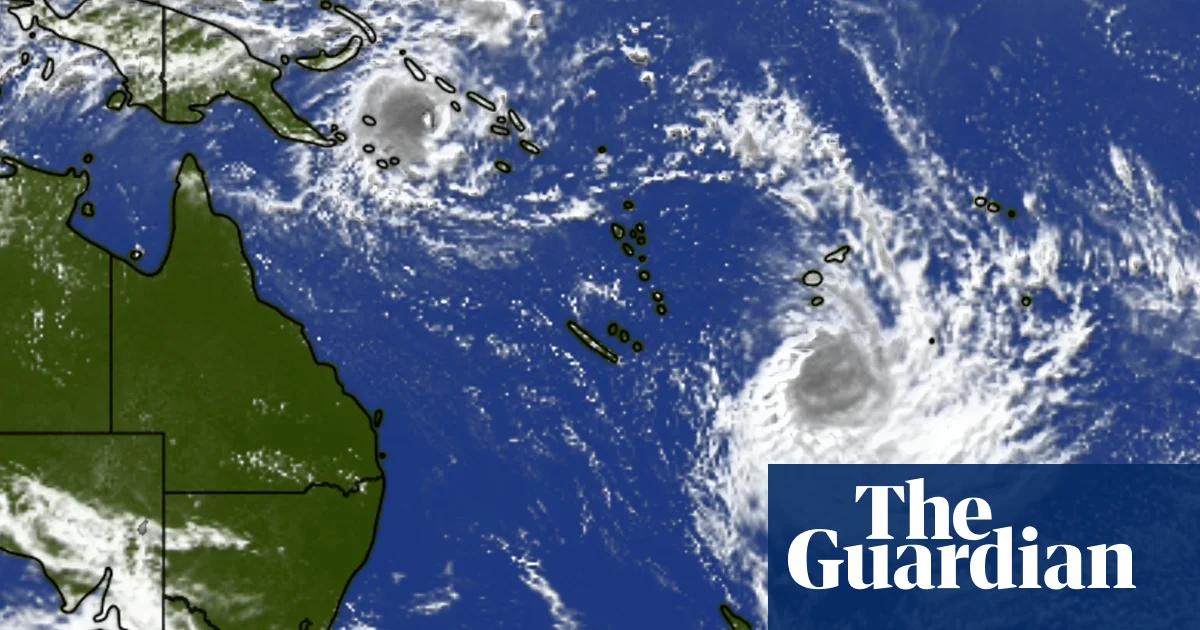
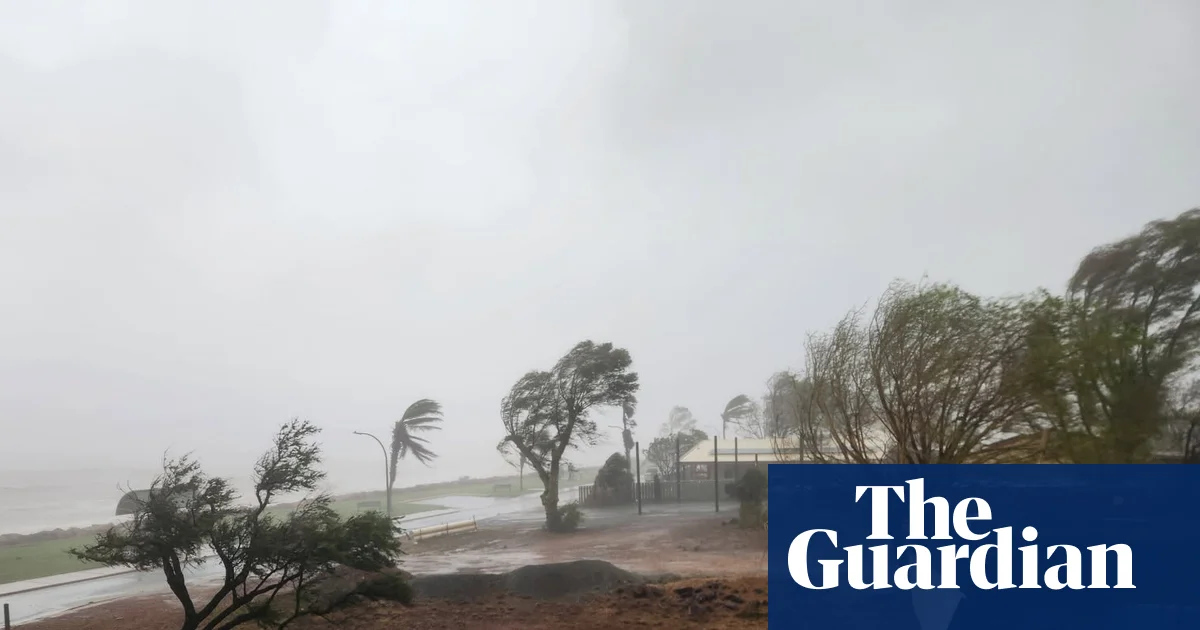
Tropical Cyclone Vaianu Threatens New Zealand with Dangerous Winds—Are We Ready?

As the Pacific Ocean churns with the formation of Tropical Cyclone Vaianu, the geopolitical implications extend far beyond weather forecasts. Forecasters warn that this category 3 cyclone, with sustained winds exceeding 150km/h, could bring severe winds and heavy rains to New Zealand later this week. The entire North Island is under a strong wind watch, underscoring the increasing strain that not only natural disasters but also their management place on national societies.

This cyclone’s development highlights a disturbing pattern of increasingly intense and unpredictable tropical weather systems in the Pacific, regions historically challenged by climate volatility. International climate models and analysts suggest that such storms are not isolated incidents but a consequence of broader environmental shifts driven by global warming. Scientists warn that these storms could become more frequent and severe, intensifying the political and economic weight borne by governments to prepare for and respond to such calamities. The coordinated response of nations, emergency agencies, and international organizations becomes critical in safeguarding societies; any failure could result in devastating human and financial losses. The Pacific region, a hub of geopolitical importance due to the rising influence of China and the enduring presence of U.S. alliances, faces increased vulnerabilities as climate change exacerbates instability.

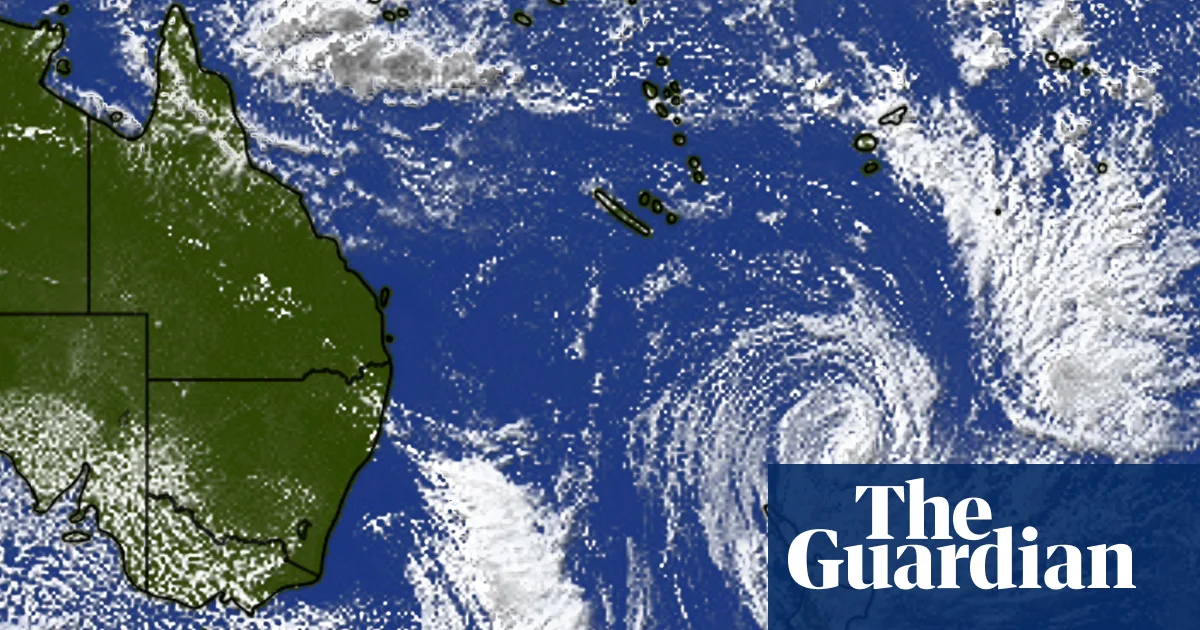
In addition, the Pacific’s natural turmoil is mirrored by ongoing regional shifts. Just as Australia and the United States bolster strategic partnerships amid increasing geopolitical tensions, the continent’s environmental crises echo a warning that natural disasters will have ripple effects on international stability. The recent escalation of tropical cyclone Maila, now a category 5 system in the Solomon Sea, vividly illustrates the North’s vulnerabilities. While Maila poses no immediate threat to New Zealand, its formidable winds—reaching gusts up to 295km/h—serve as a stark reminder of the destructive potential of these powerful storms. Analysts suggest that the global community’s response to such natural phenomena will define the geopolitical landscape in the coming years, especially as climate-induced disasters become more common.

  • In recent months, New Zealand experienced a series of severe storms, including deadly landslides and widespread flooding, reflecting a growing pattern of climate-related crises that challenge the nation’s resilience.
  • The 2023 tropical Cyclone Gabrielle remains a pivotal event—killing 11, triggering a record number of landslides, and becoming the most expensive weather event in the country’s history.
  • Influential voices from international climate and geopolitical analysts have warned that such extreme weather phenomena could destabilize local economies, increase migration flows, and strain diplomatic relations in the Pacific Rim.

Through the lens of history, policymakers and observers worldwide recognize these storms as more than mere weather—they are harbingers of a new geostrategic era. The capacity of nations to adapt and fortify against the onslaught of nature’s fury will determine their future influence and survival. As history continues to unfold with each passing storm, the weight of why some societies prevail and others falter rests on the choices made today. In this global theatre, natural disasters are rewriting the rules of power, resilience, and geopolitical priority—threatening to reshape the map anew.

Cyclone Narelle Downgraded, But Severe Warnings Persist in Storm-Hit WA

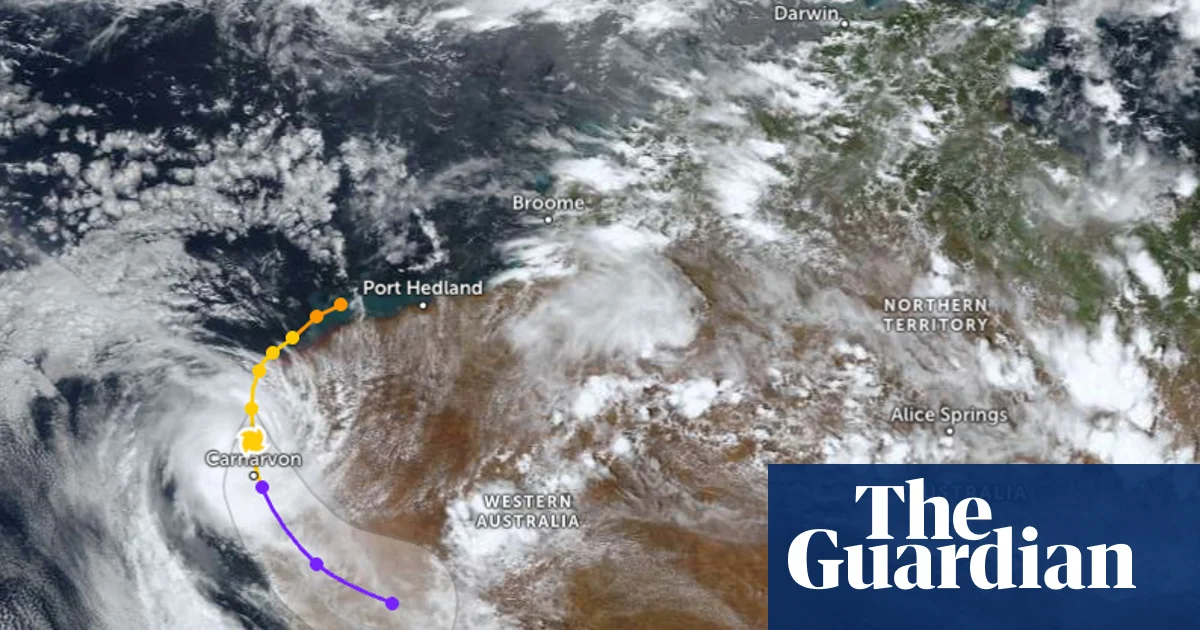
In an apparent display of nature’s relentless fury, Ex-Tropical Cyclone Narelle transitioned from a formidable storm to a tropical low after making landfall in Western Australia. Despite its downgrade, the cyclone left a trail of destruction across numerous communities, with meteorologists warning that the threat was far from over. As officials continue to assess the ongoing danger—particularly to inland regions and southern districts of the state—the incident underscores a broader dialogue about the increasing frequency and ferocity of climate events linked to global environmental shifts. While Western Australia’s coastal communities brace for the aftermath, international analysts watch closely, noting the potential geopolitical divergence that climate-related disasters may catalyze.

  • The BoM confirmed on Saturday morning that Narelle had a “very low” chance of redeveloping but warned that powerful weather systems would persist through the night with gusts reaching up to 100 km/h. This brings with it a heightened risk of damage, from shattered roofs to fallen branches, emphasizing the importance of resilience and preparedness amidst worsening climate threats.
  • Major towns like Exmouth suffered catastrophic damage when the cyclone peaked as a category four system, with winds exceeding 250 km/h, ripping apart buildings and flooding wide areas. Emergency declarations highlighted the scale of destruction, with hundreds displaced and infrastructure critically affected. The federal government, led by Prime Minister Anthony Albanese, pledged assistance, reflecting the increasing intersection of natural calamities and national security concerns.
  • Concurrently, the cyclone’s path—unusual in its trajectory—has been scrutinized by historians and climate experts, who warn that such anomalies signal a shift in the patterns of severe weather events. As climate scientists link these changes to global shifts in climate systems, international forums debate the potential geopolitical consequences—ranging from regional stability to resource conflicts—induced by climate-induced refugee flows and economic disruptions.

From the gale-force winds that battered Carnarvon and Gascoyne to the dust storms kicked up in the wake of Narelle’s destructive path, the emerging picture is one of an environment in flux—an environment that could redefine geopolitics across the Indo-Pacific and beyond. Western Australia’s experience serves as a stark reminder that nations must weigh their vulnerability against the rising storm of climate destabilization. Meanwhile, international organizations like the United Nations emphasize climate resilience, with some analysts cautioning that the global community must prepare for a future where such storms might be less predictable and more devastating.

As history turns its pages, the story of Cyclone Narelle is not just about its windspeed or flooding alone; it becomes a chapter in a larger narrative that concerns every society vulnerable to nature’s unpredictable wrath. The political and emergency responses seen in Australia reflect a broader necessity for fortified infrastructure, advanced warning systems, and international cooperation. Still, the underlying warning remains ominous: the climate crisis is not merely an environmental issue but a highly geopolitical one, capable of reshaping alliances, destabilizing regions, and testing the resilience of nations in ways that only history will fully reveal. As communities pick up the pieces and officials forecast ongoing challenges, the weight of this unfolding chapter reminds us all that the storm’s roar is just the beginning of a new kind of geopolitical storm—one where the outcome is yet unwritten.

Tropical Cyclone Mitchell Braces Western Australia — Stay Safe, Aussies!

Recent events across the globe underscore the profound influence of climate dynamics on geopolitical stability and societal resilience. Western Australia bore the brunt of Cyclone Mitchell, a powerful storm fueled by rising sea temperatures. Originating as a weak tropical low over the Northern Territory in early February, Mitchell’s intensification to a category three cyclone highlights a troubling trend: the increasing frequency and ferocity of tropical weather systems driven by climate change. Such natural disasters threaten not only local economies but also regional security, as they strain infrastructure, displace populations, and demand international aid. The cyclone’s lingering moisture and subsequent heavy rainfall disrupted agriculture and trade corridors, illustrating how climate systems directly influence national stability and economic prosperity.

Meanwhile, the island of Madagascar faced its second devastating cyclone in less than two weeks. Cyclone Genzani struck with record winds of 155 mph, causing widespread flooding, destroying hundreds of buildings, and claiming at least nine lives. The impact of such storms extends beyond immediate casualties; they exacerbate ongoing humanitarian crises, displace communities, and threaten regional development. Analysts from the International Disaster Emergency Assistance warn that the recurrence of Cyclone Genzani follows the pattern of increasing intensity and frequency—phenomena attributed to the broader context of climate change. This relentless onslaught of nature’s fury underscores the importance of international cooperation in disaster preparedness and climate resilience, with nations like France and the United States providing aid and expertise to Madagascar.

In stark contrast, continental Europe experienced a sharp deviation in climate patterns, with persistent high pressure over northern regions fueling an unprecedented cold snap. The continent endured its coldest January since 2010, with temperatures plummeting into the -40s Celsius in Scandinavia. Experts suggest that this anomaly is a result of blocked weather patterns—a phenomenon that could have far-reaching geopolitical consequences. The chaos caused by the extreme cold, including canceled flights, strained energy supplies, and increased mortality rates, reveals vulnerabilities in Europe’s infrastructure and social systems. Countries like Finland and Poland reported record-high energy demands and tragic losses due to hypothermia. The prolonged cold and icy conditions have not only exposed weaknesses in emergency preparedness but also highlighted debates over energy security and climate policy—debates that are poised to shape Europe’s future amid shifting climatic realities.

Historians and international analysts warn that these climatic upheavals are no longer isolated phenomena but part of a complex web of challenges influencing global stability. The recent pattern of intense storms in the Indo-Pacific and extreme cold in Europe signals a geopolitical landscape increasingly shaped by climate uncertainties. Countries are forced to reconsider alliances, resource management strategies, and disaster response protocols. As the world witnesses nature’s fury, the question remains: will humanity adapt and forge a blueprint for resilience, or will it become another chapter in a story of unmitigated disaster? The unfolding narrative of climate and conflict continues to writhe beneath the surface of international diplomacy, reminding all that the weight of history is now resting heavily on the shoulders of today’s leaders—and the clock is rapidly running out.

Pilbara residents warned: Tropical Cyclone Mitchell unleashes fierce winds, shelter now urged

The Unfolding Power of Nature: Cyclone Mitchell Threatens Australia’s Pilbara Coast

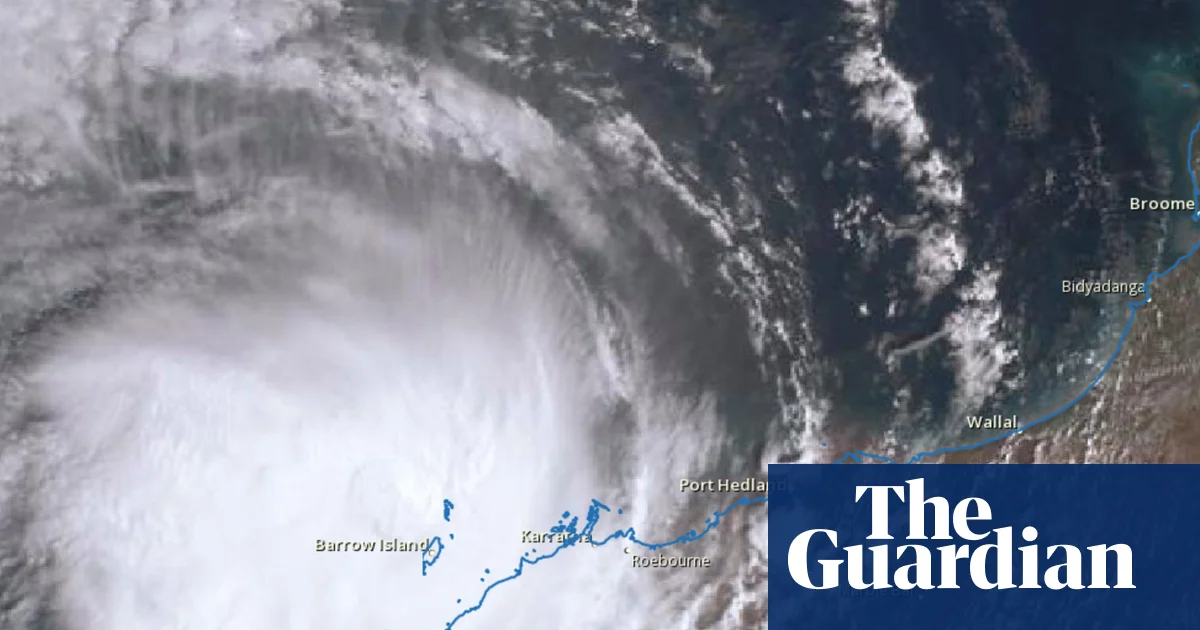
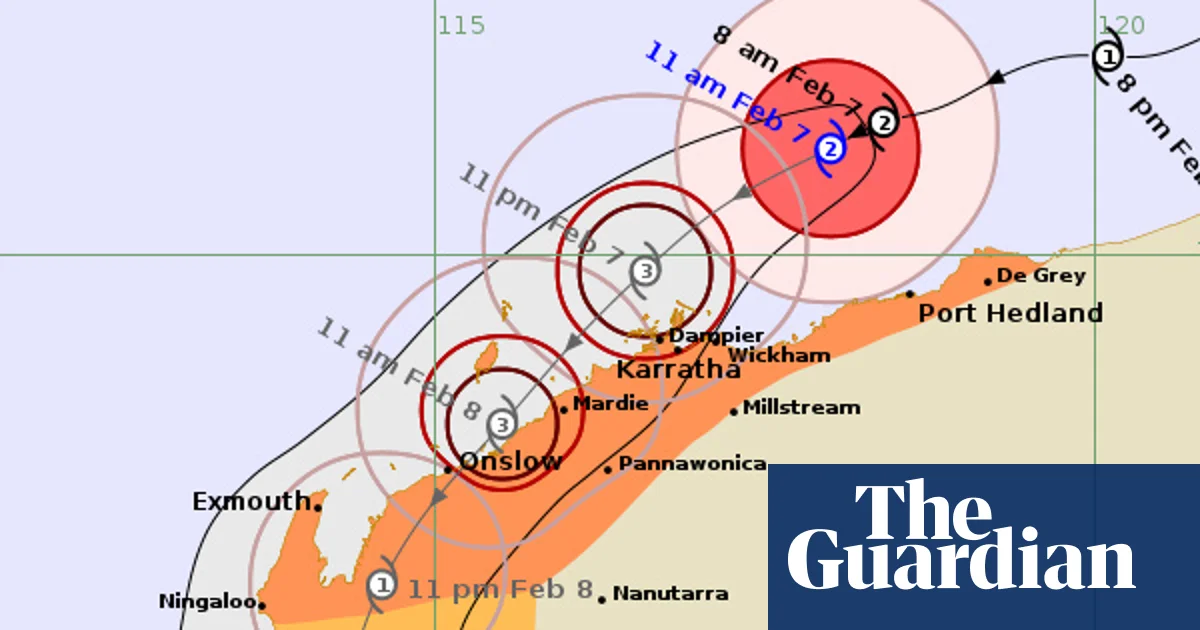
Amidst the shifting global climate landscape, Severe Tropical Cyclone Mitchell presents a stark reminder of nature’s raw power and its geopolitical implications. Currently approaching the Pilbara coast of Australia, this cyclone is forecasted to sustain its intense category 3 status as it barrels southward along the western coast, forcing governments and communities into emergency preparedness. According to the Bureau of Meteorology, Mitchell’s winds are surging at 120 km/h near its center, with gusts soaring up to 165 km/h, highlighting the severity and danger posed to coastal regions.

This impending landfall serves as a pivotal moment in the ongoing discussion about climate resilience and international security. Australia’s strategic ports and critical infrastructure in the Pilbara are vulnerable to the widespread damage that such storms can inflict, with authorities mobilizing evacuation centers and issuing cyclone emergency warnings from Dampier to Onslow. Historically, these regions are susceptible not only to natural disasters but also to the socio-economic repercussions that follow. As noted by analysts, the increasing frequency and severity of these events, potentially amplified by climate change, threaten to destabilize local economies and strain national resources. Future international cooperation on climate resilience measures will undoubtedly influence the hemisphere’s geopolitical stability, especially as alarms about rising sea levels and destructive weather patterns grow louder.

Global Climate Dynamics and Regional Security

The impact of Cyclone Mitchell extends beyond the immediate danger zone, symbolizing broader geopolitical shifts driven by climate phenomena. The recurring pattern of tropical cyclones in Australia, including recent passings by Fina, Hayley, Koji, and Luana, underlines a complex narrative—fewer storms may form in a warming climate, but the proportion of severe events is projected to increase, according to international climate assessments. This alignment of evidence has prompted warnings from climate scientists and international organizations such as the United Nations that climate-induced disasters will become more unpredictable and devastating, reshaping geopolitical landscapes.

The widespread hazards caused by Mitchell—such as flash flooding, high tides, and infrastructure threats—are a stark manifestation of how natural calamities can destabilize societies. Historically, nations with vulnerable infrastructure and limited emergency response capacity find themselves at increased risk, fueling regional instability. Recognized analysts emphasize that climate change acts as a threat multiplier in geopolitics, exacerbating existing tensions and displacing populations, thus impacting international security. The interdependence of nations now hinges on their ability to adapt to these evolving environmental threats, which signal a shift in global power dynamics. The decisions made today—whether to invest in climate mitigation or to ignore the warnings—will determine the stability of future generations.

Turning Point or Tipping the Balance?

As the cyclone’s wrath approaches and the world watches, the question remains whether humanity will heed the rising alarms or continue down a path of shortsightedness. Historians and climate experts warn that this is a turning point: a moment where international cooperation and immediate action could either fortify societies against future storms or leave them vulnerable to an uncertain, more violent climate regime. The unfolding events in Australia reflect a broader narrative—one where natural forces test human resilience and geopolitical resolve. The legacy of today’s decisions will either be one of adaptation and strength or of chaos and catastrophe, etching their mark into the pages of history as the planet’s turbulent climate saga continues to unfold.

Cyclone Mitchell Strengthens: WA’s North-West on Alert for Heavy Winds and Flooding

Severe Tropical Cyclone Mitchell Threatens Western Australia’s Coast

In a striking display of nature’s fury, Cyclone Mitchell has emerged off the northern coast of Western Australia and is forecasted to escalate into a category three system. This development is not merely a local weather phenomenon but a reminder of the persistent vulnerability of Australia’s outback regions to increasingly severe climate events. Authorities have issued a watch and act warning for coastal towns such as Karratha, Dampier, and Onslow, emphasizing the potential for destructive winds reaching up to 170 km/h. The cyclone’s trajectory, moving southwest and approaching the Pilbara coast, exemplifies how natural events can threaten local economies, disrupt transportation, and impose significant societal costs.

The geopolitical impact of such natural disasters cannot be underestimated, especially in an era where climate change accelerates the severity and frequency of extreme weather. Analysts and international organizations warn that climate-induced disasters increasingly test national resilience and underscore the importance of adaptive infrastructure. The Australian government’s response, including evacuations and port closures, reflects a strategic effort to shield economic assets such as key port facilities—namely, Dampier and Port Hedland. These ports are vital for resource exports, particularly of minerals and energy, whose disruption could ripple through regional supply chains and influence international markets.

Natural Disasters in Remote Regions Expose Broader Vulnerabilities

Simultaneously, outback towns across Australia grapple with ongoing flooding crises, deepening concerns about climate resilience. In the Northern Territory, over 400 evacuees remain displaced amid rising rivers, a situation compounded by heavy rains predicted to bring up to 130mm of rain in areas like Port Hedland. This influx of weather-related crises exposes vulnerabilities in remote infrastructure and emergency preparedness that could have broader international implications. As the Commonwealth and regional authorities coordinate disaster relief efforts, international observers note that Australia’s handling of these crises will influence its geopolitical standing, particularly as climate change becomes a defining factor of global diplomacy.

Leading historians and climate analysts highlight how these pivotal moments—be it a cyclone or flooding—serve as warnings of a shifting world order. Climate scientists warn that rising sea levels and more intense storms threaten not only environmental stability but also social cohesion and economic sovereignty. The World Meteorological Organization has maintained that climate-related disasters could lead to increased migration, regional instability, and even conflicts over scarce resources. For Australia, a nation so geographically exposed and resource-dependent, these natural calamities could be catalysts for both internal turmoil and geopolitical shifts, forcing alliance realignments and strategic adaptations.

The Weight of History and the Unfolding Future

As the cyclone’s winds howl over the Pilbara’s rugged landscapes and floods threaten communities in the north, the world witnesses a reminder: nature’s wrath is intertwined with humanity’s geopolitical destiny. The decisions made in response—whether by resilient infrastructure, international cooperation, or climate mitigation—will shape the course of history. Recent decades have demonstrated that nations unable to adapt to these challenges risk losing their sovereignty and social stability—trapped in a cycle of crises and reactive measures. The unfolding story of Cyclone Mitchell and Australia’s ongoing struggles with climate change is not merely a regional narrative but a chapter in humanity’s collective challenge to confront a future where natural forces command international attention and action. The pressing question remains—how will the world, and especially resilient nations like Australia, forge a path amid the storm’s rising shadow, to determine whether this is a fleeting event or the beginning of a new epoch in geopolitical and environmental history?

Social Media Auto Publish Powered By : XYZScripts.com