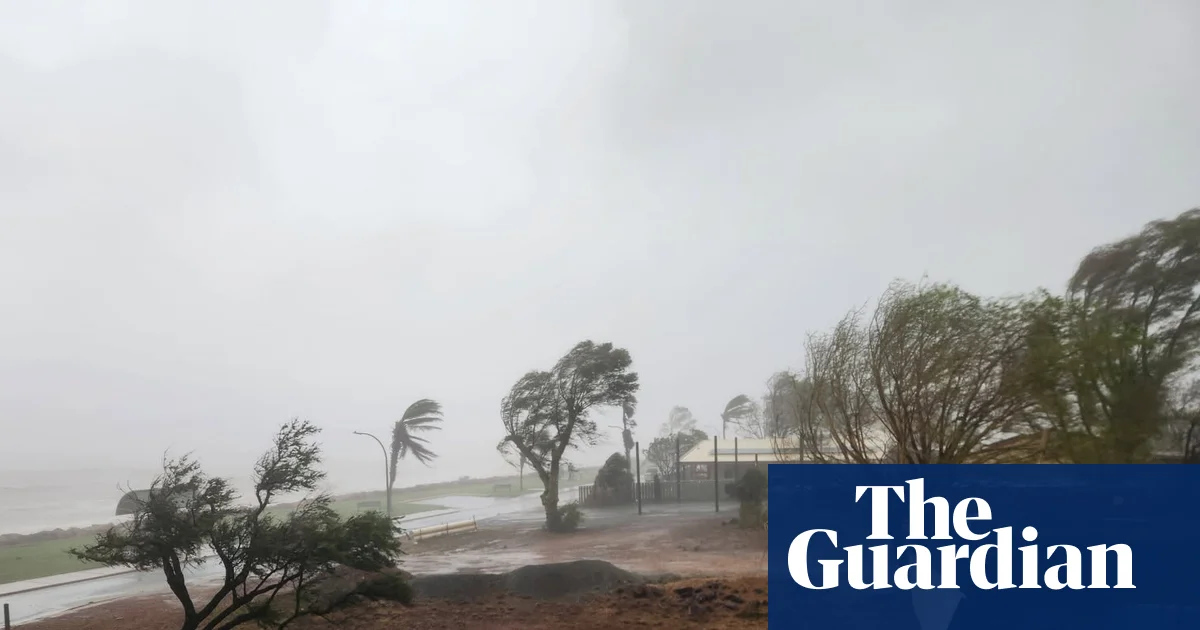
In an apparent display of nature’s relentless fury, Ex-Tropical Cyclone Narelle transitioned from a formidable storm to a tropical low after making landfall in Western Australia. Despite its downgrade, the cyclone left a trail of destruction across numerous communities, with meteorologists warning that the threat was far from over. As officials continue to assess the ongoing danger—particularly to inland regions and southern districts of the state—the incident underscores a broader dialogue about the increasing frequency and ferocity of climate events linked to global environmental shifts. While Western Australia’s coastal communities brace for the aftermath, international analysts watch closely, noting the potential geopolitical divergence that climate-related disasters may catalyze.
- The BoM confirmed on Saturday morning that Narelle had a “very low” chance of redeveloping but warned that powerful weather systems would persist through the night with gusts reaching up to 100 km/h. This brings with it a heightened risk of damage, from shattered roofs to fallen branches, emphasizing the importance of resilience and preparedness amidst worsening climate threats.
- Major towns like Exmouth suffered catastrophic damage when the cyclone peaked as a category four system, with winds exceeding 250 km/h, ripping apart buildings and flooding wide areas. Emergency declarations highlighted the scale of destruction, with hundreds displaced and infrastructure critically affected. The federal government, led by Prime Minister Anthony Albanese, pledged assistance, reflecting the increasing intersection of natural calamities and national security concerns.
- Concurrently, the cyclone’s path—unusual in its trajectory—has been scrutinized by historians and climate experts, who warn that such anomalies signal a shift in the patterns of severe weather events. As climate scientists link these changes to global shifts in climate systems, international forums debate the potential geopolitical consequences—ranging from regional stability to resource conflicts—induced by climate-induced refugee flows and economic disruptions.
From the gale-force winds that battered Carnarvon and Gascoyne to the dust storms kicked up in the wake of Narelle’s destructive path, the emerging picture is one of an environment in flux—an environment that could redefine geopolitics across the Indo-Pacific and beyond. Western Australia’s experience serves as a stark reminder that nations must weigh their vulnerability against the rising storm of climate destabilization. Meanwhile, international organizations like the United Nations emphasize climate resilience, with some analysts cautioning that the global community must prepare for a future where such storms might be less predictable and more devastating.
As history turns its pages, the story of Cyclone Narelle is not just about its windspeed or flooding alone; it becomes a chapter in a larger narrative that concerns every society vulnerable to nature’s unpredictable wrath. The political and emergency responses seen in Australia reflect a broader necessity for fortified infrastructure, advanced warning systems, and international cooperation. Still, the underlying warning remains ominous: the climate crisis is not merely an environmental issue but a highly geopolitical one, capable of reshaping alliances, destabilizing regions, and testing the resilience of nations in ways that only history will fully reveal. As communities pick up the pieces and officials forecast ongoing challenges, the weight of this unfolding chapter reminds us all that the storm’s roar is just the beginning of a new kind of geopolitical storm—one where the outcome is yet unwritten.