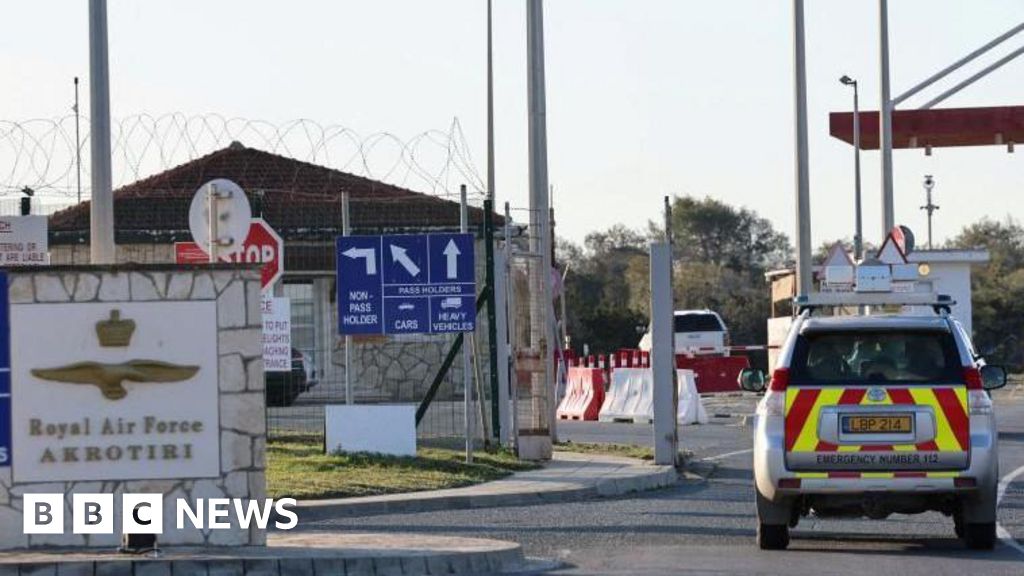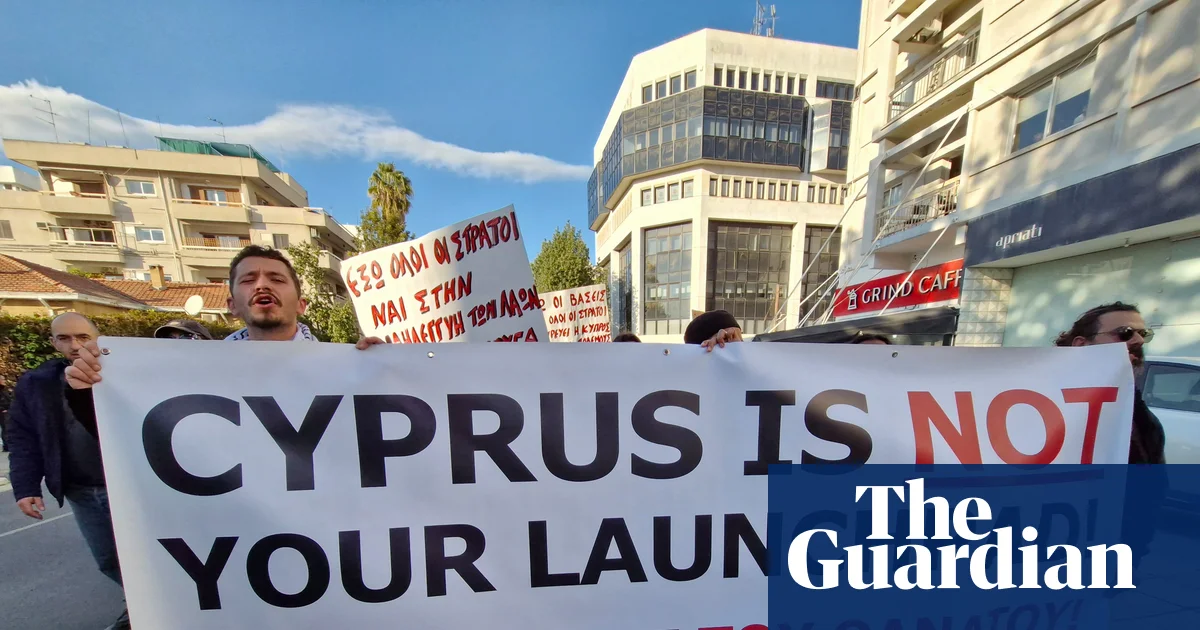

In a dramatic escalation of regional tensions, Britain faces mounting pressure from Cyprus and international observers to withdraw its military bases from the island, amid a series of provocative attacks by regional actors. The unprecedented drone strike on RAF Akrotiri and subsequent interception of additional aerial threats have thrust the colonial-era installations into the geopolitical spotlight. Notably, the protests sweeping through Nicosia underscore a broader sentiment of resentment towards these bases, perceived by many as remnants of colonial dominance and potential catalysts for regional instability. As the island grapples with its complex history and contemporary security threats, the core question remains: how do decisions regarding these bases influence regional stability and the future of Cypriot sovereignty?
Analysts point to the increasing role of regional proxy conflicts and the evolving Middle Eastern landscape as critical factors fueling this crisis. The Cypriot foreign minister, Constantinos Kombos, disclosed that the drone responsible for the attack was launched from Lebanon, a nation long embroiled in turmoil and linked to Iran’s Islamic Revolutionary Guard Corps and Hezbollah. This connection signals a dangerous expansion of proxy warfare into the Eastern Mediterranean, with Iran seeking to extend its influence and destabilize U.S.-allied nations in Europe and the Middle East. The incident underscores the precarious security environment—an environment where British assets, especially the crucial RAF Akrotiri airbase, are now seen as targets in a broader regional chess game. This evolution of threats prompts a re-evaluation of Britain’s strategic interests and raises questions about the sustainability of foreign military presence in historically complex territories.
International organizations and military experts warn that the continued reliance on outdated colonial arrangements could have disastrous consequences. The NATO alliance, often positioned as the guarantor of regional security, faces its own internal struggles, especially with Turkey’s opposition to Cyprus’s NATO membership. Despite ongoing efforts to bolster Cyprus’s defenses with European military cooperation and rapid deployment of European ships and aircraft, critics argue that these measures fall short of deterring well-equipped adversaries armed with precision drone technology and proxy support. Needless to say, such vulnerabilities threaten not only regional peace but also the global balance of power, with potential ramifications cascading into international markets and diplomatic relations.
The unfolding crisis commands the attention of historians and geopolitical analysts who warn that this chapter in Cyprus’s history might prove pivotal. As historians note, the last major upheaval — the Turkish invasion in 1974 — reshaped the island’s political landscape. Today, the threat of renewed conflict and the expansion of proxy wars over strategic territories like Akrotiri cast a shadow over the island’s future. The decision by Oxford and London to maintain these bases, despite international protests, signals a stubborn commitment to preserving post-colonial military dominance—yet it also risks igniting a conflict that could eclipse even the past upheavals. With socio-political unrest simmering and calls for full Cypriot sovereignty growing louder, the question remains: will these historic quarrels deepen or finally give way to a new chapter of independence and peace? As the world watches, one truth persists—Rome wasn’t built in a day, and the flames of this unfolding saga have only just begun to ignite.