
Netflix Eyes Major Acquisition in the Battle for Global Entertainment Dominance
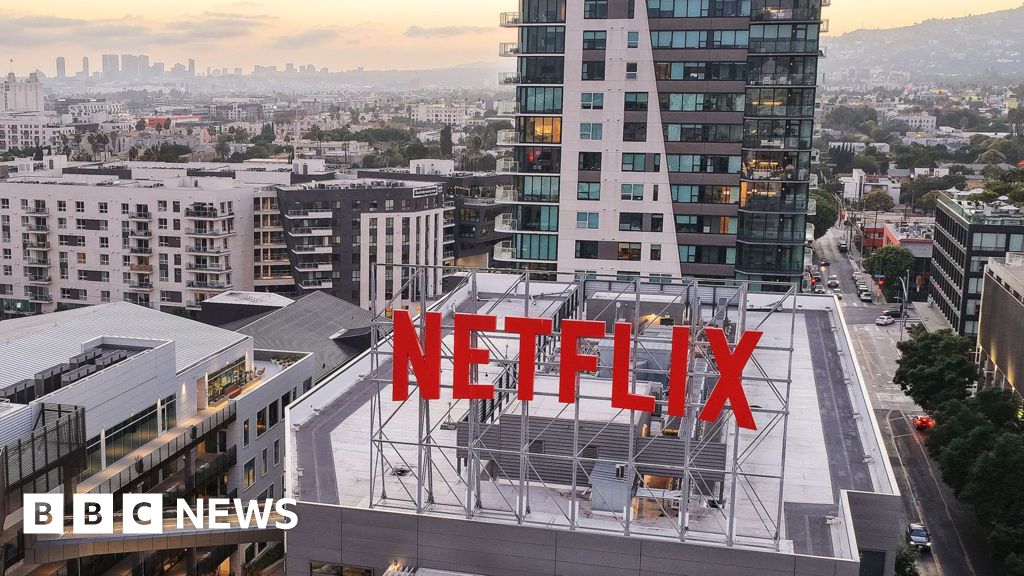
In a move that could reshape the geopolitical landscape of international media, Netflix is reportedly nearing a deal to acquire the film and streaming assets of Warner Bros Discovery. This potential acquisition, which includes iconic franchises such as Harry Potter and Game of Thrones, as well as the streaming service HBO Max, signals a strategic shift in the global entertainment market. As competition intensifies among streaming giants, analysts warn that this industry consolidation may have profound consequences for media sovereignty and cultural influence worldwide. The deal’s outcome will undoubtedly influence how entertainment is produced, consumed, and regulated on a scale that extends beyond individual markets, affecting societies and national policies alike.
The dynamics of this proposed acquisition have sparked a fierce debate among industry stakeholders and international regulators. Paramount’s legal representatives have publicly questioned the fairness of Warner Bros’ sale process, hinting at potential bias that favors certain bidders. A letter reviewed by CNBC accused Warner Bros of conducting a “myopic process with a predetermined outcome,” raising concerns that the sale might be manipulated for the benefit of a single corporate player. Such allegations reflect broader fears about monopolistic behaviors—fears that are resonant far beyond Hollywood, echoing anxieties about media concentration’s impact on diversity of content and global information flow. The United States Federal Trade Commission and other international authorities are likely to scrutinize this deal closely, weighing the potential for a media monopoly to stifle competition and limit consumer choice on a global scale.
How Industry Power Plays Redefine Global Cultural Politics
Industry experts like Emma Wall, chief investment strategist at Hargreaves Lansdown, argue that the bidding war is about more than just profit margins—it’s about wielding cultural influence. She noted that Paramount’s bid included parts of Warner Bros with ongoing profitability challenges, whereas Netflix’s proposal focused solely on its strongest assets. “You’re sort of tainting your offer if you go into a spat,” she remarked, implying that strategic acquisitions are being driven by complex, behind-the-scenes negotiations that involve international regulators and geopolitical considerations.
The potential creation of a *“global media mega-power”* has alarmed critics who warn of regulatory challenges. According to CNBC, legal representatives from Paramount suggest that Warner Bros’ sale process may be skewed in favor of a single bidder, leading to broader implications for international media regulation. If such a conglomerate emerges, it could result in an entrenchment of cultural hegemony, with a handful of corporations controlling the narrative and access to entertainment across continents. Historians and analysts warn that such concentration mirrors other periods of monopolistic dominance, where unchecked corporate power can distort political and social development.
Implications for Hollywood and the Global Audience
The ramifications extend beyond the realm of media business models; they threaten the very fabric of cinema and cultural expression. As Tom Harrington of Enders Analysis warns, should Netflix’s acquisition succeed, the Hollywood industry would face a *“reorientation,”* with the creative jewel—HBO—becoming deeply intertwined with a platform historically at odds with traditional cinema. This potential fracture in the relationship between streaming services and traditional filmmaking could accelerate the decline of cinema as a cultural pillar, reshaping artistic narratives and societal storytelling paradigms.
Operational and regulatory challenges loom large, with international watchdogs poised to examine whether such a merger would violate principles of fair competition. As global audiences become increasingly polarized in media preferences, the consolidation of power in the hands of few conglomerates could lead to a homogenization of culture, eroding the diversity that once fueled creative innovation. Historians argue that this moment might be remembered as a defining juncture in the transformation of global media, where the clash between corporate ambition and cultural integrity reached its zenith. The stakes are high, and the course of history continues to be written with every negotiation, every deal, and every decision made behind closed doors—reminding us that in this new era, entertainment is no longer just a product but a weapon in the relentless pursuit of geopolitical dominance.